
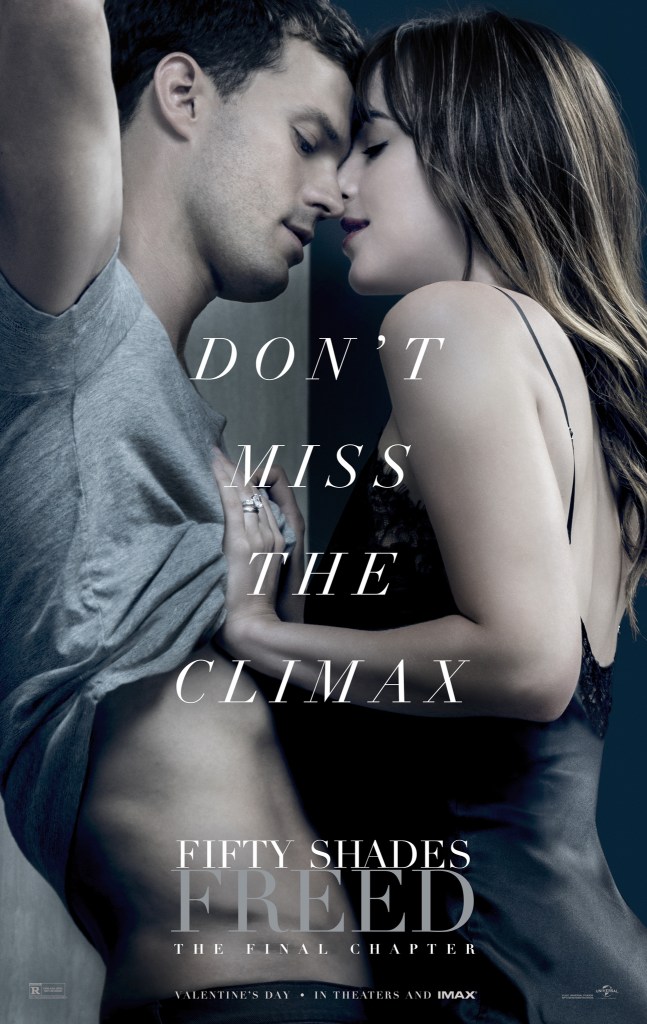
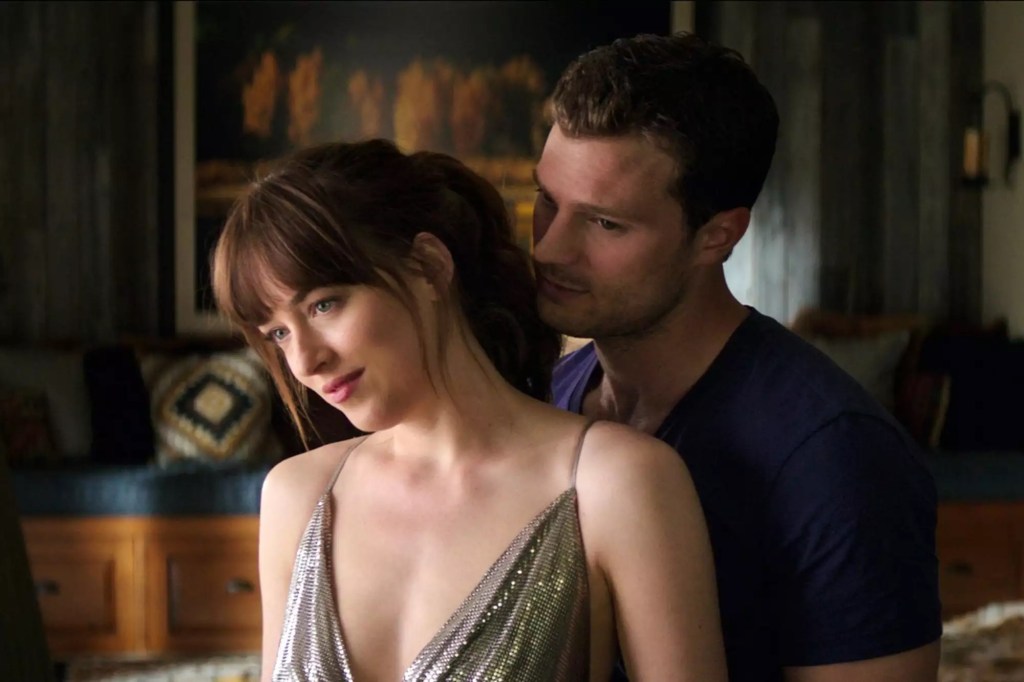
This was the final entry into the Fifty Shades trilogy, starring Dakota Johnson and Jamie Dornan as Anastasia Steele (now Grey) and Christian Grey (not Steele). When the film picks up from the previous entry, the couple prepares for their wedding, surrounded by friends and loved ones, in a move many never thought Christian would take. This final entry is far more action-oriented than the other two, with a true antagonist for the main characters to confront.
This chilling climax (pun definitely intended) makes perfect sense when viewing all three films and books as a single story rather than individual books or movies. There’s a reason that Jack Hyde (Eric Johnson) is introduced in the first book – a scene that was excised altogether, with his film introduction coming in the second part of the trilogy instead.
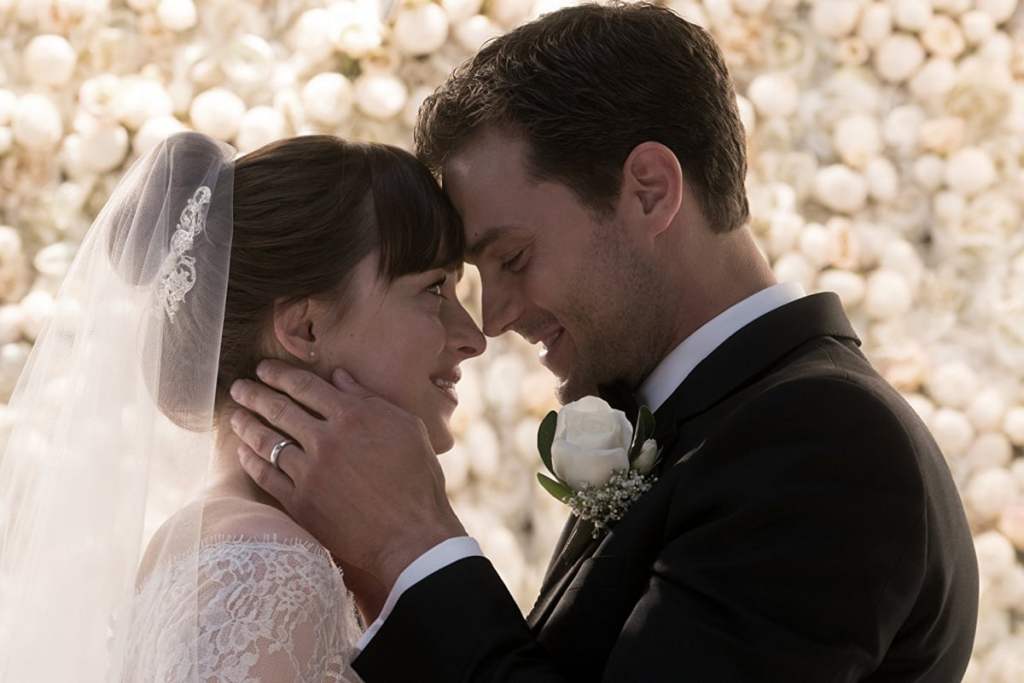

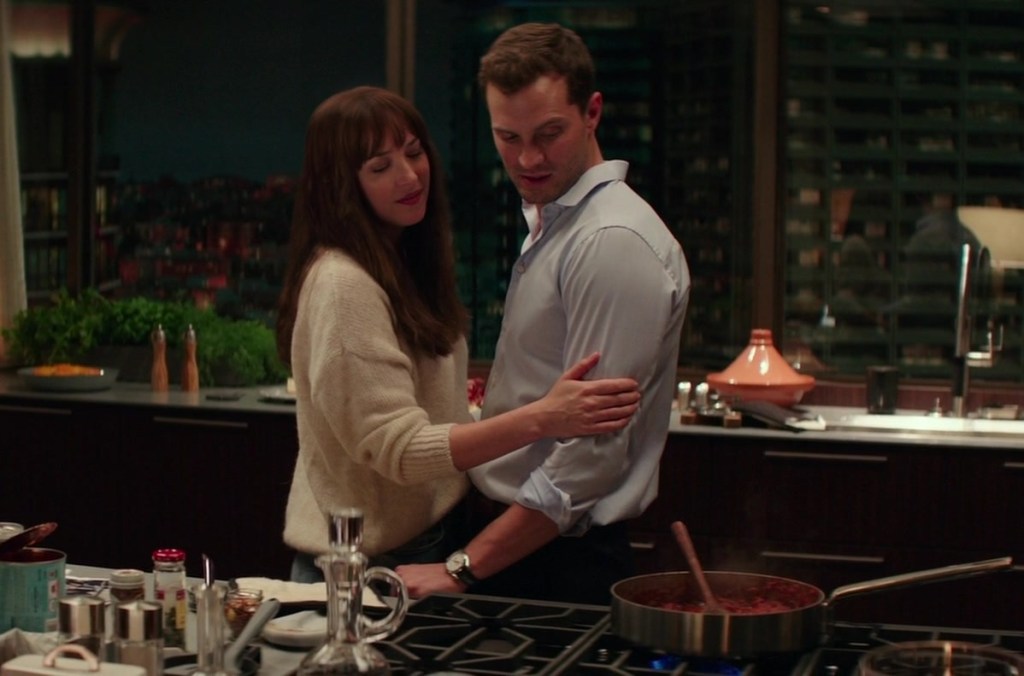
This film also brings to bear the conflict between Christian and Anastasia, which has been brewing since their first meeting. In what has become a mantra for me in life and writing, oftentimes, the reason a couple gets together are the same ones for why they break up if they don’t put in the effort. Christian’s interest in Ana comes from her physical resemblance to his mother (no need to delve into the psychology of that) and her distinctly different personality from the other woman he has entered into these kinds of relationships with. He mistook her initial meekness for the same personality as his other lovers, but that is only because of her shyness.

Her name indicates her backbone, and she continues to set boundaries for herself within her relationship with Christian, forcing him to question what he wants with who he wants. She refuses to cede her own identity to be with him.
This is most emphasized when Christian punishes Anastasia for going out with her best friend Kate (Eloise Mumford). Anastasia uses their safe word to end the engagement and then immediately chastises him for going so far out of petty revenge. They then have a tough conversation, once again reminding the viewer that while they may have begun as an unequal pairing, they certainly aren’t now. The distance between grows, but they strive to bring one another back to the table, working on their relationship the entire time.
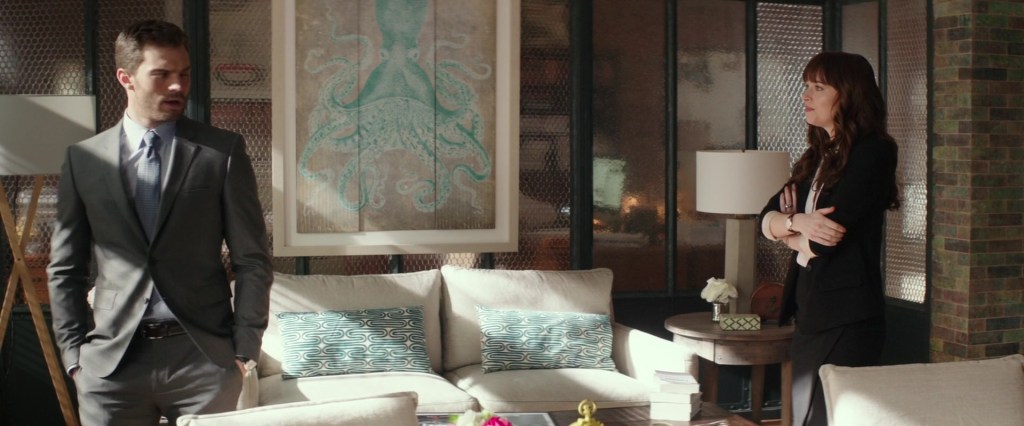
Their relationship, regardless of how critics and detractors wish to view it, is the central plot point of the Fifty Shades franchise. The ups and downs are the major milestones that are hit, with the rest filling in the world they live in. Christian’s controlling behavior and intense anger are all things he is working on in therapy (sadly cut out of the film series despite casting an actor and filming all of the relevant material). Many of the criticisms lobbed at the film and the books tend to sidestep all of that to focus on the aspects they don’t like. This is a reoccurring issue when it comes to popular media that was designed for a specific group in mind that wasn’t white men, after all. The same thing happened to Twilight. This is not to say that there are not legitimate criticisms that can’t be lobbed at both franchises – there are, and I’ve made them, and I still love them both. However, too often, I’ve seen those criticisms used as a basis to simply bash the existence of the series. For me, I come back to both of these film franchises more often than any other.
The Fifty Shades trilogy’s supporting cast has steadily developed with each entry. Poor José (Victor Rasuk) is never one of them, but he’s always around, and nobody can deny that this trilogy propelled him into other projects, such as The Baker and the Beauty and Jack Ryan. He has fully supplanted the role of Kate’s brother by being subtly paired off with Mia (Rita Ora). By the end of the previous film, José has come to accept that Ana doesn’t have feelings for him and forms a kind of grudging mutual respect between himself and Christian. Enough to snag an invite to the wedding and Aspen.
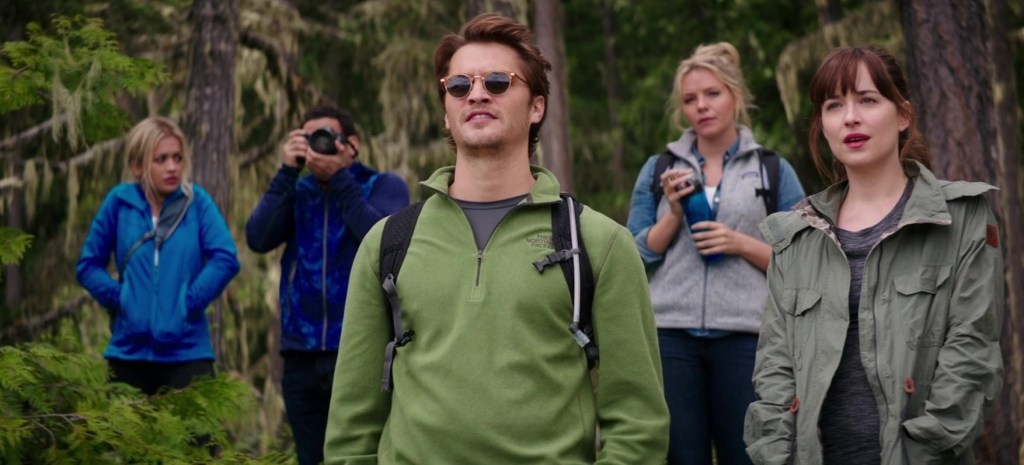
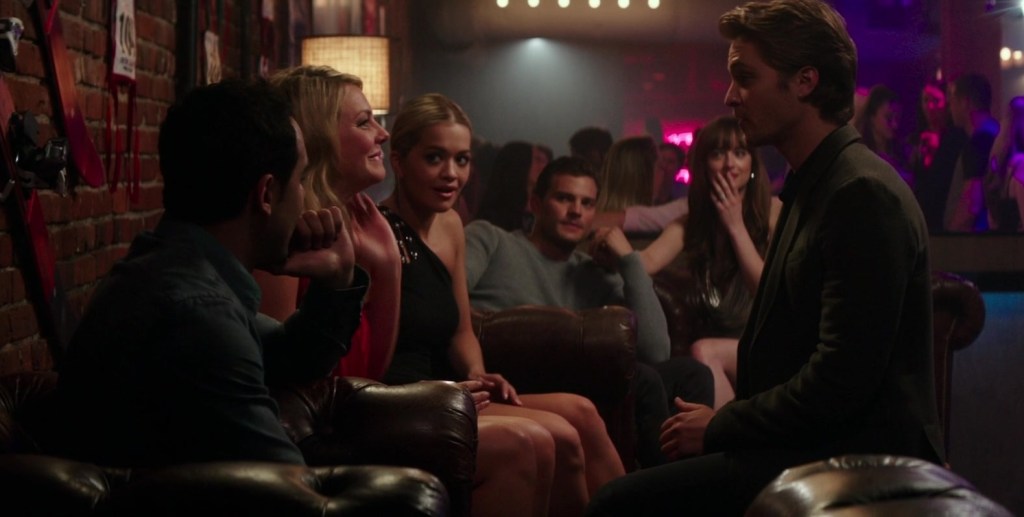
Mia has a far larger role in this film, which ultimately centers on her being kidnapped. Because of her larger role, we are able to watch as Mia and Ana truly grow into their friendship. The dynamic between the two is different than the one that Ana and Kate have, but Mia and Kate have a similar relationship with Ana – as both Kate and Mia are far more outgoing than Ana and are able to draw her own inner playfulness out. This is most evident during their shopping trip in Aspen, reinforcing Ana’s independence from Christian’s opinion on what she wears.
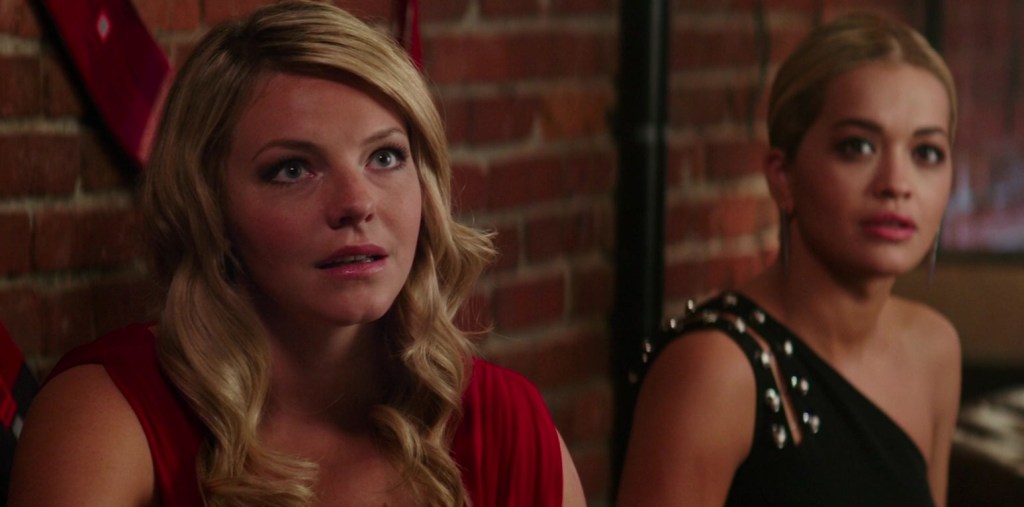
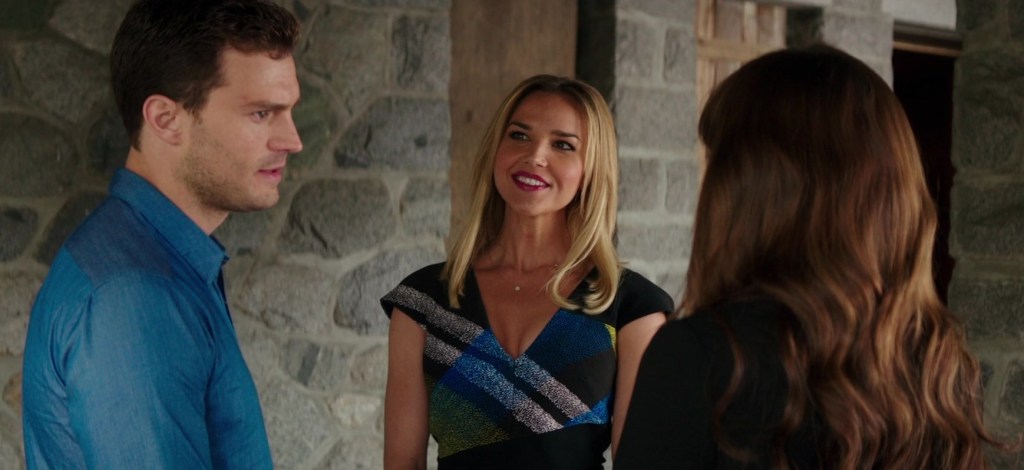
Kate maintains a firm position in this entry as she deals with doubts about her relationship with Elliot (Luke Grimes), Christian’s brother, and his former girlfriend, Gia Mateo (Arielle Kebbell of John Tuck Must Die fame). Their relationship is far less turbulent and far more streamlined for a number of reasons, but what they don’t have down their communication – an issue many couples suffer from. Her concerns about Gia are only half-true, as it is. Gia might have been interested in resuming a relationship with Elliot or starting up one with Christian, but her efforts were wasted. Neither Christian nor Elliot is interested in a relationship with her, and the latter is only spending time with her in order to pick out the best engagement ring for Kate. Christian simply proved his relationship with his brother was strong by trusting his advice when it came to how good of an architect that Gia was.
Elliot also connects with Ana, sharing some of Christian’s past with her, allowing Ana to have another, deeper look into how Christian was molded as a person. One of the best scenes that shows how far Ana has come to being accepted in this family and how much of an impact her mere presence has on Christian is when she, Elliot, and Mia hear Christian play the piano – something he doesn’t do in public. One of the first intimate moments between Christian and Ana in the first entry was when he played the piano after their first evening together. He is comfortable around her and feels safe and secure enough to share the deepest, most personal sides of himself with her. These are all facets of himself that he has struggled to share with his family at the best of times.
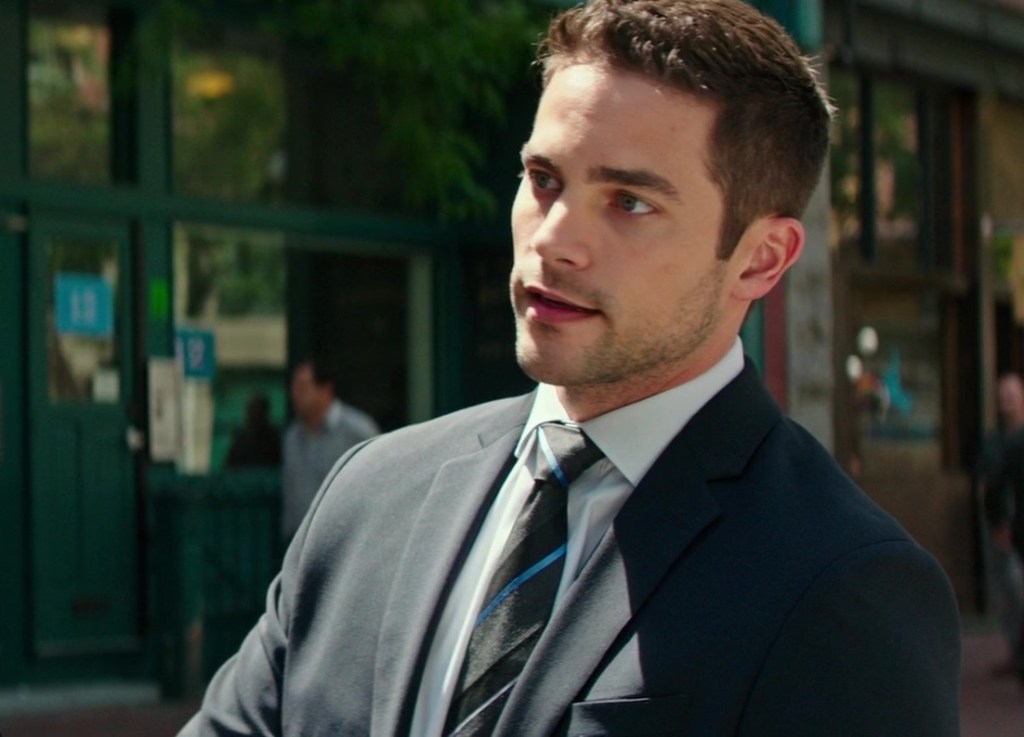
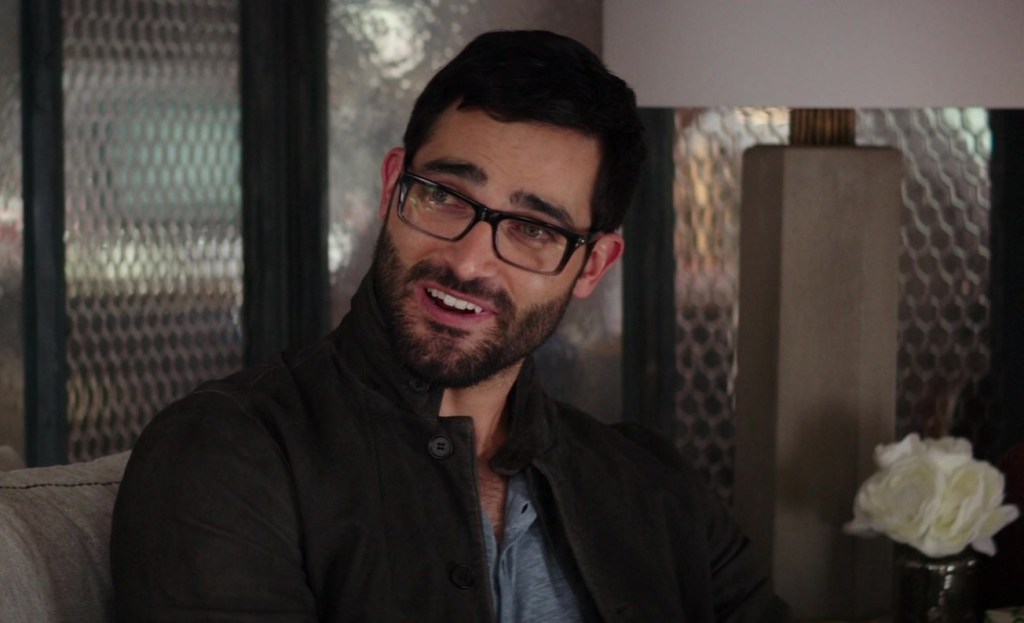
The primary new characters in this entry are Brant Daugherty as Luke Sawyer, Ana’s new bodyguard, and Tyler Hoechlin as Boyce Fox, an author and client at SIP with whom Anastasia works closely. Kirsten Alter plays Prescott, another of Ana’s bodyguards, whose firing is not shown in the film – though she notably disappears from the film after this point, implying her fate is the same. Sawyer and Prescott both work under Jason Taylor (Max Martini), returning in his role as the chief of Christian Grey’s protective detail.
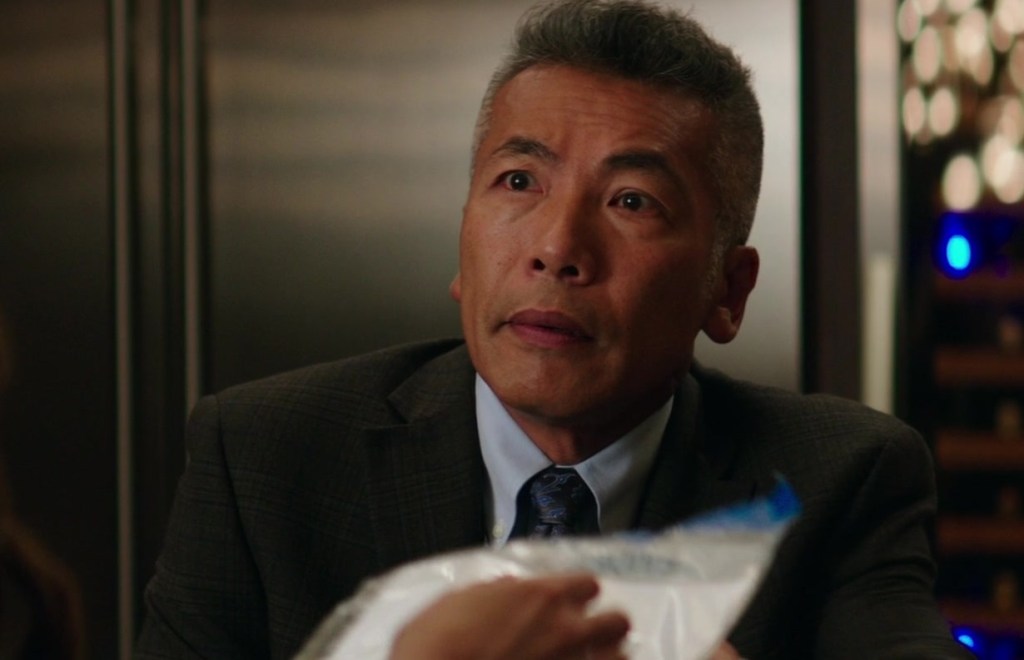
Gary Hudson plays Eric “Linc” Lincoln in the unrated version – or, as he is referred to in the credits ‘Elena’s ex-husband’ and ‘John Lincoln’ in the one scene he is referred to by name – and is a source of conflict in the background of the film. Hiro Kanagawa plays the last major new character, Detective Clark, who is clearly on Ana’s side despite the issues that crop up due to others interfering from behind the scenes.
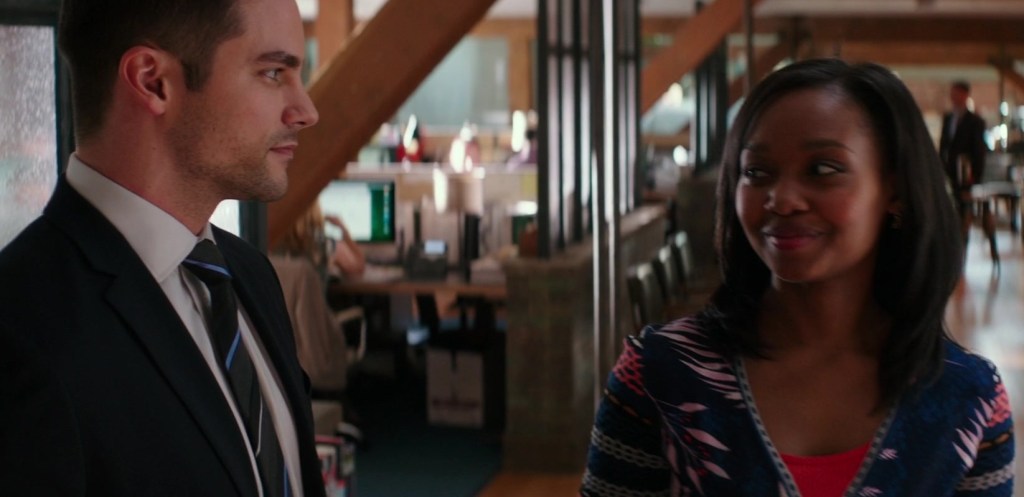
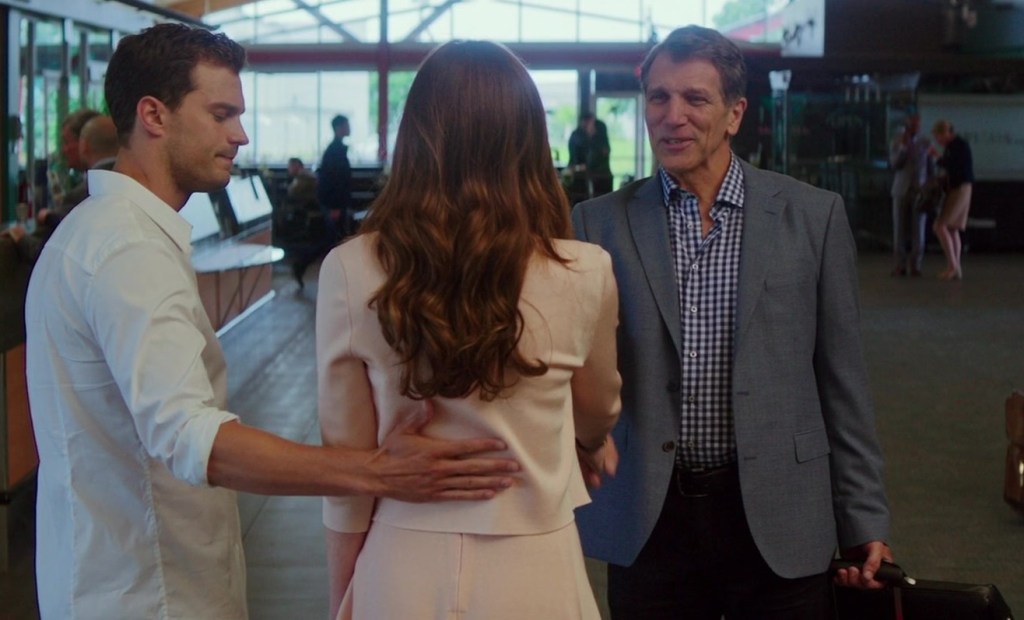
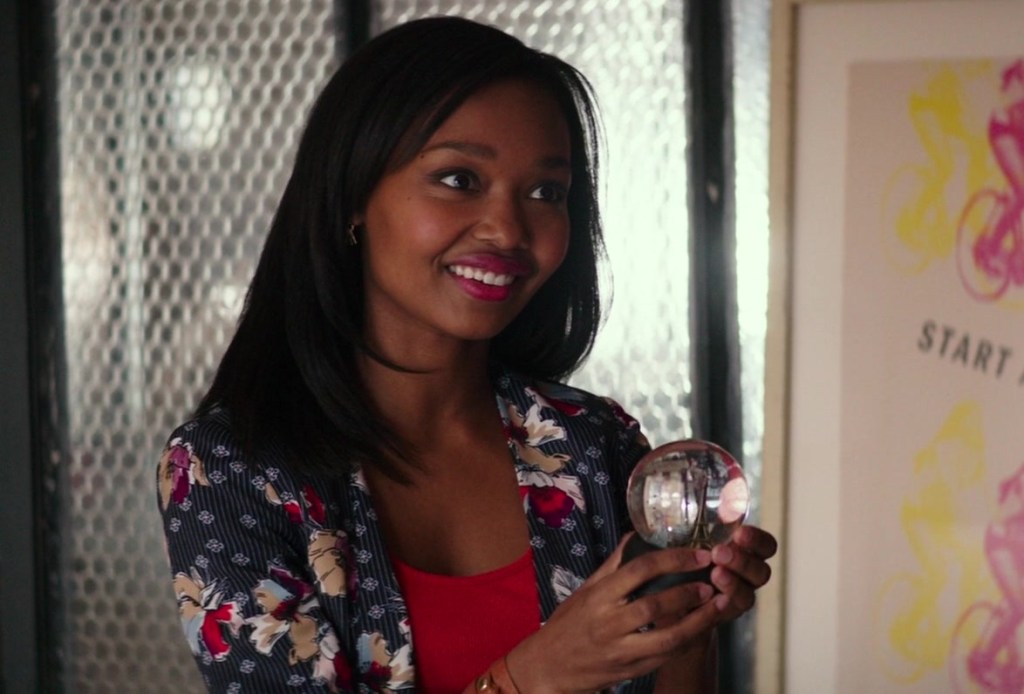
Ros Bailey (Robinne Lee), Gail Jones (Faye Masterson), and Hannah (Ashleigh LaThrop) all return in this entry, and the latter is clearly interested in Sawyer – with it implied that he returns her interest. All of them fill out the world in which Christian and Ana’s story takes place. Still, Ana shows that she knows and cares about Hannah when she gives her a snow globe, revealing that her friend/assistant collects them.


Also, in the unrated version, Kim Basinger returns as Elena Lincoln, despite having no dialogue. Christian continues to fall back on old patterns when things don’t go his way, and he struggles to understand his emotions or how to communicate effectively with Anastasia. When Ana discovers this, she is justifiably furious, which is only further compounded by the reason why he went to speak with her drunkenly. Ana’s unexpected pregnancy. During their fight over this, it becomes crystal clear that Anastasia has no hesitation about putting their child first, and Christian struggles to comprehend this. By the time they finally discuss this, after the kidnapping, he is at a point where he can explore how he feels and why he feels the way that he does, showing tremendous growth as a character.
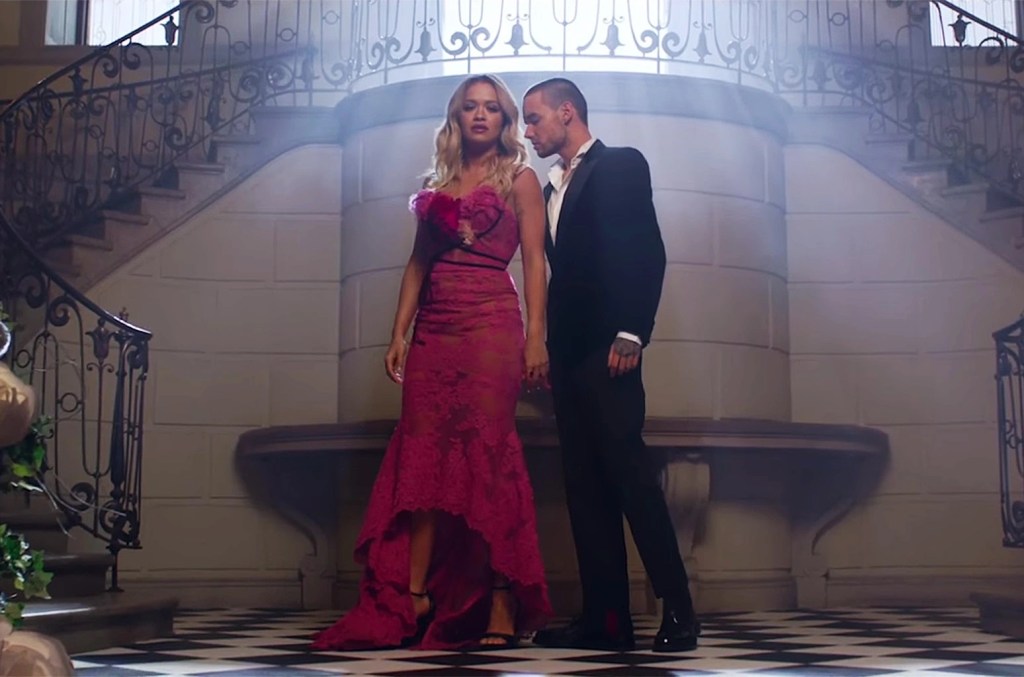
The Fifty Shades film trilogy is intricately connected with a song, something that was initiated with Ellie Goulding’s Love Me Like You Do in the trailer. Each following entry had another song attached to it, I Don’t Wanna Live Forever by Taylor Swift and Zayn, and For You by Rita Ora and Liam Payne (interesting how the first one didn’t need a former One Direction member).
It is evident that Ellie Goulding’s offering is the favorite. It features a new version to close out this film, and the series as a whole, harkening back to each and every important moment of the series.
Fifty Shades Freed took itself down the darkest path compared to its predecessors. Jake Hyde and Liz Morgan (Amy Price-Francis) take their vendetta against Anastasia to insane levels, reminding us just how dangerous the world can be for women and how the systems in place to protect people can be used, abused, and broken down. Despite his numerous efforts to harm Anastasia, which include stalking, breaking and entering, and attempted kidnapping, among others, he is protected for a variety of reasons which leads to even further chaos and harm. To say that his role serves as an indictment against corrupt wealthy men and inept detective work would be a massive understatement. His comeuppance was well-deserved.
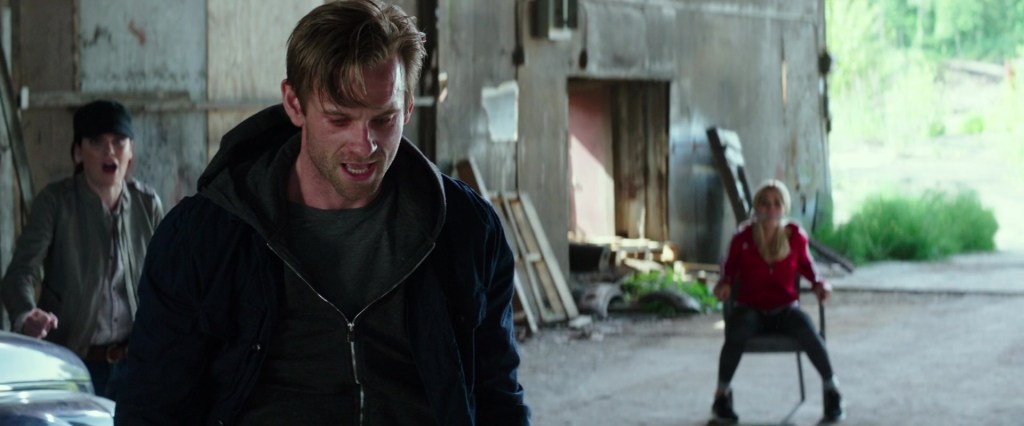

Fifty Shades Freed closed out the trilogy, and I have always found it to be the most substantive entry. It had an interesting story that was tightly plotted and well executed. Sometimes, you really don’t need a complex mystery to tell a story. It can make it feel far more like real life that way, after all.
 Lloydd Marshall Books