

Four years after The Dark Knight, this was the final entry in Christopher Nolan’s Batman trilogy featuring Christian Bale as the title character. It would not be Mr. Bale’s final foray into the world of comic books, with his recent addition to the MCU in Thor: Love and Thunder as Gorr the God Butcher.
The Dark Knight Rises was my favorite entry into the trilogy, and I won’t lie – Anne Hathaway was the primary reason for that. Catwoman is one of, if not actually, my favorite characters from DC’s side of the world of comic books. Seeing her realized in this entry was amazing, especially in a sea of complex characters well-known in Batman’s pantheon.
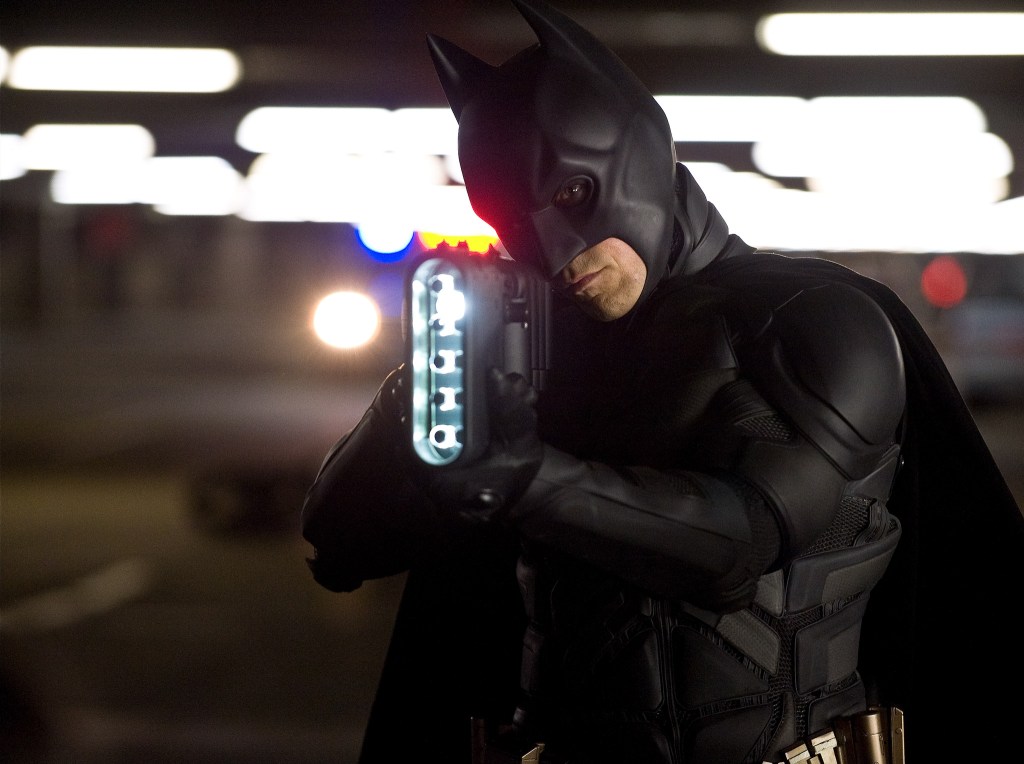
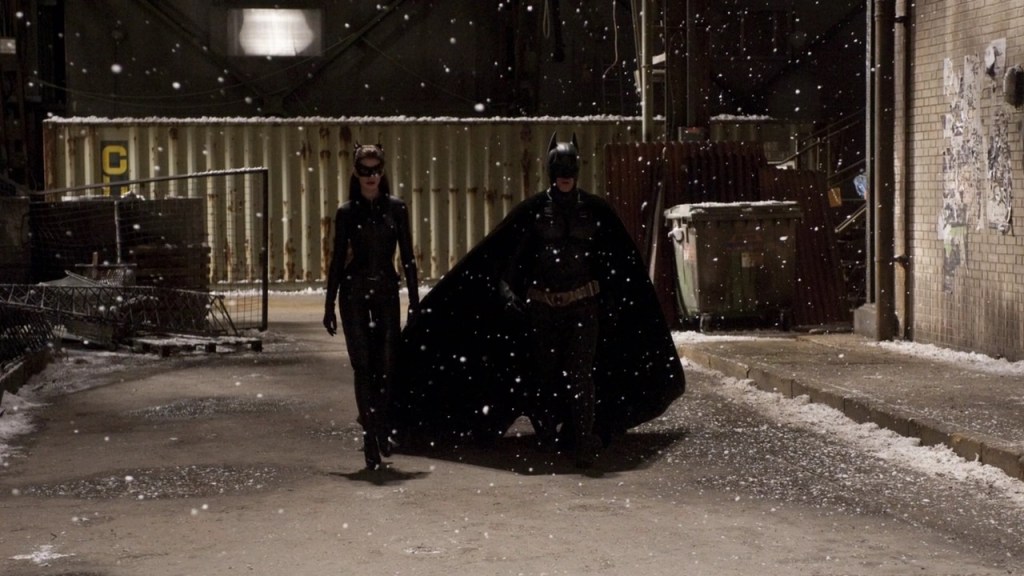
Except for Batman (1989), a good Batman film always features at least two of his enemies in a major capacity. Christopher Nolan was no stranger to this detail, utilizing Scarecrow (Cillian Murphy) and Ra’s al Ghul (Liam Neeson) in Batman Begins and Joker (Heath Ledger) and Two-Face (Aaron Eckhart) in The Dark Knight. This time around, the film worked to pull a fast one on us by presenting Bane (Tom Hardy) as the obvious villain, with Selina Kyle/Catwoman (Anne Hathaway) as the other notable comic book character and one of the most notable anti-villains in comic book history. Yet, the story connected directly back to Begins and the story of Ra’s al Ghul. We were given the Kansas City Shuffle on this, told to look one way while the real trick went on behind our backs. This came in the form of Miranda Tate, initially presented as an original character a la Rachel Dawes. Hardcore fans never believed this for a second. They called her as Talia al Ghul before the first trailer had dropped, and they were correct.
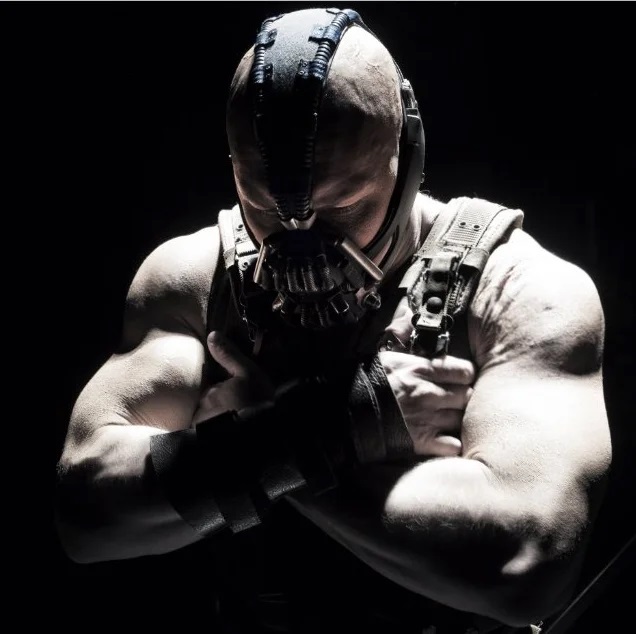
Tom Hardy was not afraid to dig into the role of Bane. While he is typically presented in a goofy manner now – with Harley Quinn giving the character a dramatically hilarious makeover in his methodology and his placement in the Batman-villain hierarchy – he is a powerful threat.
After all, Bane is infamous for nearly ending the caped crusader’s career with one back-breaking maneuver.
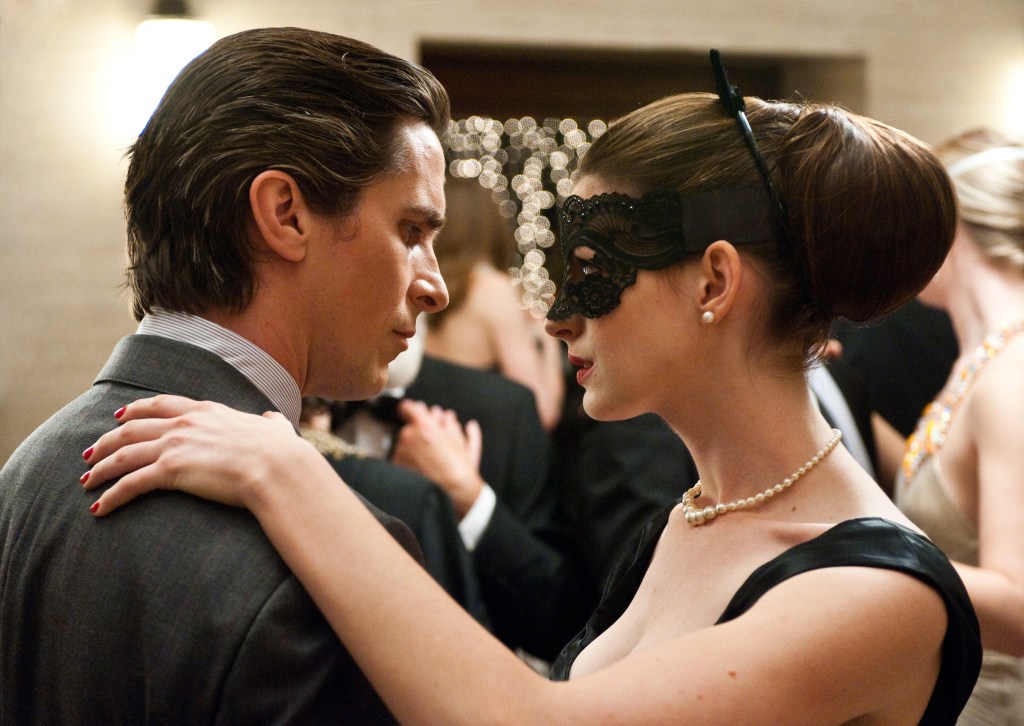
Anne Hathaway portrays the devilishly, morally ambiguous Catwoman, which is to be expected of the character. Her romance with Batman is played up for all its worth, as they truly see one another for who they really are, not who they present themselves to the world.
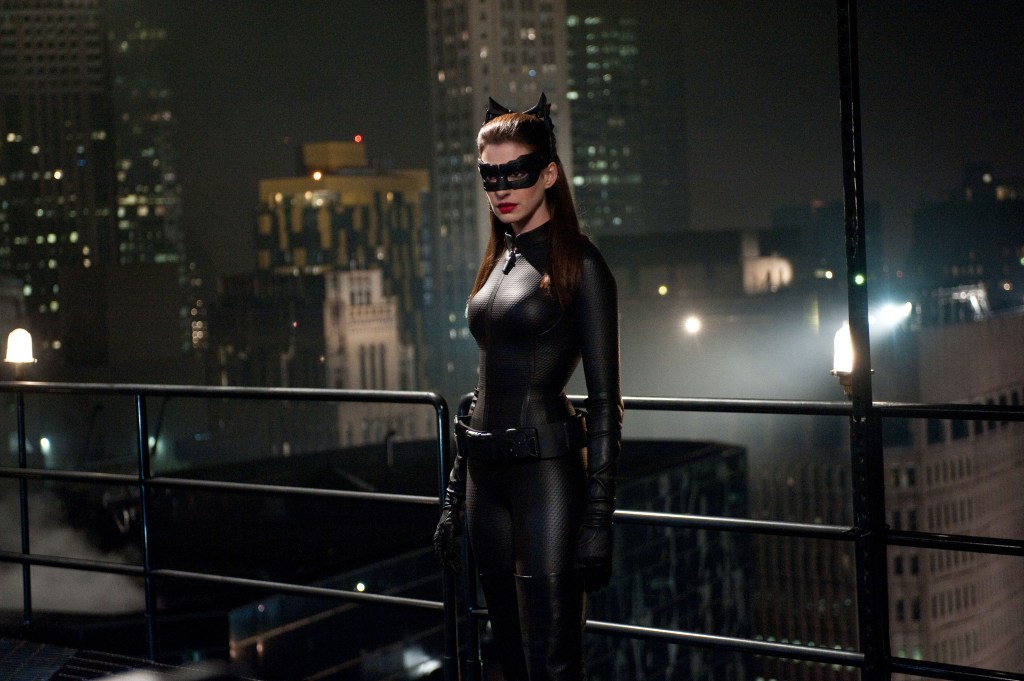
There’s a reason they’re known as the Bat and the Cat, failed wedding be damned.
We are reintroduced to Gotham City eight years after the death of Harvey Dent, and the cover-up of his crimes as Two-Face was pinned on Batman at his request. Since then, Batman has vanished, and Bruce Wayne has become a recluse, succumbing to the injuries he incurred during his tenure as the masked vigilante. Events conspire to wipe out Batman’s superpower – seemingly unlimited cash reserves. Yet, how this happens is hilariously impossible for any number of reasons that one must simply rely on the willing suspension of disbelief or outright ignore it if they want to end up not in a fit of laughter. Chalk it up to another level of corruption within the city of Gotham. After all, it’s fiction. They have some license to interact with reality.
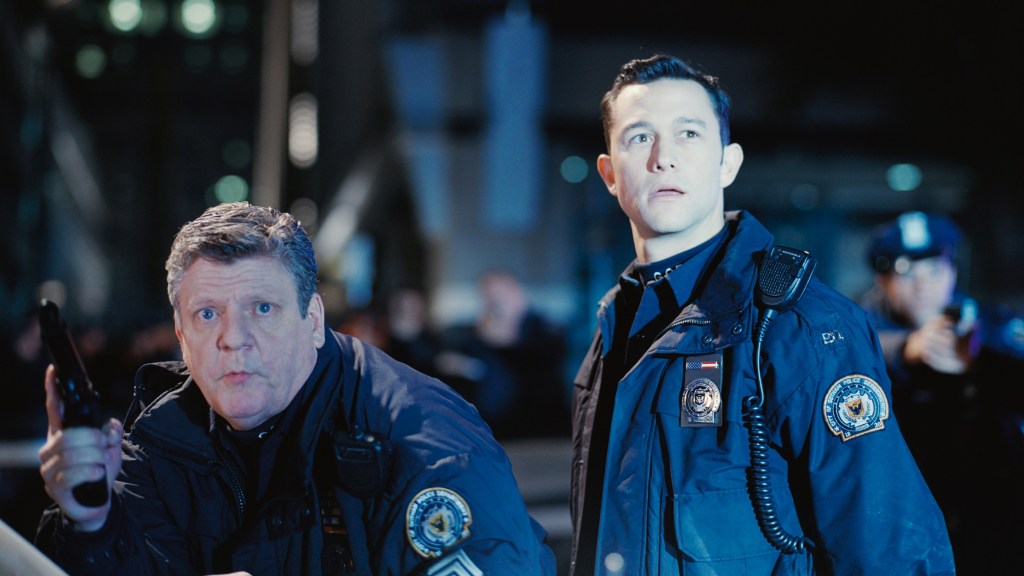
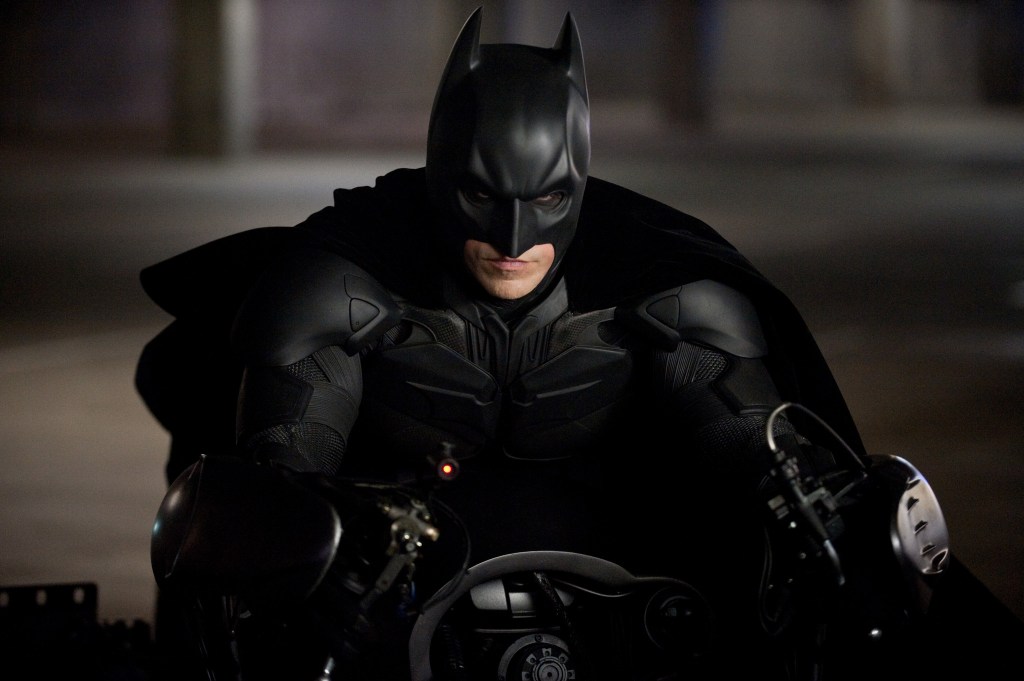
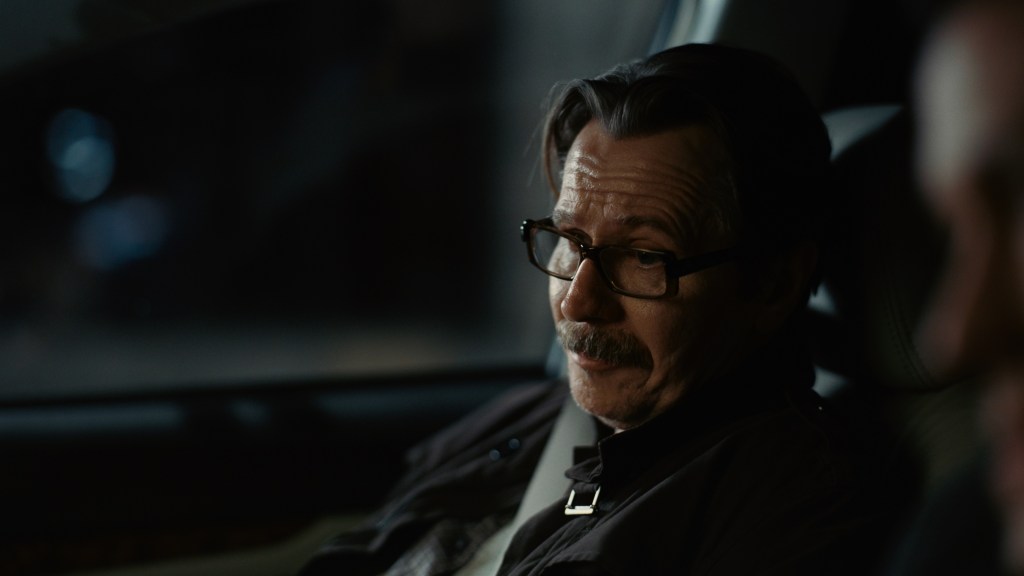
Since Batman’s disappearance, Gotham has eradicated organized crime through the Harvey Dent Act, named in remembrance of the vaunted hero of their city who died in the Joker’s rampage. Of course, the guilt is eating away at most of those who are truly in the know, and Commissioner Gordon (Gary Oldman) is one of those afflicted the most by this deception. Deception, and the consequences, are a major reoccurring theme in this film, especially as they relate to the decisions that took place in previous entries. While the major plot is more directly, thematically tied to Batman Begins, this film does not ignore the impact of The Dark Knight. All without truly mentioning the Joker, the weight of his actions, and the rise of Two-Face, are directly responsible for Gotham eating itself up in the wake of Bane’s successful crippling of the institutions designed to protect a major urban center. This includes his defeat of Batman and his forced exile from the city in its hour of need.
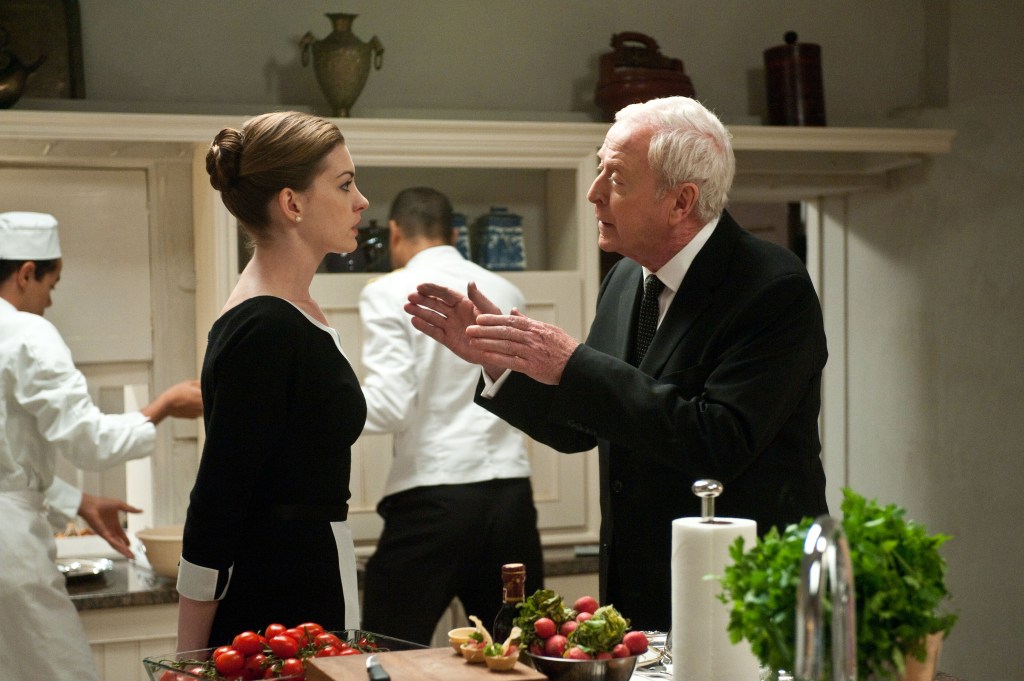
We see how the deceptions in The Dark Knight greatly impact Bruce when he is finally informed by Alfred Pennyworth (Michael Caine) that Rachel had not chosen him but Harvey before she died. This revelation is instantly rejected by Bruce, who had been holding onto the false hope that she would have chosen him if he could have saved her. This, although every time the topic came up, Rachel made her decision crystal clear. How Bruce views his past with Rachel is similar to how Talia and Bane view their past through rose-colored glasses.
With Heath Ledger’s untimely passing and his career-defining performance in the role, there was never going to be another Joker in Christopher Nolan’s trilogy, which meant that he could not join the likes of Cillian Murphy in reprising his role one final time. His shadow is felt in the same way that Aaron Eckart’s Two-Face is, as his actions in The Dark Knight permeate the air as Gotham descends further into the shadowy chaos it has always known for. All of which made it ripe for the picking by Bane. By the time the bridges are blown, it is obvious that Gotham is on its own – Batman has already been removed from the equation, and the city might as well have run him out of town if not for Bane’s expediting his exit.
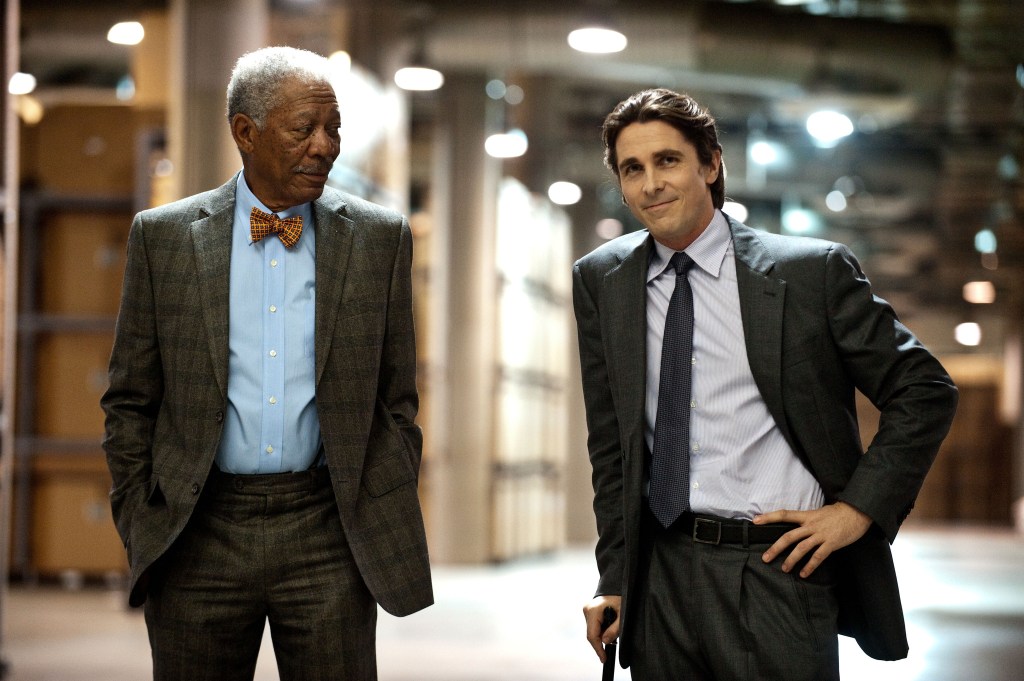


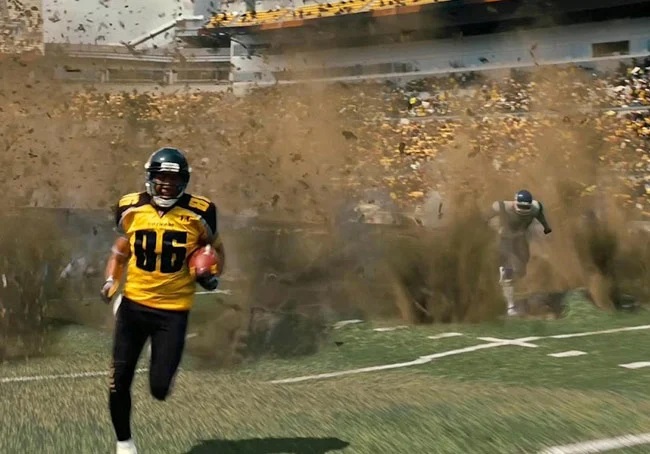
In The Dark Knight Rises, we are party to the seeming fall of Gotham City as disaster after disaster hits the city until it is finally lost to the United States. All of this was to finish the work of Ra’s al Ghul and destroy the city once and for all. To this end, the film features one of the most iconic scenes of a terrorist attack in a football stadium since The Sum of All Fears, starring Morgan Freeman and the next Batman, Ben Affleck. Watching a football game begin, only to have the entire field decimated beneath their very feet as one player runs, completely unaware of the carnage in his wake, was terrifyingly beautiful. Contrast that with the swift, brutal execution of Mayor Garcia (Nestor Carbonell) and his entire staff, and it is chilling. This trilogy has been no stranger to wreaking havoc on the local government of the city of Gotham, with judges, police, and attorneys dying left, right, and center.
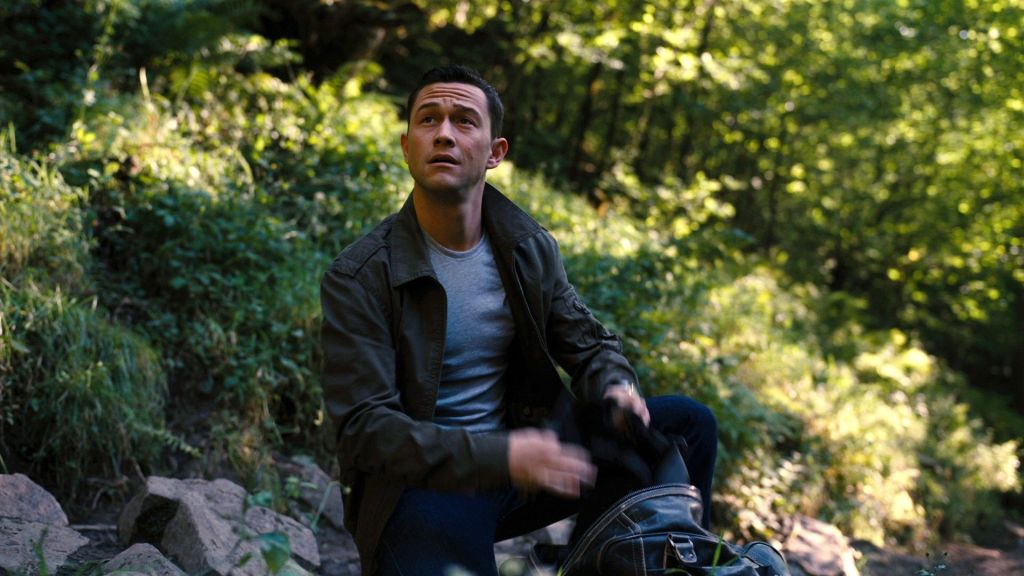
In this entry, Lucius Fox (Morgan Freeman), Alfred Pennyworth, and James Gordon all have nice supporting roles, but they pale compared to the previous films. All of this is to build up a brand-new character that acts as a partner to Batman – John “Robin” Blake (Joseph Gordon-Levitt). The reveal was long in coming, but most people never had any doubt that Gordon-Levitt would be playing an adapted version of the character of Robin. He certainly fit all the hallmarks, save for being outright adopted by Bruce. This is the second film of Christopher Nolan’s that Gordon-Levitt was in, with Nolan’s previous film, Inception, being his first. That film also saw Tom Hardy, Cillian Murphy, Michael Caine, Marion Cotillard, and Batman Begins’ Ken Watanabe. It is widely known that The Dark Knight Rises only actually happened if the studio would agree to fund Inception, one of my favorite films by Christopher Nolan, for that matter.
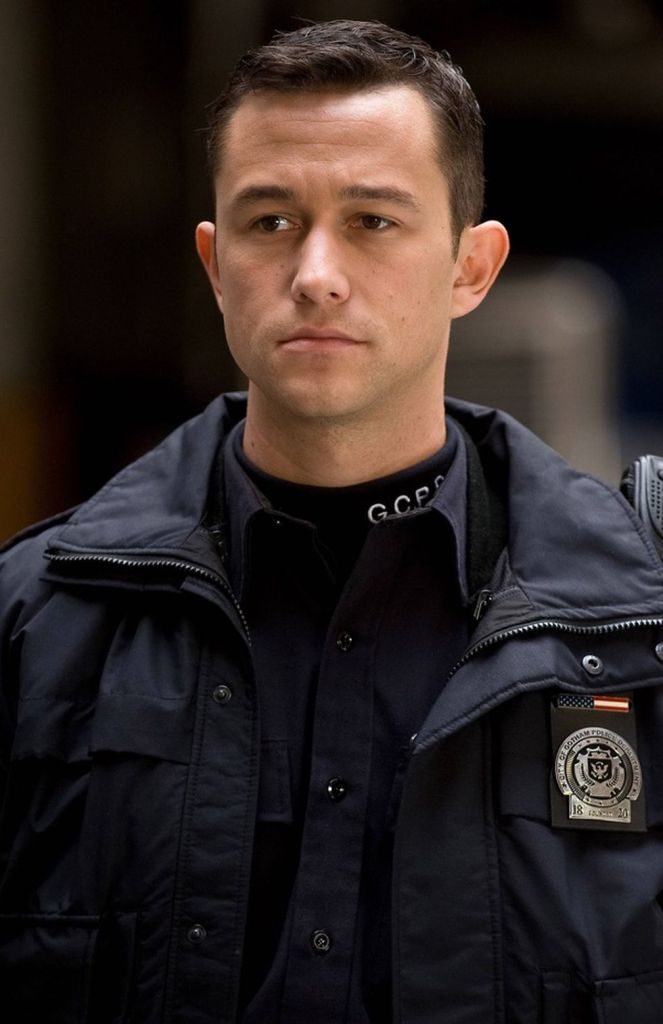
Blake is shown to be the kind of detective that Batman is, instantly identifying the caped crusader because of their similarities. Many of his character’s attributes seem to come from various Robins, such as witnessing his parent’s deaths, his work as a police officer, a troubled childhood, and his aforementioned deduction that Bruce Wayne is Batman.
Namely, Dick Grayson, Jason Todd, and Tim Drake. That was one reason I feel like I enjoyed his performance – he was a timeless Robin because he was a multitude of them all in one. While he starts off as an idealistic rookie, he soon becomes jaded by the realities of Gotham City police work and is outright enraged when he learns that Gordon participated in the cover-up of Dent’s crimes being pinned on Batman. His journey from White Knight to Gray Crusader paints him as the natural successor to Batman.
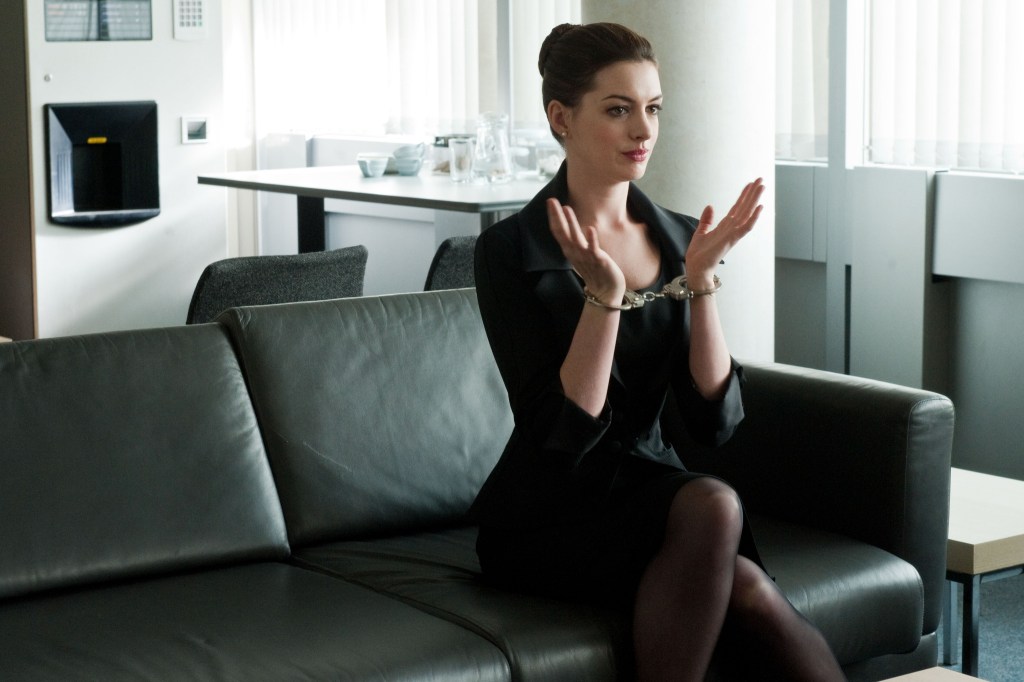
As portrayed by Anne Hathaway, Selina Kyle was the defining version of the character for me, suppressing Michelle Pfeifer’s performance by expanding on the traits and characteristics she brought to the silver screen. A morally gray character at her heart, she is a thief, a con woman, and a protector of those she cares about, like Jen (Juno Temple). She views the wealthy elite as parasites getting their comeuppance and is initially eager to assist in their downfall.
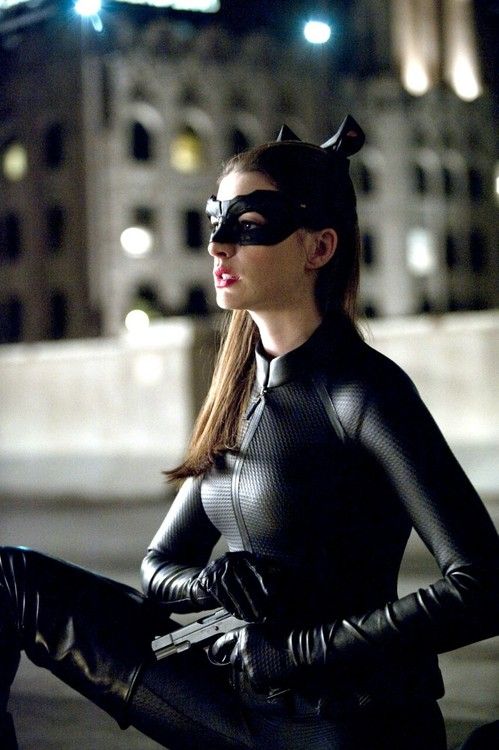
She viewed Bruce Wayne as one of the sources of the city’s problems and had few qualms about betraying Batman. When she realized they were the same person, her feelings had already begun to change. This was solidified when she recognized that the new world order would be slightly different from the old one, just more vicious. She would spend the latter part of the film actively aiding Batman, to the point where she is the one who ends Bane’s reign of terror, as Batman sticks to his no-killing rule.

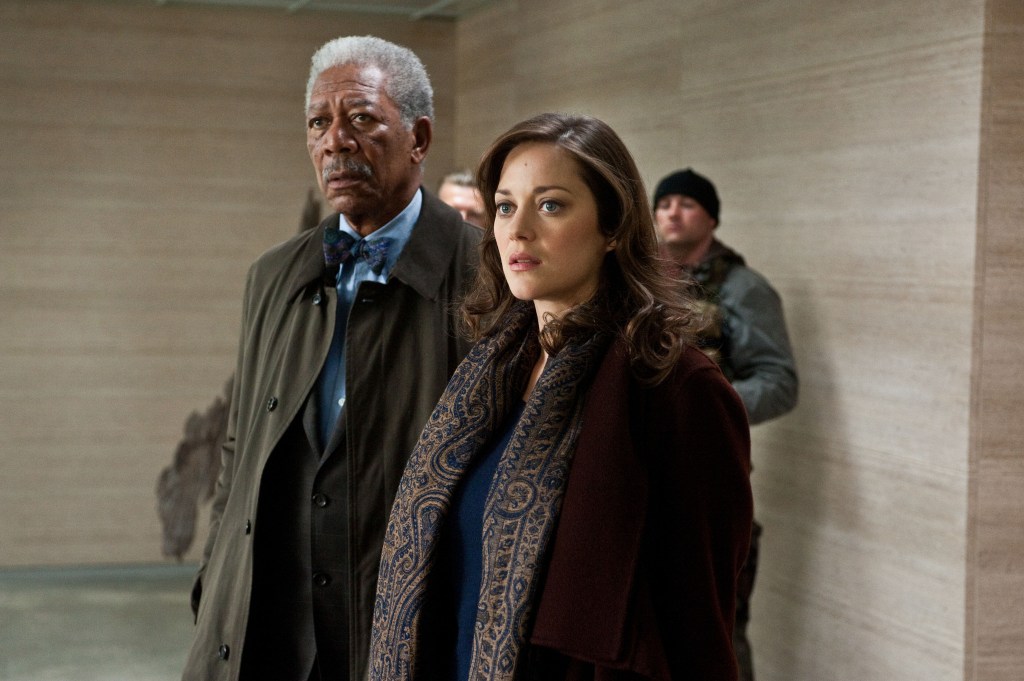
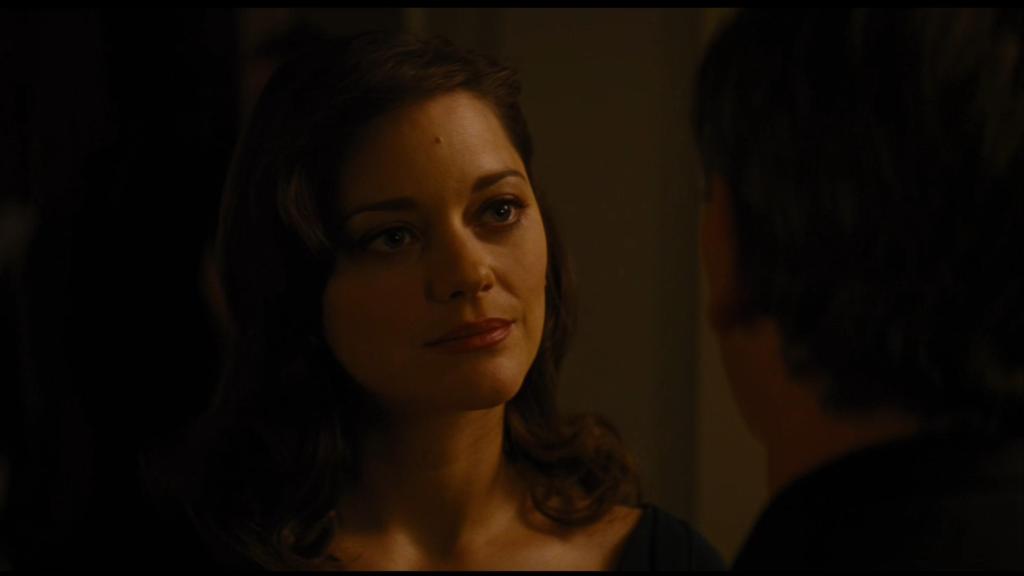
Marion Cotillard plays the beautiful, compassionate Miranda Tate, who becomes the CEO of Wayne Enterprises in the wake of Bruce Wayne’s fall from financial grace. She draws him in with her ingenue act and briefly becomes his lover, all in the service of her plans to destroy him when she reveals herself to be Talia al Ghul.
Much like the Joker played on Batman’s guiding morals, Talia and Bane play Bruce like a fiddle, hitting each button to get him to make the choice they need him to for their plan to succeed. This includes pretending to be a hostage, all so that she can take advantage of his suit’s weakness for knives – a warning that Lucius gave Bruce in The Dark Knight. Even if you walk into the film suspecting her, or after ten-plus years of it being out in the world, knowing Cotillard still perfectly plays her role. Her manipulation of Bruce was masterful.
Tom Hardy is Bane, in a beefed-up role than he played in Inception. Tom Hardy saw his career resuscitated as a result of these films and now plays Venom in Sony’s Venom series. Throughout Rises, the film seeks to paint Bane as the natural successor to Ra’s al Ghul, but this is only another part of the deception so that Talia can get closer to Bruce.

He acts as the face of the operation, but he never does claim to be in charge. Introduced in a high-flying terrorist attack against the CIA, Bane instantly proves his capabilities as a supervillain. He doesn’t use a serum to enhance his abilities in this adaptation. Rather, they are designed to keep him alive by dulling the pain he feels from his efforts at helping Talia escape the pit. Still, it’s a bit hilarious that this was called Venom in the comic books.
The Dark Knight Rises was an epic conclusion to a radically successful film trilogy. Its mere existence altered the course of DC superhero films, as they sought to become darker, grittier versions of traditionally light and hopeful characters. The jury is out on whether or not they were as good – though most say ‘no.’ DC, and Warner Brothers, have yet to find a successful follow-up series to this one and seem destined to live in its shadow until otherwise. Each attempt they make is a success in a vacuum that seems incapable of being followed up well – Shazam: The Fury of the Gods, Wonder Woman 1984 (according to certain segments), and especially the theatrical release of Batman v. Superman. All of them failed to meet expectations, let alone come close to their immediate predecessors. Only time will tell if Aquaman’s sequel will be the exception rather than the rule.
 Lloydd Marshall Books