

Period pieces about royalty are one of my favorite film genres. The majesty of a story in this vein is something that I can almost always get behind, especially when the film is about a powerful Queen. Until recently, the longest reigning British monarch was Queen Victoria, who was known to be the grandmother of Europe through her many children and their varying marriages across Europe.
To this day, almost every European Throne that still exists is connected to her. The Young Victoria noted the former but skipped the latter detail. It makes sense, as this film was primarily focused on the first few years of Victoria’s reign.


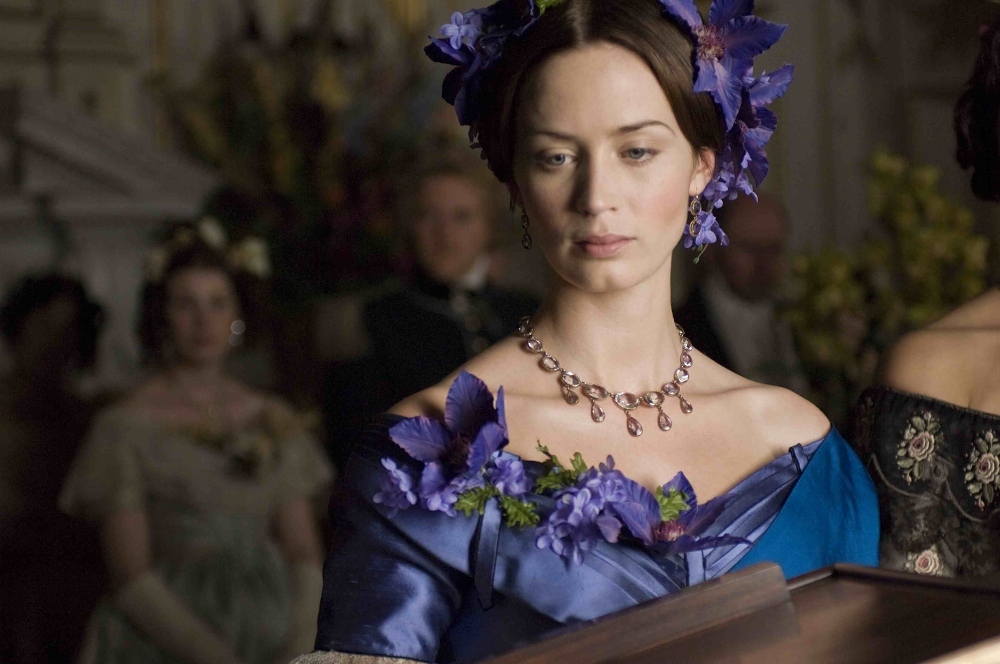
Emily Blunt starred in the title role, which brought to life the trials and tribulations Victoria endured in the months leading up to her accession to the British Throne. Certainly, several aspects were dramatized from whole cloth to bring more theater to an already dramatic reality, but this is something that audiences have become used to over the years. Not only are we being asked to encapsulate a handful of years into a film that is around two hours, but we are dealing with real people and real situations. This means, like any book adapted to film, roles are diminished or cut outright, situations are reordered or recast in a different light, and complex issues are simplified to make them more easily understood. Even with all of this, Emily Blunt shines as Victoria, bringing forth her initial vulnerability, youthful flirtation, and burgeoning maturity. Unsurprisingly, she managed to wield power for over six decades.
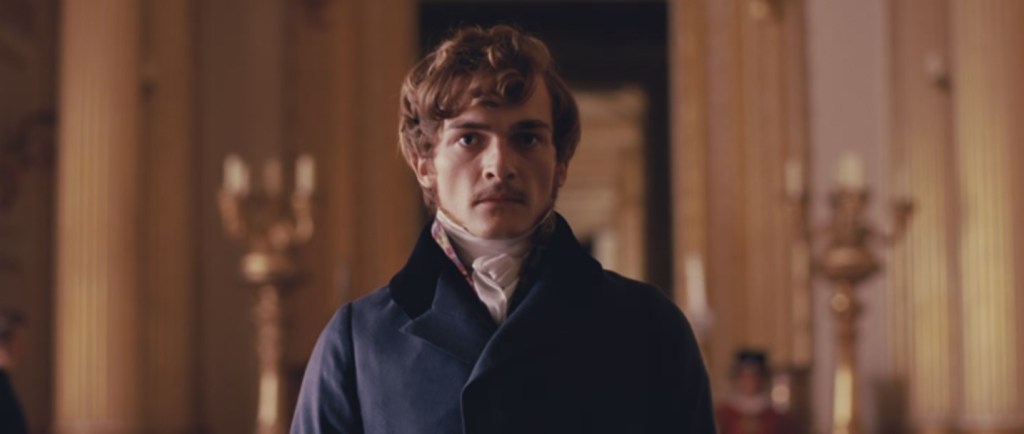
Victoria’s story is intertwined with Albert of Saxe-Coburg and Gotha, a Germanic Prince, and his courting of Victoria was utterly despised by many English aristocrats and government officials (often one and the same), because they viewed his potential suit as a growing control led by the Germans. Mind you, Victoria is German, too. Albert (Rupert Friend) is shy and bookish but determined to be of necessity to Victoria. In a world where people want to manipulate her externally, he seeks to be valuable to her.
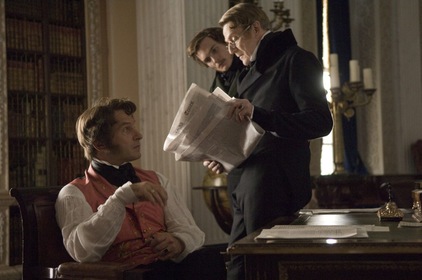
There is no ignoring the plight of a Queen Regnant. Men were wary of them for their impulse control and emotional volatility (and yet I don’t recall Queen Elizabeth I or II, let alone Victoria, executing two husbands and banishing another two from the history books). For this reason, Victoria is wary of Albert and what he wants out of a potential union with her throughout the film. After they are married, there is a scene where Albert skillfully maneuvers Sir Robert Peel (Michael Maloney) into a conversation with Victoria so that he can sell Peel’s abilities. Victoria is pleasant and polite during the gathering but later thrashes Albert for attempting to usurp some of her power by playing politics around, not to mention with her. The Young Victoria did not shy away from the many political maneuvers that various men played around Victoria, all in an attempt to maintain some semblance of power while she ruled from the Throne. Yet, Victoria and Albert would become famous for their ability to work together, which the film laid the groundwork for in its final act.
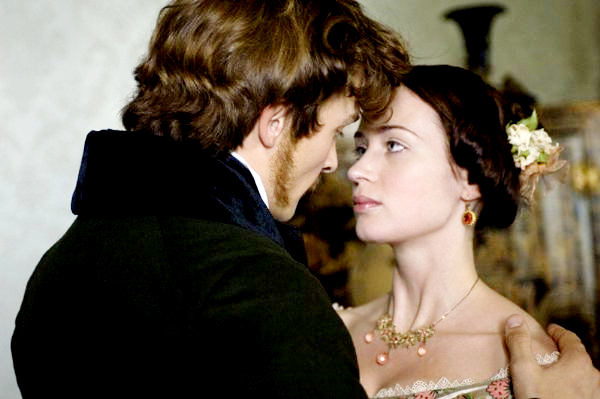
The relationship between Victoria and Albert is played up for all its worth. The constant efforts to block the two from getting together are not ignored, even if the context is eschewed in certain regards.
Their romance was legendary and saw a true royal couple working side by side in the open. I always contrasted Victoria with Elizabeth I for this reason. Despite the latter clearly having Robert Dudley at her side, she never took him as an official consort for all of the reasons Victoria personally sought to delay getting married.
In his efforts to guide Victoria down a path of his choosing, Lord Melbourne cites Elizabeth I for this precise reason.

Ultimately, Victoria’s feelings for Albert and his encouragement towards her in seeking other counsel or simply listening to her conscience would draw her to him after her coronation.

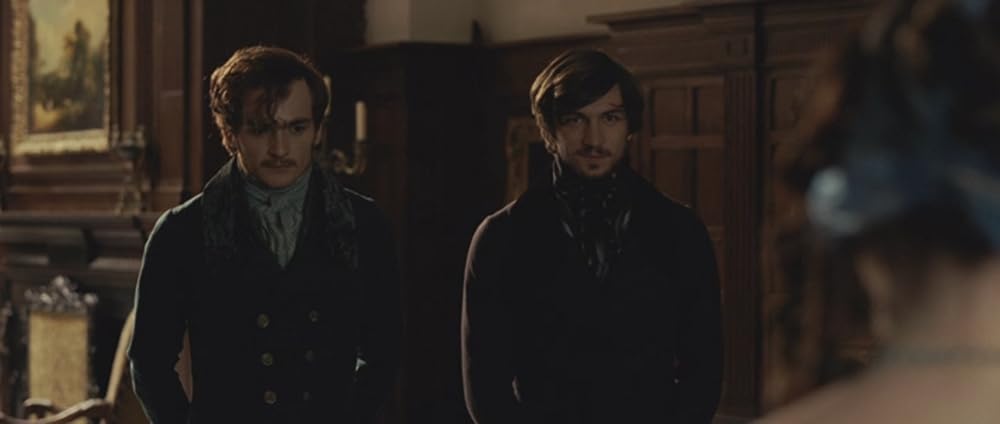
The people around Victoria and Albert also play an important role in their burgeoning relationship and their development as individuals. For Victoria, this is Baroness Lehzen (Jeanette Hain), Victoria’s Governess and later her companion. She acted as Victoria’s chief educator outside her mother and Sir John Conroy (Mark Strong). As such, when Victoria became Queen, she trusted Lehzen more than anybody else and placed the woman in charge of her household. Prince Ernest (Michiel Huisman, who would go on to star in Game of Thrones) is Albert’s older brother and acted as Albert’s closest confidant. He worked to get Albert to look past their uncle’s plots and schemes to get Victoria, urging Albert to play up his own abilities and interests, whether or not they were ones that Victoria shared.
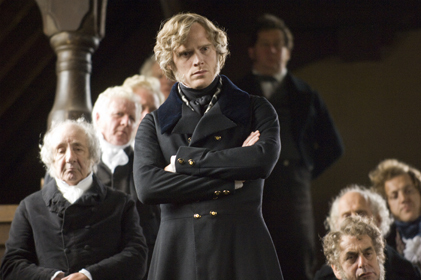
Many of the issues that come up in the second and third acts of the film, after Victoria is crowned, stem from her relative youth and inexperience and the moves of those around her who wish to take advantage of those traits. We see this most expertly in Lord Melbourne (Paul Bettany). The rumors surrounding Victoria and Melbourne were infamous, with several nobles referring to Victoria as Lady Melbourne, viewing her as beholden to his political ideology rather than the good of the country. All of this would climax with the Bedchamber Crisis when Victoria infamously refused to give up two of her ladies-in-waiting in favor of the wives of two supporters of Robert Peel. The crisis was one of the first major periods of Victoria’s reign where the people viewed her unpopularly.
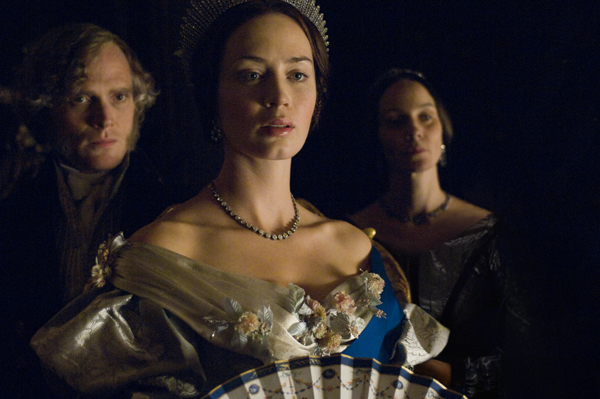

The Young Victoria covers the period between 1837 and 1840 when several critical events happened, and the film focuses on the big ones. As previously mentioned, certain details were left out, but they simply would have been window dressing for this story. This film is interested in telling a story about Victoria’s rise to power, and so it works to show the struggles she went through to find her footing as Queen. Period pieces often have to find a way to thread the needle in this regard for all of the reasons listed above. There simply is not enough time in a movie to cover every facet of the titular character’s life. We can’t even begin to cover the many intricacies of the figures who surrounded them.

Instead, The Young Victoria carefully weaves the details into certain scenes. We are able to witness the complex relationship that Victoria has with her mother, the Duchess of Kent (Miranda Richardson), who is also named Victoria. John Conroy held unusual sway over the Duchess, though the extent of their relationship is not entirely clear. He used his power to try and manipulate Victoria when she was still under the age of majority into signing a regency letter, clearly hoping to control the Throne and using Victoria as a puppet. His presence caused difficulties between Victoria and her mother, who always seemed to side with Conroy. Yet, the Duchess would ultimately choose Victoria over John, with his ultimate fate not covered in the film.
Because of how the film cut down on certain details, it also ignored the friction between Victoria and Lady Flora Hastings (Genevieve O’Reilly). Flora Hastings is tied to the other major event that led to the people briefly turning their backs on Victoria, though the time frame was… slightly changed, so this event was not covered. As the Duchess’ closest female companion, Flora was a constant presence in Kensington and Buckingham Palace until her death.
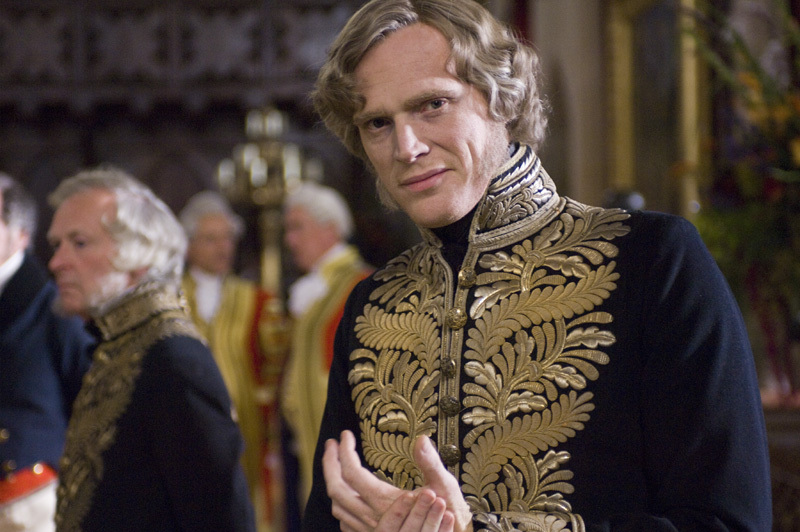
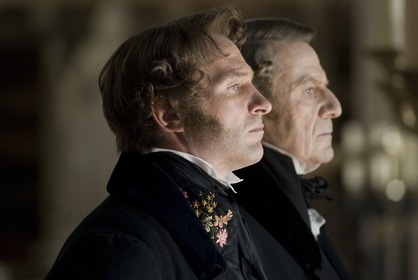
The older men around Victoria, many of whom might have hoped to claim England and its Throne for themselves, whether they had their own or not, carefully manipulated the people around them to seize as much power and influence as they could. The ones most central to this were King Leopold (Thomas Kretschmann), King William IV (Jim Broadbent), Lord Melbourne, and the Duke of Wellington (Julian Glover). They all have varying reasons to involve themselves in Victoria’s affairs, as her favor impacts their lives and legacies for King William IV. The only major figure who seems to be absent from the film is the Duke of Cumberland, who would become the future King of Hanover, another of Victoria’s Uncles, who was rumored to have been involved in a plot to assassinate Victoria, but I digress. They focused on another potential assassination attempt instead.
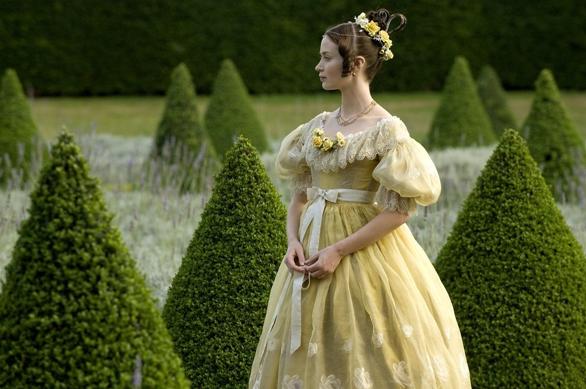
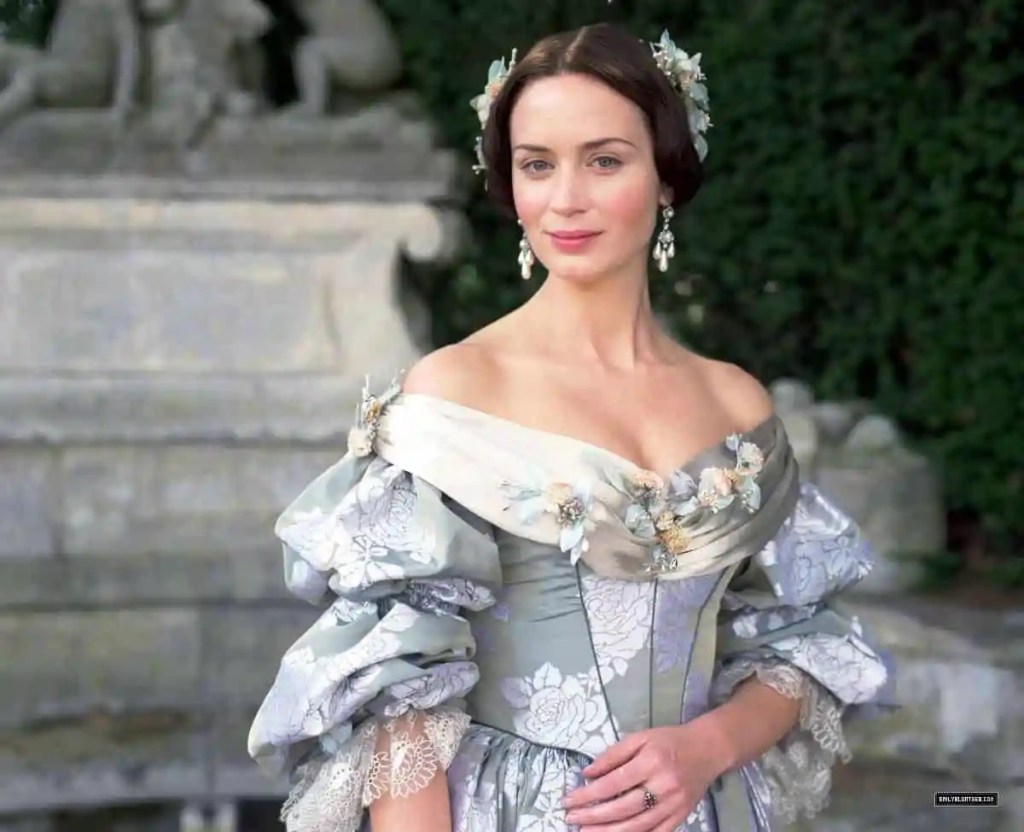
The Young Victoria is widely considered to be one of Emily Blunt’s best dramatic roles, and the one for which she truly should have been nominated for Best Actress at the Academy Awards. Whether an actor or actress is snubbed is for other people to decide, but the film did net three nominations (Best Art Direction, Costuming, and Makeup) and it won Costuming. Considering the vibrant, elegant ensembles that were crafted for the film, it truly isn’t that surprising.

The Young Victoria had a lot of ground to cover, as one should expect from such a grand, expansive life story. Many of the details that were featured are expanded on in ITV’s Victoria television series starring Jenna Coleman and Tom Hughes as Victoria and Albert, respectively. When paired together, they are a fun, inviting way to get a glimpse into the lives of some of England’s most influential historical figures.
 Lloydd Marshall Books