

Kenneth Branagh is well known for many reasons – whether it be for his roles as Gilderoy Lockhart in Harry Potter and the Chamber of Secrets and Miguel in The Road to El Dorado or his directing work for Jack Ryan: Shadow Recruit, Cinderella, and now all three entries in his Hercule Poirot trilogy (so far). Since Lockhart was the first role I remember seeing him in, I always used to joke that every subsequent appearance or directing effort was little more than smoke and mirrors taken from another’s efforts.
But I digress. We’re here for a mystery movie.
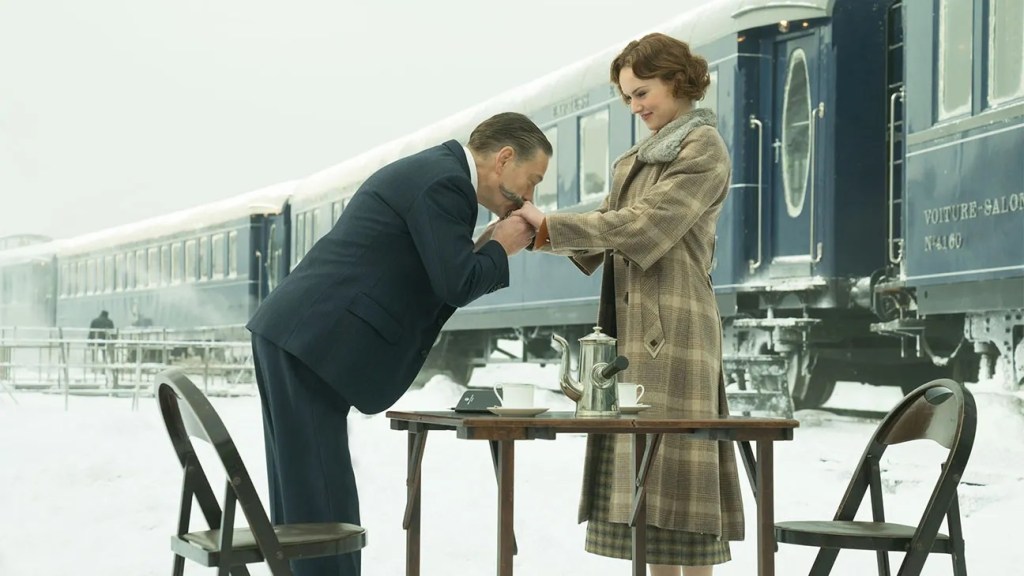
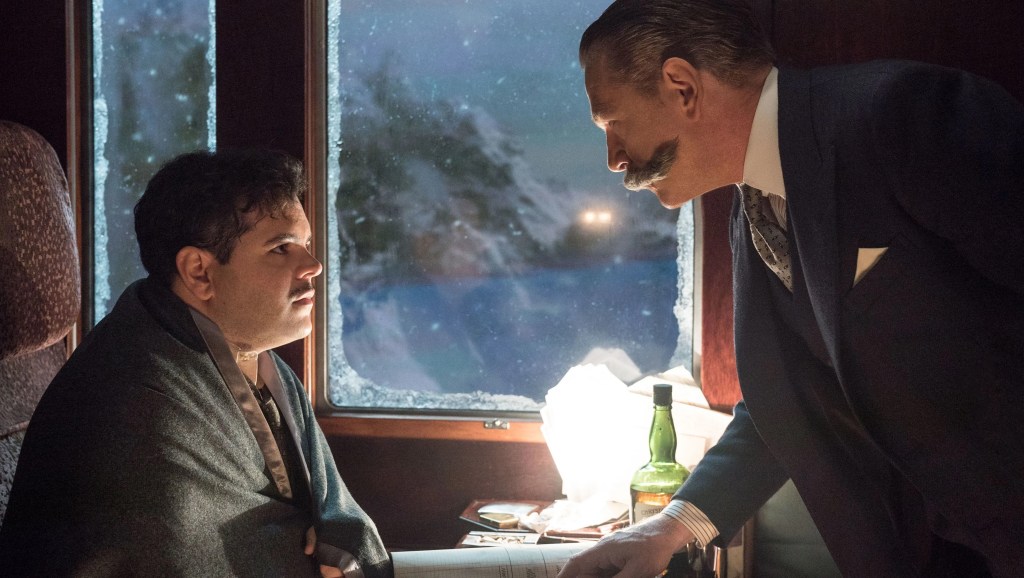
Agatha Christie wrote several novels and short stories, many of which centered on her famous detective character, Hercule Poirot. Numerous adaptations of her works have been made, with nearly thirty actors portraying the character across multiple mediums. Kenneth Branagh plays the main character, Detective Poirot, who is lauded as the most famous (or infamous) detective in the world. He is traveling to London for another case while wanting to simply rest in Istanbul – the site of his most recent case. When he runs into his friend, Bouc (Tom Bateman), who is currently running the Orient Express along the Simplon route for his father, he takes his friend up on the offer to take the scenic route.
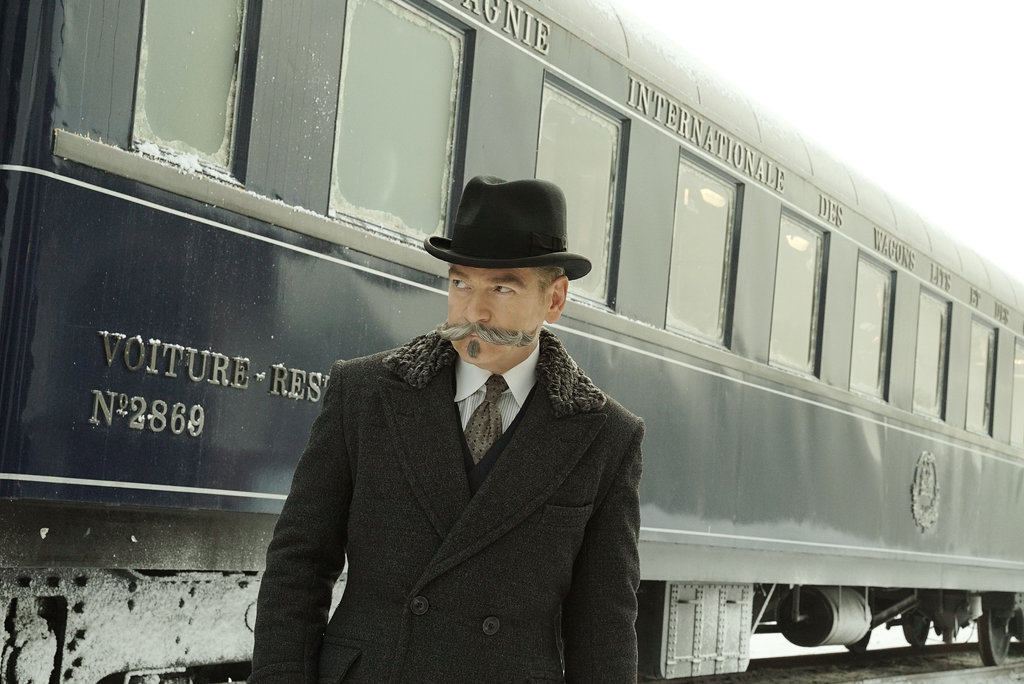

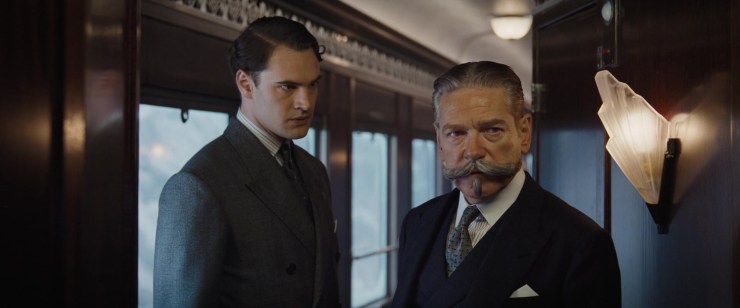
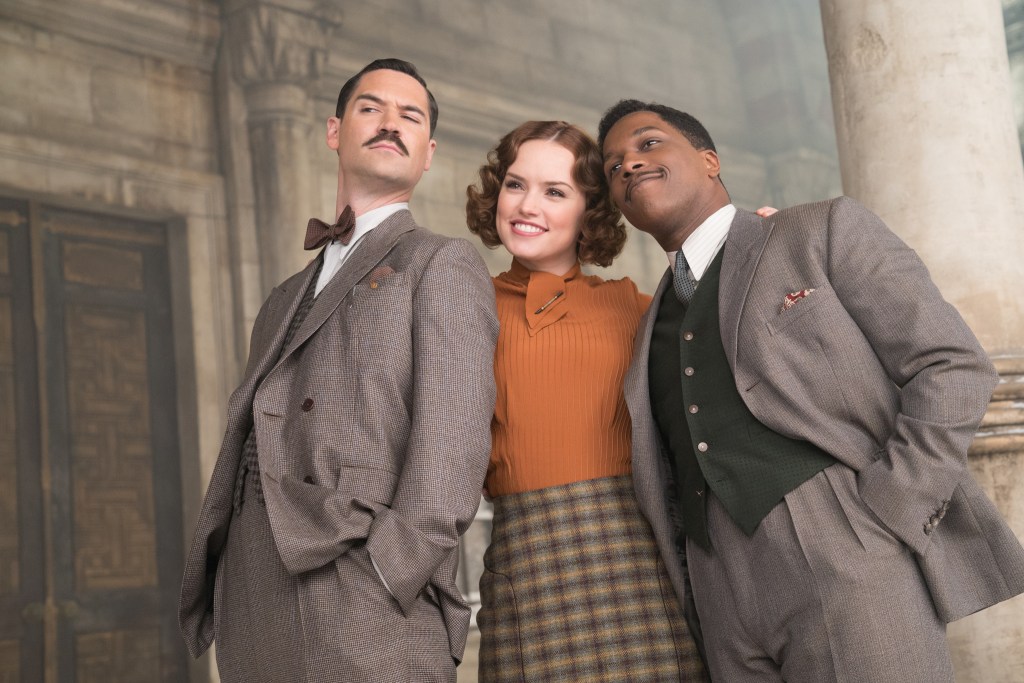
The relationship between Bouc and Poirot is the film’s highlight for me. Seeing the two friends play off one another as they delve into the murder mystery was enjoyable. While Poirot is strange and fun, Bouc is passionately up front and clear about who he is. The pair seem like their personalities would clash, but their friendship is true and deep.
When it comes to a mystery story, especially one that has existed in written form for literal decades, the details are easily discoverable. This is where adaptations almost always get into trouble. After all, what do you change and keep the same to service the story in its original form, but also for a new, modern audience who has ‘seen it all?’ Kenneth Branagh and his team did not change much, but those changes that were used served to keep the audience guessing. You wouldn’t guess its ending unless you were familiar with the story. A mystery is only as good as its plot, characters, and motive – so, basically, every little detail matters in the long run.
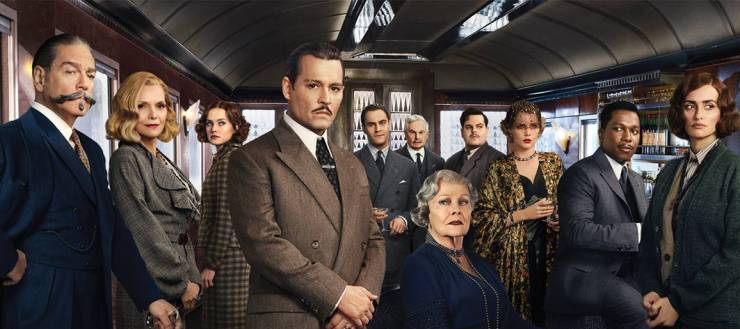
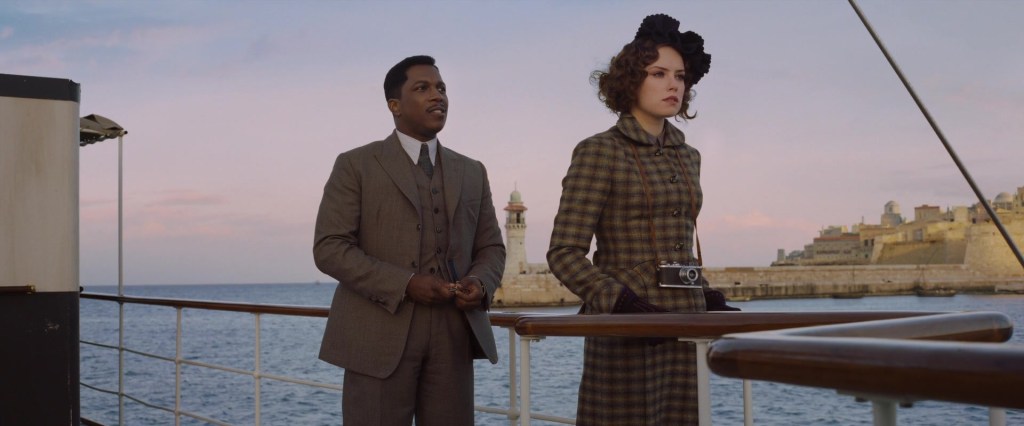
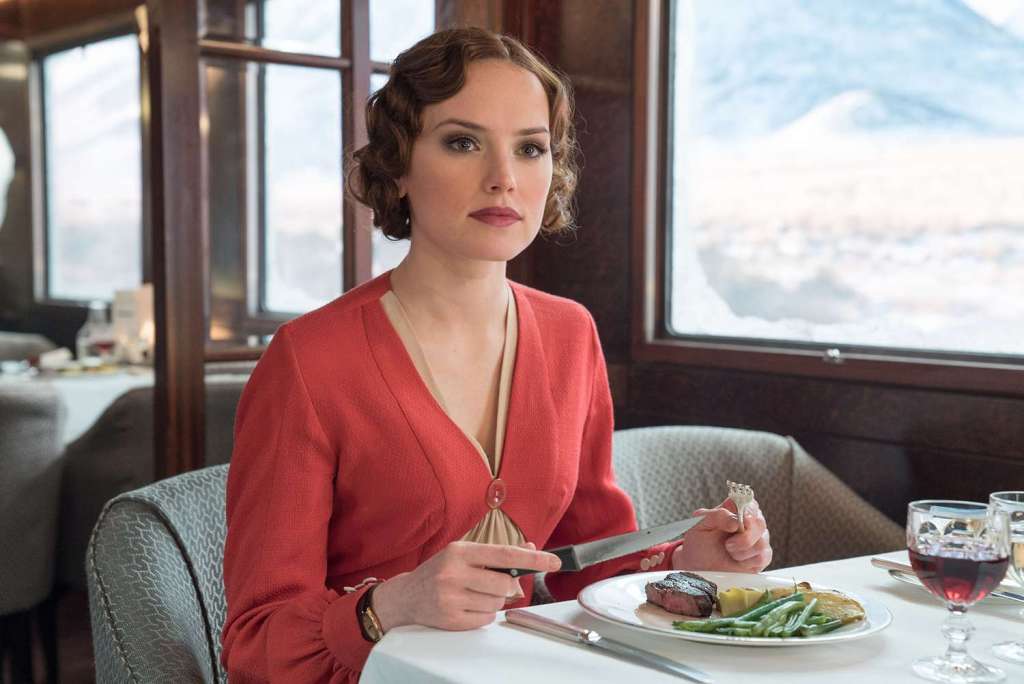
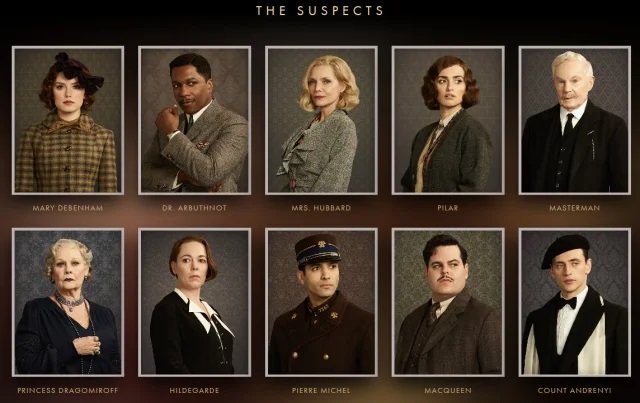
Thankfully, we are presented with a slew of interesting characters derived from the source material and played by well-known actors to boot or up-and-comers. The first two characters we are introduced to are John Arbuthnot, a physician – a black physician in 1934, mind you – who is immediately mindful of the fact that he is shouting at two men in English when they do not speak the language and Mary Debenham (Daisy Ridley), a governess who is aware of Poirot’s identity and engages him in conversation on the boat ride over to the train station.
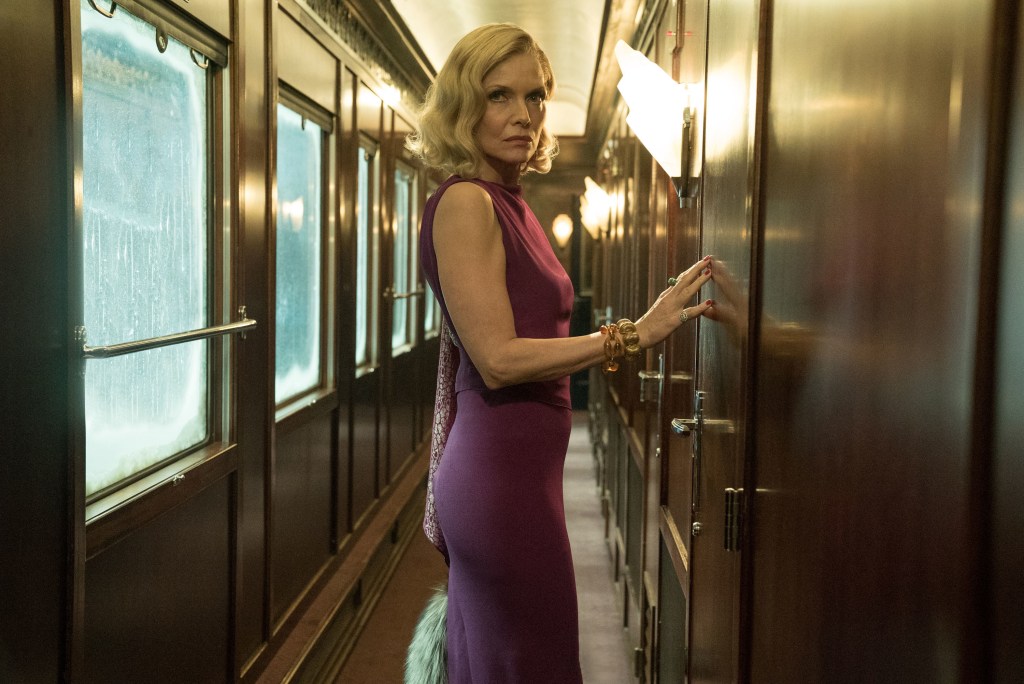
Next, we have an American-born widow, Caroline Hubbard (Michelle Pfeifer), who isn’t above a little light flirting with Poirot, though she is wary of Ratchett. She is the one who stands out the most on the train – despite the presence of a Princess and a Count, but this is Europe, where nobility still held power and presence in the 1930s.
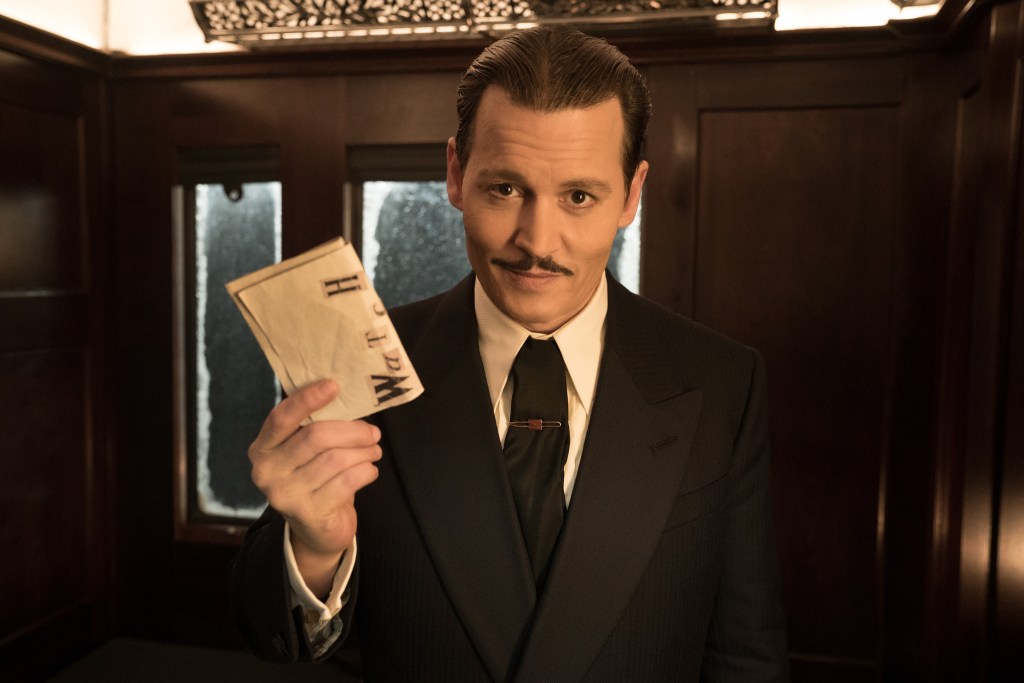
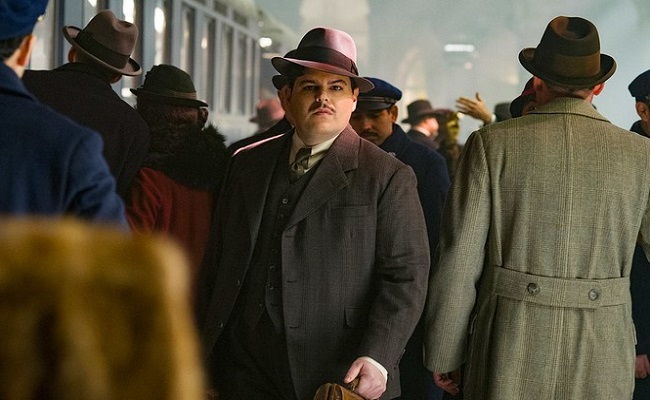
Then, we have Edward Ratchett (Johnny Depp), a businessman, also from America, and his small entourage consisting of his English manservant, Edward Masterman (Derek Jacobi, last seen in Branagh’s Cinderella as The King, and in four other of his film projects) and his secretary/translator Hector MacQueen (Josh Gad, who was recently in Beauty and the Beast).
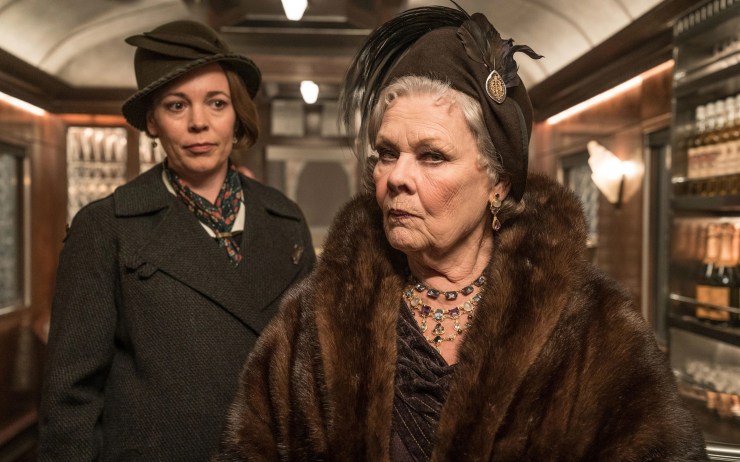
Natalia Dragomiroff (Dame Judi Dench, having previously starred in two of Branagh’s films) is an elderly Russian Princess, attended to by her German maid, Hildegarde Schmidt (Olivia Colman).
The Princess presents herself as a haughty woman above the fray, while her maid is quiet and reserved but nevertheless competent and intelligent. She easily speaks with Poirot during the investigatory stage of the film in German so that the Princess cannot impact her answers. For whatever that is worth.
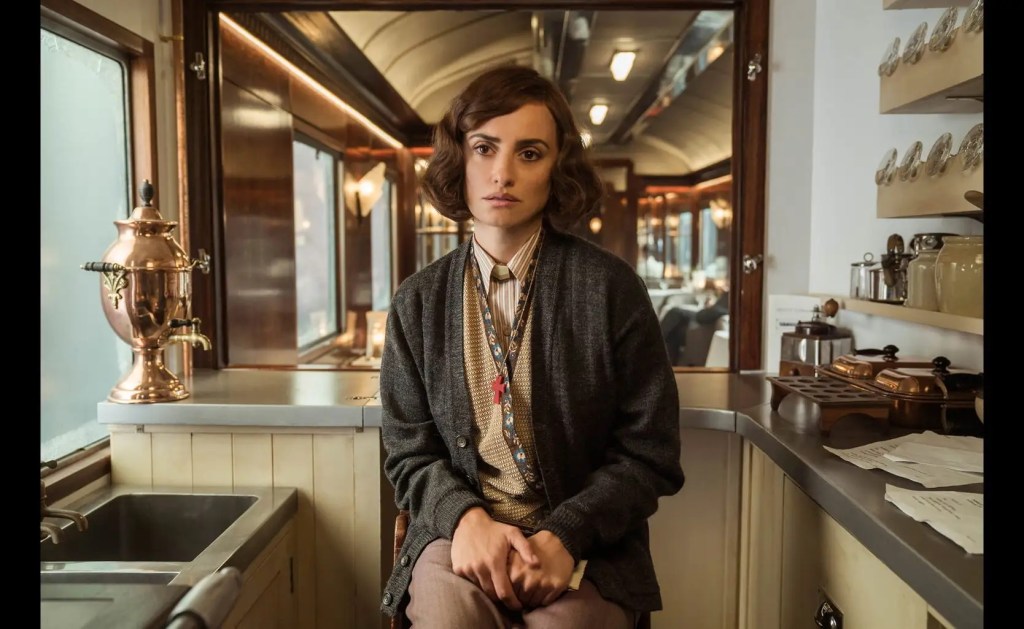
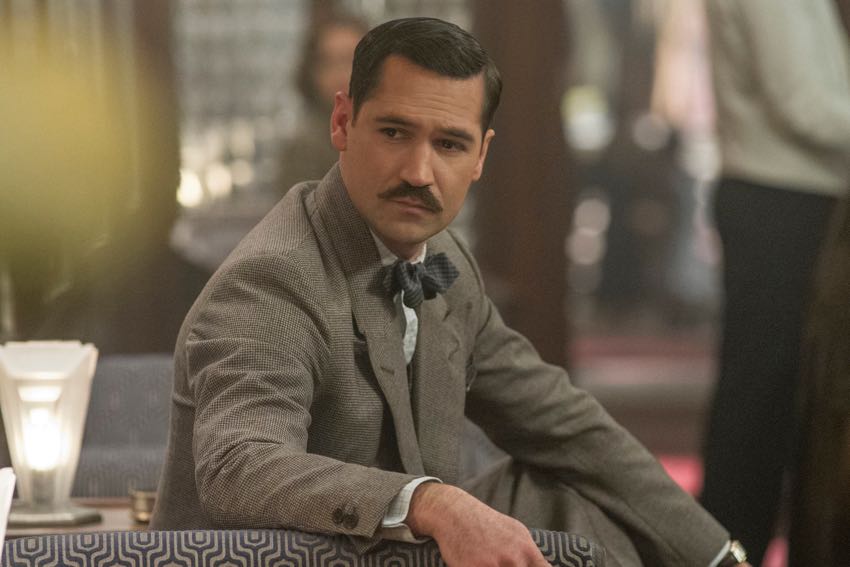
Pilar Estravados (Penelope Cruz) is a Spanish missionary, and she is introduced easily, dispatching a pickpocket the moment before she boards her train. She is clearly not a woman to be fooled around with. Biniamino Marquez (Manuel Garcia-Rulfo) is a Cuban-American car salesman who is thoughtful, amiable, and has an open hand with his money – making a marked impression on the train’s staff as he boards.
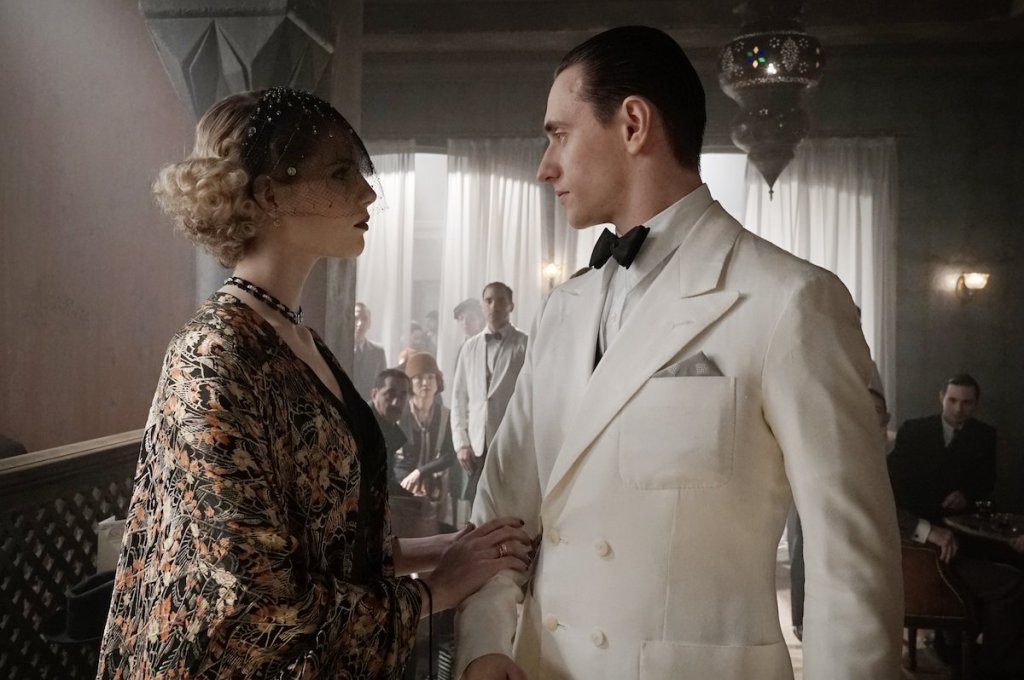

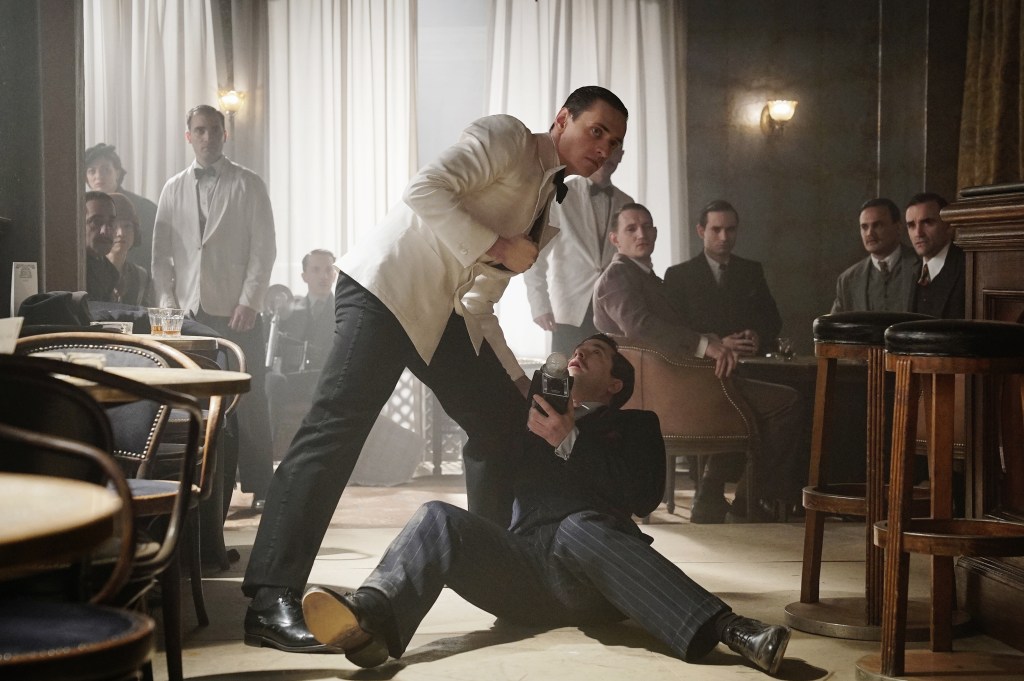
Count Rudolf Andrenyi (Sergei Polunin) and his wife, the sickly Elena (Lucy Boynton), seem to be complete opposites because of the latter’s physical frailty. However, the passion and intimacy in their relationship are clear; whether it’s from a tender touch or a simple gaze, she can calm him down without uttering a syllable. To further characterize the Count, one of his first acts is to deliver a flying dropkick to a fan who takes his picture without his permission. From how the story is framed, Rudolf is presented as the one with the most obvious suspect, but this is simply because of how the scene is cut – with him seemingly glaring at the future victim in the train station.
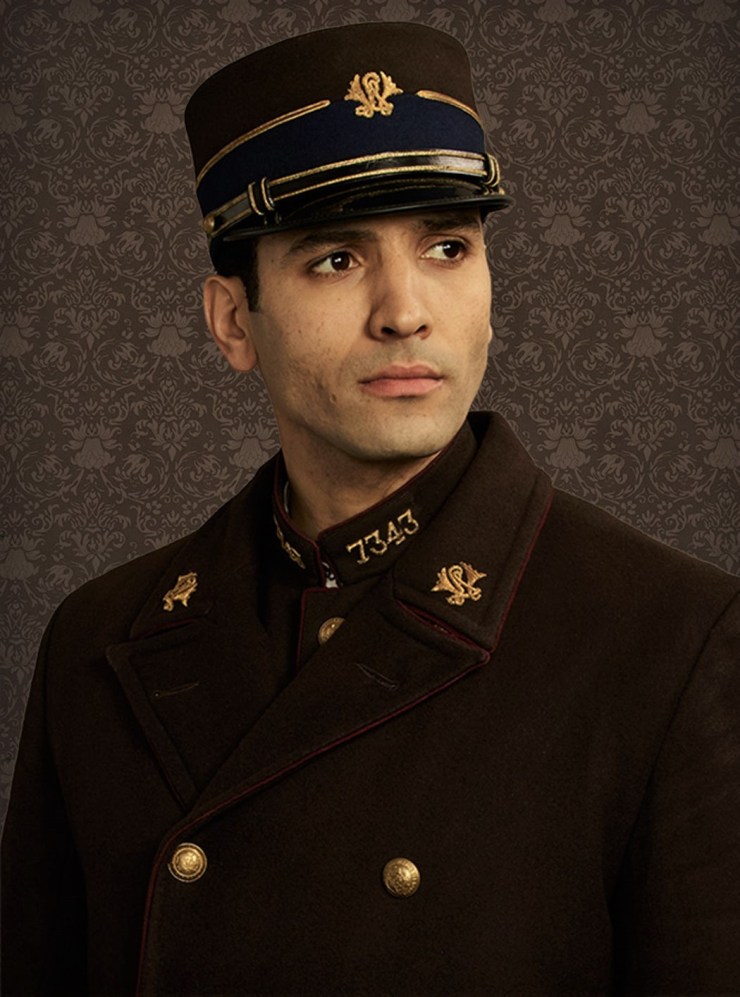
Finally, Pierre Michel (Marwan Kenzari, who would play Jafar – how many Disney actors are here?) is the train conductor, desperate to inform Bouc and Poirot that the train is full. His warnings fall on deaf ears.
Poirot ends up on the Orient Express by coincidence, which throws a massive wrench into the plans of the plot. Like any good plan, it falls apart upon contact with the enemy. It was simply the prospective murderer’s misfortune that the enemy turned out to be a world-famous detective with OCD, thus incapable of letting even the tiniest of queries go unanswered.

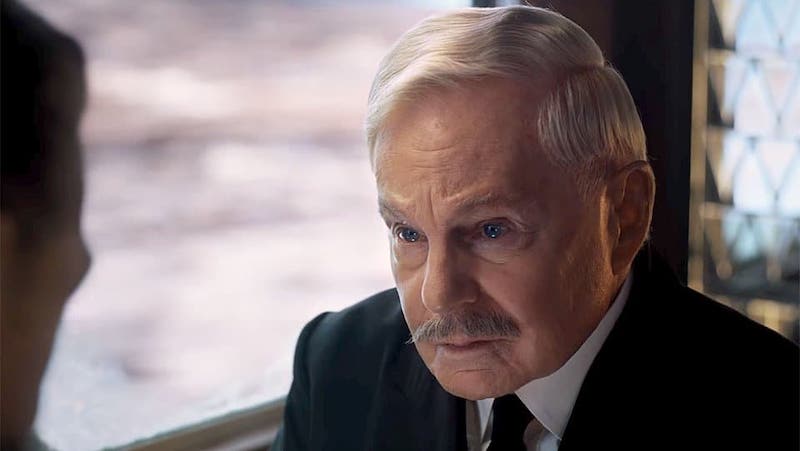
Mystery films are, by their very nature, difficult to pull off. You have to craft something that is both plausible and ambiguous so that the audience can follow the trail of evidence to its logical conclusion. Not everybody can do this. A writer always lays out the endpoint of a mystery before the story begins because all points must lead to it. By its very definition, creative writing is creating something out of nothing. Questions are answered with each line of text, and motives are laid bare through actions and dialogue.
But sometimes, in service of a story arc or a plot point, the writing can get in the way of itself. What seems logical in a first draft is not necessarily the case after the second rewrite. I am certain that, with enough time and effort, any good mystery can be picked apart long before the end – for its real ending and any other potentiality because of how the story was structured. One of the reasons I enjoyed each of Kenneth Branagh’s Hercule Poirot films is because I could easily settle back into my couch and let the story wash over me, presenting details and information that I missed the previous time. A good mystery is subtly woven within it, and Branagh successfully brings Agatha Christie’s work to life.

Each character is believable, even as most of them lie through their teeth with every line of dialogue they deliver. Half of them are not who they say they are, either through carefully reframing their identities or outright lying about themselves. But, what exactly is a lie and what is not is still left ambiguous for many characters by the end. Yes, you know who did it, why they did it, and how they did it. But motive and logic are much more complex than when they are boiled down to those three facets of the mystery genre. This is why I love this film series, and this is why I hope to see more like them.
The Knives Out film series seems poised to capitalize on this new push towards the mystery genre, with a large dose of comedy tied to it, for example. We can only hope to have more as time goes on.
 Lloydd Marshall Books