

Only a handful of films can claim to resemble the slasher genre that preceded Halloween (1978). However, nobody can deny that it was John Carpenter’s Halloween that jumpstarted the genre, and began a trend that has continued into the modern era of filmmaking, for good as well as bad. Modern audiences have looked back on early entries in Halloween, Friday the 13th, and A Nightmare on Elm Street and been left underwhelmed.
This is because, while these films laid the foundation for slasher films, many of the rules and tropes that would become associated with them were nonexistent – or, in many cases, simply subverted.
Halloween is one of those films where hindsight and over a dozen sequels have imprinted motive and logic on the simplistic stalking and home invasion story presented in 1978. After all, aside from all five human victims (of which only four are killed on screen) and the two animal victims, we fall far below the standard for the genre. There is very little blood or gore, and while sex is tied to the characters, it is not the reason they are killed. Reason and logic were applied to his pattern of murders in later films. Here, there is no rhyme or reason. Michael Myers simply kills because he can. In this original entry, Michael Myers is played first by Will Sandin, then by Nick Castle while masked, and finally by Tony Moran during a brief sequence. This gives us a look at him, however brief, across two different periods, and as creepy as he is as a child, he is menacing as an adult.

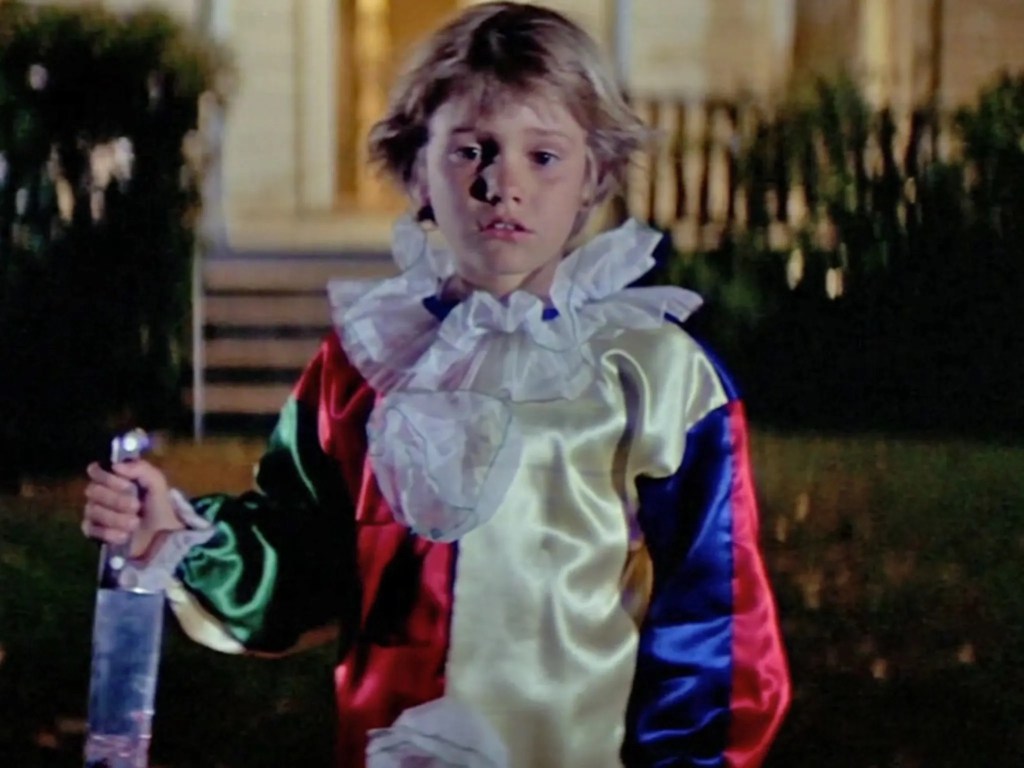
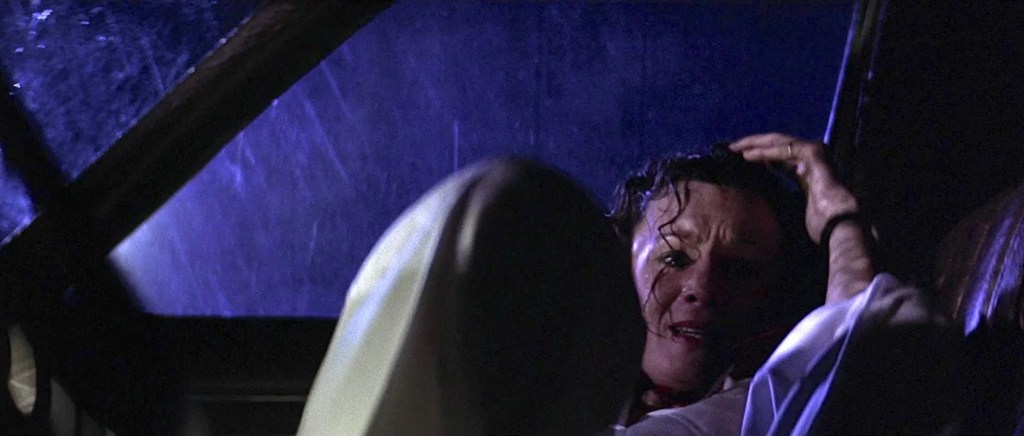
We are treated to a prologue that introduces Judith Myers (Sandy Johnson) and her boyfriend (David Kyle) heading upstairs to have sex, after which Michael stabs her to death. After this, we jump forward fifteen years to Dr. Samuel Loomis (Donald Pleasance) and Nurse Marion Chambers (Nancy Stephens) arriving at Smith’s Grove Sanitarium to escort Michael to a hearing, wherein Dr. Loomis hopes Michael is imprisoned for life. Details are laid bare, which fill in the previous years, and Dr. Loomis’ varying attempts to treat Michael are explained. At this point, Dr. Loomis is certain that Michael Myers is little more than an ‘it,’ an entity incapable of feeling or emotion, who should be held in prison until his last day. By the time they arrive, though, he’s already escaped the facility and managed to steal the car they arrived in.

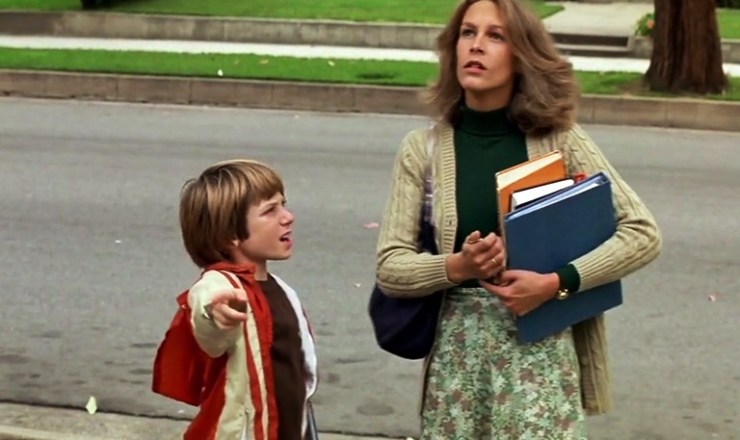
The main story takes place the next day, on Halloween, and we follow Laurie Strode (Jamie Lee Curtis) as she goes about her day. We are introduced to Tommy Doyle (Brian Andrews), who Laurie regularly babysits, as Laurie drops off the key to the old Myers place. This is where Michael sees Laurie for the first time, setting the stage for a long night of terror. Laurie has two best friends, Annie Brackett (Nancy Loomis), the daughter of Sherrif Leigh Brackett (Charles Cyphers), and Lynda Van der Klok (P.J. Soles from Carrie). Where Laurie is more reserved, Annie and Lynda are clearly more adventurous – with the latter being a bit more airheaded than either. Laurie is more concerned that she left one of her textbooks back in her locker than the dance that night, but she is still interested in the same things as her friends.
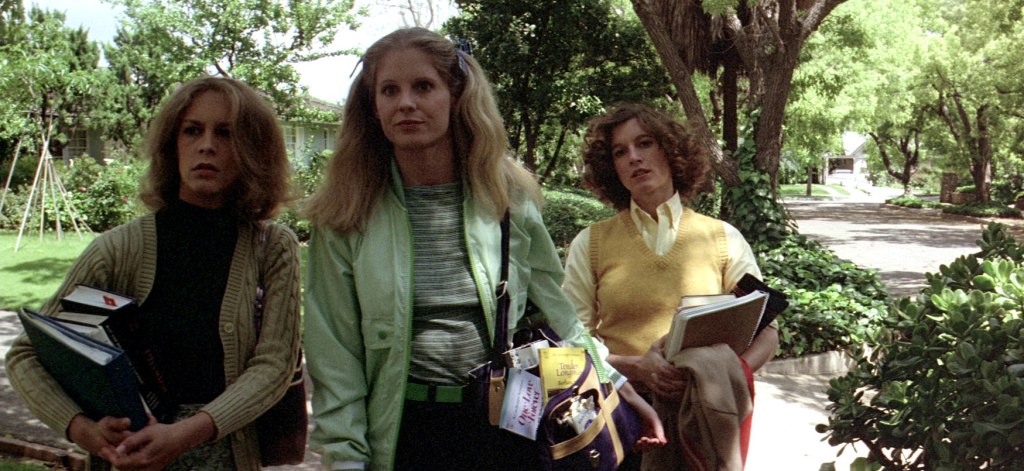
The relationship between Laurie, Annie, and Lynda is central to what makes Halloween so different from other slasher films that followed. More modern entries, like Scream, I Know What You Did Last Summer, and even Valentine, take this path. The friendships are not loose ties to bring a group of would-be slasher victims together in an isolated locale. We are made to care about them because they are nothing more than typical teenagers enjoying their lives. They were just unaware that it would be their last night alive for most of them. This includes the last of Laurie’s friends portrayed on screen, Bob Simms (John Michael Graham).
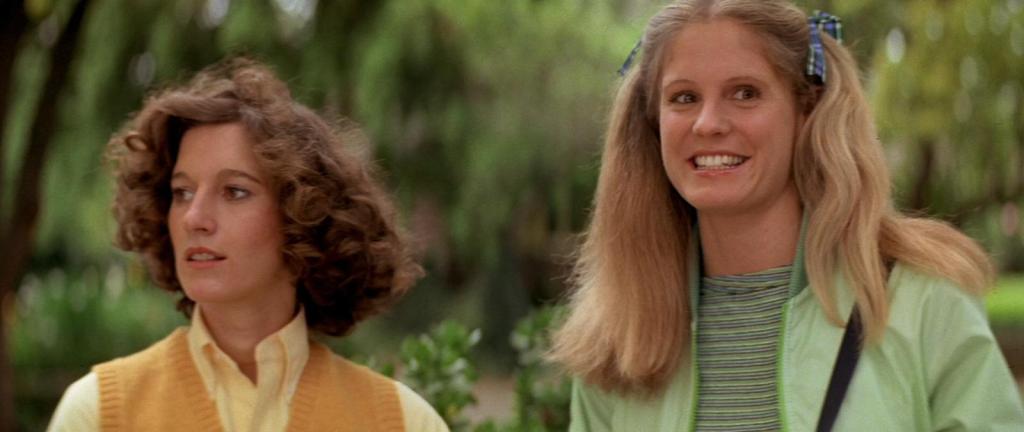
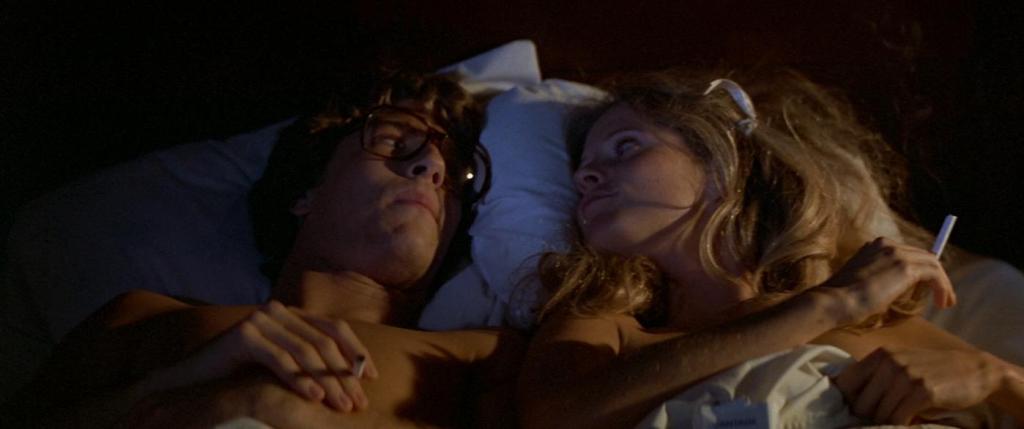
People will often lay the blame at the feet of Michael Myers’ or Jason Voorhees’ victims; however, it is clear throughout the film that none of them feel like they are under threat. The few glimpses any of the characters have of Michael make him out to be unremarkable, if a bit creepy, Shape in the distance. Most people don’t initially believe that they are being stalked, and multiple interactions between Laurie and other people help her to let her guard down. Annie and Lynda, whether rightly or wrongly, feel like Laurie is blowing a minor inconvenience into a major thing, and up until their individual encounters, this is all it appears to be. A minor inconvenience.
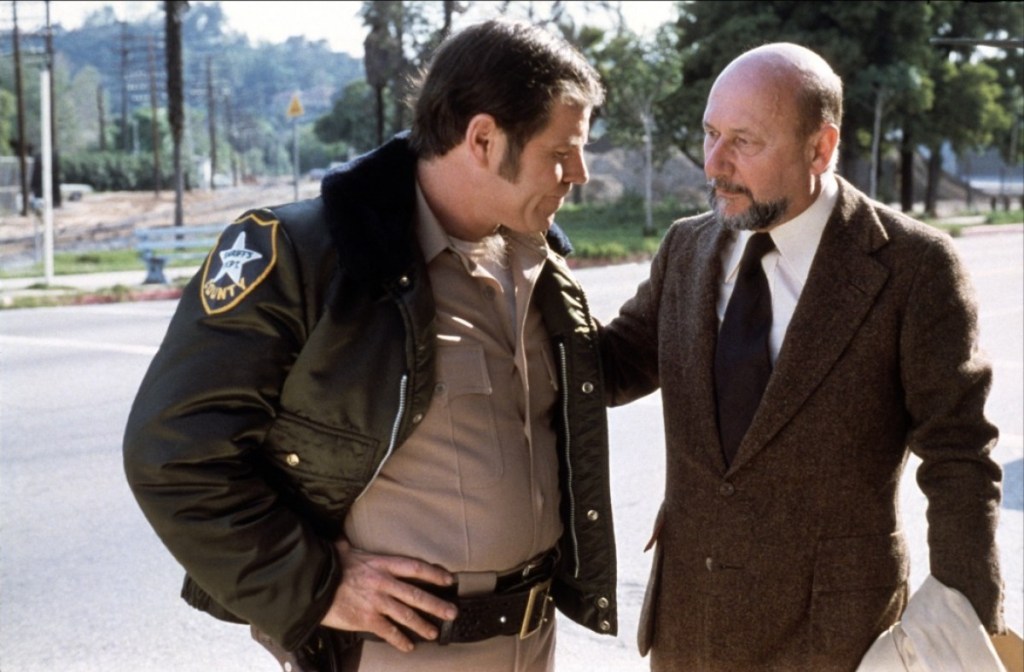
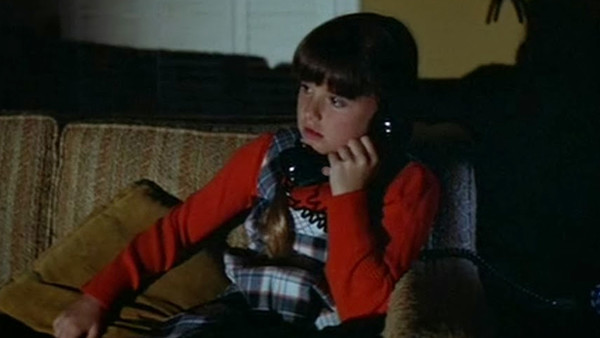
We see this again when Tommy notices Michael carrying Annie in the distance. Though he can’t clearly see what is happening, it still unnerves him. At that precise moment, however, he had been trying to scare Lindsey Wallace (Kyle Richards). Lindsey is more willing to trust Tommy, but Laurie doesn’t see anything outside anymore, so she dismisses his concerns like hers had been throughout the day. It wouldn’t matter at that point – one friend was already dead, and two more were on their way to meeting the same fate. It would not be until several films in which people were aware of Michael’s presence and acted accordingly. Then again, in almost every slasher film, the characters have no idea they’re in danger. So why would they act like they are?
Several characters are introduced into the story who play little to no importance other than filling out the world – or letting information be easily delivered. We see this with Nurse Chambers, Laurie’s father, Morgan Strode (Peter Griffiths – his granddaughter is Dakota Johnson from Fifty Shades of Grey), and Dr. Terrence Wynn (Robert Phalen). While Laurie’s father can be dismissed, as he was the only character not included in a sequel, the other two are intricately connected to the varying timelines in this franchise. Not counting the remake timeline, one can pull at least three distinct timelines from this film alone. At this point, John Carpenter didn’t get to finish his original vision of an anthology horror series, but he did manage to create a Choose Your Own Adventure series.
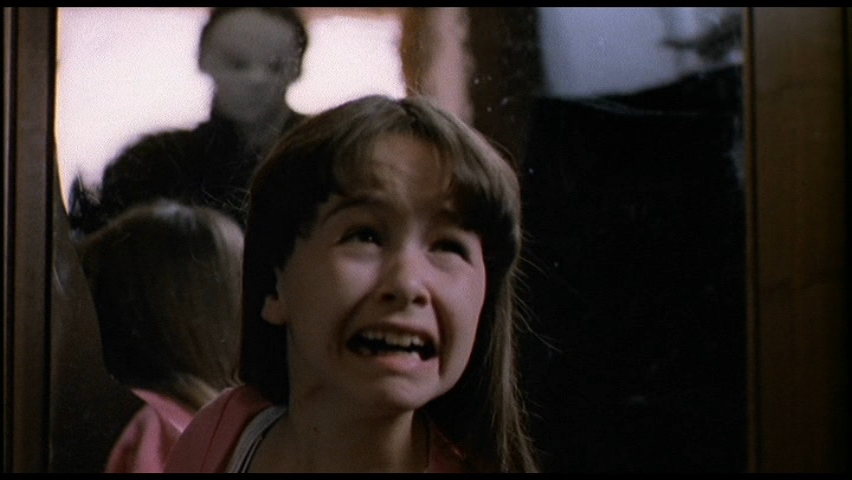
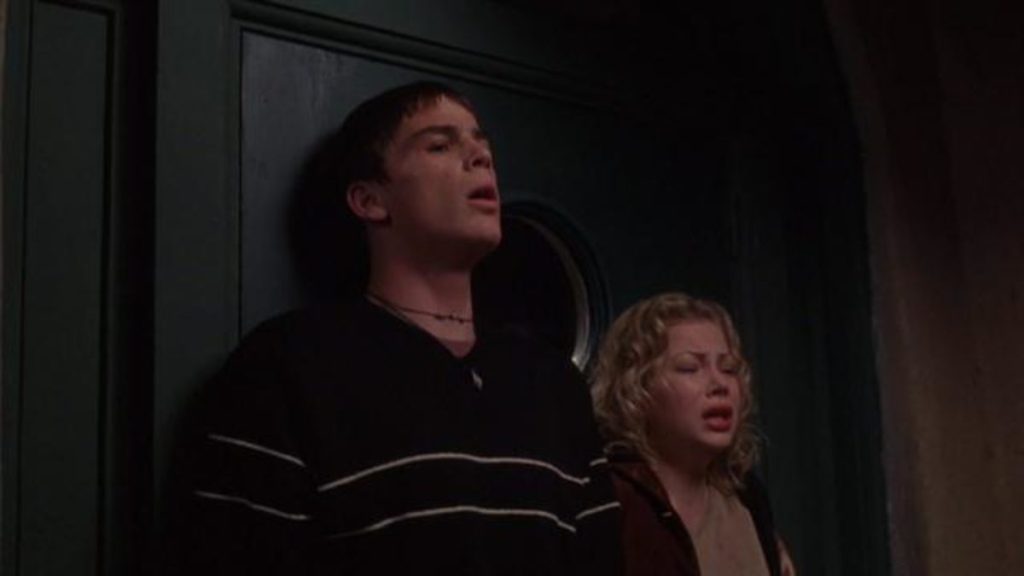
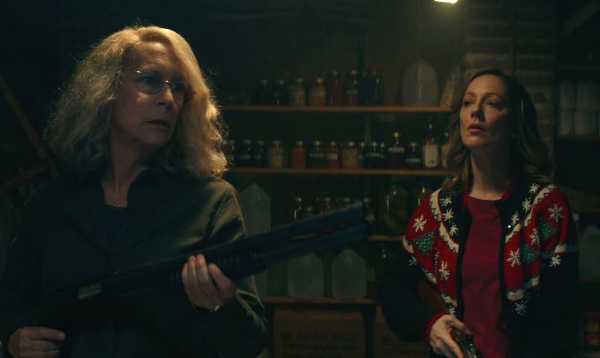
Only the Curse of the Thorn timeline properly lacks any presence for Laurie Strode – with it instead focusing on Michael terrorizing her daughter Jamie Lloyd and the greater Strode Family. The 1998 timeline erases 4-6 and focuses on Laurie having only encountered Michael twice, introducing her son John Strode, and Michael’s attempts to kill every last member of his family. Lastly, the 2018 timeline ignores every entry but the original, erasing the brother-sister connection between Laurie and Michael and instead making Michael a chaotic force with no rhyme or reason for his murderous rampage. Each has its ups and downs, and fans will fight to the death regarding their favorite one. For my purposes, I enjoy them all. They all bring something new and different to their rendition of the story, and all of them are great slasher fare. Sometimes, that’s all you can ask in a film franchise.
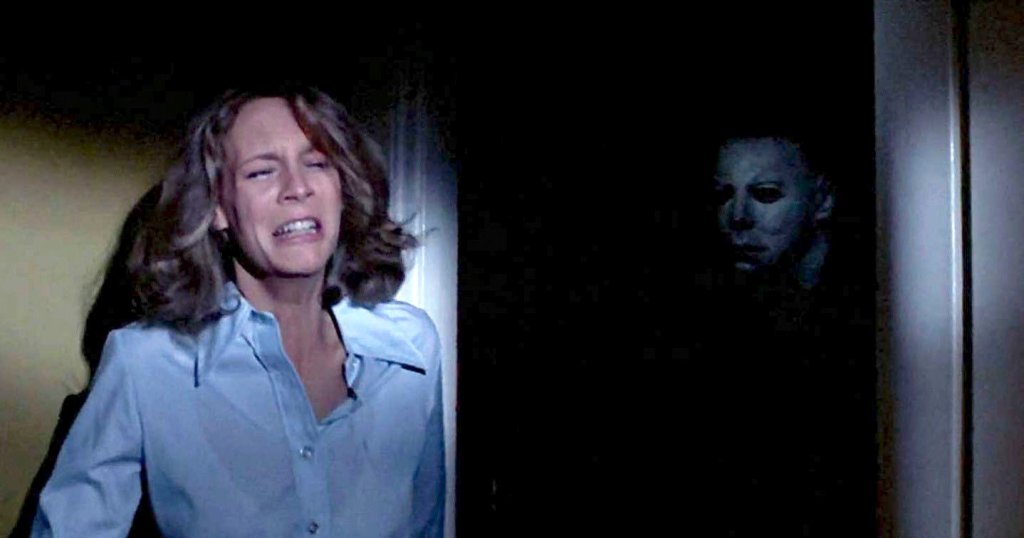
Halloween is notable for its ability to build tension, and it relies on our senses in order to do so. Rarely is there a traditional jump scare, with Bob’s impending attack being the one that stands out the most. Instead, Michael acts in plain view, carefully unnerving those around him until he decides to strike. One great scene is when he impersonates Bob, solely to get closer to Lynda so that she is unaware that she is ever in danger. The other is, after discovering his house of horrors, Laurie backs up against an open, darkened doorway, wherein we slowly come to see Michael is there. The room is carefully lit up, but the film does not treat it as if this is what happened. Instead, it’s played in such a way that we are simply adjusting to the darkness. Michael was always there, lying in wait. We just could not see him yet.
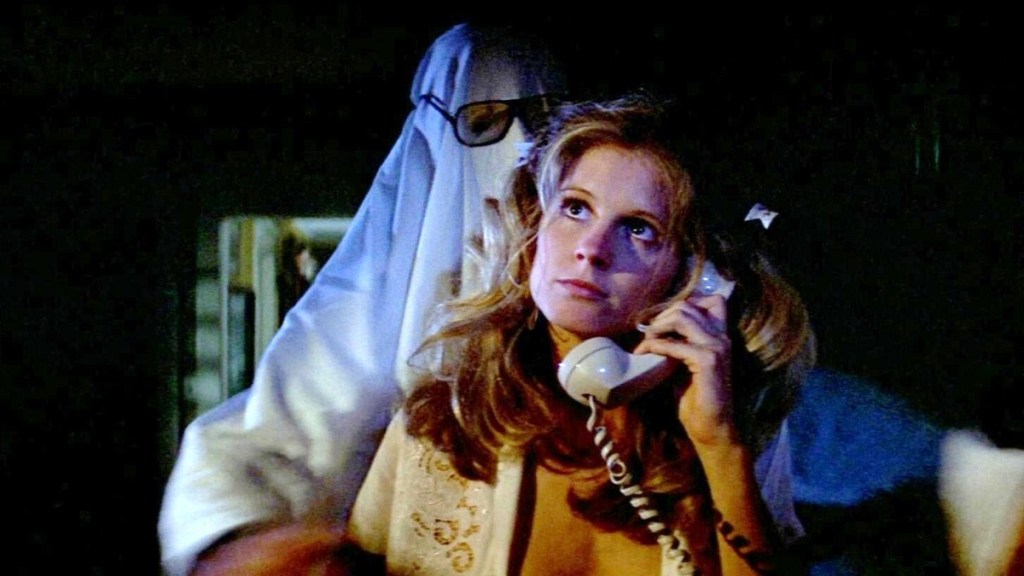
Nobody could truly anticipate what would come from this film. However, the understated storytelling techniques, the beautiful cinematography, and the character-driven story make for one of the most compelling horror films in cinematic history. Varying sequels have vacillated between good and bad, but few have ever captured the charm, the mystery, or the drama that came from this first outing. There are legitimately no explanations for why Michael Myers is doing anything, only speculation and innuendo, and those are right as often as they are wrong.
Comparative analyses have come out from YouTubers on whether or not Michael was even interested in stalking Laurie with the information presented in just this entry – with several coming to the conclusion that, while Laurie ended up a target, by the time Annie shouted at Michael when he drove by them, she was his main target. I tend to like this theory because Michael only leaves the house once Laurie escapes. Every other attack happens inside the house without indicating he wants to leave it. There is no right or wrong answer because those require logic and reason. Michael attacks because he can, and he chooses his victims for a variety of reasons – most often, seemingly on a whim. Each timeline takes a different tact with Michael’s ultimate motivation; whether it be magic, mundane, cruel, or with callous disregard, Michael is still portrayed as a nigh-unstoppable killing machine.

As of this writing, the rights for the Halloween franchise are up for grabs – with film rights being owned by Miramax, is it any wonder they snapped up the television rights, too. The most recent timeline has ended, and it seems likely that the series will move away from the conflict between Laurie Strode and Michael Myers again for the first time in a long time. Who knows what may lay in the future, but as long as it’s a quality story, I will be seated.
 Lloydd Marshall Books