
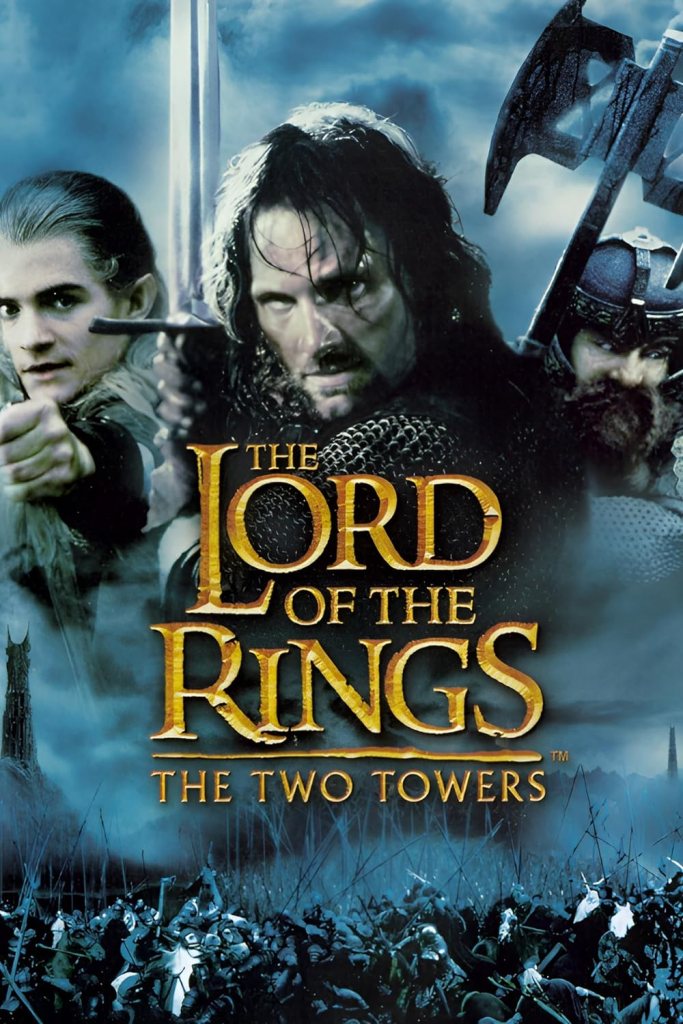
The Lord of the Rings: The Two Towers, also known as “the one where they split the party.” I’m not joking. How else do you tell a story of such massive scale – it spans kingdoms across the continent, includes varying races and groups and factions that need to be developed, and has to introduce us to concepts that not everybody will uncover simultaneously. By splitting the party into disparate groups, you can explore the world of Middle Earth more carefully. The main journey continues, driving the plot towards its inevitable conclusion.
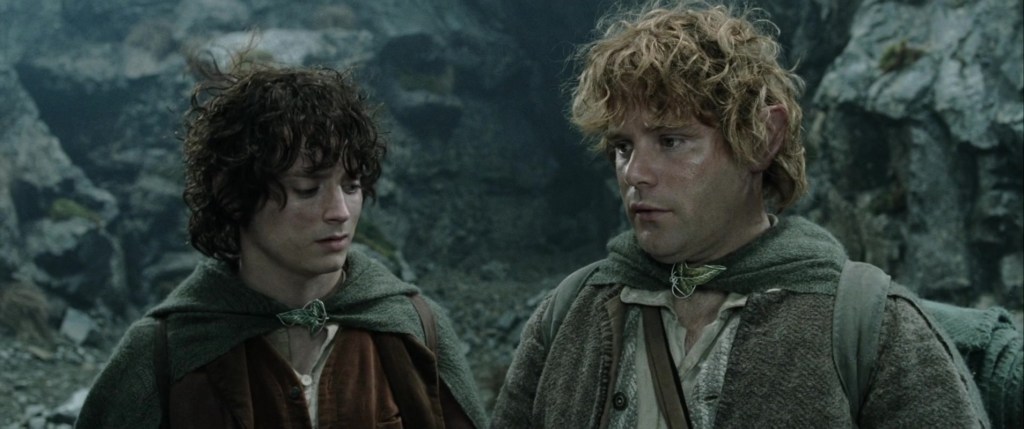
This is unavoidable. However, what do the rest of the cast do while the plot follows Frodo (Elijah Wood) and Samwise (Sean Astin)? You cannot simply leave them twiddling their thumbs for hundreds of pages off-screen. You give them their own separate, but no less important, subplots. Granted, it is known colloquially as “breaking the fellowship.” The group is never reformed, primarily because of the death of Boromir.
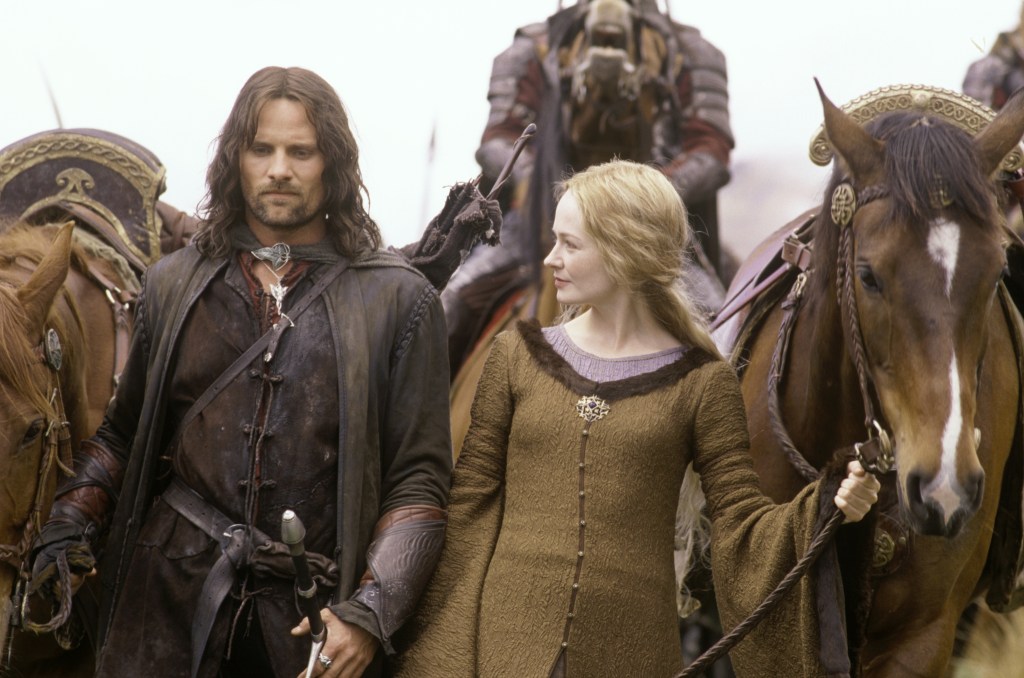
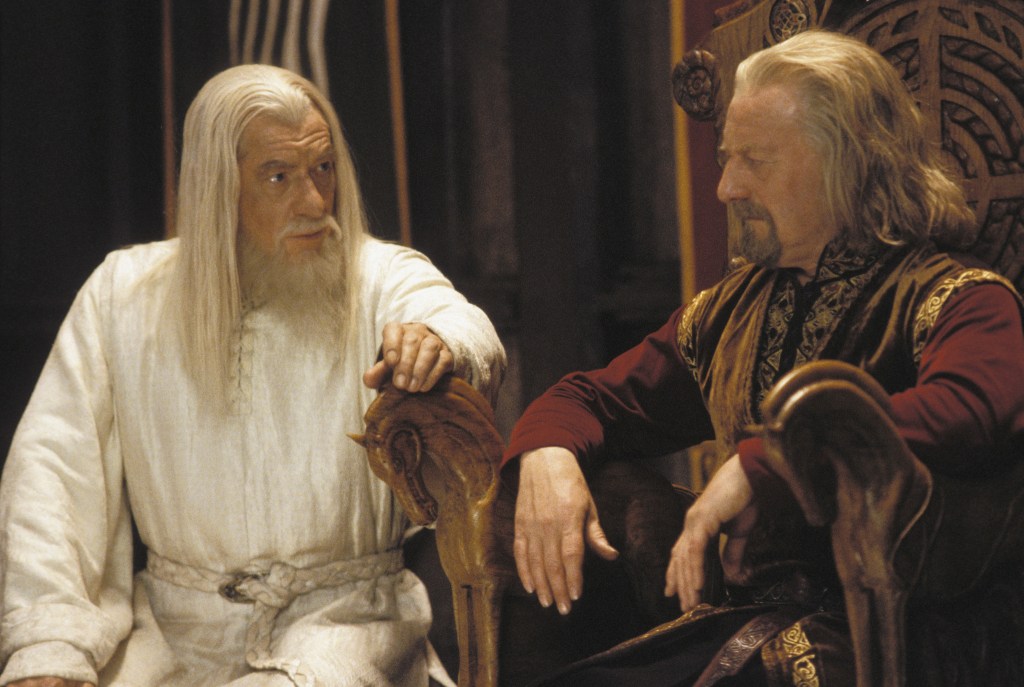
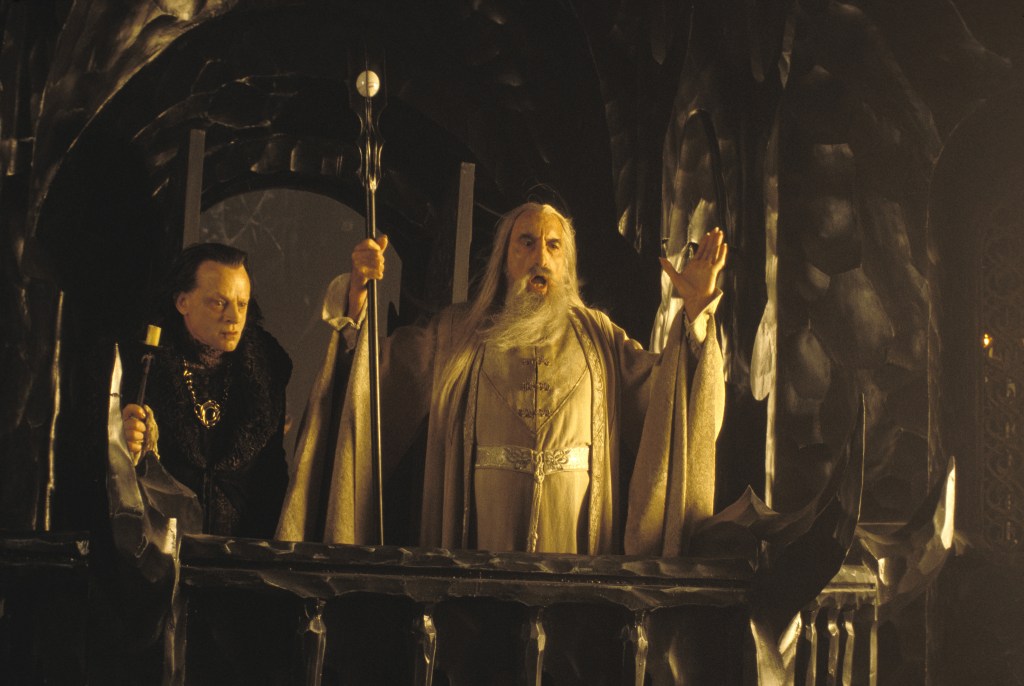
Coming out the year after The Fellowship of the Ring, this film gave more attention to the forces working against Sauron (Sala Bakar) and Saruman (Christopher Lee). Specifically, we are introduced to King Théoden (Bernard Hill) and his court and forces in the wake of the death of his only son Théodred (briefly played by Paris Howe Strewe) and under the control of Gríma Wormtongue (played by Brad Dourif). His nephew, Éomer (played by Karl Urban), has been banished, and his niece, Éowyn (played by Miranda Otto), is simply trying to get her Uncle to come to his senses. Rohan has been infiltrated by Saruman to keep them out of the way of the coming war, further weakening the armies of man. It might have worked if not for the timely arrival of a few interlopers.

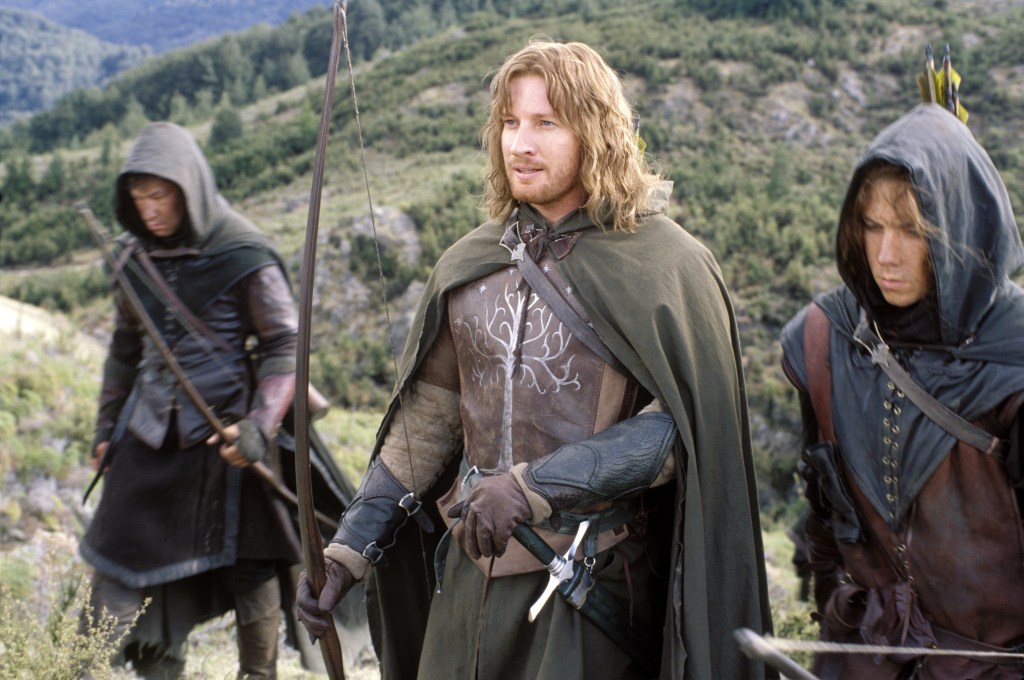
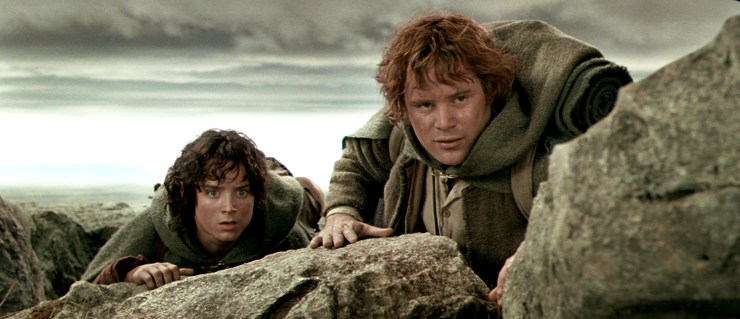
This is also where we are introduced to the brother of Boromir, Faramir (Sean Bean played the former in the preceding film, and David Witham plays the latter for the last two films). The steward family of Gondor, to call his relationship with Aragorn tense would be an understatement. Faramir crosses paths with Frodo and Samwise in Osgiliath, despite the pair never coming to this location in the book – sometimes, a dramatic license can do a world of good and help establish relationships and set up dramatic irony for later on. Faramir, for all his desire to prove that he could be the son that his father, Denethor, always saw Boromir as one of the many changes from the book to the screen to increase tension and give deeper meaning to certain actions.
Perhaps this further illustrates how book adaptations fail in certain aspects – the morals of a character, their goals, and internal thoughts can all be explored on the page with much more clarity than they can on-screen. Certain details don’t have to be contrived to extract drama for the reader when you are sitting and watching it on a screen – we know them because they can literally be spelled out. In order to craft a compelling, understandable story, a film has to set the scene in a way that a book doesn’t. It isn’t a bad thing; it just is a different path. That an extended version of the trilogy was released further shows the limitations a film adaptation can suffer from. While in the comfort of our homes today, we’ll binge-watch eight-to-thirteen-hour television shows; sitting in a theater for up to four hours can prove untenable. Never mind that there are three films.
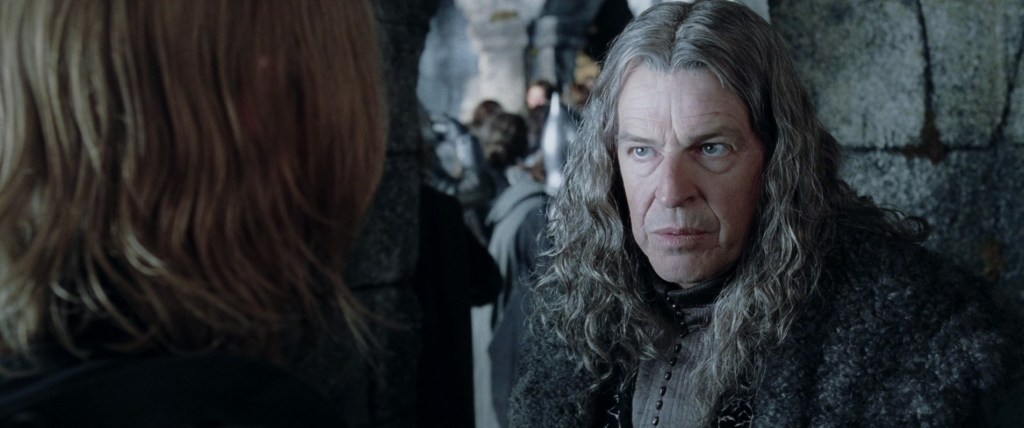
The Two Towers was not afraid to delve deeper into the world’s mythology and lore, and of course, it was forced to alter some details in order to translate it to film. The implication that certain events do happen is left up to your own interpretation, but by crafting all three films close to one another, condensing certain elements, eliminating others, and adding in a few here and there allowed for a smoother process than usual. The extended version allowed the story to play with some of these details, such as John Noble’s character of Denethor, who was not present in the theatrical version but plays a small role here.
Éowyn plays a bigger role in this film than Cate Blanchett’s Galadriel or Liv Tyler’s Arwen did in the preceding film. The niece of King Théoden of Rohan (Bernard Hill), part of her character arc involves her feelings for Aragon, who we, as the audience, are already keenly aware is in love with somebody else.
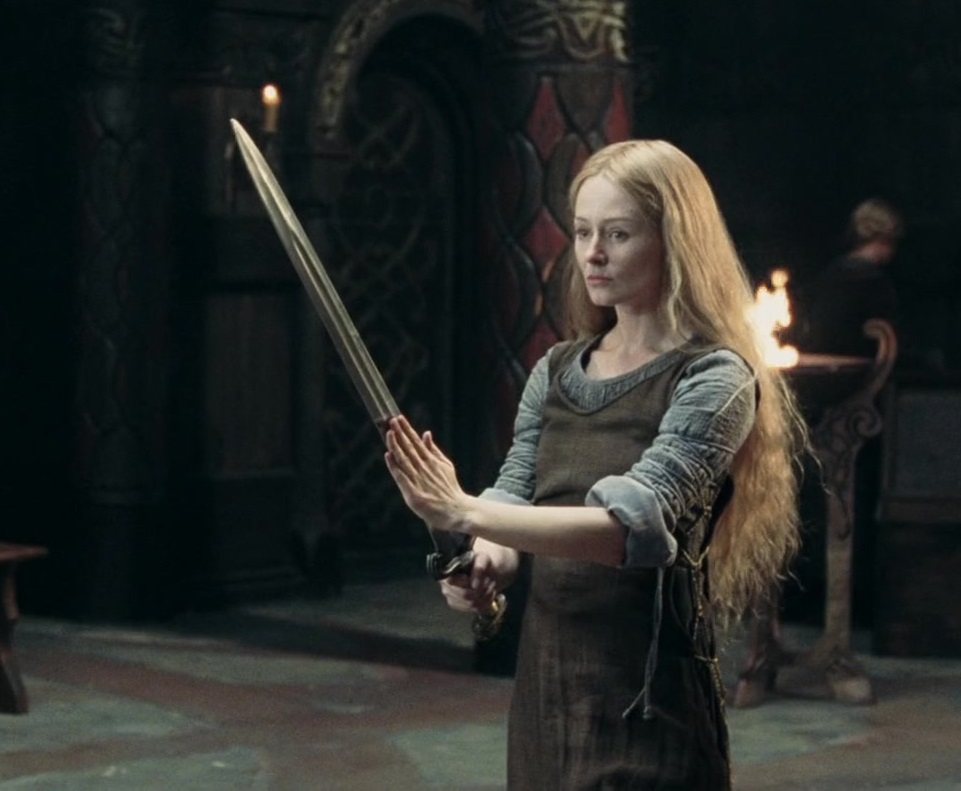
However, she also longs to be more actively involved in the military side and is annoyed that she is used more as a Viceroy by her Uncle. Yet, in a shadow-version of her interest in Aragon, she is also at the center of Gríma Wormtongue’s unwanted attention.
With the backing of Saruman, Gríma has been manipulating the men of Rohan to neutralize them – keeping the King all but completely sedated, sending off his only son to die, and ensuring that his nephew Éomer is exiled. Yet, Éowyn works to keep everything still moving despite every obstacle in her path. Her role is bigger in the following film, enhancing her power as a character.
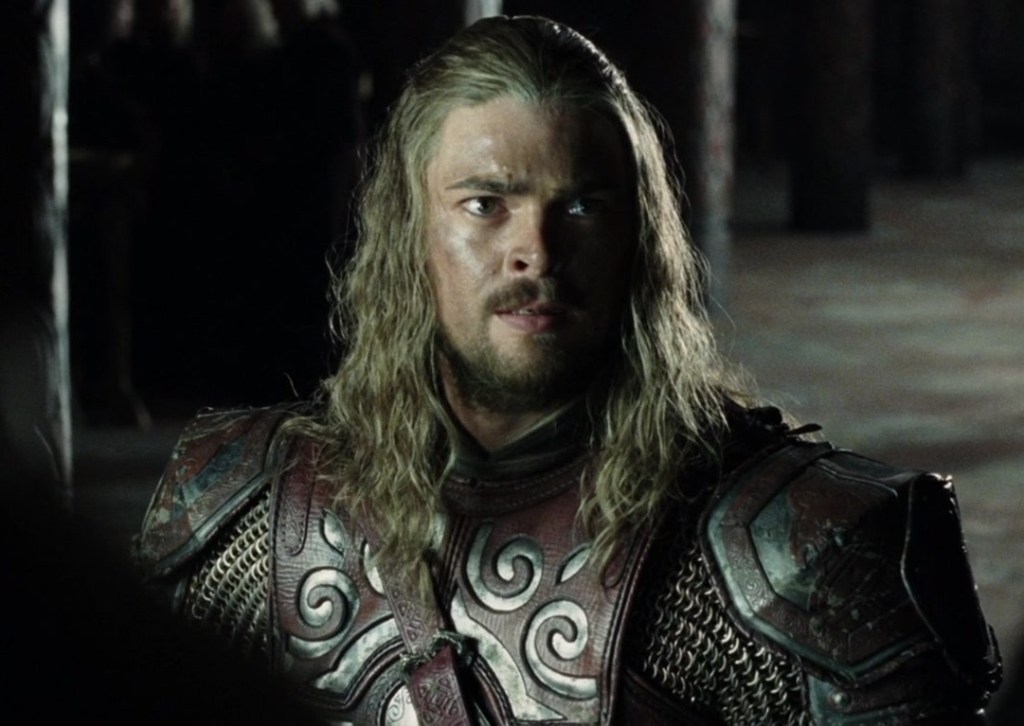
Karl Urban’s star has only continued to burn brightly since his time in The Lord of the Rings trilogy. His introduction here is but a taste, which seems to be the norm for epics.
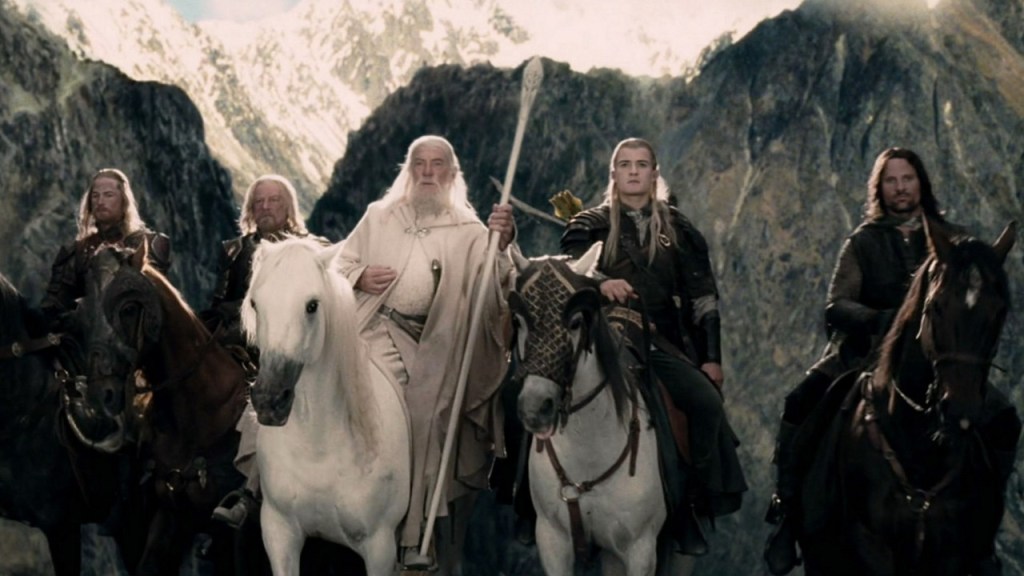
With dozens upon dozens of characters to service and a select number of important plot lines that must be followed, the film – even in its extended form – cannot spend too much time on any single character. Éomer does leave a lasting impression, managing to surprise Aragorn during the film when he rides his cavalry to their rescue alongside Gandalf.
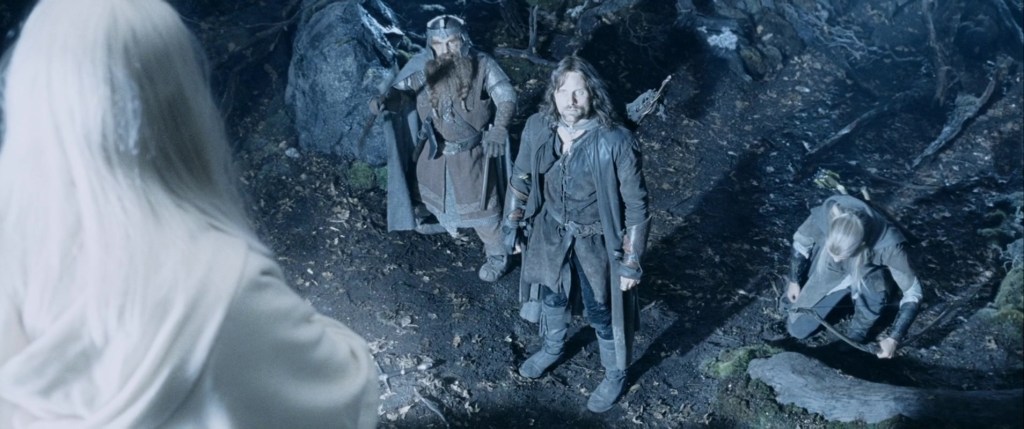
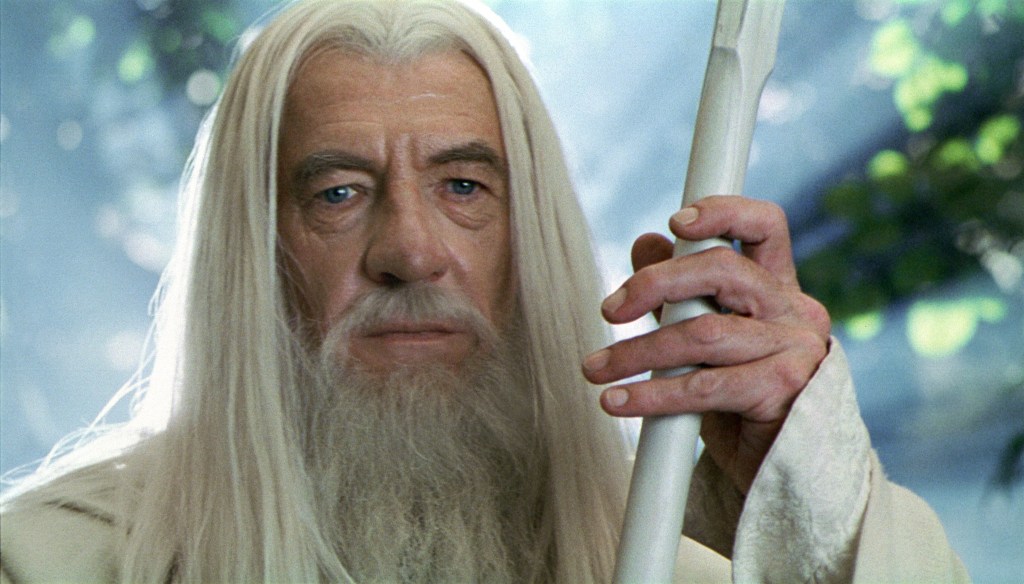
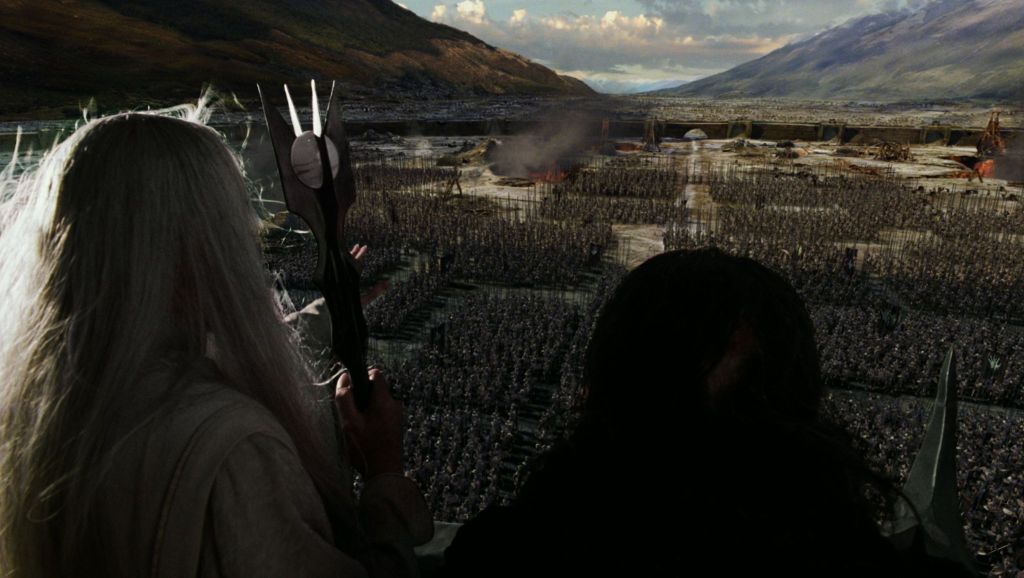
Gandalf whisks himself from place to place throughout the film, with even more power than he had when he wore his gray robes. As the closest thing this world has to a physical God, Gandalf is the trump card – which is what makes Saruman the biggest threat to him other than Sauron. At least, Sauron was a threat to him in the previous film. With an exemplary execution of ‘Show, Don’t Tell,’ we are treated to a clearer explanation of how he defeated the Balrog and why he came back as the kind of Wizard Saruman should have been. Yet, because he has such great power at his fingertips, he takes on much more than the rest of the cast – sans Frodo and Samwise, obviously –to help keep the heroes from being crushed by Saruman and Sauron’s growing forces. This means he cannot be everywhere simultaneously, dispatching whole armies with a massive wall of fire. They have to save themselves from time to time. Oftentimes from the people around them.
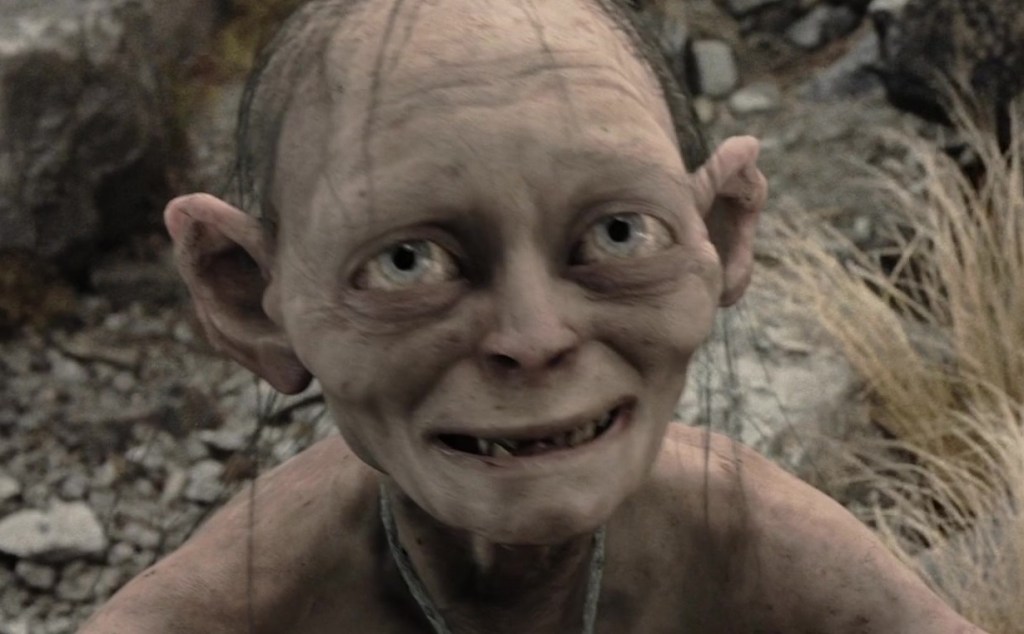
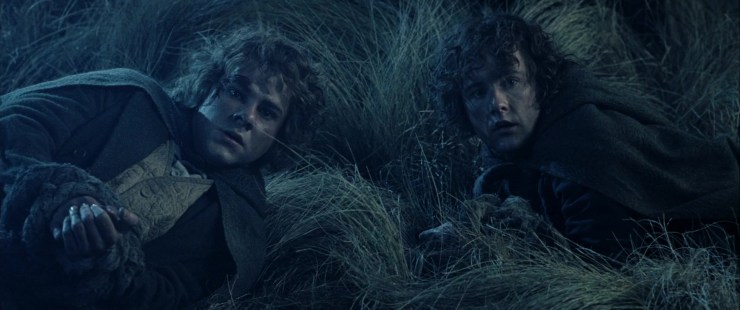
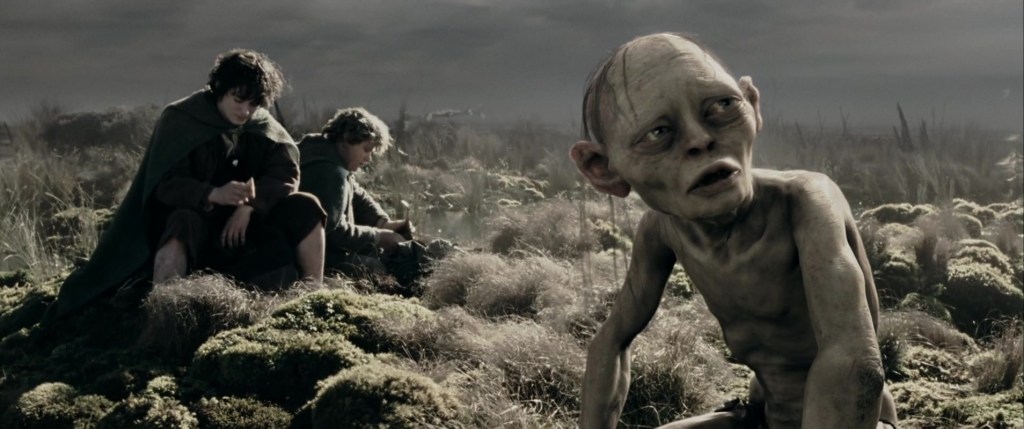
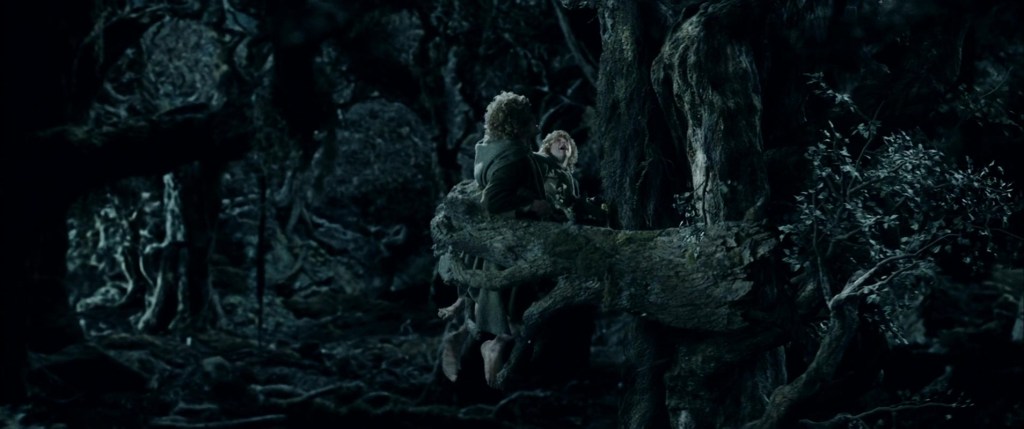
The three main storylines follow include Frodo and Samwise’s journey into Mordor, led by the creature Gollum (Andy Serkis), Pippin and Merry (once more played by Billy Boyd and Dominic Monaghan) escaping their captors, the Uruk-hai, and joining the Ents in their forest home, and finally Aragorn (Viggo Mortensen), Legolas (Orlando Bloom), and Gimli (John Rhys-Davies) as they work to salvage Rohan from the edge and protect them from Saruman and Sauron’s forces. In the background, the damage wrought by their enemies has started to turn the tide on who will or won’t help the heroes in the coming days. One of the central themes of this entry is self-preservation versus selflessness. Rohan seeks to defend itself and only itself, and the Ents see no need to involve themselves in the affairs of men, as it has no bearing on them. While the heroes work to convince these two groups otherwise, Saruman is more than willing to bear down on them.
Watching Aragorn, Legolas, and Gimli work their way to Rohan to unite the armies of man against Saruman and, ultimately, Sauron is primarily their storyline here. The three spend the majority of the film devising a way to overcome the army they know will barrel 6towards them. Like Éomer before them, their chief goal is to convince Théoden to join them, which means they have to take on Gríma and a Saruman-possess Théoden to succeed. With each passing day, the forces they face swell in number – and they have no choice but to fight to the death at Helm’s Deep. In effect, the fate of the world lies in their hands as much as it does Frodo and Samwise’s. The pair’s journey is meaningless if they all die before they can deliver the One Ring to Mordor.
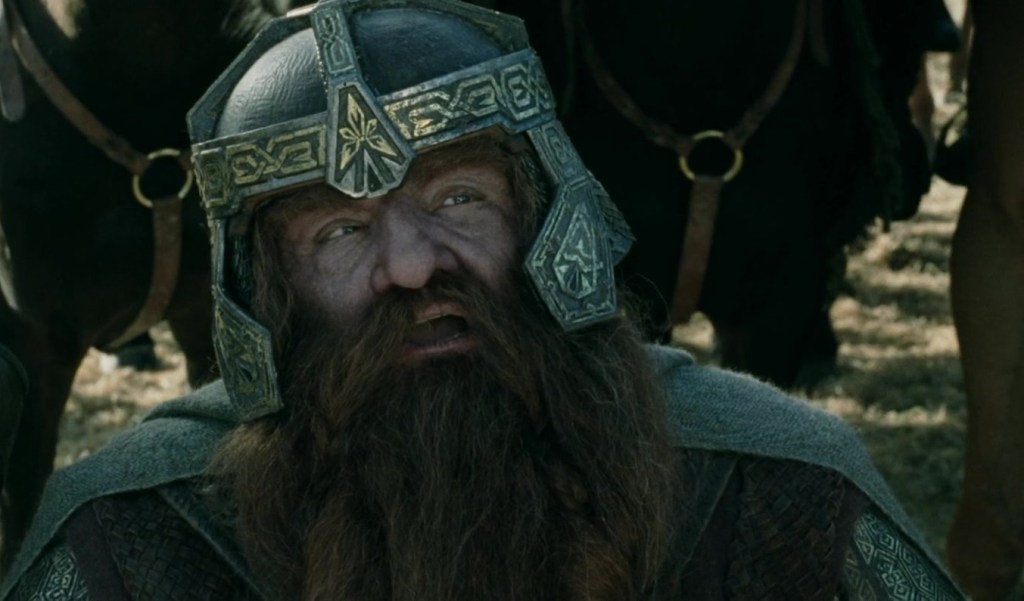

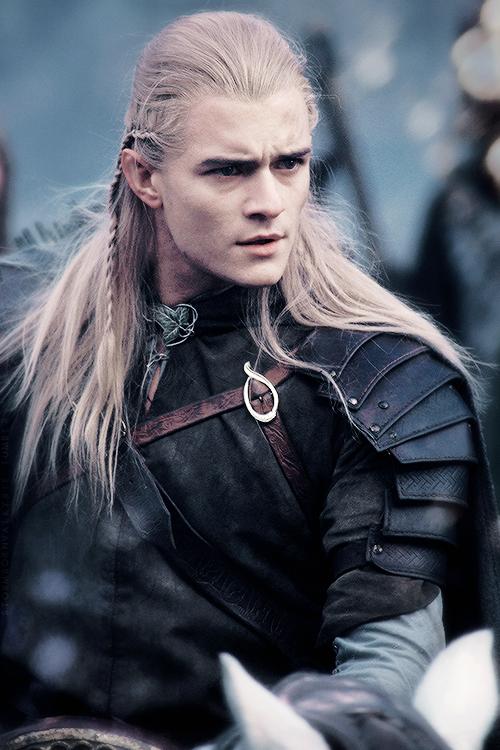
The scale of an epic is hard to comprehend at times, primarily because it is impossible for a story of any kind to fully humanize everybody. This is why characters act as stand-ins for entire groups outside of the central group of characters. A handful of humans in Rohan or Gondor are important versus the citizenry they fight to protect or the soldiers who fight to defend them. Yes, it is impressive to see countless soldiers stand and fight. Still, when they’re cut down it leaves little more of an impression than when a faceless monster is dispatched. Legolas and Gimli are competing to have the higher kill count. True to form, when the heroes fear that Aragorn has been lost, the impact of that moment has far more weight than when the barricades are battered and the lines are broken. This is not to say that this is a bad thing. Quite the contrary. Stories are not about everybody, after all.
The Two Towers is the middle part of a trilogy, and it suffers as so many often do – only in a narrative sense – but Peter Jackson sought to ensure that each film had a complete feel while not hurting the fact that it was a continuing story. When viewed as a whole, the tale is an exciting epic, as it was intended. When you view them on their own, the beginning, middle, and end are clear cut – the satisfaction of the heroes surviving at Helm’s Deep is not lessened by the fact that they triumph at the end of Return of the King. Any more than their forced separation in Fellowship of the Ring is weakened by their separate storylines in The Two Towers. Perhaps this stems more from the fact that they were filmed together rather than over several years – rather than a trilogy, it is simply one film that happened to be broken up into thirds.
Sometimes, it really can just be that simple. Not to mention, it is infinitely more enjoyable when I think about it like that.
 Lloydd Marshall Books