
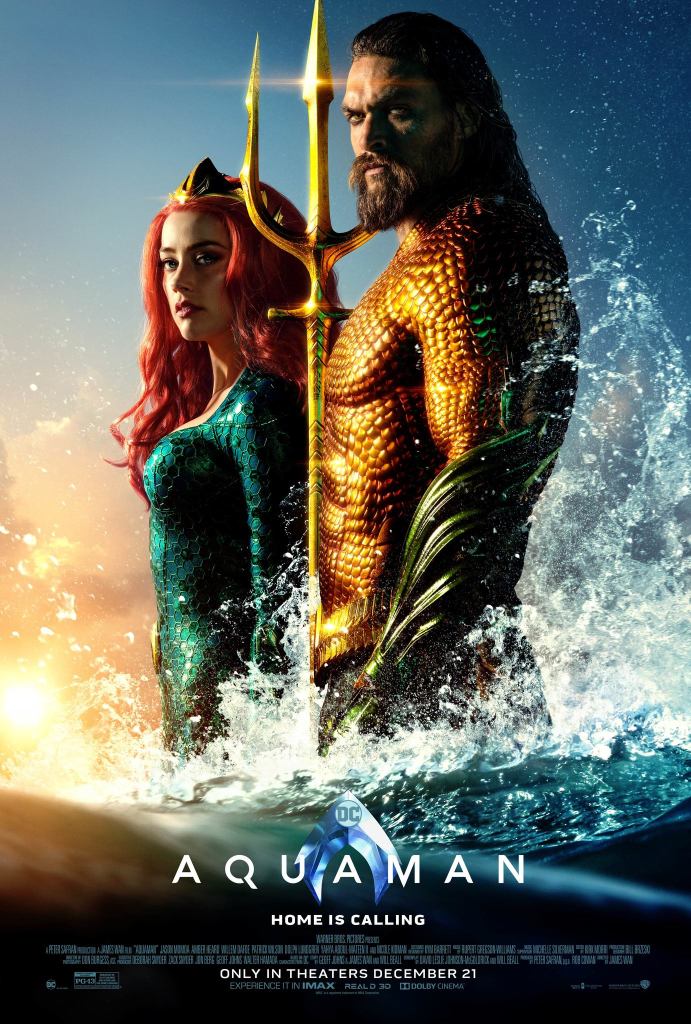
With the DC Extended Universe closing out in 2023, a mere ten years after its inception with Man of Steel, with a sequel to the only entry ever to cross the billion threshold, it’s clear that Aquaman was the MVP of this franchise. Jason Momoa first debuted as the titular character in file footage in Batman v. Superman: Dawn of Justice, the film that many agree was the start of major issues for the franchise.
Still, interest was high for that film’s three characters hinted at – with Ezra Miller’s Flash and Ray Fisher’s Cyborg being the other two. Yet, as we have seen in the years that followed, controversy surrounded the franchise, leading to disaster for all involved.
Despite this, Aquaman was a breath of fresh air. Following on the heels of Wonder Woman, another DC superhero who had never been adapted for a live-action film. The butt of many jokes because of the character’s infamous iteration in Super Friends, Momoa’s casting was considered a major coup. Defenders of the character were always quick to point out the character’s long history and his most recent iterations, where he was far more of a heroic, strong-willed, and powerful character on par with his contemporaries. But this was an era before comic books truly impacted the perception of mainstream moviegoers. What Aquaman is like on the page didn’t effectively mesh with people’s vision of him. Justice League changed that dramatically, and Aquaman put doubts to bed once and for all.
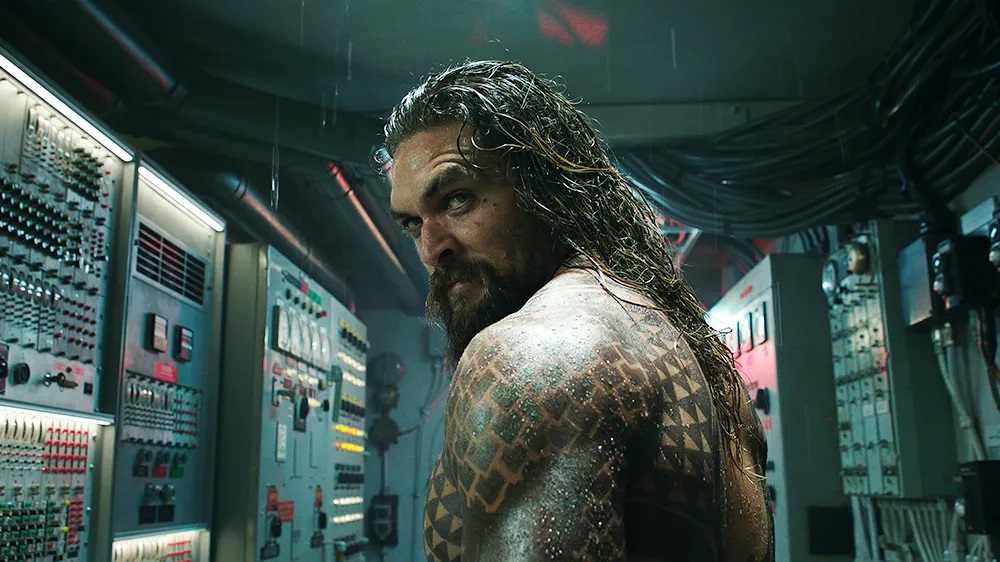
James Wan directed Aquaman, which many people found puzzling at the time. After all, the renowned director was known for his work with powerhouse horror franchises such as Saw, Insidious, and The Conjuring. Still, Furious 7 was fresh in my mind, and his work with each of those franchises left me with no doubts about his ability to capitalize off of his strong points while also delving into the strengths of the character and world he was diving headfirst into. James Wan is charismatic, and that charisma netted him Nicole Kidman and Julie Andrews to feature in the film. And, as had become expected by this point, Patrick Wilson was also along for the ride – starring in his fifth film with James Wan here. Seeing as James Wan had been chosen between Aquaman and The Flash, I can’t imagine what the world would look like if he had not chosen the former.
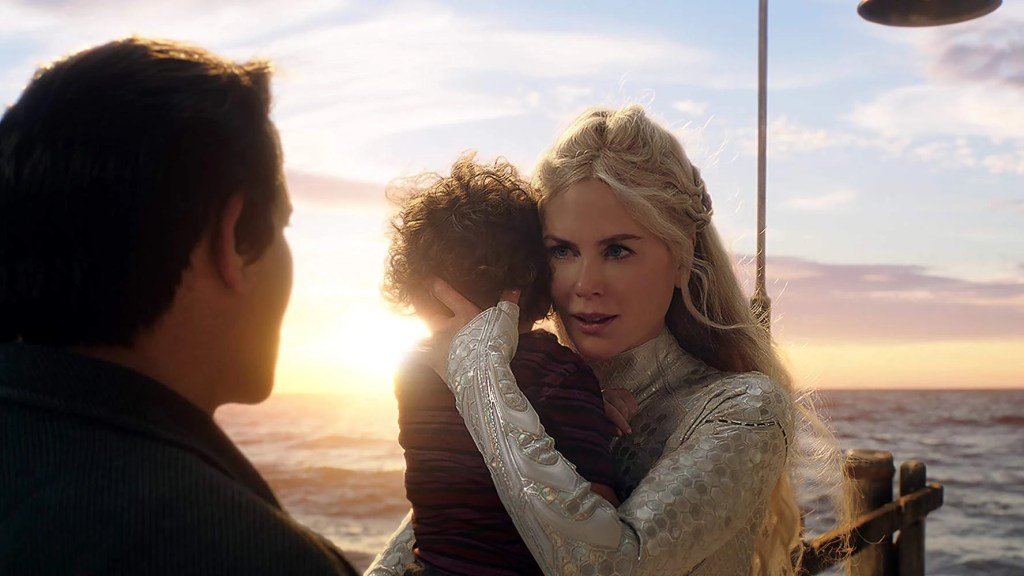
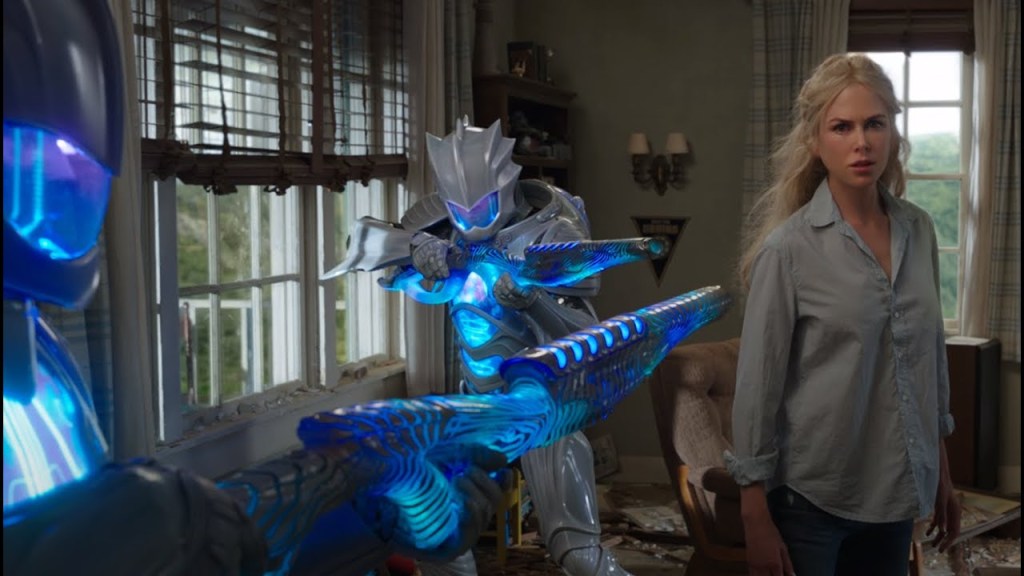
The story begins with the blossoming love story between Atlanna (Nicole Kidman), the Queen of Atlantis, and Tom Curry (Temuera Morrison), a lighthouse keeper. After Tom saves Atlanna, when she washes up on the rocky shore of his home, their world-changing relationship begins. They have a child together, Arthur (played by Kobi Booker as the infant, Tainu and Tamor Kirkwood at age 3, Kaan Guldur at age 9, Otis Dhanji at age 13, and Kekoa Kekumano at age 16, before finally, Jason Momoa plays his adult self), a child born of the land and the sea. When King Orvax sends his soldiers to retrieve his wife, who fled their marriage, Atlanna leaves her happy, new life to protect her family – leaving her trusted friend and advisor Vulko (Willem Dafoe) to watch over them and train Arthur. We watch as Arthur grows up, learning to embrace his abilities, before rejecting his heritage when he finally learns that his mother was executed for falling in love with a human and having Arthur in the first place.

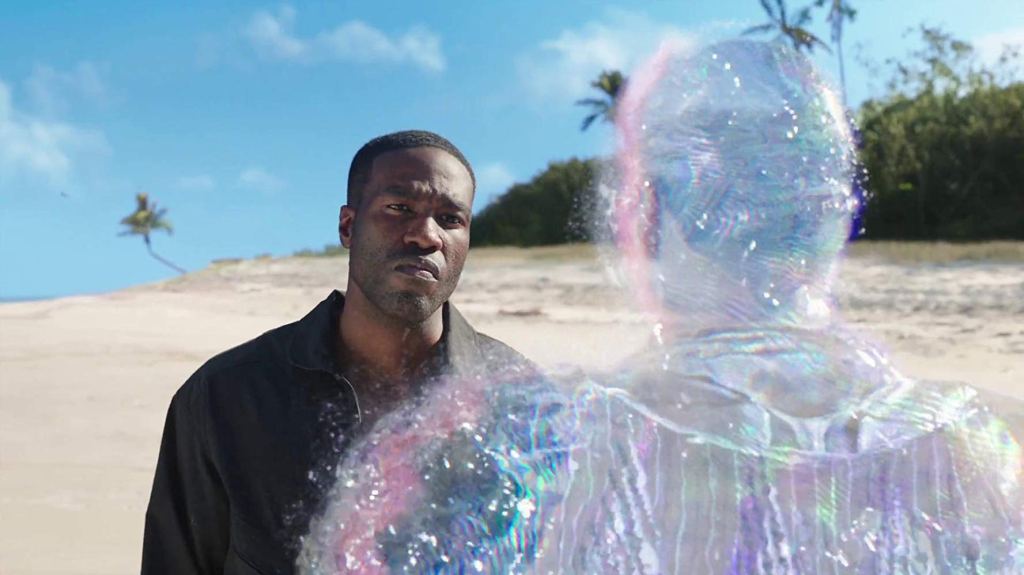
Yahya Abdul-Mateen II stars as David Kane, more famously known as Black Manta, considered one of the archetypical enemies in Aquaman’s Rogues Gallery.
This, despite the fact that the vast majority of the film is focused on building up King Orm, Ocean Master (Patrick Wilson), allows the film to build out the world a bit more. With executives mandating the inclusion of Black Manta, it was nice to see James Wan seamlessly utilize the character despite his initial vision of the film not featuring his storyline. Abdul-Mateen massively benefited from his performance as Black Manta, rocketing his career to further heights, which he built upon in later films such as Candyman and Ambulance. He will also join the MCU as Wonder Man in an upcoming Disney+ series.
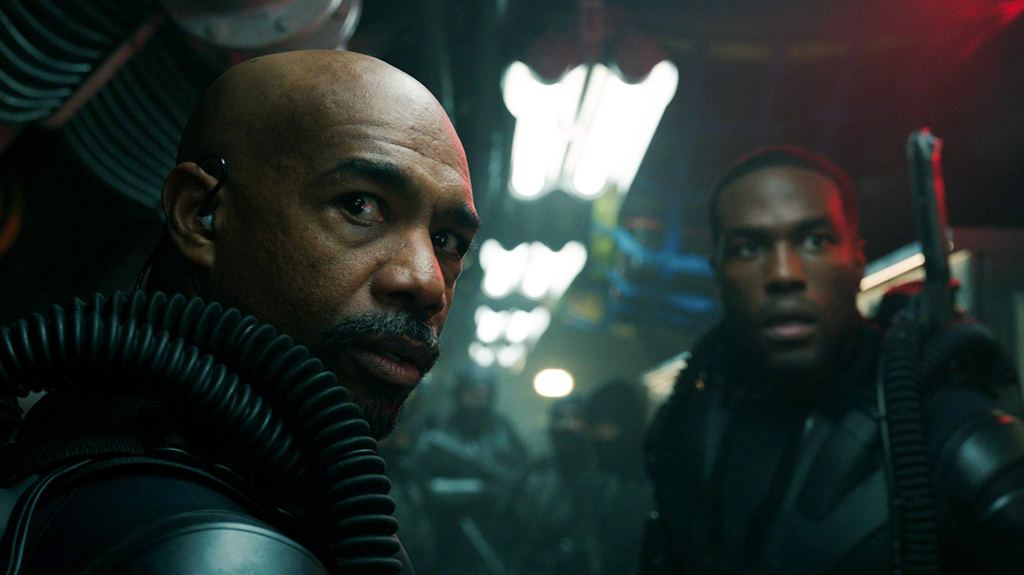
Michael Anthony Beach plays Jesse Kane, Black Manta’s father, whose death is what sends David Kane on his quest for revenge. It can’t even be called vengeance as Jesse and David directly placed themselves into their life-or-death predicament during their attack on the submarine in the film’s first act. Both father and son proved to be blinded by rage, ego, and idiocy in their attempts to attack Aquaman – at first, when Aquaman was unaware of their presence, and then again after he showed them mercy. It was after this latter act that Jesse Kane foolishly fired a missile within the sub, blasting a hole in its side. Then, David demanded that Aquaman save them – which the hero pointedly refused. Granted, heroes don’t usually kill their villains (unless they’re Wonder Woman), but at this point, mercy had been shown to them and spat on. Saving them would only open Aquaman up to further attack in his mind. Leaving them to die proved fruitless, as David Kane ultimately survived, and with the backing of a more prominent villain, but at that time, Aquaman chose the lesser of two evils.

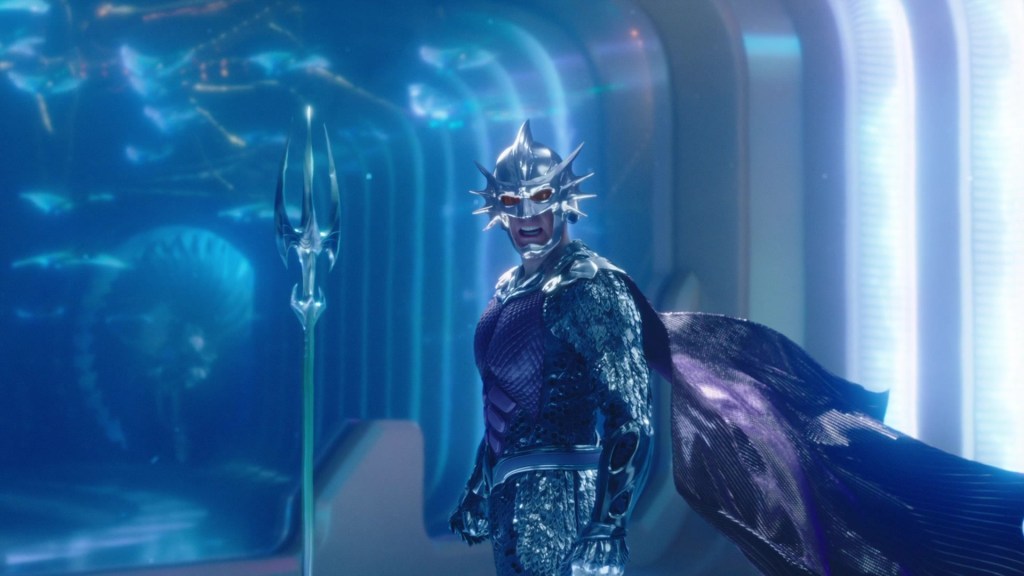
As already noted, Patrick Wilson is a frequent collaborator with James Wan. With Wilson generally playing heroic characters, watching him let loose and ham it up as a supervillain was enjoyable. Orm is Arthur’s older half-brother, who outright despises Arthur, though he is a civil and polite villain up to a point. Despite this hate, he offers to spare Arthur out of love for their shared mother – though he refuses to let Arthur interfere with his plans. He is also played as a master tactician and keen observer, aware of Vulko’s betrayal and Mera’s actions but letting things play out so that he has a stronger hand.
Even though Orm is the primary antagonist, it is clear that he is not a straight-up villain. I’ve mentioned this in reviews before and will undoubtedly mention it again – but when it comes to state actors, the line between good and evil becomes blurred.
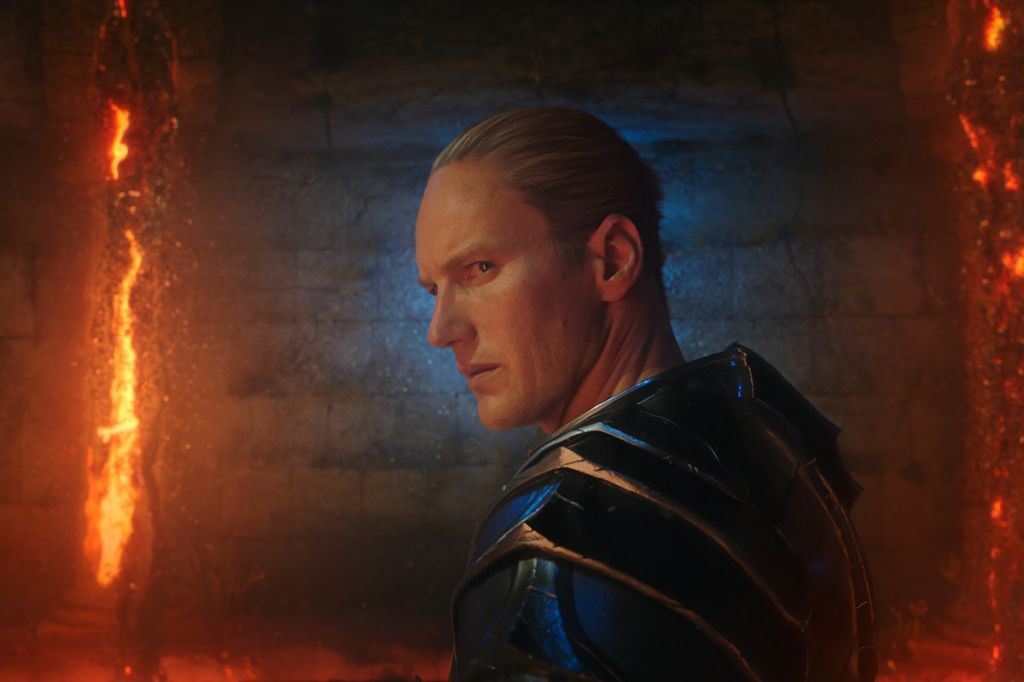
Obviously, flooding the surface world is a tad extreme, but keep in mind what the surface world has done to Atlantis. The sequel touches on this, with Arthur pointedly bringing up that the surface world has no idea that they even exist, which makes their ‘attacks’ far less villainous and direct than casually cruel to their own planet. Orm acts in what he believes to be the best interest of Atlantis as a whole, even if that means lying to and manipulating his citizens and the kings of his fellow underwater kingdoms. Find a politician alive today who doesn’t do that to some degree on a day-to-day basis, and it becomes all too clear how political actors and villainy became harder to delineate between.
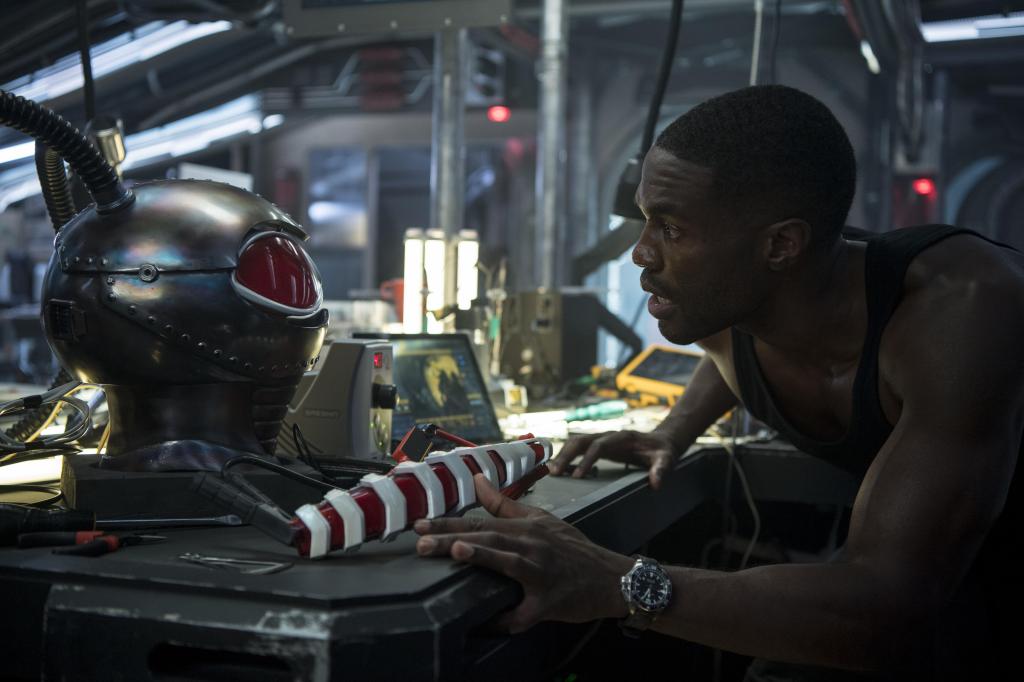
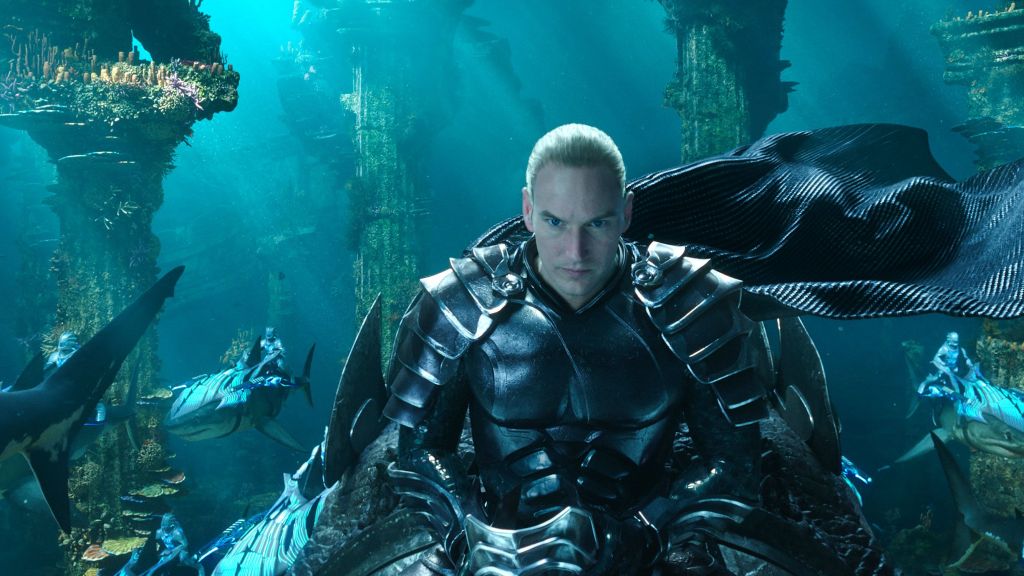
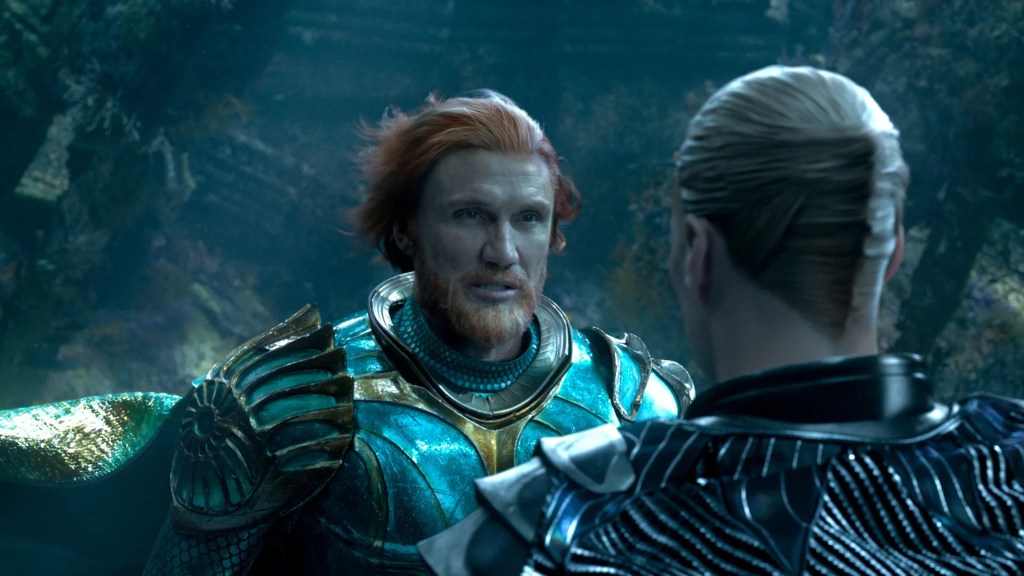
Black Manta and Ocean Master end up collaborating, as is typical of comic book adaptations with multiple villains – the Batman of the eighties and 90s did this even when their villain’s goals were in direct opposition. For these two, it was their intense desire to see Aquaman die later, but initially, it was to create several false flag operations to unite the seven kingdoms beneath Orm’s banner. This included the assassination of the Fisher King (Djimon Hounsou) and attacks against other leaders, culminating in the hopeful assassination of Mera (Amber Heard) to drive her father, King Nereus (Dolph Lundgren), to Orm’s side after already having tricked the man into working for him. Orm may want to destroy the surface world, though it is unclear if Black Manta is aware of this part of the plan, once more showing how manipulative Orm can be in getting people to back his schemes.
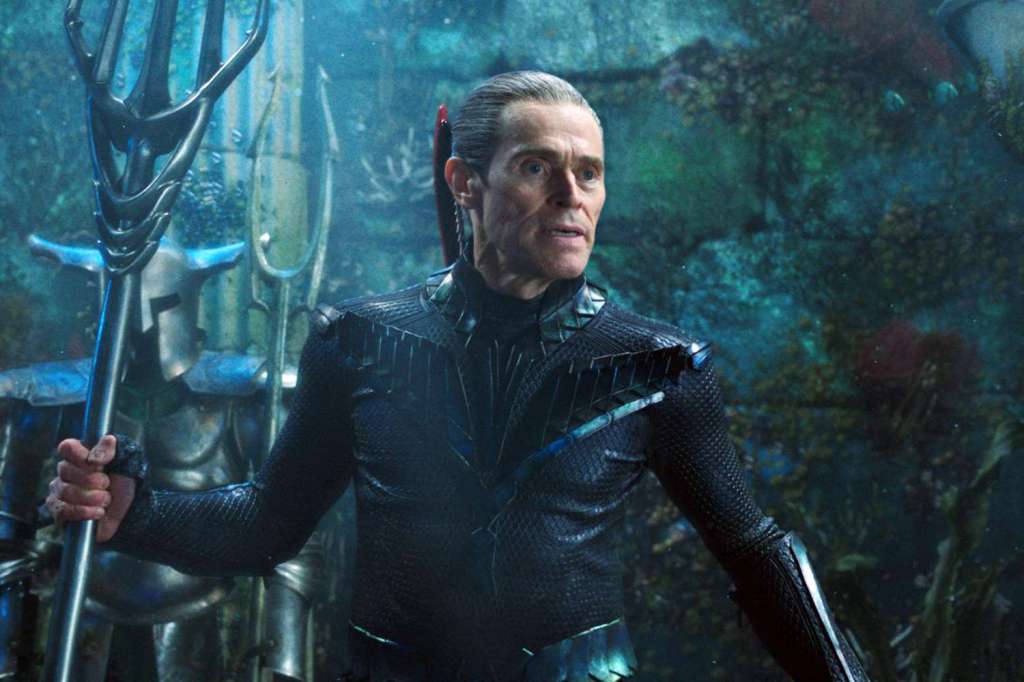
Vulko is one of three actors who were supposed to debut their characters in Justice League. His scenes were ultimately cut from the eventual theatrically released film, though they were restored in Zack Snyder’s Justice League, long believed to be a pipe dream. The King’s vizier and a loyal friend of Queen Atlanna, Vulko raised Arthur and trained him to use his Atlantean abilities at the Queen’s behest. He secretly worked against Orm, who sought to destroy the world above the ocean. Vulko’s maneuvers were all in an attempt to place Arthur on the Atlantean throne over Orm, hoping to bridge the gap between the surface world and Atlantis and its seven kingdoms.
Amber Heard’s character, Mera, was introduced in Justice League, playing a minor supporting role when Atlantis was attacked for its piece of the Mother Box. She had only a single scene in the original Justice League, but here she proves her mettle as a Princess and a warrior, every bit Aquaman’s equal. She joins him on his journey to find Atlan’s Trident and grow closer with one another along the way. Because Mera has powers, she is not left in the background to be a hostage but a capable fighter. She uses her surroundings pragmatically to dispatch her foes, at one point turning wine into a weapon to defend herself. Mera was clearly built from the ground up to be a powerful character, and this was much appreciated.
Mera and Arthur spend a great portion of the film traveling the world to find Atlan’s Trident, and they grow closer. Their relationship is central to the film’s plot. Comic book enthusiasts will, of course, know that the pair are destined to be together. Because of Aquaman’s characterization in Justice League, as he and Mera begin to trust one another and work together, shows just how much he has grown. By the end of the film, he’s not just embracing his Atlantean heritage, but taking the first steps in embracing himself when he and Mera are set to become an official couple. Mera’s overtures at getting Arthur to work with her start out from the belief that he has a duty to follow his destiny, and morphs into a genuine desire to be with him.


Many decisions were made for the characters who would eventually go on to have their solo films in the DCEU, with the directors chosen to follow in Batman v. Superman’s footsteps forced to improvise to work with what they had been dealt with. Yet, despite some of those choices, Zack Snyder also worked closely with James Wan and Patty Jenkins to make their characters mesh well, especially considering that Aquaman and Wonder Woman would feature the characters well before their initial introductions. One major criticism lobbied here, though, is that some aspects of Aquaman seemed contradictory with Joss Whedon’s edits and reshoots.
This is where James Wan stepped in to try and mitigate that – most notably the pocket of air that Mera used in Justice League to speak with Arthur. With characters speaking left, right, and center underwater, James Wan carefully adapted this plot point – with Mera using it as a weapon, rescue efforts, subterfuge, and to create distractions. High Atlanteans can breathe underwater and aboveground, meaning those who can’t are weakened and at the mercy of others when exposed to air. This also prevents them from spying on conversations that Mera would rather not have them listen to.
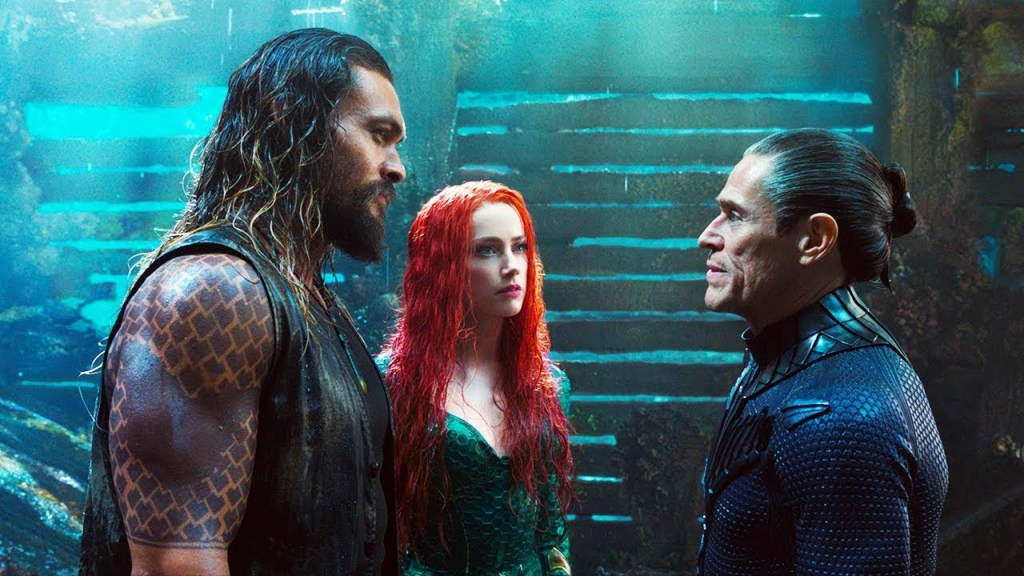

In Aquaman, we are given a beautiful world to explore – with its true depth not touched on just yet. Atlantis is comprised of seven Kingdoms: Atlantis proper, Xebel, the Fishermen, the Brine, the Trench, the Deserters, and the Lost Kingdom – itself the central plot point for the sequel. Some of these locales show up, and the beautiful cinematography gives us amazing visuals to feast upon. From its rich historical past, to its present sunken glory, Atlantis is presented as a mysterious wonder akin to its mythological basis.

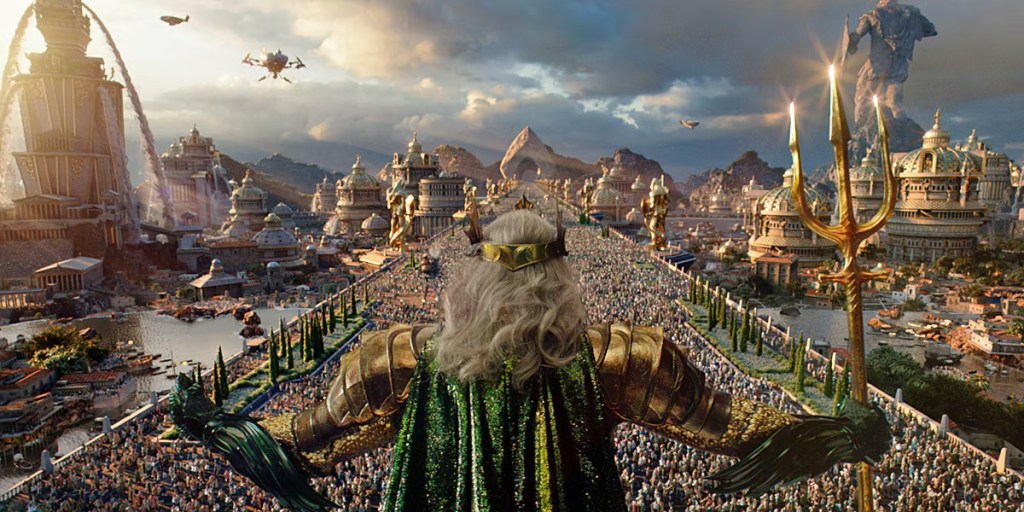
Aquaman and Black Panther were released in 2018, on opposite ends of the year no less, but several similarities were noted. Obviously, stories borrow from one another all of the time, but it is important to note that Aquaman was based on a comic book storyline that predated both films. In the same vein, those similarities are also interesting. Both characters have similar backgrounds, though under somewhat distinct circumstances. Is it not logical for their stories to travel similar trajectories? Both were powerhouse films starring actors and featuring well-written ensembles while exploring new and innovative worlds hidden from the rest of the world. Any and all similarities between Atlantis and Talokan (renamed precisely to avoid these similarities) are due solely to competition in the early 20th century.
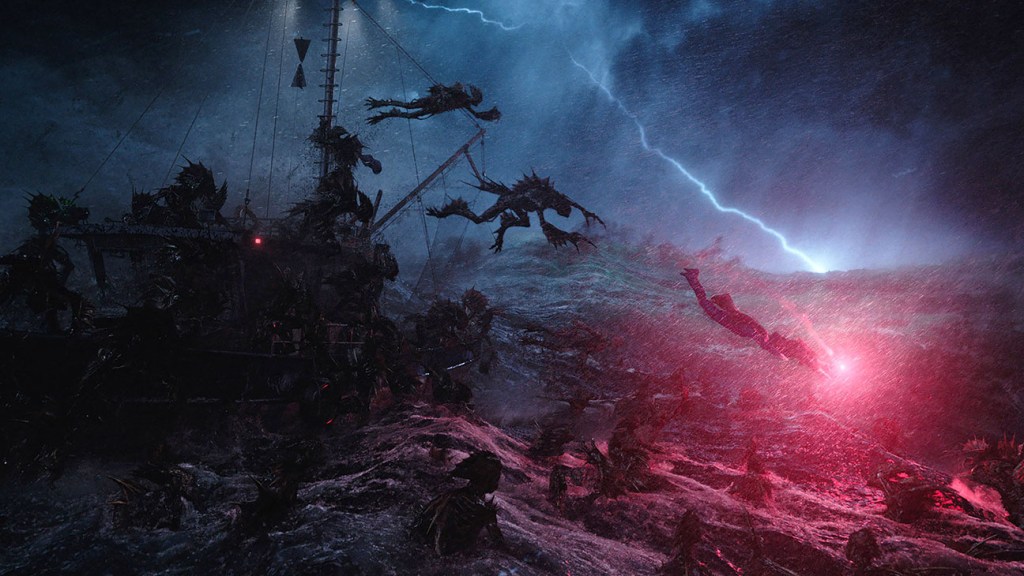

By the time this review comes out, so will Aquaman and The Lost Kingdom, though the review will have been locked into its final form before then. Sadly, the DCEU seems to be closing out with a whimper from Warner Bros. rather than a bang.
 Lloydd Marshall Books