

In the early 2000s, a kind of war was going on between Amanda Bynes, Hilary Duff, and Lindsay Lohan – with the guys starring in their movies being the talk of many a tabloid article. During that period, they all had their highs and lows, and it seems the type of movie they made was also a part of that war.
Yet, only Duff and Bynes starred in films that could directly be tied to the fairytale Cinderella. Hilary Duff’s was aptly titled A Cinderella Story, while Amanda Bynes’ was What a Girl Wants. It is based on The Reluctant Debutante, a play from the 1950s, but the Cinderella overtones are all there.
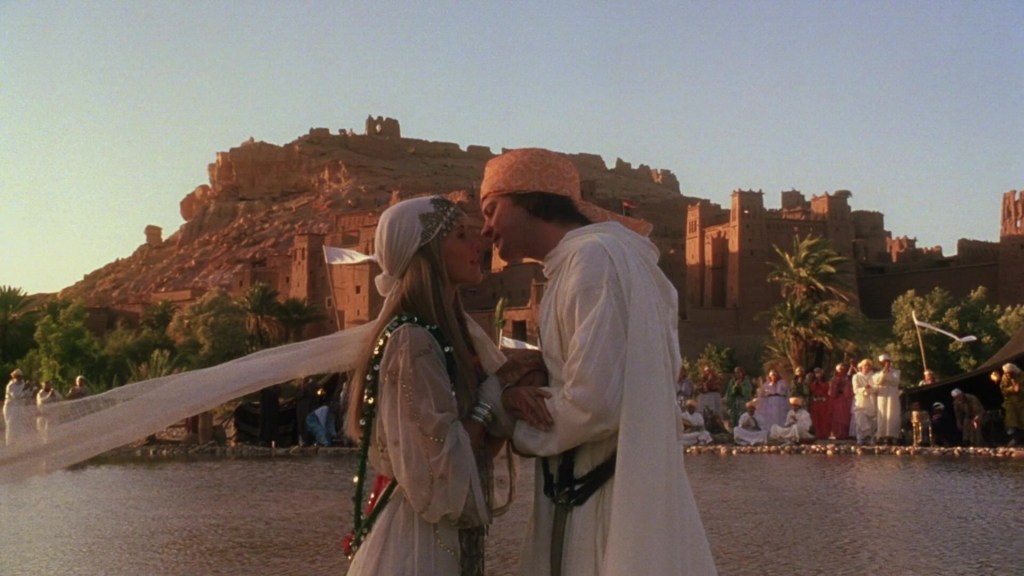

What a Girl Wants is an interesting take on the Cinderella fairytale. Rather than her interest in a handsome prince (don’t worry, he still exists), this film is more concerned with her journey to find and connect with the father she never truly knew. It is still a rags-to-riches story, a central concept for this fairytale. Bynes stars as Daphne Reynolds, a young girl who spent every birthday wishing for the same thing – her dad to walk through the front door and into her life. When she turns 16, she decides to take matters into her own hands and jets off to London from New York to make all her dreams come true. The problem is, her father is not just your everyday, average citizen in the U.K. – he’s an aristocrat who has left his hereditary seat in the House of Lords to run a campaign for a seat in the House of Commons. As we often see in political stories, any hint of scandal is certain to hit at just the worst time.
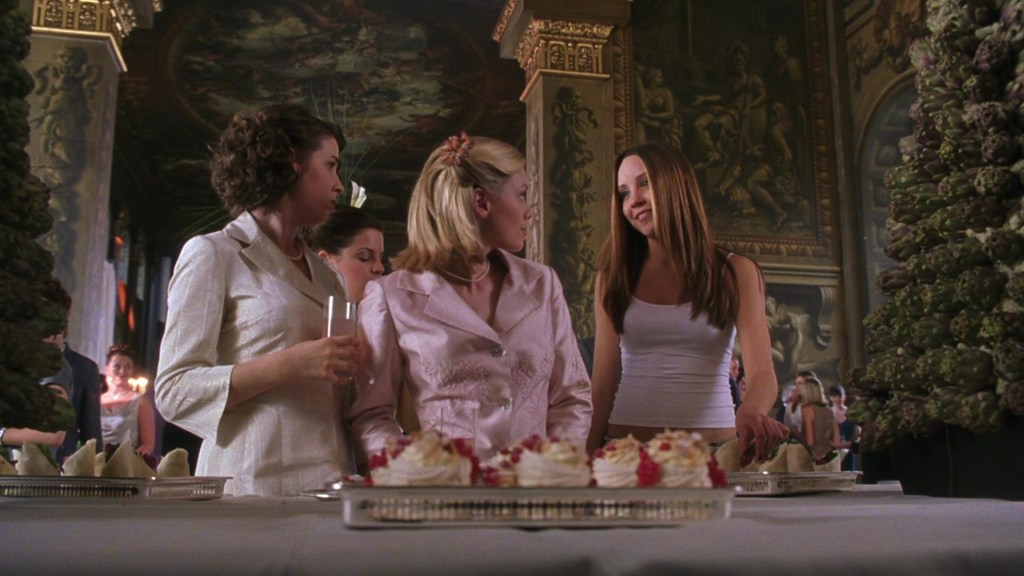
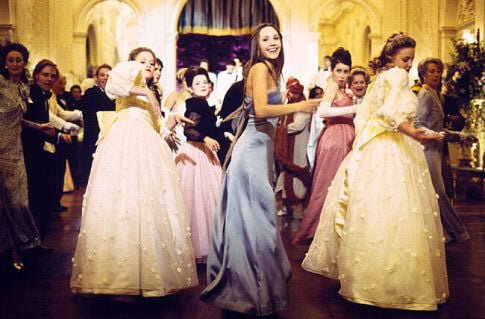
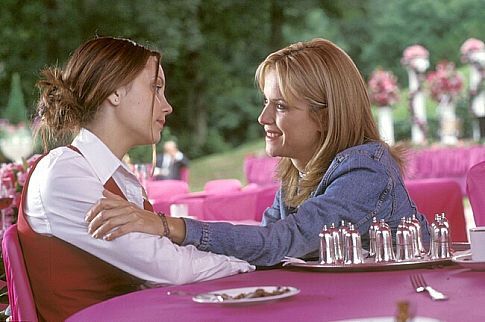
Enter Daphne, a typical American teenage girl with no sense of the English aristocracy world, let alone the upper echelons of the political class. Her mother, Libby (Kelly Preston), is a free spirit who raised Daphne with love and an open hand, guiding her into becoming a charming, confident, albeit eclectic, young woman. Pit against the harsh rigidity of politics and nobility, it’s clear that Daphne would stand out next to her father’s new family, the Paynes. The contrast between Libby and Daphne, and what Henry Dashwood (Colin Firth) could have had, with what he does have with his second wife and stepdaughter, Glynnis Payne (Anna Chancellor) and Clarissa Payne (Christina Cole), respectively, is a key theme in this movie.
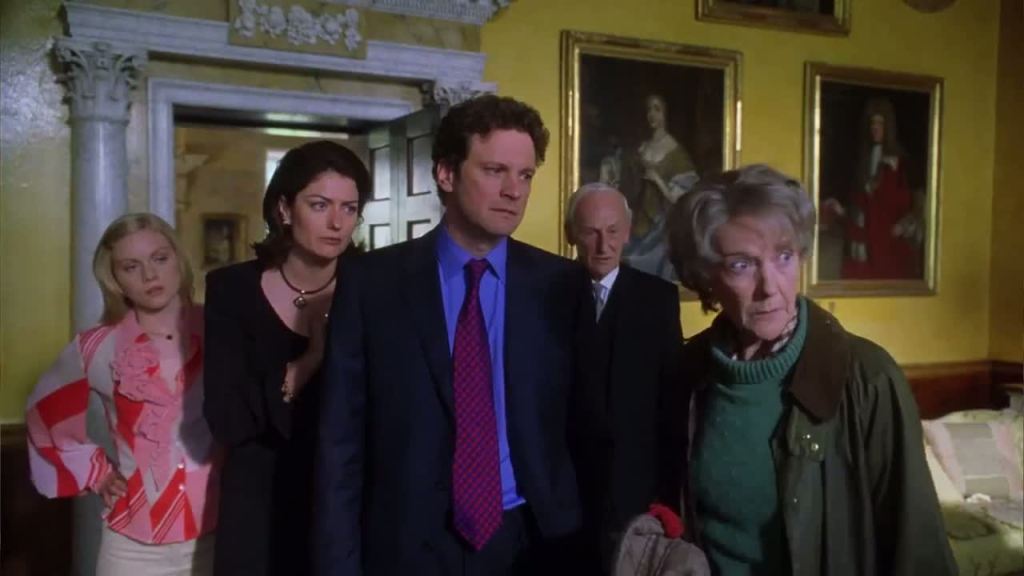
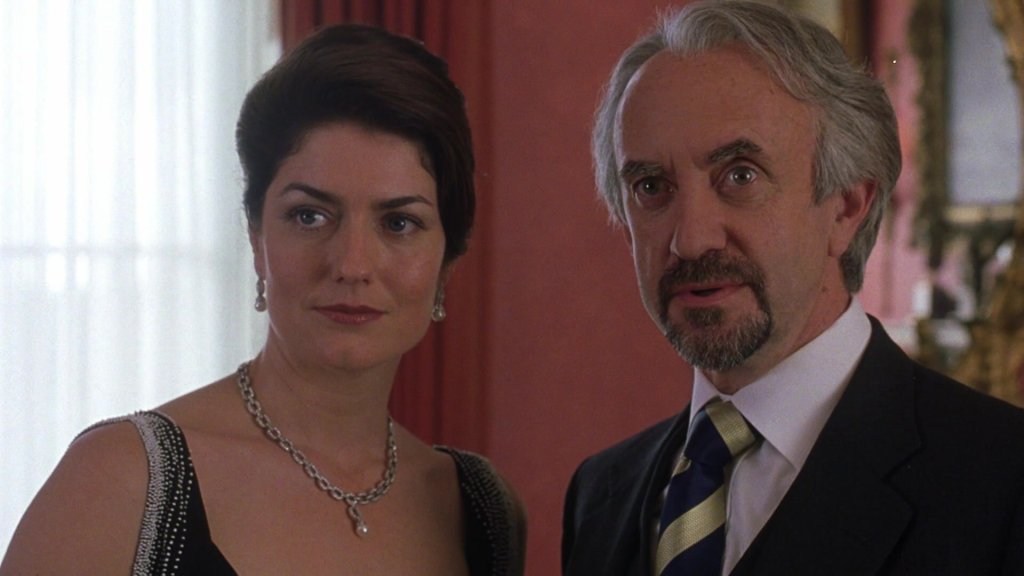
Glynnis is the daughter of Alistair Payne (Jonathan Pryce), Henry’s campaign manager and chief advisor. He had also held the latter position for Henry’s late father, the previous Earl of Wycombe. They are the stereotypical evil stepmother and stepsister, despite Glynnis and Henry only being engaged. At every opportunity, Glynnis and Clarissa go out of their way to undermine Daphne as she tries to find her place in her father’s social circle. The pair fail to understand that Daphne is not interested in the aristocracy’s glitz and glamor and does not want to steal their thunder. Daphne only wanted to have a relationship with her father and entered high society to do that. To Daphne, this kind of life was not merely a golden cage. It was the complete and utter destruction of her very being. And by the climax, they truly steal everything from her when they never need to.

As this is a film, we’re meant to sympathize with Daphne being asked to tone down her personality, and while I can agree with that in some regard, I can also identify the glaring flaws.
Politics is a world of perception, plain and simple, and while that isn’t necessarily fair, it is what it is. Details of the plot aside, Daphne did act as a hindrance towards Henry’s goals and ambitions – and while there is a harshness to the requests made of her, they are expected of the life that the Dashwoods’ and the Payne’s of the world live in. This is why we often see the children of Presidents and other politicians being viewed as “out of bounds” for the press unless those children take an active role in the politician’s position. Simply being Henry Dashwood’s daughter should not have given the press the kind of liberty that they took with Daphne’s life. Yet, by actively participating in Henry’s bid for a seat in the House of Commons, she opened herself up to criticism and comment from the public and the press, which means having to actively place yourself in a position that is, by virtue or vice, untouchable.
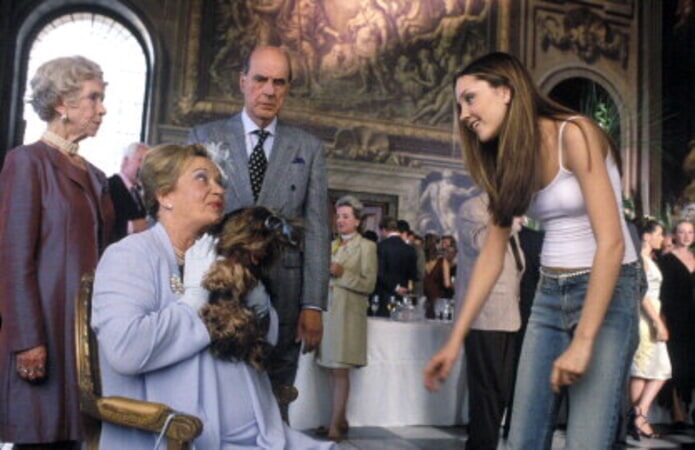
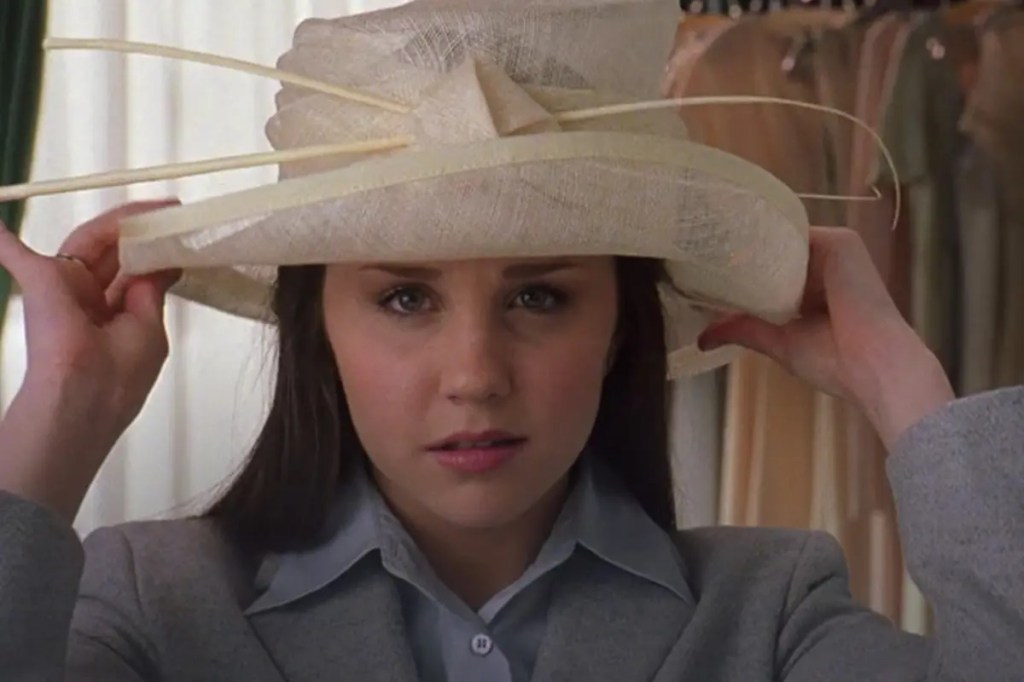
The kind of society that Daphne leaped into without looking was not the kind of life that she expected or wanted, and this is where the massive conflict in the film comes from. A lack of communication and a failure to compromise. Daphne’s existence was something that Henry had spent her entire life unaware of, granting him some grace. For her part, Daphne failed to do even the most basic research about her father and his life before she dropped into it out of the blue. Because of this, neither party was willing to make any kind of compromise regarding the situation that they now found themselves in. Henry failed to guide Daphne carefully into this world before he launched her into society, leaving her unprepared for the vicious world of the English nobility. At the same time, Daphne was desperate to cling to the normal life she was accustomed to in a foreign country, exercising a kind of freedom shunned by the political elite because it presented certain dangers.
All of this, of course, is exacerbated by the likes of Alistair, Glynnis, and Clarissa, who make it their mission to destroy Daphne so that they can get back to their scheming and plotting. Alistair wants the prestige and power that comes from backing a political up-and-comer. Glynnis wants the ease and luxury of being a Countess without performing any expected work or duties. Like her mother, Clarissa wants a rich and powerful yet handsome noble husband. For all of them, Daphne presents a special obstacle to their goals. This grows worse for all three of them when, because of her unique circumstances, she unexpectedly wins over the aristocracy – including notable nobles and royalty – who find her a breath of fresh air in a stuffy, tried and true world.

This is where Jocelyne Dashwood (Eileen Atkins) comes in, as Henry’s mother and the Dowager Countess of Wycombe. Jocelyn immediately embraces Daphne into her life and offers the girl sage advice and support as she struggles to find her place in this new world. Perhaps this was her way of making up for the pain and suffering she caused Libby when Henry first returned home with his new wife. With years of experience regarding her son’s life and the path she and her husband’s choices laid out for him, she makes strides to address the sins of her past. If only Alistair could have done the same.
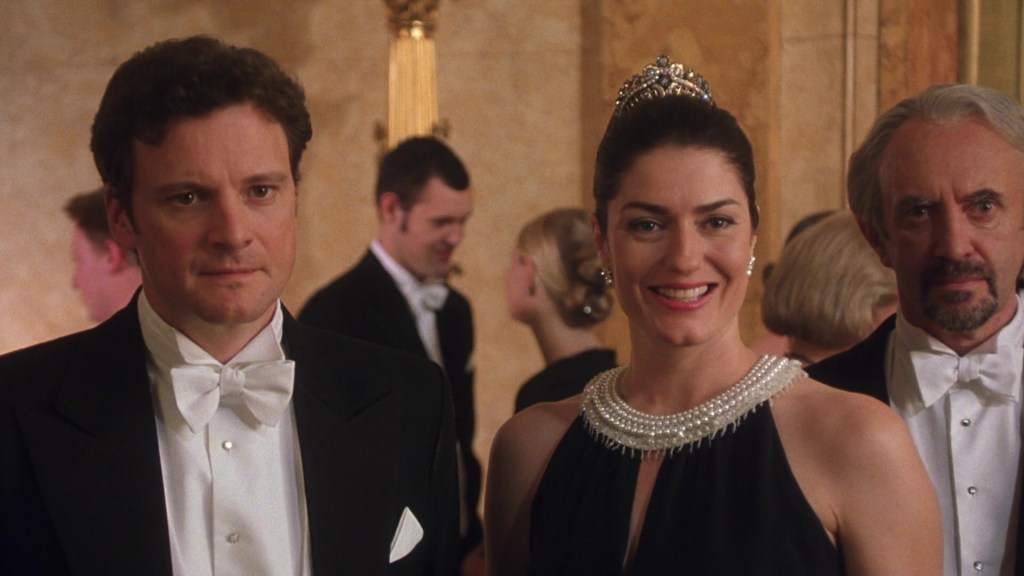

As villains, though, Alistair, Jocelyn, and Clarissa represent varying levels of threats, and if this were a darker film, Alistair would have truly been the most threatening figure circling around Daphne. As a lighthearted romcom, Alistair obviously doesn’t try to have Daphne killed; he simply tries to remove her from the equation by showing Henry how ill-suited she is for the world he moves in. On the other hand, Clarissa is, at best, a nuisance. She sabotages Daphne by misconstruing how certain events need to be dressed for and spreads nasty comments about Daphne to those around her, but at no point does Daphne take the threat she represents as something serious. Jocelyn turns out to be the one who causes the most damage when, during Daphne’s debutant ball, she locks Daphne into a room and has Clarissa participate in the father-daughter dance. This dance is a reoccurring plot point, something that Daphne feels she has missed out on throughout her entire life, made all the worse because her mother performs live music for weddings and Daphne works as a cater waiter, longingly watching the bride and her father dance at each one.
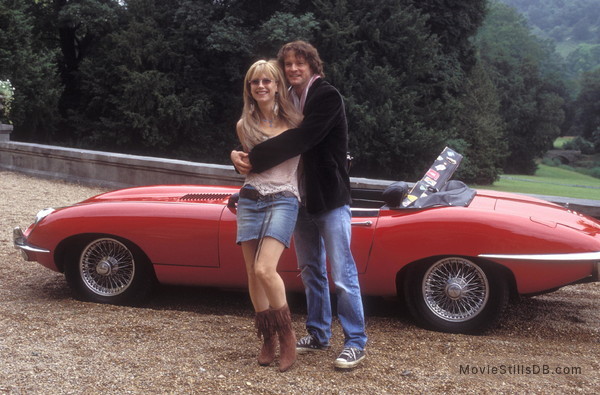

Libby, who is disheartened but understanding of Daphne’s decision to venture out on her own to meet her father, spends most of the film in New York. It isn’t until the final acts that she journeys to England to stand by her daughter’s side, and the pair leave almost immediately once Libby realizes how damaging this world is to her daughter’s safety and mental health. She has never lied to her daughter, and as Daphne grew older, she started to sugarcoat the story around her love story with Henry Dashwood less and less.
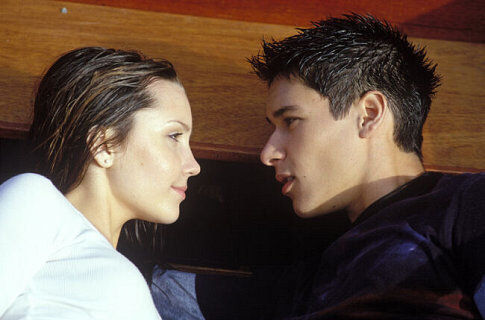
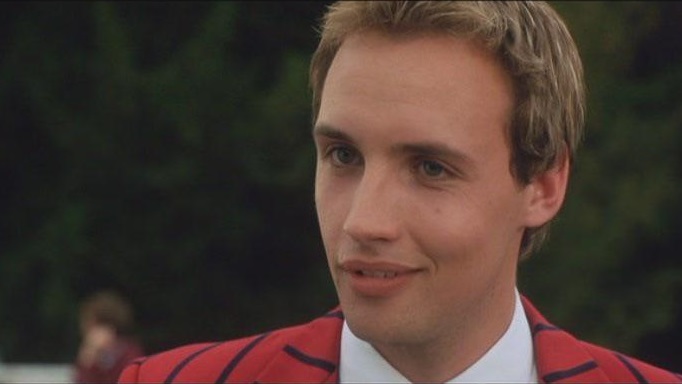
Ian Wallace (Oliver James, who also starred opposite Hilary Duff in Raise Your Voice) is Daphne’s love interest. On the other hand is Armistead Stuart (Ben Scholfield), Clarissa’s love interest. The former is an aspiring musician who meets Daphne the day before she crashes into the Dashwoods’ lives; the latter is a member of the aristocracy who lusts after Daphne rather than likes her. The contrast between the two men is stark, though, like many love interests, I take issue with Ian solely because of his treatment of Daphne. There comes a moment when Daphne accidentally double books a date with him with an event for her father’s campaign when she is trying to fit into her father’s world more naturally. Rather than ask her to explain why she’s choosing her father’s event over a concert (ask yourself, would you choose a concert over the Queen’s Garden Party?), he’s dismissive and hostile and insults her to her face. These kinds of events are par for the course when it comes to romcoms, and it begs the question… do these men even really like the women who lead these films?
It feels like the answer is a resounding ‘no.’
Because the film centers on the relationship between Daphne and Henry, it is adorable to watch them grow closer, even as external forces try to tear them apart. From quiet moments they share discussing her mother to hilarious shopping montages to help Henry experience her world for a change, the pair wants to grow closer together as father and daughter. By the time the credits roll, both are more than willing to not sacrifice who they are in the world just to be in the other’s lives.
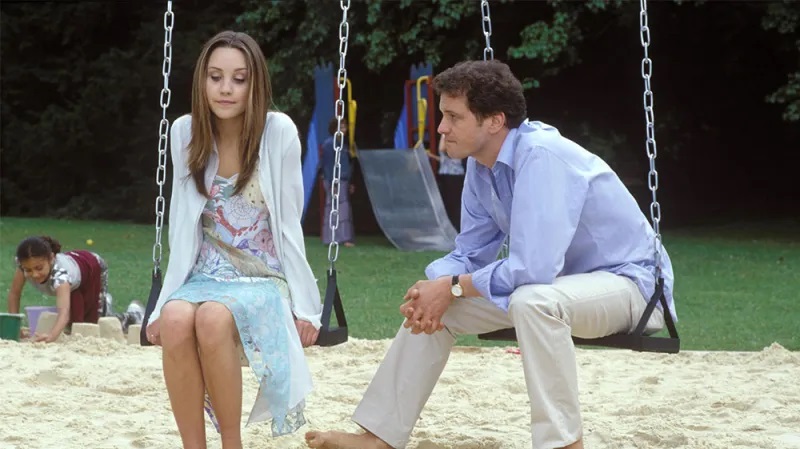
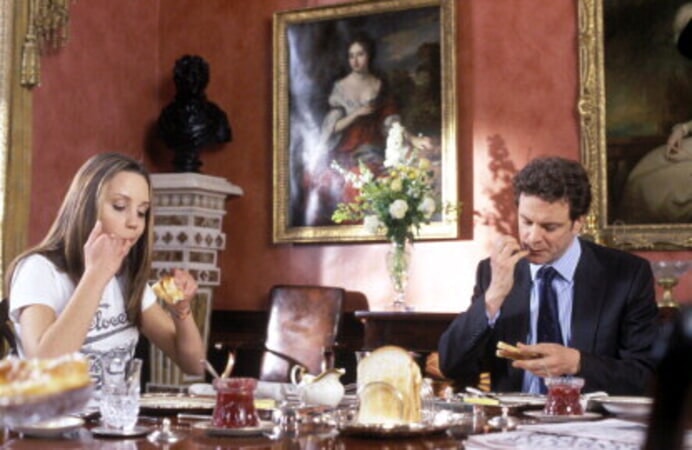
What a Girl Wants, as a film, was not trying to break new ground. It was one of several vehicles to expand Amanda Bynes’ growing star and succeeded quite well. It is a fun and entertaining movie, and while it has flaws, I ask you to find any movie in the world that doesn’t have any kind of flaw.
 Lloydd Marshall Books