
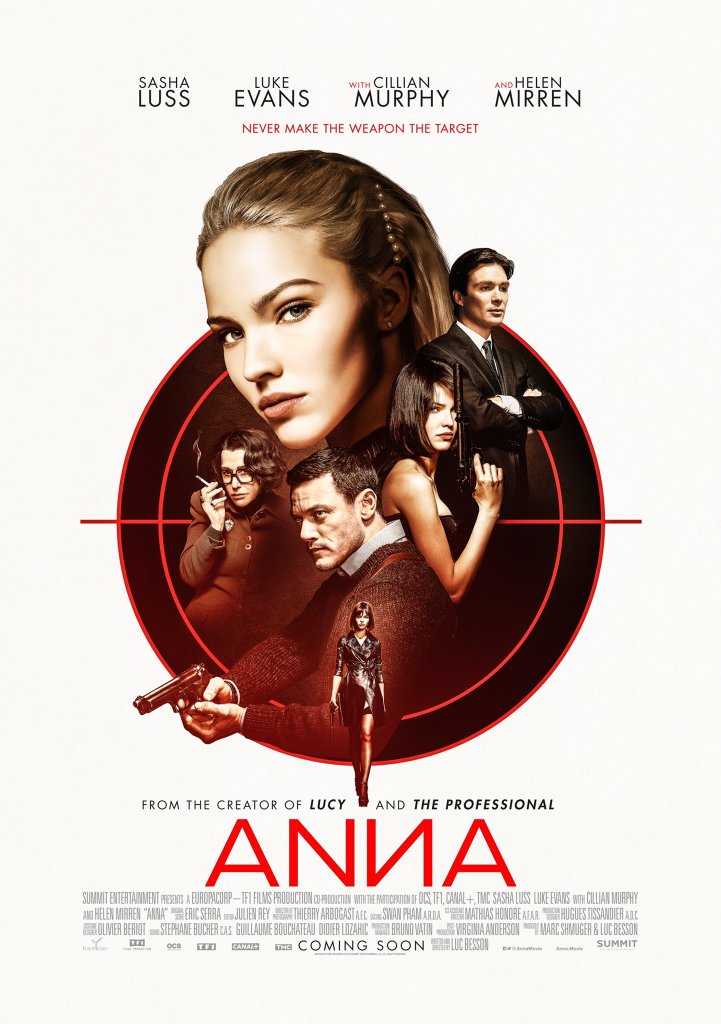
Anna is not necessarily a twin film with Red Sparrow, despite similar concepts and themes (especially betrayal and survival). They were filmed about ten months apart, and a year passed between their release dates. Strictly speaking, they don’t fit the box for twin films. Yet, I find those similarities fun because the differences are vast and enjoyable.
Anna was directed by Luc Besson, who also helmed The Fifth Element, Lucy, and Valerian and the City of a Thousand Planets, as well as the visionary behind such films like Taken and The Transporter, proving that he has no shortage of exciting ideas and concepts to play around with. He enjoys films with complex characters thrust into situations they initially have no control over yet take control long before the credits. Anna (Sasha Luss) is no exception.
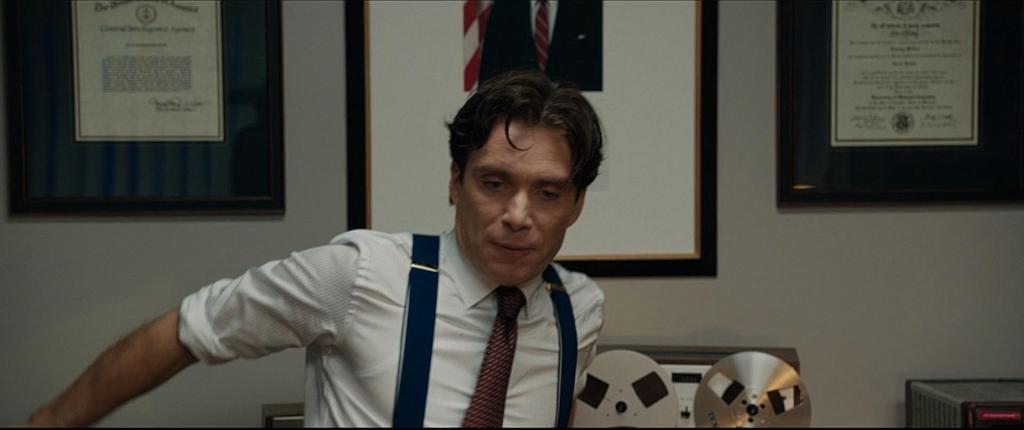
Anna begins with a group of people throughout Moscow being picked up by the KGB, with only one managing to make it to the U.S. Embassy, only to be captured when a truck rams into her car at the gate. She is informed by Vassiliev (Eric Gordon) and Aleksander Tchenkov (Luke Evans) that he wants her to deliver a message to her people. Mere moments later, the film cuts to the office of Leonard Miller (Cillian Murphy), who opens a box that has been delivered to him, only to find the head of one of those people. The camera pans out, revealing that nine such boxes have been delivered.
We are then introduced to Anna five years later when she is a shopgirl in a market in Russia discovered by a scout, Samy (Jean-Baptiste Puech), who is looking for diamonds in the rough. The film follows her throughout her burgeoning career as an up-and-coming top model, where she makes friends with Maude (Lera Abova) and starts to come out of her shell as the shy new girl in the industry, only to then shock us when she bursts back into the hotel room of a man, Oleg Filenkov (Andrew Howard), she has gone back to his hotel with, and then coldly shoots him. The film then jumps back three years and lays the groundwork for how this whole scenario came to be. We get to see who Anna is, and why she is the person she has become.


Before becoming a spy and an assassin, Anna was just an ordinary girl in Russia, trapped in a relationship with an abusive boyfriend, Piotr (Alexander Petrov), and roped into a series of events while she was just trying to live her life. Ultimately, this brings her to the attention of Aleksander, who removes the most significant complication in her life with a lead present. Rather than simply go along with Aleksander, who is confident he has backed Anna into a corner, with him being her only way out as a golden parachute, Anna decides to slit her own wrist rather than be forced to take his offer after he reveals his face and career to her. While Aleksander convinces her to continue living because he views her as a powerful tool in the KGB’s arsenal, Anna proves to be much more than that.
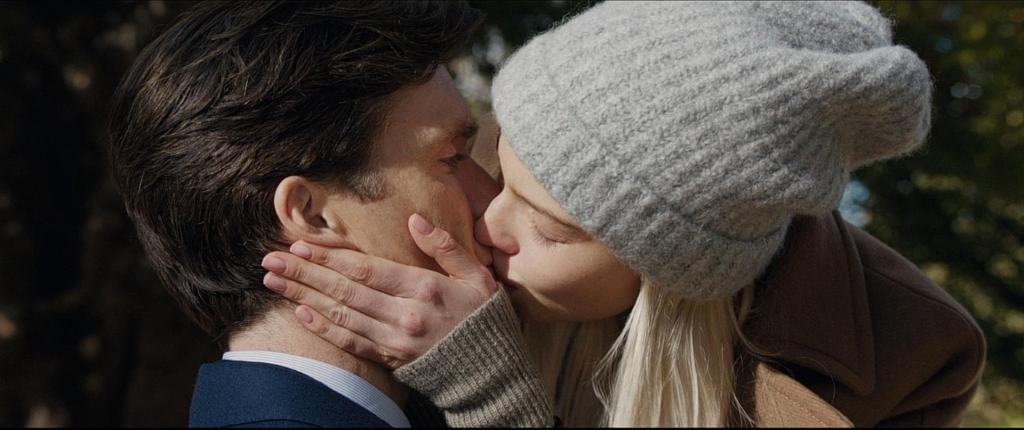

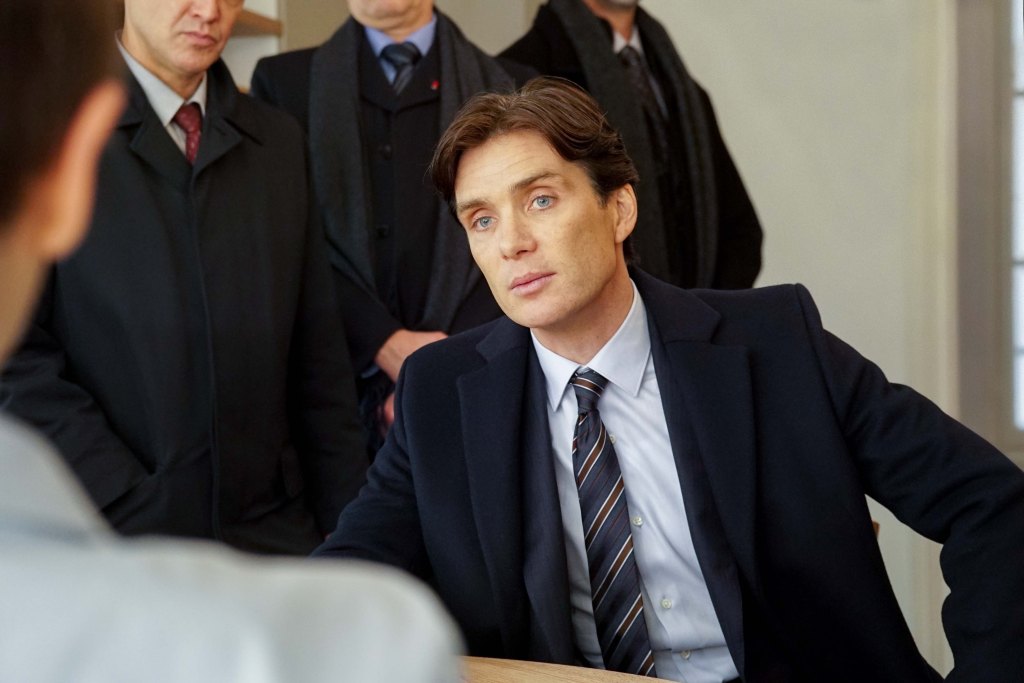
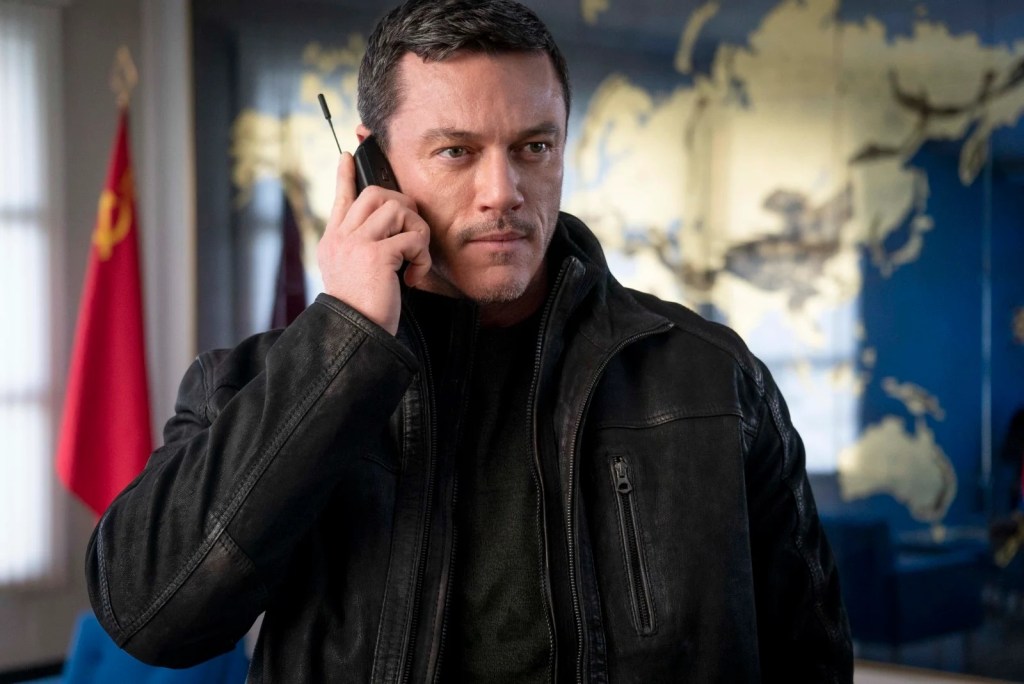
At the center of Anna is a love triangle with international implications. Leonard Miller and Aleksander Tcenkov are drawn to Anna throughout the film. As she strives to find a way out of her situation, she is not above manipulating them to her own ends. Tchenkov views Anna as his way to the top of the KGB. At the same time, Leonard sees her as his greatest chance at demolishing the current regime in the KGB as revenge for their execution of his entire network in Moscow. Anna, though, refuses to be used and quickly discarded. At specific points, her loyalty to Russia and the Americans is called into question, which is par for the course regarding spy fiction. Still, Anna turns every complication, no matter how bad, into an opportunity to advance her agenda. Anna’s relationship with the two men figures prominently into several subplots. Still, they are ultimately another obstacle for her to overcome toward her goals. Whatever Anna’s feelings towards either man, they are manipulating her for their own ends, first and foremost. It’s only fitting that she does the same.
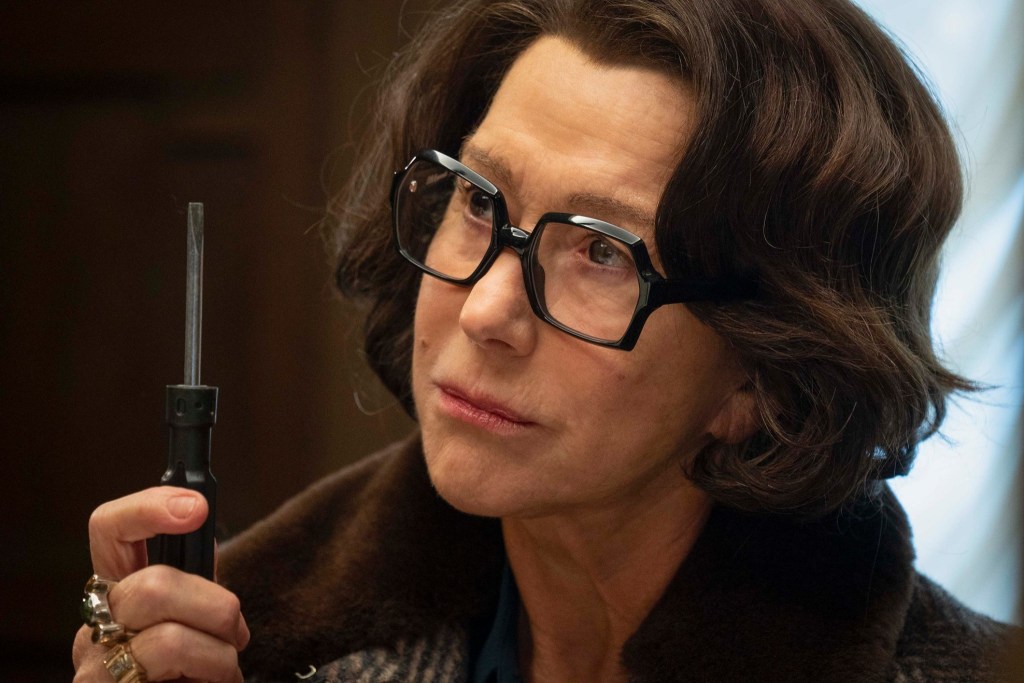
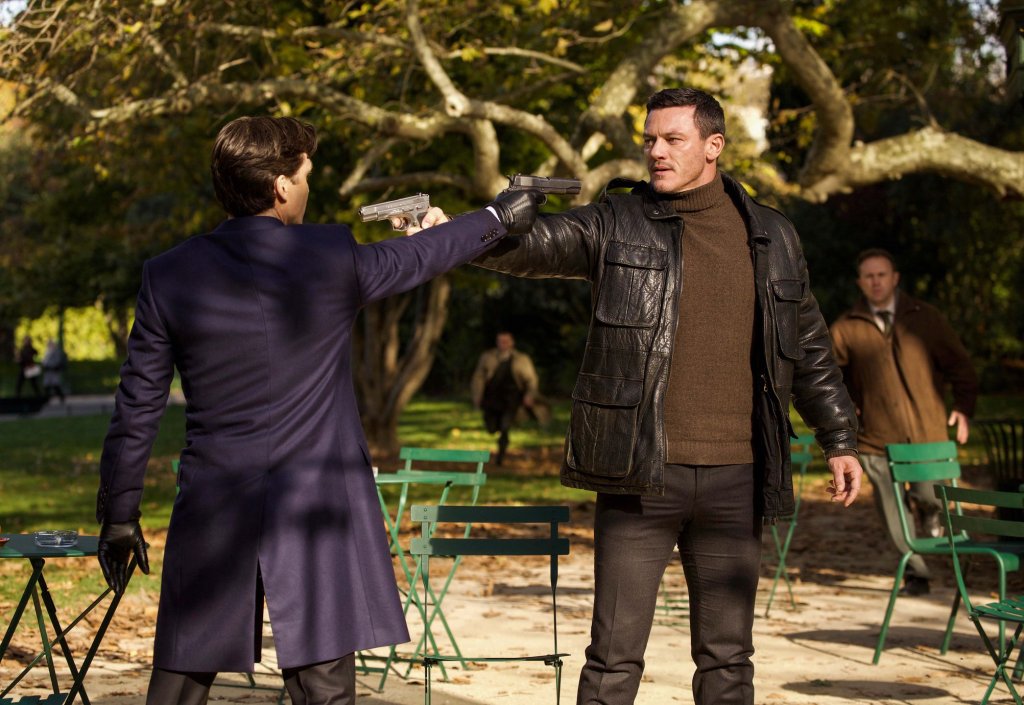
Helen Mirren plays Olga, who is tasked with training Anna. One of the first assignments she gives Anna is a target in a crowded restaurant, whom she must kill and then get back to the car in a few minutes. Unfortunately, this was a two-fold test, and Anna technically fails both, yet impresses Olga with her tenacity. Anna takes it for the learning experience that it was. While Olga is impressed with Anna and her abilities, she is also wary of the girl. This could be because they are both women in a male-dominated organization. Still, it is also more likely that she views Anna’s youth and beauty as a threat to the organization. She’s not wrong – within a handful of years, Anna has Tchenkov wrapped around her fingers to the point where he might have been willing to start a war with the Americans just to get her back into his possession. I won’t mention the full context for why that was. With the benefit of decades having passed since the film takes place and the current geopolitical structures that exist, all of their efforts to stabilize the KGB would prove futile in just a handful of months anyway.
Anna plays fast and loose with its chronology. The film likes to get to the action first and leave the explanation and context for after something has happened. This gives us an interesting perspective on several events we thought we understood, only to have them all turned on their heads for us. I found this tactic to be employed interestingly throughout the film. Some scenes play out two or three times, with each instance allowing us more insight into the thoughts and knowledge of different characters. Their decisions, within those scenes and later ones, are informed by their ability to divine critical information when it is presented to them. Olga and Anna are tied into this by the movie’s crux. Sometimes, we cannot even trust our own eyes because the significance of a single detail can dramatically alter the overall importance of a conversation.
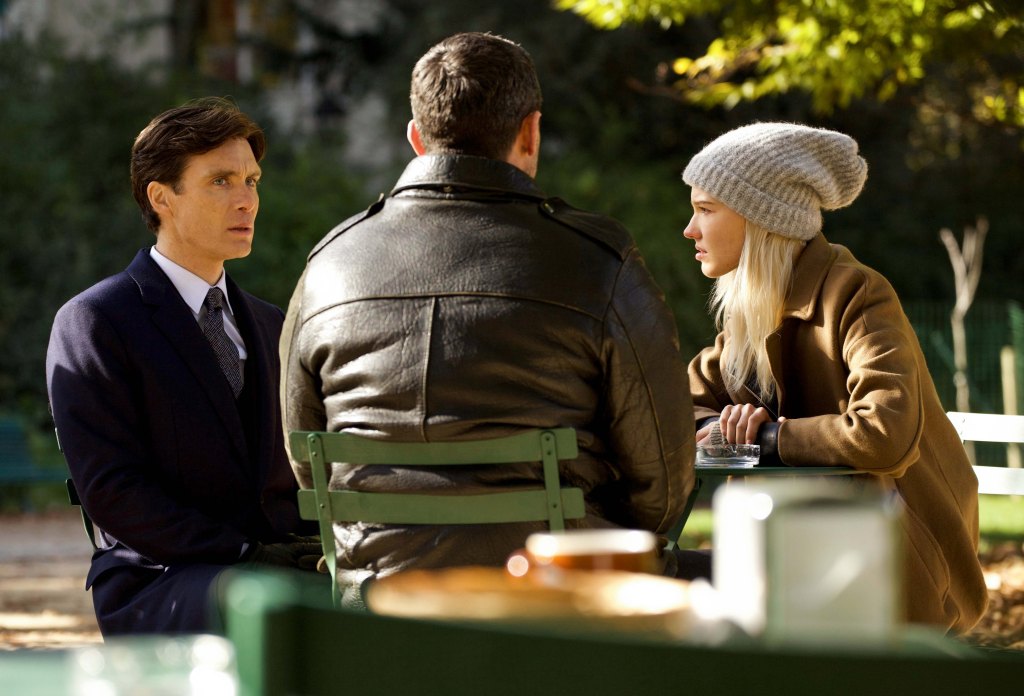
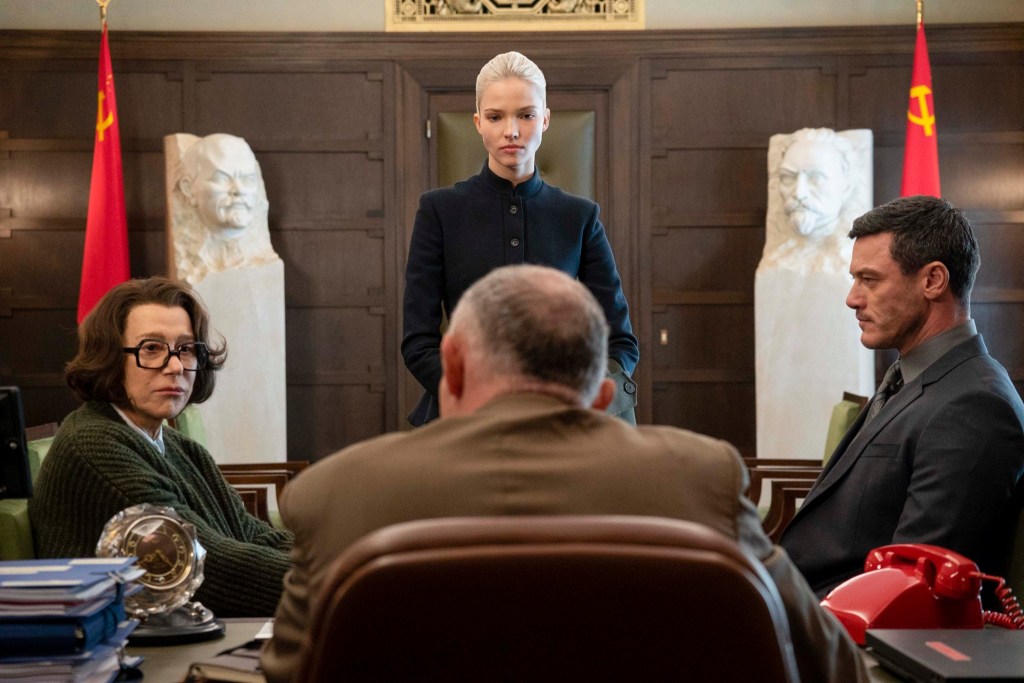
Anna does not trust easily. This is not an understatement. Because she has been manipulated and used by those in her life, she is cautious of everybody around her. There is not a single character who interacts with Anna that she is not manipulating towards her endgame, no matter how important the relationship may appear. Anna has multiple encounters that travel the spectrum of relationships. Some are transactional, meant only to gain her access to a target, such as Samy, to get to Oleg. Others are more intimate and personal, such as Maude. It is not entirely clear if Anna’s relationship with Maude is meant to be honest, considering she knows nothing of Anna’s actual life. Yet, they share the purest relationship, and its end is the most disastrous because of how Anna treats her as disposable, in a sheer twist of irony. Aleksander and Leonard both fall under Anna’s thrall. She weighs her decision heavily when she is forced to choose between them (in essence, between Russia and America). This is not because she cares about their feelings, for her or otherwise, but because her decision will ultimately impact her life and safety.



Anna goes through numerous disguises throughout the film, none of which detract from her innate beauty. Is it any wonder that model-turned-actress Sasha Luss was cast to play the title character? Next to her disguises, we also witness numerous changes in her real appearance. Aside from the wigs and fashionable ensembles, Anna’s hair changes to reflect her growth and evolution. Long before she became a spy, her hair was messy and unkempt, but by the time she stepped across the threshold towards freedom, she had become collected. Everything in between showcases these immense changes.
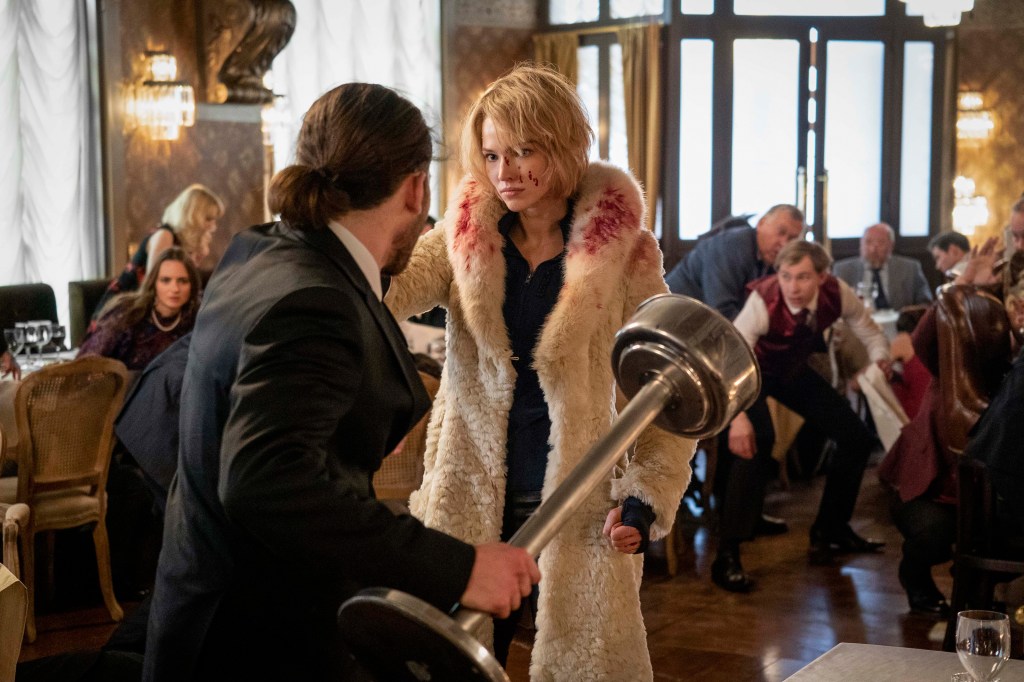
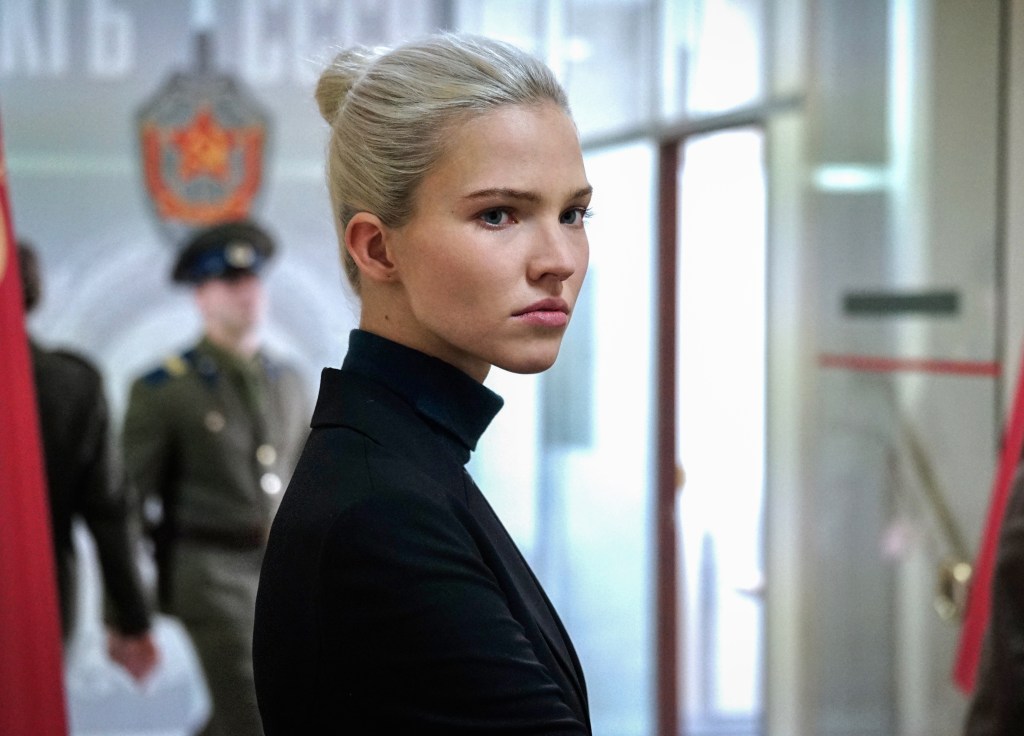

Anna is a fun, thrilling, edge-of-your-seat political thriller set in the dying days of the Cold War. Each action from either side demands a response, escalating further until both sides seem poised to destroy one another. It is about as blatant an analogy for the Cold War as it has been put to film, fictionally. Vassilev’s decision to root out and exterminate Leonard’s entire network across Moscow spirals into a personal vendetta for Leonard and the CIA writ large, with his death securely in their sights. To that end, the American faction makes all of its decisions and plots all of its moves. Aleksander’s efforts to move up in the KGB all center around making Anna his star pupil and proving that he has what it takes to replace Vassilev as the head honcho. Both sides see Anna as a pawn that they can move around the board. It’s simply their misfortune that she is a pawn who has crossed the board and become a Queen in disguise.
A deadly one, at that.
 Lloydd Marshall Books