
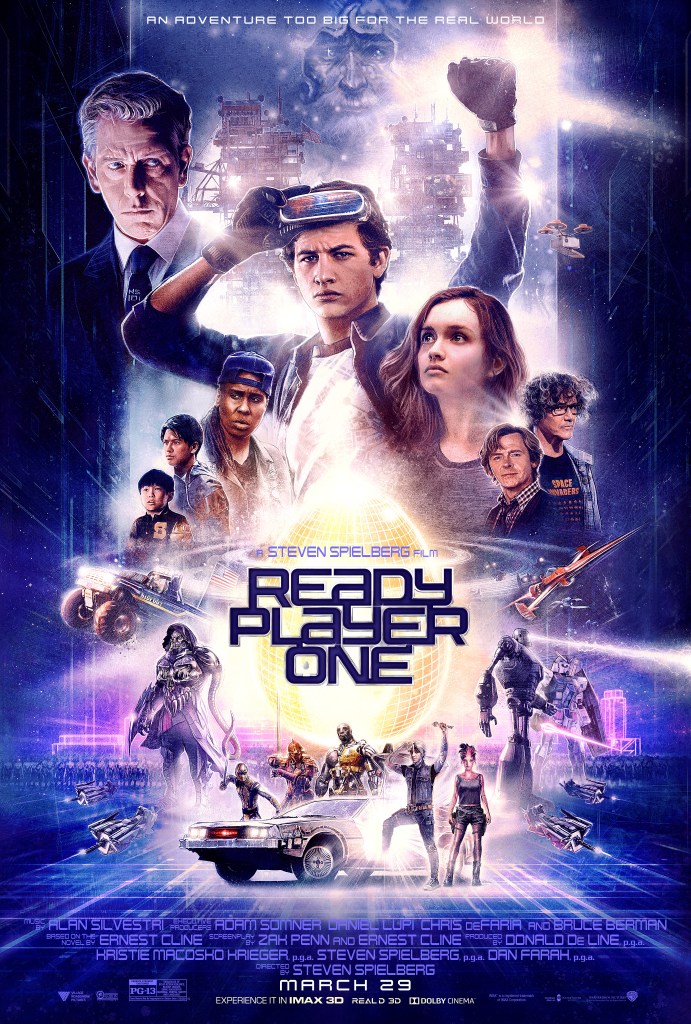
Ready Player One is set in the (not too) distant future of 2045, in a dystopic world where people spend most of their waking lives playing a virtual reality simulation game. How they afford this is not a plot point we will be covering. Tye Sheridan picks up his first major leading role post-Cyclops. Did he lead two or three other films in between X-Men Apocalypse and this? Yes. Are they films that you can name and/or remember? More power to you.
For all intents and purposes, this film was designed to capitalize off his newfound star power. And boy, did he deliver.
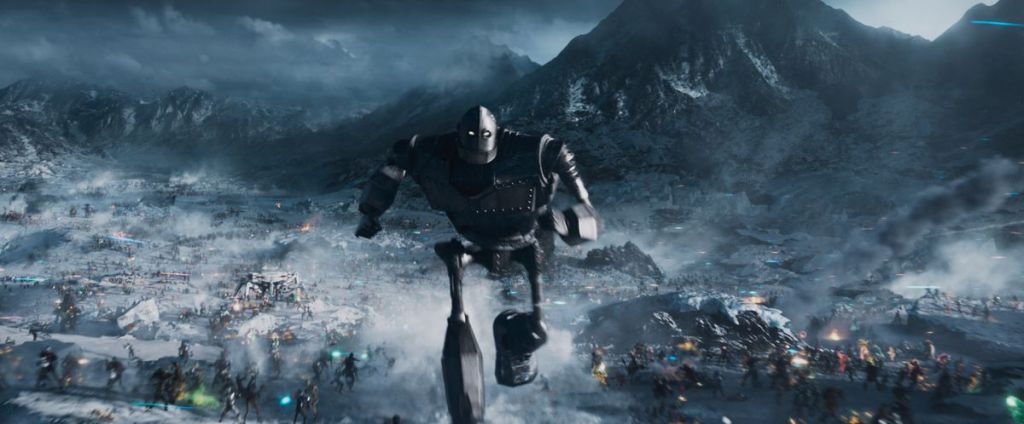
Oasis (Ontologically Anthropocentric Sensory Immersive Simulation) is a VR world where you can be anything and everything you want. Still, because this is a world where copyrights exist, some were changed to be pragmatic. Steven Spielberg admits that several references to his work were cut to avoid “vanity.” Anything too complicated, time-consuming, or potentially expensive was replaced with “in-house” comparisons from Warner Bros., such as Ultraman being replaced by The Iron Giant. The material referenced in the movie alone is so long that it takes up 36 lines of the credits. Mind you, depending on the movie or show, it is usually a handful. It shows that Warner Bros. indeed took the depths that Ready Player One went to make its virtual world feel like an endless stream of imagination a reality.
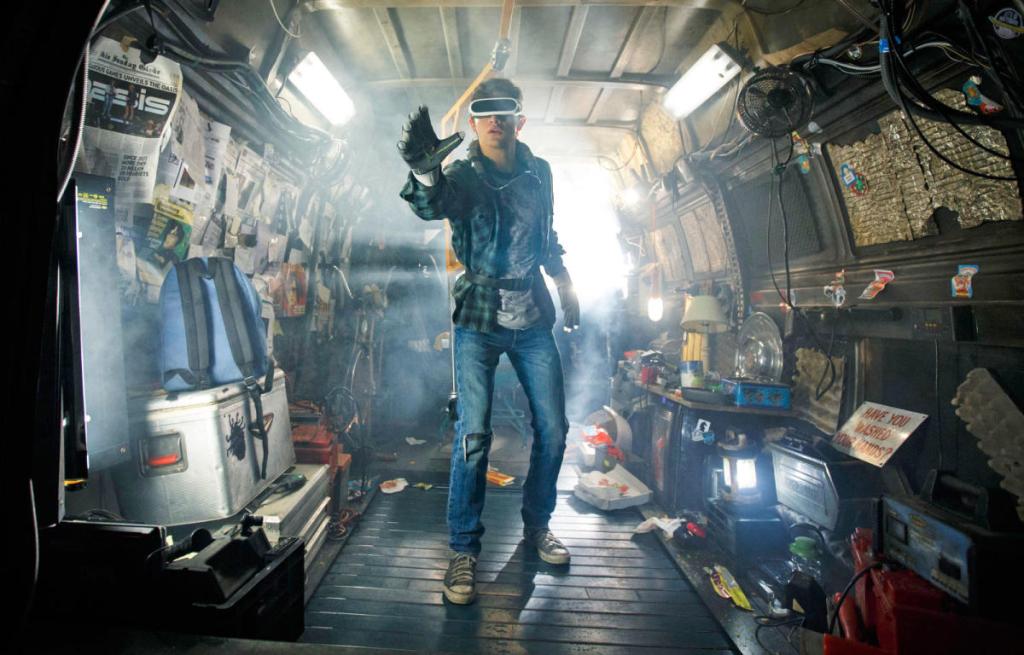
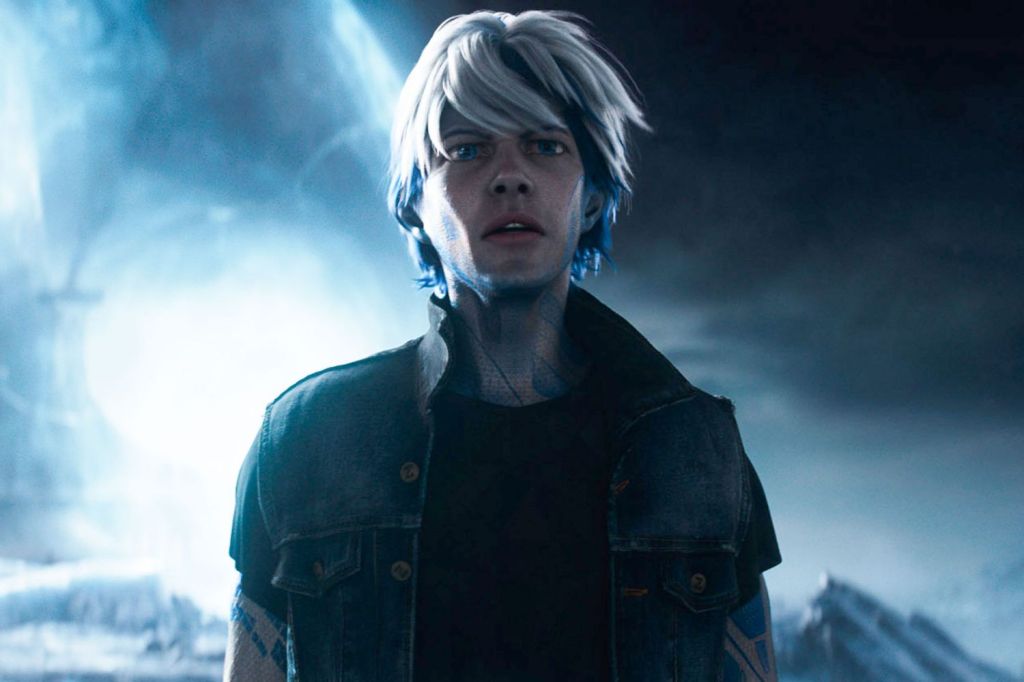
Ready Player One focuses on Wade Watts (Tye Sheridan) and his avatar Parzival. The adaptation compresses much of the story, for which the book covers months, but the movie covers days, to focus on the meat of the tale. Books have a bit more leeway when it comes to the length of time they cover their plots. What may be a few lines or even a handful of paragraphs could encompass days. In film, we call this a montage, and it’s far less helpful for narrative purposes that rely on dialogue or lengthy sequences to get its point across. For example, when Wade Watts moves from Oklahoma City to Columbus, his journey to lose weight and gain muscle, the number of challenges is reduced from six to three, or the subplot involving Wade moving out of the stacks with his aunt and her abusive boyfriend to a fortified apartment, and so on, are all excised. While this removes some of the layers of complexity, the crux of the plot remains the same. Arguments can be made on whether or not any change makes a work better or worse, but most people found the adaptation to be a wonder to see unfold.
America, and perhaps the world at large, has fallen by the wayside as people spend more time inside Oasis. There is a scene where a man’s avatar is killed. His response is immediately to try and throw himself out of a window of the skyscraper his office is inside and is stopped by one of his coworkers – “losing your shit means… losing your shit,” indeed. Oasis is the type of game that gamers refer to as “allegedly” free. Technically, you can play the game without spending a dime. The book explicitly states that Wade is stuck on the starter planet because he cannot afford to teleport off of it.
In contrast, in the movie, he has more freedom of movement. In that sense, the film actually presents Oasis as more accessible. Again, there is no comment on how much any gear required to enter Oasis costs. That would just get too far into the muck. However, the story does touch on how predatory companies (chiefly IOI) take advantage of people who are indebted to themselves to play the game. The dark side of gaming is strong with them.
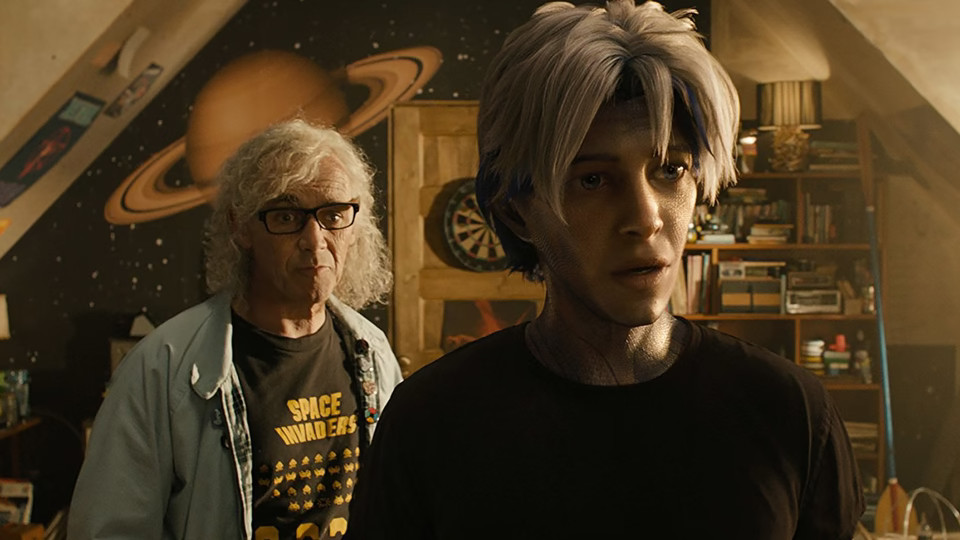
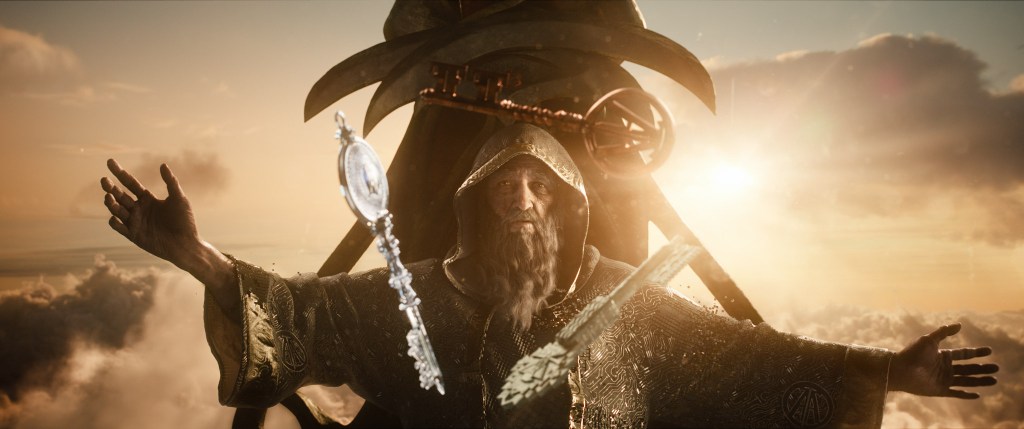
The game was invented by two men, James Halliday (Mark Rylance) and Ogden Morrow (Simon Pegg), whose Avatars were Anorak the All-Knowing and The Curator, respectively. The two had a falling out at some point, but it’s clear that Halliday and Morrow still valued one another, based on how the story is presented. The challenges, which in the book required you to be an expert gamer and have near-endless knowledge of Halliday, were actually secret tests of character that Halliday wished he had been able to pass when he was alive. For his part, Morrow is revealed to have been secretly present all along, providing the necessary tools to whom he deemed a worthy successor. After all, if it weren’t for the Curator, Wade would have lost everything. This has more to do with movies’ loving a good theme than anything else.
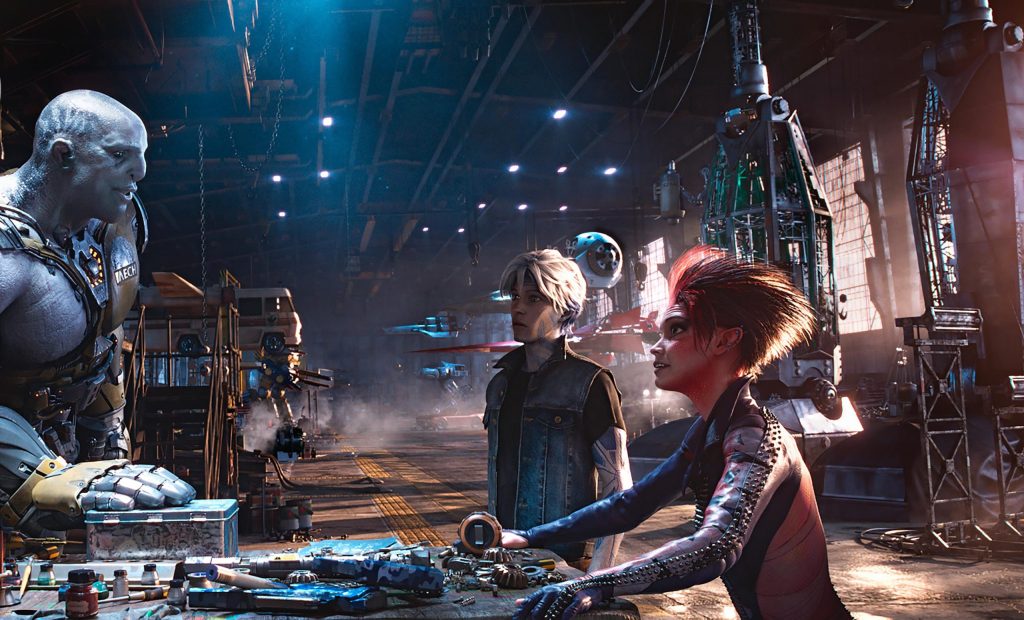
The supporting cast is made up of Wade’s close friends and allies, either those he has made by the time the film begins, such as Aech/ Helen Harris (Lena Waithe), Zhou/Sho (Philip Zhao), and Toshiro/Daito (Win Morisaki) and the most important one of all, Samantha Cook/Art3mis (Olivia Cooke). In the 2020s, the most well-known of them will be Olivia Cooke, who, at this point, is renowned for her portrayal of Alicent Hightower in House of the Dragon. Aech is presented as the opposite of the “GIRL” gamer, as in “guy in real life,” a concept that crops up a lot where a female avatar is really played by a guy, but nobody knows it. In this case, Aech is Wade’s first and best friend, virtual or otherwise, but he has no idea that Aech is actually a woman (and, in the book, a lesbian).

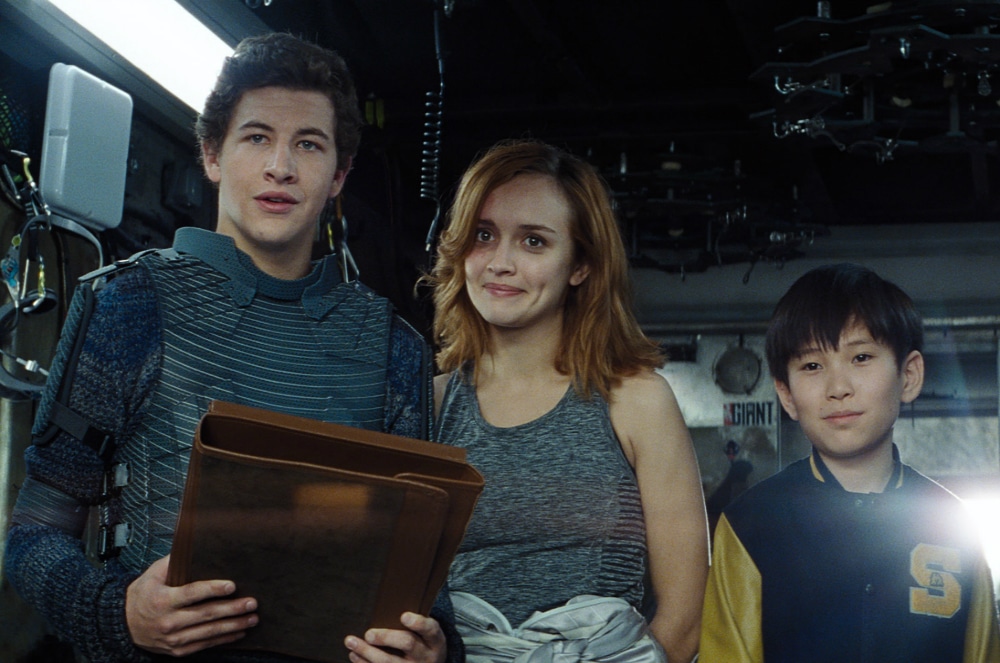
How the group forms in the book versus the film differ, with Daito and Sho being friends and allies made after hitting the top five on the scoreboard. In the movie, the pair have been fighting alongside Aech on Doom World for years, streamlining the main cast. We are also spared the painful death of one of the five main characters – but I feel this may cheapen the story’s stakes, despite my vehement dislike of this storytelling tactic. Their bond, however, is stronger than their opponents. They don’t hesitate to come to one another’s defense, culminating in a big, badass battle sequence in the film’s climax. They aren’t just a ragtag group of people thrown together – which, of course, they start as – but they’re also a close-knit found family. By the time they reveal their true identities to one another (including that they’re all kids), they trust one another with their lives. Literally.

But because this is a fantasy, of course, a bit of romance is thrown in. Parzival and Art3mis begin to bond quickly, drawing the ire of Aech in the process – though Aech is quick to point out that Art3mis could be anybody.
However, this is played on its head because when Parzival gets too close too quickly and reveals his real name to Art3mis, she is the one to chastise him. This little snippet of information is what ends up costing a lot of people their lives, even if Wade skates by the skin of his teeth. Real-life information can be used to target somebody, which is precisely what IOI considers their bread and butter. The pair continue to bond and grow closer, forming a real relationship when the credits are in shouting distance.
By the time the pair meet in real life, they have established trust with one another. This is where the book’s timeline probably helps out more. Forming a relationship, romantic or otherwise, is not instantaneous.
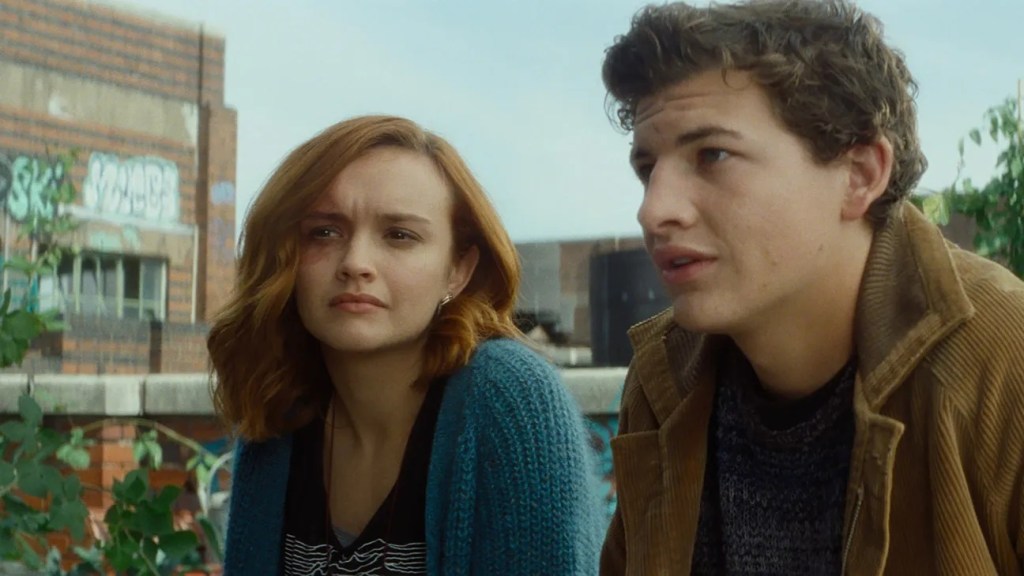
It’s something that unfolds over time, and by weaving their story over a couple of months rather than a handful of days, their romance can become more believable.
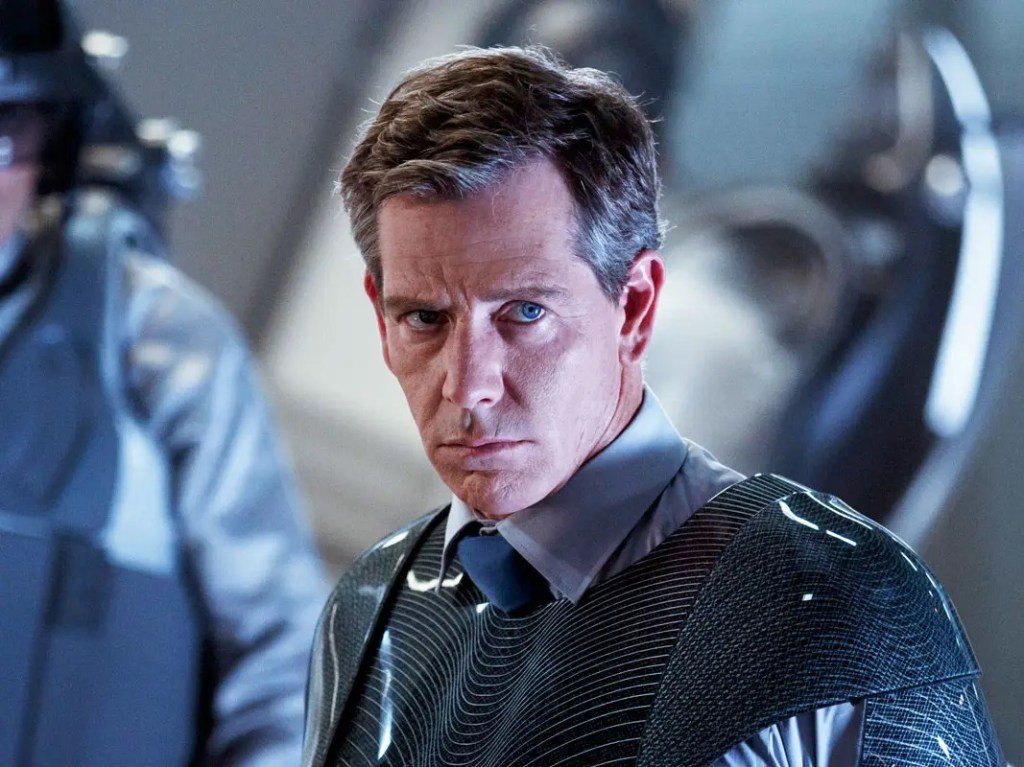

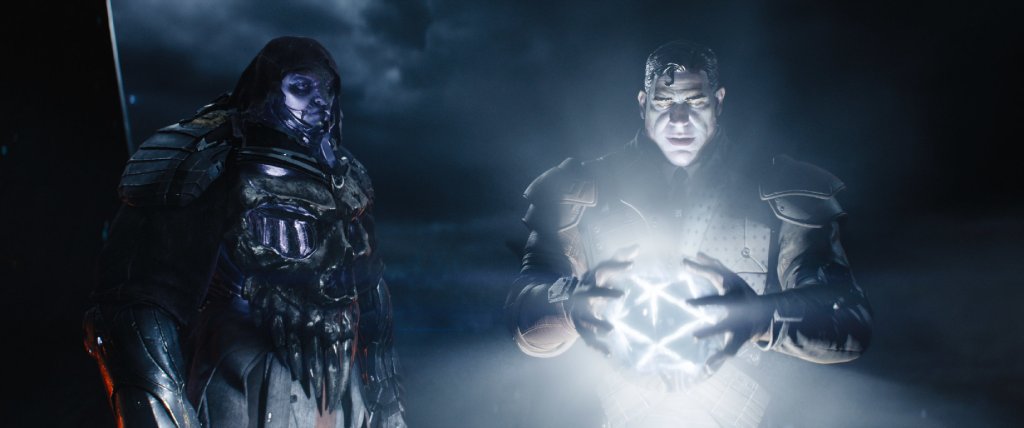
For the villains, we have Nolan Sorrento (Ben Mendelsohn), whose Avatar is IOI-655321. His avatar doesn’t have a name despite having a unique appearance (as a mob boss) compared to his minions. IOI is the number two company in the industry, angling to become number one by subsuming Gregarious Games, the late Halliday’s masterpiece. When they get their hands on it, Sorrento plans to jampack it full of advertisements (up to 80% of a consumer’s HUD before they begin to seize uncontrollably!) and charge a fee to play and to get perks. Remember, this game already has a technical “pay-to-play” portion, though it is not required for advancement. Sorrento and IOI have made it their goal to take over Gregarious Games, and their employees attempt to succeed at the quests with such regularity and banality that other players just call them 6ers. This is because their avatars have no name and the monotonous appearance of robotic minions.

Working alongside Sorrento in the real world is a character not in the books, F’Nale Zandor (Hannah John-Kamen). She reminds me of Gazelle from Kingsman: The Secret Service.

She is a physically fit, ethereally beautiful, methodically lethal character. She is presented as his second-in-command, backing up his claims with facts and figures. She is also a capable hand-to-hand combatant trusted with his most nefarious real-world needs. This includes bombing homes and tracking down debtors to throw them into IOI’s loyalty centers.

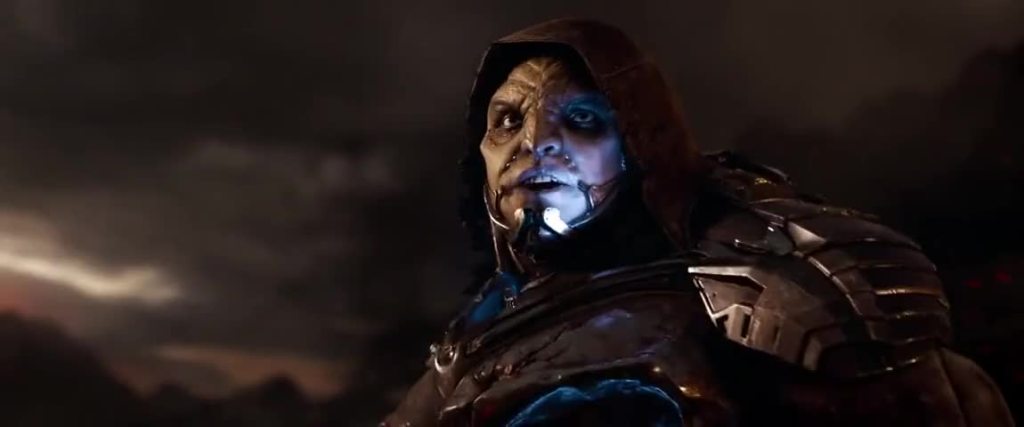
On the other hand, Sorrento also has a loyal worker bee in Oasis: i-R0k (T.J. Miller). His avatar has an imposing visage but has a somewhat less imposing vocal presence.
i-R0k is a veteran player who regularly executes other players in-game to take their gear and perks for IOI, all for in-game currency to pad his coffers. In the book, he’s a gunter (egg-hunter), referring to those who have dedicated themselves even after five years to attempting to finish the easter egg hunt and gain full ownership of Oasis. However, the fact that he is working for Sorrento seems to imply that he’d hand it over if the chips were down. For that reason alone, this detail was probably removed from the game. After all, at no point does i-R0k seem inclined to betray Sorrento. In fact, without i-R0k, Sorrento would never have gotten his plans to kill Wade (both in-game and out) off of the ground in the first place.

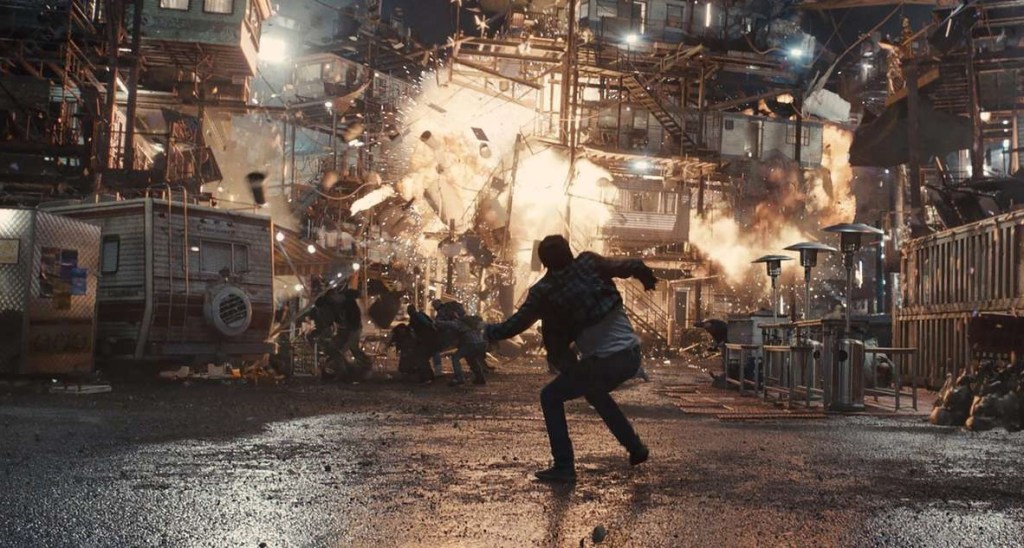
One standout scene plays with another trope we often see in fiction. When we play video games, even those in the VR world, we learn skills and techniques potentially learnable in the real world. How to fight is chief among them. The problem arises when somebody tries to apply skills they learned in a game in the real world. They very rarely translate. F’Nale is a competent fighter compared to Samantha and Toshiro, who have learned to fight for the game. Because of how Oasis operates, translating physical movement into a virtual world, it stands to reason that you can physically enact your movements – this is why the suit Wade chooses with his reward money is so valuable. However, this kind of training pales compared to real-world techniques. F’Nale effortlessly defeats the pair when they fight, requiring Zhou to join them and use his real-world wits to defeat her for them. Even that barely slows her down. Luckily, the fire extinguisher was followed up by a swift kick out of the back of a moving van.
What is truly interesting, though, is that F’Nale and i-R0k all take on aspects of Sorrento’s full character from the book. Perhaps as a way of making it more dramatic.
Ready Player One is a love letter to pop culture, the eighties action-adventure film, and video gaming. The world it spins from whole cloth is inviting and entertaining, and the kind that you wish could exist (the video game, not the dystopia). With how technology is evolving every day, and companies are dipping their toes into VR with every passing year, it may come to pass in our lifetime. Again, without the dystopia, please. We already have enough of that as is.
 Lloydd Marshall Books