
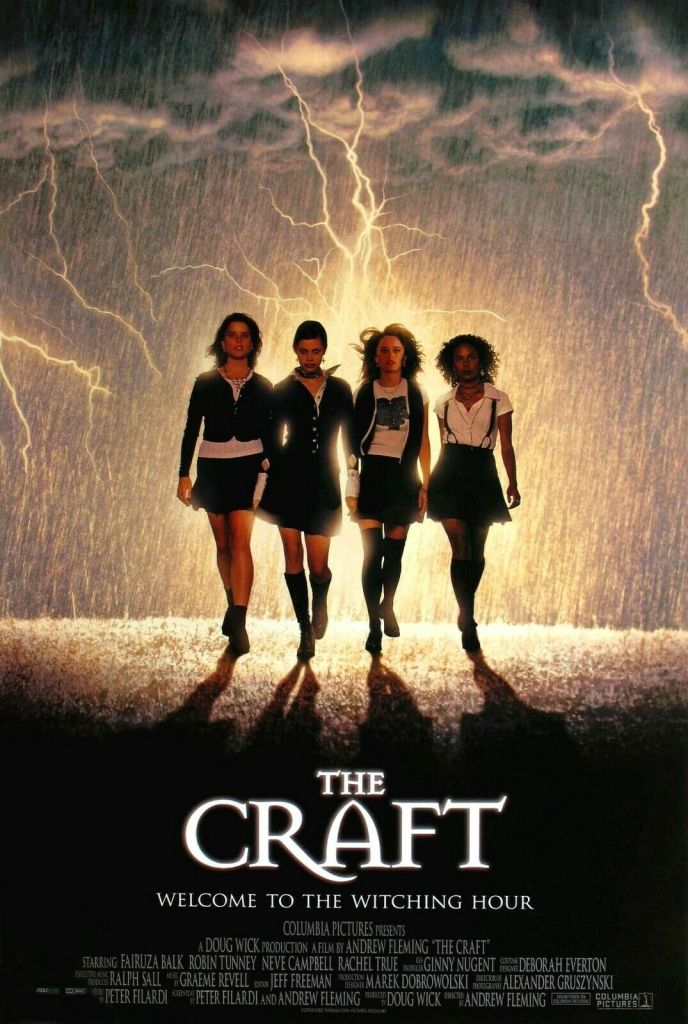
Magic has always been an exciting concept to humanity when we weren’t killing people over it. The 90s saw an explosion of interest in the idea as films and television shows began to spool out, focusing on it and the women most likely to wield it. Television was covered from Sabrina the Teenage Witch to Charmed and Buffy the Vampire Slayer. However, there were also many films, and The Craft was one of the most entertaining.
While The Craft ignores much of traditional wicca for its story, the people behind the film did do their research. Many of the changes were made so as not to offend real wiccans or to tell a more compelling supernatural horror film. These changes include the God that the girls worship to be granted their magical powers: Manon. This is not a true Wiccan deity or a deity at all, but they served a purpose, and they served it well. Some properties don’t even do that much when touching another culture or religion.
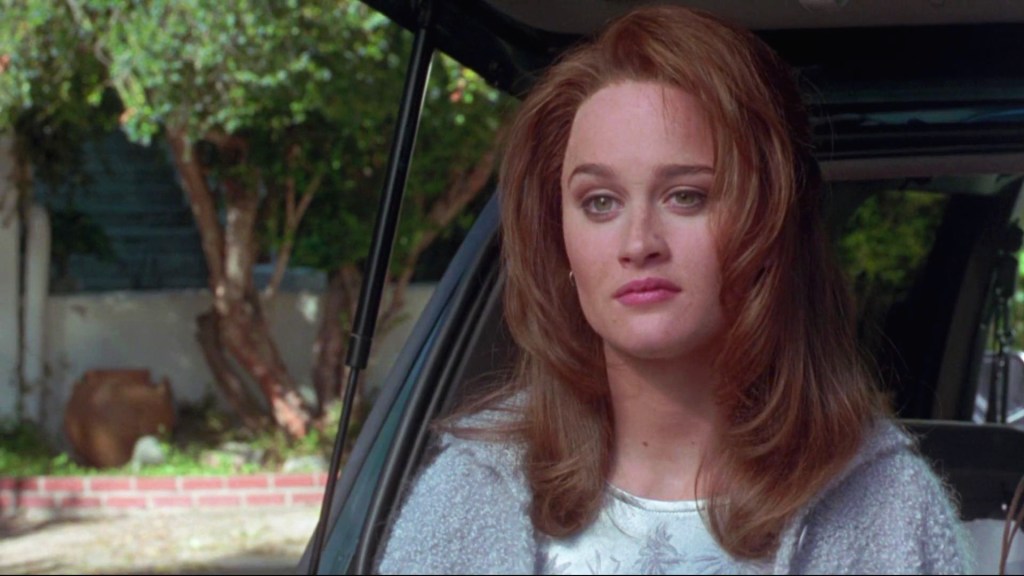
The Craft centers around Sarah Bailey (Robin Tunney), a girl with a troubled past who has recently moved to Los Angeles from San Francisco after a suicide attempt. Sarah’s character arc focuses on gaining confidence and facing her demons (no pun intended) rather than avoiding or running away from them. Her father and stepmother (Cliff DeYoung and Jeanine Jackson) decide to send Sarah to a catholic prep school, which creates an interesting dichotomy. She attracts the attention of three girls, all outcasts in the school, which sets the stage for a harrowing tale.
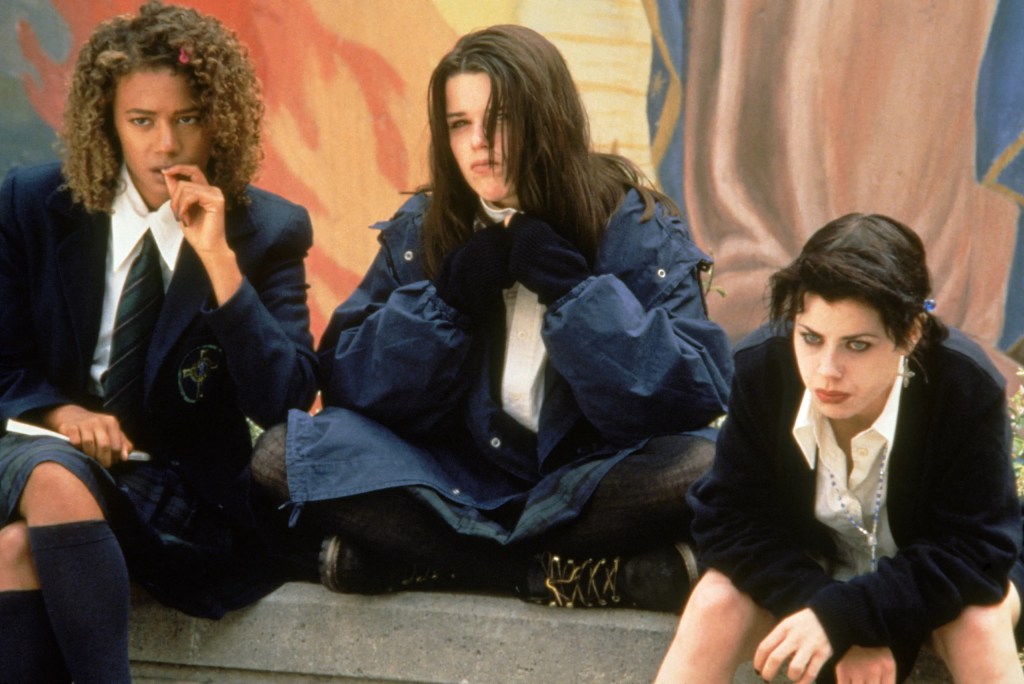
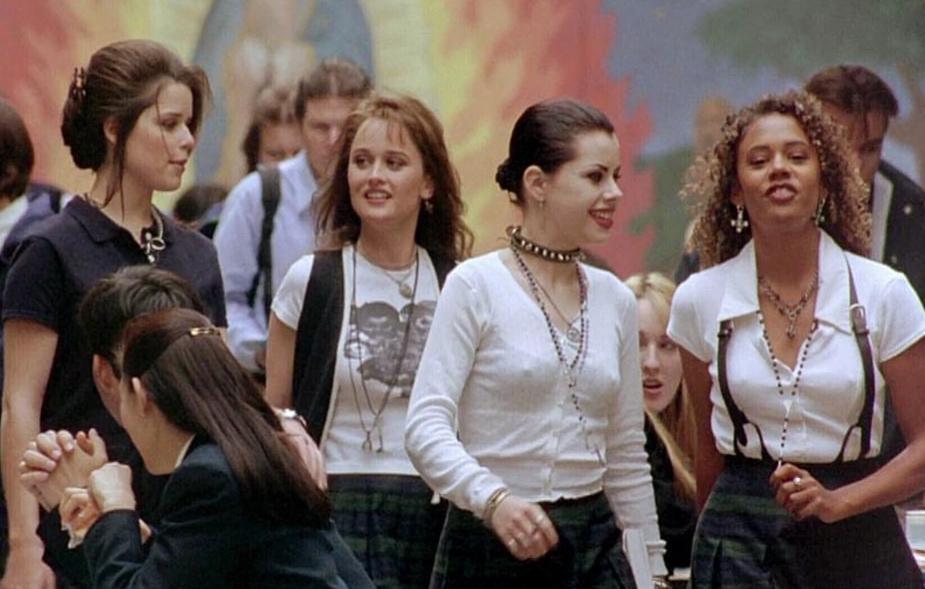
Nancy Downs (Fairuza Balk), Bonnie Harper (Neve Campbell), and Rochelle Zimmerman (Rachel True) are best friends who have formed their own coven but are in dire need of a fourth. This is because each member of their coven holds a position corresponding to one of the four elements – Nancy is Air, Bonnie is Fire, and Rochelle is Water. Without a witch to symbolize Earth, Bonnie worries that there won’t be a proper coven capable of anything. Bonnie is the most eager to induct Sarah into their group. At the same time, Nancy initially seems against the notion (this is most likely because Bonnie suggested it rather than Nancy coming up with it herself). Rochelle is only silent because she follows Nancy’s lead. As a trio, their dynamic seems more equal than it is by the latter half of the film, which is a genuinely disheartening example of the breakdown of a group of friends.

One of the first people to actively reach out to Sarah is Chris Hooker (Skeet Ulrich), who presents himself as a nice, easygoing, and charming guy.
However, this is merely a cover for an unrepentant misogynist who views his conquest of women to be a right he is owed. He and Sarah go out on a date early into the film, which seems cute and adorable like Sandy Olsson recounting her summer with Danny Zuko. However, in much the same vein (but with vastly darker overtones), Chris spreads vicious and harmful rumors about Sarah, painting her out to be a slut after she turns down his advances. Nancy soon reveals that he did the same to her, which is also implied to many other girls. This plot line was a fairly popular one in the 90s and early 2000s, indicative of a real problem in our high schools.
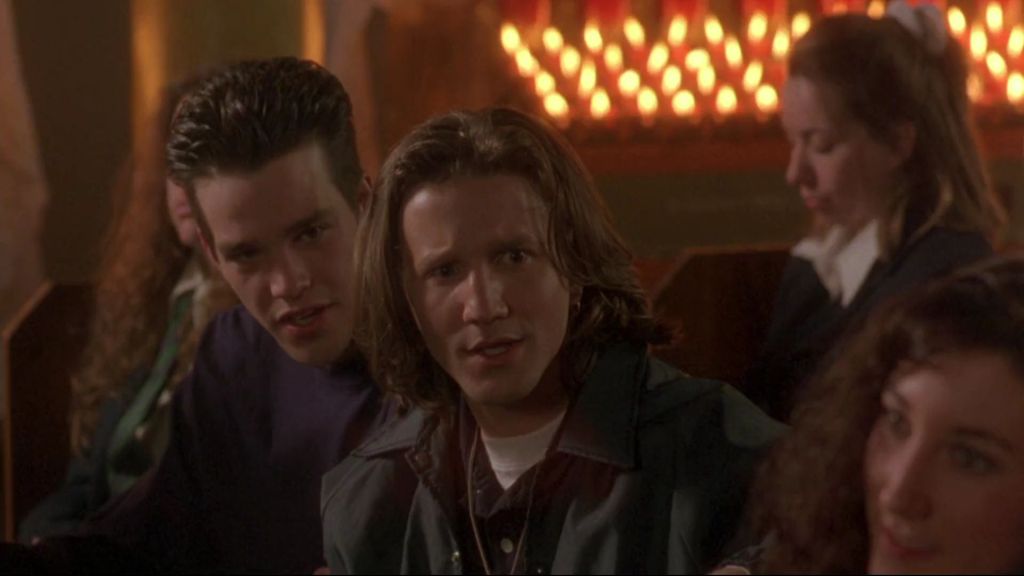

Chris is not the only bully plaguing the halls of St. Benedict’s Academy. Laura Lizzie (Christine Taylor) is a popular girl who is racist and all too happy to help spread the rumors about Sarah. Mitt (Breckin Meyer) and Trey (Nathaniel Marston) act as Chris’ friends and minions, and they are rude to Sarah when she first arrives, allowing Chris to play the White Knight. Whether this is a strategy the group employs to get their way with unsuspecting women is up for you to determine. In the end, the group of bullies proves insufficient as enemies to the girls once they gain their magic.
We also have Lirio (Assumpta Serna), a magic shop owner that Nancy, Rochelle, and Bonnie frequent to enjoy their five-finger discount.
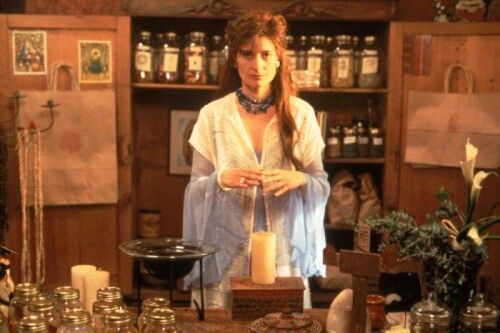
She acts as a guiding figure for Sarah, unlike the other girls – perhaps because she has money and is kind and compassionate. Lirio explains several concepts to Sarah, which inform her decisions while her friends bumble along in the dark. Lirio also senses that Sarah is a natural witch, explaining that her mother (who died giving birth to her) must have been one, as well.
Whether magic is real or not is discussed throughout the film as the girls form their coven and seek out Manon’s guidance. As the audience, we are treated to the answer within the first ten minutes. The story unfolds because Bonnie witnesses Sarah telekinetically manipulate a pencil while she is bored in class. The look of surprise lends itself to the possibility that Bonnie, Rochelle, and Nancy are incapable of such feats. None of them display any true magical power until they go on their field trip and induct Sarah into their coven, then invoke Manon for the first time as a quartet.
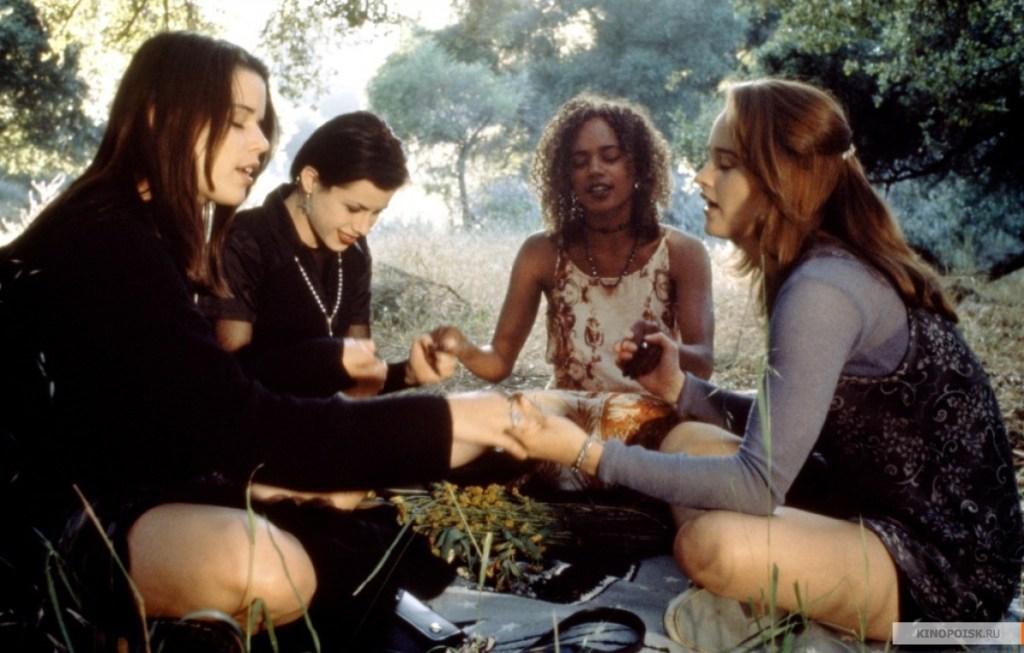
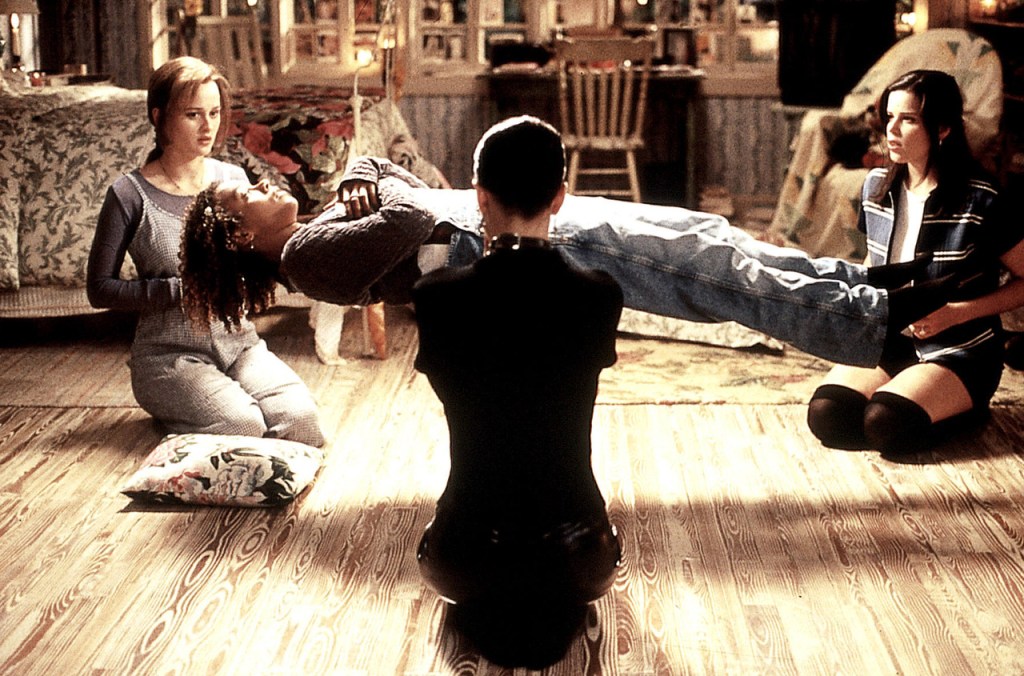
Sarah asks to be able to love others more and to be loved more by others, especially Chris Hooker. Bonnie asks to be as beautiful on the inside as well as out, as much of her body is covered in horrific scars, which she has sought medical assistance to remove for years. Rochelle asks to have the ability to not hate those who hate her, even Laura. As one of the early indicators of her ambitious and overzealous nature, Nancy asks to be imbued with all of the power of Manon. How these girls frame their requests gives insight into who they are and their paths as the film continues. While Bonnie and Rochelle indeed take a back seat to Sarah and Nancy’s burgeoning civil war, they all get their wishes met. However, it plays by the rule of three – what is given out is received back times three.
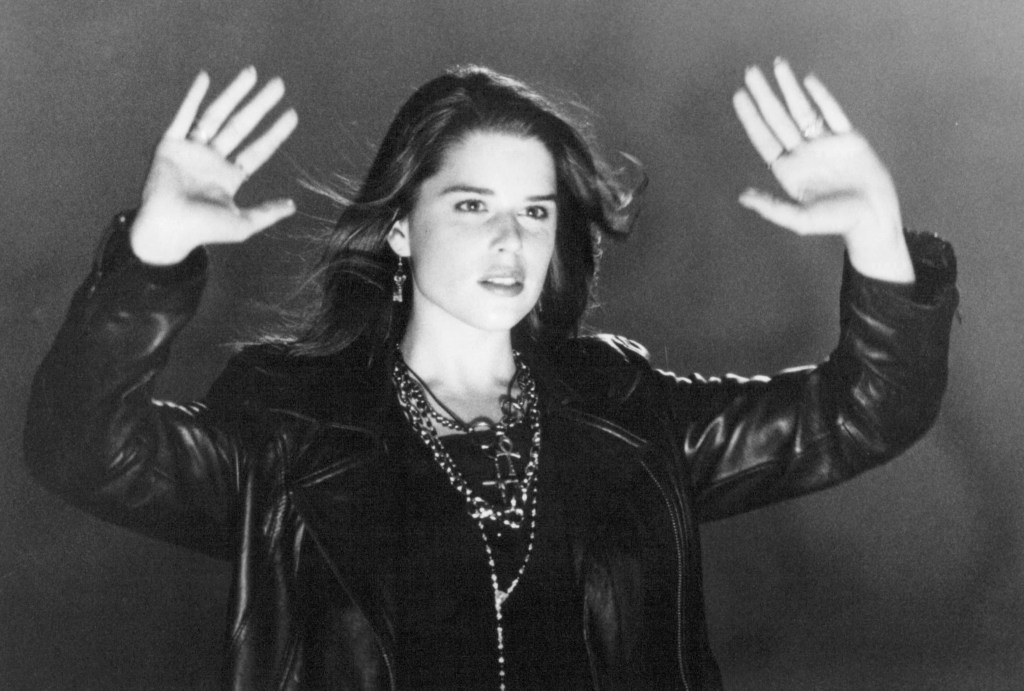
The girls’ journey is a character study of how power corrupts, and absolute power corrupts absolutely. Bonnie’s desire for beauty allows her to painlessly have her scars removed, literally granting her physical beauty on the exterior.
However, as she comes out of her shell because of her renewed beauty, she soon becomes downright vain. Rochelle’s descent is a bit murkier than Bonnie’s. Her enemy, Laura, soon loses her hair and becomes humbled.
In contrast, Rochelle becomes self-assured and ultimately self-serving in the process.
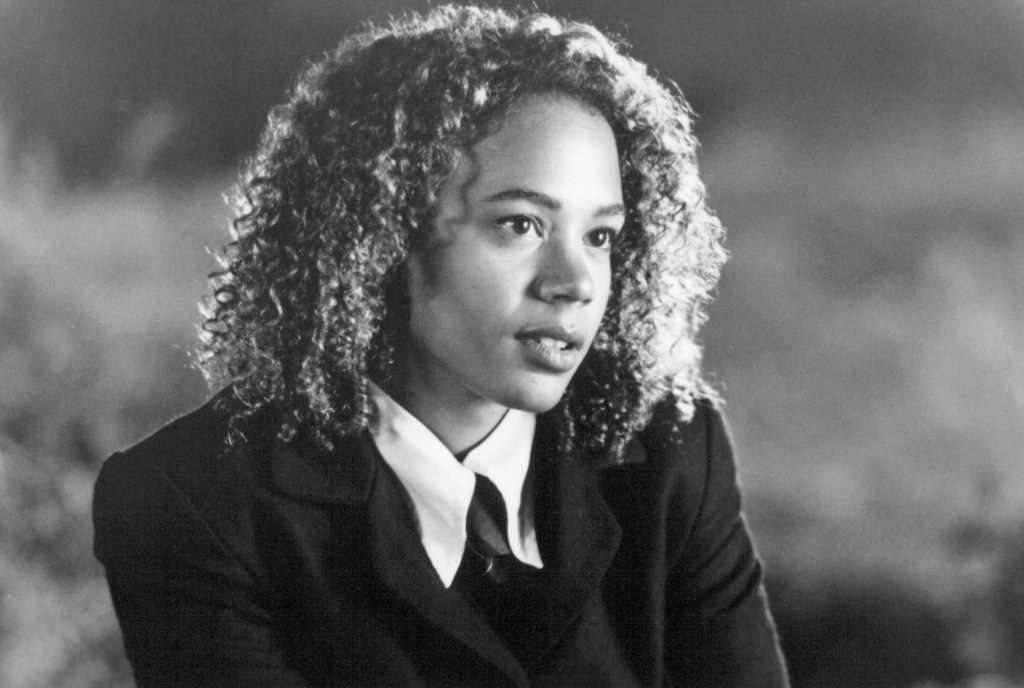
Rochelle shows immense guilt, and while she still goes along with Nancy near the end, she realizes that she has become the bully she has spent her life despising. Neither of them agreed with Nancy when her final plan came to light.
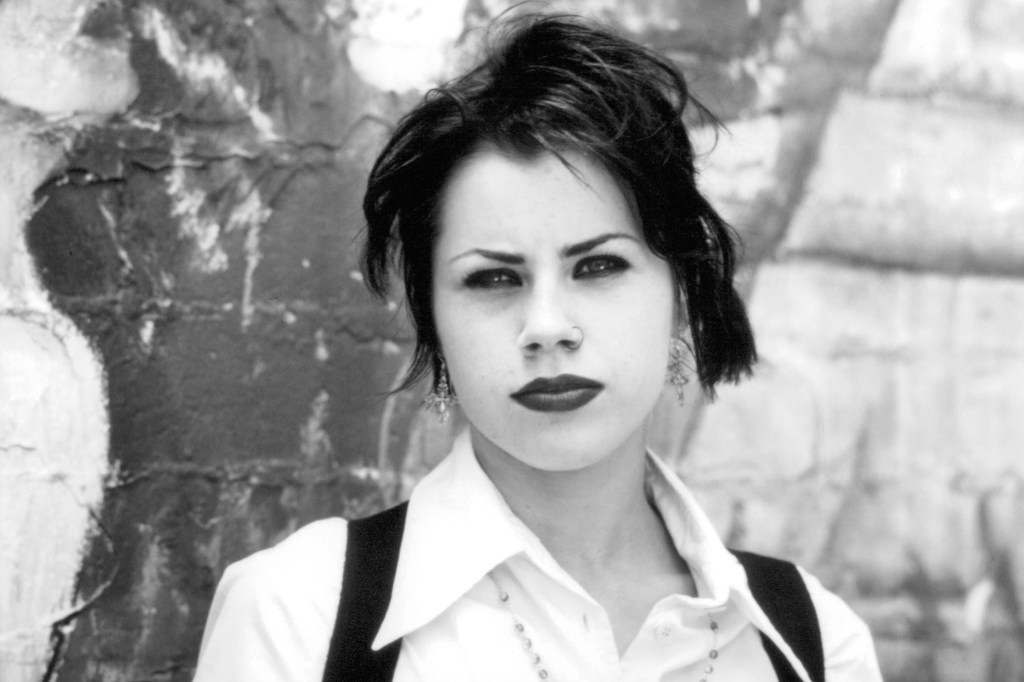
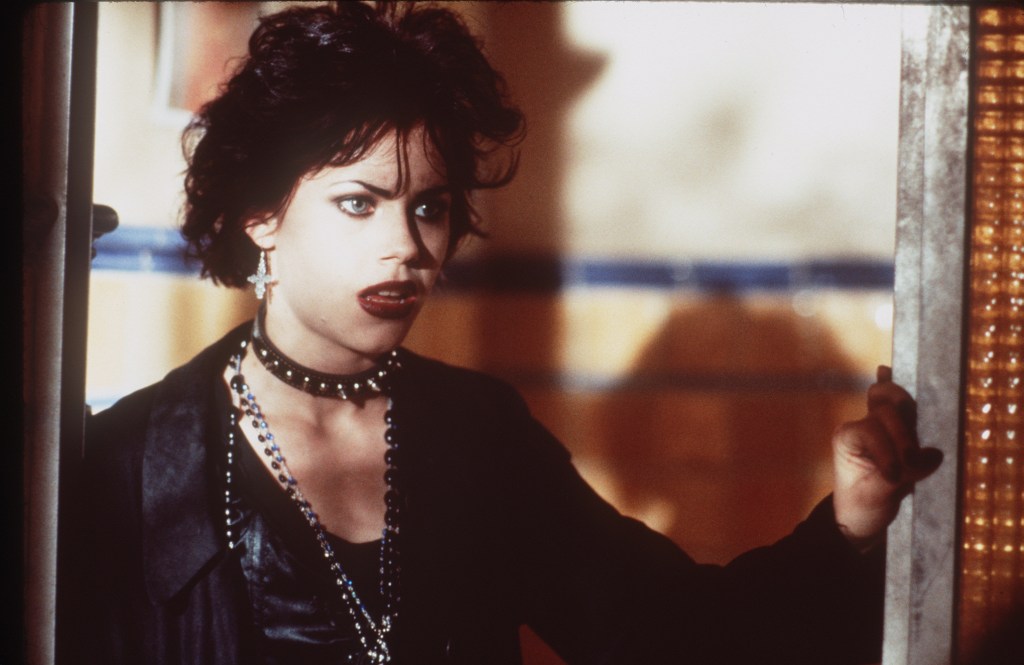
Compared to her friends, Nancy is by far the most prominent villain in the film as it goes on. Her desire for power to save herself from her hellish life is understandable.
Still, with that power, she begins to view herself as an unchallengeable force of nature. It begs the question of whether her request for Manon’s power was because she was envious of Sarah, who displayed magic before they inducted her into their coven.
Sarah is also presented as the most capable of producing the spells they attempt, whether it be levitating Rochelle or glamouring her appearance. Sarah’s natural power makes her the biggest threat to Nancy.

As Nancy goes on her darker path, the actions she takes start out almost accidentally, only to devolve into intentional acts to harm those around her – both with fatal results. Yet, this is what puts the pair in near open warfare with one another. Sarah doubts herself far too much to actively go against the group at first, but when Nancy leads the charge to terrorize and torment Sarah, she soon grows the confidence to fight back and instantly proves why she is the most powerful threat to Nancy.
The Craft is introspective for Sarah and her friends. Still, Sarah is truly the only one to grasp this thematic element. Sarah grows in a more positive direction, tying into how her request of Manon was to be loved and to love. Part of this involves casting a love spell on Chris, and while she initially enjoys the benefit of the spell, she soon comes to view it as the curse that it was. Her efforts at breaking it (all nonmagical) result in tragedy, which nearly pushes Sarah back into herself as she tries to break away from her friends and the damage and harm they are causing. Sarah reflected honestly on what she was doing to herself and those around her. The others did not.
Released in 1996, The Craft stands the test of time as a quality story that can keep you on the edge of your seat. A sequel was released over twenty years later, and it toyed with many of the aspects of this film. Still, The Craft remains nearly unparalleled in terms of storytelling, character development, and the pace of its plotting. What more can a fan ask for?
 Lloydd Marshall Books