
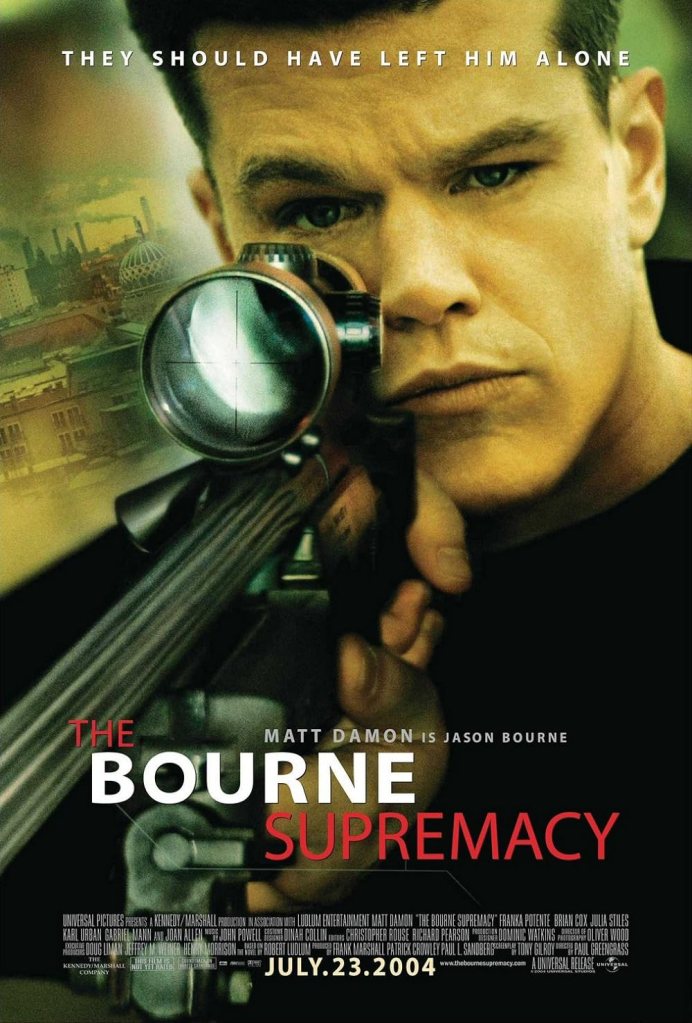
What do you do when you have a certified hit on your hands? Make a sequel! When making a few hundred million dollars off of a multi-million dollar budget was still considered a success, sequels were greenlit left, right, and center. Honestly, a film had to be a complete dud without an executive fawning over its ignominious corpse for a movie to not get a sequel. If it had a modicum of success, it was coming. And in 2004, The Bourne Supremacy was unleashed.
Completely ignoring the book it’s named after, Supremacy picks up with Bourne and Marie (Matt Damon and Franka Potente), living in Goa, off the grid, and seemingly happy. Jason is still trying to piece together fragments of his past, and Marie has worked to help him put those fragments into something that resembles a memory he might be able to grasp. They have been on the move for two years, and Marie has grown complacent with their situation, while she feels Jason is far too paranoid. After all, no matter how quiet their lives have been, anybody who was not a trained spy or assassin in their former life would naturally let their guard down. In the books, Marie is a central figure in Jason’s life throughout the series, even becoming his wife. Her fate in the film series is far bleaker, to set a tone that the series would never let go.


Pamela Landy (Joan Allen), a Deputy Director and Task Force Chief for the CIA, is in Berlin overseeing a controlled meet with her team when, suddenly, her undercover operative and the mark he had been cultivating are killed. When fingerprints are discovered on an unexploded ordinance, the finger points directly back to Jason Bourne, setting the stage for a climactic, never-ending war between Jason and the CIA. Unlike most of her colleagues, Pamela is dedicated to discovering what happened. Capturing Jason is only on her radar because evidence framing him for the operation blowing up in her face has been planted. Unlike Identity, where the CIA fumbled along in its hunt for Jason, this time, the outfit is nearly omnipotent and incapable of failing until the last possible moment.

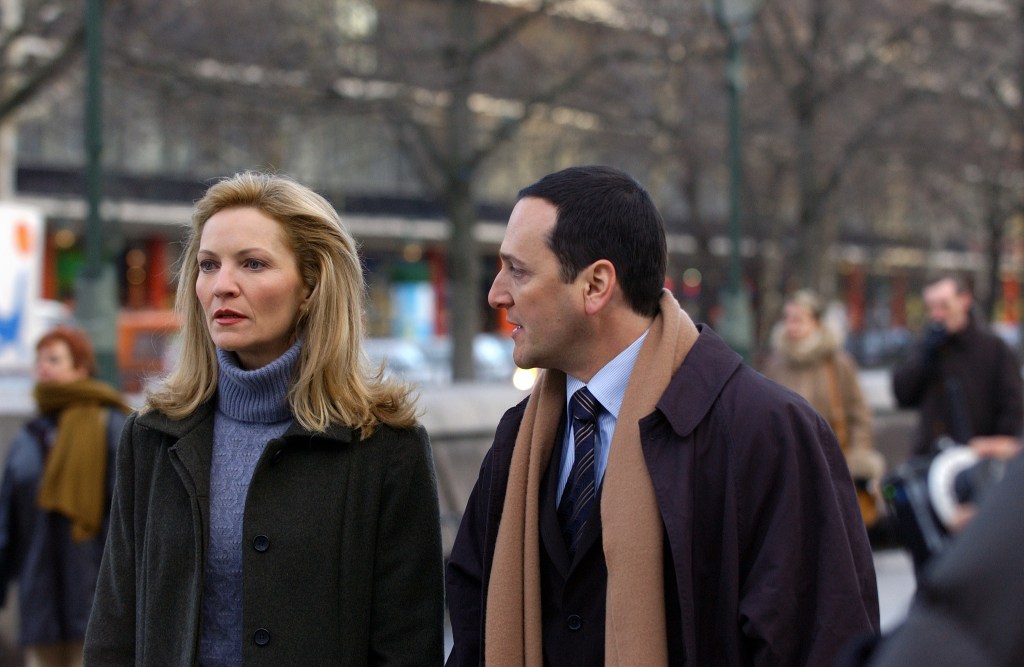
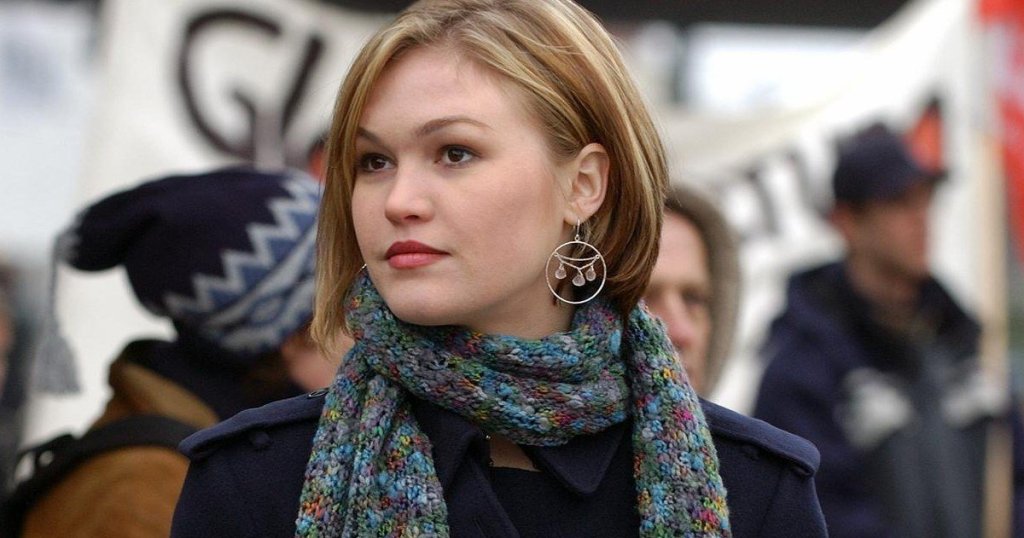
Returning from the previous entry is Ward Abbott (Brian Cox), who ordered the elimination of Conklin. Also along for the ride is Danny Zorn (Gabriell Mann), who executed the order to their operative, and Nicky Parsons (Julia Stiles), the logistics officer who worked with Jason before he went rogue. The warring agendas in the CIA are much more clearly defined here, with Ward Abbott practically shouting to anybody who would listen that Jason Bourne was going to single-handedly come to hunt down everybody who might have had a hand in Treadstone. The rabbit hole that his logic takes is something Pamela is forced to navigate as she becomes acquainted with the ins and outs of Treadstone. At the same time, picking up from where Ward Abbott explained the need for a new program at the end of Identity, we soon find out that they have moved beyond even that program. It isn’t until Jason Bourne (2016) that we learn how many iterations of Treadstone they formed. As he explained it, Blackbriar was designed to find Jason Bourne. How true that might be is up for you to decide, but the agents never appear in this film while the CIA is hunting Bourne.

Instead, we are treated to Kirill (Karl Urban), a Russian FSS agent moonlighting as a hitman unrelated to the CIA’s numerous black operations. He is the one who frames Jason for the blown operation in Berlin and then hunts him down in Goa, which ultimately results in the death of Marie by the end of the first act. Kirill is certainly more drawn out as an antagonist than the Treadstone agents utilized in the first film. While he disappears for quite a bit of the movie, this is only because he genuinely believes that he also killed Jason when he took out their car. Still, he has the largest presence across the series as an antagonist who physically engages with Jason. Generally, the antagonists that Jason has to contend with are political operatives, men and women who are stronger behind a keyboard than with a pistol. Ward Abbott, in fact, never even gets the chance to try and attack Jason before their ultimate confrontation.
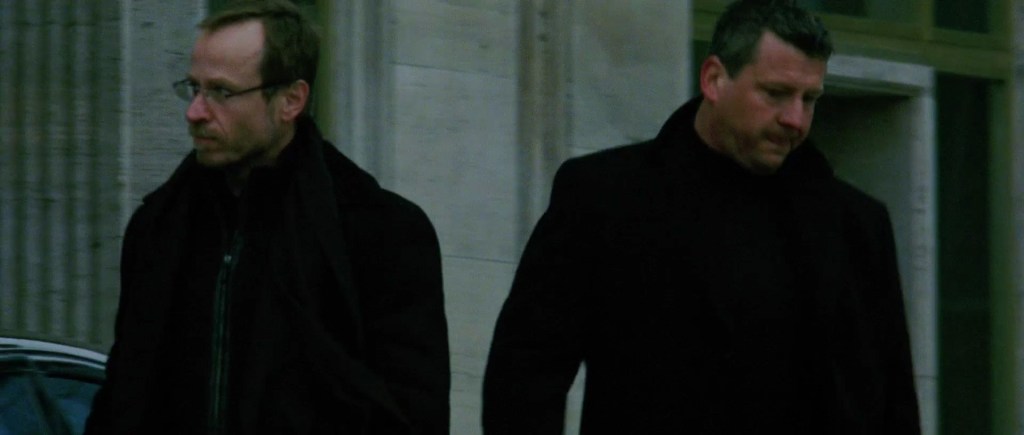
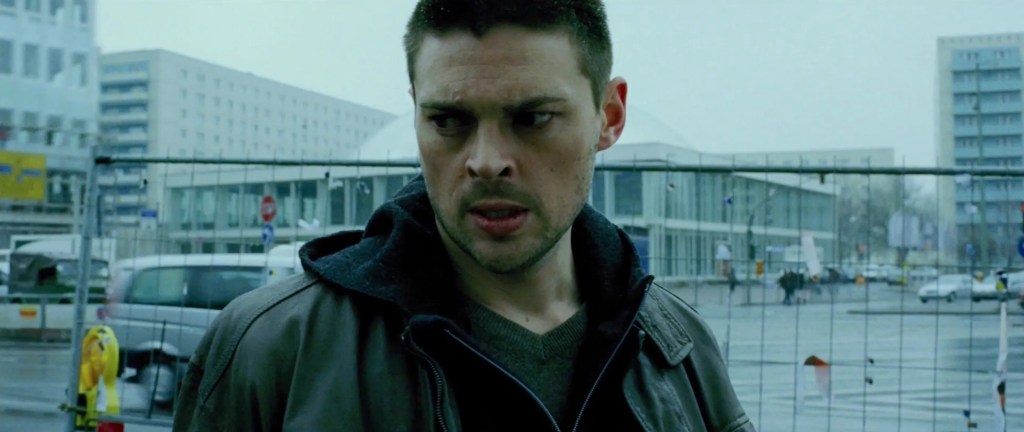
This is why characters like Kirill exist. They do the dirty work for their employers. Yuri Gretkov (Karel Roden), a Russian oligarch, is the one who directs Kirill due to some connection that Yuri has with Ward that makes him indebted to the man. The problem arises when Jason is thrown into the plot because of Marie’s death. Although he did firmly believe that Treadstone, and by extension the CIA, was going to come for him again, Marie was more correct than her death might make us realize. Despite the CIA potentially wanting him, considering they waste no time hunting him down when they believe he executed the assault on their operation, it’s clear that they weren’t after him before this. In essence, Ward Abbott signed his own death warrant when he launched a personal war against a man who had outright admitted he had no memory of his past life and was more interested in hiding away than hunting them down. This is a recurring plot point for the CIA regarding Jason. Until they came for him, he had no interest in going after them.

As an antagnosit, Kirill is dogged in his attempts to catch up to Jason Bourne. With his ability to track him down when ever the CIA seemed completley unaware of his location, it begs the question of whether or not they really were hunting him down at all, save for Ward Abbott. Yet, by the climax of the film, as Jason and Kirill exchange blows across the streets of Moscow in their cars, he proves himself to be an incredibly capable tracker, and an effective combatant. Perhaps that’s why he’s my favroite antagonist in this franchise.
The Bourne Supremacy was the first of three films to be directed by Paul Greengrass, and this one ramps up the shaking of its camera. While unstable camerawork is nothing new, there was a clear intention in its use here – to emphasize Jason’s confusion.

He is lost in a haze, alone, even if he’s not necessarily afraid but most assuredly anxious. Other films that utilized this stylistic choice often failed to grasp the reason.
Still, it can be a bit of a nuisance when choreographed fight scenes are occurring, and the camera is jittering away, leaving what’s happening on the screen difficult to parse.
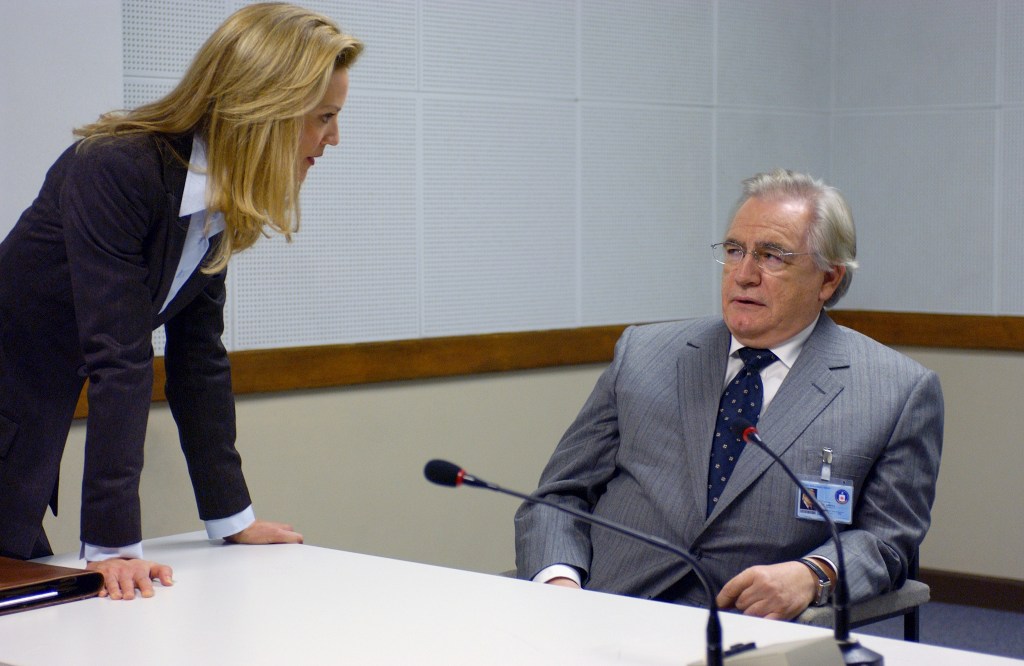
With the CIA hot on his trail throughout the entire movie, even as Pamela Landy works to uncover the vast conspiracy that has infiltrated the intelligence aparatus, they come close to taking Jason Bourne down on numerous occassions.
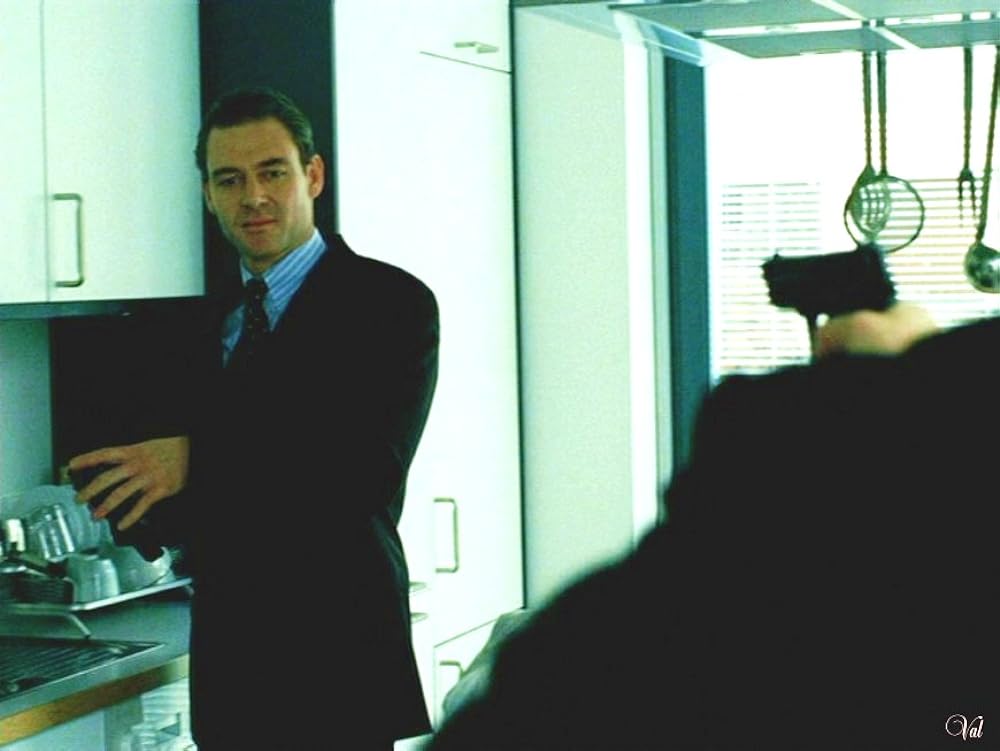
The action set pieces were also ramped up, such as the visceral fight scene between Jason and Jarda (Marton Csokas, who may or may not be a renamed Mannheim since he is stated to be the last Treadstone agent alongside Jason). The pair are on equal footing, having received the same training, and neither is willing to let up during their fight. Jarda, for his part, is attempting to draw out their fight as backup is on its way while Jason is trying to gather information. Then, we have the harrowing scenes in Alexanderplatz, when Jason kidnaps Nicky as Pamela and her team try to intercept and capture Jason. The car chase through Paris in Identity cannot compare to the thrilling encore we receive in Supremacy as Jason attempts to evade the police and Kirill in Russia as the film accelerates toward its climax.

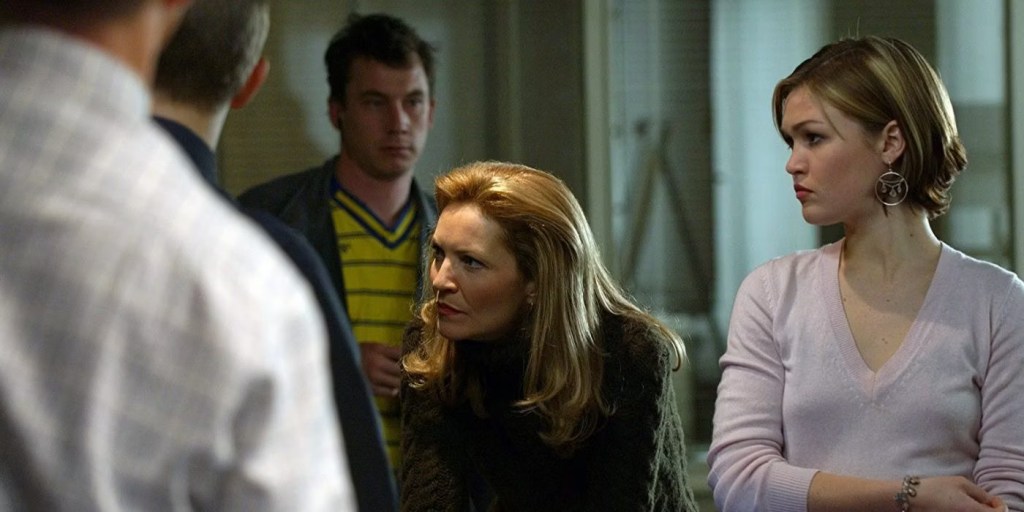
Nicky’s role is slightly more substantial here. It once again emphasizes the CIAs lack of care regarding its people when they don’t toe the line. Rather than simply getting what information she has and leaving her alone, they drag her into their mess and put her squarely in danger. All of this is designed to protect the CIA as a whole rather than the people who make it up. As the only person Jason knows from before, having forced her to help him in the last film, Jason takes this opportunity to get more information from her than the CIA might have liked him having in his hands.
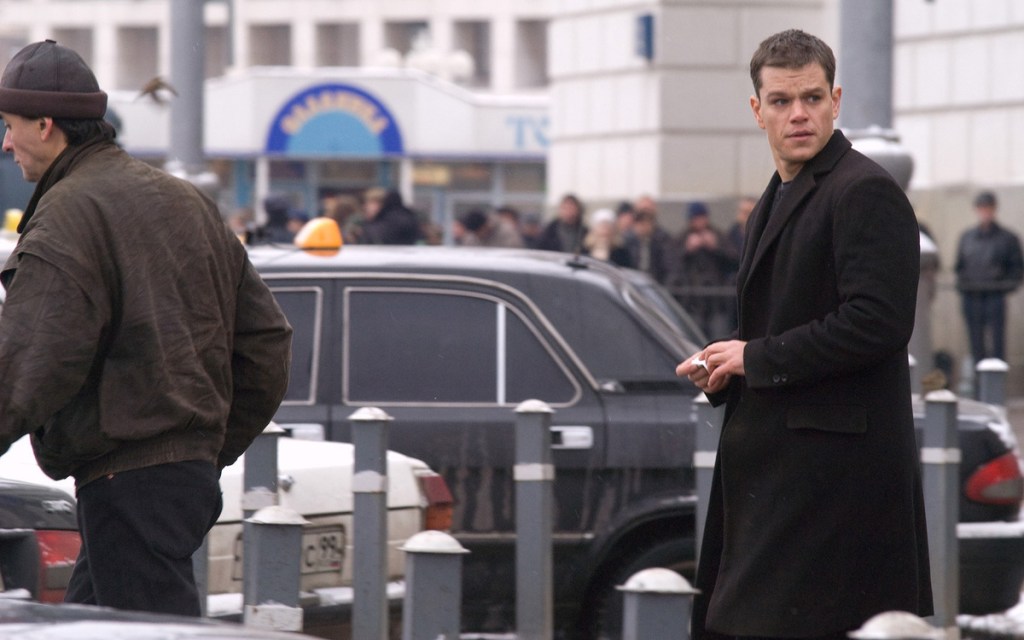
The Bourne Supremacy built off everything that The Bourne Identity introduced, weaving together a complex, conspiracy-laden world that is terrifying to imagine, let alone live in. With its follow-up acting as a sort of interquel for the first half of its runtime, it becomes evident that the world is far deeper and more involved than initially presented. Whether one watches the first three films or considers the fourth film, and even beyond that, the fifth film as an epilogue, all of them individually tell a completed story when added to whichever films came before it. How often can a series say that?
 Lloydd Marshall Books