

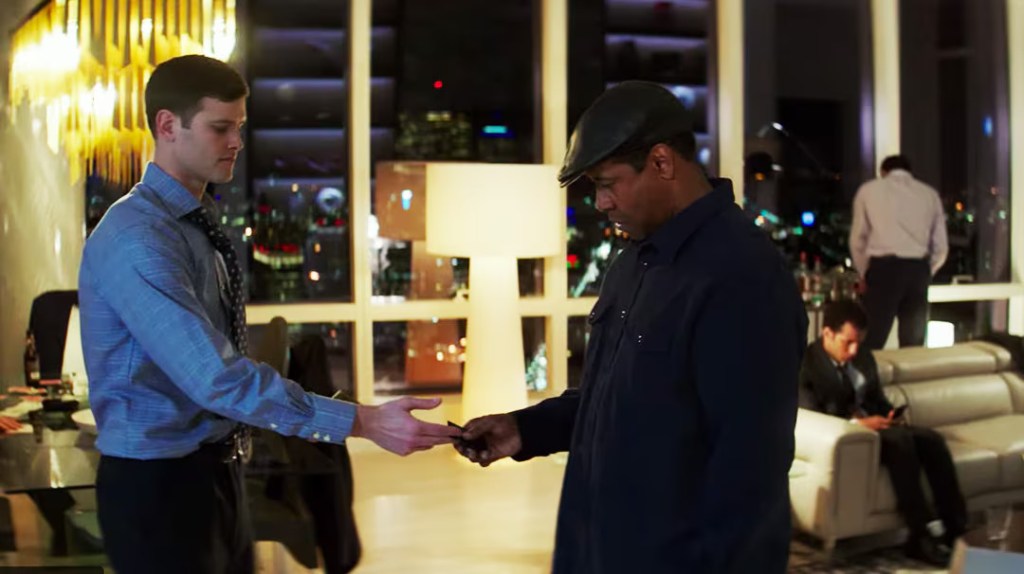
The Equalizer 2 picks up sometime after its predecessor, with Robert McCall (Denzel Washington) fully committed to helping people with problems far more significant than their capacity to handle them. Whether this means traipsing off to Istanbul to rescue the daughter of an American woman, kidnapped by her foreign father, or storming a hotel suite to punish a group of finance bros for battering a young intern at their company, he’s there night or day, asked or not.
As a continuation, it builds off of the momentum of The Equalizer. As an audience, we better understand who Robert McCall is. If his assistance of Ralphie and Alina provides a glimpse into his MO, it’s the people he assists throughout The Equalizer 2 that cement his status as a Guardian Angel that’s more than willing to bloody his hands for a good cause. This time around, the person he spends most of the film helping is Miles Whittaker (Ashton Sanders, of Moonlight fame), a troubled teen interested in art but struggling with the expectations of the neighborhood he lives in, which is plagued by gangs and violence. Robert also receives more overt help from Susan Plummer (Melissa Leo), his information broker and close friend.
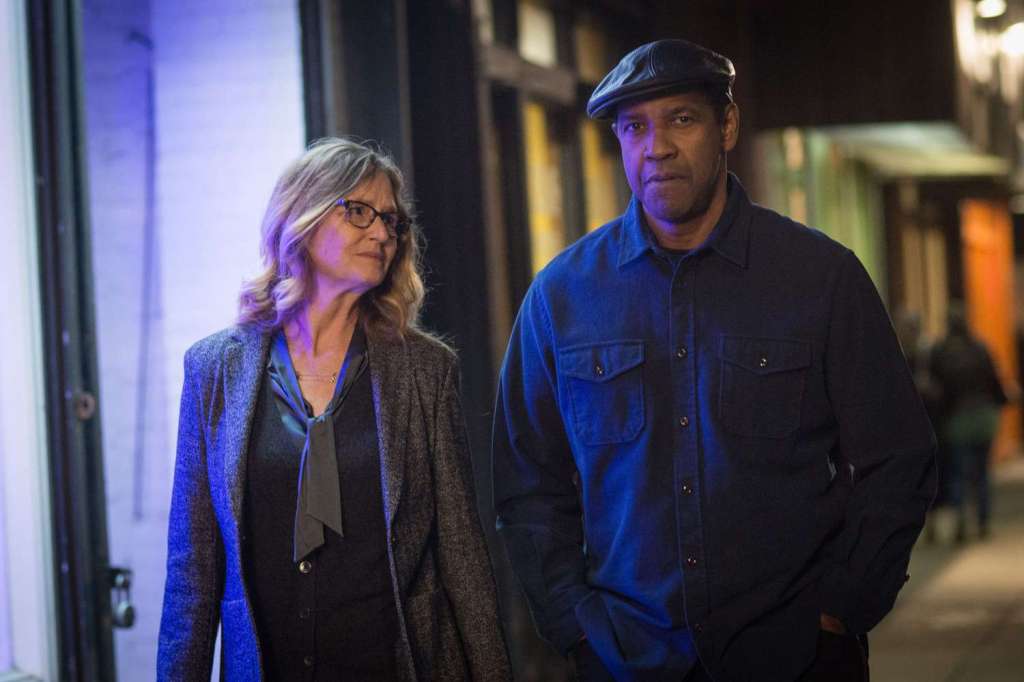
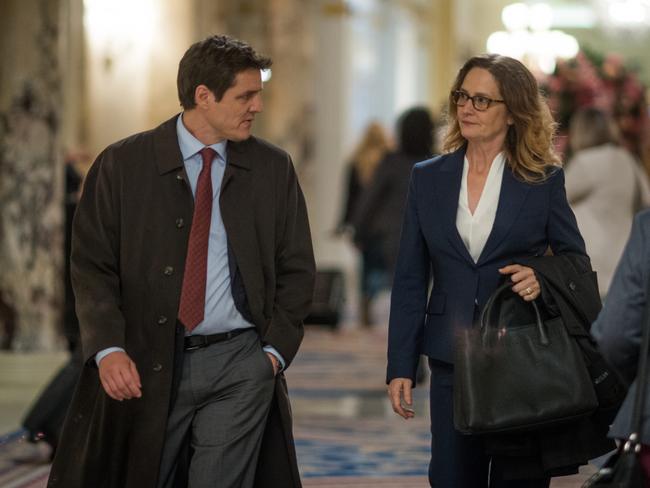
Unfortunately, despite having a more prominent presence in this film than last, Susan is marked for death. While her death motivates Robert to act and pushes the plot forward, it doesn’t fit the usual narrative of being “stuffed into the fridge.” Obviously, this is up for debate, and the controversy surrounding this narrative choice has been argued ad nauseam. Yet, Susan is a well-fleshed-out character, and her storyline does not come to a screeching halt because of her murder. Robert picks up the torch and continues on to its bloody conclusion, forcing himself to work through his grief and anger as he hunts down her killers. Brian Plummer (Bill Pullman) returns briefly, and Robert ensures he is not on the chopping block when the credits roll.

In its simplest form, Susan’s death drives Robert to act, and it forces him to develop, which are two of the major hallmarks of this derisive narrative tool. Then I recall stories such as Alex Cross, American Assassin, Without Remorse, or Death Wish, where the only reason for the main character’s wife is to literally die and redouble the character’s trauma and plant the seeds for their growth as a character. In each of them, they make a good story, but it leaves one with a negative taste in their mouth. Here, while Susan is very much marked for death, she is developed as a character outside of her relationship with Robert and has a previous appearance under her belt from which to build. Yes, an argument can be made one way or the other. Still, sometimes, a character is written into a narrative to die. Other times, a character is written into a narrative and simply happens to die along the way.
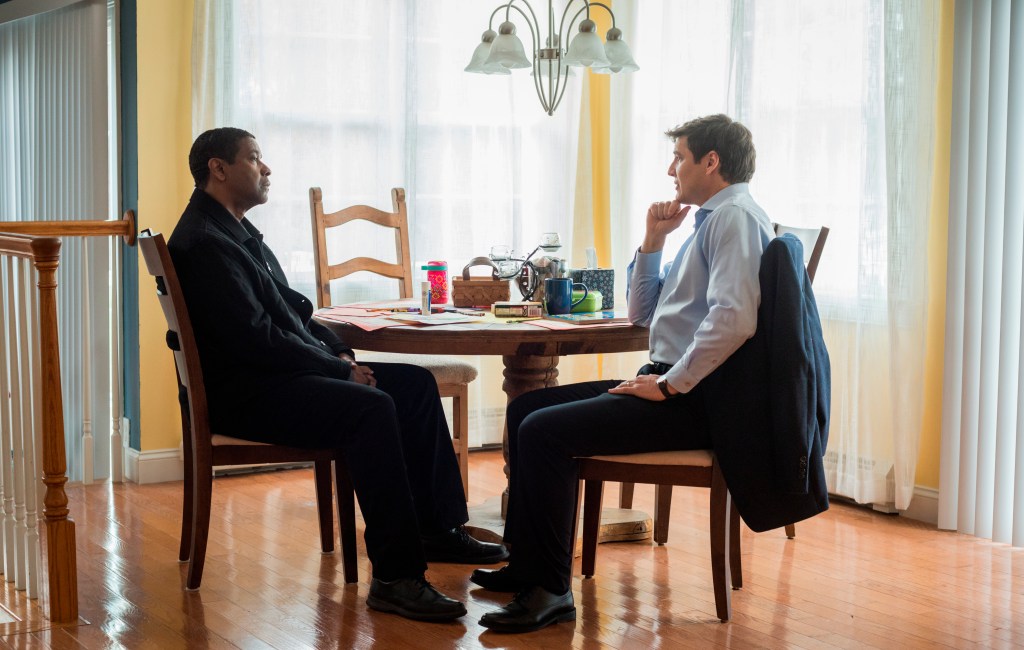
Upon its release, it was greatly criticized for its many subplots, most of which did not tie back into the main plot as they did in the first outing. However, the point of these scenes, whether it be Robert’s jaunt to Istanbul or the Holocaust survivor, is to show that he has settled into his new life and routine. All of this is disrupted when tragedy strikes Robert again, further drawing him into the pain of having lost his wife so many years ago. While not as long as The Equalizer, it is easier to understand this criticism. After all, Ralphie’s plot line was dragged kicking and screaming into the main one when Robert’s enemies decided to use him, and many other coworkers of Robert’s, as bait to lure him into a trap. Yet, the same is true for Miles. These subplots serve a purpose thematically and architecturally, laying out how we must continue, even through grief, rage, pain, and suffering. Life does not stop simply because we are going through a traumatic event, and so, too, does it not stop for Robert after he loses his nearest and dearest.
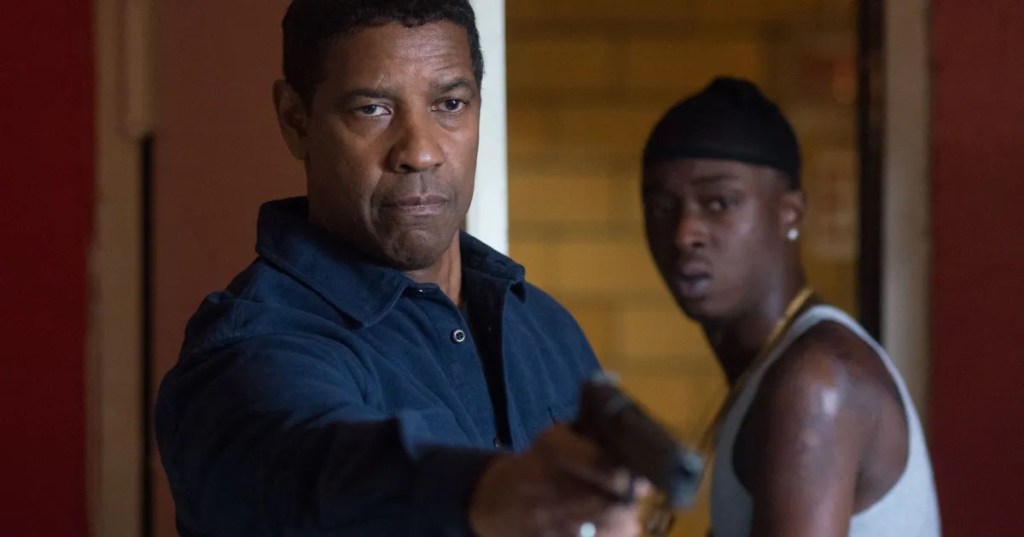
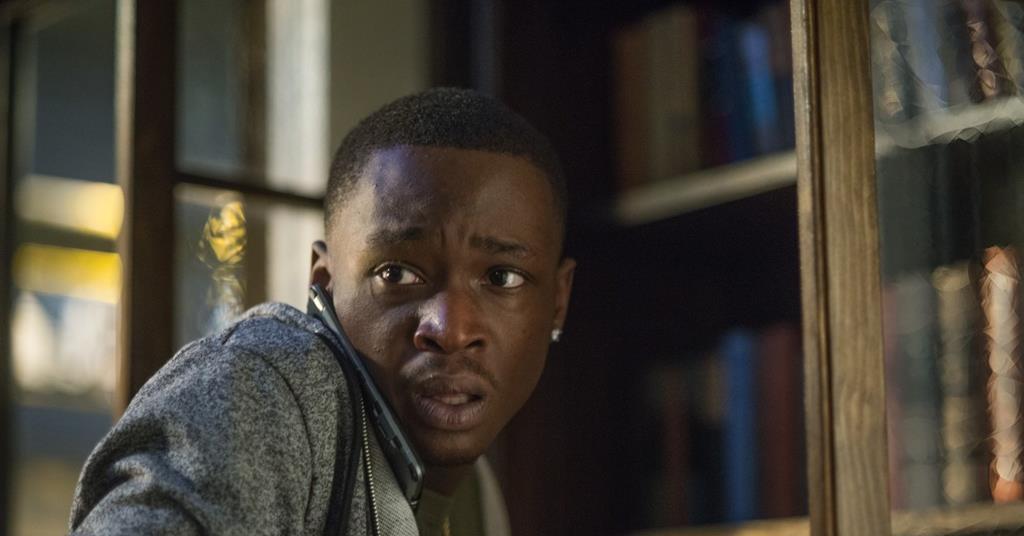
Miles Whittaker acts as a cross between Alina and Ralphie from The Equalizer. He is caught up in a world of crime and violence through no fault of his own and desperately wishes to break free from it and achieve his passions in life.
He is also torn between that passion, which is hard to reach out for because of its seeming elusiveness, and the ease of settling into the known, even if it is not what he wants. At one point, as he is drawn back, Robert storms into the gang’s main hangout to retrieve him and outright offers himself up for death to Miles to prove to the gang members that he is one of them. Robert is not above helping somebody in need. Still, he is also not one to waste his time on those he deems lost causes or unwilling to help themselves when they can. Robert is all about providing opportunities, and not unattainable ones. As a character, Miles also acts as the damsel in distress late in the third act when he is captured by Robert’s enemies. This time, it’s not a group of people but Miles who is put in danger, and after a long and tension-filled scene where you might just breathe a sigh of relief. Because he has a strong presence throughout the film, and Robert has so consistently assisted Miles, he feels as if he is in even more danger than Ralphie and the litany of coworkers that were captured last time around.


Since Robert takes time out of his day to help those in need, we are treated to a slew of supporting cast members to fill out his new life. Chief among them is Fatima (Sakina Jaffrey, who last worked with Denzel Washington in The Manchurian Candidate), Amy (Caroline Day), an intern who is raped by her colleagues and tossed into Robert’s Lyft, and Sam Rubinstein (Orson Bean), a Holocaust survivor who is trying to recover a painting of his long-since died sister. Grief, pain, and suffering permeate their storylines, thematically tying them to Robert.
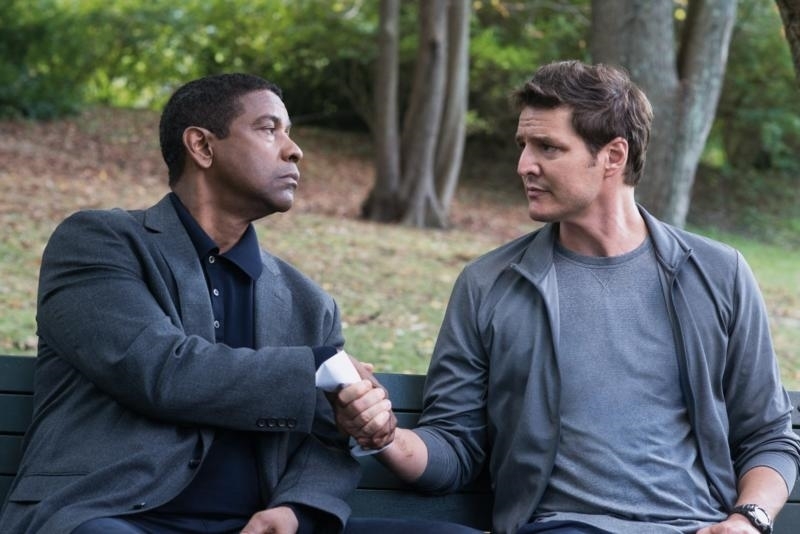
However, the most important newly introduced character is Dave York (Pedro Pascal), a former friend and colleague of Robert’s who still works with Susan. The film opens with the murder of a man and his wife, the latter made to look as if he killed his own wife and then shot himself in grief and remorse for his actions.
In truth, Susan can pick apart what happened in Brussels within moments of seeing the crime scene, and there is far more going on than meets the eye. This man is actually a CIA deep cover agent, which is why they’re even there, and his murder was orchestrated by an unknown force that a group of well-trained operatives executed. By the time the threads begin to piece together, figuring out who the villain is is not entirely complicated. If there was more to the story, we are not given that particular answer – just the ones who pulled the trigger and ensured it was covered up. After all, who could have anticipated an elite spy and assassin to come back from the dead, gung ho on finding out who murdered his friend?
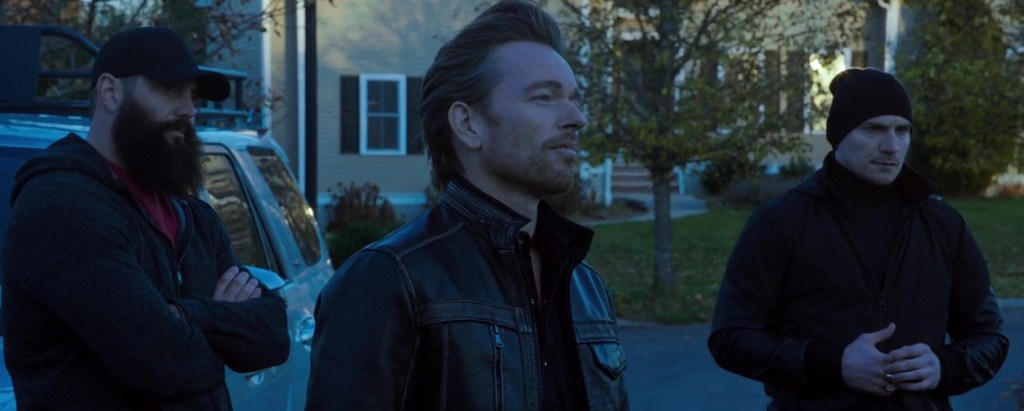
As villains, Robert’s former colleagues leave something to be desired. Kovac, Ari, Resnik (Garrett Golden, Kazy Tauginas, and Jonathan Scarfe), and Dave are explained to have worked alongside Robert before his supposed death. They are presented as being on the same level of skill as him. Yet, it feels as if they sat back on their laurels and did nothing to improve, let alone maintain, their skills and abilities. Save for Dave, none of them put up much of a fight – to the point that they might as well have been tissue paper versus an industrial woodchipper for all the fight they put up in the climax. Perhaps Robert is simply that capable. It isn’t as if we don’t want to see him tear his way through elite warriors as if he were stealing candy from a baby. That is, often, the point of these kinds of films.
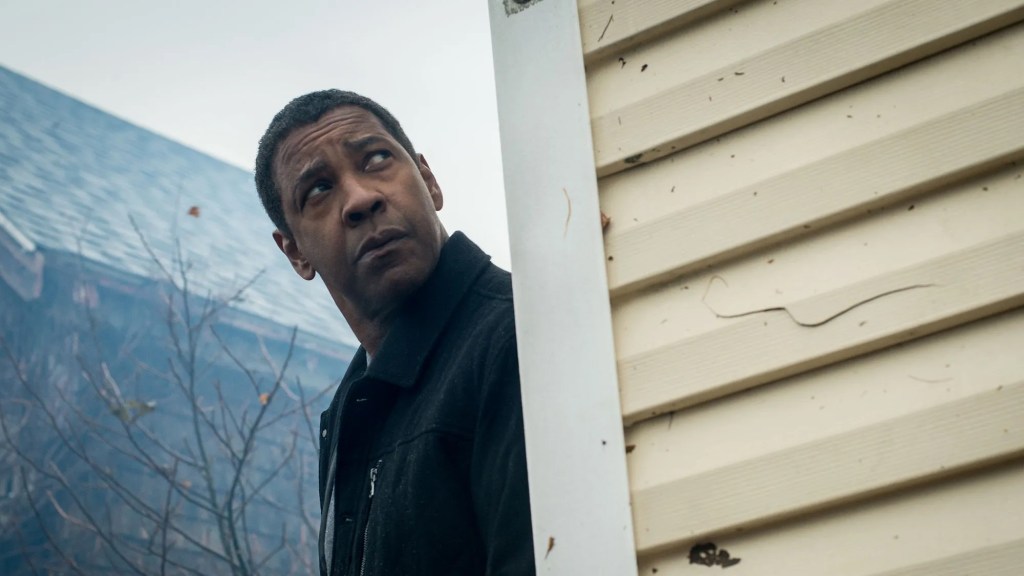
Watching Robert psychologically torture these men is cathartic. He has lured them into a trap – the town where he and his wife lived – as a hurricane is about to make landfall. Despite having Miles as leverage, they allowed themselves to fall into his trap. Even if it is a small coastal town with numerous personal locales for them to focus on, there are only four. Rather than handle the situation with some intelligence, they immediately split up, letting Robert do what he does best. Robert proves his ability to dispatch opponents who are better armed and supposedly equally skilled. Thus, they should be able to overpower him through sheer numbers alone, with alacrity and dexterity thrown in for good measure. Yet they fail to clear their immediate area or take advantage of the tools they brought with them.
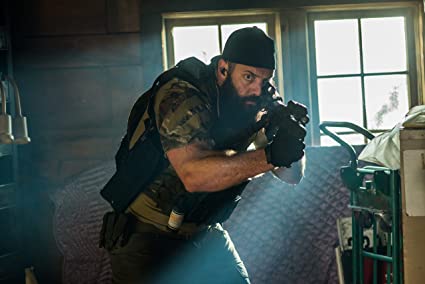

Betrayal always cuts more deeply when it comes from somebody you trust, and it compounds the grief and trauma that characters like Robert McCall are forced to endure. As the second entry in a trilogy, it continues the threads laid out before it. Many of them are picked up in The Equalizer 3, which was but a glimmer in Antoine Fuqua’s eyes at this point.
 Lloydd Marshall Books