
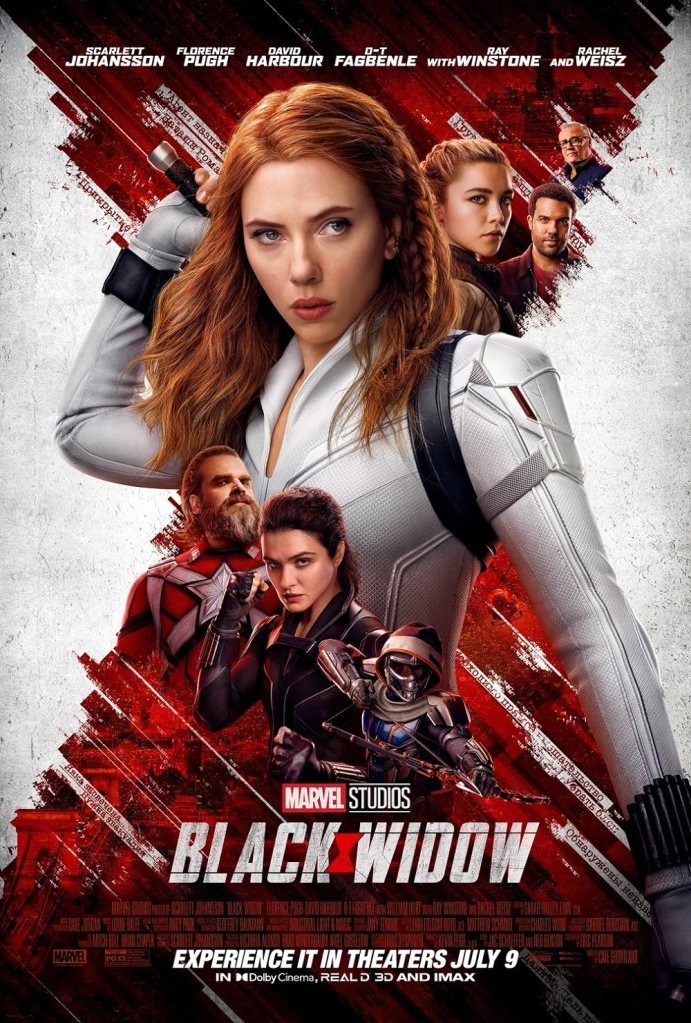
By March 2020, it became self-evident that this would be the first year since 2008 that a film from the MCU would not be released. At all. Black Widow was pushed back in anticipation of making a box office splash in a post-Endgame world, and all signs pointed to this being the case. After all, Hawkeye and Black Widow were the only two members of the original Avengers team to not have their own films. Sorry, Mark Ruffalo, but The Incredible Hulk still counts.
Black Widow was the first, and so far only, MCU film to be released simultaneously in theaters and on Disney+ to reach consumers in as safe an environment as possible. Arguments were made in favor and against the move, but I was one of many who took the initiative to view the film in both formats. With only Captain Marvel on their roster of MCU films led by a woman, I wanted to ensure that more would follow. One of my only major gripes with Black Widow was the same gripe I had with Captain Marvel, Wonder Woman, and Wonder Woman 1984. This is the propensity for women-led comic book movies to be period pieces. Obviously, Black Widow is not in the same vein. It takes place squarely in 2016, filling in the gaps of Natasha Romanoff’s (Scarlett Johansson) storyline after she made the critical decision to help Steve Rogers (Chris Evans) and Bucky (Sebastian Stan) escape from the Airport Battle while the rest of his faction was captured. Unlike those three films, Natasha is not an immortal being. With her death in Avengers: Endgame, any future stories about her would be about an alternate version of the character we have come to know and love these past years. And on the whole, the four films are fun to watch.

Because we hadn’t yet received a film centered on Natasha, we were only privy to information regarding who she was as a character through dialogue. Her conversations with Loki (Tom Hiddleston) in The Avengers showcased a facet of her guilt, even if it was used to manipulate Loki into revealing information he wouldn’t otherwise give freely. Her longstanding friendship with Hawkeye is explored there and expanded on in Age of Ultron, which also went a long way to dismiss hints of any potential romantic relationship between the two. We learn about the Red Room and how they sterilized her and the other Widows as she comes to terms with the emotional damage wrought by Wanda Maximoff (Elizabeth Olsen). In truth, Natasha is a chameleon, a spy, and a damn good one. Her character is relatively consistent from film to film. Still, they each offer a glimpse into who she is beneath the veneer of a cold-hearted assassin. But her past was not something we have a full grasp on. With Black Widow, we finally see who she was in her past and how it built the core of who she is in the present.
Sent to America as a child spy, alongside another girl presented as her younger sister and two prominent figures in the KGB who were tasked by General Dreykov (Ray Winstone) to steal sensitive intelligence from the North Institute overseen by SHIELD that he believed could further their research for the Red Room. With the benefit of The Winter Soldier, we now know that HYDRA had long since infiltrated SHIELD. While this technology helped Russia perfect its mind control technology for its Widows, it severely hampered HYDRA’s efforts to do the same as they sought to make more Winter Soldiers. Sometimes, you can count on villains to sabotage one another.
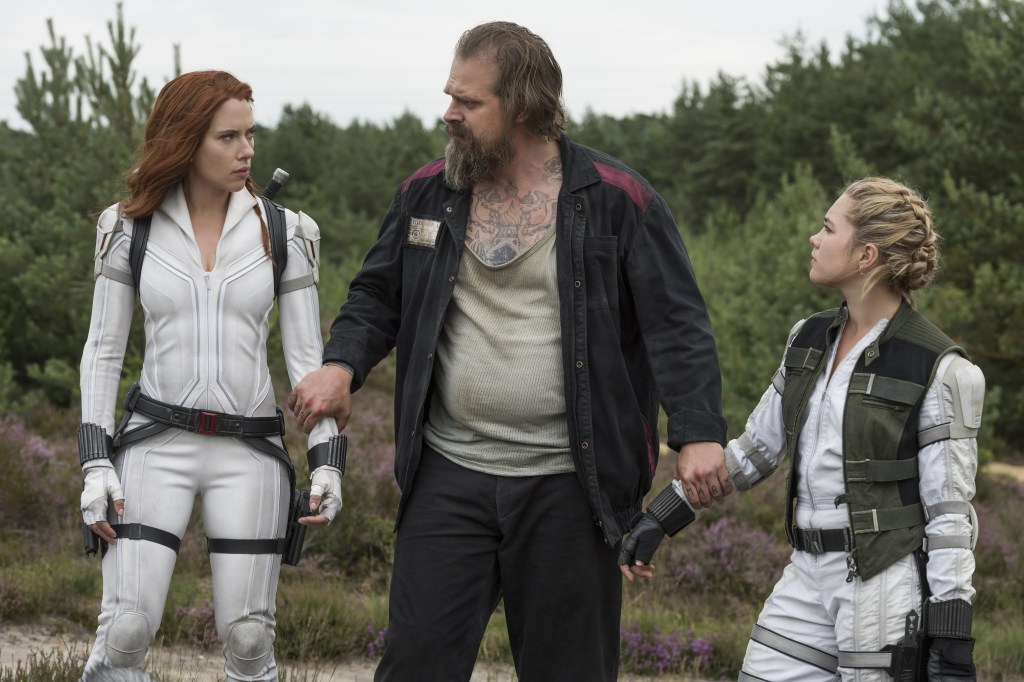

It’s Natasha’s family, from where the central cast springs, as she fights to reunite with her family during a turbulent time and take down an enemy that means to kill her. Yelena Belova (Florence Pugh), Alexei “Red Guardian” Shostakov (David Harbour), and Melina Vostokoff (Rachel Weisz) are her sister, father, and mother – a part of her past that she still clings to, even if she refuses to openly acknowledge it for much of the movie. The one most hurt by this is Yelena, who felt they were truly sisters. Natasha was old enough to truly grasp the situation that they were all in, despite both being little girls. This youthful innocence still bubbles to the surface for Yelena, even though she is an effective assassin and a force to be reckoned with. The reason behind this is why Taskmaster (Olga Kurylenko) is sent to dispatch Natasha, even if the former doesn’t know who her target is, and the latter is unaware of why she is even being targeted.
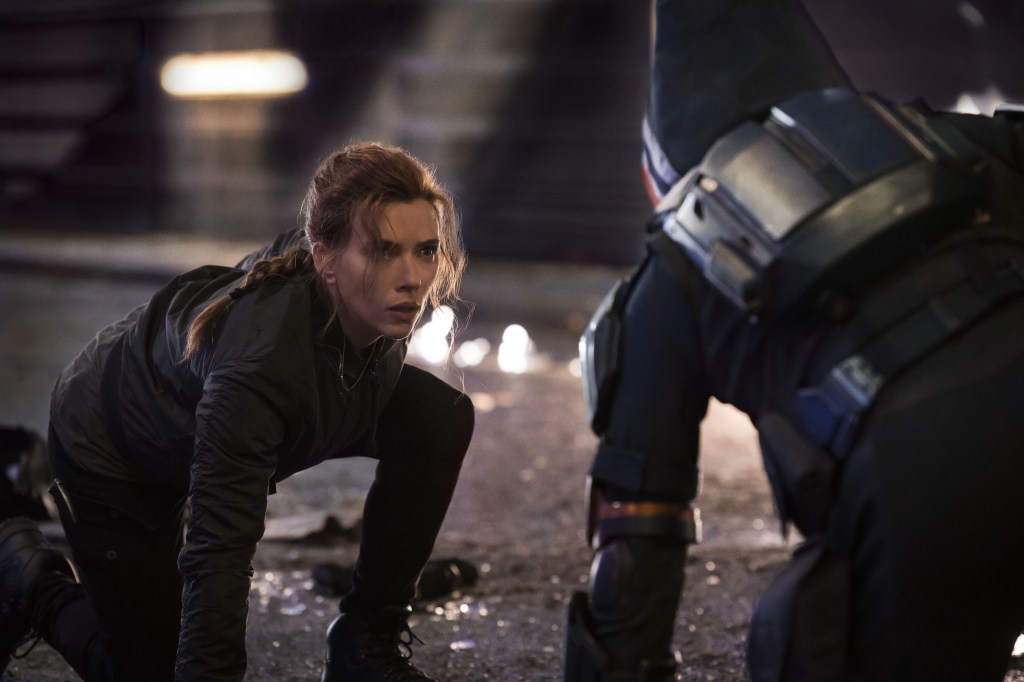
As a villain, Taskmaster is silent and efficient in executing her orders, and she parallels Black Widow. She acts as a cross between Natasha and Yelena – two Widows from very different generations. While in costume, Taskmaster is an unrelenting force, much like the Winter Soldier. If given an order, she will execute it near-flawlessly. Very few people could stand up against her in Black Widow. Dreykov, a seedy little man, is designed to send chills down one’s spine for other reasons.

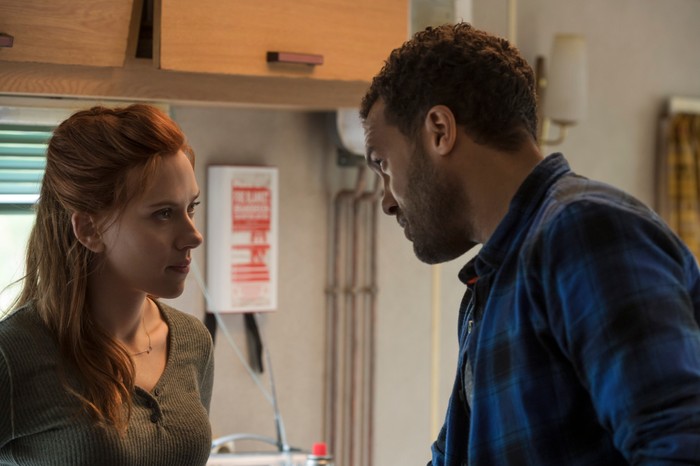
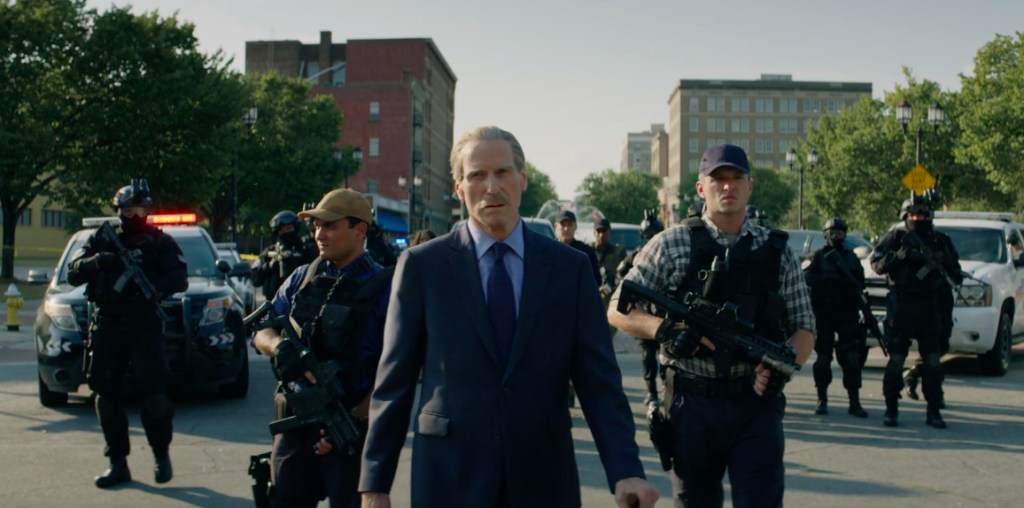
As mentioned previously, the information that Melina and Alexei secured from the North Institute allowed them to “perfect” their Widows. After accidentally coming into contact with an antidote for the mind control serum, Yelena sent the remaining antidotes to Natasha and the Avengers at a time that couldn’t have been worse if she had tried. With the team fractured, half of its members wanted as fugitives by the U.S. Secretary of State Thaddeus Ross (William Hurt), and Natasha on the run for her betrayal of the loyalist faction led by Tony Stark (Robert Downey Jr.), Yelena painted a clear target on Natasha’s back. This act prompts Natasha to abandon her ideals of hiding, even though her ally and friend Rick Mason (O-T Fagbenle) spent a good deal of time and money preparing an escape for her. The generator didn’t last a day, but he tried.

Natasha’s family and Rick Mason serve a dual purpose – filling out the supporting cast and Natasha’s backstory. While we know that SHIELD was a vast apparatus with a litany of agents and support members, they have always been filigree to the narrative. Only a handful of SHIELD or HYDRA members received a name or any kind of development in the films proper. Even Agents of SHIELD had to do away with its core concept when it was hastily dismantled in the MCU. Alexei and Melina, while not HYDRA agents, are Russian spies, and we see how far other governments were willing to go to combat the fictional government agency in the MCU. We also see Natasha’s history through their eyes, allowing her to show a side that she rarely displayed with the Avengers. We know that Natasha has a softer side; she shared it with each of the original Avengers, but she was always at a distance from most of them. It made her conflict in Captain America: Civil War rather more understandable. Rick Mason, whose romantic entanglements with Natasha were not focused on, shows that personal loyalties can transcend those of country or faction, which ties into who Natasha is.
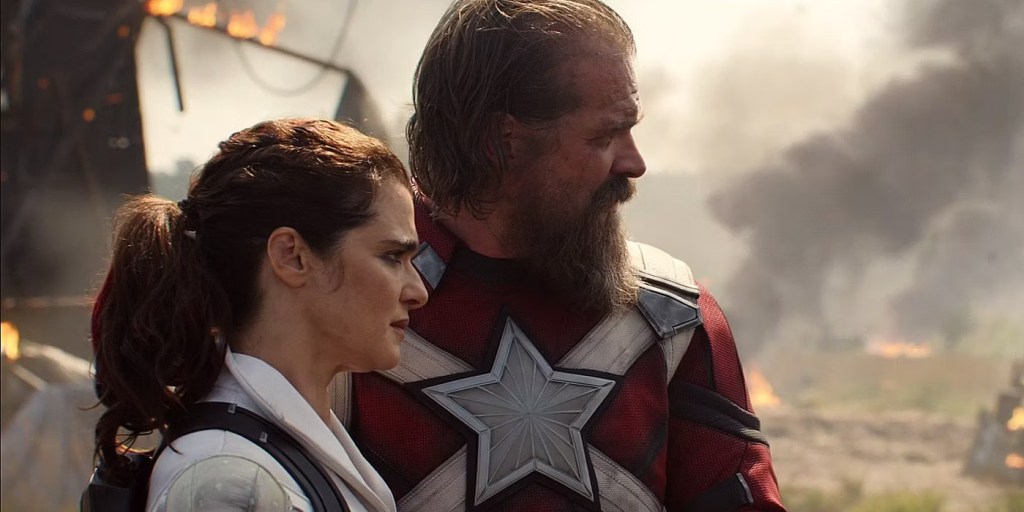
Her relationship with her “parents” is typical of a child-parent relationship, despite it being a farce to let them pass as a typical American family. Yelena says it best: ” It was real to me.” We watch as the two make a difficult choice: family or country.
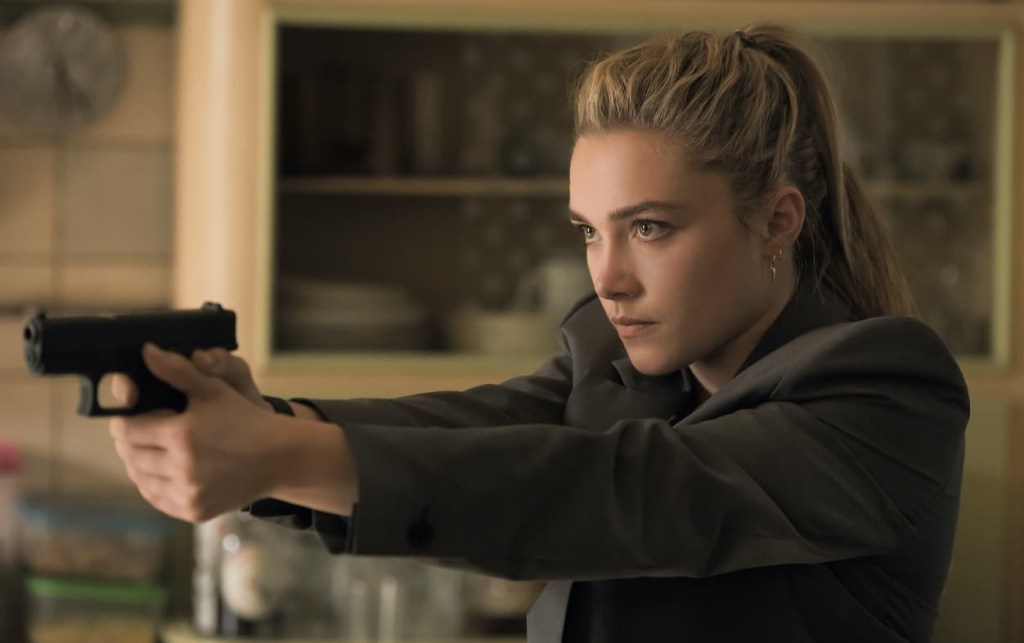
Yelena is truly the deuteragonist here, and her relationship with Natasha is front and center. From sibling rivalry, to deep sisterly affection, to a desire to fight for one another against all odds, their relationship was one of the best parts of Black Widow.

While his role is minimal compared to Alexei, Melina, and Yelena, Rick Mason is a critical player in the overall story. Without him, Natasha would have been on her own. He risked everything to help his old friend, and I hope to see him come back again and again.
In many ways, Black Widow harkens back to Captain America: The Winter Soldier. It was one of her most significant presences on screen at that point (equal to The Avengers), and it was a political conspiracy thriller alongside being a superhero film. The same holds true for Black Widow. With its focus on spies and espionage, a fugitive storyline filtering in through the cracks, and a journey to discover oneself, it has a similar blueprint to The Winter Soldier in all the right ways. Scarlett Johansson was able to dive deeply into Natasha Romanoff’s character and expand on her fun and witty yet sober and competent characteristics. She has been one of my favorites since she graced our screens in Iron Man 2, posing as Tony Stark’s secretary. She has danced through the films, an ever-present force we could count on. It’s why her death hit as hard as it did. Getting a taste of who she was during her life didn’t lessen the impact of her death; it strengthened it. We see more people who would be impacted by this painful news. In fact, it directly leads into Hawkeye, and one can assume Thunderbolts* in 2025.
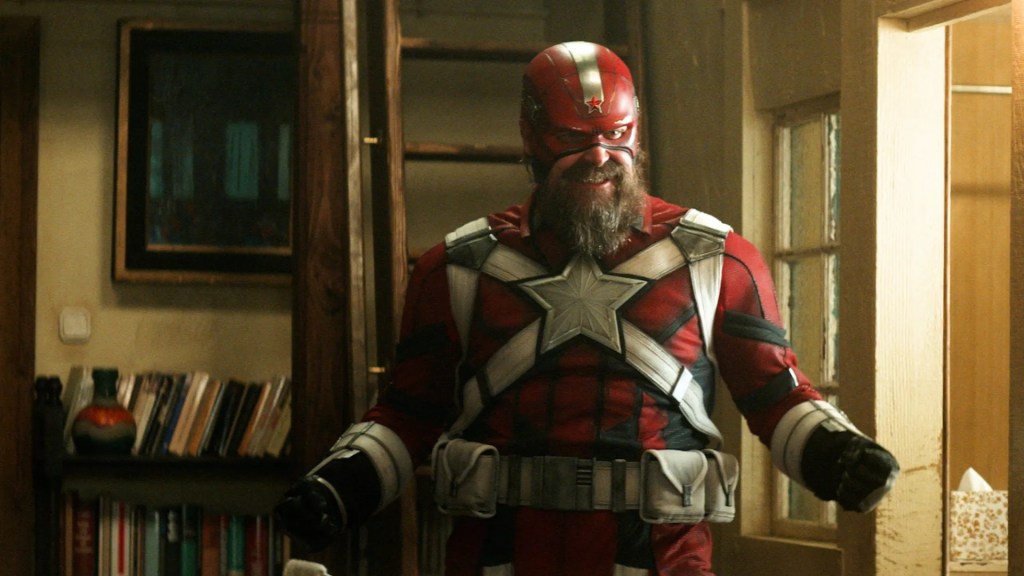
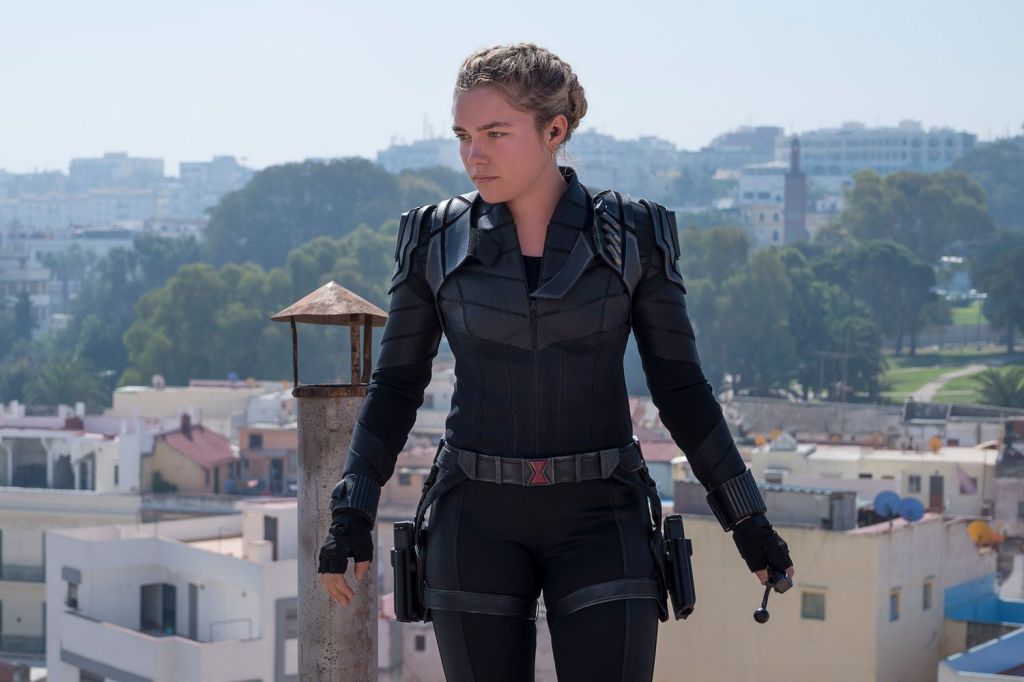
Excitingly, Black Widow was also used to set up other projects and their overarching storylines. While we can see how Hawkeye fared, we will soon see how Thunderbolts* handles expanding on Yelena Belova as the new Black Widow. That is if she takes the title for herself. With the Red Guardian also set to join the Thunderbolts team in its titular entry, one can see just how important the character of Thaddeus “Thunderbolt” Ross was to the upcoming plans. With William Hurt’s passing in 2022, the character was recast with Harrison Ford, who will make his first appearance in the preceding entry, Captain America: Brave New World. The casting has brought forth numerous questions regarding roles such as T’Challa and Kang, originated by the late Chadwick Boseman and Jonathan Majors, respectively. The circumstances of their departure are vastly different, but the importance of their characters cannot be stressed enough. With the recasting of James Rhodes back in 2010 being emulated with Thaddeus Ross, down to the kind of joke/commentary on the new look, it is not an easily ignored question. Obviously, Marvel and Disney have their own reasons for which characters should be reconsidered for recasting and which ones will be shelved, leading to the jumbling of projects and strategic alteration of planned plotlines, but I digress.
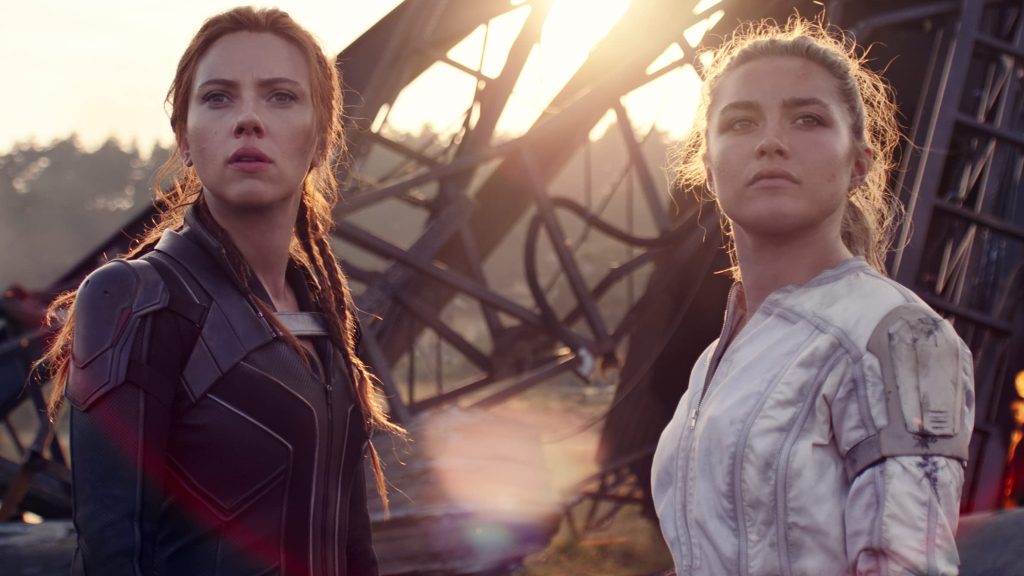

On its own merits, Black Widow is a phenomenal entry that set the stage for a brilliant future at a time when the landscape of the world was changing drastically. It laid the groundwork for multiple plotlines, served as a beautiful sendoff to one of its most beloved characters, and reminded audiences why the MCU has been a powerhouse for over 15 years. Whether Natasha will return is up for debate – numerous periods of her life could be covered in one form of media or another, chief among them her early days at SHIELD with Clint Barton (Jeremy Renner) – but we know that Black Widow will return. For she is undying.
 Lloydd Marshall Books