
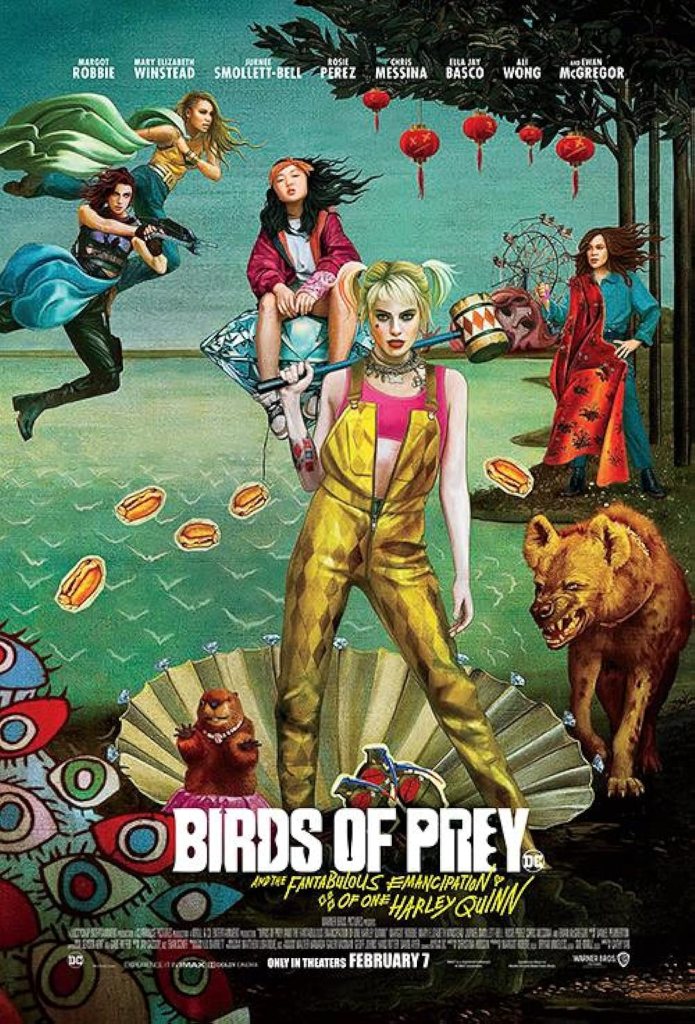
As 2020 began, we had no idea what was in store for us. This is especially true of Hollywood and its many interconnected aspects. Birds of Prey, a film centered on one of the most interesting groups of female heroes in DC’s pantheon, was released in the first week of February, only to have its theatrical run cut a month into its run as the United States entered its first lockdown. While the roller coaster of the DCEU cannot be ignored, Birds of Prey should not be misconstrued as a bad film.
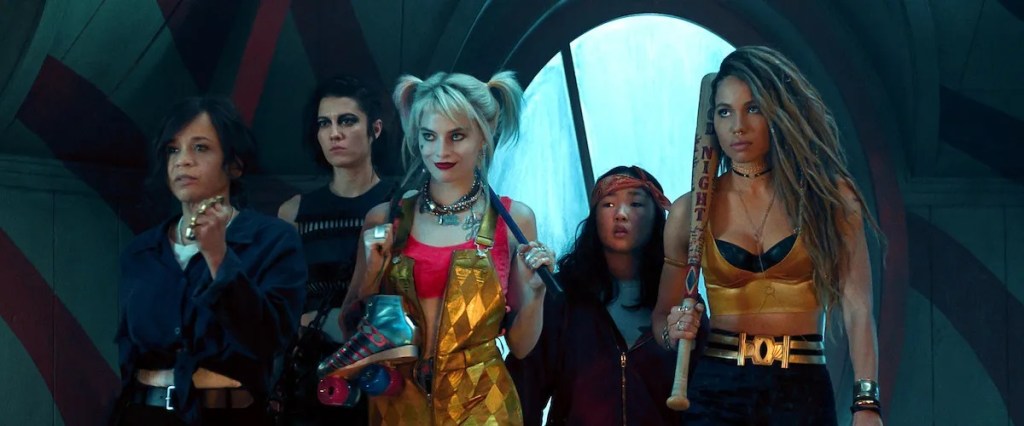
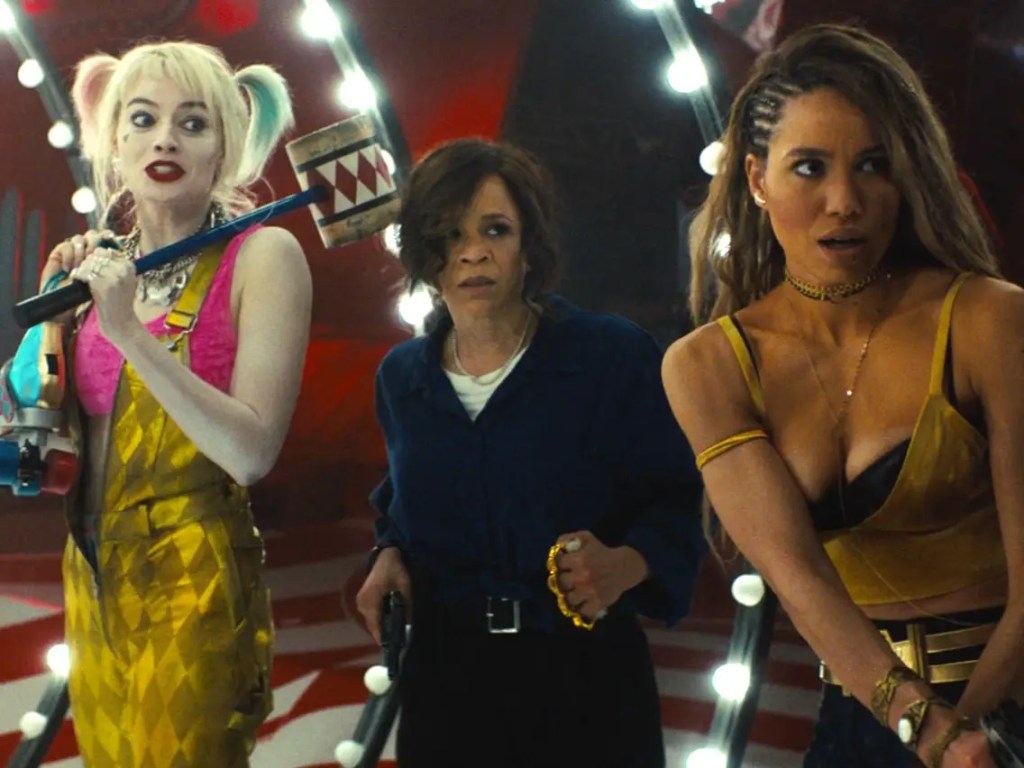
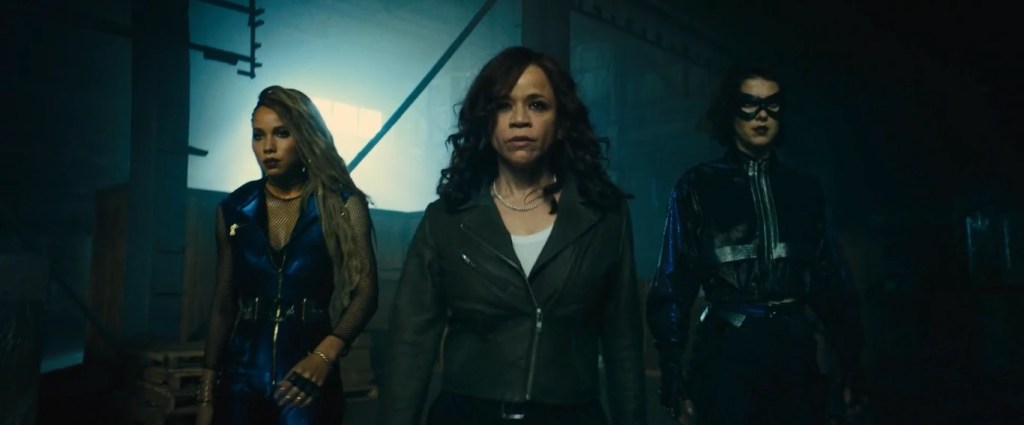
Originally titled Birds of Prey: and the Fantabulous Emancipation of One Harley Quinn and Harley Quinn: Birds of Prey did suffer from something of an identity crisis. From a marketing perspective, it’s unclear what the film should focus on. For one, we can thank Margot Robbie, who produced and starred in the movie as the titular Harley Quinn, for even making the film. It’s become commonplace, unfortunately, for women and actors of color to rely on their own production houses to create opportunities for themselves and others like them. Margot Robbie was known to be incredibly protective of the character and sought to increase her presence in the DCEU, but not at the expense of other, more varied stories. The Birds of Prey team has featured several characters throughout its existence. The production team behind this film saw fit to center it on Cassandra Cain, Dinah Lance, and Helena Bertinelli, otherwise known as Batgirl, Black Canary, and Huntress, and Police Detective Renee Montoya. As a group, it is notable for being one of the few teams to feature an entirely female ensemble, a rarity in and of itself. Each of them is an integral aspect of the film, focusing on their formation as a team.
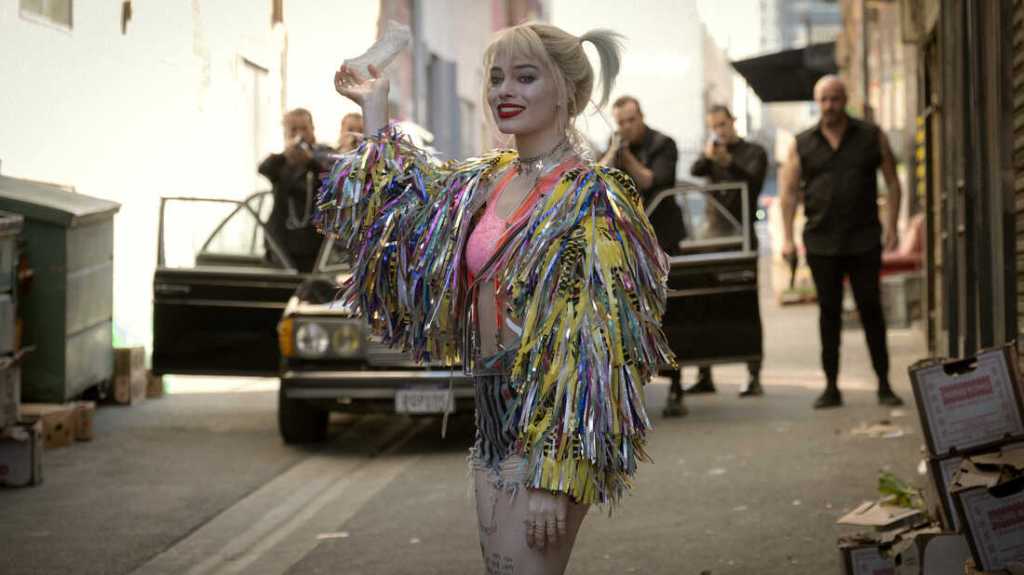
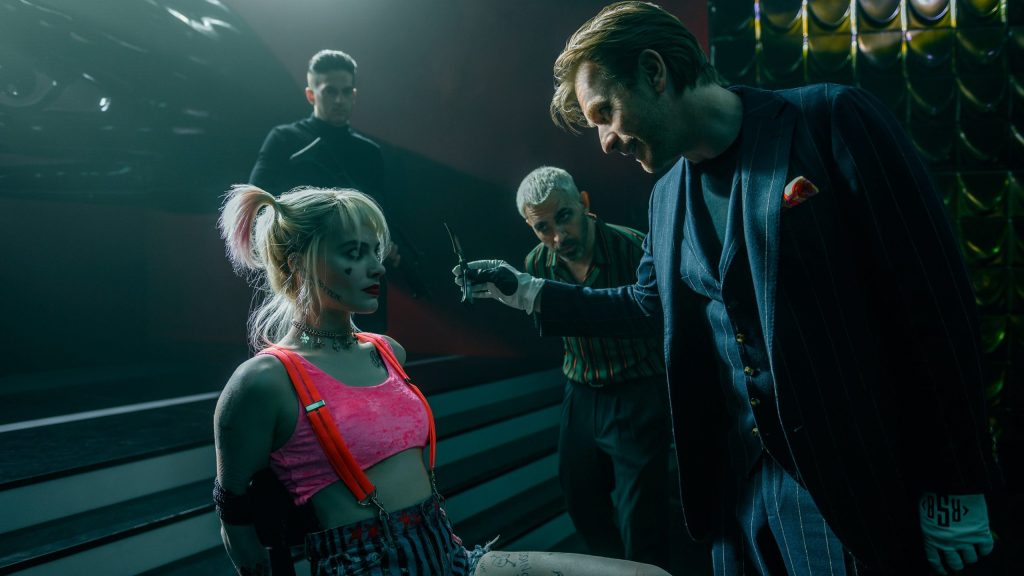
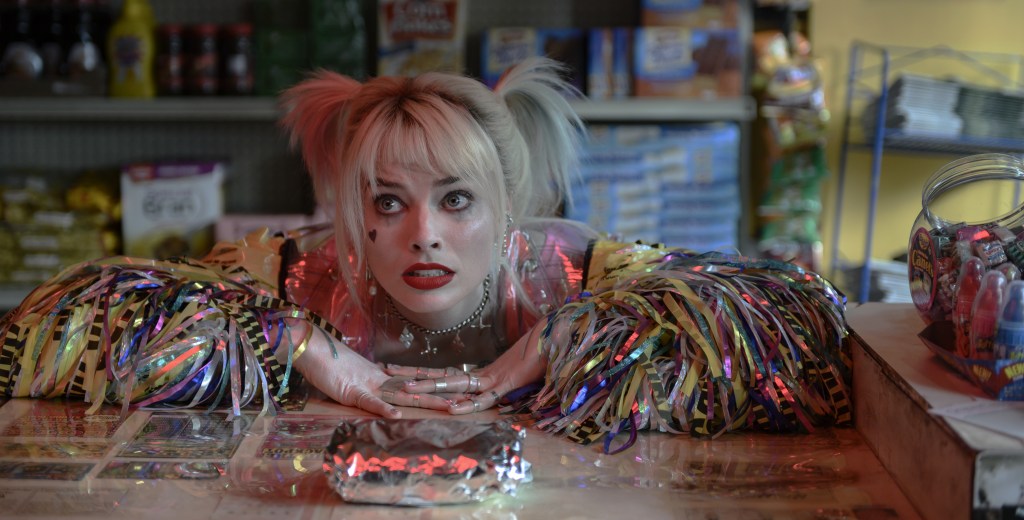
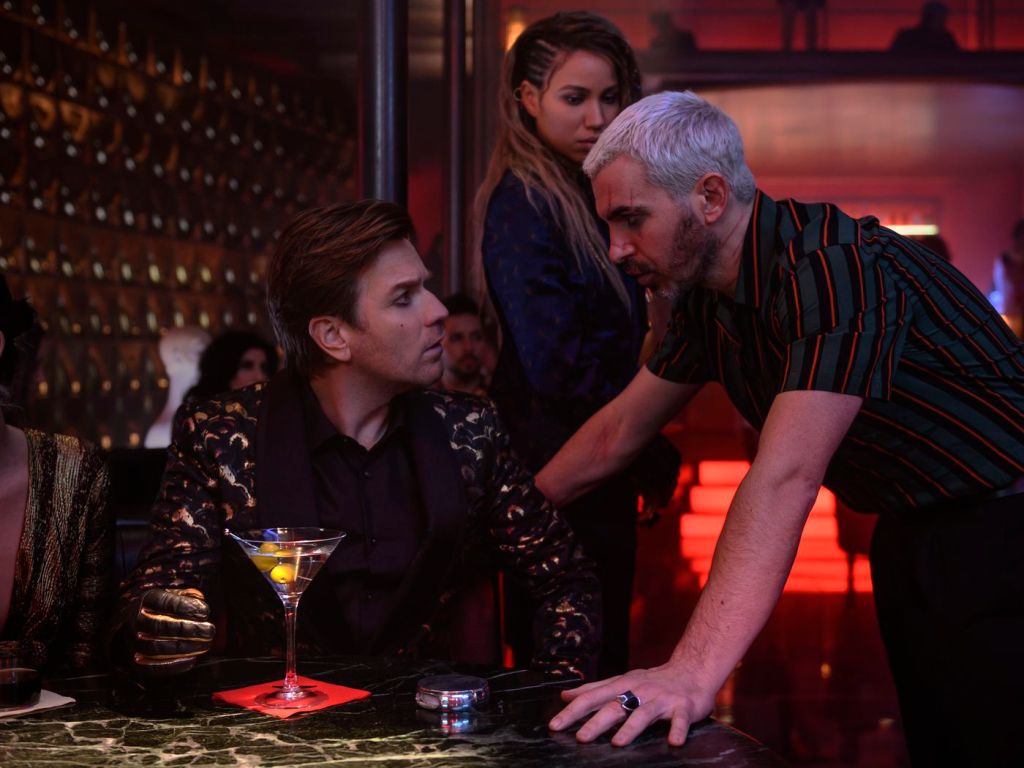
Taking place in the aftermath of the Enchantress incident in Suicide Squad, Harley Quinn has been dumped by the Joker, and rumors are already swirling around Gotham that this time it’s for real. Without the Joker’s backing, it’s open season on Harley Quinn for every grievance that she has caused. Beforehand, nobody would dare to go after “the Joker’s girlfriend” for fear of what he might do to them. This leaves Harley to strike it out on her own. This ultimately results in Roman Sionis (Ewan McGregor), also known as Black Mask, and his hitman/lover Victor Zsasz (Chris Messina), capturing Harley and blackmailing her into stealing a diamond back for them.
The four leading women slowly begin to interconnect in the film’s first half as their plot lines draw them into conflict with Roman Sionis. Cass (Ella Jay Basco) is the one who stole the diamond from Victor Zsasz, pickpocketing it off him while on a spree, only to end up arrested. She swallows the diamond, ensuring it’s not one of the items recovered by the police. Still, her theft is quickly noted, and a hit is placed on her. Dinah (Jurnee Smollett-Bell) works as a singer in the club Sionis owns. She knows Harley well enough to keep somebody from killing her. She is also the daughter of the original Black Canary and has inherited her mother’s hypersonic scream-based meta-ability. Next is Helena (Mary Elizabeth Winstead), the orphaned daughter of a Gotham-based gangster, on a revenge-filled mission to take down everybody who had a hand in her family’s annihilation during her youth. This dovetails into the final member, Detective Montoya (Rozie Perez), who has been investigating a slew of crossbow-based homicides courtesy of the Huntress. Renee Montoya has also been slowly building a case against Roman Sionis.
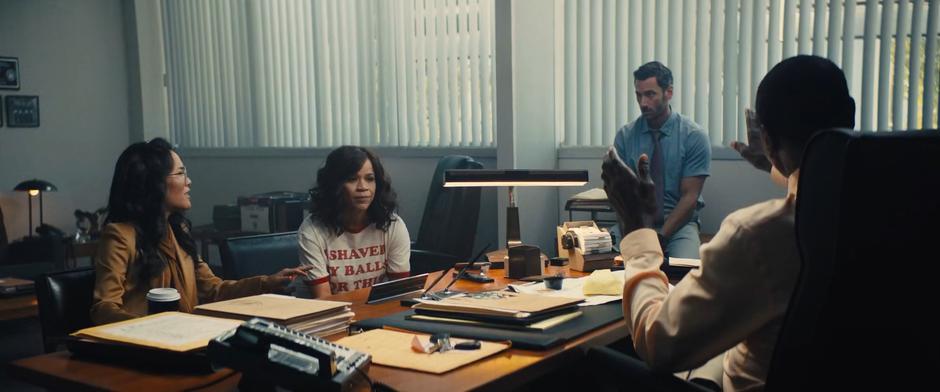
The diamond, your typical McGuffin, is meant to be retrieved by Zsasz and Dinah, the latter of whom has refused to be an informant for Renee against Sionis. As the story unfolds, Roman Sionis takes center stage as the villain. This hilariously low-level threat would effortlessly be handled by Batman, but who knows where he is right now. Sionis presents himself as a threat, though, for many reasons. Cassandra Cain is a child nowhere near attaining her identity as a Batgirl. Dinah has no desire to use her powers because they remind her of her mother and are incredibly dangerous. Helena is consumed with rage, grief, and thoughts of revenge, making it harder for her to commit to the team if it might get in her way. As factions are formed and Cassandra Cain’s safety is questioned, the film becomes a roller coaster (in the best way). A hilarious riot that takes the best aspects of Suicide Squad and magnifies them.


Each team member is given varying levels of focus, an easier task than in Suicide Squad and Justice League, which had to formally introduce essentially every member of their teams in those films, but it still can’t balance them all equally. With Harley Quinn previously introduced, Birds of Prey seeks to lay the groundwork for the four other lead characters. Their backstories are touched on, with Helena Bertinelli even having a flashback to her youth to better drive home the importance of her character and her desire for revenge. Dinah’s issues with the police and how they chose not to help when her mother was murdered add tension to her potential working relationship with Renee. For Renee’s part, she is struggling like most police officers in Gotham – to call it the most corrupt institution in Gotham would understate the level of corruption in Gotham. She is also having issues in her relationship with Ellen Yee (Ali Wong), Gotham City’s district attorney.

The downside of this film being a vehicle for Harley Quinn versus the Birds of Prey, who don’t even form a team until the film’s climax, is that Huntress’ role is diminished. This stems from her being focused on revenge and thus not genuinely connected to the plot surrounding Cassandra Cain.
Her hunt for Roman Sionis and Victor Zsasz doesn’t bring her into their orbit directly until the final act. Before then, Huntress appears sporadically while making her attempts on those involved in the deaths of her family. Obviously, this movie wasn’t going to be made with Margot Robbie. As one of the most successful characters launched from Suicide Squad, it is not entirely surprising that she would be the central focus. It becomes apparent that the Birds of Prey is an afterthought to the storyline. Included to make this not a Harley Quinn movie. But this is clearly a Harley Quinn movie disguised as a team-up. Which it features, but that isn’t what the movie is. Three title changes make it much more evident.
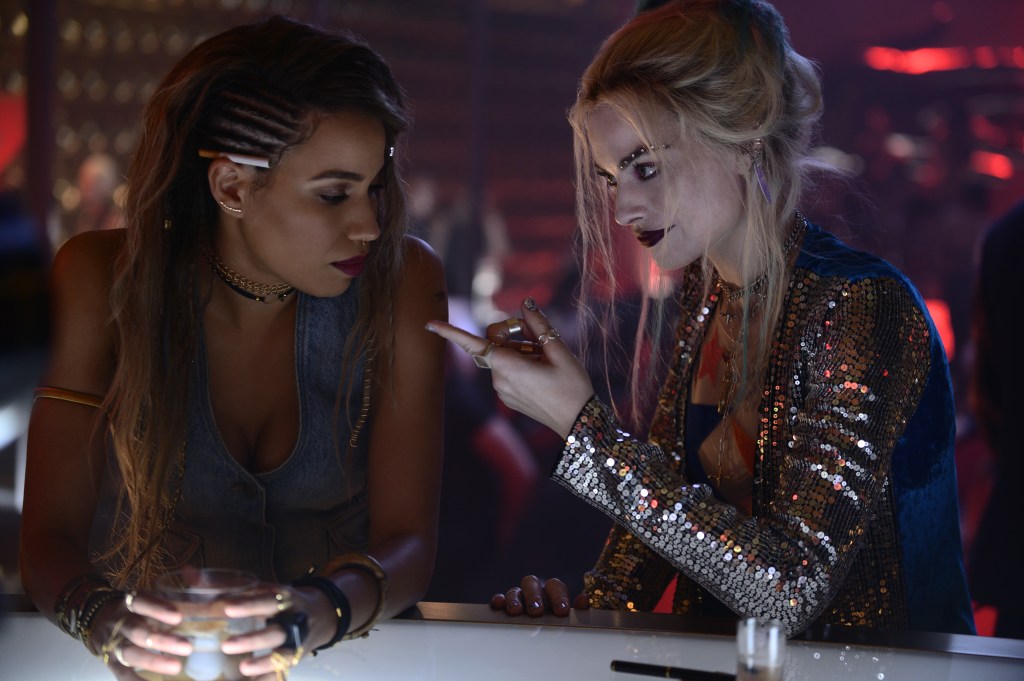
This does not diminish the character building between the various characters; in fact, Dinah and Harley have a fun and cathartic arc as the latter seeks to pull herself out of a state akin to depression.
Since her mother’s death, Dinah has essentially ceded control of her life and refused to use her power. She and Harley’s preexisting relationship and her own personal feelings make it easier for Dinah to betray Roman Sionis in favor of Cassandra Cain and Harley Quinn.
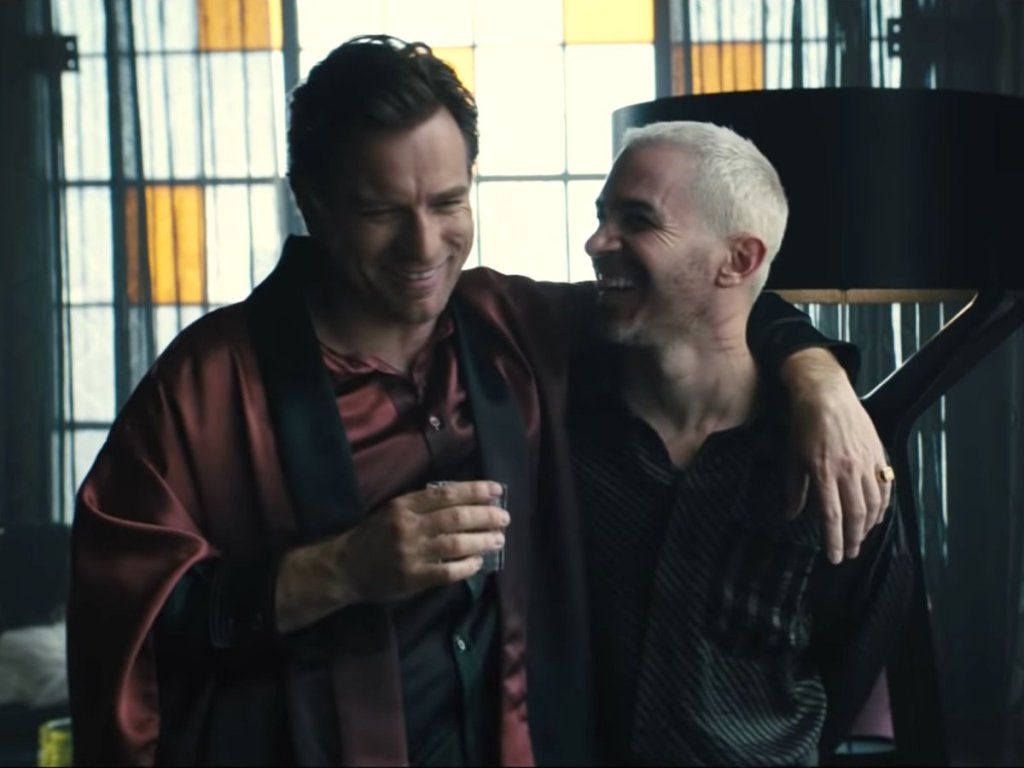
As villains, I mentioned earlier that Victor Zsasz was Roman’s hitman/lover because the film does not detail the pair’s relationship. The implications are all there, but the implication is barely enough for me. The film frames certain aspects of the characters in a way that makes it possible that they were explicitly lovers in a version of this film. Victor seems to seethe with jealousy when Roman shows any interest in anybody, whether a woman or a man. Roman’s interest in women’s “pretty faces” seems predicated on the desire to destroy that beauty, considering his psychopathic predilections. As villains, I also mention how hilarious it is. I use that term because it is hilarious – they are such low-level threats that once the five main characters put in a breath of effort, he is easily countered and defeated.
Still, Birds of Prey is not a bad movie. It bears repeating that it is a solid fil. It was solidly received by critics and audiences, who most generally agree that the pandemic was its death blow. This may have killed its theatrical box office efforts, but that was the same for many films in 2020.
Birds of Prey relies heavily on comedy, but this did not stop it from featuring the typical elements expected of a comic book movie. Over-the-top action sequences with elaborately choreographed fight scenes filled the running time. They built off of threads formed in previous entries. One of the best sequences in the entire film is when Dinah Lance uses her hypersonic scream. It happens one time, but damn if it wasn’t worth the wait.
The Suicide Squad, a standalone sequel to Suicide Squad and helmed by future DCU film’s head James Gunn, brought Harley Quinn back a little over a year later, making it clear that she was still at the forefront of the DCEU. With the franchise staked and rotting, though, Harley Quinn may be one of the only aspects of the DCEU that will be remembered fondly.
 Lloydd Marshall Books