
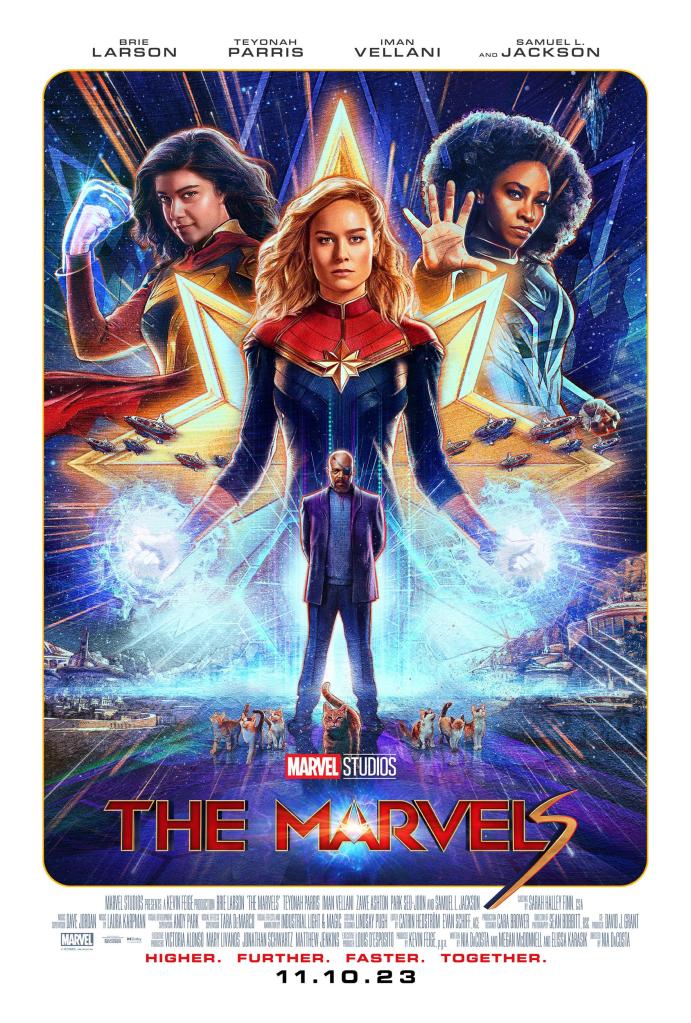
As the MCU begins to look beyond merely the Avengers and takes a dip into the cosmos, they have paved the way for various new heroes and stars. The Marvels brings together three of its most innovative characters from its comics mythos, who they have slowly introduced over the past five years, in a climactic crossover film.
Carol Danvers (Brie Larson), Monica Rambeau (Teyonah Parris), and Kamala Khan (Iman Vellani) – better known as Captain Marvel, Photon, and Ms. Marvel, take center stage here as The Marvels weaves their storylines together.
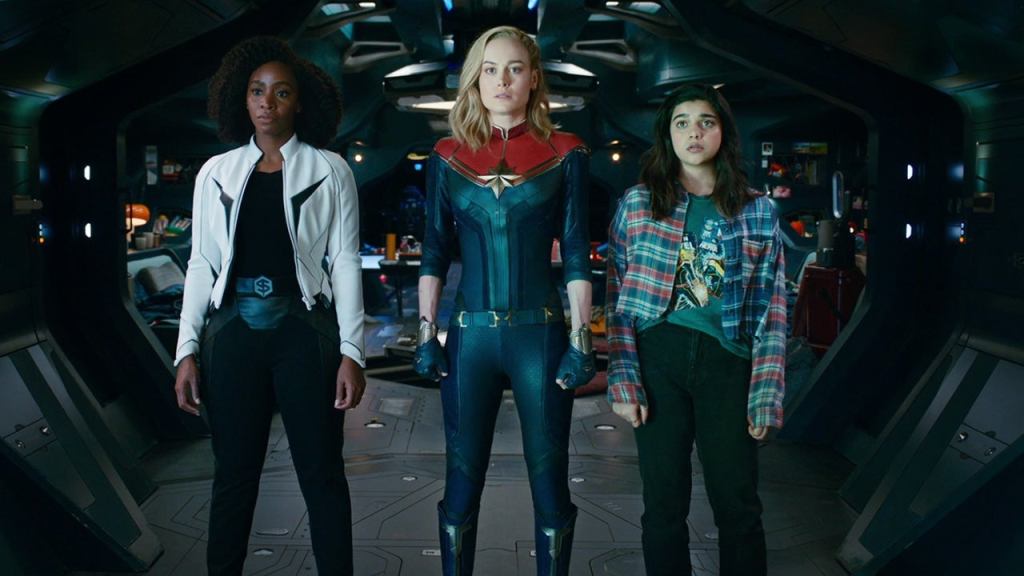
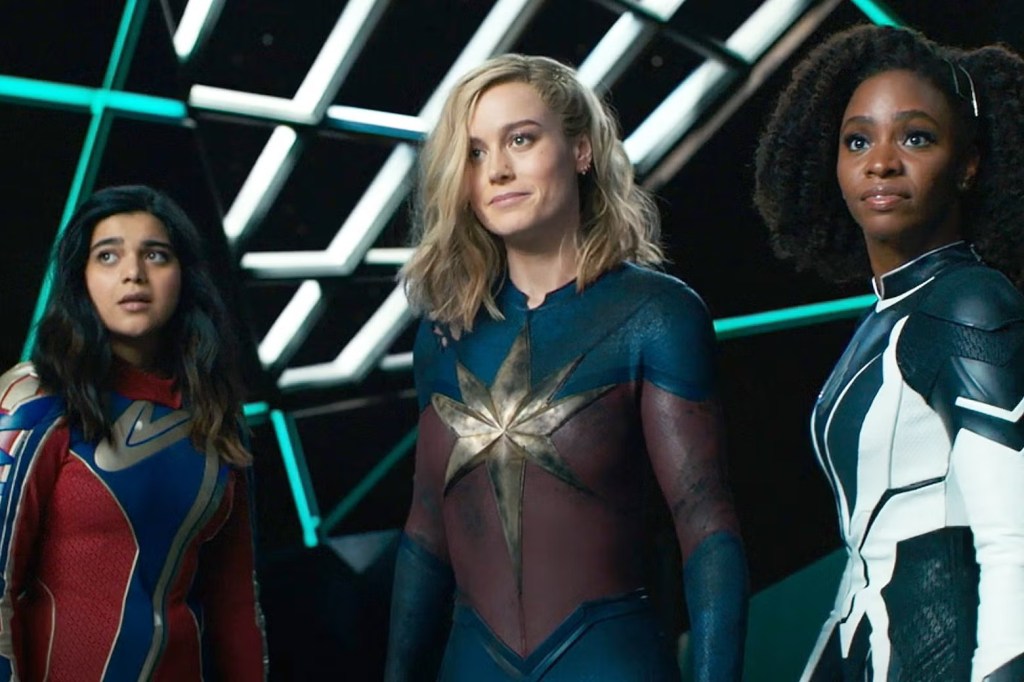
I only use the moniker Photon because it is, until recently, one of her most notable aliases. In reality, she is the current Captain Marvel in Marvel Comics, but I digress. The Marvels takes place over a handful of days and covers a lot of ground. With over three decades to fill in the blanks, The Marvels has to pull together the disparate threads of Carol’s life since she departed Earth at the end of her introductory film. While breadcrumbs are dropped about her life during the Blip, of which we know Monica was a victim, we see that she finally made her way back to Earth to visit her friend Maria Rambeau (Lashana Lynch), then dying from cancer; this is mere moments of her life. Part of the major mystery throughout The Marvels is why the Kree view Carol as the Annihilator. The truth of the situation sets the stage for a more human woman than the all-powerful Goddess she has been reborn into.
The crux of The Marvels is the continuing conflict between the Skrulls and the Kree, the former of which have retreated to a new home world as refugees. Some details are worked out in Secret Invasion, which saw or confirmed the deaths of several influential characters from Captain Marvel. Why these events were not directly addressed screams of major rewrites but could tie more closely to the COVID-19 pandemic having forced Disney’s hand to rearrange pieces of Phases 4 and 5. Not mentioning them frees audiences from having to rely on other material to enjoy the main story being presented to them. If you have seen them, it paints certain events in a very different light.
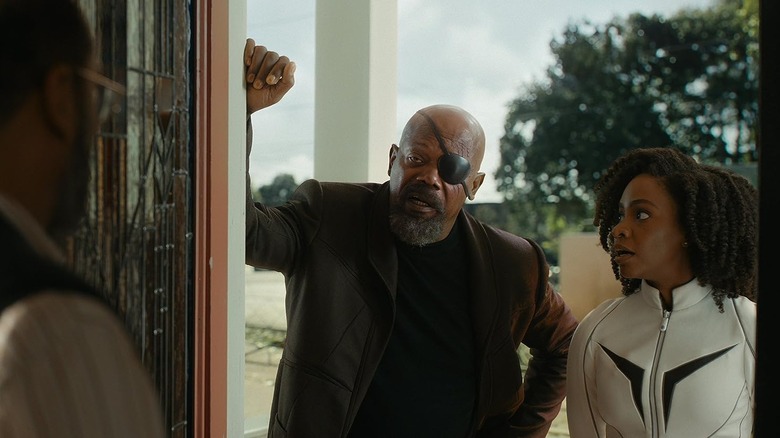
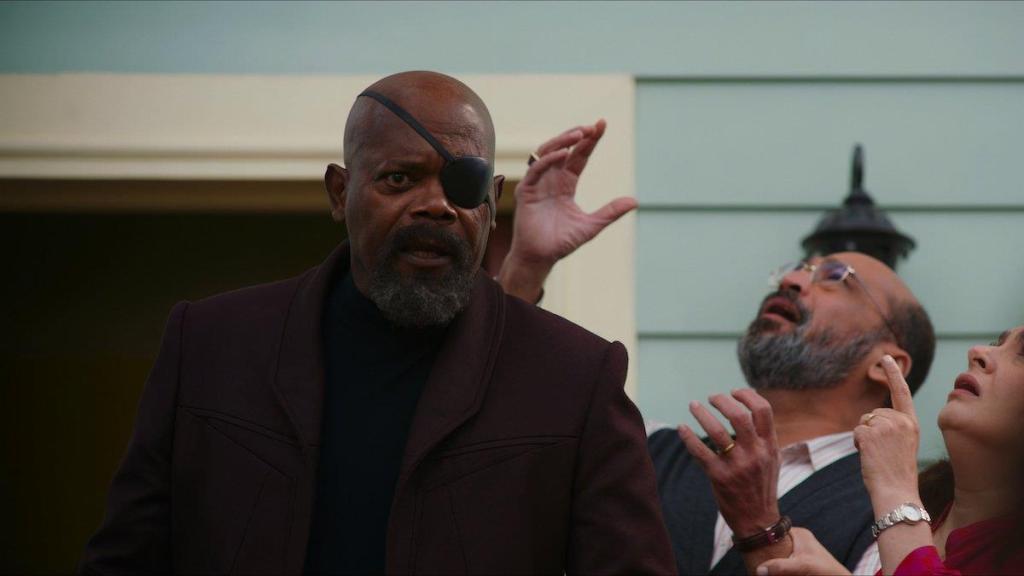
One of the most important characters to return is Nick Fury (Samuel L. Jackson). Fresh off of Secret Invasion, Nick Fury is back at SABER, where he, Monica, and a slew of Skrulls and humanity’s best oversee Earth’s defense from potential threats. We witnessed Monica receiving an offer to join at the end of WandaVision, allowing her to finally realize her dream of going to space. As director of SABER, Nick Fury has effectively retreated from Earth to focus on other endeavors. All of the reasons for this are, of course, laid out methodically in his show. While he is one of the major players in the film, he still hangs out in the background. At the same time, the titular marvels contend that their powers are being entangled due to the efforts of Dar-Benn (Zawe Ashton).
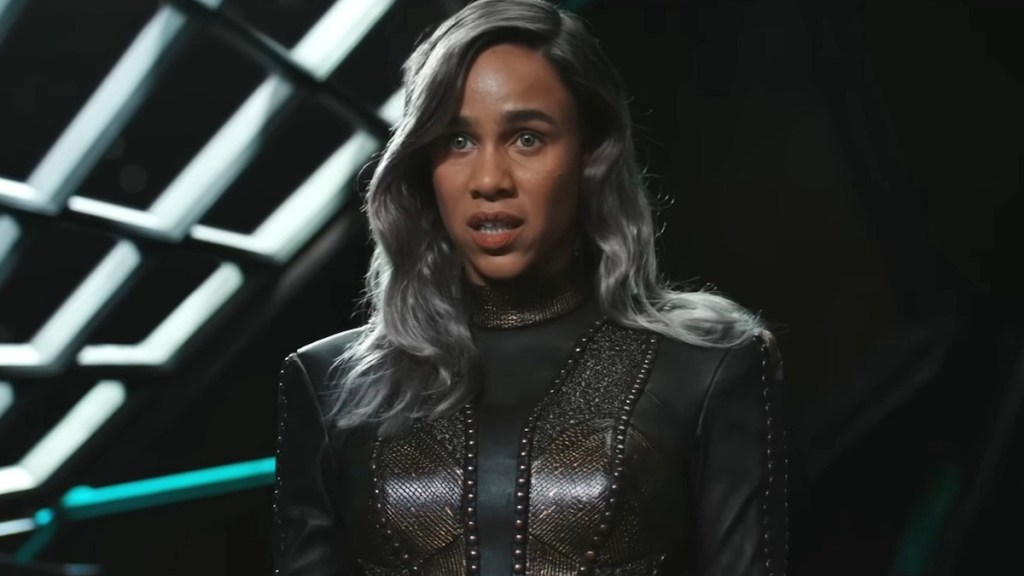
Dar-Benn is the final most crucial character in The Marvels. The Supremor for the remnants of the Kree Empire, she is dedicated to revitalizing Hala after the machinations of Captain Marvel left it in dire straits. It is her guilt for her part in Hala’s slow decline that Carol has refused to return to Earth, save for particular circumstances. While she ultimately defeats the Supreme Intelligence, Hala has become a poisonous hellscape, and Dar-Benn is determined to get revenge on Carol while saving Hala.
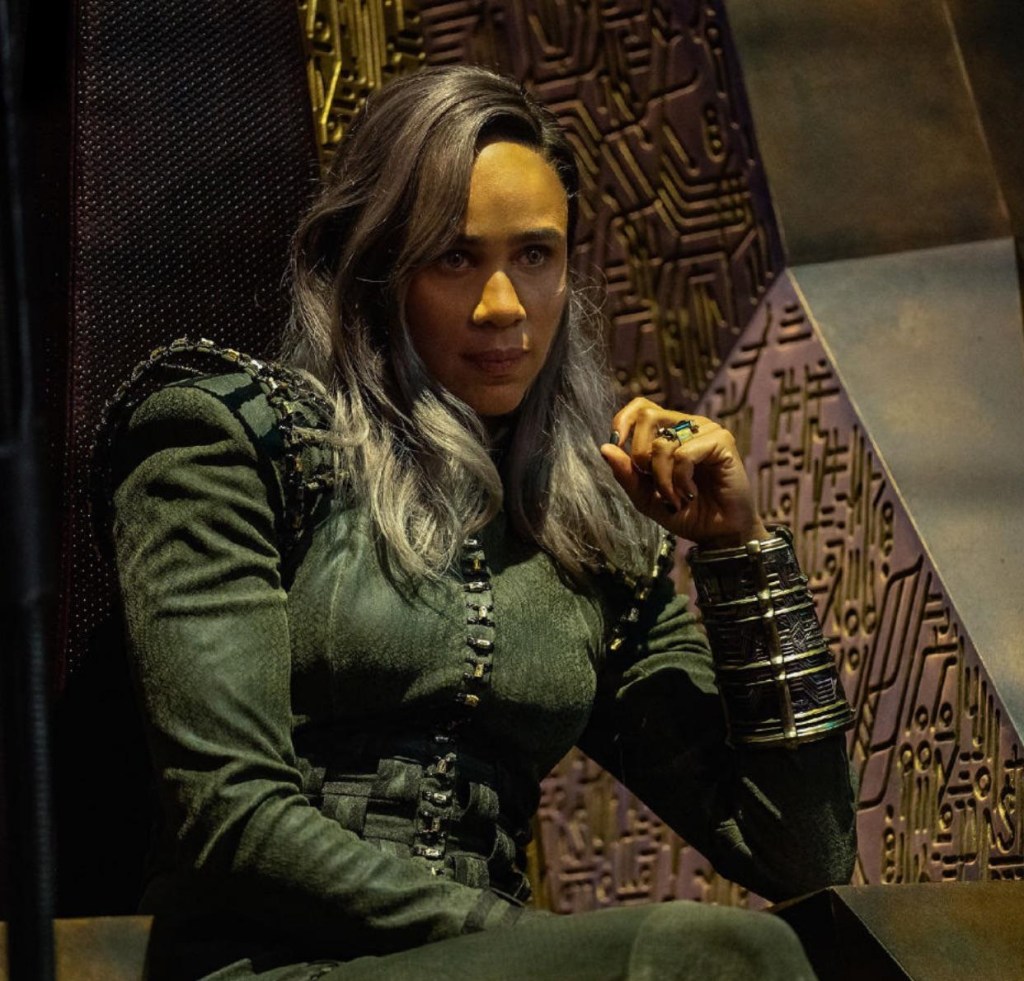
As an antagonist, Dar-Benn is compelling for three reasons. Firstly, there is her justifiable rage and grievance towards Carol Danvers. It is Carol’s actions that led to Hala’s downfall, despite their actions having led to Carol’s retaliation. Secondly, she is dedicated to her mission beyond everything else.
We see this most clearly in her refusal to cede any ground to the Skrulls, whom she views as less than vermin for their part in the Kree’s defeat. During her hunt for the bangles, she already had a backup plan to jumpstart her plans with the Universal Weapon, once belonging to Ronan the Accuser (Lee Pace). Finally, we have her unfailing ego. Let’s be clear: every villain the MCU has produced is some kind of egomaniac. Still, it takes a special kind of ego to think you have the power to confront one empowered by an Infinity Stone with the same weapon the last guy didn’t even think to use before fleeing the sector. The ability to absorb Carol’s power was unseen before, proving that Ronan could have faced her on somewhat even ground if he had been willing to. Dar-Benn, for her part, is unrelenting. I only wish we had had more time to get to know her.

Kamala’s family, Muneeba (Zenobia Shroff), Yusuf (Mohan Kapur), and Aamir (Saagar Shaikh), return from Ms. Marvel, filling out a part of Kamala’s subplot. Their safety is paramount to Kamala, which is why she endeavors to join her hero, Captain Marvel, even without figuring out how to fix their entangled powers. Like Nick Fury, the three provide much comedic relief in the background.


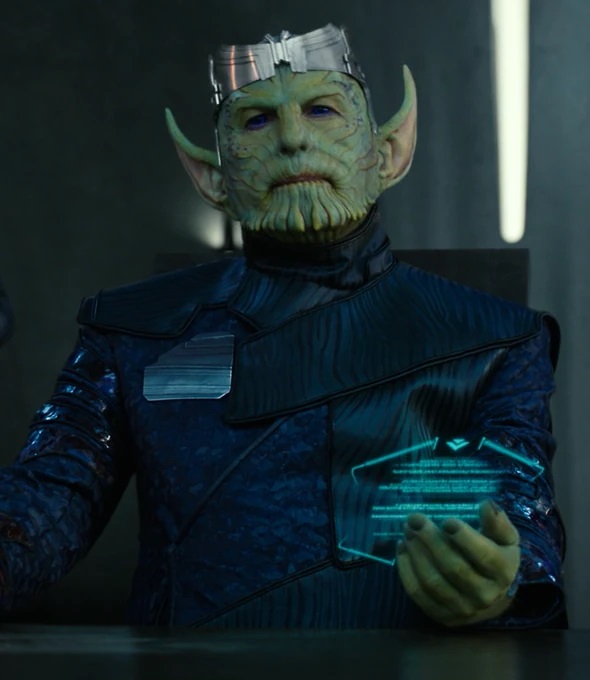
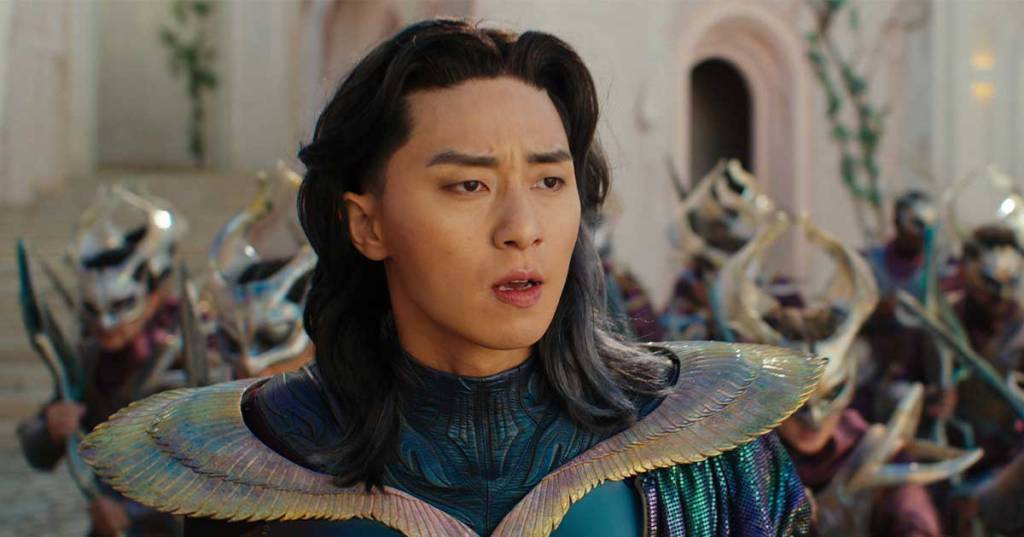
Two other characters fill out the supporting cast. While they feel as if they should be important players, their roles are anything but substantive. Emperor Dro’ge (Gary Lewis) and Prince Yan (Park Seo-joon), the leader of the Skrull refugee and Carol’s legal husband, are introduced quickly. While both survive their encounters with Dar-Benn, their storylines are cut short by the need to drive towards the film’s climax. On the other hand, Valkyrie (Tessa Thompson) and Kate Bishop (Hailee Steinfeld) reprise their roles in cameos to tether this film even more closely to the broader MCU, as has become customary in recent years.
As major characters, the titular marvels do take center stage. This story is about developing their relationships and their place in the greater MCU.

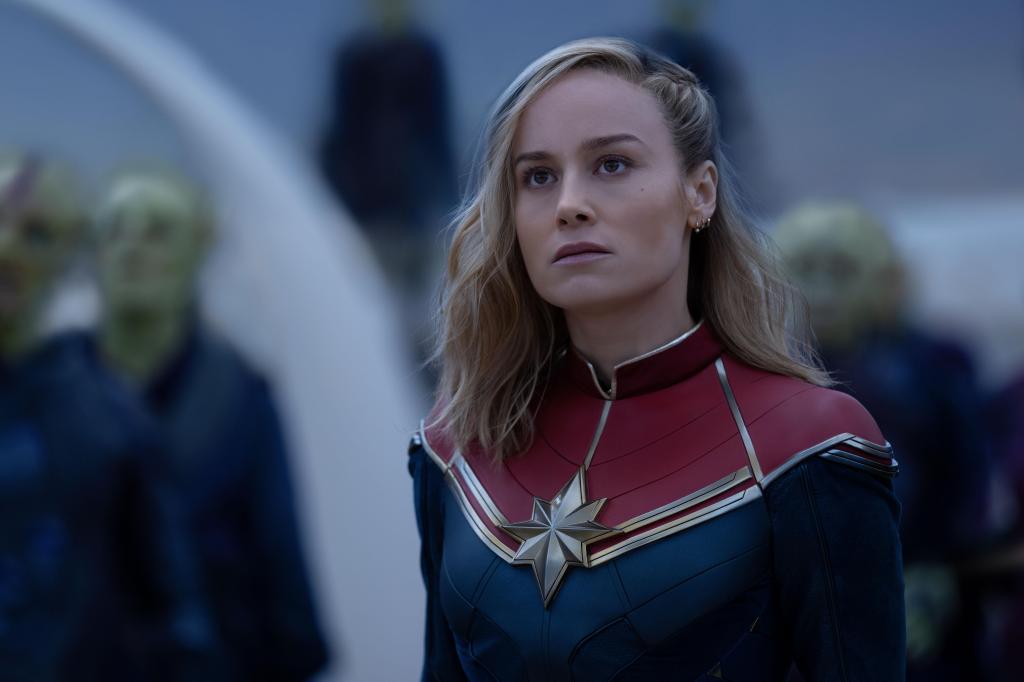
Carol Danvers is still struggling to remember her past despite decades having gone by since she learned she was being manipulated by the Kree. While She has made some strides in this regard, the bulk of her memory is still lost.
How this impacts her personality and sense of morality, especially as they pertain to her godlike powers, is at the core of her guilt for her previous actions.
Monica still needs to work through her feelings about what she has lost, such as the time that was stolen from her with her mother during the blip. Her life has changed dramatically since gaining powers, which could put her in a position to fully understand her aunt Carol.
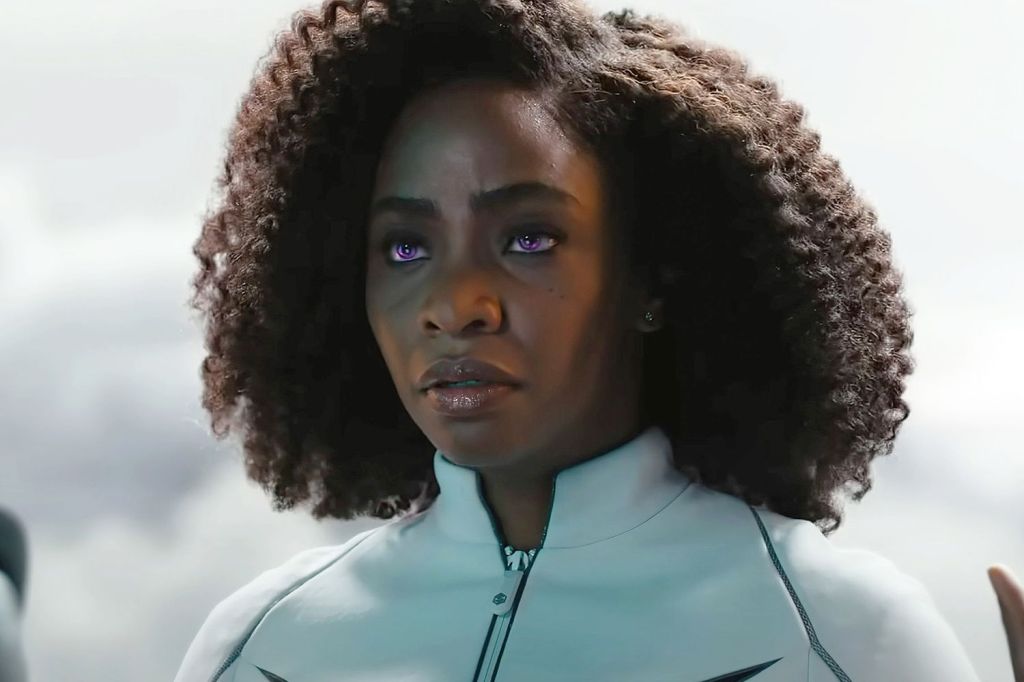
It’s this distance that the pair must bridge while acting as a mentor and a role model to Kamala. Monica, though, is one of the most interesting characters in The Marvels. She also presents herself as a literary bridge between Captain Marvel and Kamala. Like Kamala, she idolized Carol in her youth, and much like Kamala in the movie, she must learn that Carol is still only human.
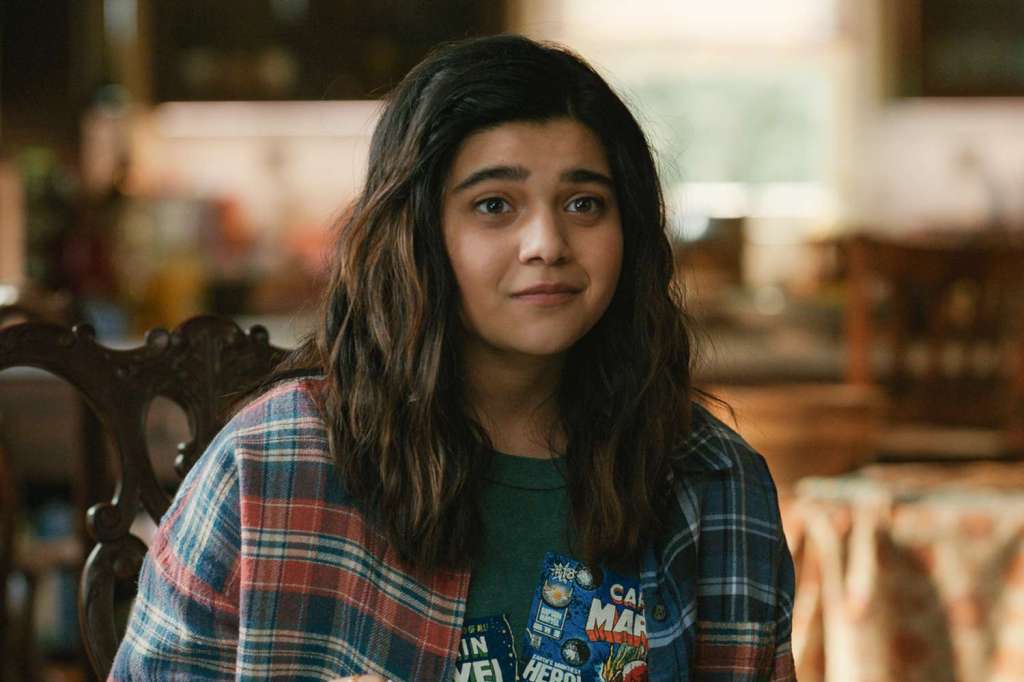
As the final and youngest member, Kamala views the world of superheroes through a very optimistic lens, despite her clash with the Department of Damage Control in her titular show.
As the final and youngest member, Kamala views the world of superheroes through a very optimistic lens, despite her clash with the Department of Damage Control in her titular show. She is still a child, thrust into a role of great importance because of her abilities and the bangle her family has made it their mission to protect.
Thus far, it is the only box office bomb of the MCU, yet it is also one of their best films to date. That is not to say that it is a perfect film. We know that The Marvels was one of the MCU films hit with major changes from conception to completion. At a little over 13 minutes worth of credits, this is, at best, a 90-minute film. In other words, it’s three episodes out of a six-episode Disney+ show, which tends to clock in around 30 to 50 minutes a pop. Whether that includes the commercials can increase the running time. Many films can make a case for a good, cohesive story in 90 minutes or less. An MCU film is not among them.
This is the biggest flaw of The Marvels. It has a vast, interconnected story to tell for three significant characters, and it hits the marks in many areas but falls flat in so many others. Unlike the last Fantastic Four film to hit the silver screen, we don’t waste over an hour before the team is formed and the powers are granted, but that was one of the least of its problems. We have come to find that these kinds of movies benefit immensely from longer runtimes. The story can breathe, and the smaller, more intimate moments can impact us between the larger action set pieces. While all three leads had been introduced before, with Monica debuting in Captain Marvel as a child and reintroduced as an adult in WandaVision and Kamala having her own series to showcase her life and origin story, their most recent adventures were just that. Recent. There is a massive chunk of Carol Danvers’ story that is left to the imagination because we haven’t seen it, we’ve barely heard about it, and it feels pretty darn important to who she is as a character today.

Do not mistake my criticism for dislike. I have found The Marvels one of the most enjoyable entries in the MCU to date. I love the comedic elements balanced against one of the darker storylines they have covered. It is essential to acknowledge the setbacks of making such a vast interconnected series that takes years to produce and is prone to being derailed by the real world. While we are seeing Disney and Marvel take bigger and bigger strides to course correct, perhaps they are getting lost in the weeds with their unwillingness to focus on “the in-betweens.” Each film covers a handful of days outside of prologues that set the stage for the main storyline and fill in the blanks of periods that we were otherwise unaware of or required new context to make sense. Shang-Chi and the Legend of the Ten Rings and The Eternals had the backbreaking job of recontextualizing significant portions of the MCU. The former had to reintroduce a character concept they debuted in Iron Man 3 in 2013, setting the stage for a major antagonist. The latter had the dubious honor of tracing the historical existence of a group of immortal beings across thousands of years and then explaining why they were not present for such catastrophic events as Loki’s invasion of Earth or Thanos’ hunt for the Infinity Stones despite both being antithesis to their primary mission.
Do you want to know what those films had in common other than this? Longer runtimes – two hours and two and a half hours, counting credits, but still. Their grand concepts and historical reworking of established facts and plot points worked well because they had time to breathe life into their stories and characters. Characters we had not had the pleasure of being introduced to beforehand. Concepts that vastly reworked the Marvel Cinematic Universe akin to Doctor Strange and its introduction of magic. As of now, Eyes of Wakanda is set to build on established concepts. I say “as of now” because Your Friendly Neighborhood Spider-Man was introduced similarly. Yet, it will now occur in a different universe despite having had the opportunity to fully flesh out Peter Parker’s origin in their main universe. How long until a new update comes that dismisses Eyes of Wakanda in the same way?

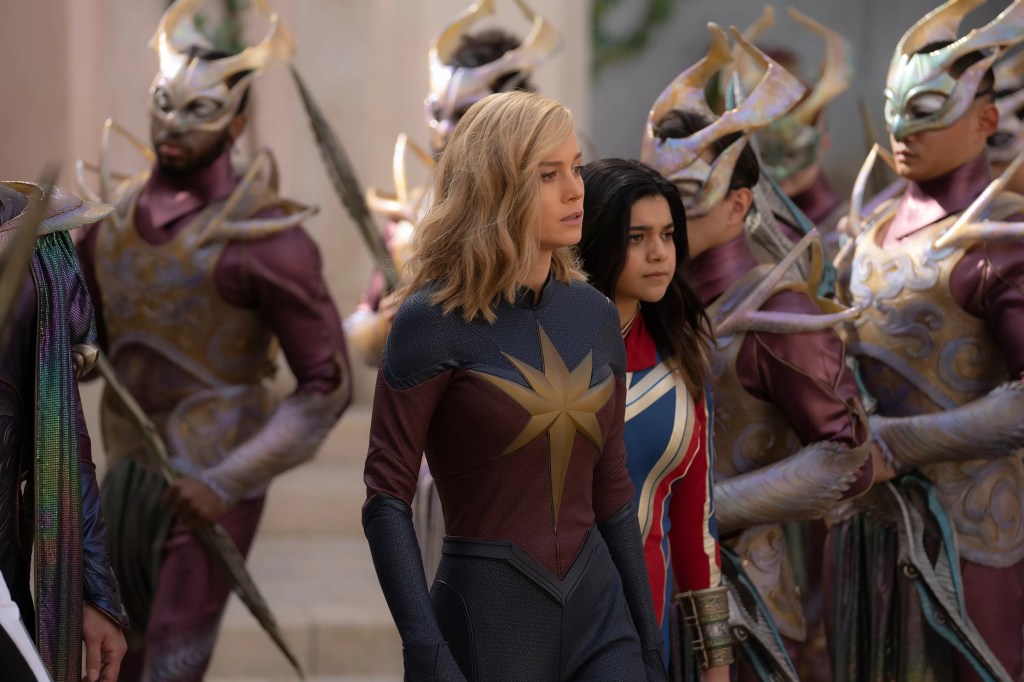
The Marvels clearly intend to bridge the past with the future, and it does a good job. The seeds for future storylines are planted well, while the major storyline is left unencumbered. That doesn’t change the fact that just an additional ten to twenty minutes of material could have beefed up that major storyline. Whether that means a slew of flashbacks that better build on what occurred during that thirty-plus year or more time spent building up the brewing conflict between Carol, Monica, and Kamal with Dar-Benn is up to interpretation. Indeed, they should have included two additional antagonists with Dar-Benn, not to diminish her role as an antagonist but to better draw a contrast between her faction and Carol’s. She has a lieutenant with a few lines who might as well have been forgettable despite being by her side up until the bitter end.
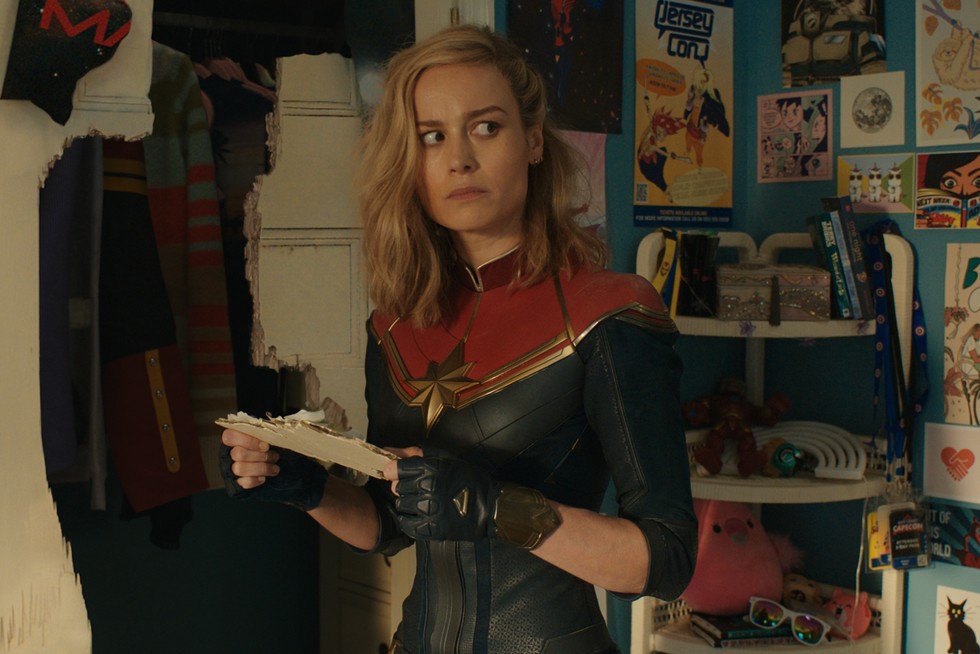

With new projects on the way, the stage has been set – how well, though, is up to you to define for yourself. The Multiverse Saga has worked itself throughout its many projects, bringing in X-Men, the Fantastic Four, members of the Inhumans, and several exciting additions from unrelated entries in Deadpool & Wolverine. Still, it is taking its time to come together. By the end of the Saga, with all of the pieces of the puzzle released, we may have a different idea of each entry, for better or for worse.
 Lloydd Marshall Books