
The comic book movie has dominated our cinematic experience for decades. Obviously, we can look back much further to the likes of Batman and Superman in the 80s. Still, we all know that the actual birth of modern-day comic book films began with X-Men in 2000, migrated into The Dark Knight trilogy, and settled into the MCU. This statement is not meant to dismiss the dark and gritty films that came before – who could forget Blade or The Punisher. But things changed with each of these entries. Obviously, these respective franchises have existed alongside one another, played off of one another, insulted one another, and yet we still clamored for more. Opinions are offered with a visceral kind of swiftness that would leave one’s head spinning if they weren’t already typing up their own treatise. So, how far have we come, and where are we going next?
Why don’t we break it down into a few sections:
- How we got here
- Two major competitors
- Audience reception and Anticipation
- Where do we go from here
As a whole, the phenomenon cannot be ignored. Every year, there is a new entry from Marvel or DC, and they have taken the world by storm. Of course, this can be the kind of storm that rages on for days or fizzles without much of an impact, let alone a scratch. 2018 and 2019 were events that had to be seen. Campaigns were directed to ensure nobody spoiled what would happen, whether through advanced screenings, comic conventions, or midnight premiers. It built a desire within audiences to be in a theater as quickly as possible, lest some wayward comment on the street or an errant Tweet spoiled a cameo, death, or plot point. When Avengers: Infinity War was first announced, it was as a Part One and a Part Two. Of course, this eventually morphed into Avengers: Endgame for the second act. Regardless, audiences were positively salivating to see how the ending of Infinity War would be tackled after so many theaters were left in abject, stunned silence from the impact of Thanos’ (Josh Brolin) snap. Can we say that, since then, things have only improved? Or have they begun to wane as a result of superhero fatigue?
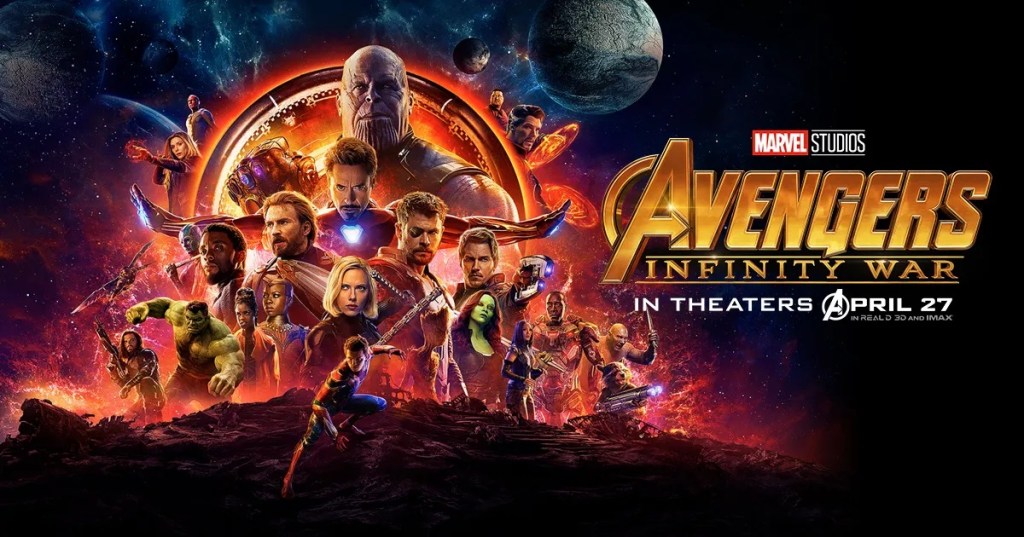

Honestly, that depends on who you are, what you’re looking for in a movie, and how dedicated to a series or franchise you are. There are still those who view each entry of Marvel as appointment viewing, just as there have been those who have only seen a few here and there. Not everybody is the same, nor should they be.
How We Got Here

Marvel has had a hell of a time trying to recapture the fire that reached its apex with its grand conclusion to The Infinity Saga. Phase Four took its time to lay the groundwork for new stories – The Multiverse Saga. People forget that Phase One was not a home run, but hindsight is always 20/20. Each entry of Phase Four was designed to expand their world and fill in details that were otherwise not mentioned or merely glossed over to further the overarching plot.
This came at a time when the MCU officially expanded into adding television series to the mix. After all, each film is an event, much like a comic book storyline. This meant that significant changes were not fully developed or allowed to simply breathe. Age of Ultron introduced a brand new team of Avengers, and they never got to do anything before Civil War came out a year later, which utterly destroyed their team. Ant-Man was the only movie to come between them. It featured the Falcon (Anthony Mackie), who was used as a ragdoll by the titular Ant-Man (Paul Rudd). But that was it.
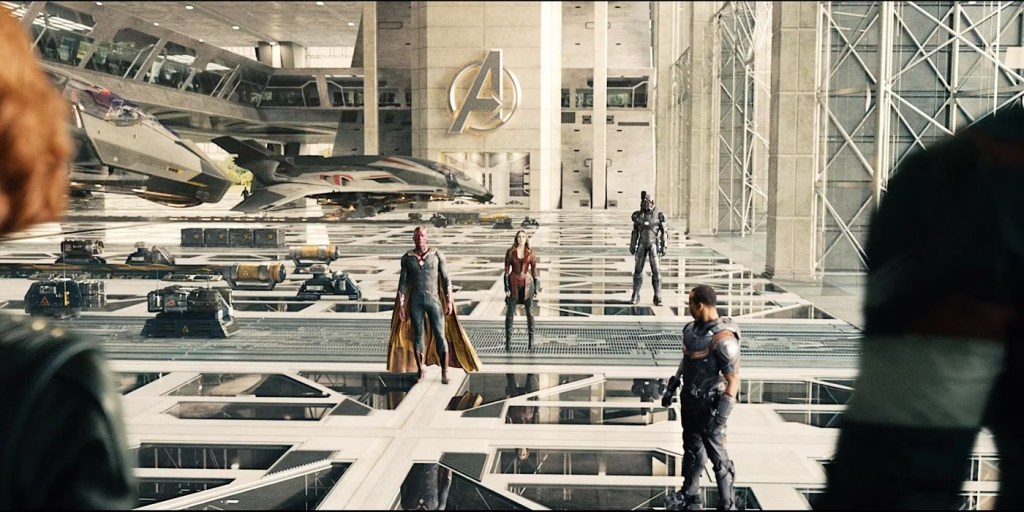
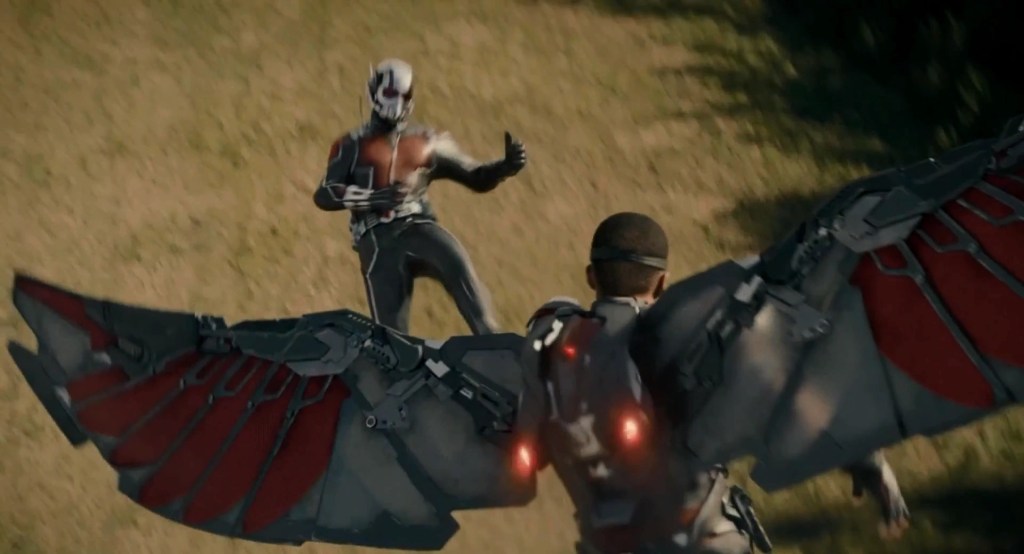
The team was formed and destroyed without seeing how they function in a changing world. Had a television series been top of mind in 2015 and 2016, we might have seen The Avengers: MCU or The Adventures of The New Avengers, which would have allowed the team’s adventures to be seen, thus making the impact of Thadeus “Thunderbolt” Ross’ speech more impactful. As it stood, many of the scenarios he named were either the fault of one man in particular (Iron Man’s exploits with Ultron), the government’s response to a threat not of the Avenger’s making (the New York Incident), or actual accidents (such as Wanda’s (Elizabeth Olsen) attempt to save a crowd, only to throw a suicide bomber into a building). Each event, when not critically examined, reinforced Ross’ point. Still, if we had even half a dozen missions of varying success to exploit or defend, it would have struck closer to home.
DC, in comparison, decided to leap headfirst into their major team-up storyline without any actual build-up. It took them four years to go from Man of Steel to Justice League. Yet, they killed off the newly introduced Superman (Henry Cavill) in his second outing, itself retrofitted to introduce Batman (Ben Affleck) and Wonder Woman (Gal Gadot). To say that the executives at DC were impatient would be an understatement.

Zach Snyder can be a third rail regarding the discourse around the DCEU. Still, it’s important to not forget that he was hired to build up their universe. He provided them with a five-film plan, which they agreed to, and then when they didn’t see the billion dollars they thought it should make, they altered course. Quickly. Each film stood by itself, impacted by the dramatic changes or plot points but unable, or unwilling, to truly utilize them. Suicide Squad took place in a post-Dawn of Justice world where Superman was dead, and Amanda Waller (Viola Davis) was turning her attention to building a government puppet team that was utterly disposable.
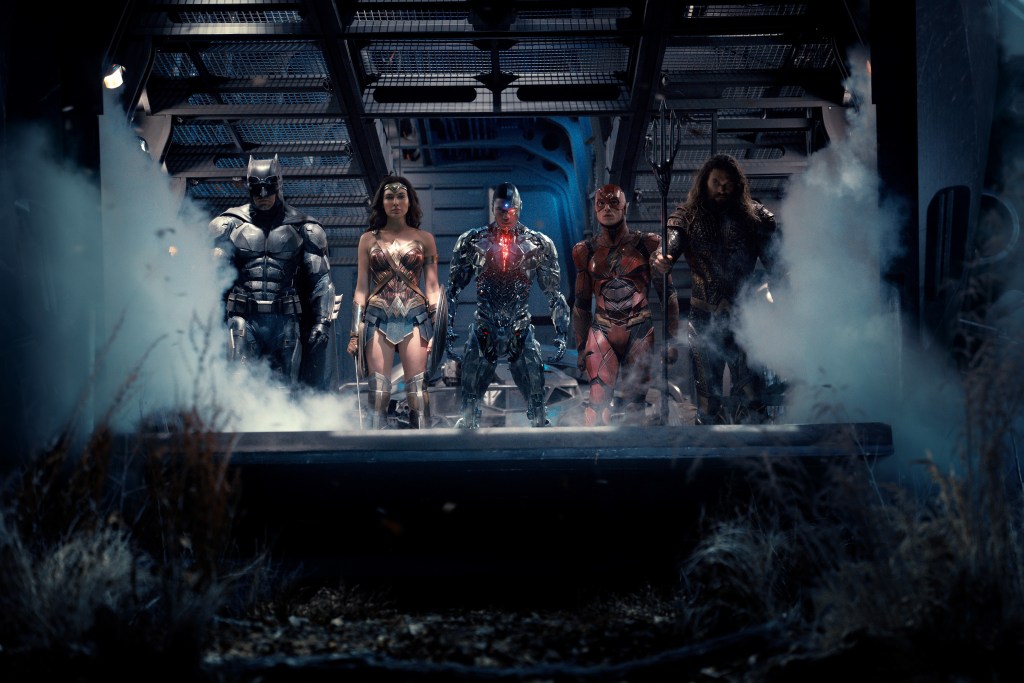
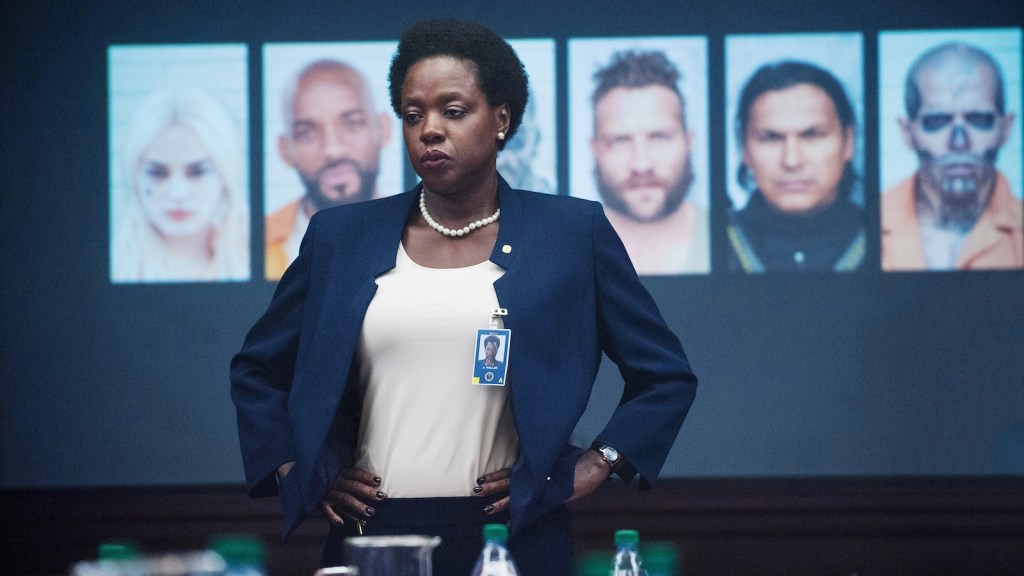

If Zach Snyder had been allowed to carefully develop his vision, however controversial, entries in the franchise, like Suicide Squad, Aquaman, and Wonder Woman, would not have received such varying degrees of reception. When it came down to it, Warner Bros. grew skittish and ultimately scuttled their original plan.
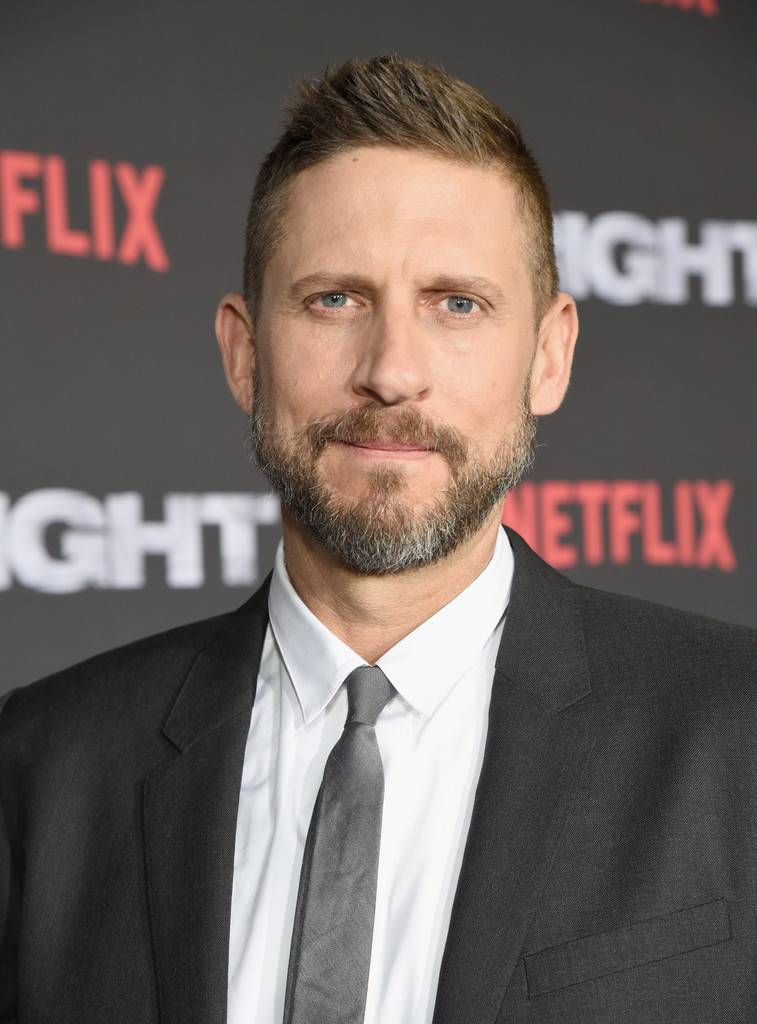


It’s clear that relying on one director’s shoulders for an entire universe is a big ask and risk. That’s why it wasn’t. David Ayer, Patty Jenkins, and James Wan were not asked to build their films in a bubble. After the disastrous efforts of WB to meddle with Batman v. Superman: Dawn of Justice and Suicide Squad, Aquaman and Wonder Woman did not have such heavy levels of interference. An actual discussion was had regarding the No Man’s Land scene where Gal Gadot’s Diana becomes Wonder Woman. An executive or producer wanted it cut because they didn’t understand it. Still, the team behind Wonder Woman fought to keep it in, and it became the scene most identified with the entire film. Yet we have reports of changes and requests for alterations that impact both of them every year. WB and DC weren’t just playing catch up; they were taking flight before they learned to jog. The results are clear for all to see; the MCU remains alive and growing, and the DCEU has died and morphed into the DCU.

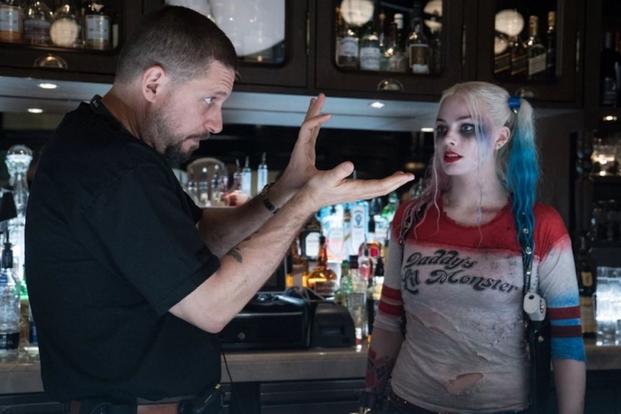
The early days of the MCU were marred by Ike Perlmutter and a small council of overseers who overrode Kevin Feige to the detriment of many films and the threatened departure of numerous lead actors. DC managed to deliver five films in five years, and word of their manipulation of the movies behind the scenes has become legendary. From the outright firing of Zack Snyder during Justice League and the lies surrounding it to the Swiss-cheesed Suicide Squad, it’s only slightly surprising that they managed to make a billion off of Aquaman in the first place. The only film to do so in their entire franchise. Eight of their fifteen films have failed to break even, and only one has crossed the billion mark. For all they have to show for it, they’ve made a fraction of the money on half the number of films the MCU put out. I’ll say it as many times as needs to be said – none of these films are inherently bad. On their own merits, some of them are even great films. Nobody can deny that DC took more risks – Suicide Squad, The Suicide Squad, and Birds of Prey are interesting teams in their respective films. Blue Beetle and Shazam are heroes who are not often given the love their interesting stories deserve. But throwing darts in the dark with no care for cohesiveness is why they’re on their second cinematic universe and throwing out Elseworld stories along the way.
As directors, their collective vision could have worked out – but we’ll never know for sure. One thing can be known for certain, there was a clear delineation between the works of certain directors for both sides. Nobody can deny the impact that Sam Raimi had on Doctor Strange in the Multiverse of Madness, and the impact of James Gunn on The Suicide Squad was so undeniable that he was handed one-half of the keys to the kingdom for DC going forward.
When it comes to the other directors involved on either side, massive changes have hit Marvel and DC, the results of which we have not clearly seen. This could mean a firmer hand from the studios involved, leading to less and less control over a director’s specific film such that the overall franchise is streamlined. It could mean, on the other hand, a freer hand. There have been major strides made from the earliest days, and as a director’s styles are sought out to capture a certain essence for a film or character, we may see even more control laid at the feet of a particular director. After all, you don’t hire somebody like James Gunn and not expect to see his hand in every aspect of the film.
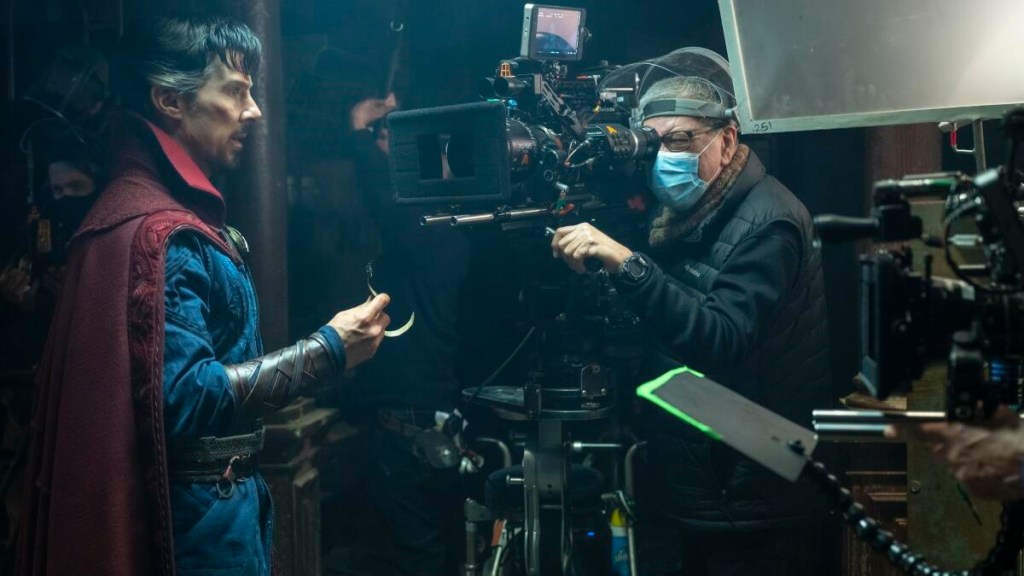

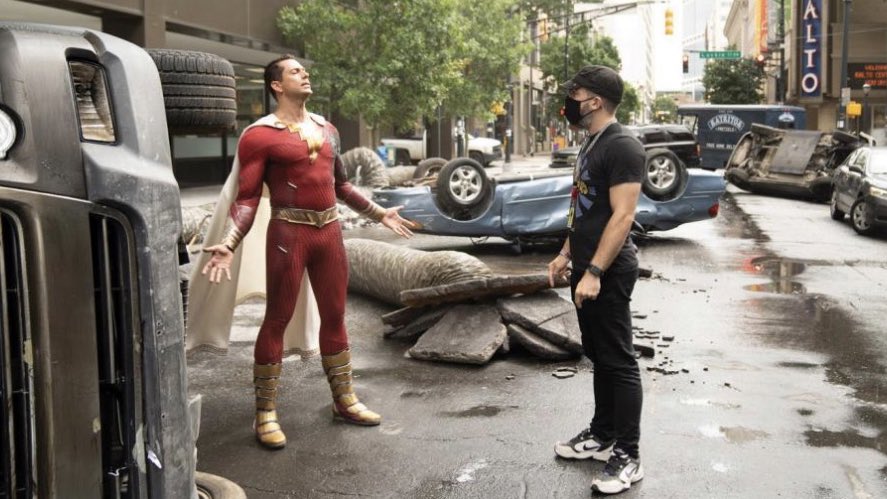

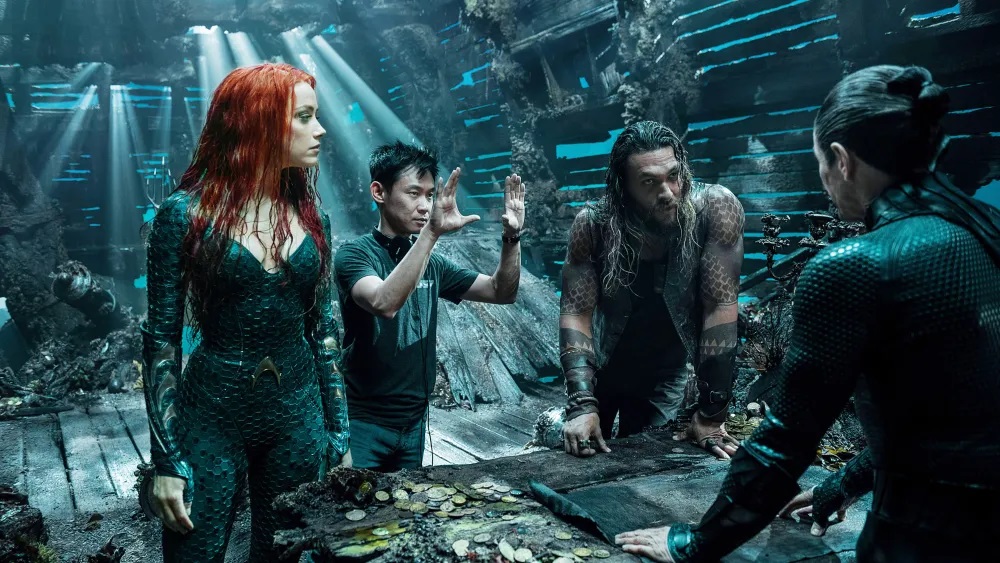
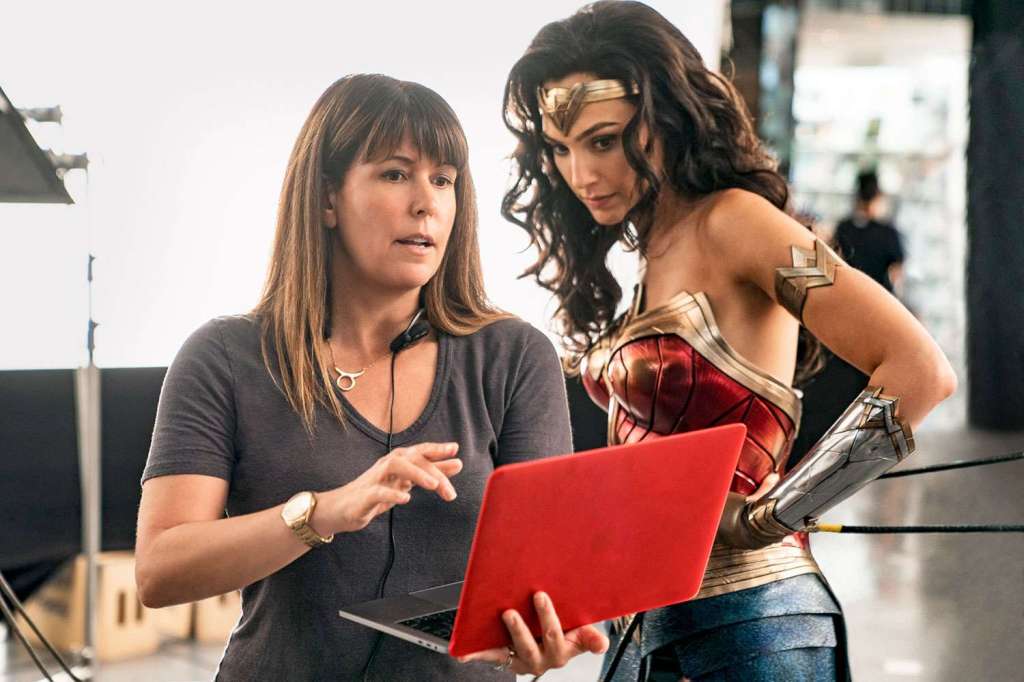
For Marvel, they have clearly had more successes than they have had misses. Arguments can be made that they were starting from a weaker position by relying on characters who, while known, were nowhere near the fame and fortune of the likes of Spider-Man, The Fantastic Four, and the X-Men. It was such that, despite recasting Spider-Man with Andrew Garfield and securing two films, the latter bringing home more money than the former, Sony’s efforts were torched when they overspent on The Amazing Spider-Man 2, to the point where casual fans were asking how a film that made over $700 million could possibly be considered a failure. Articles were released to explain that phenomenon, and pieces were released to criticize the world of Hollywood math. But, what really brought Sony’s efforts to capitalize off of Spider-Man themselves was fan reaction and demand. Audiences wanted one universe with all of their favorites involved. So, in 2015, they got their wish when Tom Holland was announced to be playing Spider-Man in the MCU; with his surprise appearance in the trailer dropping in March of 2016, dreams of fans all over the world were realized. It was clear there was nowhere to go but up, now that Sony and Marvel were playing ball with each other rather than against one another. Little more than a year later, it was revealed that Disney was working to acquire Fox’s assets – which included almost every other central remaining Marvel character, from the X-Men to the Fantastic Four and beyond.
With the stage set in the final days of 2020, Fox’s assets under the control of Disney and Spider-Man firmly entrenched in their cinematic universe, Marvel was clearly the victor. Then, 2020 sent everything into a tailspin.
The Major Competitors

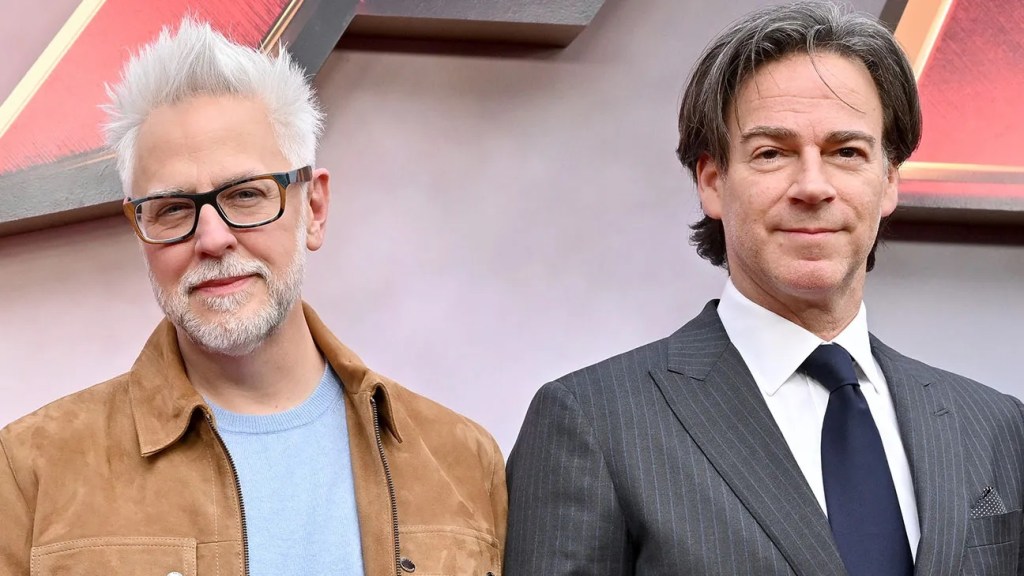
In a time of corporate mergers and acquisitions, we are still in the presence of two major comic book producers: Marvel and DC. It is easy to point out the weaker entries to the former than the latter because one is hard-pressed to acknowledge the latter’s strengths when it comes to their films. This is not an attack against DC. After all, I am a massive fan of both sides of the equation. That does not mean it’s possible to ignore how many massive missteps DC has made while building up its cinematic universe so that it can compete more directly with the behemoth that Disney has generated. But even that could not compare to the arrival of a worldwide pandemic.

Even the most significant misses in the MCU proved to be box office juggernauts when the chips are not wholly against them. In recent years, criticism has mounted for certain films, but only one has been considered a major failure: The Marvels.
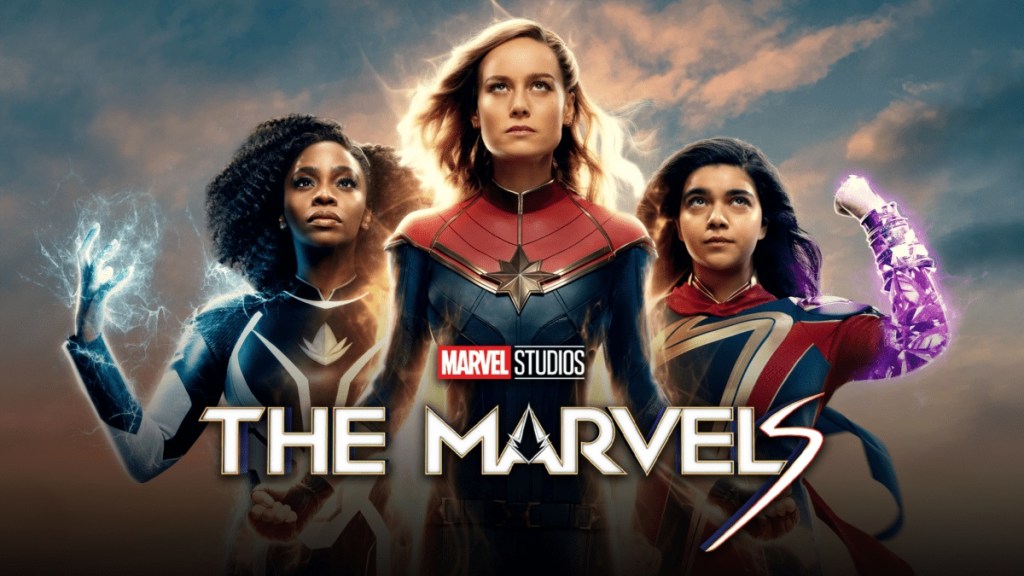
Even so, on its own merits, it is a great film, as I laid out in my individual review before this check-in was released, and that includes numerous criticisms of it as a film, as a part of a franchise, and as a vehicle for the future.
There was a time when a film only earning $200 million would be a major success, but we no longer live in the time of films costing an average of $50 to $150 million to produce. Many factors worked against The Marvels, such as the SAG-AFTRA strike preventing its stars from properly promoting their work. The online discourse against The Marvels did not help, with outright misogynist and racist attacks being levied against the film before it was released and rampant attacks on all three of its main leads feeling far too personal for comfort. Any of its own personal faults (its shorter run time, kneecapping its ability to tell its story effectively, the rewrites and reshoots designed to streamline it further, and another underwhelming villain played by a most phenomenal actress) aren’t difficult to acknowledge. However, it was still a riotous time in the theater and at home.
In contrast, five films from the now-scuttled DCEU made less than The Marvels. Birds of Prey was forced to end its run early because of the COVID-19 pandemic; Wonder Woman 1984 and The Suicide Squad were released on HBO Max and in theaters, Shazam! Fury of the Gods came during a difficult period for cinema.
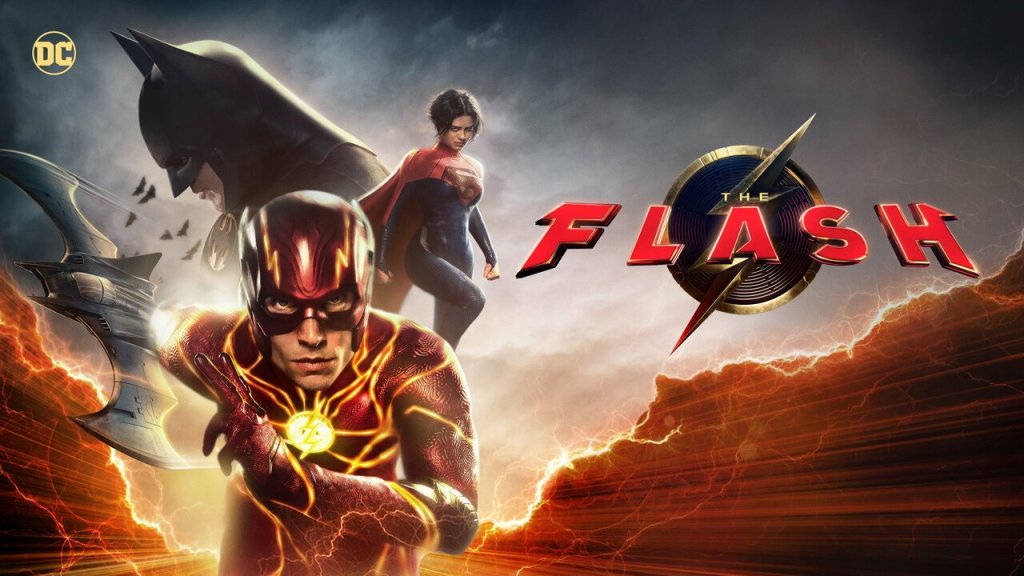
The Flash was just a tumultuous production obliterated by its own lead actor’s behavior, resulting in a less-than-stellar reception and an even less-than-acceptable box office return.
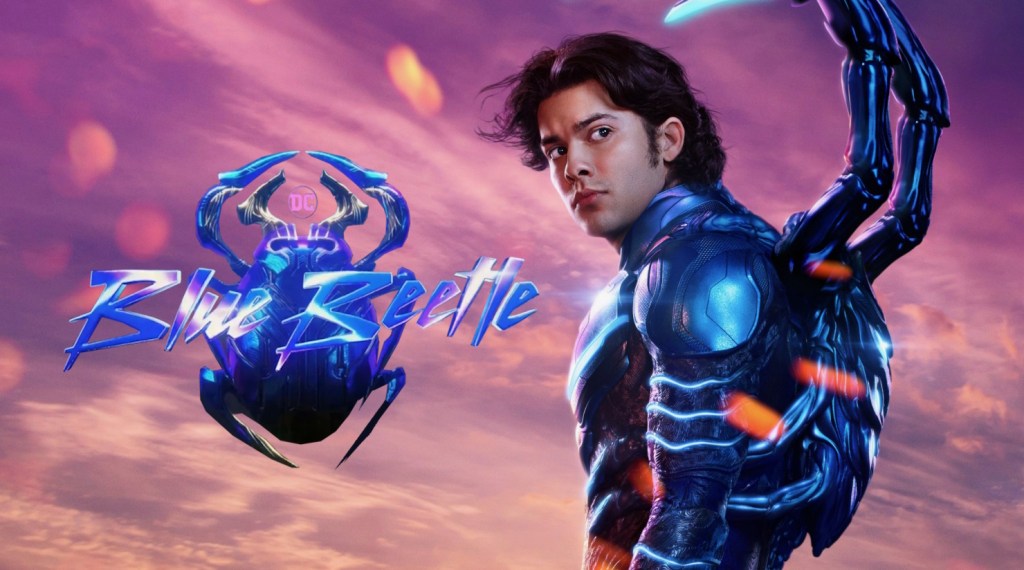
Blue Beetle was outright ignored, on top of the usual issues with comic book movies, yet it was an entertaining film that was simply hampered by other issues. The last four films in their franchise (the latter three mentioned, plus Aquaman and the Lost Kingdom) also had the misfortune of being released after it was made clear the franchise was ending in favor of James Gunn and Peter Safran’s efforts to build a new franchise from scratch. One could say that DC shot themselves in the foot on this one. Are any of these films bad? No, not in the least. Every film has questionable moments and hilarious issues that crop up, but each film is also entertaining. Major problems aside, they prove that even a fun and entertaining film can collapse in on itself.
Audience Reception and Anticipation
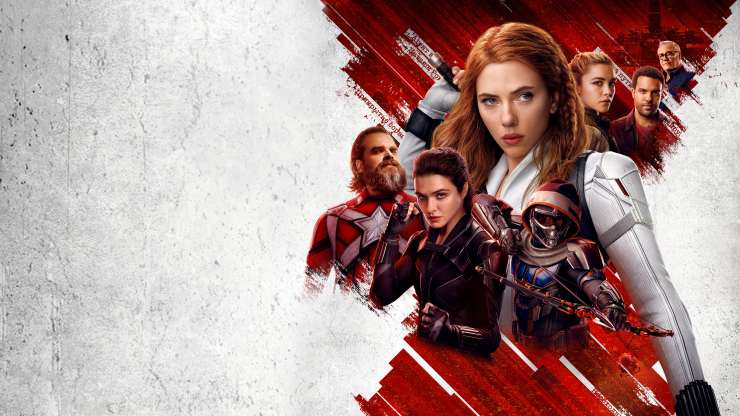
With Disney seemingly in the lead, churning out success after success, and striking gold where pyrite was believed to be, they hit their first big stumble with Black Widow. It certainly made money that would have been respectable in any other genre, but it was also the first MCU film since Captain America: The First Avenger to not hit the $500 million mark. Before Black Widow, it was Ant-Man and its first sequel on the low end, with $519 and $622 million apiece that was its nearest neighbor. By 2021, nine of the twenty-three released films had earned over $1 billion, and the third and fourth Avengers films each earned over $2 billion. With COVID-19 ravaging the world and the movie being released simultaneously on Disney+, it was expected to be dealt a poor hand. Shang-Chi and the Legend of the Ten Rings would earn more later that autumn as theaters opened up again and things looked up. Still, alongside Eternals, its showing was poor compared to previous phases. These two films were designed to fill out the world and build up the cosmic scale of the story, which set them apart from other entries at that point, too.
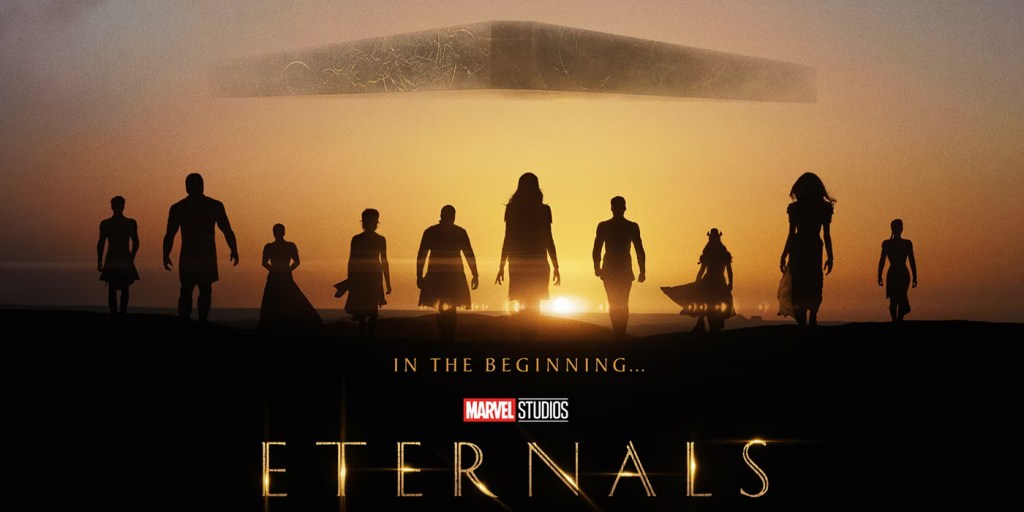

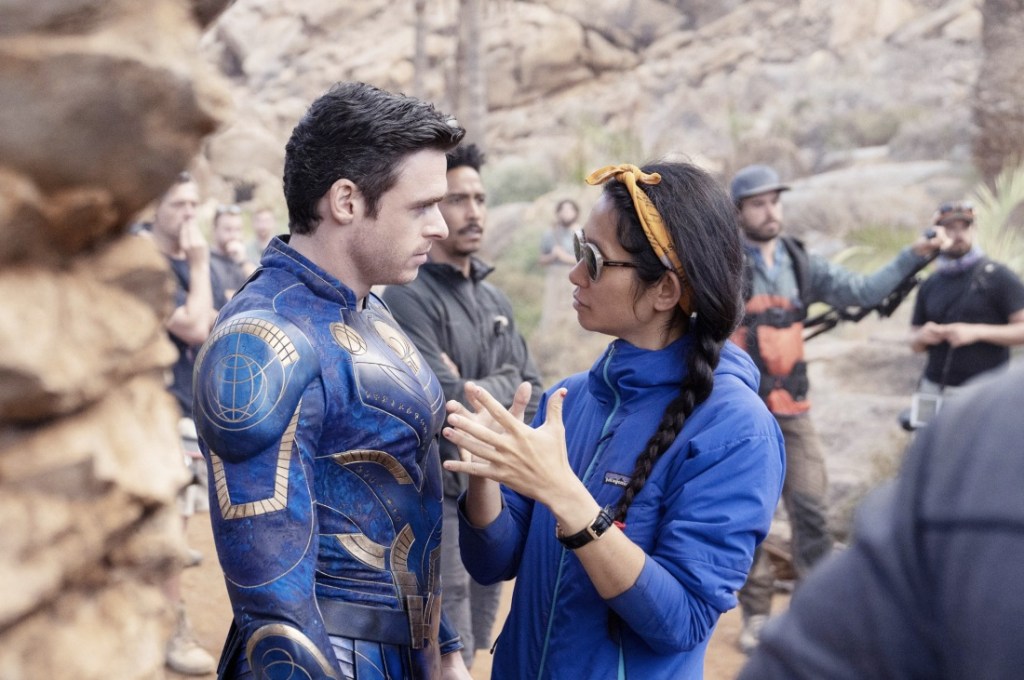
Chloé Zhao was able to put her personal touch on Eternals, which was a new and different kind of comic book film that still fit in that same niche. That its potential future is on the back burner is a major mistake on Marvel’s part, in my opinion. The following four films were thrown into chaos because of numerous factors, from the pandemic impacting the filming order of Spider-Man: No Way Home and Doctor Strange in the Multiverse of Madness and interrupting the production of Thor: Love and Thunder to the unexpected death of Chadwick Boseman utterly upending all of the original plans and ideas for the second Black Panther entry, each of them proved to be box office juggernauts.
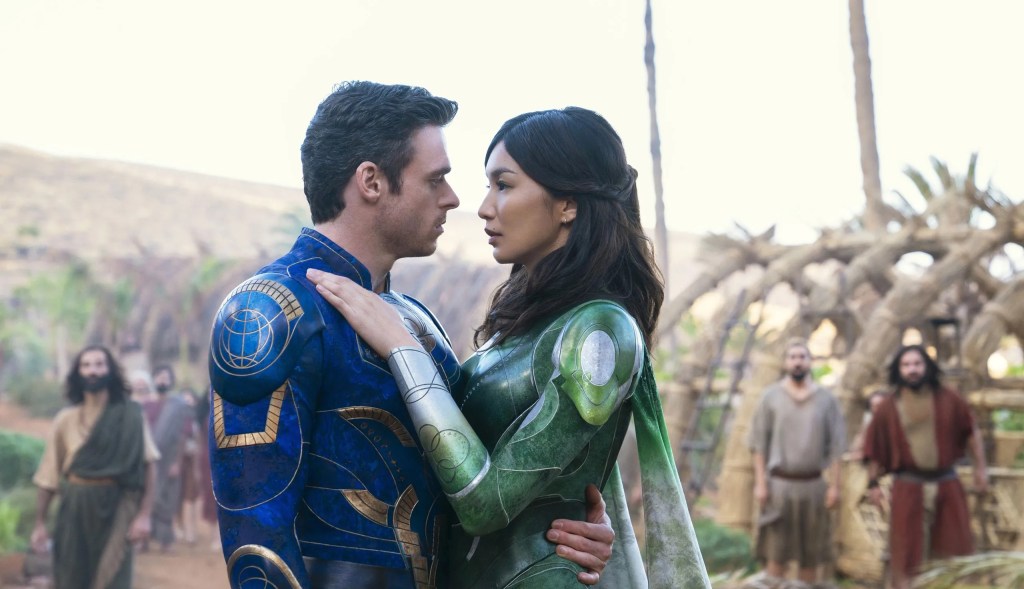
Ant-Man and the Wasp: Quantumania failed to splash at the box office after them, making it clear that it’s not necessarily the idea of the films – Black Widow, Ant-Man 3, Shang-Chi, and Eternals made nearly $400 million for the former and over it for the latter three – but how audiences view them as pieces in the greater storyline. “Waiting to see them at home” versus in the theater was the clear message at that point – it was safer, and people had become accustomed to not going out rather than going out. There was no “pressing” need to see them, which seems to be the general consensus for these movies. With the glut of television series added in, it suddenly became an overwhelming task to keep up with the MCU, and figuring out which entry was necessary to another one was now a rather more daunting task. The danger of interconnectedness became ever more apparent, leading to massive changes as they moved forward.
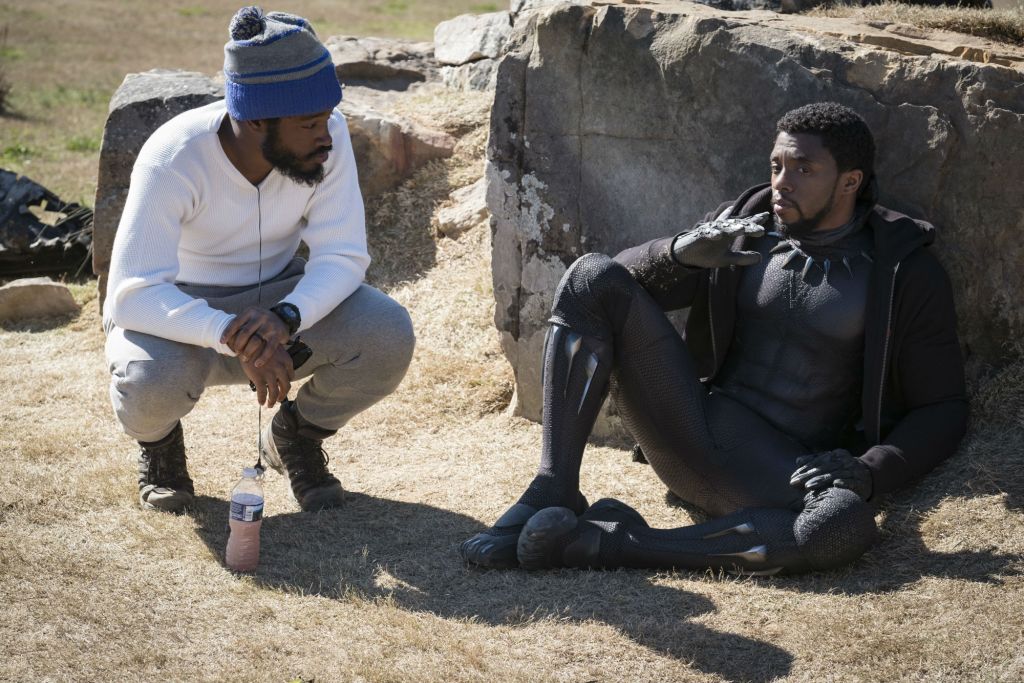
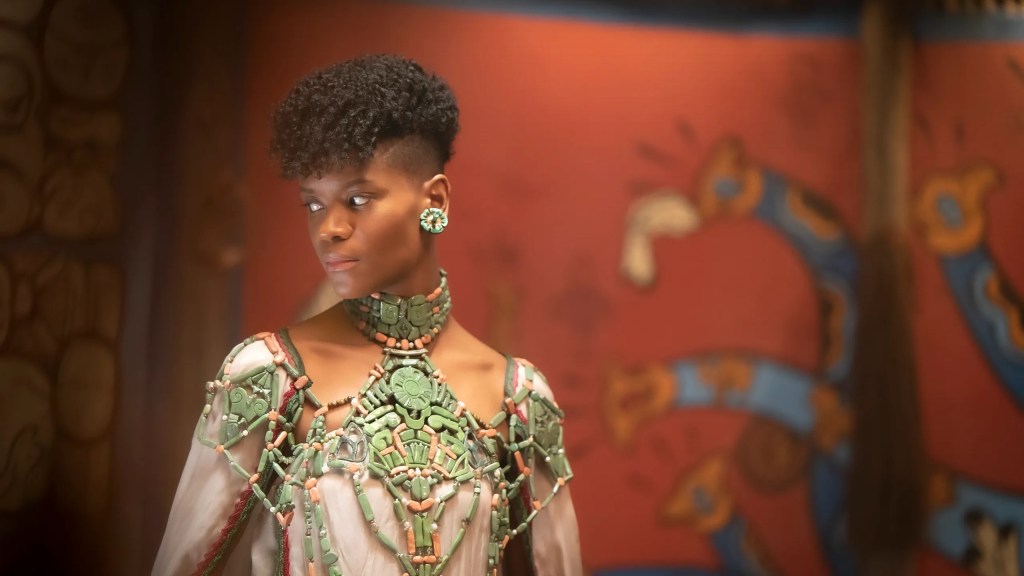
This was a time when we had seen numerous films that proved that they were more than “just” a comic book movie. Each MCU film took the time to explore a different genre or type of film – none stayed in the same mold as “just” a superhero flick. Whether it was Black Panther delving into race and interstate politics, Black Widow and Captain America’s sequels tackling nationalism and government conspiracies, or the “found family” at the core of each Guardians of the Galaxy film, they were more than their core concept. The DCEU tried to tackle this, and whether or not it was successful depends on one’s definition of success and one’s taste. It can be argued that Birds of Prey and The Suicide Squad carefully balanced what it meant to be a superhero team – beyond the standard of black and white into shades of grey. What can be surmised is that the MCU has straddled that line with finesse while the DCEU stumbled.
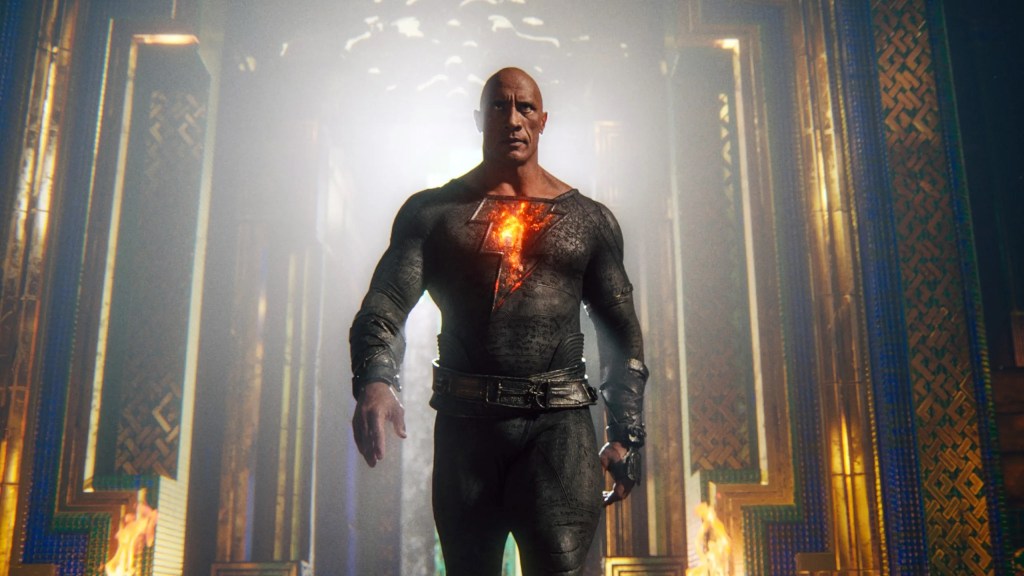
During that same period (2021-2023), the DCEU released six films, and none of them made much of an impact at the box office. By the time Black Adam rolled around, admittedly an interesting choice of character to adapt to film, which relied almost entirely on the star power of Dwayne “The Rock” Johnson, word was already beginning to leak that the DCEU was on the way out. Its post-credit scene featured the stunning return of Henry Cavill’s Superman, around the time we learned he was leaving his well-received turn as Geralt of Rivia in The Witcher. Questions began to bubble up regarding the need to even see, let alone release, the last four films in the franchise if there was no guarantee any of its actors or storylines were going to be continued in the coming years. With Blue Beetle’s Xolo Maridueña being one of the only actors from this slate of films to be confirmed to continue as his character in the DCU, that proved true. This leads to the next phase for DC, as it begins a new adventure.
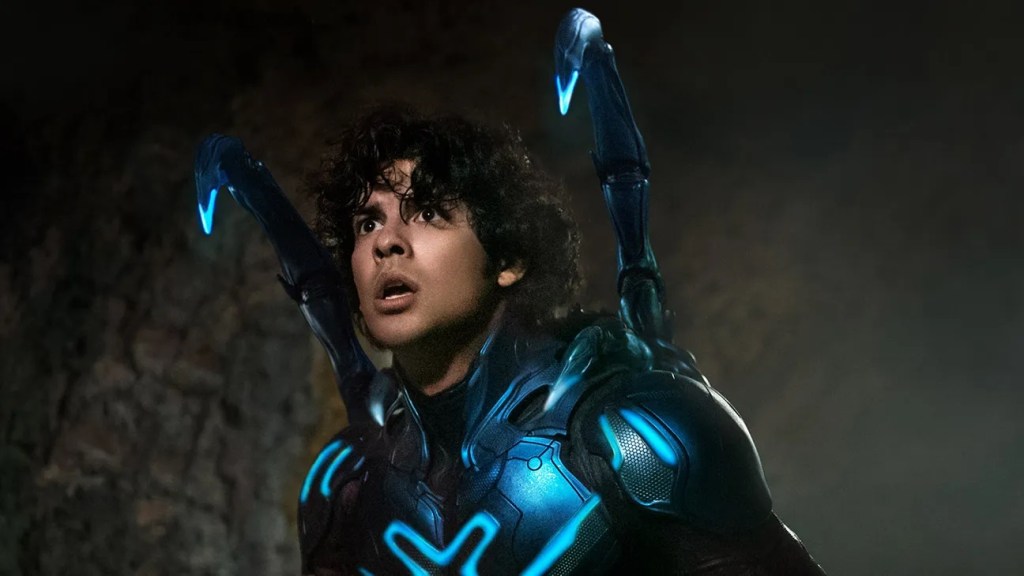
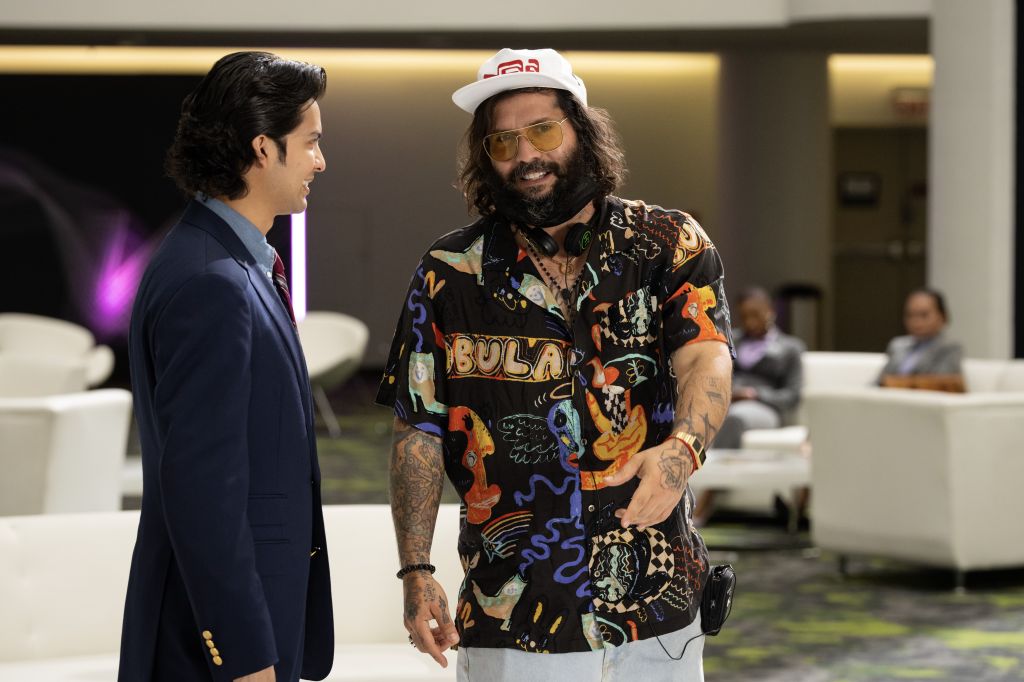
Because Warner Bros. is also in such a state of flux, DC’s efforts have proven less than stable. In the time that the MCU had formed and built itself up, The Dark Knight has come and gone, the DCEU has crashed and burned, and a slew of projects were reclassified as DC Elseworlds to distinguish them from Gunn’s and Safran’s burgeoning DC Universe. With their plans becoming a reality, there is no denying that enthusiasm is high for the new DC Universe. The question is, can that enthusiasm be matched with consistent quality?
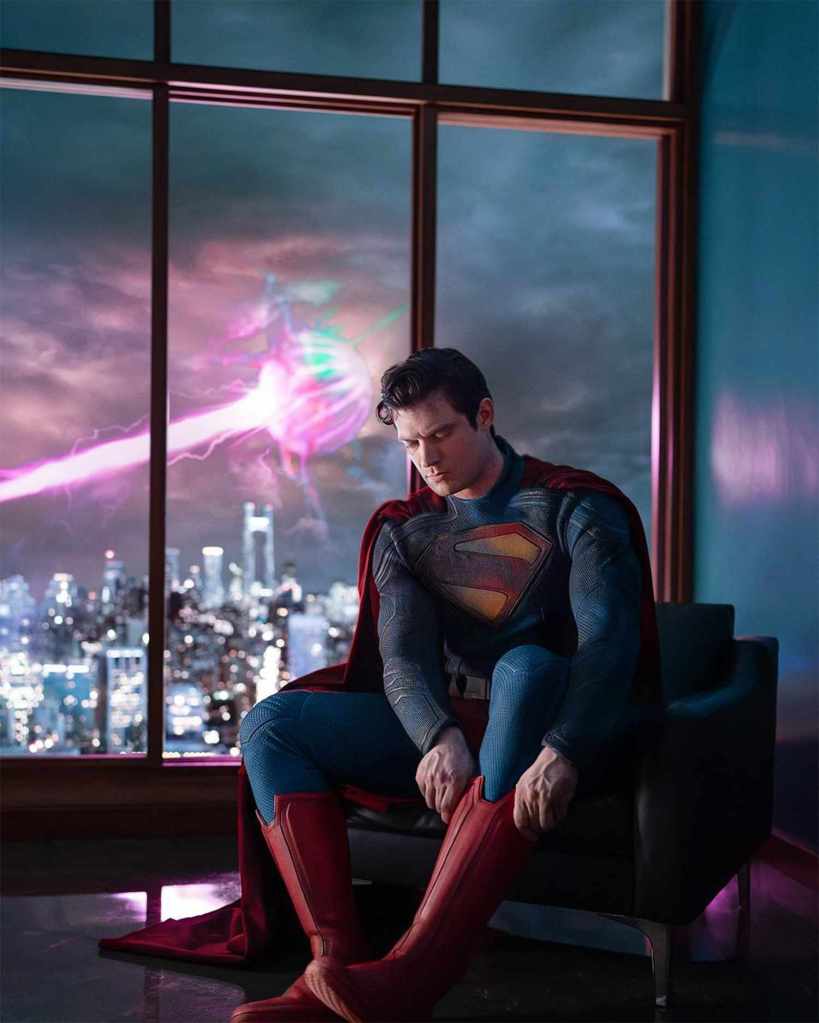
It is clear that Warner Bros. trusts James Gunn and Peter Safran, at the very least. Rather than jumping headfirst into a Justice League team-up, the pair are starting their new universe with a new Superman film, with David Corenswet set to play the titular Man of Steel and Rachel Brosnahan cast as intrepid reporter Lois Lane.
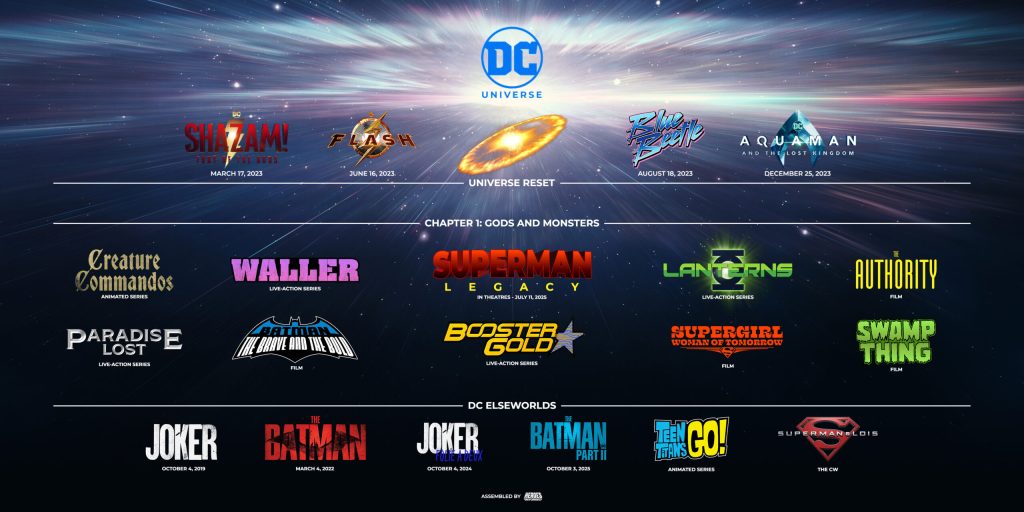
Gunn and Safran are also clearly not above taking risks, beginning with the inclusion of television series from the outset and focusing on other, somewhat obscure characters and groups such as Swamp Thing and The Authority, in addition to established brands and characters in the Bat-family-focused The Brave and the Bold and a tentatively in-development Teen Titans film.
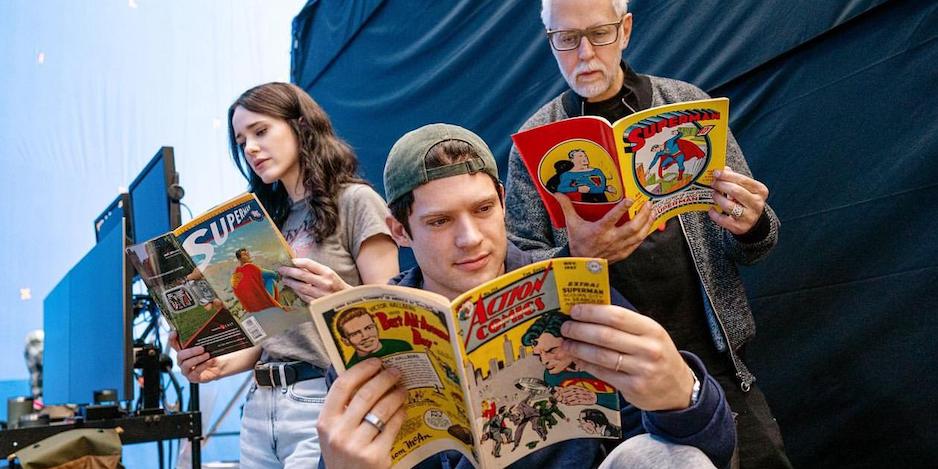
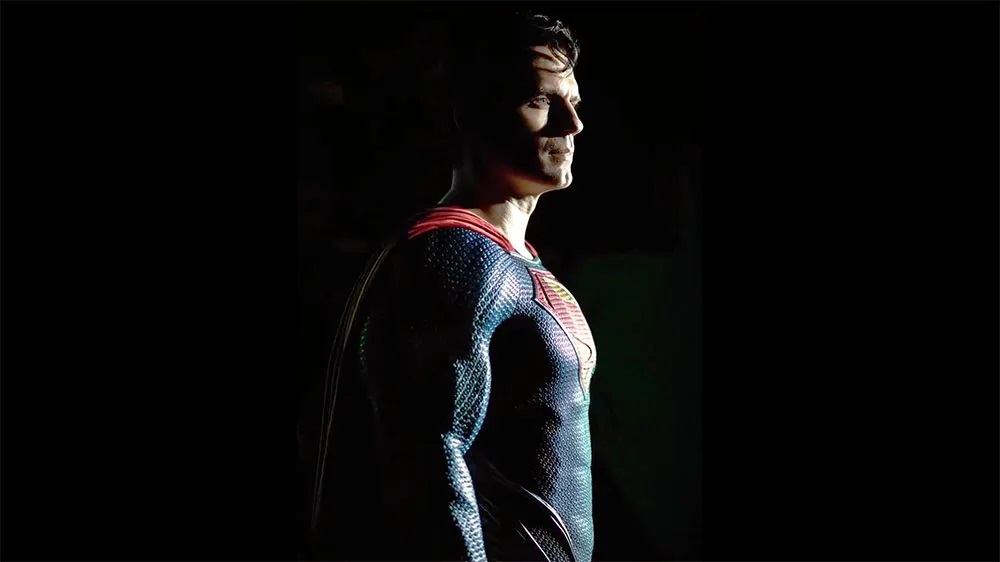
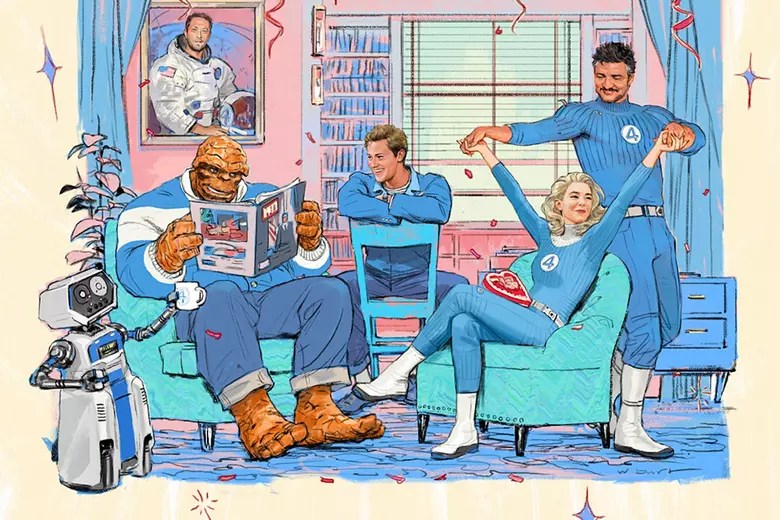
This shows that both entities are willing to take risks (or, at least, they were, only time will tell) and are building towards their respective futures with audiences in mind with a touch of familiarity and nostalgia thrown in for good measure. This has resulted in DC birthing its second cinematic universe. At the same time, Marvel has doubled down on regrouping its various IP into their hands, leading to the release of Deadpool & Wolverine to massive critical and audience appeal and the groundwork already laid to bring forward The Fantastic Four and the X-Men (tentatively titled The Mutants). Troubling comments regarding the future of certain franchises are to be expected. At the end of the day, while movies are art, they need to make money, and if they can’t, they’re left to wither. The problem with this idea is that multiple factors were ignored regarding why these films underperformed. Why, why, why should a film cost over 200 million dollars to produce?
Where Do We Go From Here?
There is no indication that either DC or Marvel plans to stop releasing comic book movies in the near future. Slates are already being drawn up throughout the rest of the 2020s, and we should expect them to plan on doing so into the 2030s if trends continue in their favor. I’ll be there for each one because I enjoy them, but that doesn’t mean they’ll put together the right mix to bring you back, too.
I am not a movie producer, scriptwriter, or director, so I have little control over what these studios will do going forward. I am, however, a writer, an artist, and a fan with an opinion, which means that my money will add to the pot that convinces them they should keep going forward. As such, there are a few things that I can see that might help.

Lowering production costs is chief among them. Obviously, it’s challenging to escape actors commanding higher and higher salaries with each guaranteed success attached to them. This is why the latter two Avengers films cost nearly twice as much as the average MCU film – approximately $400 million based on specific calculations. On top of the cost of filming a movie and the special effects involved, not to mention the daily expenses of simply producing a movie, these budgets can become quite bloated with little effort. But, if part of the reason that certain entries won’t be made is that they aren’t guaranteed to draw in a billion-dollar box office receipt, then it means that the production cost should be commensurate with its expected return.
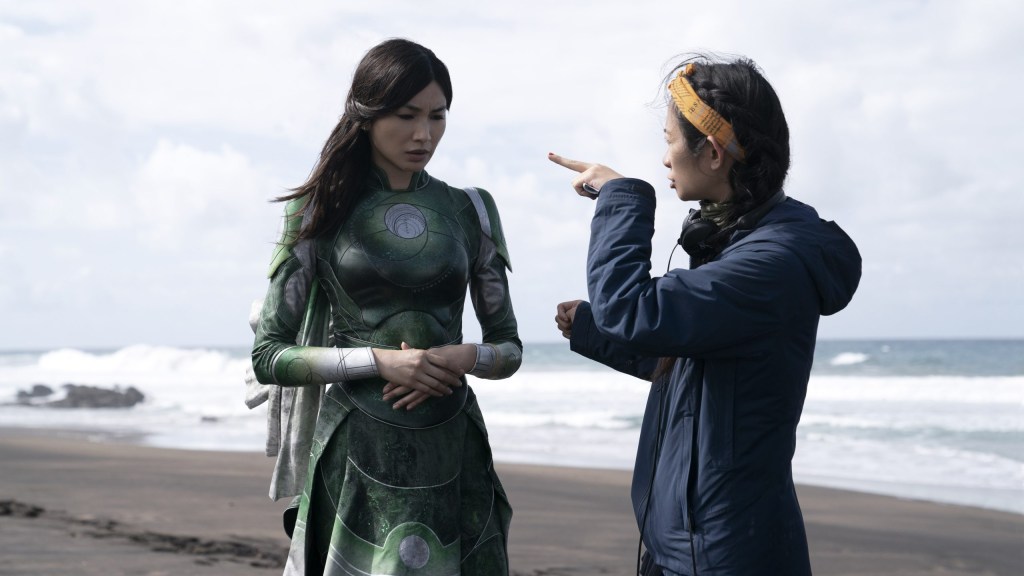
If, for example, The Eternals had cost $150 instead of over $200 million, it would have pulled in more money compared with its $402 million worldwide box office returns. Suppose Black Adam had cost $100 million instead of the nearly $200 million it took to make it.
It’s almost $400 million in that case, and the box office looks much better. Compare them to the original Iron Man, which was a massive risk – it cost $140 million and brought home over $585 million. The return on investment was apparent, leading to Robert Downey Jr. commanding a higher and higher salary, to nearly $100 million for his upcoming performance as Doctor Doom in two films ($50 per performance). The case can be made for his salary (and that of the Russo Brothers, $40 million apiece as directors of the upcoming Avengers films). Robert Downey Jr. is a proven box office draw for the MCU; each entry he is in has earned more and more money, and he, like the Russo Brothers, is inextricably tied to the MCU. There is no doubt that they’ve earned these high salaries.


Then the question becomes about the rest of the cast and their bona fides. Angela Basset had the same number of nominations for the Academy Awards before Robert won Best Supporting Oscar for Oppenheimer. Yet, she reportedly only received a salary of $350,000. Already an insane sum of money than most of us can comprehend. Compare Ben Affleck, with two actual Oscars to his name by the time he was cast as Batman – he received a reported salary between $10 and $20 million compared to Gal Gadot’s reported $300,000. How these salaries are derived, and their ultimate impact on one’s performance is another department’s job. However, they still impact the film’s budget, bloating them considerably. Actors should be paid for the work, and everybody else involved should be involved in bringing the movie into existence.
Next, patience. We’re already seeing this settle in as fewer and fewer entries are slated for the MCU to be released every year. 2025 will be the second time they’ll have released a record of four films, pending any remaining issues surrounding Blade – 2021 saw five television series in addition to its four films. With so many released at any given time, with seemingly little room to breathe, in addition to other competitors, box offices began to cannibalize themselves as consumers were forced to pick and choose what they were willing to see in theaters versus seeing at home. A call for patience is not the same as a call for a complete stalling of effort or output. Patience will lead to more relaxed working schedules and fewer issues that plagued Phase Five or outright killed the DCEU. We all remember Black Widow and Thor: Love and Thunder’s less-than-stellar CGI during a handful of particular scenes. There is a reason that practically all of Hollywood went on strike in 2023.

Finally, growing a spine and sticking to the script. What made the MCU so much more successful than DC, at first, was its decision to build itself slowly and stick to the story that it sought to develop. If James Gunn can produce an entire movie without having to majorly rework it after principal photography has ended, then the same can be done with the rest of their films. Save for outside intervention, which was nipped in the early days of Phase 2, the stories built off one another toward its satisfying conclusion – The Avengers and Avengers: Age of Ultron. They’ve repeated their efforts with Phases Four and Five, building towards a storyline they have admittedly needed to change after problems that arose outside their control. DC is attempting this strategy with James Gunn and Peter Safran. If they can actually keep their word and allow the two men they have chosen to build up their universe to work on it, then they’ll undoubtedly have a worthy competitor to the MCU as the 2020s go forward.
There are so many topics that I could have discussed and didn’t – perhaps meaning there may be a part two at some point – but that is the nature of opinion pieces. Comic book movies have become one of my favorite types of stories to see on the big and small screens. Perhaps I’m not nearly as devoted to their decades-long storylines or character arcs, which has allowed me to enjoy a particular film for what it “is” rather than what it was “supposed” to be. I’ve been told countless times that I’ve never disliked a film I’ve seen. Those who know me also know that I loath Shark Night 3D with a fiery passion. In truth, I love movies, comics, books, and television. I can see how each can be utilized to tell the best story. We’ve seen this idea manifest in others, as calls for animated series and the movies and television shows already on the docket have been added. So, I believe we are not in a steady decline or that superhero fatigue is setting in. We are in a period of expansive and exponential growth, and the opportunity to tell great stories lies before us.
Comic book movies are alive and well, and I look forward to each and every one set to come out.
 Lloydd Marshall Books