
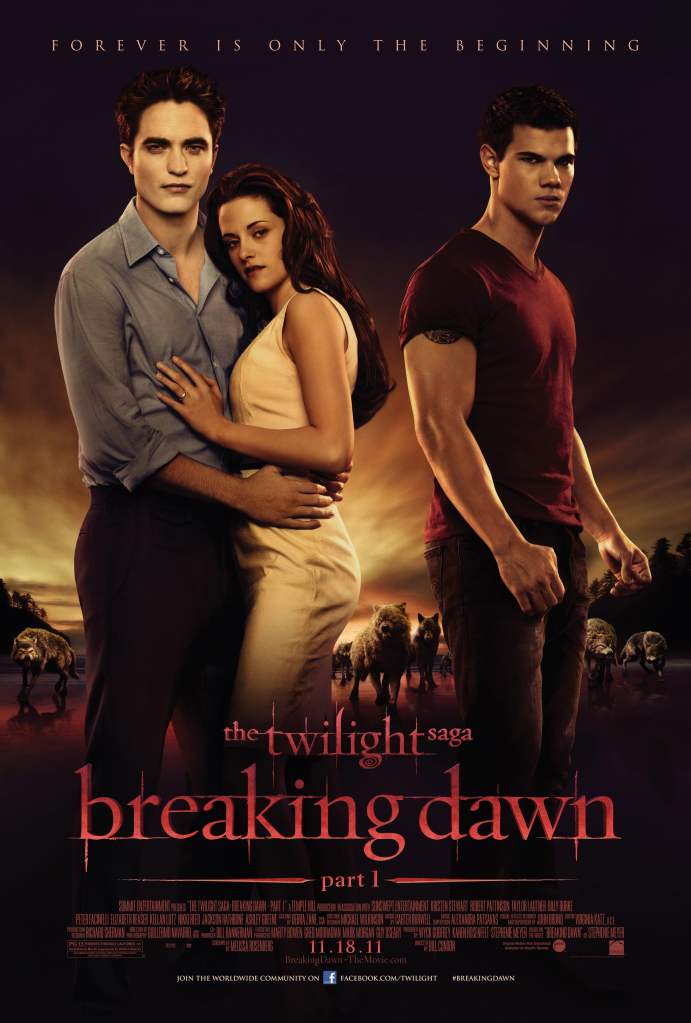
The 2010s saw a surge of interest in adapting books to film as the two leading franchises were coming to a close. Present issues aside, it’s clear that Harry Potter and The Twilight Saga were the gold standard. They were also among the few to complete their adaptations. They hit the big mark of successfully adapting the final entry into two films. The only other one to hit that mark was The Hunger Games. But we’ll save that for another day. We now have The Twilight Saga: Breaking Dawn – Part One to address.
I’ve stated and will continue to let it be known that I appreciate each Twilight entry for distinct reasons. When it comes to Breaking Dawn, it is because it is where Bella Swan (Kristen Stewart) finally becomes a Vampire. When news broke that Breaking Dawn would receive the Harry Potter treatment and be split into two, countless discussions arose over where exactly director Bill Condon would decide to place that critical marker. For those who are only film aficionados, the questions arose because, unlike Twilight, New Moon, and Eclipse, the final entry was broken up into three ‘books.’ The first and third follow Bella’s perspective. At the same time, the second turned everything on its head for this series and was told entirely from Jacob’s perspective. Jacob Black (Taylor Lautner) was the first character in Stephenie Meyers’ Twilight series to actually have published material from his point of view. Bree Tanner (Jodelle Ferland) and Edward Cullen (Robert Pattinson) would get their stories told and published later. It was clear to me that the dividing point would be, and always would have been, the moment Bella Swan awoke as a Vampire.
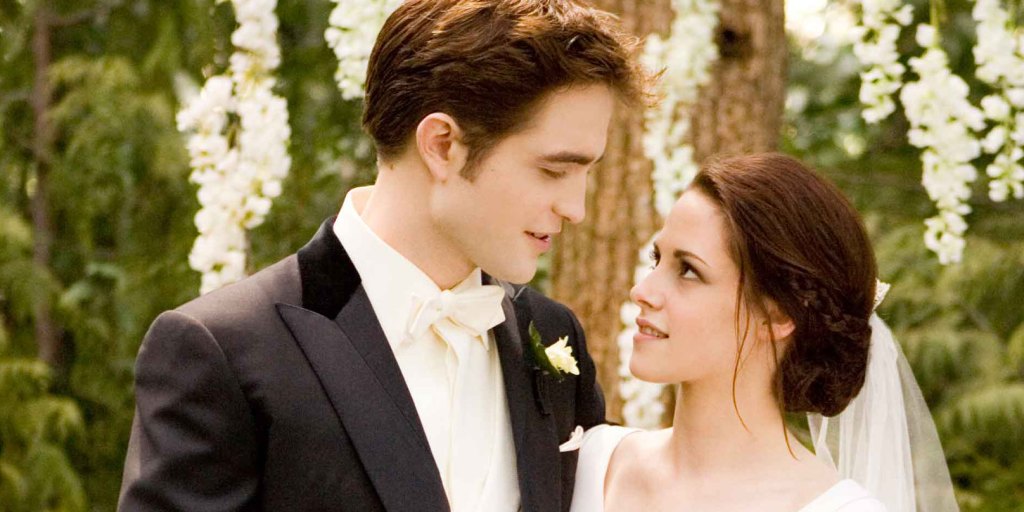
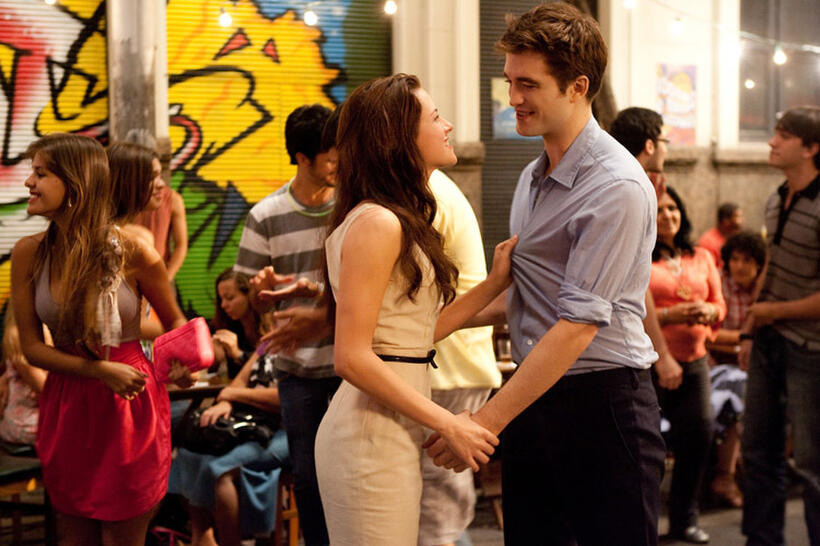
Breaking Dawn focuses on the culmination of Bella Swan and Edward Cullen’s love story. Jacob Black plays a prominent role as he continues to pine for what he dreams of imprinting on Bella and proving to the world that his love has meaning and depth. However, Bella and Edward are rapidly approaching the day of their wedding, to which they have more than simply implied to the Volturi that it is the same period in which she will be turned into a vampire and join the Cullen’s coven. Aro (Michael Sheen), Marcus (Christopher Heyerdahl), and Caius (Jamie Campbell Bower) have differing reactions to the announcement – stemming from outright joy and anticipation to annoyance at the implied disrespect for delaying the inevitable. Their looming threat fails to penetrate Edward’s hopes and efforts to do just that: delay Bella’s transition.
Whether one cares how Stephenie Meyer chose to conclude the love triangle between Bella, Edward, and Jacob is up to personal taste. I found it intriguing that Jacob was drawn to Bella because of a future that he, at multiple points, selfishly put in jeopardy. I viewed it as the natural consequence of knowledge being lost, which is a clear point in Breaking Dawn. What drives the central plot is miscommunication and lost information. It would have solved every issue, which is what it ultimately came down to. At the end of the day, Jacob would imprint on Renesmee, and that’s how it all ends.
The Cullens, once again led by Carlisle (Peter Facinelli) and Esme (Elizabeth Reaser), are eagerly planning the wedding ceremony and adding a new member to their exclusive family.
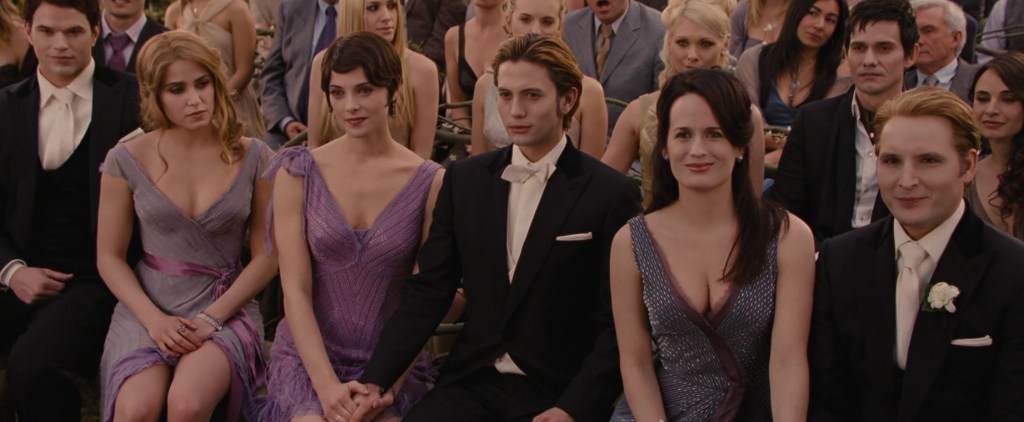
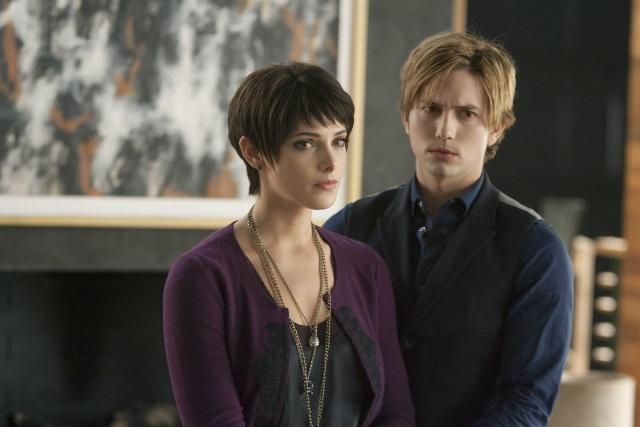
While Alice (Ashley Greene) is the most enthusiastic about their union because it means having Bella as a new sister, Emmett (Kellan Lutz) is eager to have the challenge of facing a newborn Vampire, Jasper (Jackson Rathbone) is keen to not look at Bella and see dinner, Rosalie (Nikki Reed) is the only one to have a dissenting opinion. To her, Bella is giving up everything that was taken from her, but that doesn’t stop her from ensuring that Bella’s wedding day is perfection incarnate.
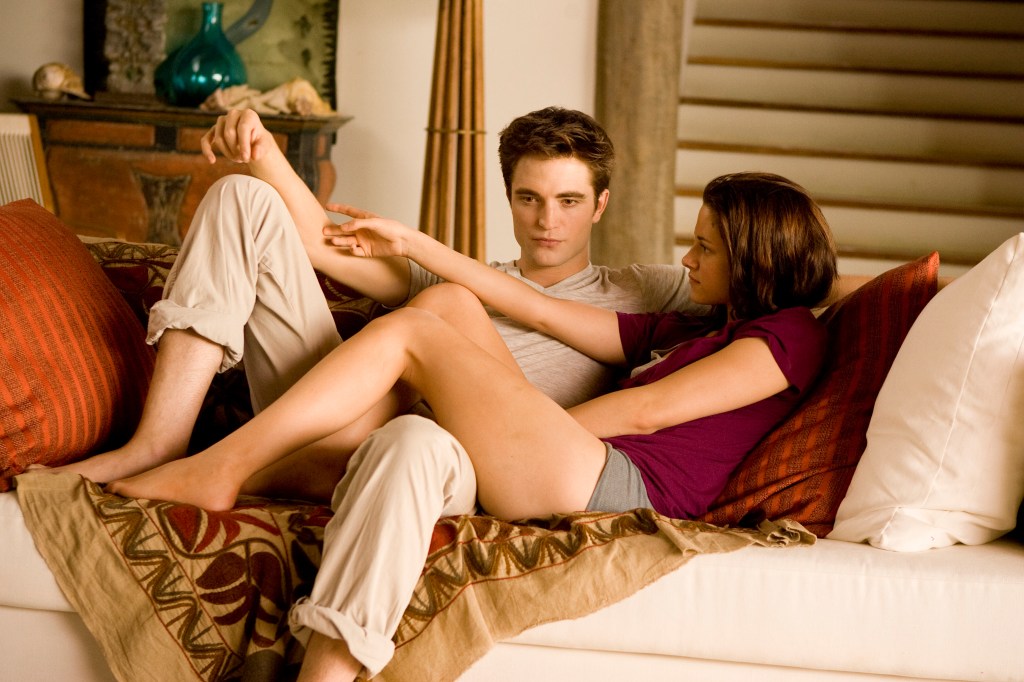
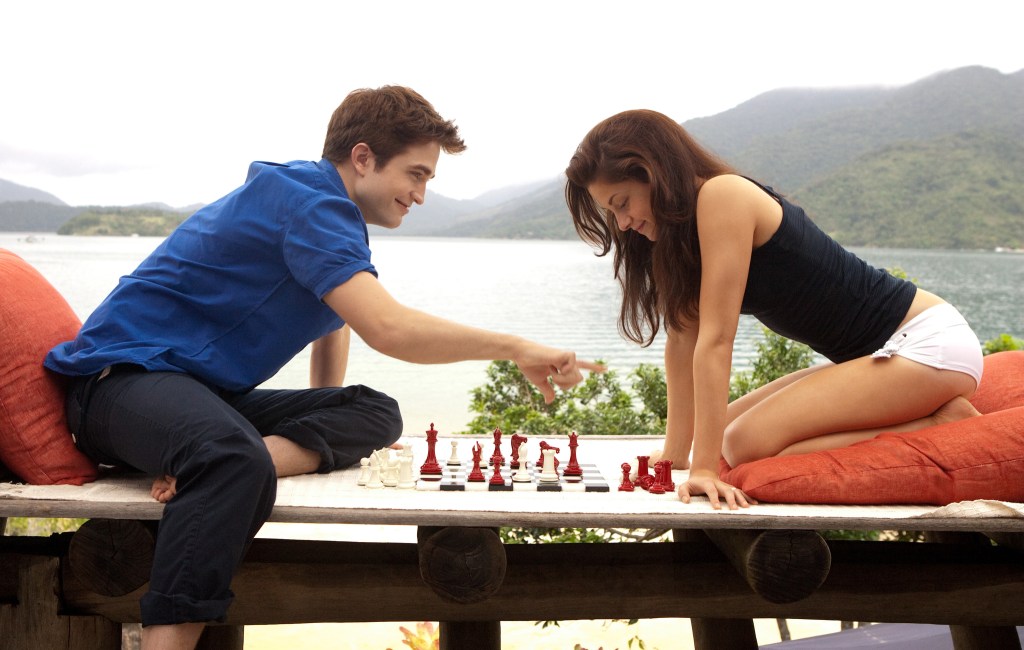
Partly, what makes the breaking up of this story into two films is that we can be with the Cullens far more than the other entries. With the opening act focusing on the wedding and the third act dealing with the fallout of the unexpected, they firmly take center stage. The second act of Breaking Dawn – Part One is devoted to the evolving romantic relationship between the newlyweds on Isle Esme. The extended version gives more attention to their characters, especially Esme, who has always been the Cullen with the least attention given to her character. Here, we see her maternal presence next to Carlisle’s paternal one, further driving home why the Cullens work as a Vampire Coven without supernatural interference.

The central conflict stems from Bella’s surprise pregnancy, despite all of them believing to their very core that it was an impossible occurrence. Their varying reactions to the news conflict with one another, allowing for an emotionally rich and powerful plot that otherwise would have made splitting the film into two parts unnecessary. Breaking Dawn ultimately has two major conflicts, Bella’s pregnancy and the ensuing conflict with the Volturi. It lets each film have its own tone, matched by the seasons featured in them. Spring and Summer for Part One and Autumn and Winter for Part Two.
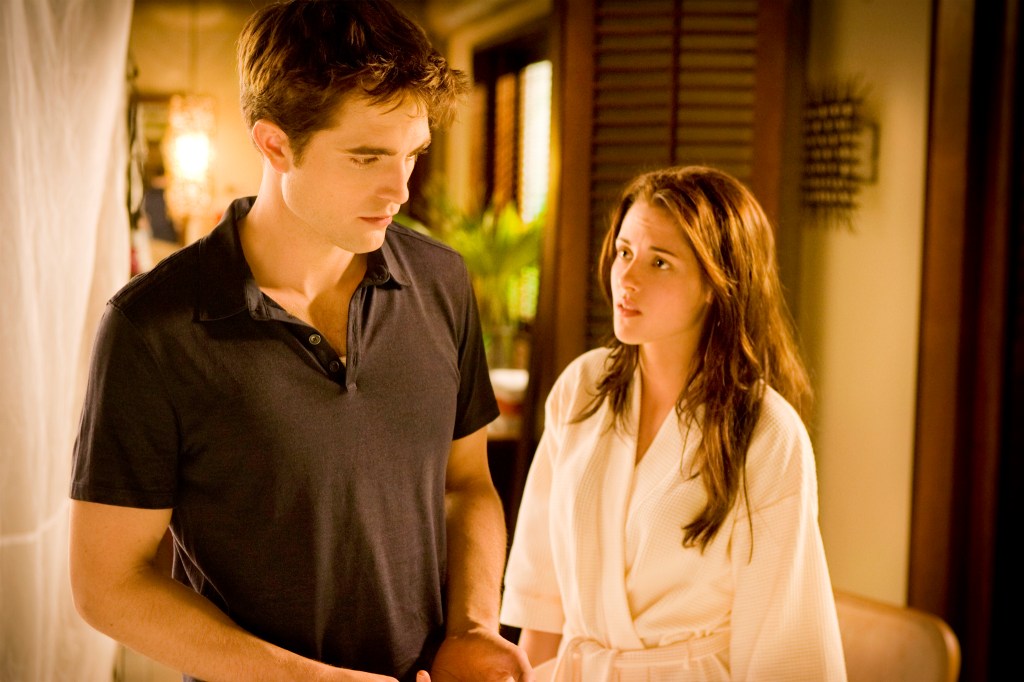
The Cullens’ split is formed for many reasons and perspectives – Edward wants to protect the woman he loves, and her human body simply cannot withstand a Vampiric essence within it. Her potential child is killing her, and there doesn’t seem to be anything that they can do.
With his centuries of medical expertise, Carlisle has never encountered this phenomenon, and all conventional wisdom and technique are failing him. Emmett and Jasper’s feelings about the situation aren’t necessarily fleshed out. Still, they pay the price for it when the Quileutes come into play. Still, just because their feelings aren’t fleshed out doesn’t mean we cannot interpret them based on their feelings for Bella as a person and a member of their family.

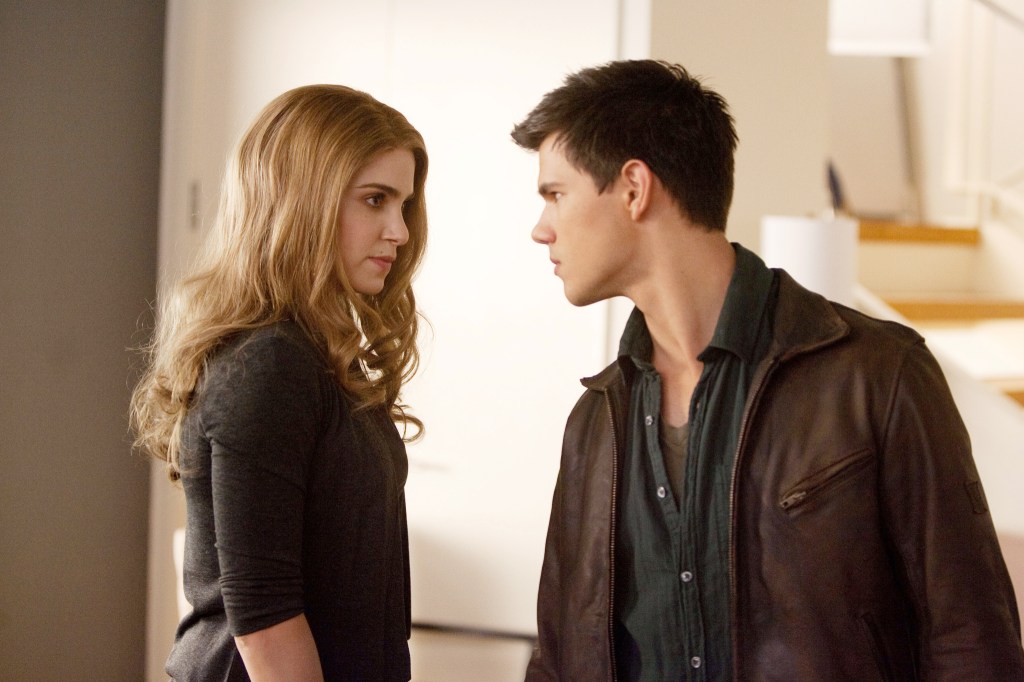
At the end of the day, the Cullen who receives the most considerable increase in importance because of this situation is Rosalie Hale. Her desire to be a mother firmly meshes with her protectiveness of humanity when Bella ends up pregnant; Bella trusts Rosalie above every other member of her new family because the fear of the unknown threatens their very existence and their tenuous position under the Volturi’s watchful eye. Together, they form a genuine friendship based on mutual understanding and respect, if not a foundation of familial love. The one thing Rosalie wanted more than anything else in her life was a baby – something she had never had the chance to have herself when her mortal life was cut short. Bella provides this for her, and while we see Rosalie go out of her way to protect Bella because she is protecting Bella’s baby, there is a more powerful reason behind it.
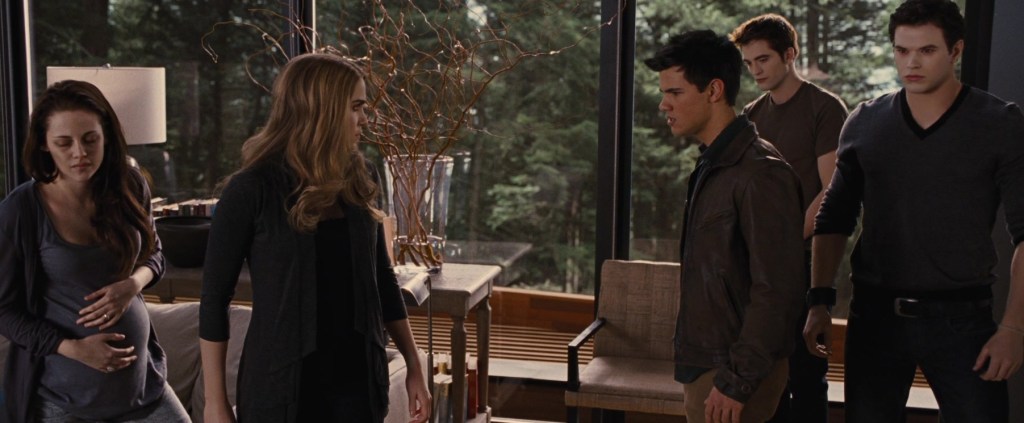
Bella knows that Rosalie will put the health and well-being of the potential child above hers, which is precisely what Bella wants. Even if that means putting her into direct conflict with Jacob and Edward.
The Quileute’s response is… understandable. They have no context for the child, and so they view it as an abomination. A hybridization between Vampires and Humans is something that, as far as these two groups are aware, has never existed. What they know about Vampires, especially newly created ones, is their insatiable hunger. Human children cannot control themselves because they cannot do so. Putting that into the hands of an immortal, nigh-unkillable Vampire seems imprudent at best in their mind. Their extreme response to the situation is understandable, putting into the mix a moral standpoint and the right to exist and how that right to exist could threaten existence as they know it.
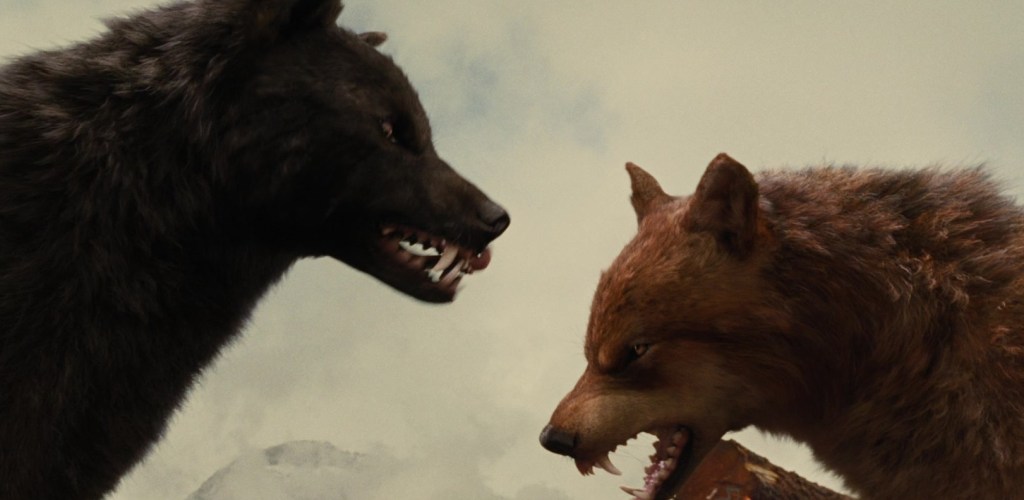
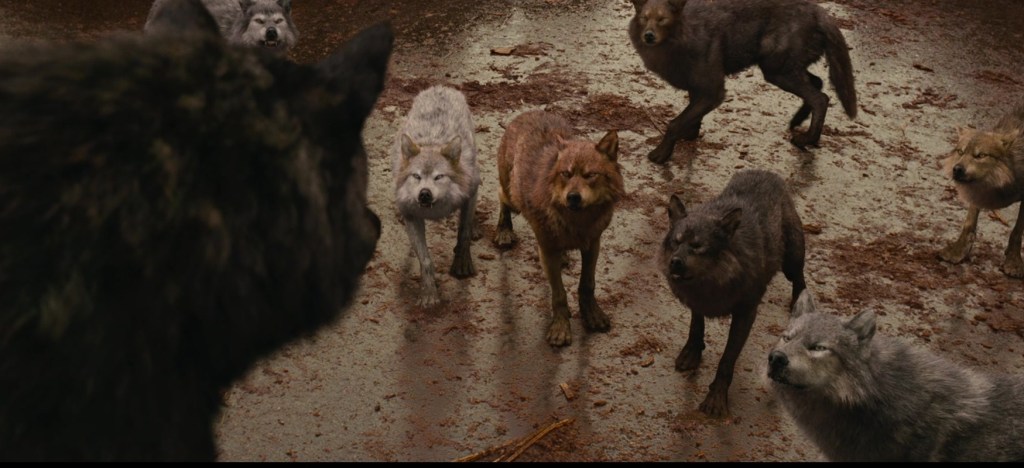
The brewing conflict between the Cullens and the Quileutes stems from Jacob’s rage at Bella’s decision to keep her child and the Cullens’ inability to convince her to give it up. His emotional turmoil, already eaten away at because he’s lost Bella to Edward, magnifies when he fears that he’ll lose her to actual death, too. He had hoped that when Edward turned Bella, he would be able to kill Edward, but Sam Uley (Chaske Spencer) was more than quick to kill that idea. With the knowledge of the coming child, Sam was one of the first to decide that they had to destroy it, and so rallied his ever-growing pack of Shapeshifters to do just that.


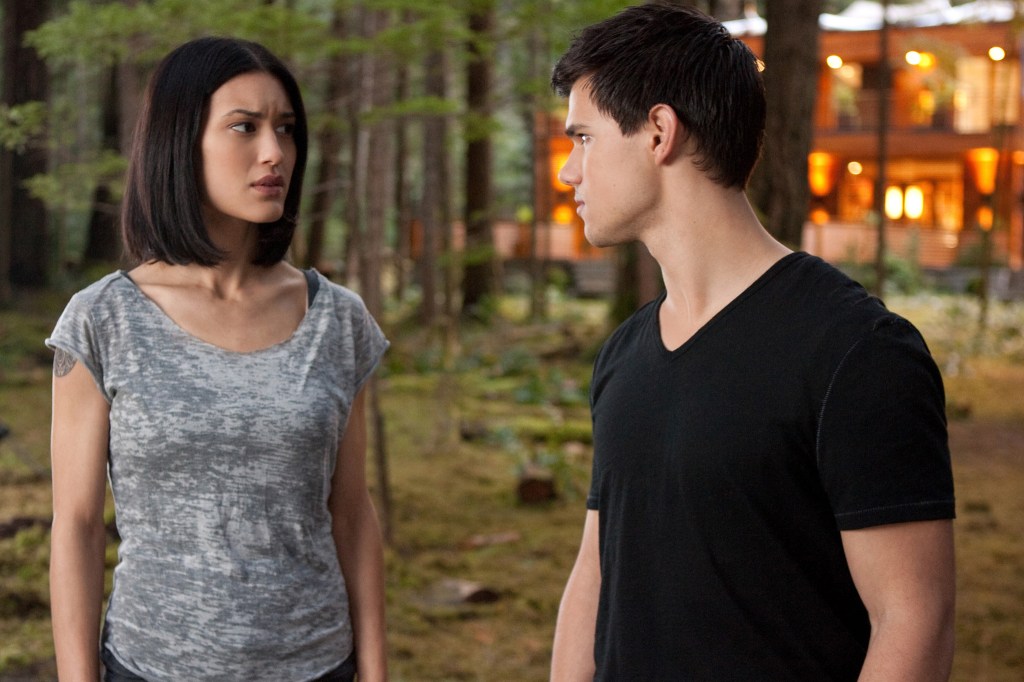
Here are the parallels between the Quileutes and the Cullens. They don’t agree on how they respond because of their personal ties to Bella or their interpersonal relationship with one another. This fractures the Quileutes at a time when unity might have allowed them to end any conflict before it could begin in their favor. Two packs are formed when that fracture grows, and Jacob takes the lead as he had intended to do through his family’s bloodline. This prompts Seth (Booboo Stewart) and Leah (Julia Jones) to defect to his side, the former because he likes Jacob more and is friends with Bella, and the latter to protect her brother. Leah also has a more obvious reason for leaving that soon comes up – their collective telepathy with Sam’s pack is broken by not being in the same pack. Leah no longer has to listen to her ex-boyfriend pining over his new partner.
We get to see how Jacob would handle being a pack leader, even if he only has two members in addition to himself to call a pack. How he handles Seth and Leah delves further into the kind of person and, ultimately, the type of leader he was meant to be. While aggressively against either Clearwater sibling joining him, he grudgingly relents to both unwanted additions. He listens to Leah’s heartfelt explanations for why she has to leave Sam’s pack, and while he is initially hesitant because Leah has no loyalty to Bella, Leah is insistent that it doesn’t matter. She’ll follow Jacob, and if that means protecting Bella, then so be it. Seth’s exuberance stems from his youth and inexperience despite his previous fight against Riley and Victoria. Jacob relents more quickly with Seth, primarily because he has a closer, more friendly relationship with Bella. When the film concludes, Jacob has found a new way to be a pack leader.

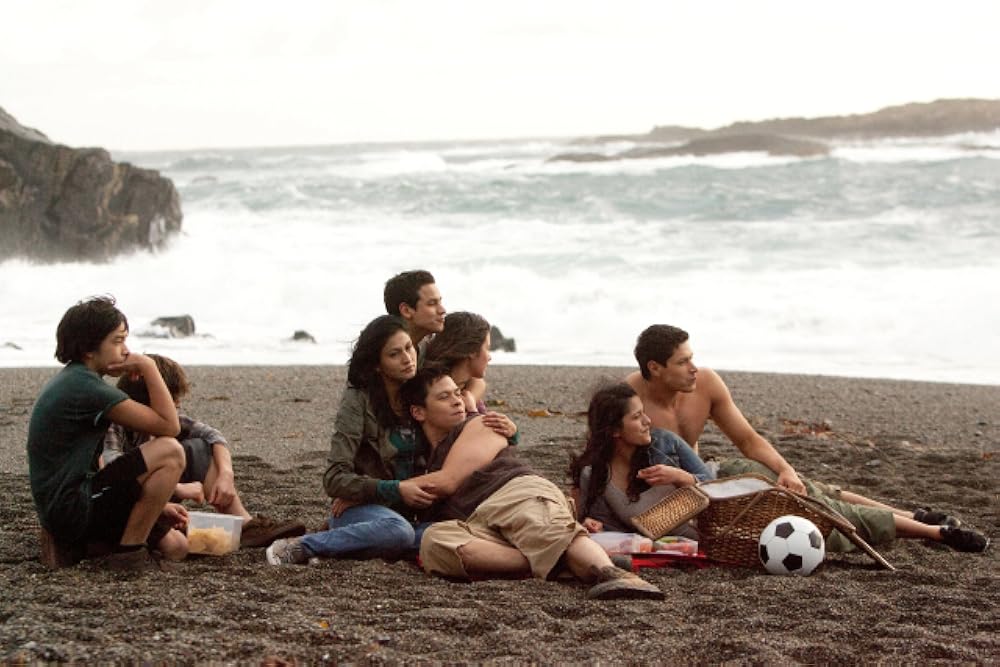
Tyson Houseman Kiowa Gordon, Alex Meraz, Bronson Pelletier, and Tinsel Korey return to fill out the Quileute faction as their characters Quil Ateara, Embry Call, Paul Lahote, Jared Cameron, and Emily Young. Gil Birmingham and Alex Rice also reprise their roles as Billy Black and Sue Clearwater, the latter beginning to show an interest in Charlie that is further developed in Part Two. For the last time, Anne Kendrick, Michael Welch, Christian Serratos, and Justin Chon returned as Jessica, Mike, Angela, and Eric. The quartet is present for Bella and Edward’s wedding, closing out their story for the last time. Finally, we also saw Renée and Phil Dwyer, played by Sarah Clarke and replacement actor Ty Olsson, return for Bella’s wedding, allowing her family to be complete.

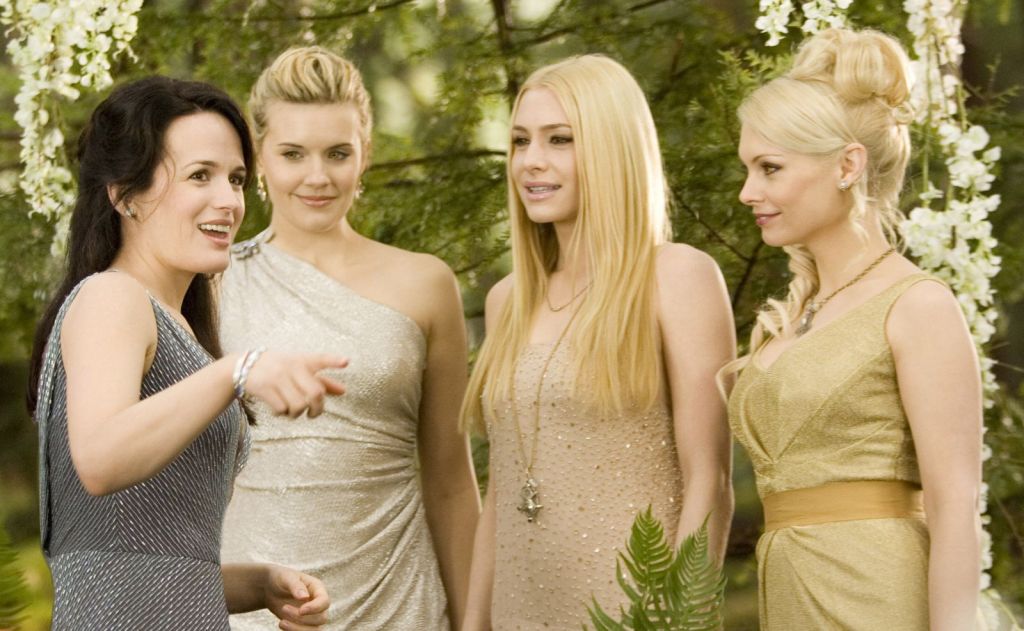
New characters are introduced in the beginning, with the wedding opening them up to the story for us at the same time as it does for Bella. We meet the Cullens’ cousins from Denali – Eleazar (Christian Camargo), Carmen (Mía Maestro), Tanya (MyAnna Buring), Kate (Casey LaBow), and Irina (Maggie Grace). This was an introduction to them, a taste of their importance in the story’s latter half. We see the tension between Irina and the rest of her family, and by extension the Cullens, because Laurent (Edi Gathegi) had become her mate between Twilight and New Moon. She still blames the Quileute wolves for his death.
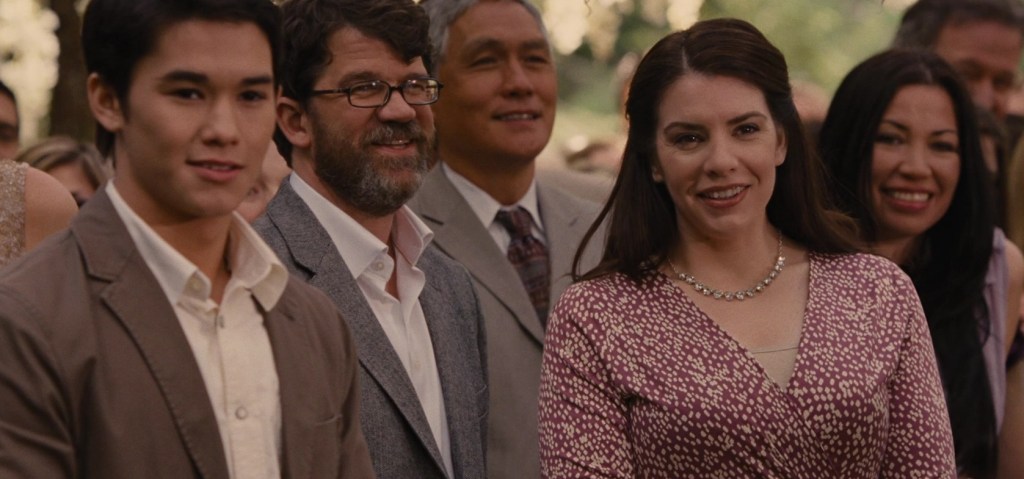
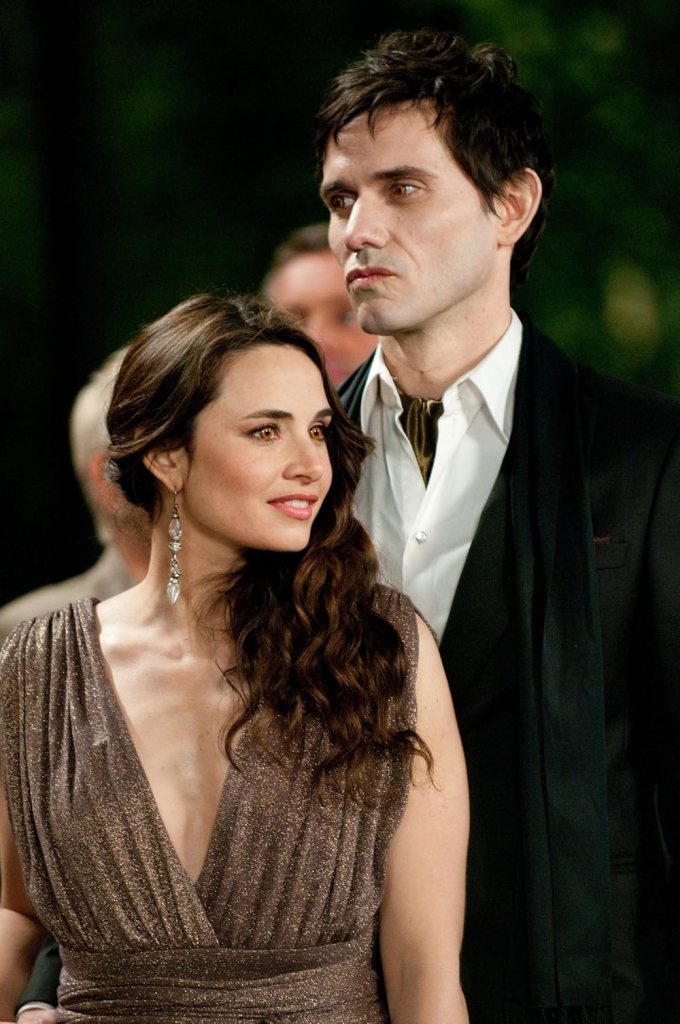
While their role is minimal, Christian Camargo and Mía Maestro certainly make an impression as Eleazar and Carmen. As part of the Denali Coven, presented as the only ones not related by blood, their presence in the group proves that the Cullens’ are not unique. It is possible for Vampire Covens to exist without supernatural intervention.
During the Volturi’s brief return, we see Demetri (Charlie Bewley) and Felix (Daniel Cudmore), but Alec and Jane are not featured. With their appearances being in the very beginning and during the scene set during the credits, it’s apparent that it was added to remind viewers of their importance. The Volturi only plays an essential role in the story’s latter half, much like the Denali Coven. Unlike the slew of characters introduced in Part Two, the Denali’s importance is derived from their connection to the Cullens, while the Volturi’s is from their threat as antagonists.
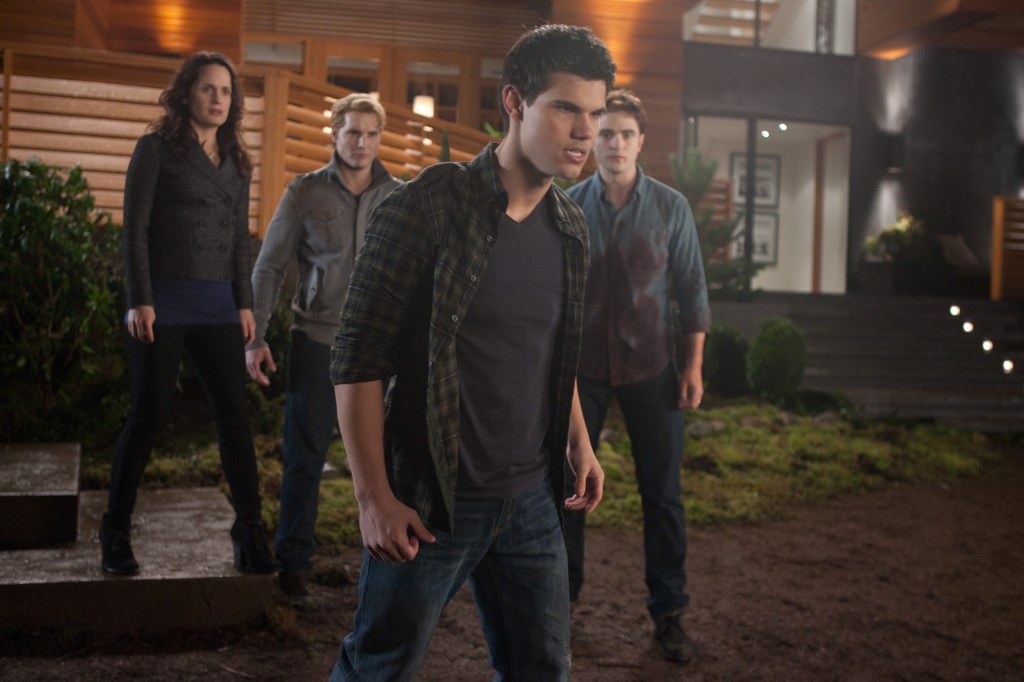
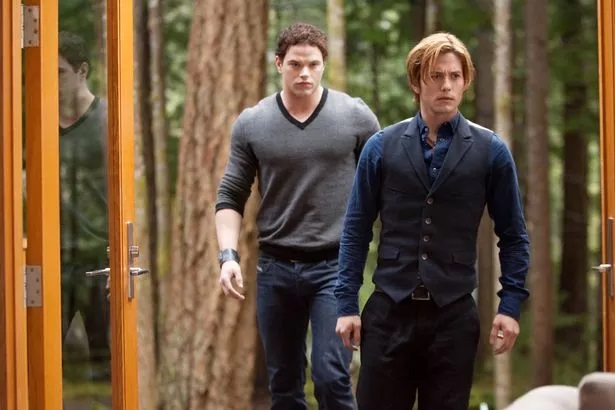
Breaking Dawn – Part One benefited from a story broken into defined chapters. While three different ‘books’ might seem less desirable to split into two films, that wasn’t the case here. Bella’s life as a human and her birth as a Vampire are two definite eras, clearly demarcating where one story should end and another should begin. Many complained about the pacing issues for the Deathly Hallows films and Mockingjay, and Hollywood learned its lesson with the catastrophe surrounding the final entry of Divergent. Twilight didn’t have those issues. The pacing of each film was radically different. Part One felt slower in the beginning because it could bring to life their newfound marriage and then deal with the pain and trauma surrounding the unknowable fate that Bella was barreling toward. It’s what let this film stand on its own, ensuring that Part Two could devote itself entirely to closing out the story and having the room to introduce the many new characters it had to.

With their love cemented and Bella’s future with the Cullens ensured, Breaking Dawn – Part One ends on a hopeful note.
 Lloydd Marshall Books