
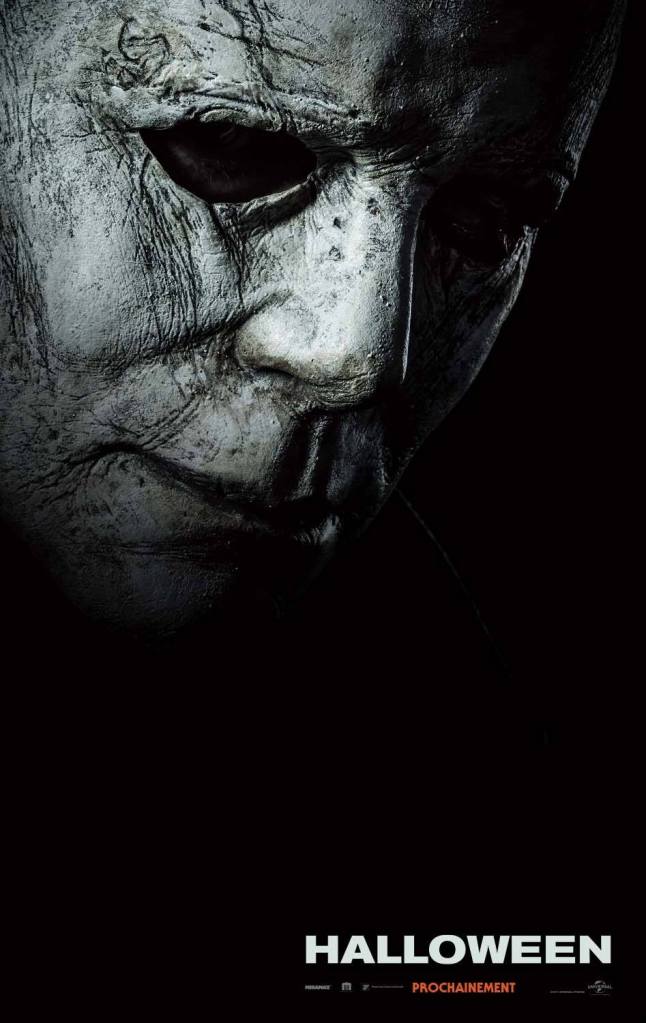
Last year, around this time, I reviewed the original Halloween by director John Carpenter and writer/producer Debra Hill. It set the stage for decades of horror films that would follow, ultimately codifying some of the tools and tropes that would be used and built on, torn apart, or deconstructed. This would be cleverly utilized in Halloween (2018), written and directed by David Gordon Green, with Danny McBride and Jeff Fradley.
Their work and vision are precise, as produced by Blumhouse, who had become known for their hand in the Insidious and Paranormal Activity franchises and a slew of others. Halloween (2018) was all about revisiting the roots of the original, subverting expectations, and recapturing that feeling without overstaying its welcome. The Halloween franchise is notorious for its desire to retcon specific details to build a cohesive series of films – sometimes within their own films. As I mentioned in my review for the original Halloween, this created a “Choose Your Own Adventure” narrative, where fans could watch multiple universes of Michael Meyers stalking and killing unsuspecting Haddonfield teenagers.
Gordon Green followed that tact but did what none of the preceding ones had the nerve to do. He ignored Halloween II, introducing the core concepts that all future installments would rely on: Michael Myers is Laurie Strode’s older brother. This entry acknowledges the detail and marks it as an overzealous community ascribing their negativity onto an innocent young girl to blame her for her own victimization. It’s rather eerie how they were in tune with society and culture when they followed that path.
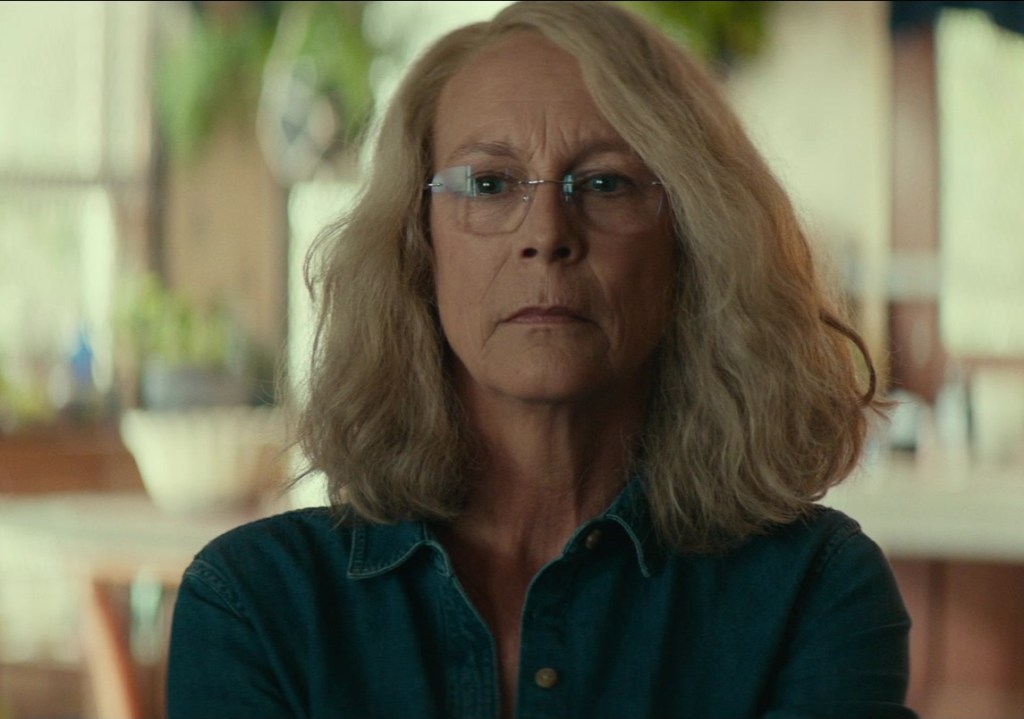

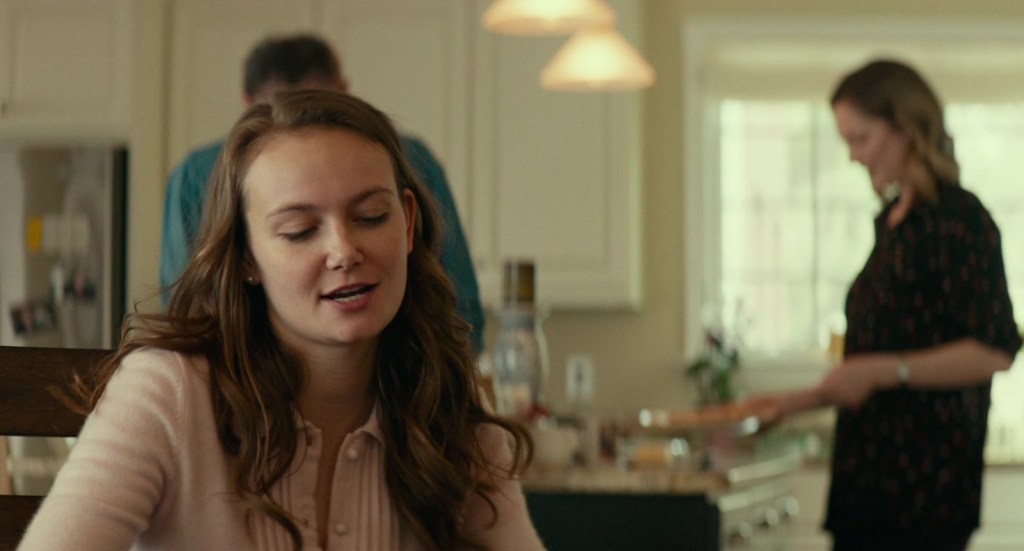
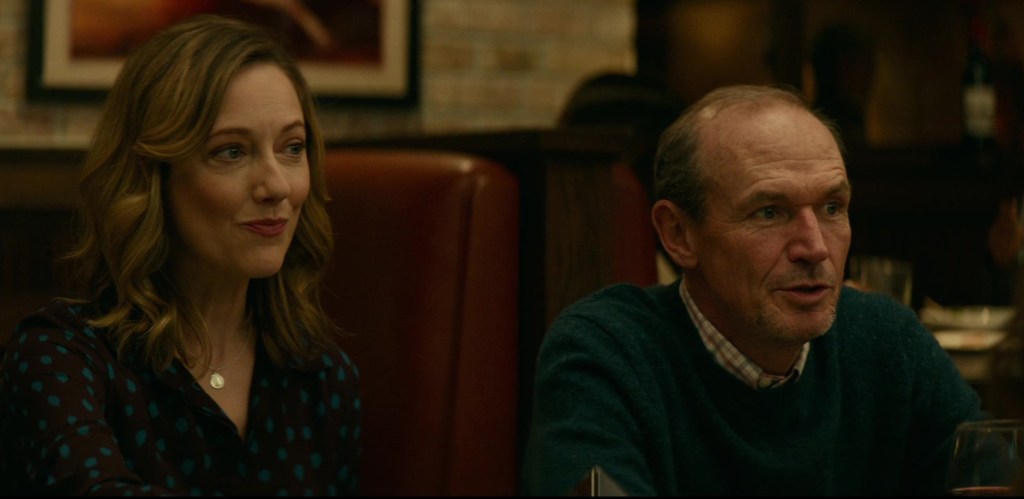
Taking place forty years after the original massacre, like the last entry that rewrote the film’s history, Laurie Strode (Jamie Lee Curtis) returns for another milestone. She has spent decades of her life reliving the trauma of the night Michael Myers (James Jude Courtney primarily, though Nick Castle, the original actor, returns for key scenes and Michael’s iconic breathing sounds) original massacre where all of her friends were murdered. Since then, her life has gone on but stagnant, destructively. She’s been married twice, had a daughter, thrown herself into alcohol, and spent much of her time residing in her heavily fortified cabin, which she rarely leaves. Her daughter, Karen Nelson (Judy Greer), has pushed down all of her mother’s trauma in an attempt to move on more fully – though she clearly ignores Halloween as a thing, considering she is wearing a Christmas sweater throughout the day. She married Ray Nelson (Toby Huss) and had a daughter, Allyson (Andi Matichak). They live a quiet, normal life, with Allyson trying to reintegrate her grandmother into their lives. The ever-looming presence of Michael Myers haunts them, but the Nelsons exist in a world parallel to that fear. They’re normal.
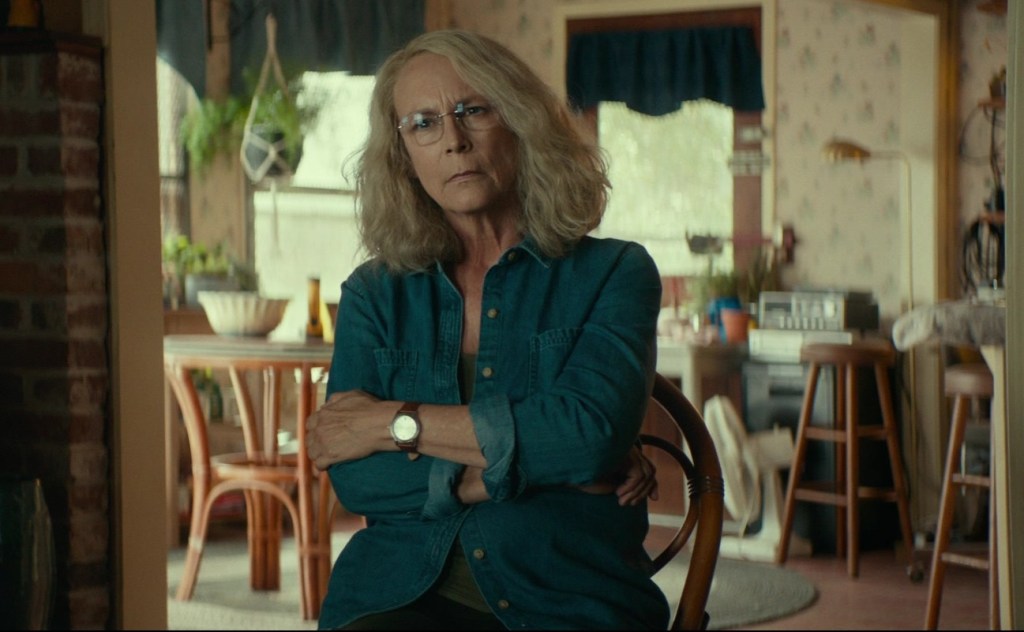
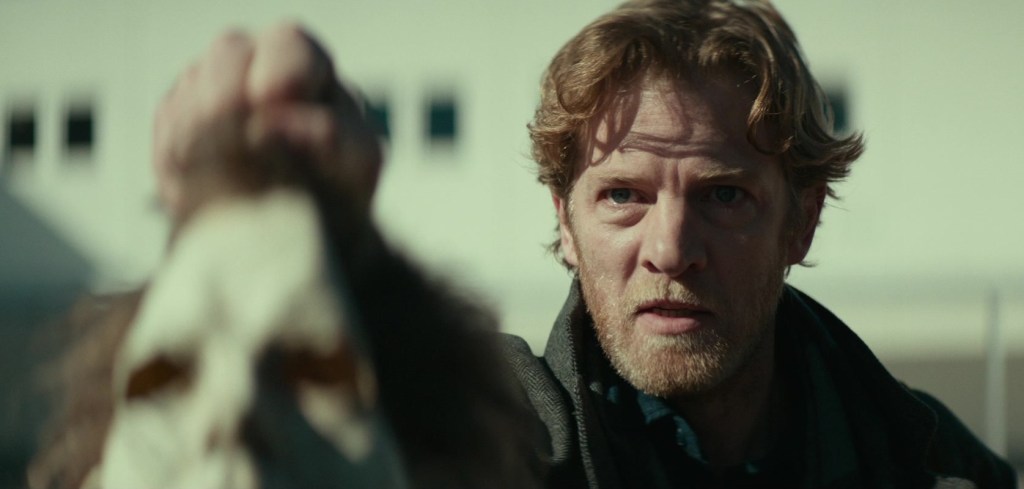
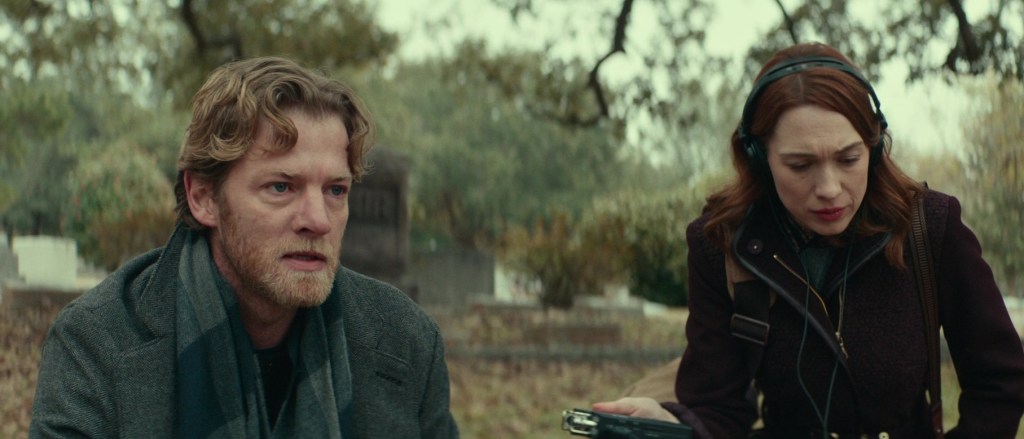
When two podcasters, Aaron Korey (Jefferson Hall) and Dana Haines (Rhian Rees), come poking around the Haddonfield story, looking for something new and sensational, events begin to swirl into action, setting the stage for a bloody night. They spend the days before Halloween visiting Smith’s Grove Psychiatric Hospital, where Michael has been held for forty years. They meet Dr. Ranbir Sartain (Haluk Bilginer), a student of Dr. Samuel Loomis who took over for the late doctor, before making their way to Laurie Strode’s home to try and interview her. These two incidents reintroduce the key characters, from when it all began and show us how things have changed. At the same time, almost nothing has changed. Laurie even maintains a hairstyle similar to her when she was 17. Aaron and Dana’s actions were practically predatory. They acted as a clear indictment of podcasters capitalizing off of the pain of others, with the worst offenders retraumatizing those who survived. David Gordon Green is great at generating a conversation, and he uses the culture of our modern era to develop it.
Allyson serves as the primary protagonist of this entry, though not at the expense of her grandmother, Laurie. Their stories are intertwined, but like Laurie, we follow Allyson through her day on Halloween 2018. Having breakfast with her family, walking to school with her friends Vicky (Virginia Gardner) and Dave (Miles Robbins), and meeting up with her boyfriend Cameron Elam (Dylan Arnold) and his friend Oscar (Drew Scheid) all serve to reflect the kind of normality that Laurie had that fateful day forty years earlier. The only difference is that during Halloween (2018), Allyson is dealing with the fallout of generational trauma. Laurie was introduced as a young woman living a rather idyllic life with a stable family unburdened by the tragedies of the past in their town. Like Laurie, though, Allyson is about to have the worst night of her life (so far).

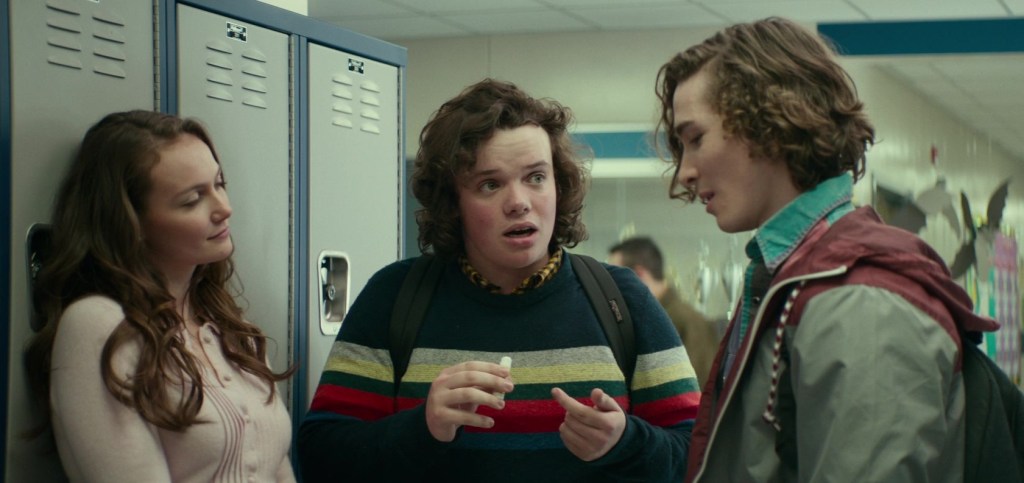
Halloween (2018) serves as an inverse of its originator. Each scene is designed to counter a significant portion of the original Halloween, from the gender ratio of the main group to the orders of their deaths, to the final cat and mouse game between Laurie and Michael, to the focus on character archetypes that were never fully introduced – such as Bennett Tramer and Paul Freedman. I’ll provide a key example. In the original, Laurie had a crush on Ben Tramer, a character who was never introduced, and it was clearly not one-sided. Here, Oscar has a crush on his best friend’s girlfriend, Allyson, which is very one-sided.
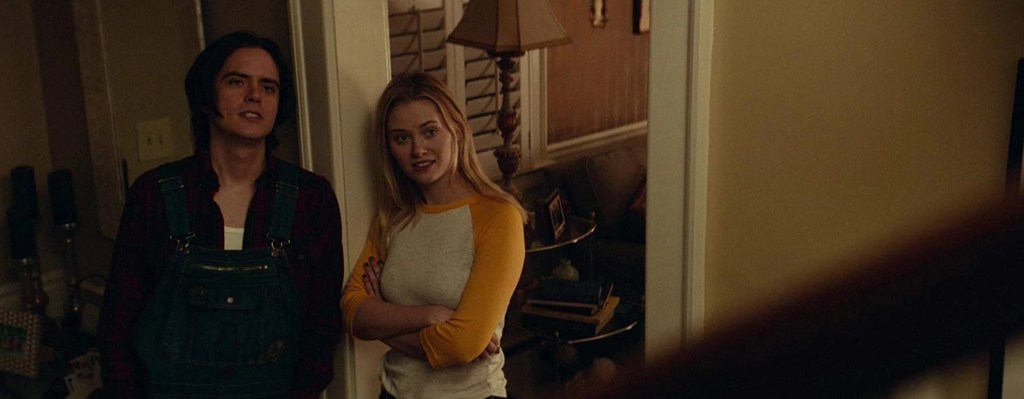

Another example is Vicky and Dave, who are obvious analogs to Lynda and Bob – with their characters emphasizing a similar trajectory to one another, but their deaths are reversed. Vicky is killed first, well aware of the danger she is in, while Lynda is killed second, oblivious to the threat walking up right behind her. Dave is caught by Michael while trying to fight him off to save Vicky, but Bob is completely caught off guard, believing he is being pranked. It highlighted that while things can change, they remain the same. Everything is in a kind of stasis.
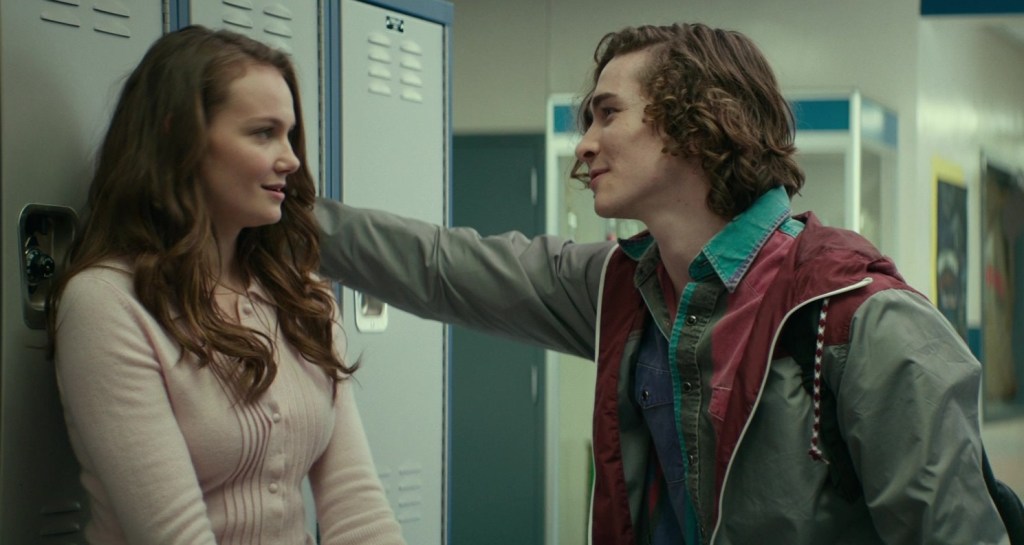
How we deal with trauma and our emotional baggage is another crucial thematic element of this entry. Allyson struggles to bring her family back together and embrace a normalcy that has never been a part of her life. While she is dealing with this, she finds Cameron cheating on her with another girl, and his response is to throw her phone into a punchbowl. This act sets up a dangerous situation later, cleverly removing the obstacle of the all-powerful cellphone while further isolating Allyson from what transpires around her. Haddonfield is already descending into a kind of chaos as word of Michael’s escape is reaching more people, and several people have already been found murdered. Yet, her key relationships (with Cameron and her parents) are intended to ground her in that normalcy. By the time the terror starts, her life has already begun to unravel because of her efforts to cling to that normalcy.

Allyson is a direct parallel to Laurie – with most of her scenes acting as a references to Laurie’s. These include her walk with her friends (to school, rather than from school), seeing a figure staring at her from the window of her classroom, and a harrowing encounter with Michael Myers.
The Nelson family is a significant pillar of the film. Karen’s desire to ignore her traumatic past in favor of an optimistic future presents a counterbalance to her mother, Laurie. When they are involved in the main plot and details about what led to Laurie losing custody of Karen, we see that context places these actions in a brighter light. Ray Nelson, the awkward, embarrassing father, steps up when he learns how dangerous the situation is. Still, Karen is the proactive one – the more significant threat between them. Allyson spends much of the film weaving through the story seemingly on the periphery like her grandmother was in Halloween. She is unaware of the threat because of the actions of others. When she finally crosses paths with Michael, it becomes clear that everything Laurie feared was correct.
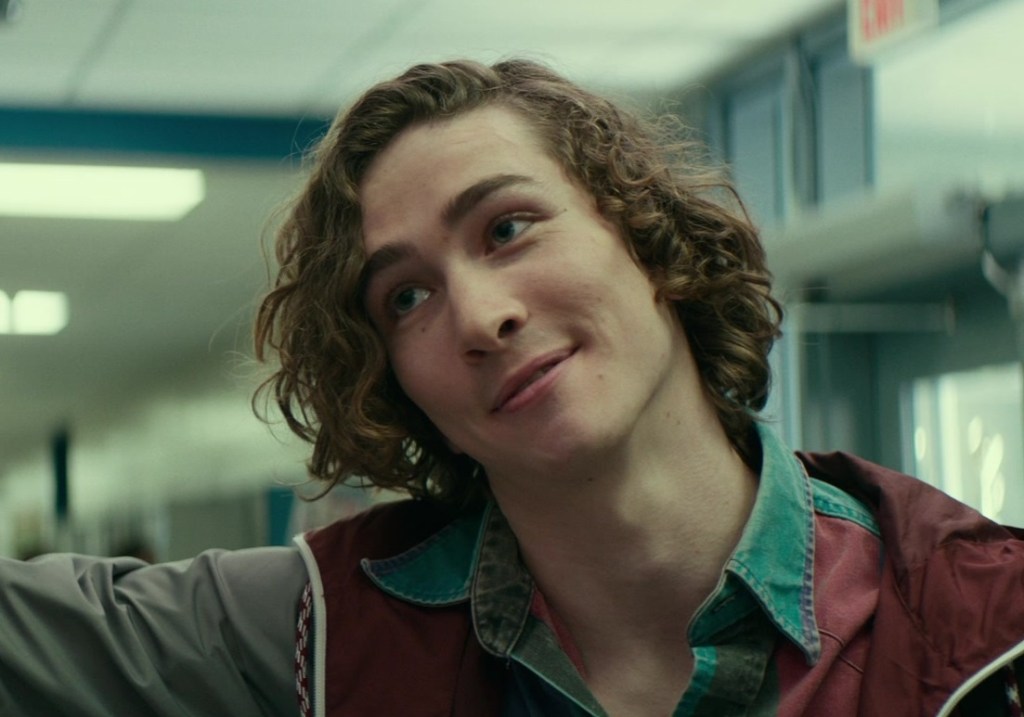

Vicky, Dave, Cameron, and Oscar represent the broader group of friends around Allyson – with their relationships circling around her as friends and allies. While none of them have substantial roles, as is the case for slasher films, they are nonetheless memorable characters. Vicky and Dave spend most of their screen time together, away from Allyson, allowing the intimate aspects of their relationship to take center stage. Cameron and Oscar, meanwhile, are orbiting Allyson for most of the night, and their actions directly contribute to putting Allyson in danger.
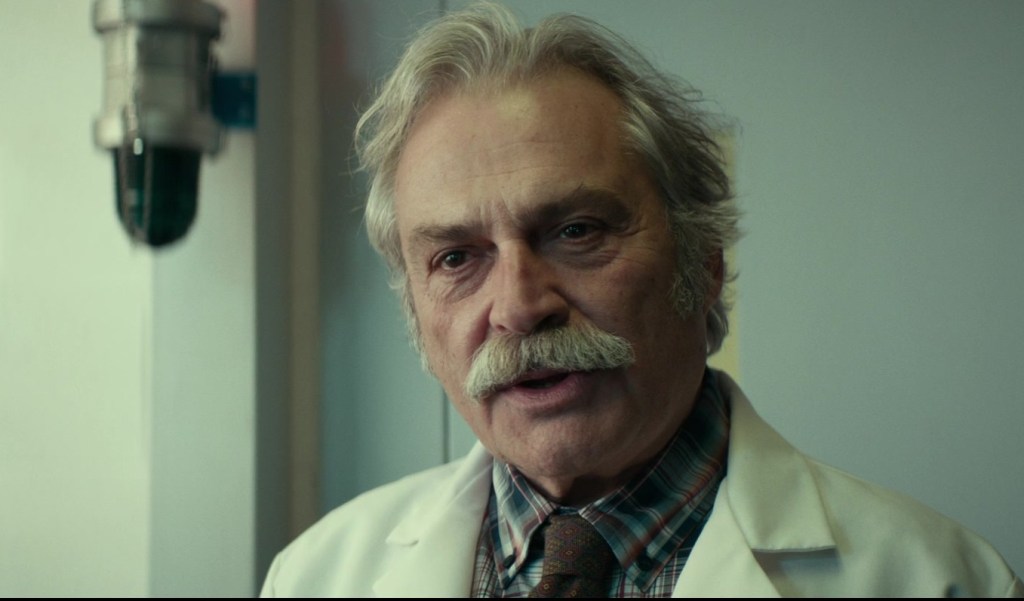
As mentioned earlier, the supporting cast includes Dr. Sartain, who clearly knows Laurie and views her as central to Michael’s story. He plays a rather complex role throughout the film, presenting a dangerous threat at key moments.
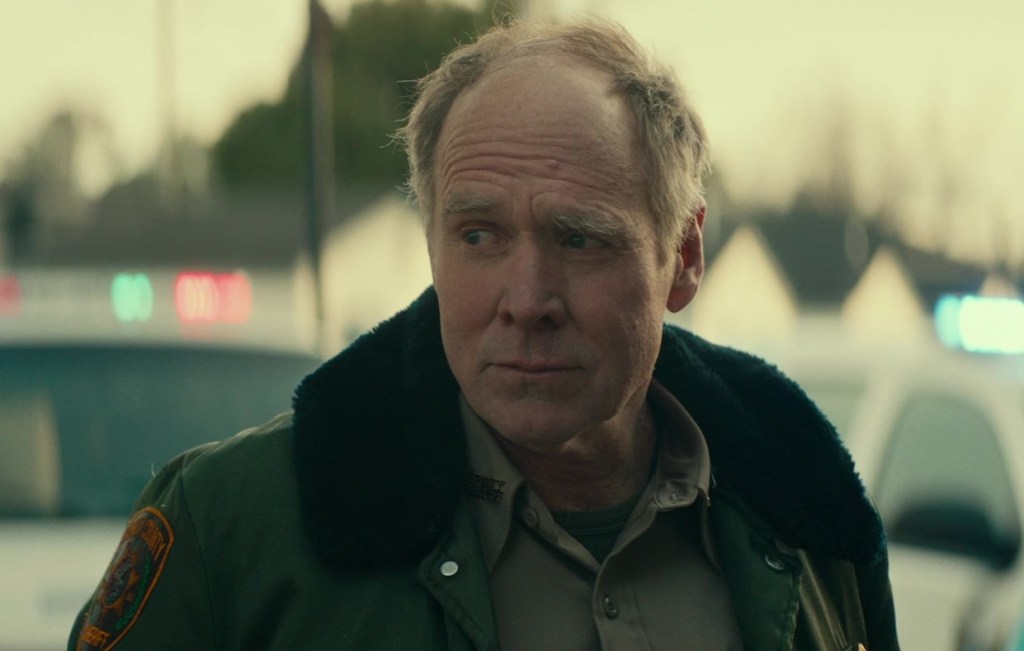
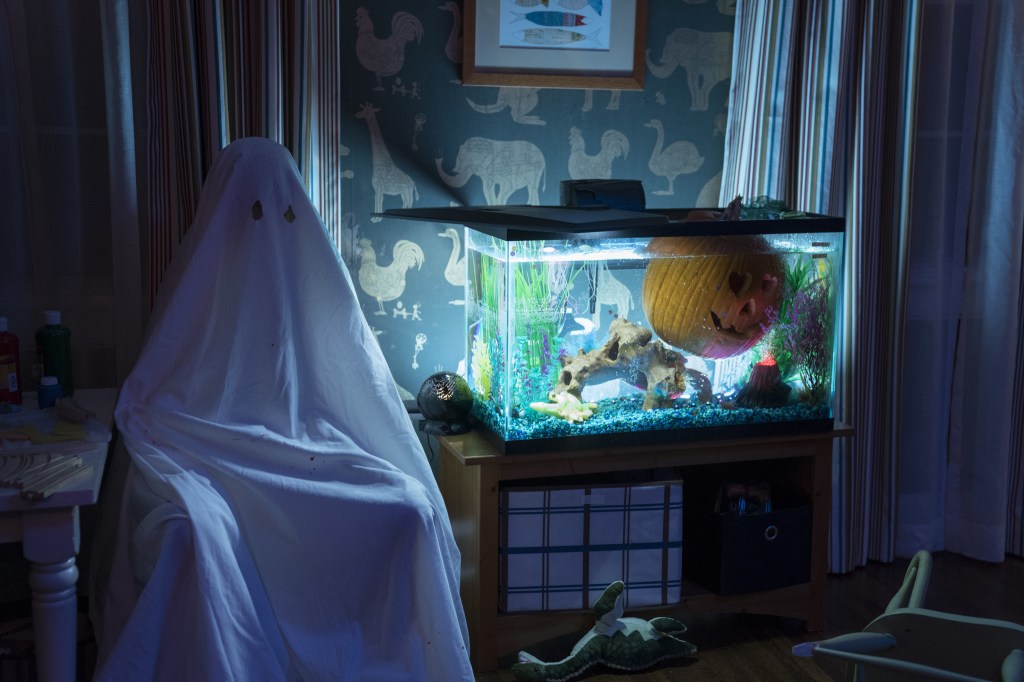
Another central character is Deputy Frank Hawkins (Will Patton), who is referenced as the figure directly responsible for arresting Michael Myers that night forty years back. Deputy Hawkins’ guilt, as the murders in this film begin to rack up, is palpable, with him openly questioning if he did the right thing in 1978 by arresting Michael rather than shooting him. Sherrif Barker (Omar Dorsey) appears briefly, setting the stage for a more central role later. Then, we have a standout, Julian Morrisey (Jibrail Nantambu), the young boy that Vicky babysits this Halloween. Julian’s playful banter with Vicky is one of my favorite aspects of the film.

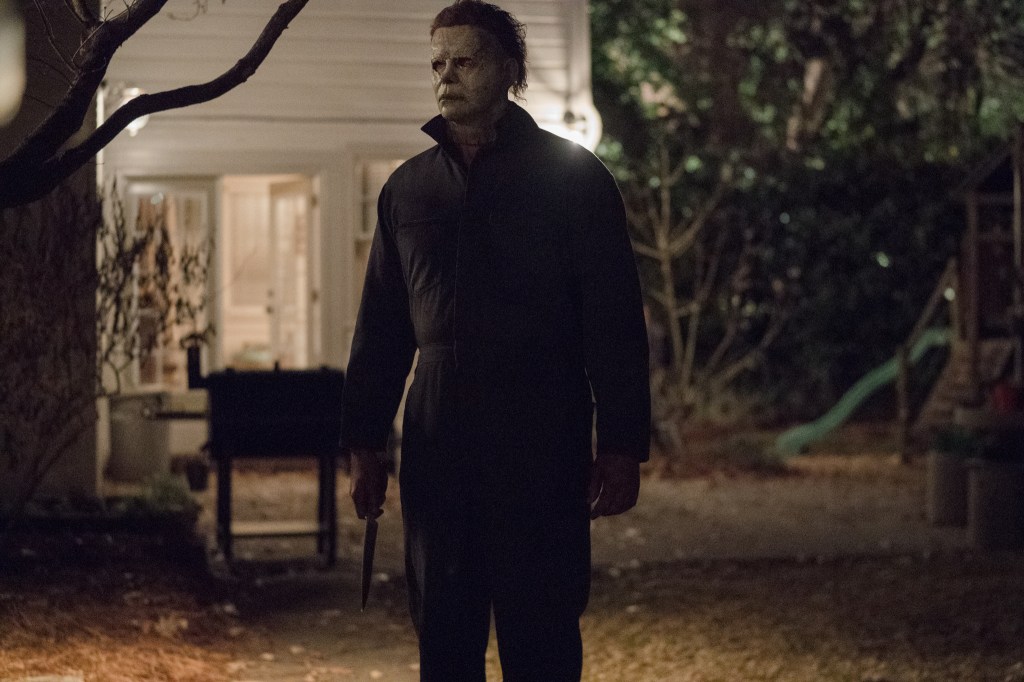
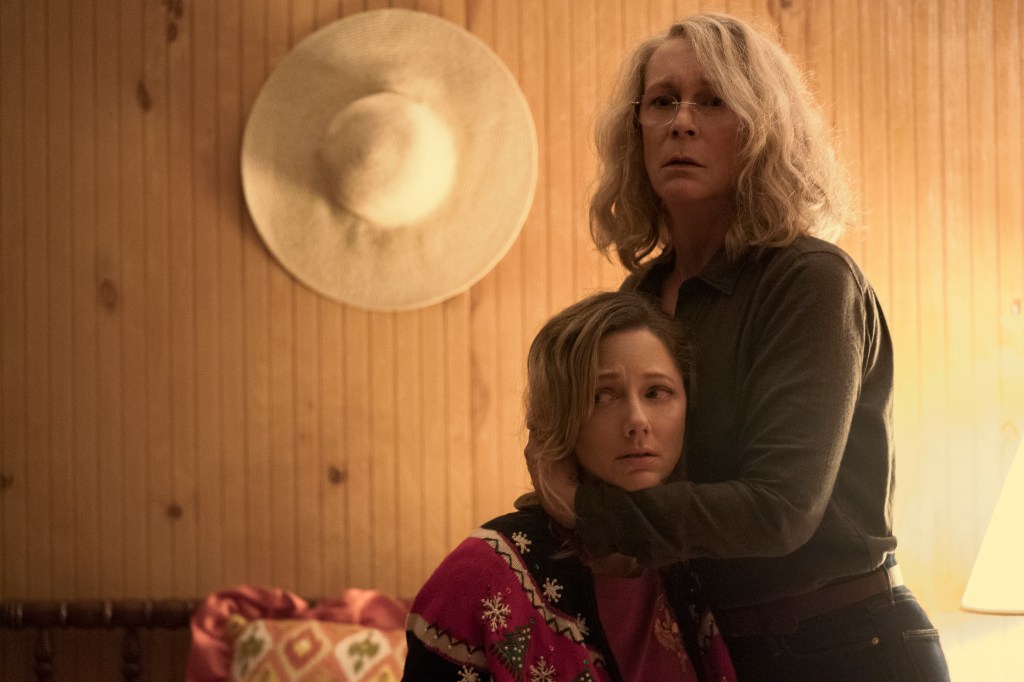
Halloween (2018) spent its runtime building up to its climactic finale – the kind of clash that fans have been waiting for: Laurie versus Michael. This entry does not skimp; it barely cuts away and drives home the point that Michael Myers is a pit of darkness that cannot be easily defeated. He can, however, be countered and outthought, which Laurie and Karen do masterfully.

Horror has evolved since the ‘70s, especially where slashers are concerned. They have become more visceral, their psychological impact is more direct, and their role in advancing critical conversations about difficult topics has moved beyond mere subtext. Indeed, these elements are still between the lines, but a keen observer can pick up on them more adeptly. Sometimes, you just need to live in a film to truly appreciate it.
 Lloydd Marshall Books