

I have often found that movies that attempt to focus on the issues of race will, at times, focus primarily on the white characters at the expense of the black characters. There’s a clear reason for this. With white audiences vastly outpacing their black counterparts by mere population numbers, your target audience is the broadest possible selection.
Yet, black stories framed through the lens of white eyes often miss or intentionally smooth over some of the more critical aspects of stories focused on race and class. The Help does no such thing.
The main character in The Help is Eugenia “Skeeter” Phelan (Emma Stone). Her actions drive the plot ahead throughout its first two acts. Much of the story is framed from her perspective, most notably her reactions to understanding just how blind she has been to what is going on around her in Jackson, Mississippi. Upon returning from Ole Miss with a degree in hand and having her application for a job working for Harper & Row NYC rejected by her idol, Elaine Stein, Skeeter reevaluates her life and path.

She feels stuck in a world in which she no longer seamlessly melds. Still, her eyes are about to be opened even wider to a world she has only glimpsed the periphery of.
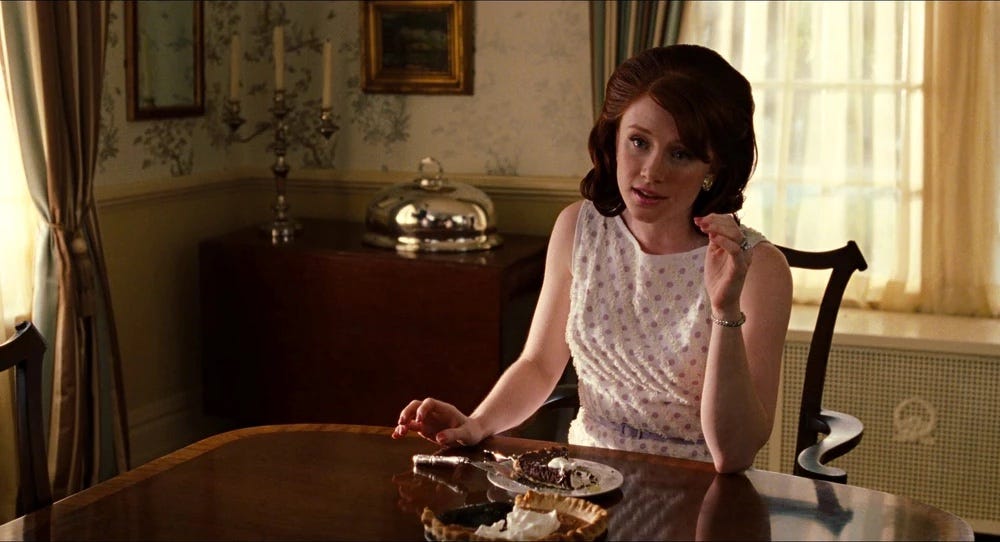
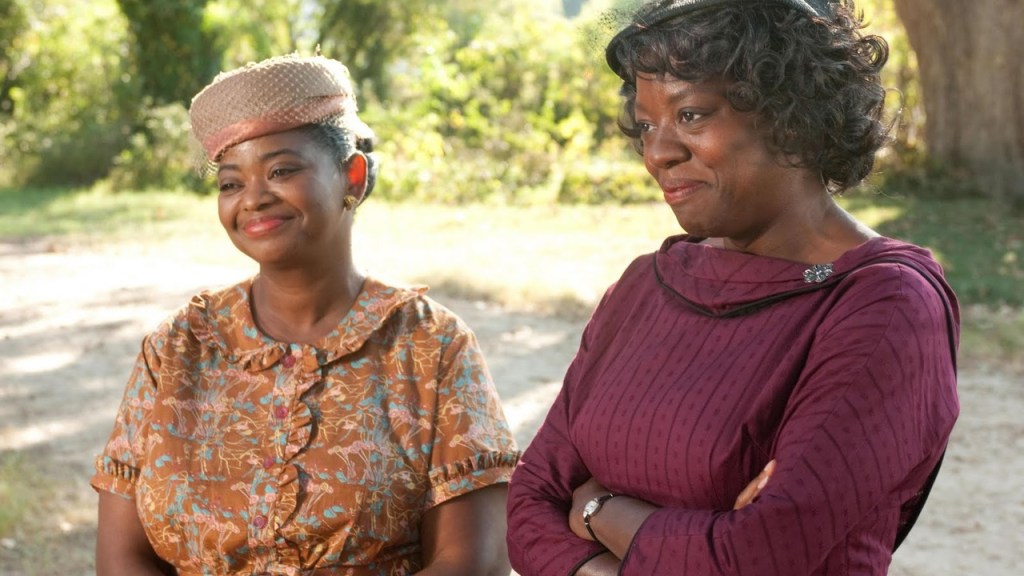
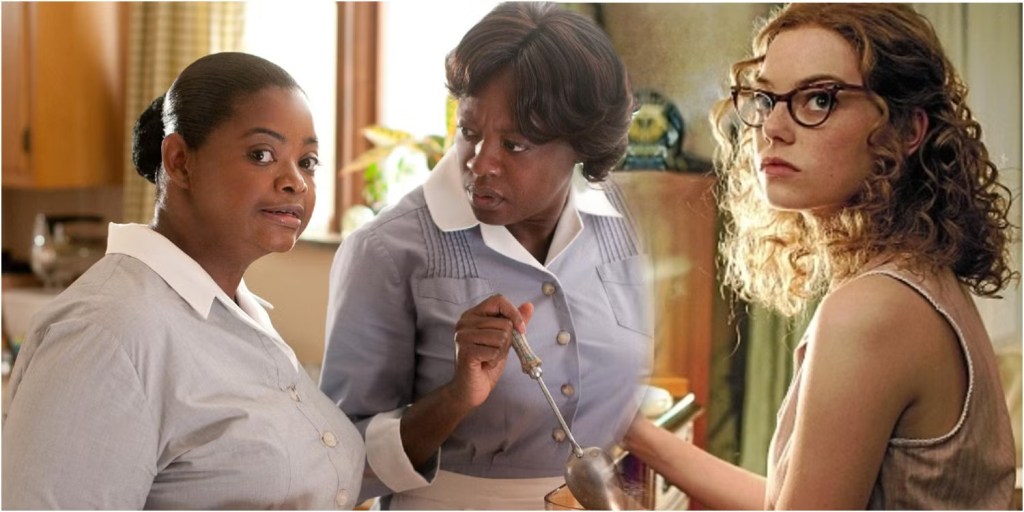
The Help centers on a vast ensemble of characters but neatly breaks them into a few key groups – obviously, there’s the titular Help, whose primary focus characters are Abilene Clark (Viola Davis) and Minny Jackson (Octavia Spencer, who would take home the Oscar for Best Supporting Actress for this part). On the other side are the socialites of Jackson – they are led by Hillary “Hilly” Walters Holbrook (Bryce Dallas Howard), who is surrounded by a slew of likeminded, similarly positioned young mothers and is the woman who initially employs Minny, having stolen Minny out from under her own mother, Mrs. Walters (Sissy Spacek), upon moving her mother in. Elizabeth Leefolt (Ahna O’Reilly) employs Abilene to mind the house (cook, clean, and most importantly, care for Elizabeth’s daughter, Mae Mobley, played by Emma and Eleanor Henry).
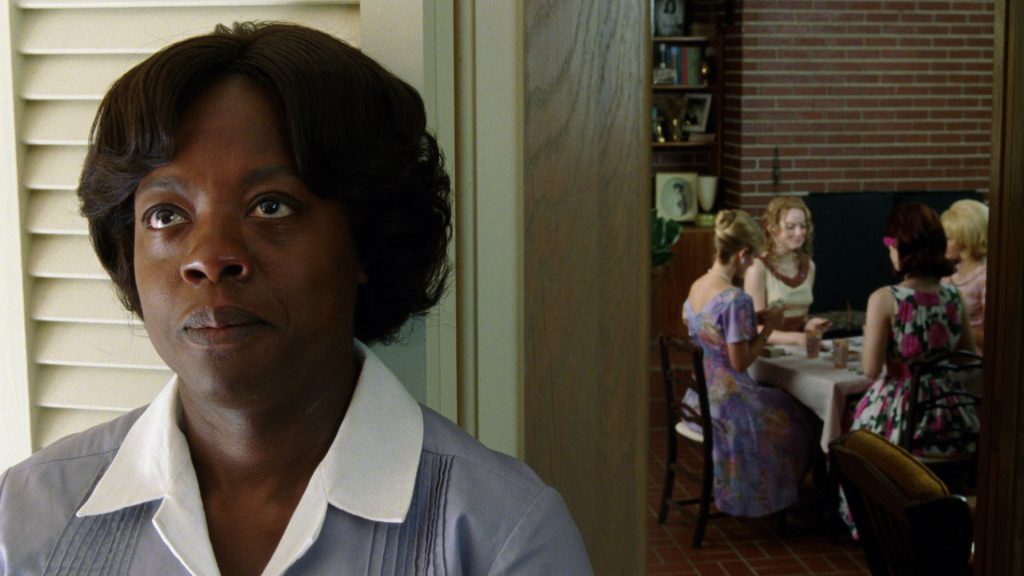

When Skeeter manages to secure a job writing a local housekeeping column, she truly begins to see their world for what it is. With no housekeeping experience, she seeks Abilene’s advice and expertise with the assent of her friend, Elizabeth. This is where the film delves deeper into the class divide that many ignore when they discuss how women have been treated historically. During the 1960s, women were still fighting for specific equal rights, and a pivotal scene is centered on how politics flows through their lives. When Skeeter tells her friends that she has just gotten a job, Hilly is stunned but quickly recovers to congratulate her, even noting, “They’d be a fool not to fire you.”
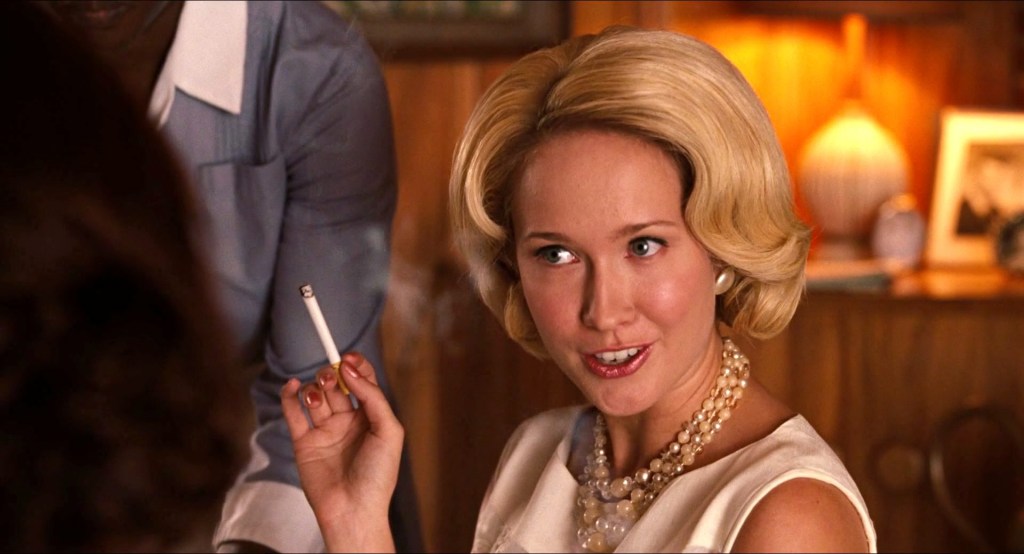
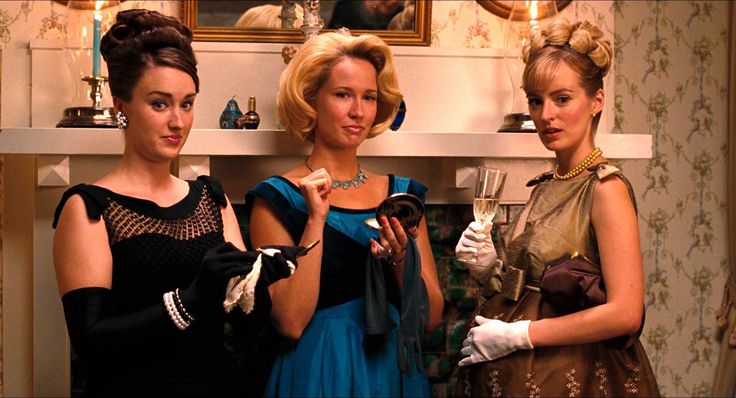
In contrast, their other friend, Jolene French (Anna Camp), jokingly comments that it’s “the last stop till marriage.” For them, a job, like a degree, is an accessory for getting married. Nothing to take too seriously. All the while, a black woman is serving them, working a more demanding job than any of them would ever deign to. The conversation is short, but its point is driven home with intense clarity.
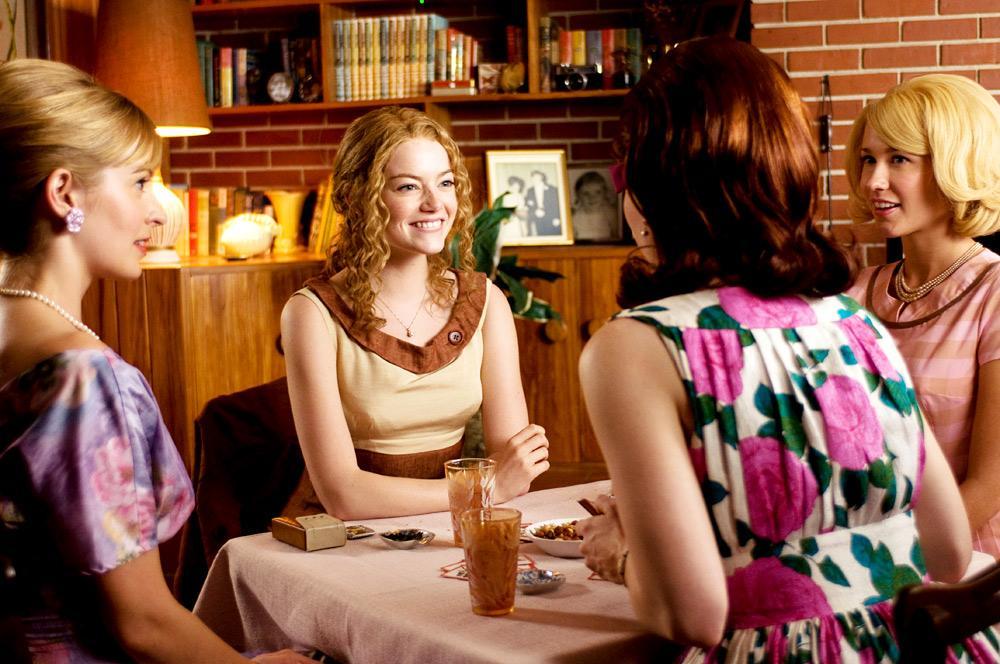

The Help is notable in that, while Elizabeth lives a less luxurious life than Skeeter or Hilly, whose homes are much larger and older (clearly with storied histories tied to the community), Elizabeth’s home is smaller and much more modern. Yet, Elizabeth can afford Abilene just as her friends can afford their own “help.” Here, you might notice that white characters of a lower social class are not included in The Help, just as black characters of the upper class (which very much existed even in the 60s) are not included. The Help is centered on the class and racial divide of two specific groups, and it doesn’t stray from there – save for one character that I will delve into later. But the society that these women live in is carefully curated, incredibly structured, and entirely dependent on the women that they only notice when something needs doing.
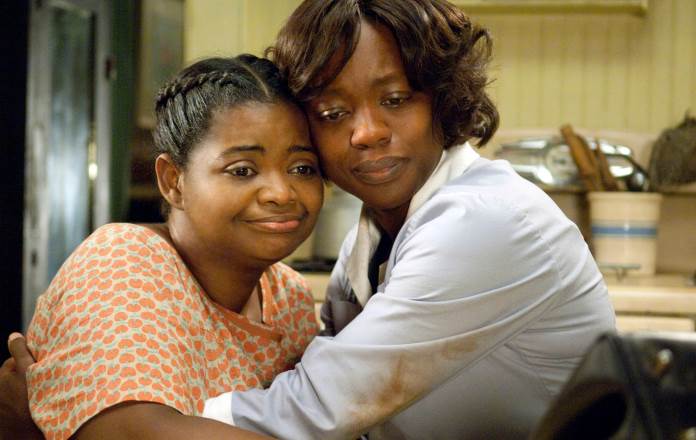
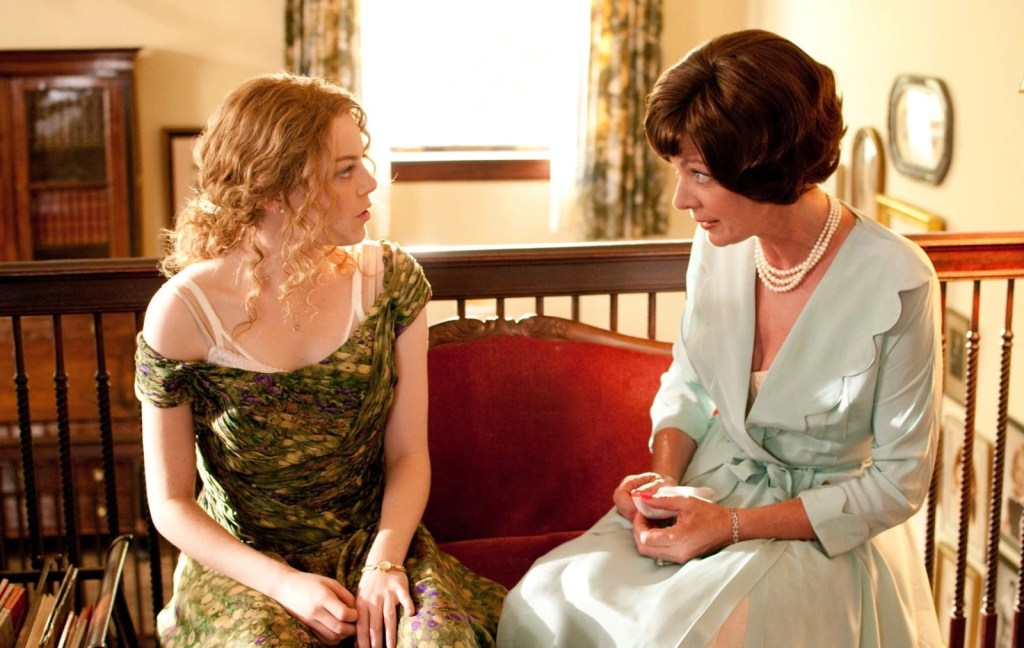
One of the significant incidents that opens Skeeter’s eyes is when, after she returns home, the family maid, Constantine Jefferson (Cicely Tyson), is no longer in her family’s employ. Her mother, Charlotte Phelan (Allison Janey), refuses to discuss the situation, let alone offer an explanation beyond that Constantine “quit” their family. Skeeter doesn’t fully accept this answer, but this reluctance leads her to question their life and those of their social group more. This leads her to begin speaking with Abilene. Still, even before then, Skeeter was painted in a very different light from her friends. When served by Abilene, she goes out of her way to thank her and takes the time to speak with the people who tend to her mother’s home. The divide is obvious, but her kindness is indeed genuine. She doesn’t think to speak for the Help, where her friends all but order their servant’s lives with a mere spoken word.

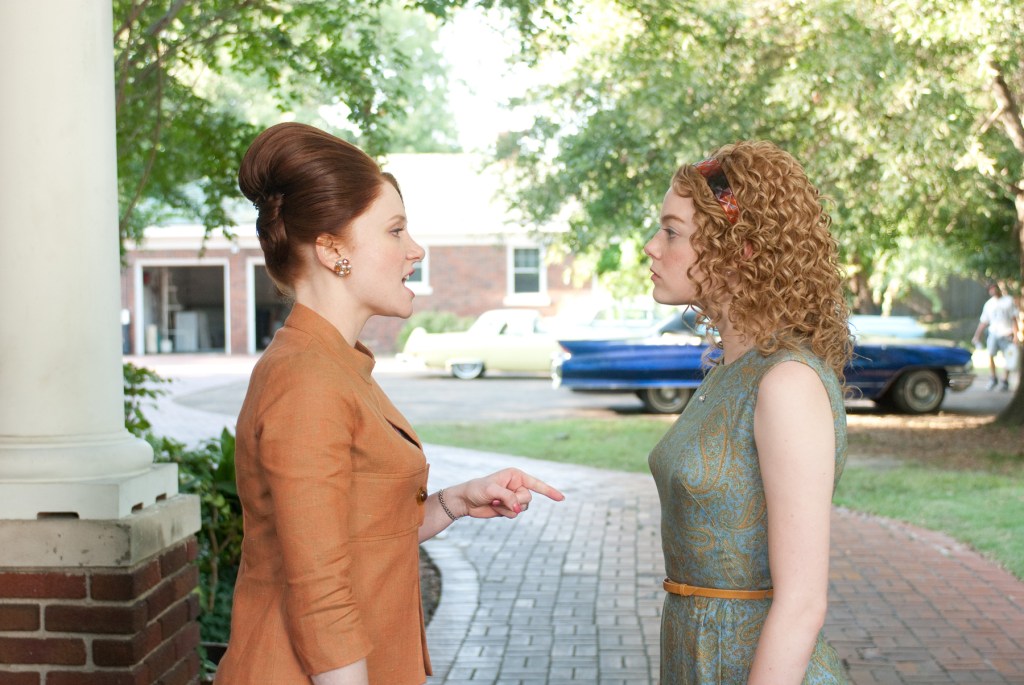
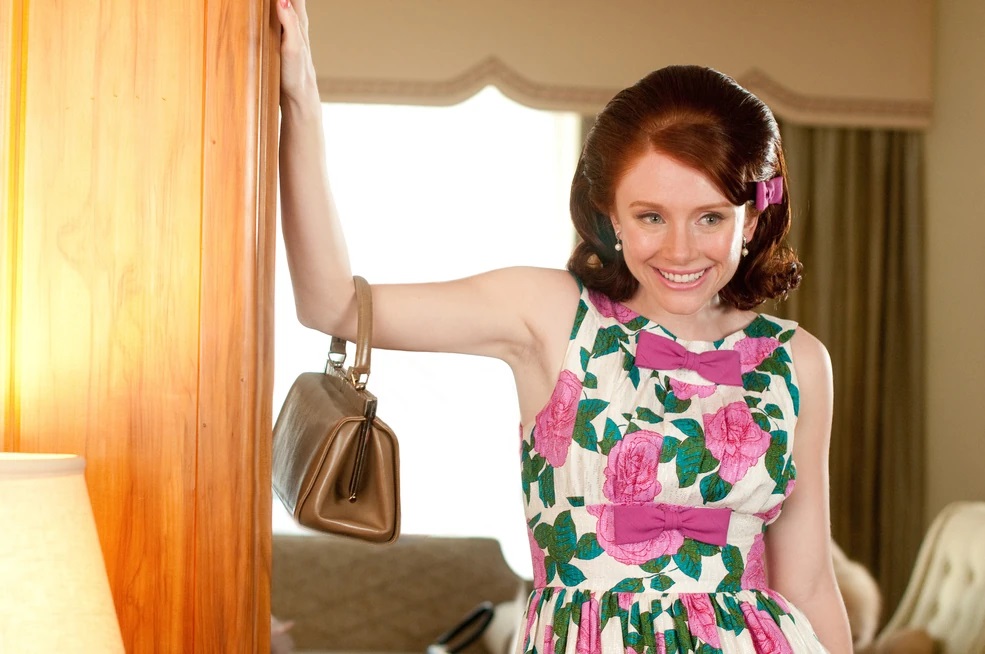
At its core, Skeeter, Hilly, Abilene, and Minny act as balancing points between each other and the two pairs themselves. While Skeeter and Hilly begin the film as friends, their relationship is not as deep or fulfilling as the kind of camaraderie that Abilene and Minny share. The pair were undoubtedly closer before the film began, and Skeeter went off to college. At the same time, Hilly married William Holbrook (Ted Welch), but their relationship is not the same upon Skeeter’s return. Even though Hilly spends the first act trying to set Skeeter up with a friend that she’s made, Stuart Whitworth (Chris Lowell), the son of a State Senator who moves in the same circles as Skeeter’s mother Charlotte, this only serves to further build the tension between the two women.
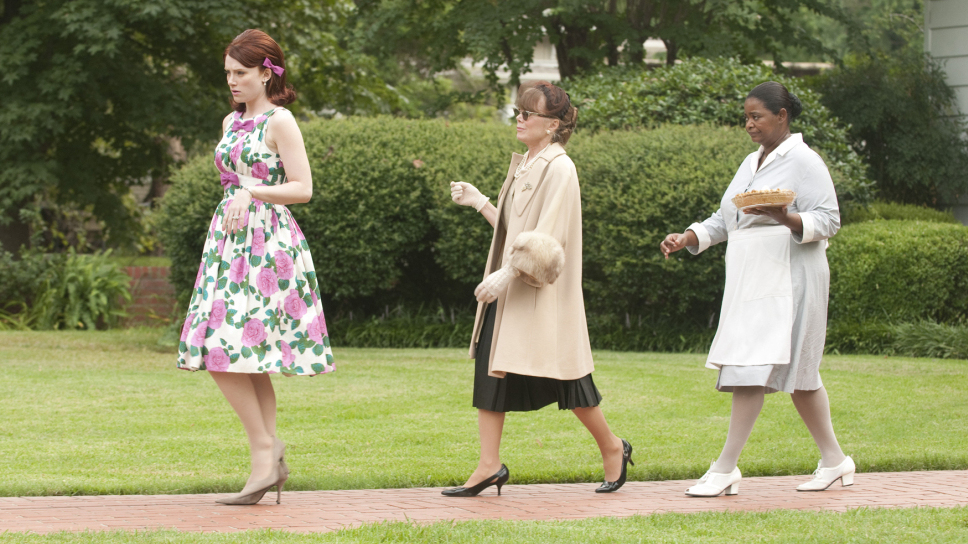
On the other hand, through their shared experiences as maids and, eventually, when working with Skeeter, Minny and Abilene’s relationship is tested but comes out stronger than before. I feel safe extrapolating that, after witnessing Abilene and Minny’s friendship, Skeeter realizes how surface-level her friendships have become. Or, more likely, how they always have been. Even how Hilly and Skeeter treat their mothers is vastly different – with Hilly going out of her way to control and punish her mother, while Skeeter often butts heads with her mother; they clearly love one another and support one another.

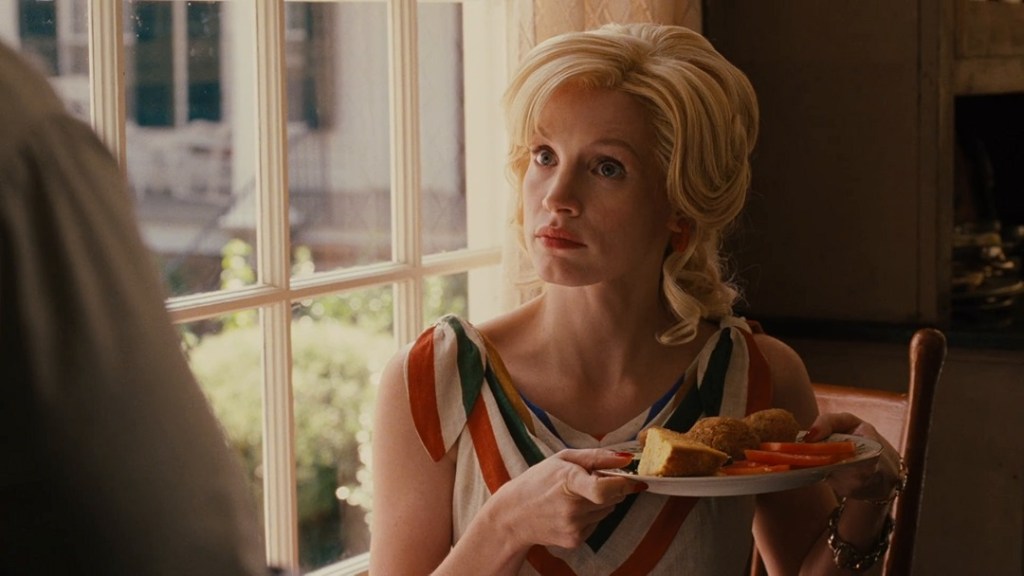
Social class and how relationships are built within a community are shown expertly with the introduction of Celia Rae Foote (Jessica Chastain). The other women consider Celia an outcast because she married Hilly’s ex-boyfriend, Johnny Foote (Mike Vogel). They view her as backwoods compared to themselves, and they all believe she ensnared Johnny with a pregnancy that led to a shotgun wedding. Yet, beneath her bubbly exterior lies a woman suffering from immense trauma and despair through her situation – though none of it comes from Johnny himself. The war being waged between Hilly and Celia is one of Hilly’s own making. Celia spends most of the film desperately trying to get in with Hilly’s crowd – wanting to make friends with the women and join the Junior League. Hilly’s jealousy at having lost to a woman she sees as less than her only further drives a wedge between the two. Their war only grows fiercer when Celia hires Minny, who finds herself at a loss for how well Celia treats her.
The men in The Help play a critical counterpoint to the women, whether their roles are large or small. Stuart, Johnny, and William are featured throughout the film as Skeeter’s love interest, Celia’s husband, and Hilly’s husband, respectively. How they interact with their respective partners shines a light on how men treated women at this time. William is browbeaten by Hilly, and his major scene comes when their new maid, Yule May Davis (Aunjanue Ellis), comes to them hoping to have her pay advanced so that she can send both twins to Tougaloo College. The amount she asks for is $75 (indeed a more considerable sum in the 1960s, but by no means something she could not work off quickly). All of her entreaties are ignored by William, who promptly excuses himself from the table when he realizes that the topic is money. His wife, Hilly, is far more involved in their affairs, and her warm yet cruel advice to Yule May sets the poor maid on a path towards self-destruction, and Hilly is all too happy to help speed it along.

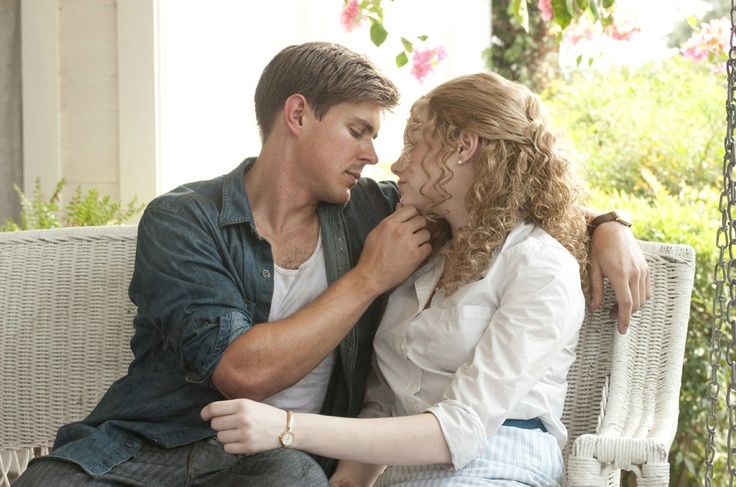
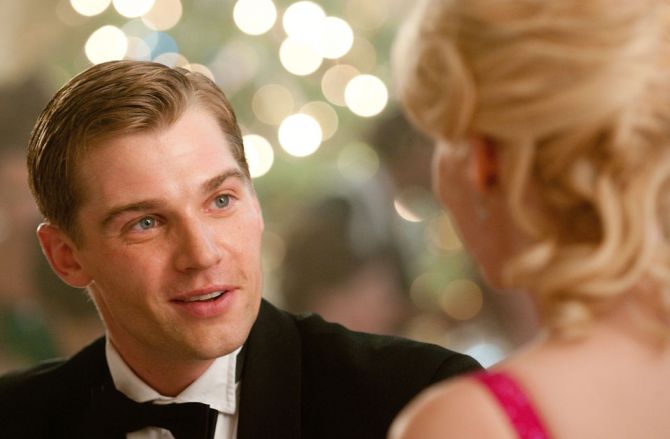

In contrast, Stuart and Johnny are presented as two outwardly more progressive men, but they are very much not the same. Stuart’s first date with Skeeter is anything but a great sign for things to come – with neither of them getting off on the right foot. His lack of interest in their date is apparent from his posture, and he insults her work within the first few minutes.

While he doubles back to apologize later when he learns that Skeeter is the one who wrote the titular book, his reaction is… precisely what you would expect from the son of a politician from the Deep South in the 1960s.
Johnny, on the other hand, only shows up late in the movie – but his very first scene with Minny paints him in a vastly different light than any of the other men shown.
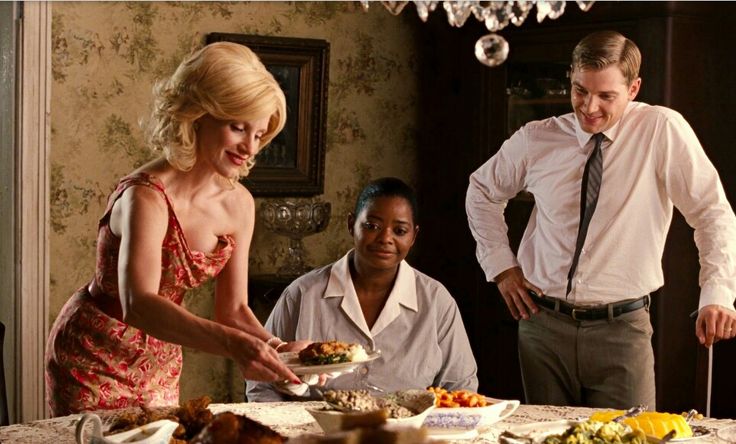
He is kind, understanding, and compassionate toward Minny, sincerely thanking her for helping his wife through everything that she has gone through. His progressive attitude and ideology conflict with those of the other men, marking him as one of the standout performers. His fierce protectiveness of Celia and his unyielding efforts to see that Minny has the kind of stability she has never once had serve to make Johnny one of the most dynamic and interesting supporting characters in The Help.
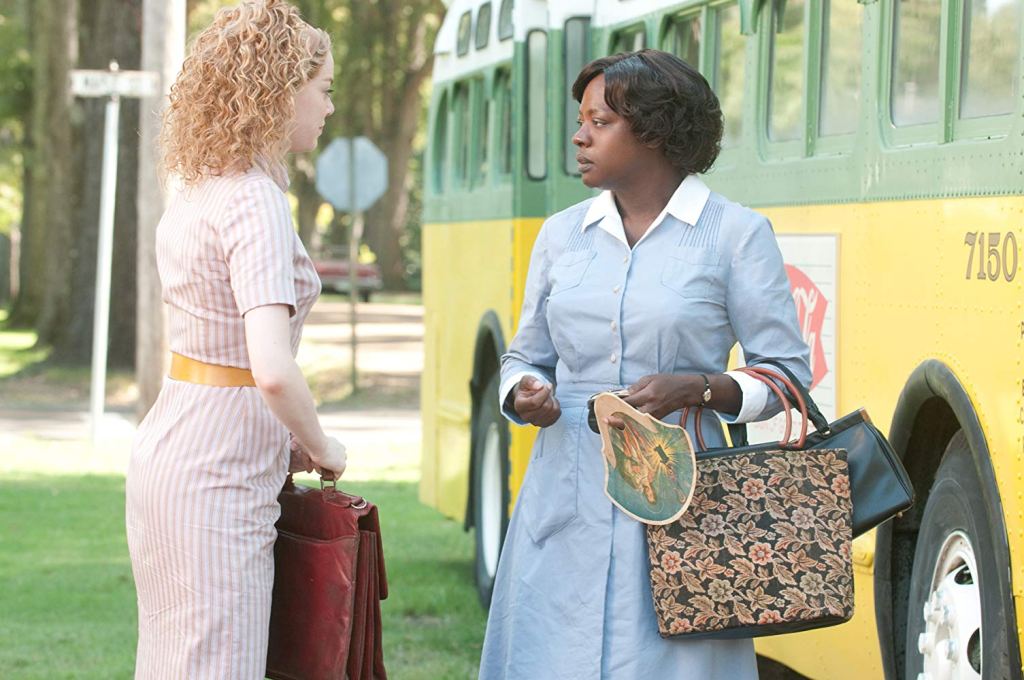
I’ll be frank, the ending is bittersweet – what else can one expect based on when the story takes place. But bittersweet doesn’t mean it’s bad, and it doesn’t mean the ending is not cathartic. The Help is one of those films with something important to say, and it doesn’t beat around the bush regarding this conversation. It tackles the topics of racism and classism head-on, and it never lets up. Is it perfect? No film is, but that is not a mark against The Help in any regard.
 Lloydd Marshall Books