
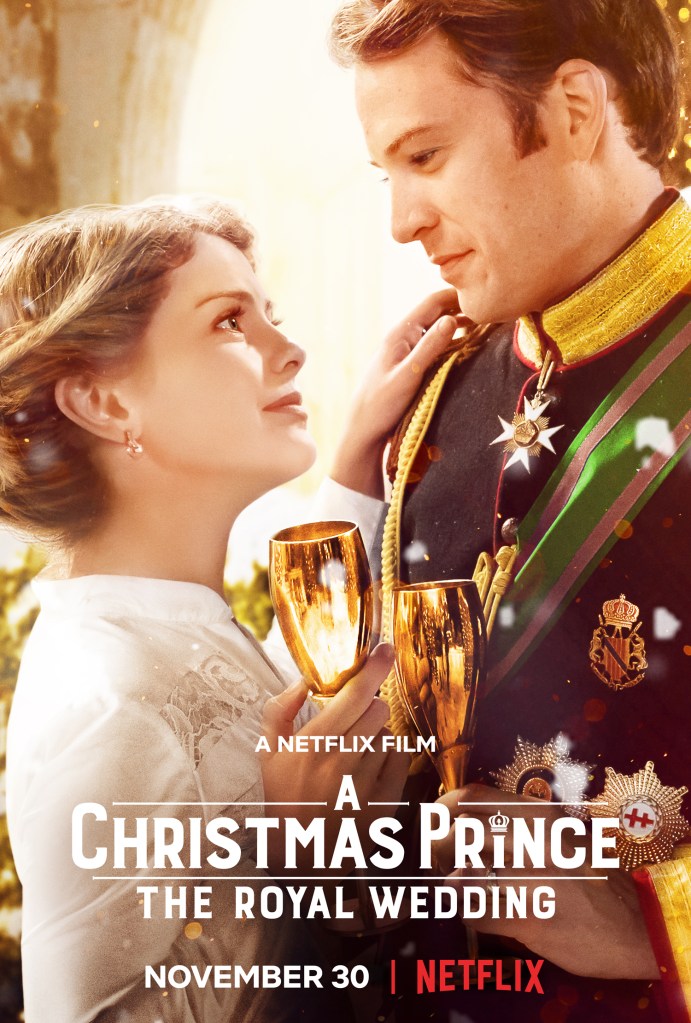
As part of Netflix’s efforts to capture the market in every way, A Christmas Prince: The Royal Wedding continued to build up its cinematic Christmas universe. I feel like, eventually, all of Europe will be replaced with small countries that hold constitutional monarchies. I doubt I’ll be complaining much. This was also when Netflix could still release a series of films or television shows, year after year, without fail. I wonder what changed?
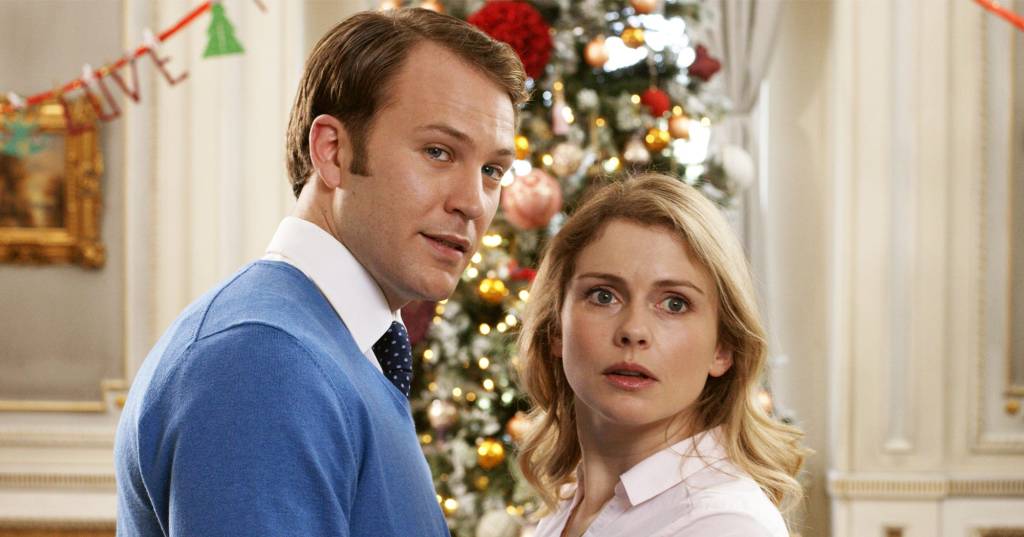
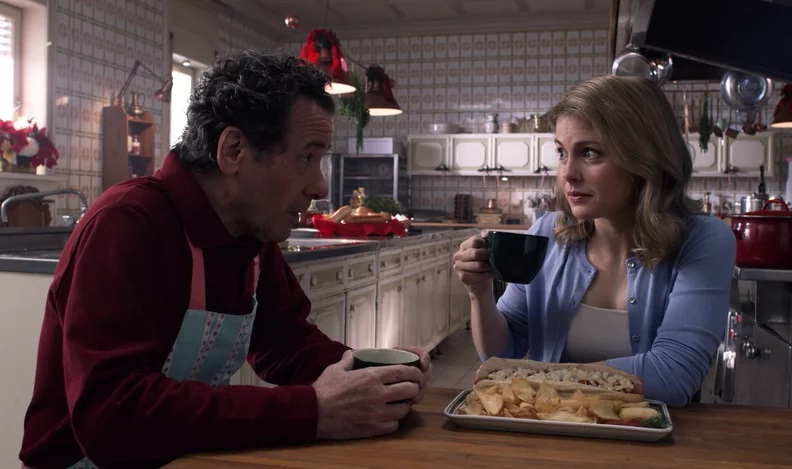
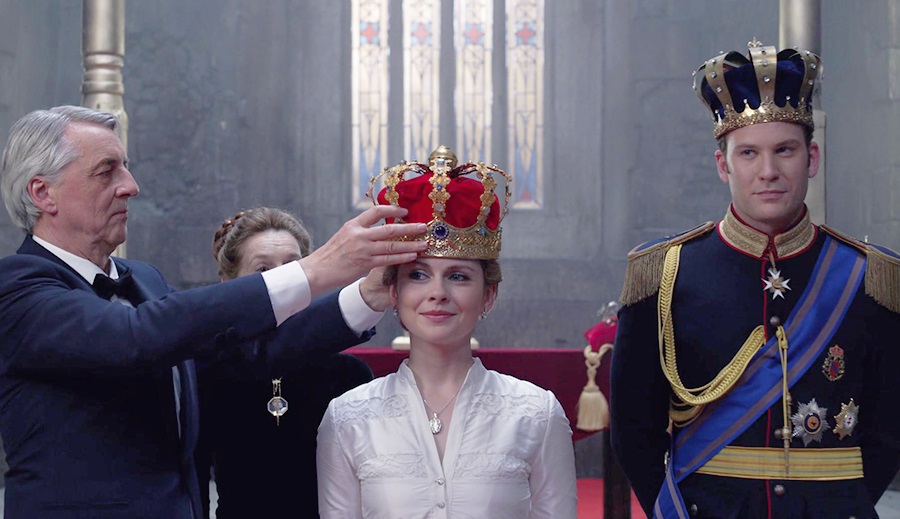
Hallmark, Lifetime, and several other movie producers have spent years tinkering with this concept. A handsome young prince and a pretty, poor girl who commits a light crime and ends up in a relationship with said handsome young prince. Granted, they don’t always commit light crimes; Amber Moore (Rose McIver) certainly did in her first film. But I digress. These films also don’t often get sequels, meaning we rarely, if ever, get to expand on the difficulties a young woman (or man, in the rare event) faces when integrating their modern, carefree life with that of the pressures and restrictions of becoming a Royal. The Royal Wedding tackles this issue head-on as part of its central plot.
At its core, though, the relationship between Amber and Richard is the driving force – which makes the difficulties that they face (the everyday stresses that come from being in a relationship, all compounded by their respective roles and positions) mean that they have to put in additional effort to ensure that their relationship succeeds. This means actively taking time to focus on one another, even in the middle of a public event.

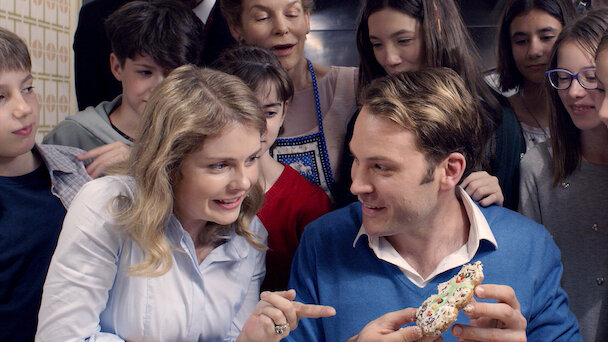
Since Amber’s investigative efforts and direct infiltration of the palace exposed Richard Bevan Charlton (Ben Lamb) as being the adopted son, but chosen heir, of the late King and his wife, Helena Charlton, the Queen Mother (Alice Krige), has taken on the duties of being King. In the year since, the company that Amber worked for has gone out of business, leaving her two best friends, Melissa (Tahirah Sharif) and Andy (Joel McVeagh), out of work now, which means they have plenty of time to head out to Aldovia before the wedding. I appreciated this because, despite the characters playing right into the typical stereotypes as a sassy black woman and gay best friend, this allowed the characters to receive more screen time and development. They fit nicely into the ensemble, meaning Amber is not alone.
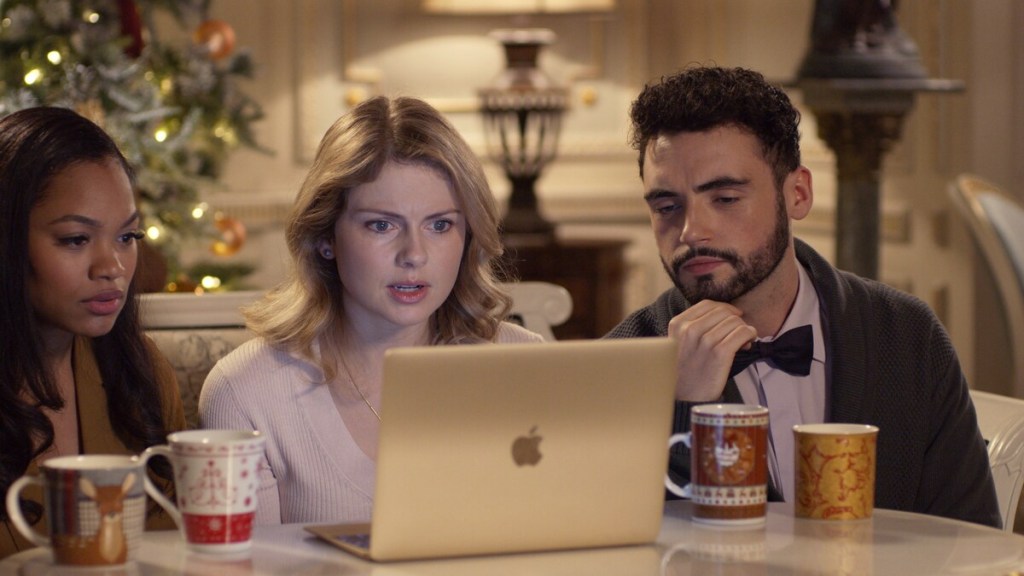
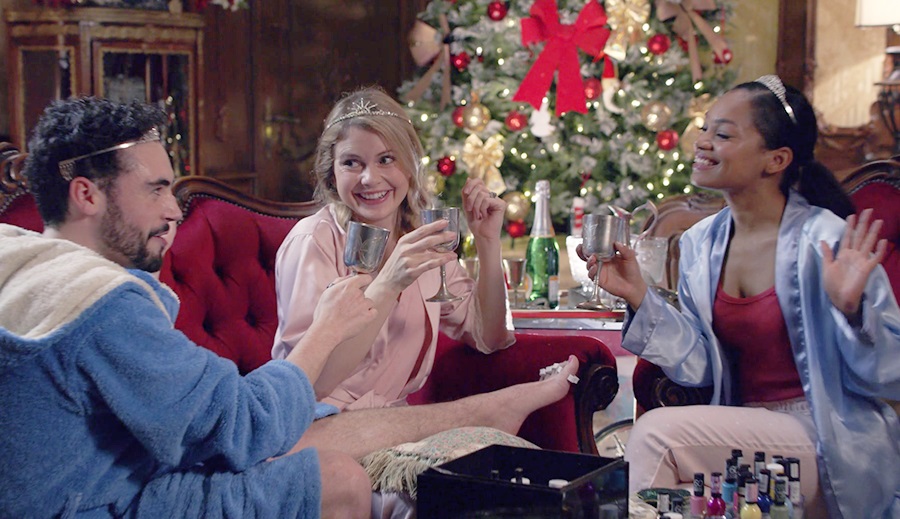
In much the same vein as any sequel, the status quo threatens a good plot – which means that at the film’s crux are the burgeoning issues between Richard and Amber. They primarily stem from the increasing demands on Richard’s time from being the King. However, Amber causes her own problems as she seeks to outright reject the strict protocol of the royal court that Mrs. Averill (Sarah Douglass) has been trying to instill in her. While Amber attempts to impart her own opinions on how the wedding will unfold, Mrs. Averill is a staunch traditionalist, repeatedly leading to the pair getting off on the wrong foot. Of course, while a total adherence to tradition is problematic, it is entirely understandable that a woman steeped in the history and culture of her country would be aghast at somebody completely disregarding it, seemingly out of frivolity. They get better, but it takes time. Amber needs to learn how to blend the traditional culture she is trying to marry into with the culture she has come from, a task that is not as easy as many think it will be.

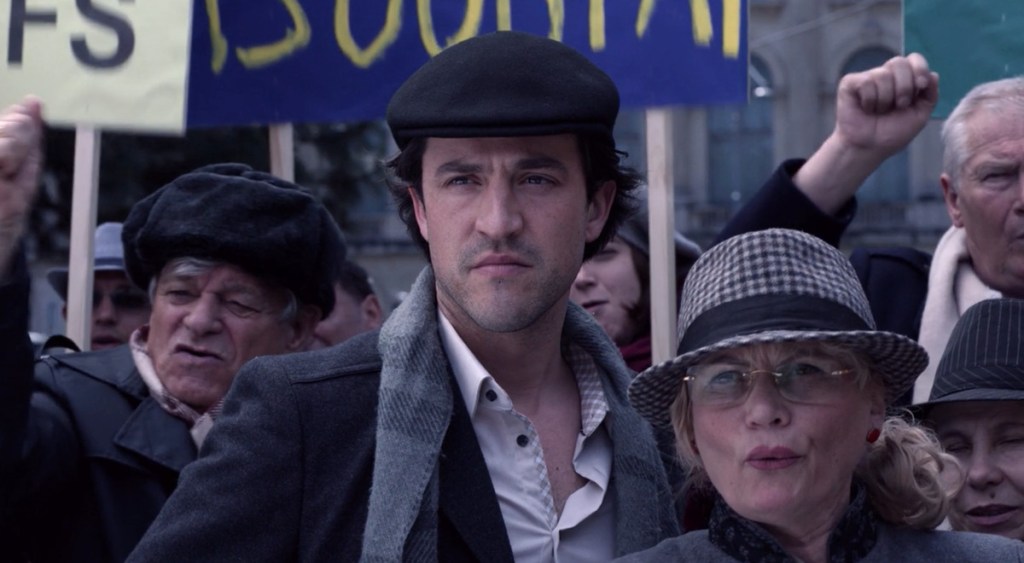
Still, Richard’s involvement in the government of Aldovia means that he can’t focus on Amber and her needs as a partner, let alone the wedding, the bulk of the planning of which has been thrust into her lap. At the same time, another crisis looms as the government threatens to shut down in a strike, and the country’s financials are becoming perilous for reasons that confound Richard and the court. This is where the film retains its core strength from its predecessor. Amber is at her best when she is out investigating, though now that she is a public figure, it becomes increasingly difficult for her to move about unnoticed. Amber finds help in her investigation from an unexpected source: Count Simon Duxbury (Theo Devaney).
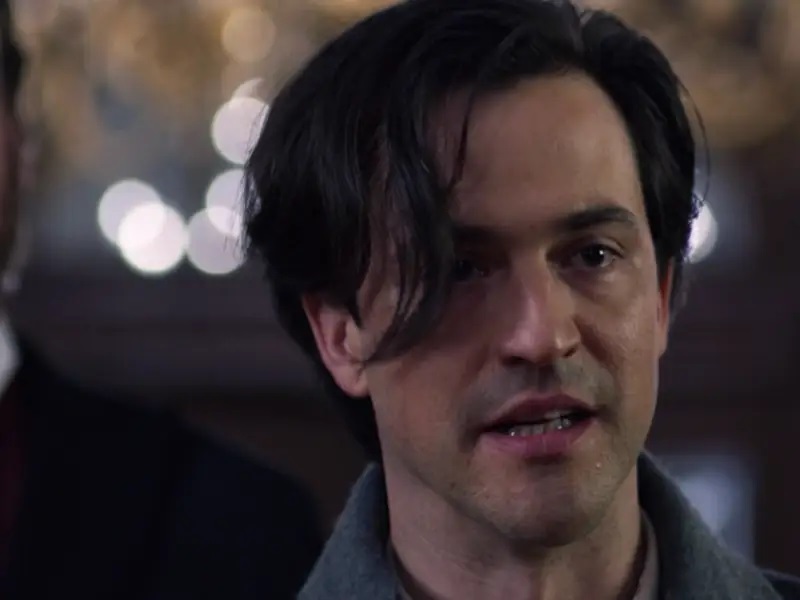
As one of the two primary antagonists of the first film, Amber trusts Simon about as far as she can throw him. He has since become divorced from Sophia, leaving him impoverished. He has to beg Richard to be let back into the palace – something Richard grudgingly does because Simon is family. While there will always be questions about his loyalty, Simon proves to be a big help in the end. The fact that the film took this path with Simon is incredible because he was the kind of slimy nuisance that these films designed to be hated. Putting in the effort to make him likable (or at the very least bearable, with several comedic moments) is the result of much effort. And it really shows.

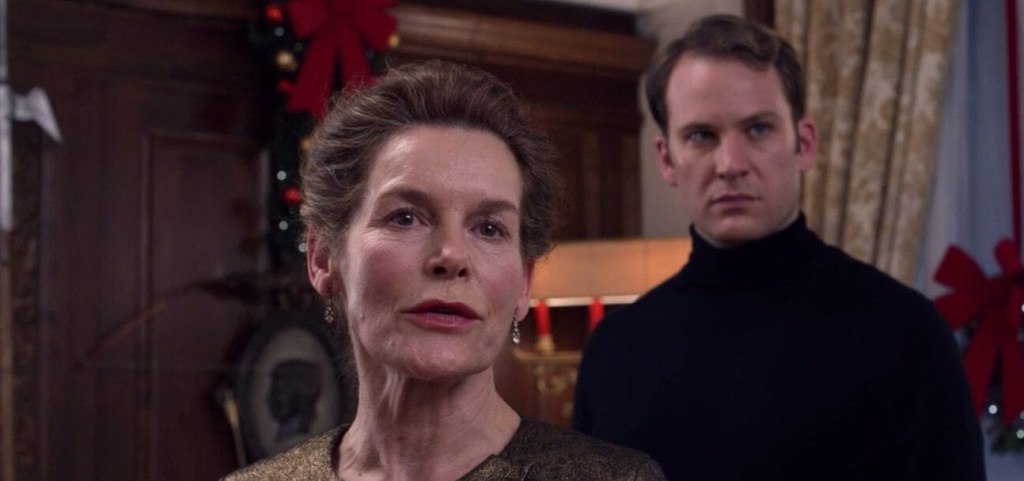
Helena and Emily (Honor Kneafsey) return, filling out Richard’s family. Both characters played opposing roles in the previous entry, with Helena initially resistant to any relationship between Amber and Richard, while Emily actively conspired to get them together; this time, they are firmly on the same side. However, Emily’s central plot is a play in which she leads, which is canceled because of the strike. Ever the innovator, Amber opts to have the play performed at the palace, which leads to further issues between her and Mrs. Averill and newcomer designer Sahil (Raj Bajaj). Also along for the ride is Rudy Moore (now played by John Guerrasio, instead of his original actor, Daniel Fathers), which is acknowledged with a quirky joke.
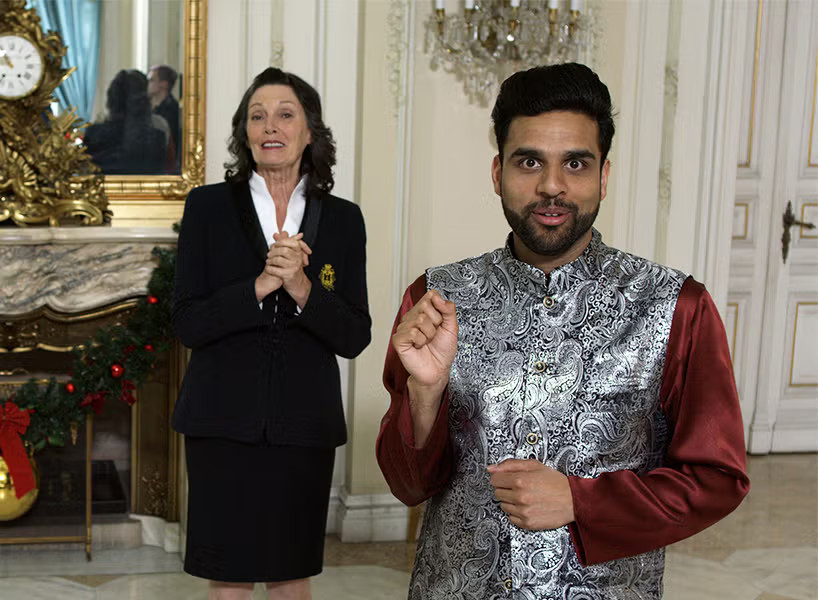
As for newcomers, there is Sahil, as mentioned earlier, who was brought in to help design the dress and the wedding as a whole. There is also Lord Leopold Plumtree (Simon Dutton). As the film begins, he is presented as a friend to the crown and a loyal advisor, but darkness looms under the surface.

He is, especially compared to Simon and Sophia, a much better villain – what with him actually being a villain.
Overall, The Christmas Prince: The Royal Wedding is a fun and entertaining follow-up to a cute film taking on an overdone formula. But damn if I’m not going to spend every Christmas watching a slew of these formulaic stories with gusto. Sometimes, you really don’t need a big blockbuster to while the day away.

 Lloydd Marshall Books