
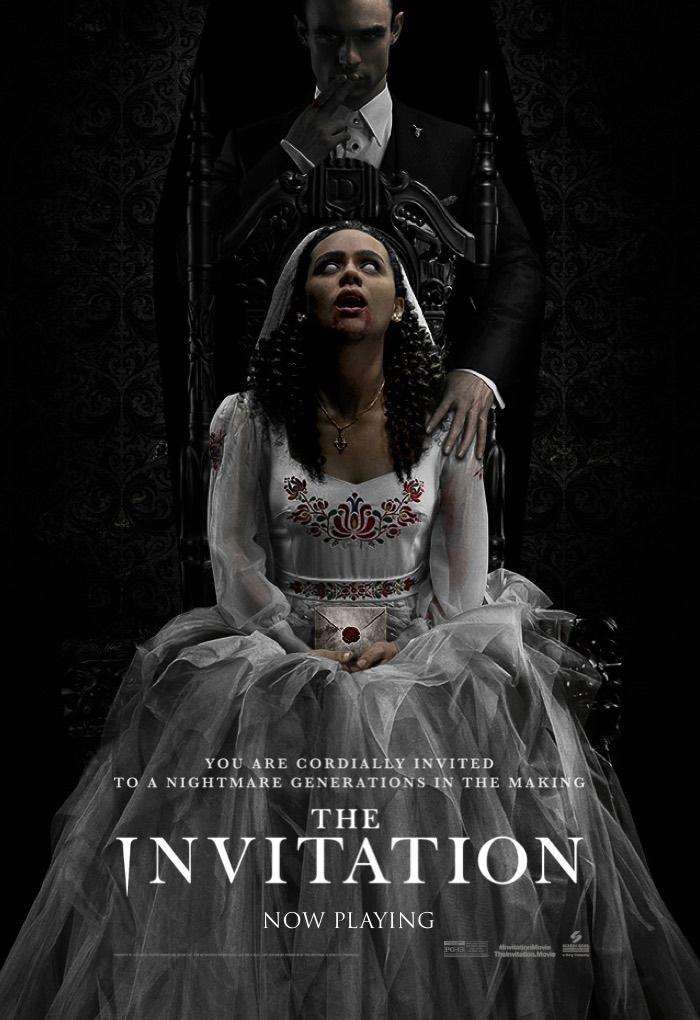
Vampires have been in a renaissance as of late. In the last few years, more vampire media have been coming out to tackle the various tropes, tricks, and trades in many different manners. Anne Rice’s Interview View with the Vampire, First Kill, Vampire Academy (TV series), Nosferatu (not to mention NOS4A2), and on and on. I even covered the entire Twilight film series last year alone. But, there is one that I find interesting – in that it had so much potential, and my own hopes for it were dashed. That would be The Invitation.
Make no mistake, this is not a terrible film. Obviously, this is subject to personal taste. I had gone in expecting one thing, but that was because I had a particular hope for how the film could end. It’s not my fault that they made everybody so damn gorgeous that I was looking forward to a dark ending for the main character. In that, I had hoped that Nathalie Emmanuel and Thomas Doherty’s characters would live forever in bliss as murderous vampires. That doesn’t negate my enjoyment of the story that was told; it just opens the door for alternate endings in the realm of fanfiction.
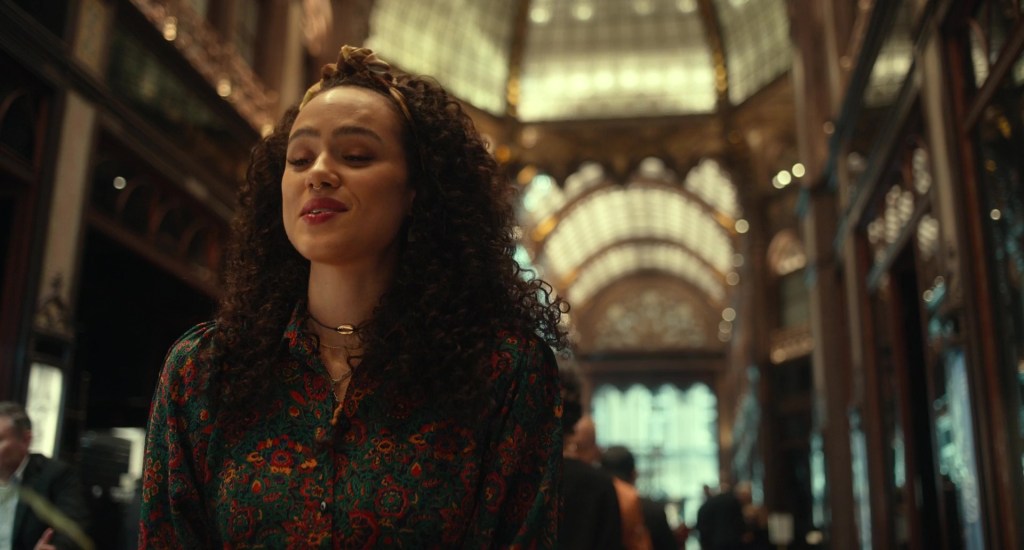
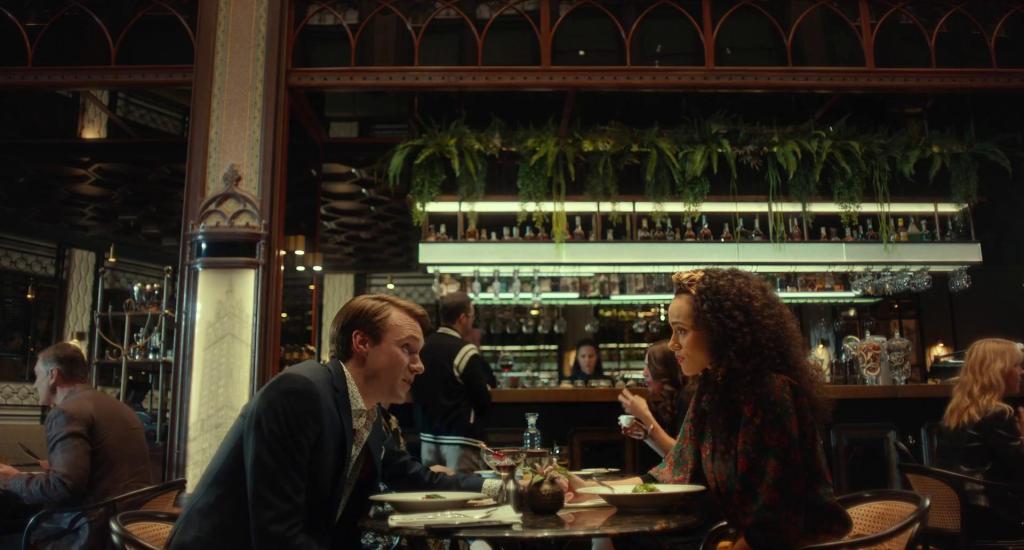
The Invitation focuses on a struggling artist, Evelyn “Evie” Jackson (Emmanuel), who is reeling from the death of her mother five months earlier. With her father having died years earlier, she is like most young people left alone in the world: seeking camaraderie and family. This is why she takes a DNA test, which brings to light a distant cousin in England – Oliver Alexander (Hugh Skinner). With the only person in her life being her best friend, Grace (Courtney Taylor), she accepts Oliver’s invitation to his family’s country estate in England. For most of us, the warning bells would have already sounded – for a young black woman, this should have been when the credits rolled, but we have a story to see.
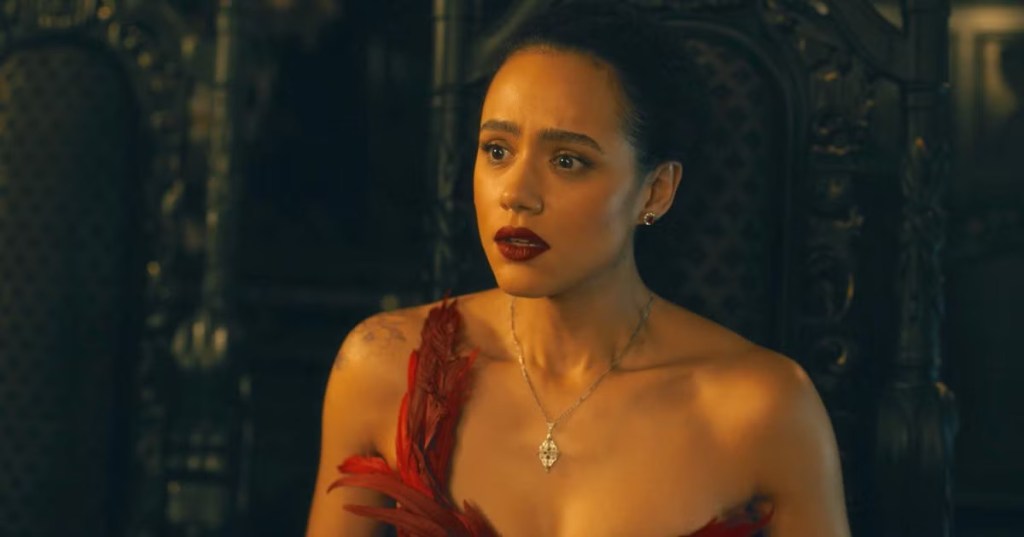
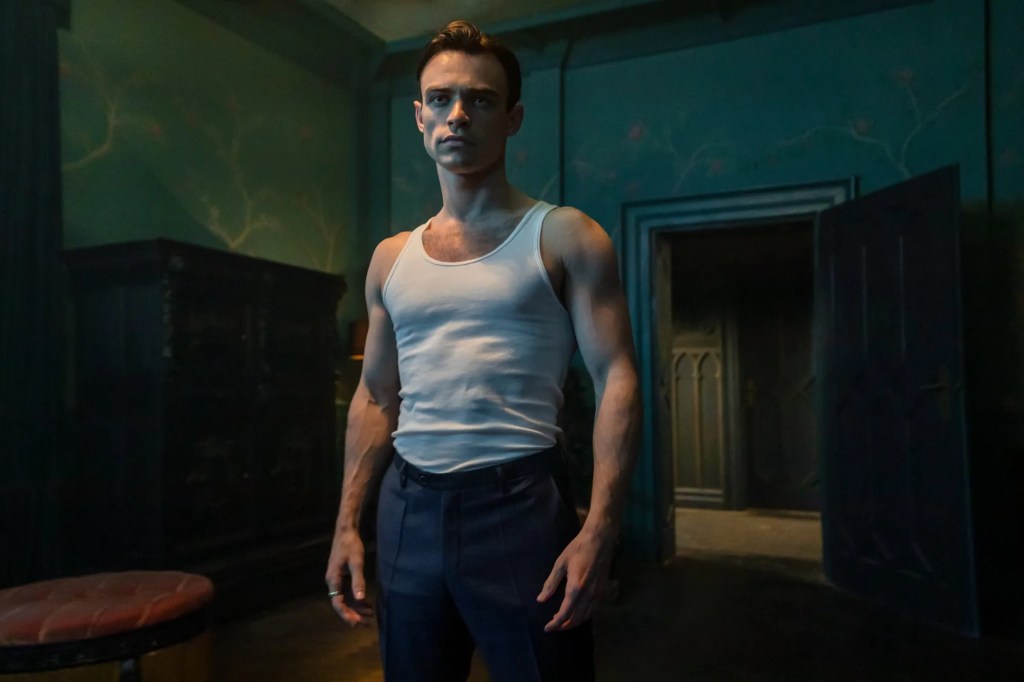
As a loose adaptation of Bram Stoker’s Dracula, The Invitation adapts several key characters from the book and translates them into the modern era. For example, Lucy (Alana Boden), a pivotal, tragic character from the story, is portrayed as one of Walter De Ville’s Brides, alongside Viktoria (Stephanie Corneliussen), and Mr. Field (Sean Pertwee) is an adaptation of the character of Renfield. Lucy essentially takes the place of one of Dracula’s Brides, with Evie set to become the third one if Walt can play things according to plan. As characters that have been altered and adapted dozens of times since the book’s initial 1897 release, there are so many interpretations and composites that it can be hard to keep track of them. This is one of the major hallmarks of an adaptation, though – how well the new version utilizes the characters at its disposal.
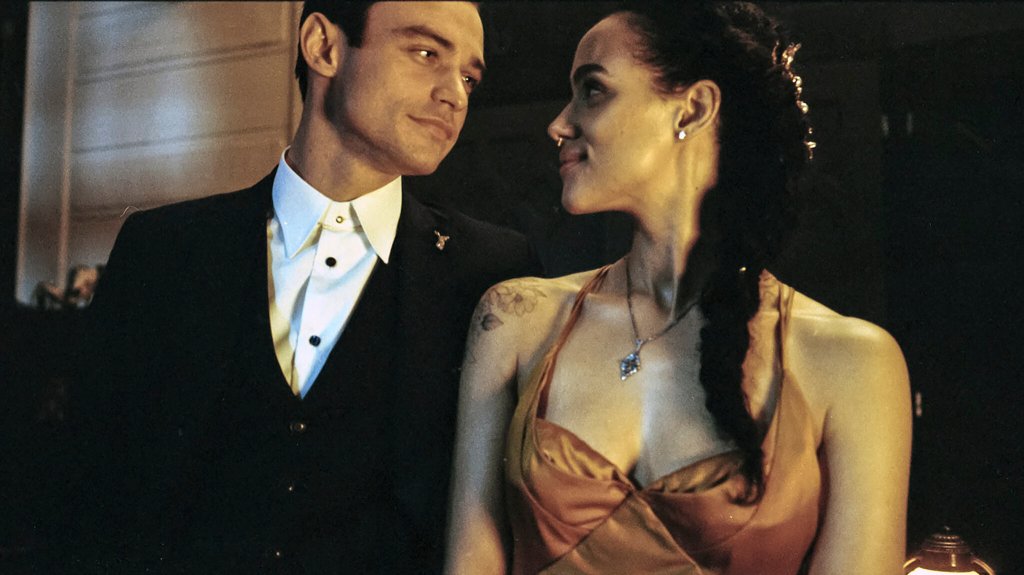
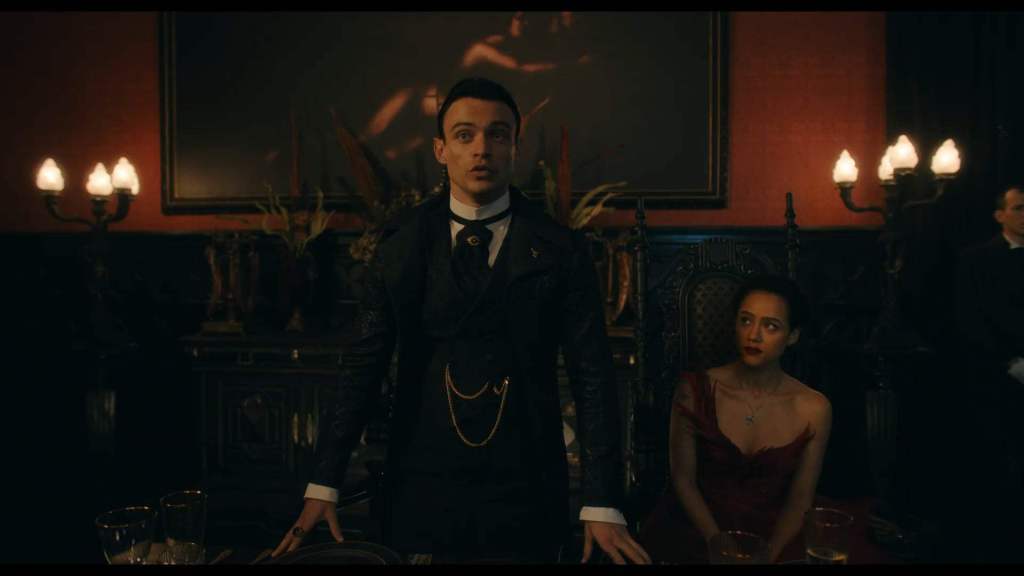
With the story focusing on De Ville’s (Doherty) efforts to seduce Evie to his side and the undercurrent of mystery as Evie finds her environment becoming stranger and a bit more dangerous, little time is devoted to delving into the characters of Viktoria or Lucy beyond the surface, but just enough is provided. Boden and Corneliussen bring their differing personalities to life. They highlight how Lucy is eager to have Evie join their growing family, while Viktoria views Evie as competition at best and a threat at worst. With an agreement between three major families to each provide a bride to De Ville, it becomes harder to understand why Viktoria’s entire role is tied to how much she despises Evie – much of which stems from the fact that Evie is black. Until it becomes clear that they’re vampires, Viktoria and Mr. Field’s dislike can be interpreted as sheer racism and classism despite Mr. Field being ‘the help.’ By sabotaging, or as it becomes clear partway through the film, trying to outright murder Evie, Viktoria technically only hurts her standing in the long run.
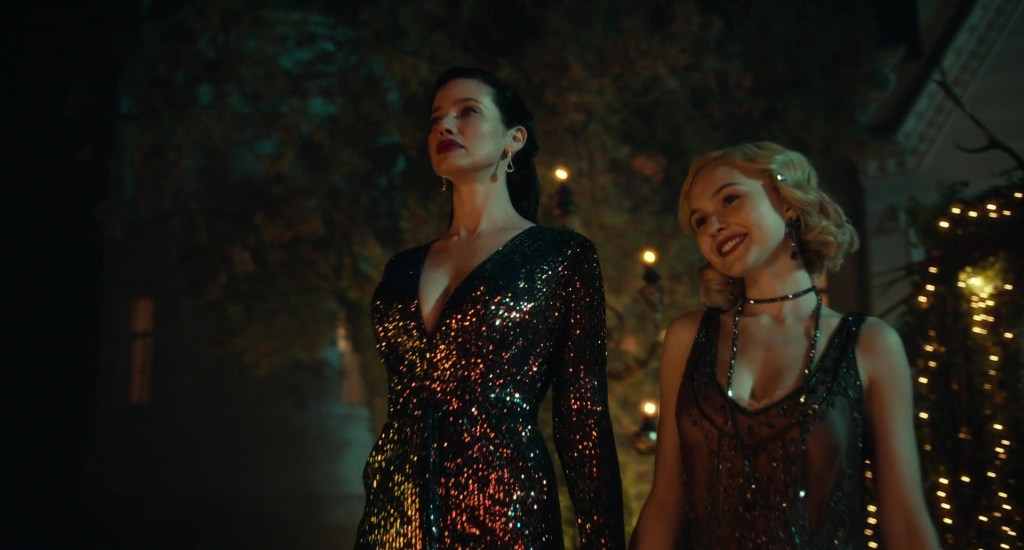

The second act is devoted to Evie’s less-than-peaceful stay at the country manor and De Ville’s efforts to seduce her into becoming one of his brides. However, Evie is not privy to this particular detail, so she spends much time wondering who the bride is. When Evie is under De Ville’s charm, she soon realizes that she’s the bride and in serious trouble. There’s no easy escape from the countryside when a small army of vampires stands between her and freedom.
The Harkers have also been included; Jonathan (Jeremy Wheeler) and Mina (Elizabeth Counsell) have been serving De Ville for around a century, based on the information Evie discovers while trying to escape her predicament. Another character who serves De Ville is Mrs. Swift (Carol Ann Crawford), De Ville’s housekeeper, who was a friend to Evie’s great-grandmother. Under her charge throughout the film are five newly arrived maids, Diya (Tina Chaudhry) and Imogen (Lili Walters), who are at least given names in the movie. At the same time, the other three are merely credited as Maid #1 (Viktória Monhor), Maid #3 (Celina Schleicher), and Maid #4 (Panka Muranyi), all of whom meet grizzly ends throughout the film to ensure the audience is aware of the looming, mysterious threat before Evie finds out about it.
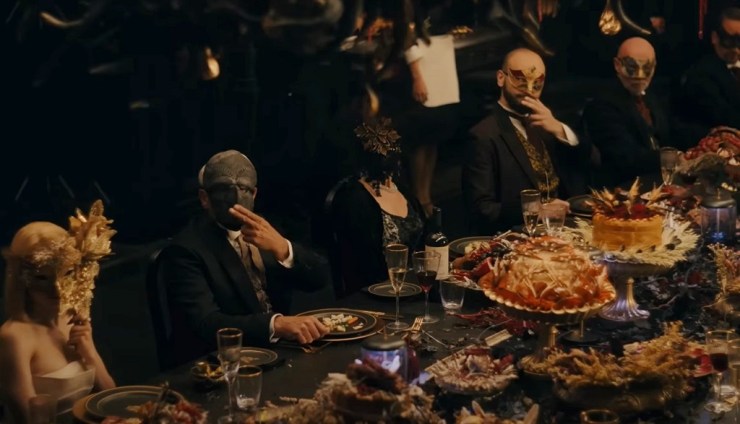
The house is full of De Ville’s family, all present for the wedding to fill out the clan that De Ville has built up over his long life.
At the end of the day, they’re window dressing to the seduction plot, showing how effectively charming and convincing De Ville can be. Surrounded by them as she finds out that she is the intended bride, an interesting detail comes up – all of them are confirmed to be vampires, but the Harkers, Mrs. Swift, and even Mr. Field are not. They do not consume blood during the film, so it becomes an unanswered question as to why they have not aged in a century. The obvious answer is that they’re vampires, but I do love confirmation.
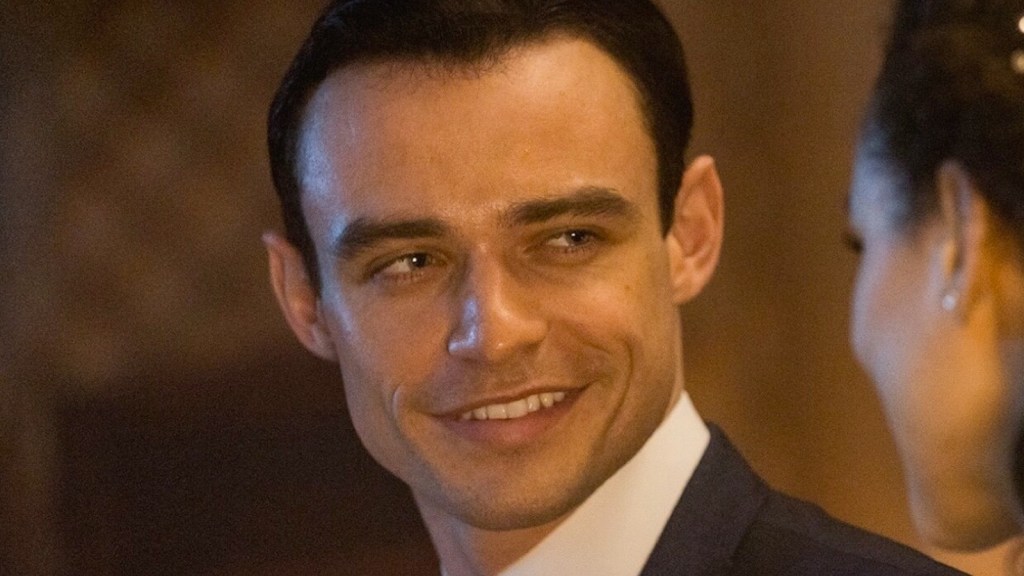
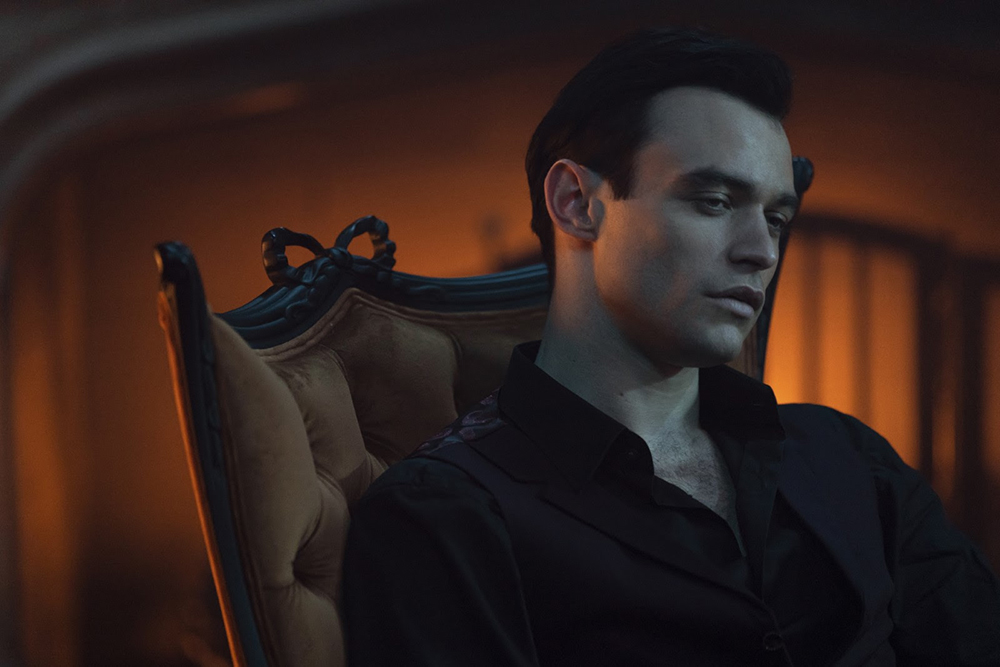
While he is not explicitly named Dracula, all symbols are there. His power, charm, and immunity to sunlight (a standard vampire weakness introduced in later material, as the original Dracula merely had an aversion to sunlight and left them without their powers, but it did not kill them). With Sean Pertwee being credited as Renfield in the credits, the foundational plot point of Three Brides, “New Carfax Abbey” being the name of the estate, and the Harkers, it becomes clear that this is adapting and modernizing the famous novel. With the liberties it does take, it carves a niche for itself. At the same time, perhaps his name should have been an obvious clue – “De Ville” anybody?
 Lloydd Marshall Books