
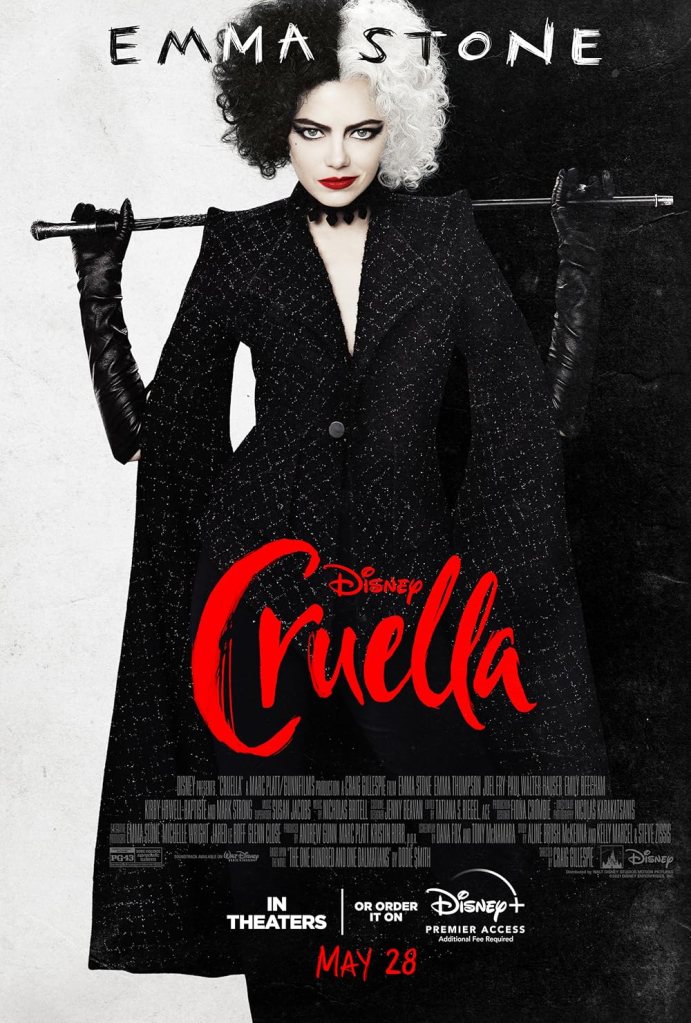
What do you get when you analyze a villain’s origin story but seek to make them a hero? Or, at the very least, not a horrible person, wherein their villainous actions are justifiable. Cruella takes us on that journey, revisiting one of the most insane villains that Disney has ever created. Her desire to hurt animals – specifically puppies – separates her from almost every villain in their pantheon.
A few decades before the anti-fur movement hit a fever pitch, the distaste had more to do with her intended targets than her fashion choices.
Cruella is a retrospective look at the character, taking place in 1970s London, focusing on the horror of the young girl’s life after her mother’s mysterious death. Estella (Emma Stone, also played by Billie Gadson and Tipper Seifert-Cleveland) proves that villains aren’t born evil. In the case of this entry, she never entirely crosses over into full-blown villainy. So, I suppose she was never made a villain, either. Whether that is a good thing or a bad thing is entirely dependent on how you, as the audience, want to view the character. As someone who has never had an issue separating one iteration of a story from another, I rather enjoyed their liberal take on the character of Cruella. If I want the terrifying, animal-stalking maniac, One Hundred and One Dalmatians is right there in animated form, and it’s more direct live-action adaptation featuring Glenn Close.


Disney has taken a different tact with each of its adaptations for its animated catalog – with films like Cruella and Maleficent flipping the script to reveal a different take on their characters. They hit many of the same emotional beats and feature the same ensembles, but they handle their stories differently. The titular characters aren’t evil but misunderstood or mischaracterized, often to the benefit of the one who turns out to be the real villain. Here, that honor is held by Baroness von Hellman (Emma Thompson), a narcissistic, authoritarian, and egotistical fashion designer and the owner of her own prestigious fashion house in London.
Estella has spent her life trying to get it together, finding camaraderie with Jasper (Joel Fry and Ziggy Gardner) and Horace (Paul Walter Hauser and Joseph MacDonald) – two orphans, rather than merely being goons that she hires to hunt down a pack of puppies, Jasper and Horace act as her conscience and her minions. There are hints that Estella and Jasper may find more, though the film does not dwell on this aspect of their relationship. One can hope that when Cruella 2 eventually happens, this thread will be picked up, and her tenure as an Anti-Hero will stay on course. As it happens, Jasper unintentionally sets Estella on the path to becoming Cruella – he secures her a job as a janitor at von Hellman’s fashion house. From there, the plot unfolds in a dark and twisted way.


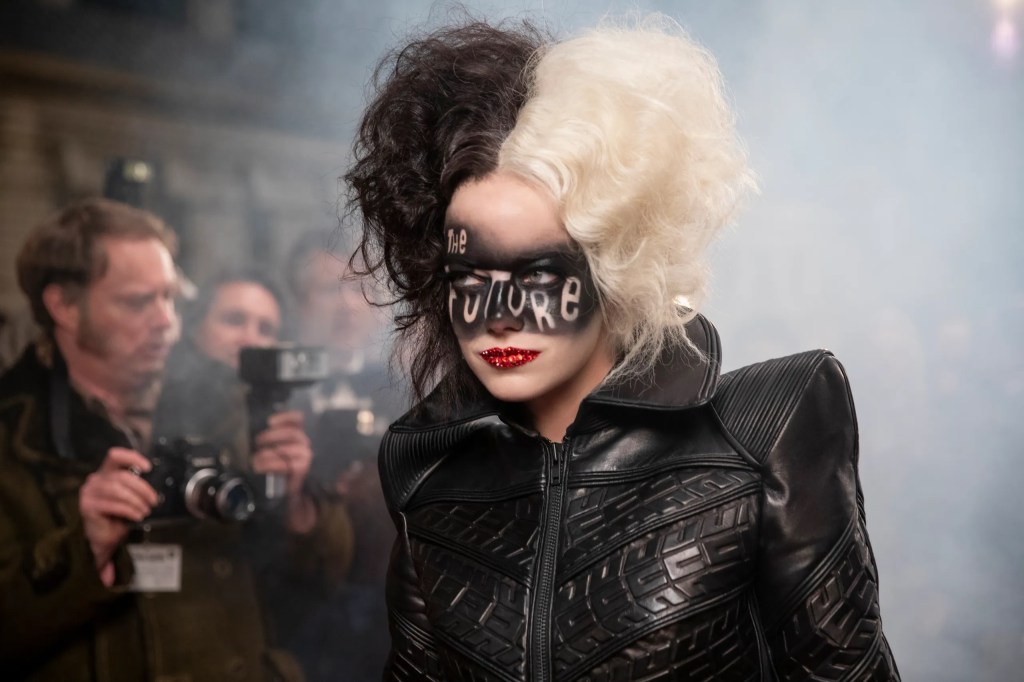
At its core, Cruella is a story about a woman trying to find herself in a world that does not give her an easy go. Her hair is black and white, straight down the middle, so she wears a wig to better fit in, though that same hair is what leads to her mother’s untimely death. Estella spends much of her life rejecting her natural hair because of the pain and suffering it has caused her through its unique nature. Embracing her hair in her new identity as Cruella is the first major act she takes to value herself, her ability, and her autonomy. She goes from viewing von Hellman as an idol to a rival, and she refuses to give up the game even as von Hellman seeks to undermine and even kill her. As Cruella unfolds, it is evident that all of the negative traits ascribed to the character in the other versions of the story are instead placed into the character of Baroness von Hellman.

As a perspective flip film, there had to be a villain somewhere if it wasn’t going to be Cruella herself. To find herself, Estella has to understand who she is and who von Hellman is, driving the second and third acts of the movie.
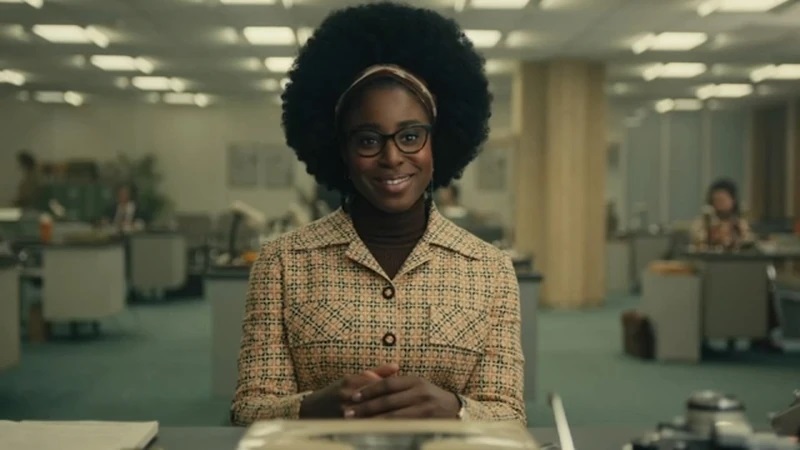
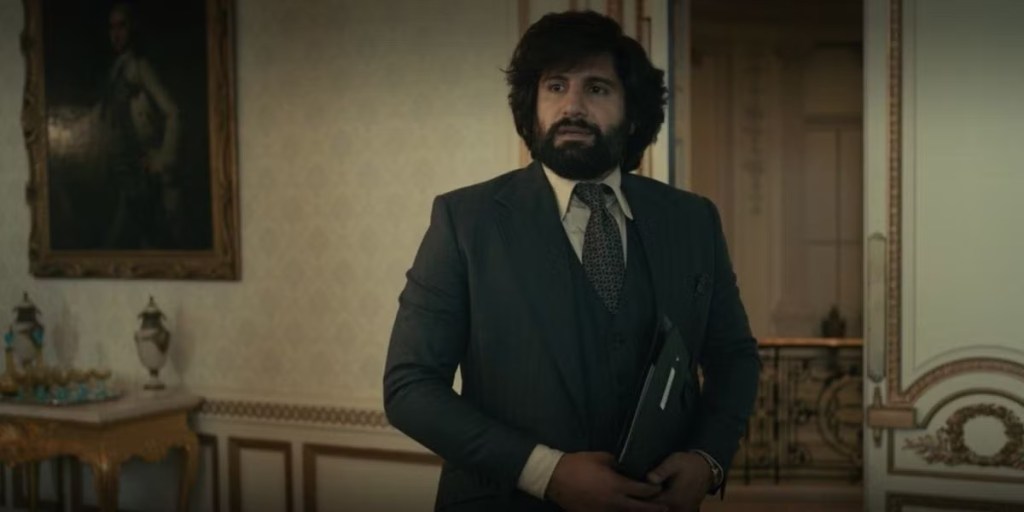
In addition to Cruella, Jasper, and Horace, Anita Darling (Kirby Howell-Baptiste) is once again portrayed as a friend of Estella, much like in previous iterations of the story. However, in Cruella, she is reimagined as a gossip columnist whose coverage transforms Cruella from an unknown to a public sensation, inadvertently making her a threat to the Baroness—though only as a result of the Baroness’ own actions. Meanwhile, Roger Dearly (Kayvan Novak) serves as the Baroness’ lawyer. However, despite being described as accomplished, he is unceremoniously fired before he has a chance to demonstrate his skills. Fans of One Hundred and One Dalmatians will recognize Roger’s inevitable fate as a musician and the fact that he and Anita remain strangers in this film. Their eventual meeting is reserved for their original story, where their romance catalyzes Pongo and Perdita’s journey.
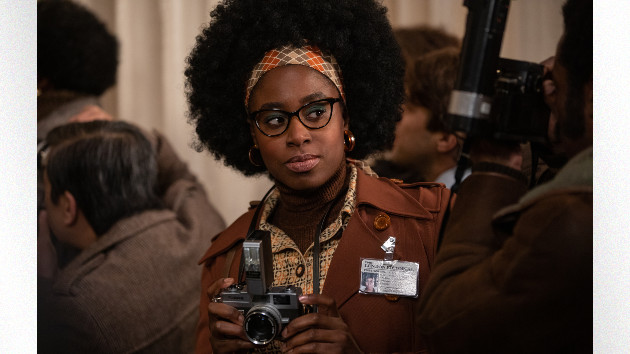
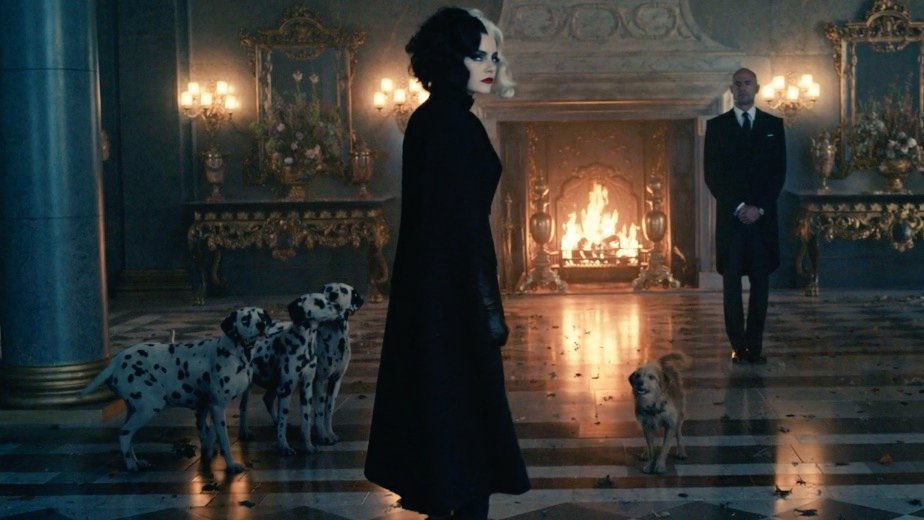
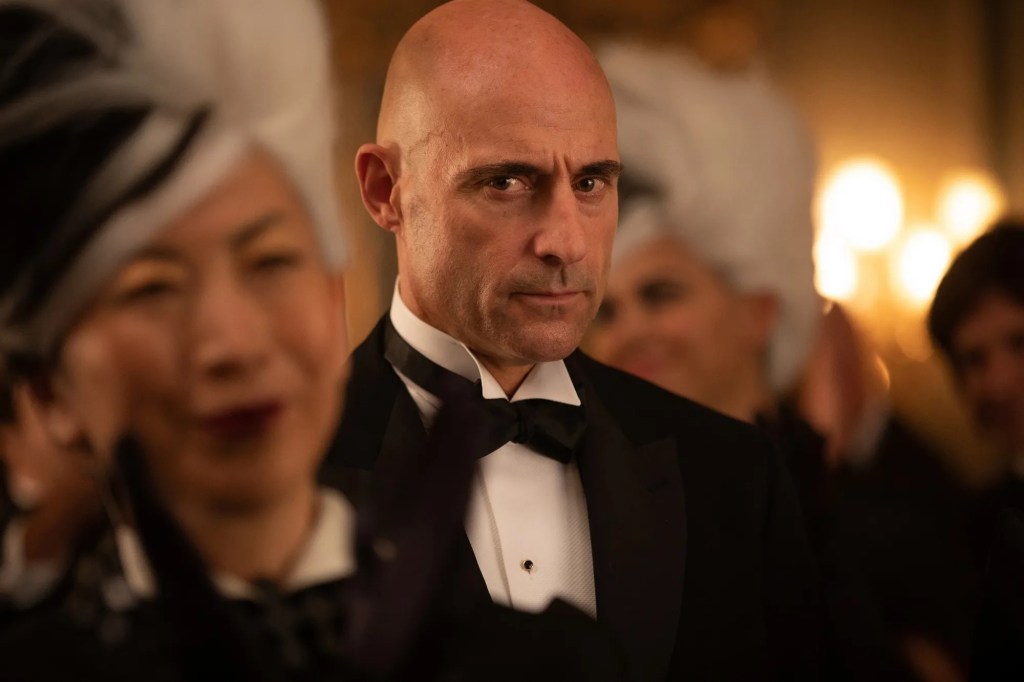
Cruella confidently embraces its world, casting actors based on talent rather than adhering to a monochrome ensemble. This choice adds depth to each character, contrasting them to the upper-class elitism synonymous with the British aristocracy. This contrast is particularly evident in characters like Cruella and the Baroness’ trusted valet, John (Mark Strong), whose personalities and moral alignments require closer examination to distinguish them from the world the Baroness dominates. The Baroness, embodying ruthless ambition, has little regard for others and shamelessly takes credit for the work of those she deems inferior – especially when their talent surpasses her own. John, as her unwavering confidant, plays a crucial role in facilitating her ambitions. Meanwhile, Anita, John, and Jasper collectively contribute to a more nuanced depiction of London, ensuring that the film’s cast reflects the city’s diversity rather than adhering to a homogeneous portrayal. When John’s betrayal comes, it need not be shocking if you looked past the world that he inhabits and focus on the actions that he actually takes.

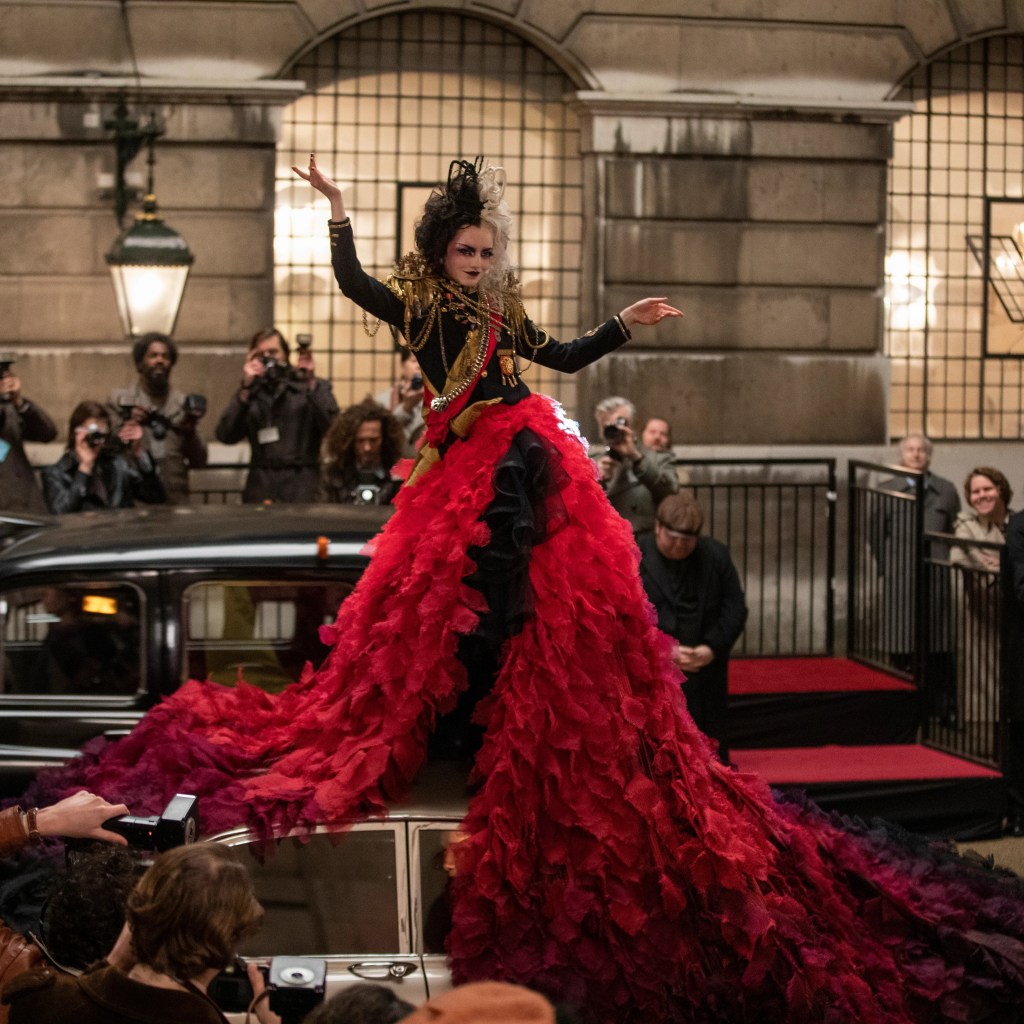
Fashion is central to the story, with haute couture used to explore the divide between the haves and the have-nots in truly stylized fashion – fun is definitely intended. As a concept, haute couture is not the kind of clothing that normal, everyday people could wear – it’s impractical, never mind prohibitively expensive. Yet, its flamboyancy is often what draws in those with a certain eye for creativity and a deft hand – something that Cruella has in spades. There’s a reason that the Baroness steals the ideas and work of others. She may have had an eye at one point, but now she uses it to steal and casually dismiss those who cannot meet her ever-shifting standards.
Cruella was one of many films affected by the COVID-19 pandemic, leading to a simultaneous theatrical and Disney+ Premier Access release. After nearly a decade in production, its eventual release was no small feat. Its success is equally noteworthy, generating a substantial profit – at least by pre-pandemic standards, before the industry’s push for ever-growing box office numbers. However, its most significant achievement lies in becoming the third live-action Disney remake to earn an Academy Award, a milestone the studio has never shied away from celebrating.
At the end of the day, sometimes money isn’t everything. Awards can be a defining factor in a film’s success, and Cruella had the last laugh by that measure.
 Lloydd Marshall Books