
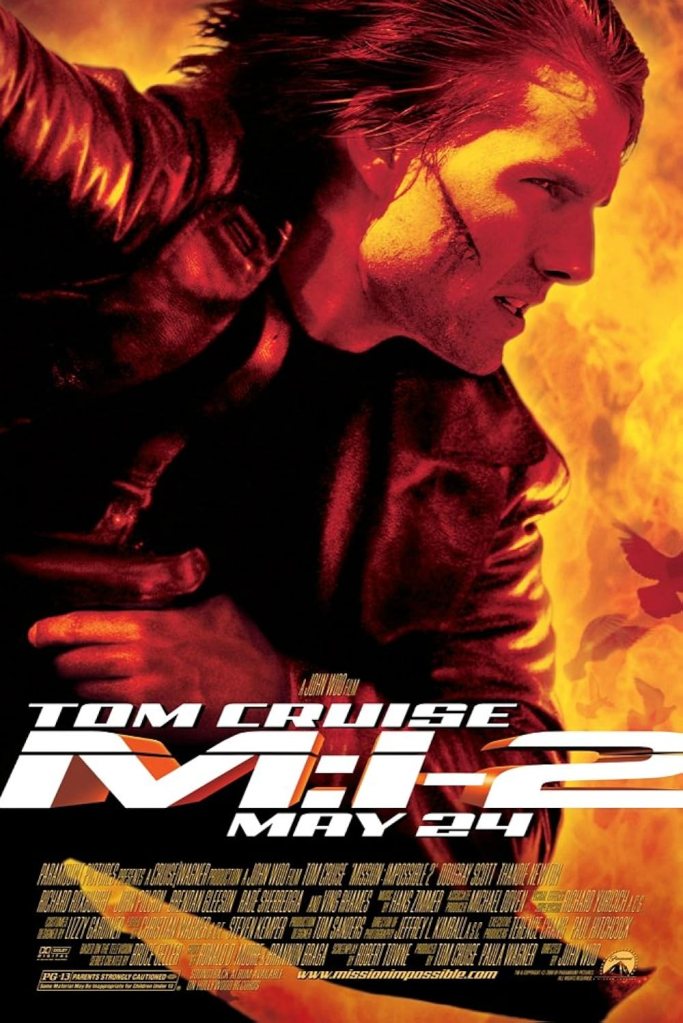
Coming four years after its inception, Mission: Impossible II was the ambitious follow-up that proved that this franchise had some get-up-and-go to it. As the highest-grossing film of 2000, its closest competitor in terms of box office success was Best Picture winner Gladiator. Mission: Impossible II was more devoted to action and spectacle than its predecessor, which puts it more in line with the films that followed it than Mission: Impossible (1996) in many regards.
Still, II is also viewed as one of, if not the most, violent entries and was the closest to being Rated R. Take of that what you will and enjoy as Ethan Hunt (Tom Cruise) fights to save the day, one impossible mission at a time.
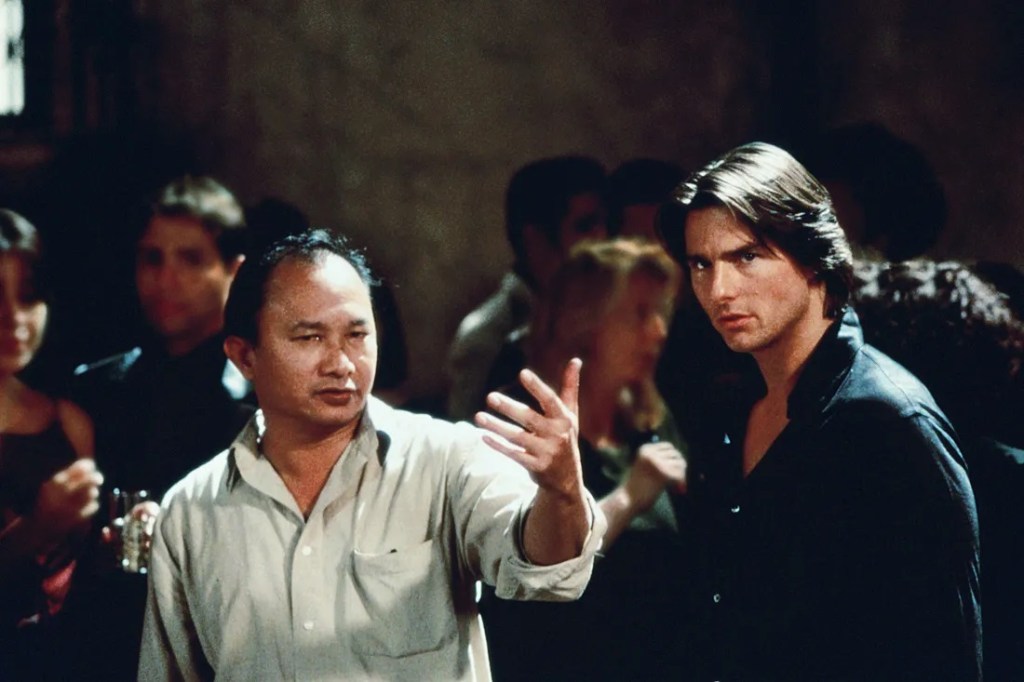
This entry was directed by John Woo, known for directing high-octane action films with choreographed yet highly stylized fight scenes. While the series is known for its often over-the-top take on reality, rarely has Mission: Impossible steeped itself in watching its hero use his environment to his advantage unless it served the interests of the scene. His motorcycle work in II is treated very differently from the (considerably) more insane chase scenes on the backs of motorcycles (or just in general) that other entries used. This is not a knock against the film. A good action film can result in you being lost in the grandiosity of the fight sequences if it does its job well. Audiences continued to come to the theater as each film upped the ante. At its core, Mission: Impossible is very much an action franchise, and I can pinpoint multiple films that have pulled far more insane maneuvers with their characters, hero and villain alike.
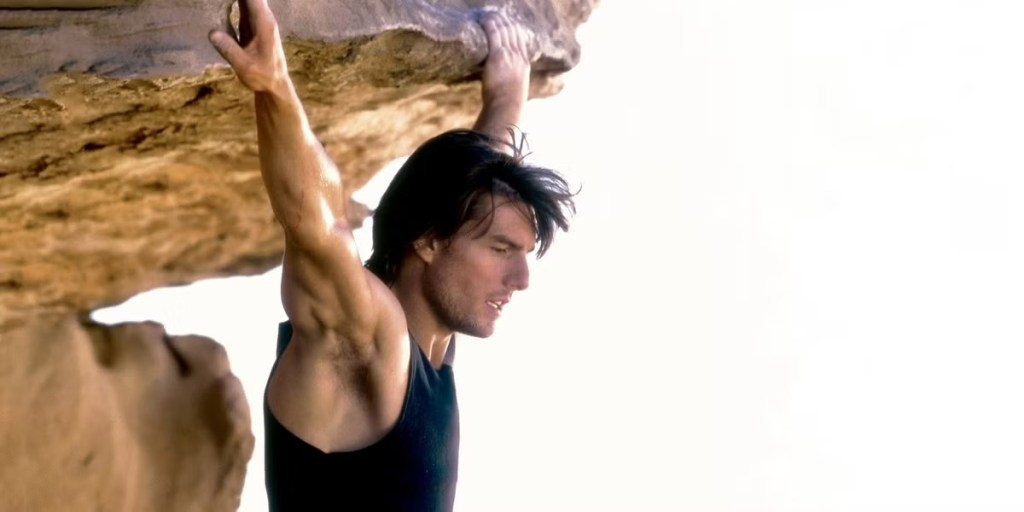
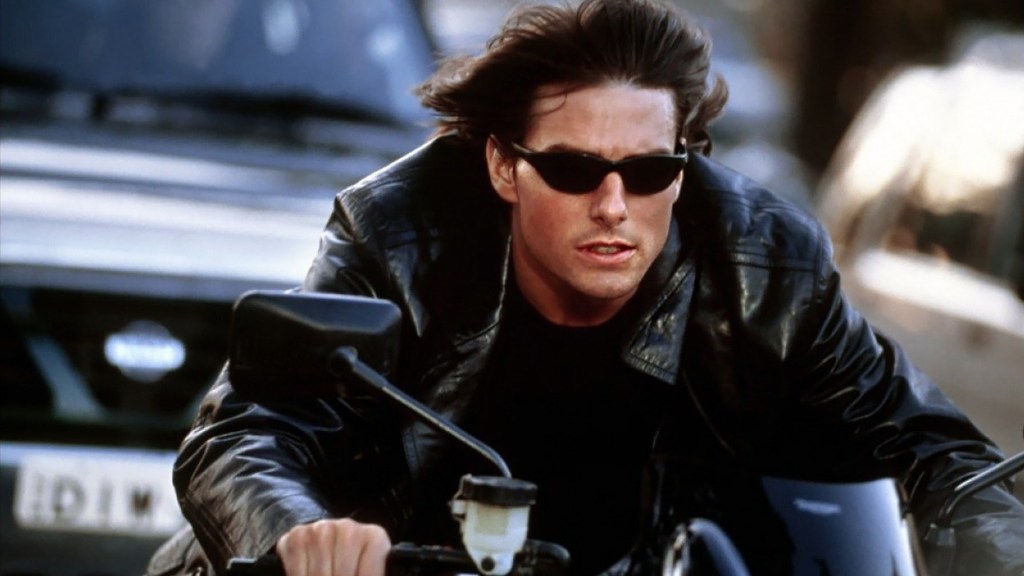
Mission: Impossible II sees a genuine inversion to the typical formula, with ultimate irony in its execution. The film opens with Doctor Vladimir Nekhorvich (Rade Šerbedžija), a bio-geneticist scientist who works for Biocyte Pharmaceuticals and has been forced to develop a biological weapon, the Chimera virus. The plan was simple, as the company simply wanted to profit off of being able to deliver the cure, Bellerophon. It’s almost banal in its simplicity, but I digress. He has contacted his old friend, Dimitri, which is Ethan Hunt’s cover name from an old operation, to warn him about this, only to end up dying at Ethan’s hand. However, it is quickly revealed that “Ethan” is actually another IMF Agent, Sean Ambrose (Dougray Scott), who is wearing their patented latex masks to impersonate him.


Now, if you know anything about this franchise, the logical next stage is that Ethan and a slew of characters are thrown into a run for their lives because they’ve suddenly been “disavowed” by the IMF. Yet, at this point, this is the only entry in the franchise in which Ethan Hunt is not being hunted by government officials at any point in the film. It’s almost as if he can be trusted to handle the crisis when given proper funding and support.
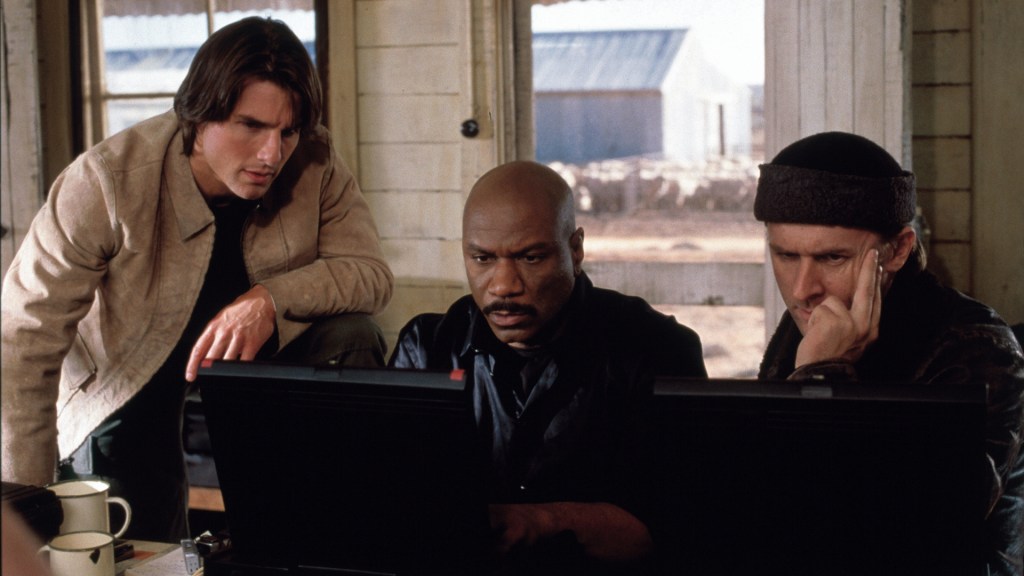
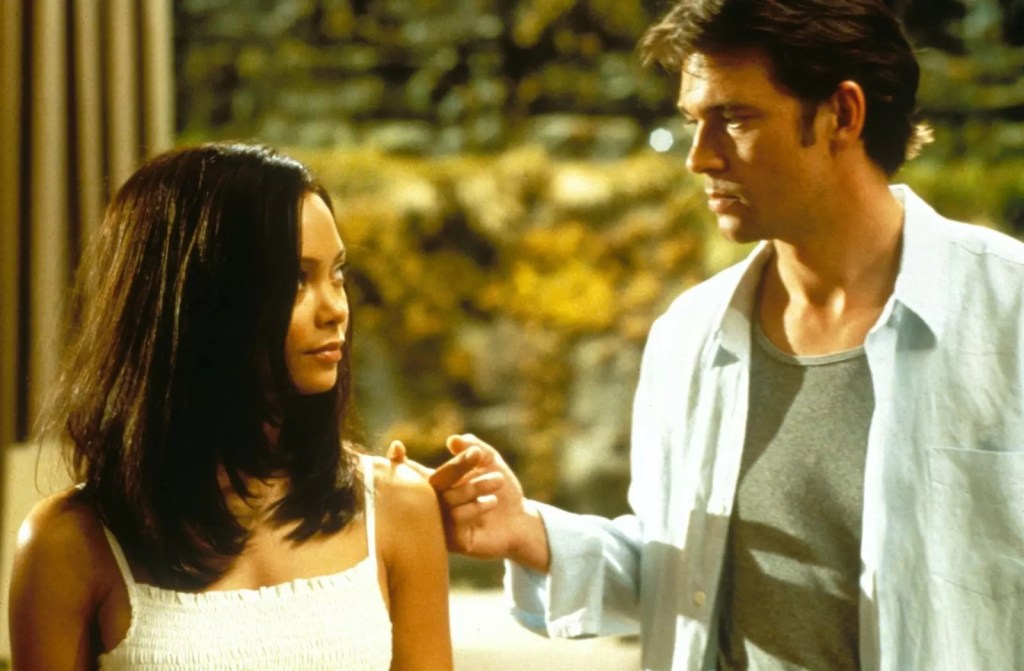
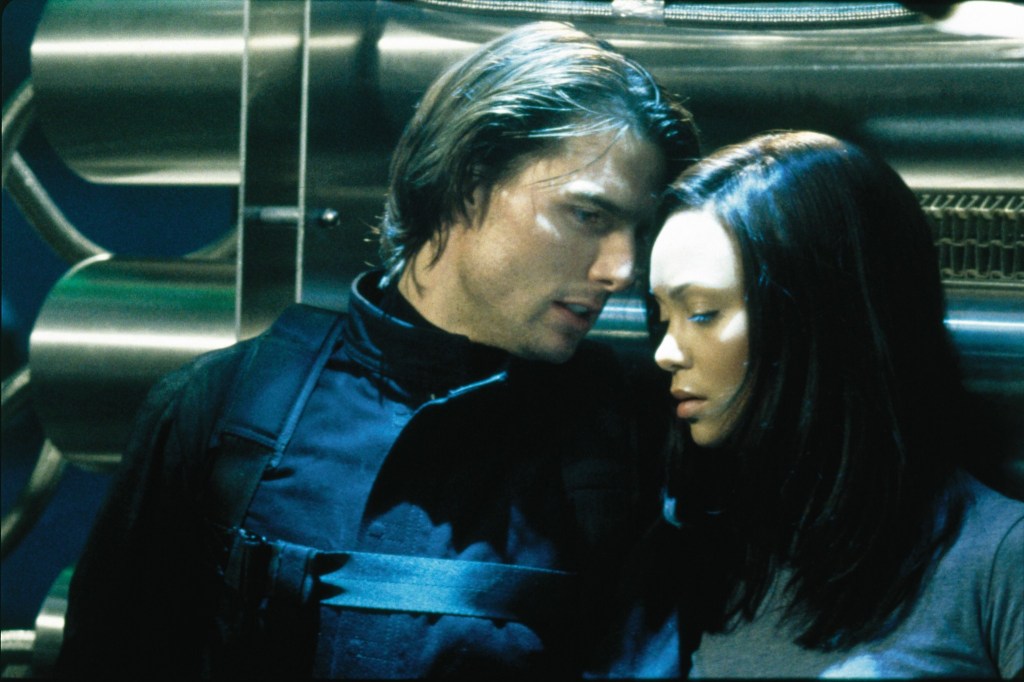
As Ethan Hunt returns to save the day, Mission: Impossible II reunites him with Luther Stickell (Ving Rhames) as the only returning character from the previous entry and new allies that will never return! Nyah Nordoff-Hall (Thandiwe Newton) is an international jewel thief who has been recruited to the team more for her past relationship with the primary antagonist than her actual skillset.
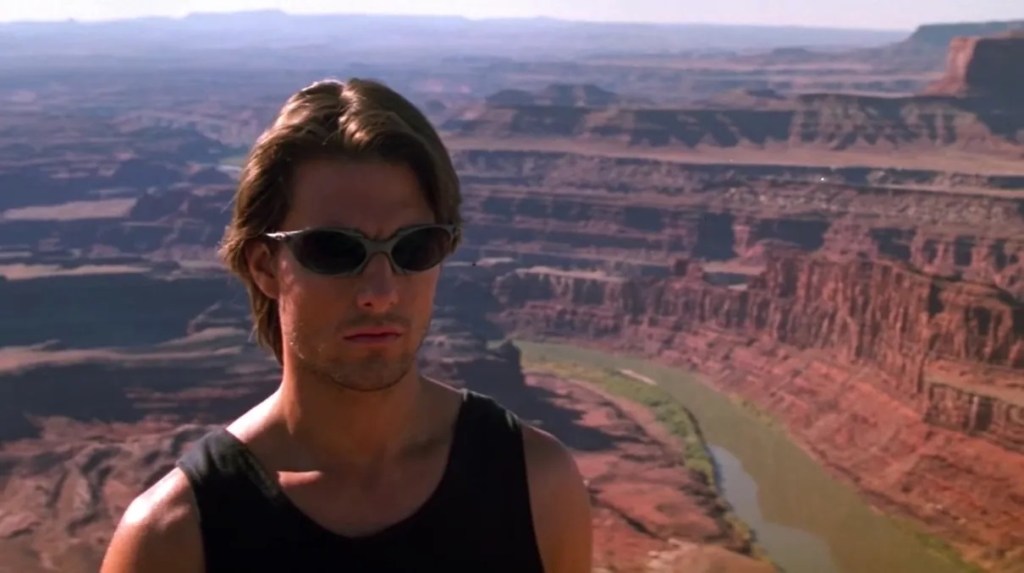
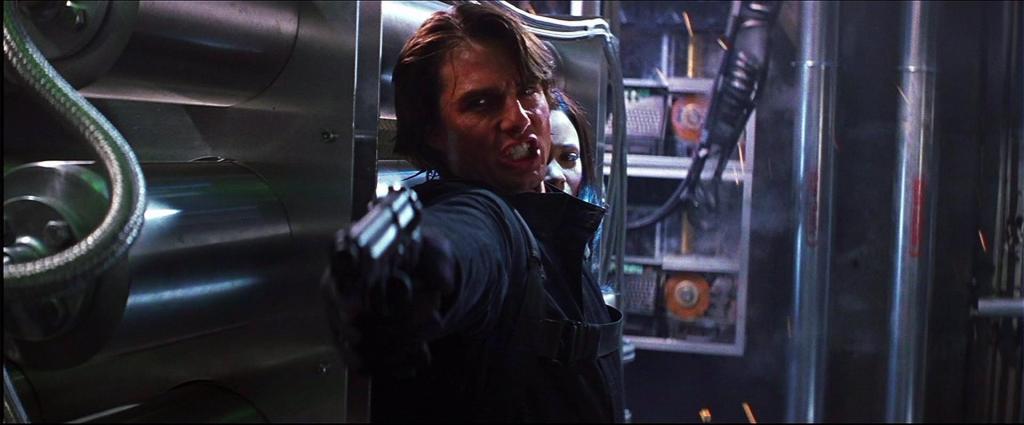
His other main team member is Billy Baird (John Polson), a pilot who is brought in to help them stop Ambrose’s plans from unfolding across Australia. While Nyah is set up to be Ethan’s One True Love, like most characters threaded throughout the franchise, she doesn’t return. She has the dubious honor of legitimately never being mentioned again as of the writing of this review. Her relationship with Ambrose is her, but also the thing that puts Nyah in the most danger, something that Ambrose notes during his fight with Ethan. This becomes a recurring element in the series. Ethan’s drive to do the impossible puts more and more people in danger that they wouldn’t otherwise be in, with many of them not having the chance to make it out alive.
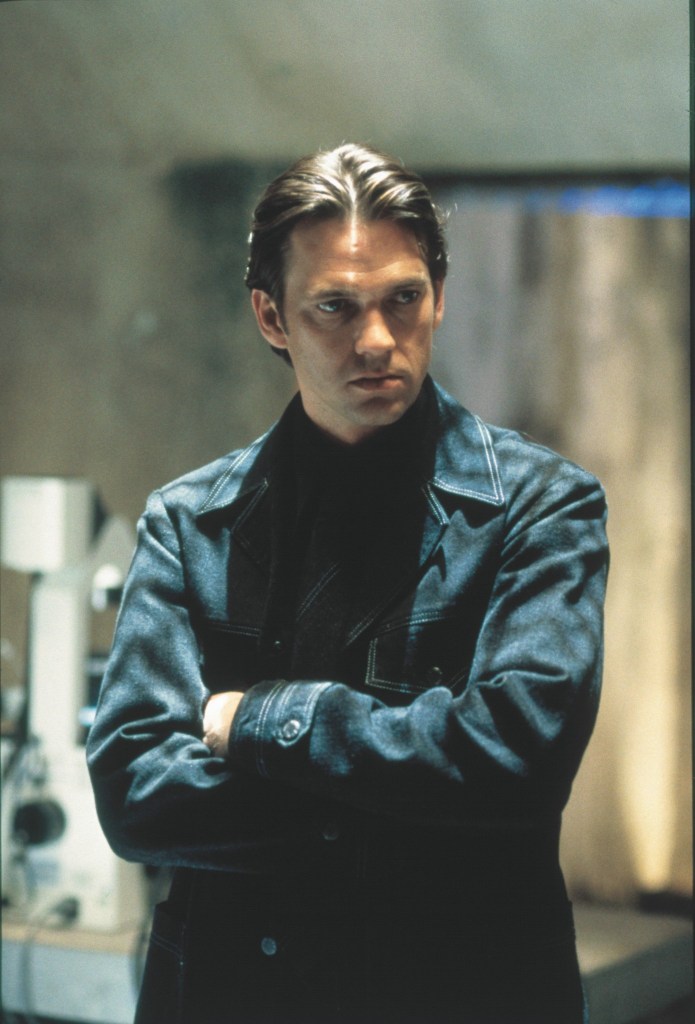
With the team trying to stop the release of a deadly virus, Ambrose leads the efforts to make the most money that he can, even if it’s at the expense of his allies. John McCloy (Brendan Gleeson) is the CEO of Biocyte, who solely made the virus so that he could profit from the cure. Still, he is absolutely disgusted when Ambrose reveals that part of the plan was for Ambrose to take 51% of Biocyte with him.
No honor among thieves, indeed. Before that little betrayal, McCloy was all-in with Ambrose’s plan, including using a demonstration of the virus on one of his own scientists to increase interest in its efficacy.
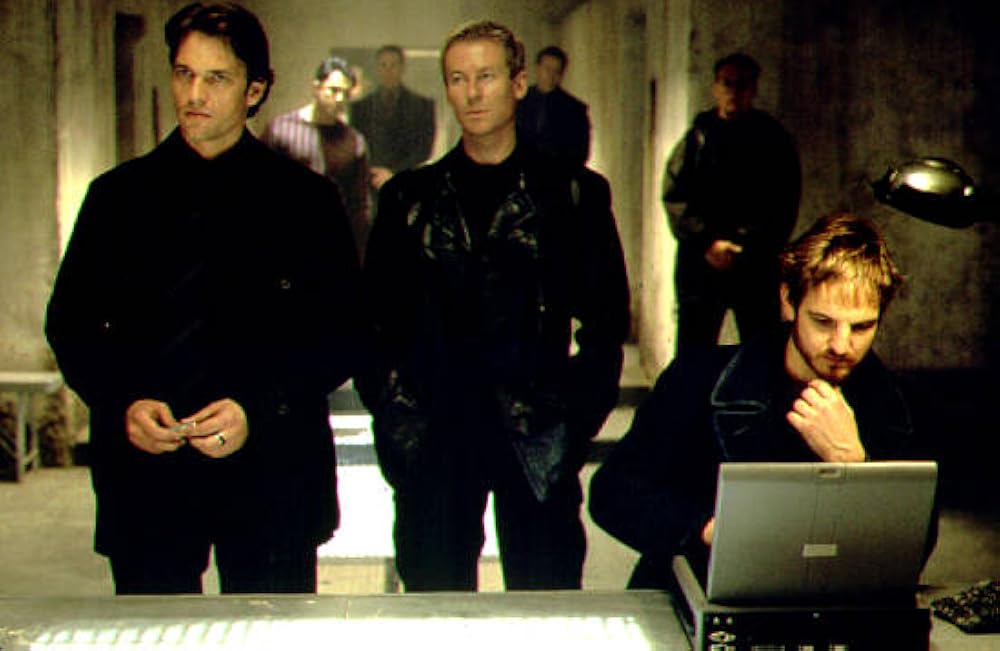
Ambrose’s main henchman is Hugh Stamp (Richard Roxburgh), who tries to convince Ambrose of Nyah’s duplicity, resulting in Ambrose injuring him by cutting off the tip of his finger rather than above the first joint. Considering what happens to him later, perhaps Ambrose needs to take a closer look at his own company’s mortality rate. Secondarily, he has Wallis (William Mapother), Michael (Mathew Wilkinson), and Ulrich (Dominic Purcell), who fill out the organization and provide much of Ambrose’s muscle throughout the film.
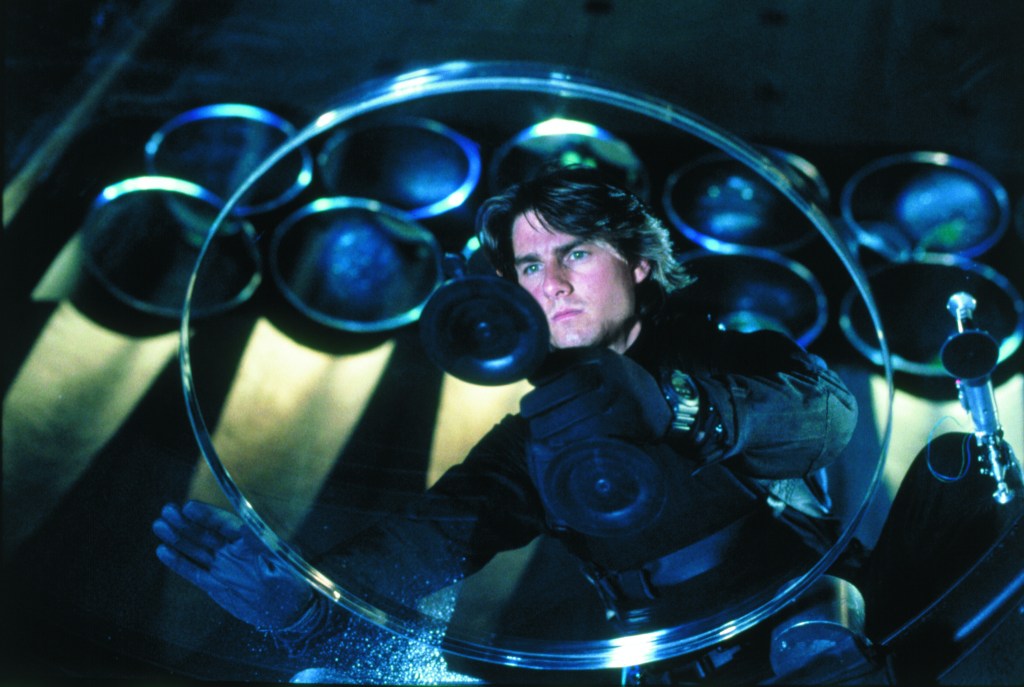
Like many villains, Ambrose lacks insight into executing his plans effectively. While he does eerily understand Ethan Hunt’s methods and tactics, he fails to grasp how others might react in the middle of the crisis he has caused because of Ethan. Nyah, for instance, once cornered and exposed, injects herself with the last sample of the virus in the hopes that Ethan will kill her. When that doesn’t happen, Ambrose ensures that Nyah is released in the heart of Sydney to expose as many people as possible. At no point does he even entertain the possibility that Nyah might just decide to end her own life in such a manner that there is no hope of her transmitting the virus. He banks on Ethan to save her life to keep the plan rolling, which, technically, Ethan does – but at that point, Ethan is locked into completing the mission. Which, by then, is ensuring that Ambrose is no longer breathing.
Unlike the later entries, which became increasingly interlocked post-Ilsa Faust, II is one of those entries that can be enjoyed in isolation. It tackles introducing the main concepts and themes well without requiring you to have seen the original film. At the same time, like most film series, watching the progression of Ethan’s character development is part of the main draw. How long he holds onto his good humor is a barometer of how much he has lost. He can still find the levity, but Ambrose’s words still haunt the narrative long after he’s forgotten about.
 Lloydd Marshall Books