
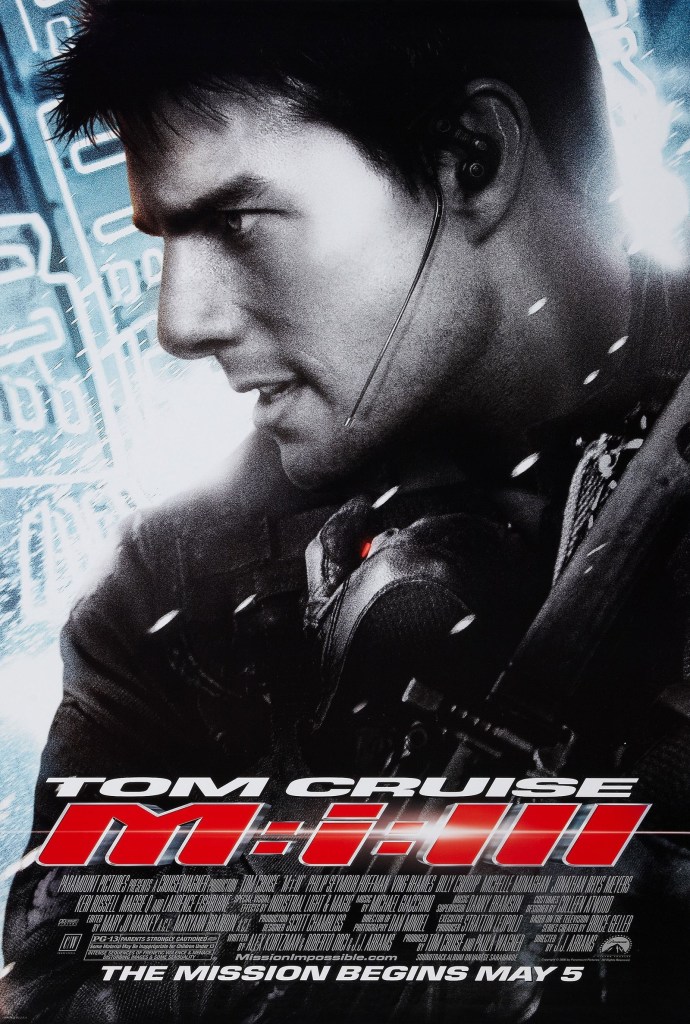
The third entry into the series came after an even longer interval than the second, at six years. With production initially slated to begin in 2002, things collapsed with the departure of original director David Fincher and then, two years later, Fincher’s successor Joe Carnahan. As the longest interlude between entries, it’s not at all surprising that, post Ghost Protocol, Tom Cruise ensured that the following entries were all handled by his frequent collaborator Christopher McQuarrie.
Still, this is more than just a serviceable entry, especially since it finally saw fit to give Ethan Hunt some peace. Only to yank it out from underneath his feet. Not all heroes get the happy endings they fight for, after all.
Ultimately, J.J. Abrams was the director of Mission: Impossible III, marking the first feature film directorial debut. He helped craft the script alongside Alex Kurtzman and Roberto Orcí, who had all worked together and would continue to do so until Orcí’s passing earlier this year. Having a team that has worked together before and understands the strengths and weaknesses of one another meant that Mission: Impossible III could put together those aspects into an entertaining story. The kind of story that the team had already been known for and would continue to build on with each successive project, such as the Star Trek film series that would unspool before our eyes in just a few years’ time.


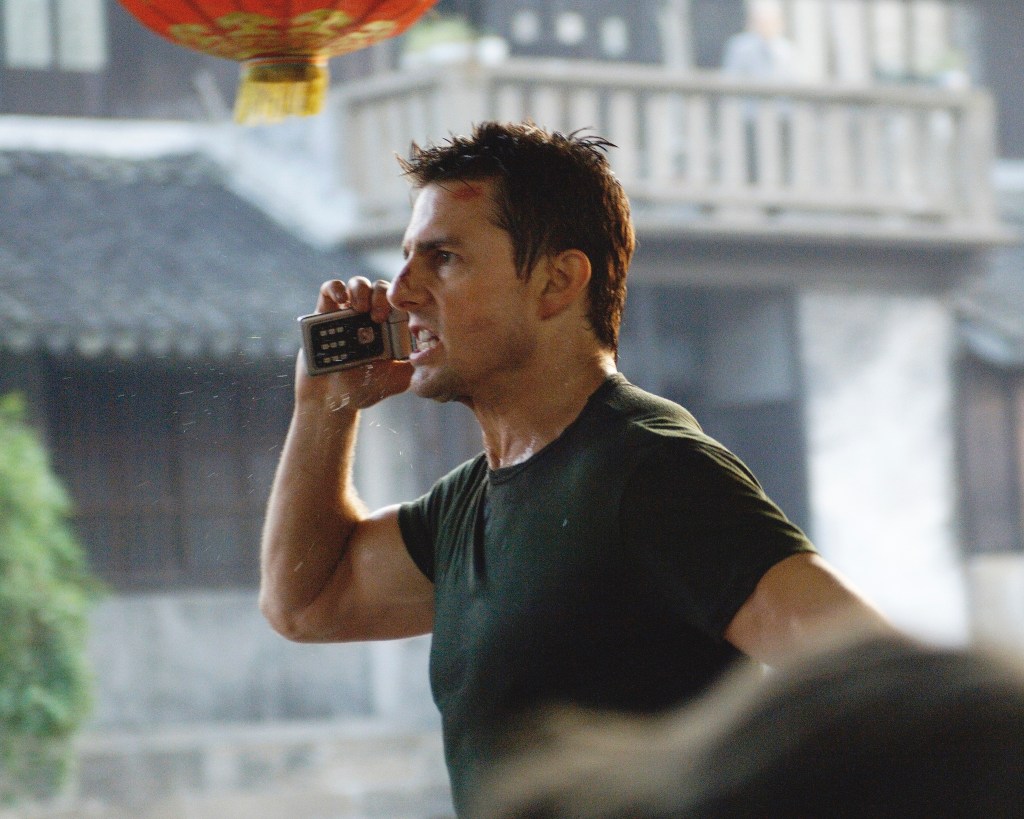
Ethan has finally settled down and, for the most part, stopped taking incredible risks. He has met and fallen in love with Julia Meade (Michelle Monaghan), a nurse he has recently proposed to, and at this point only trains new IMF agents. When IMF Director of Operations John Musgrave (Billy Crudup) comes to seek Ethan’s assistance when one of his former protégés, Lindsey Farris (Keri Russel), has been captured, he is dragged into a preprepared team comprised of Declan Gormley (Jonathan Rhys Meyers), their pilot for the mission, Zhen Lei (Maggie Q), a sniper, and Luther Stickell (Ving Rhames), their go-to hacker, to jet off to Berlin. While the mission is a success, Farris is ultimately a casualty when an explosive chip implanted in her head is detonated before the team can disarm it. From there, the true mission begins to unravel when Ethan discovers that Farris had mailed him critical evidence before her capture and subsequent death.
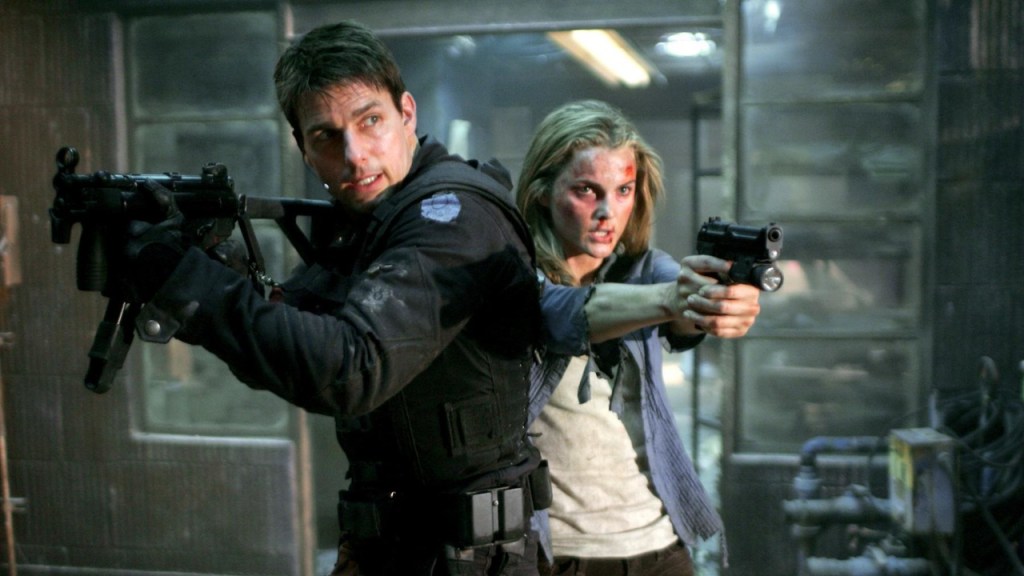
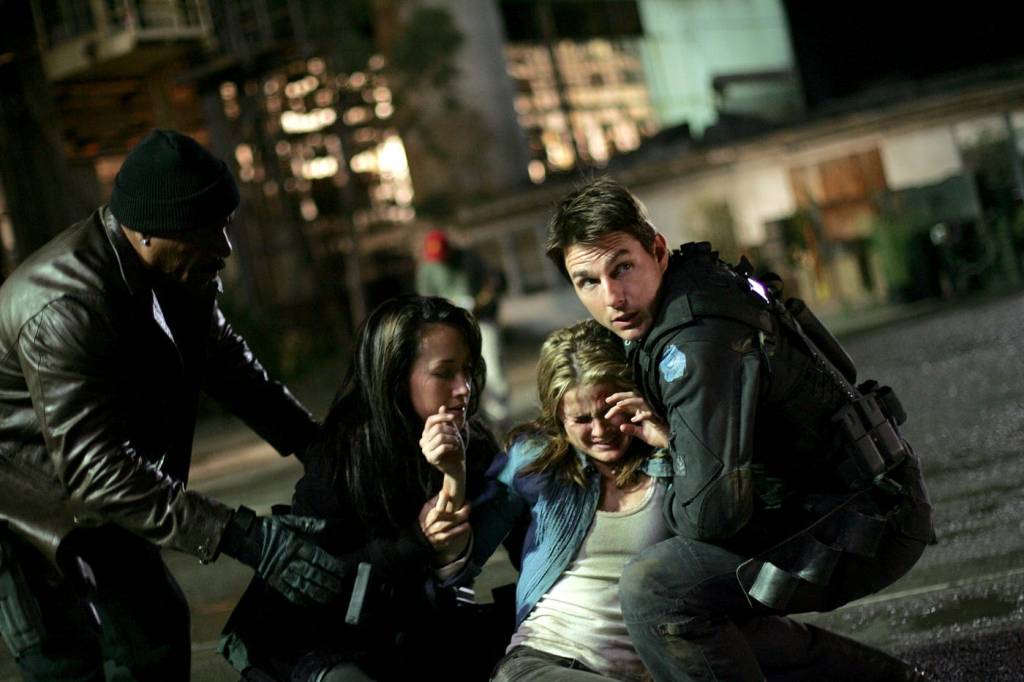
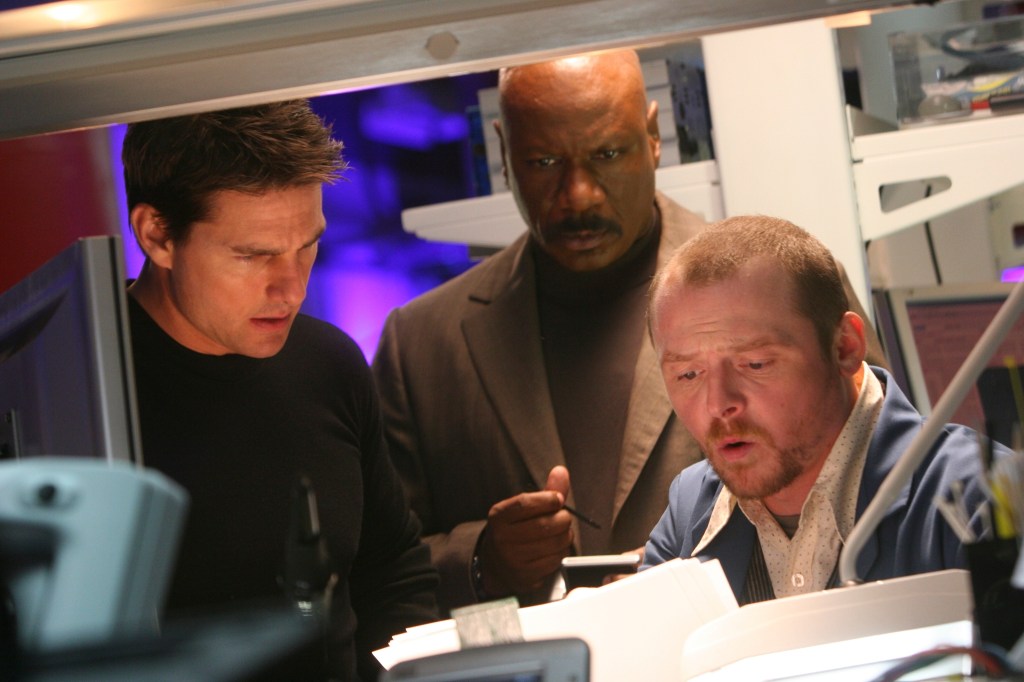
In a bid to get justice, Ethan and his team devise an impromptu plan to capture the man ultimately responsible for Farris’ death, Owen Davian (Philip Seymour Hoffman). This sets into motion all of the aspects of Mission: Impossible that audiences have come to expect if not demand. Elaborate foot chases, car chases, and over-the-top action sequences, an interesting slew of new supporting characters who will undoubtedly never return, for one reason or another, and the damning reality that, no matter how often Ethan proves his worth and loyalty, somebody will get it in their mind that he is a threat to the country. But along for the ride this time is Benji Dunn (Simon Pegg), who, along with Stickell, becomes a mainstay for the franchise going forward as Ethan’s go-to trusty technician.
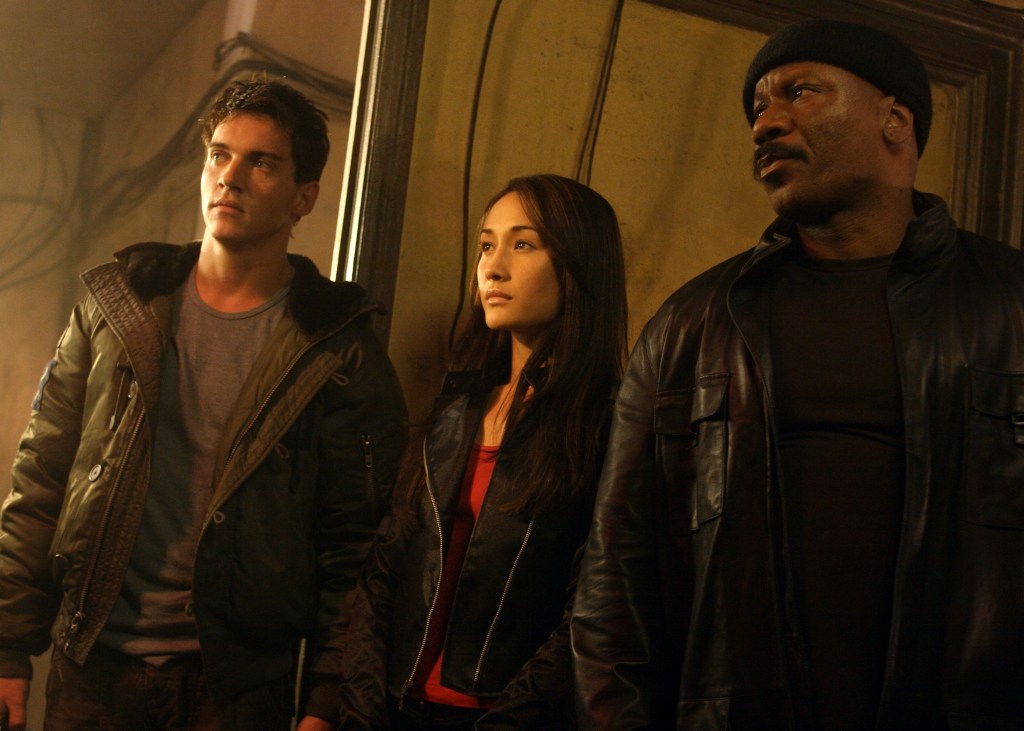
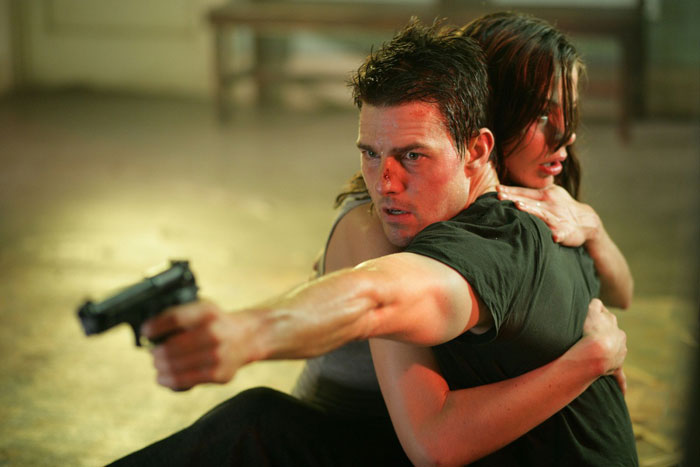
As the major supporting characters, Ethan’s team spends much of the film ensuring he can get his hands on the Rabbit’s Foot, the very definition of a MacGuffin. It is an item that we have no true idea of what it is intended, let alone what it can do. Save for a biohazard label that implies it is a deadly pathogen of some kind, its true function is unknown. Zhen and Declan, like most of Ethan’s teammates, only play a role in this entry. Unlike most members, however, Maggie Q was intended to return in the follow-up Ghost Protocol, but scheduling conflicts with Nikita prevented her return for this film, while The Divergent film series nixed any possibility of her rejoining the franchise’s fifth outing, Rogue Nation. No word on if Jonathan Rhy Meyers was ever extended an invitation to return. Yet, if Simon Pegg’s continued collaboration with Abrams is anything to go by, at least somebody won in the end!
Mission: Impossible III is renowned for being the entry that finally delves more deeply into Ethan Hunt as a character, allowing him to be more than just mission-focused, at least for a while.
His personal life offers a compelling subplot, making it more than believable that he was willing to give up his life-threatening career to finally settle down. It also devotes screen time to further building the friendship between Ethan and Luther rather than allowing this to be another team member along for the ride.
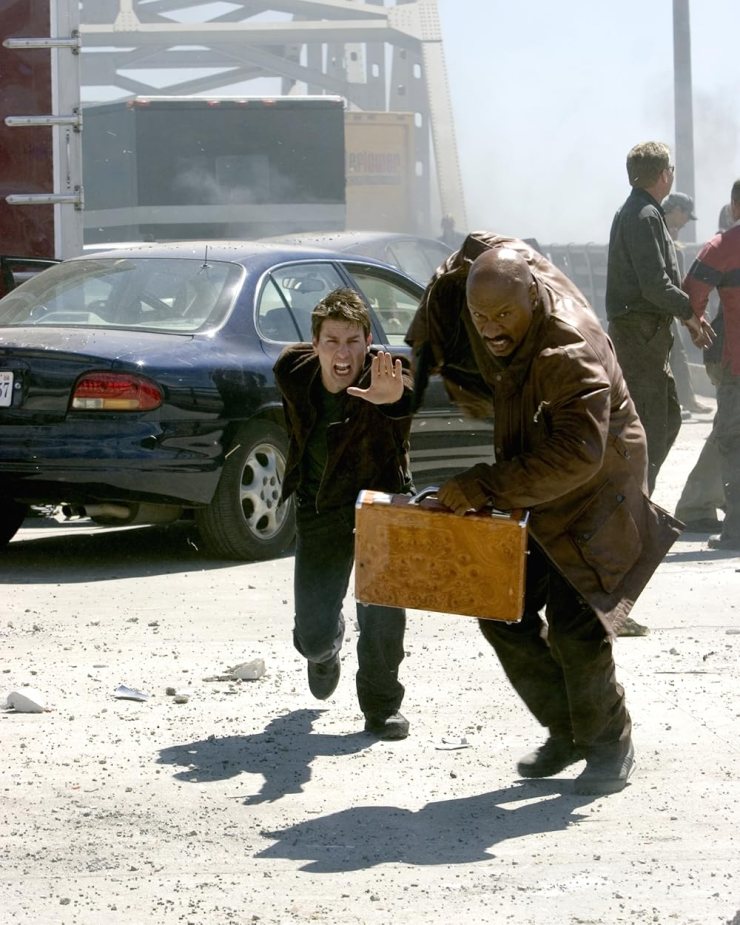
Compared to the films under McQuarrie’s helm, this is one of the films that offers the closest iteration of the character that viewers know in the 2010s, with Mission: Impossible and II offering brief flashes that could be built on. His personal connections and the threats they come under become one of the defining aspects of Mission: Impossible from this point on.

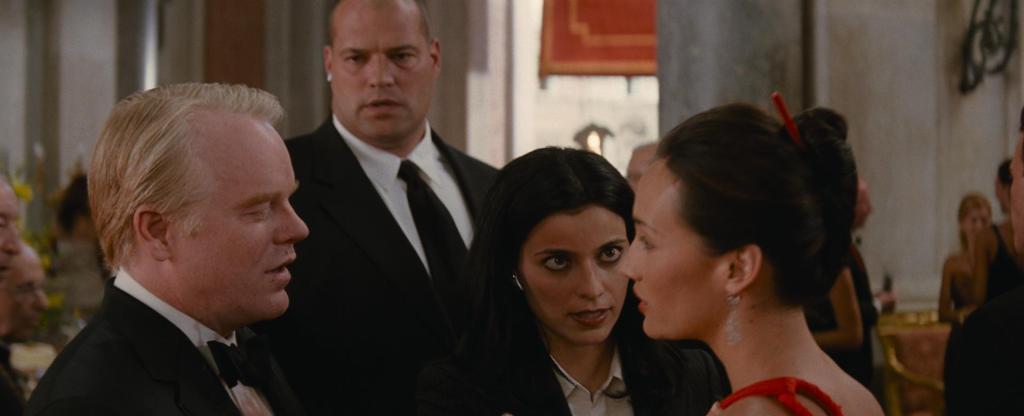
Philip Seymour Hoffman as Owen Davian is an interesting addition. He portrays his character as a sociopathic arms dealer and black marketeer masquerading as a legitimate businessman. While Ethan Hunt is often loath to kill his enemies – generally letting their own hubris get them in the end – Davian is the first of the villains that Ethan is determined to kill, all because of Davian’s own actions. For the most part, the bad guys tend to be dispassionate about Ethan as a person, viewing him primarily as a professional obstacle to their schemes. Davian takes things a bridge too far with his active conspiracy to eliminate those that Ethan genuinely cares about, including taking Julia hostage partway through III’s runtime. It all comes with a deliberate coldness and distance, however. Until he makes it personal, his actions feel almost mechanical and routine, as he describes it. Perhaps that is merely Ethan’s effect on the villains he crosses paths with.
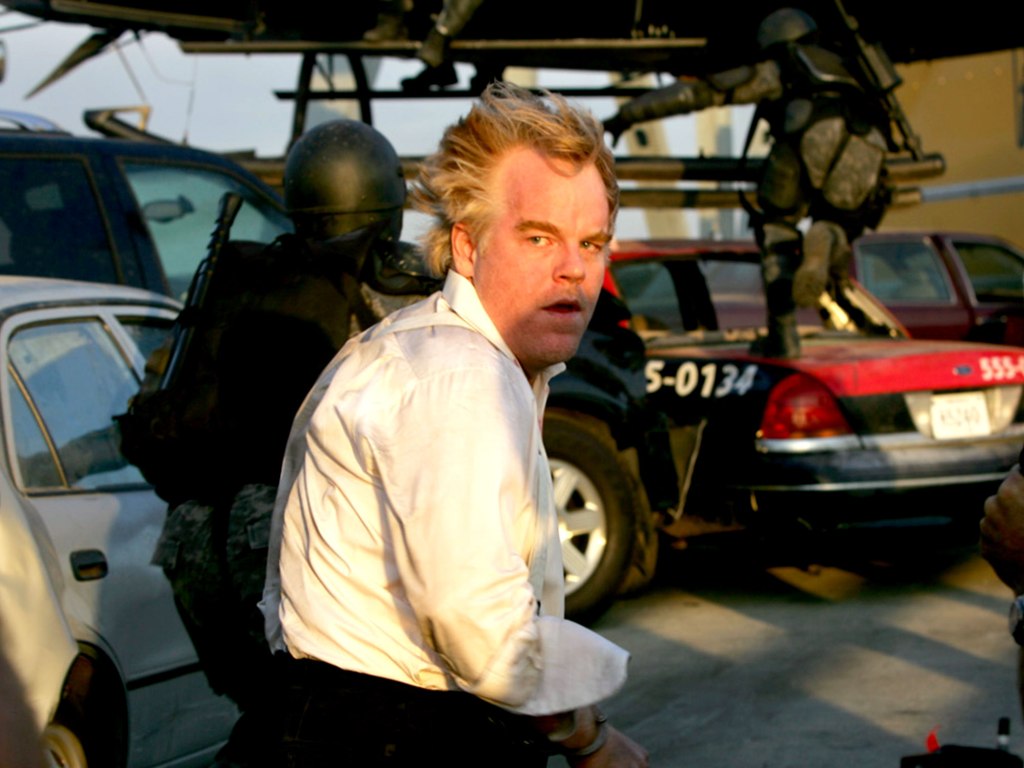
Davian’s team consists of Brownway (Eddie Marsan), whose duty was to implant the explosive chips, and his head of security/translator (Bahar Soomekh). However, the fate of his unnamed translator is the only one we confirm between the pair. Unusual for a Mission: Impossible film, which is generally pretty good about cleaning up loose ends when it comes to the bad guy’s team. Additionally, a saboteur appears in the movie from the IMF, crafting a tense situation where Ethan must figure out who he can trust in the leadership of the organization he has spent much of his adult life working for.

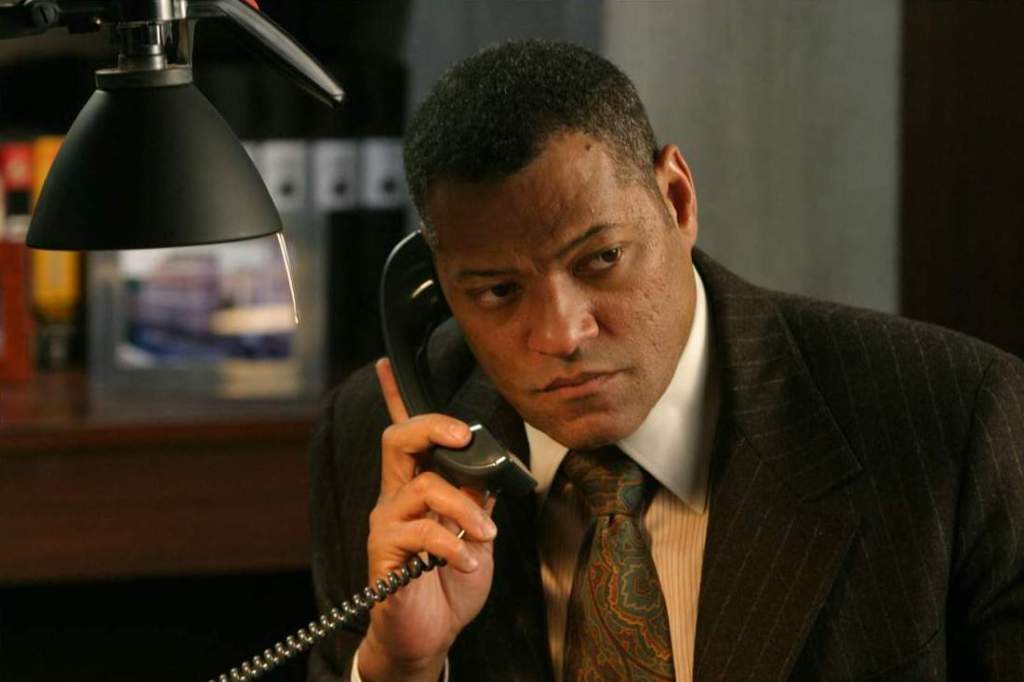
On the IMF’s side, we have the new Director, Theodore Brassel (Laurence Fishburne), who is viewed with suspicion like Kittridge was in the first film. John Musgrave plays a major supporting role, being the one who sets Ethan on the path that leads him into Owen Davian’s crosshairs. Finally, for those paying close attention, José Zuniga plays a brief role as Pete, one of the IMF agents who arrests Ethan during this entry.
Rounding out the cast and filling out the new life Ethan has tried to slot himself into seamlessly are the friends and family surrounding Julia. Rick Meade (Aaron Paul) and Melissa Meade (Sasha Alexander) are Julia’s younger brother and older sister. We meet a slew of Julia’s friends, including Rachael (Bellamy Young), Ellie (Rose Rollins), Kevin (Greg Grunberg), Ashley (Tracy Middendorf), Annie (Sabra Williams), and Beth (Carla Gallo). Each of their roles is a narrative filigree designed to deepen the world that Ethan is fighting to protect.
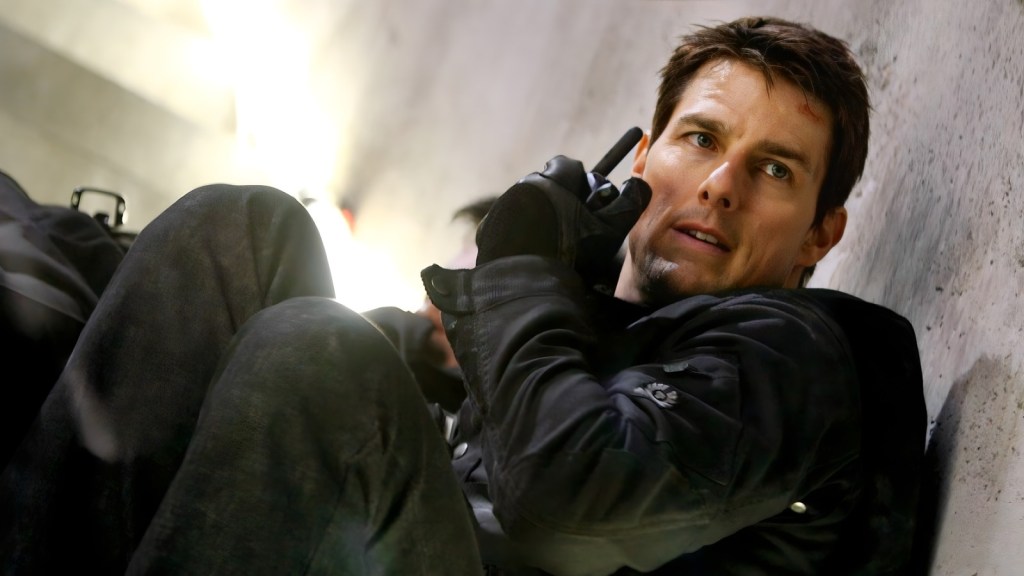
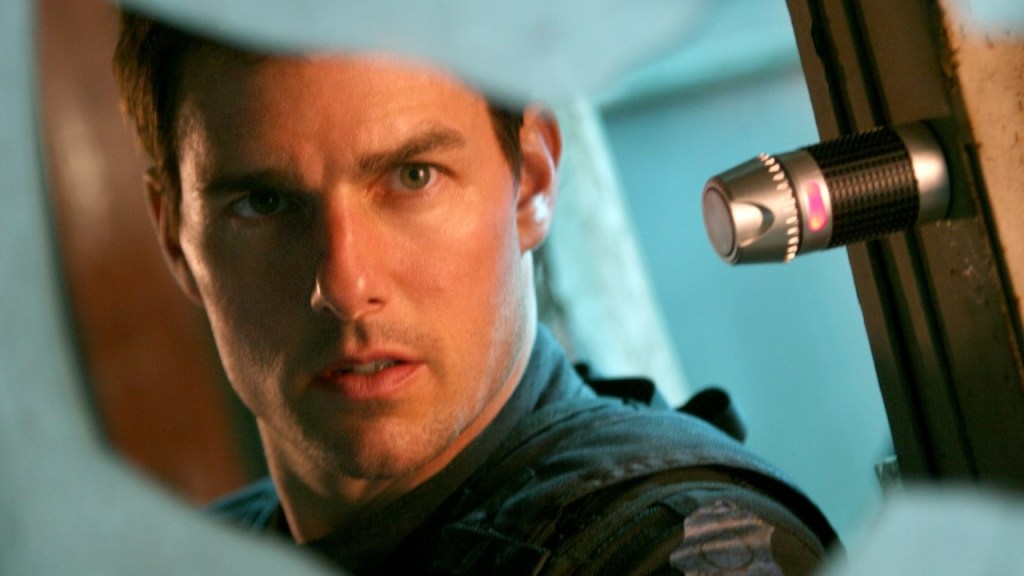
Mission: Impossible III was plagued by behind-the-scenes issues, yet it turned into one of the most enjoyable entries in the end. Granted, each Mission: Impossible film has its core strengths and weaknesses, and they’re all incredibly enjoyable. The worldbuilding laid out in this entry was not immediately forgotten, even if some of its characters were, and the impact on Ethan Hunt is felt all the way to the end of the line. Now we just have to see if The Final Reckoning, due out near the end of May, is the end of the line.
 Lloydd Marshall Books