

The Mission: Impossible film series has not been one to lie down and die, with nearly twenty years of films under its belt, as it approaches its eighth entry, each one builds off of the last. It ups the ante in every imaginable manner possible, bigger names, grandiose set pieces, and elaborate plot lines that feel unerringly prescient, yet still finds room for more.
Shot on location across Bangalore, Mumbai, Budapest, Moscow, and Dubai, this film was not intended to take a breath throughout its runtime. And it managed to do so with a budget that was five million lighter than its predecessor. Perhaps not having to hire three different directors helped it out, despite the many documented issues that did plague the film’s production.
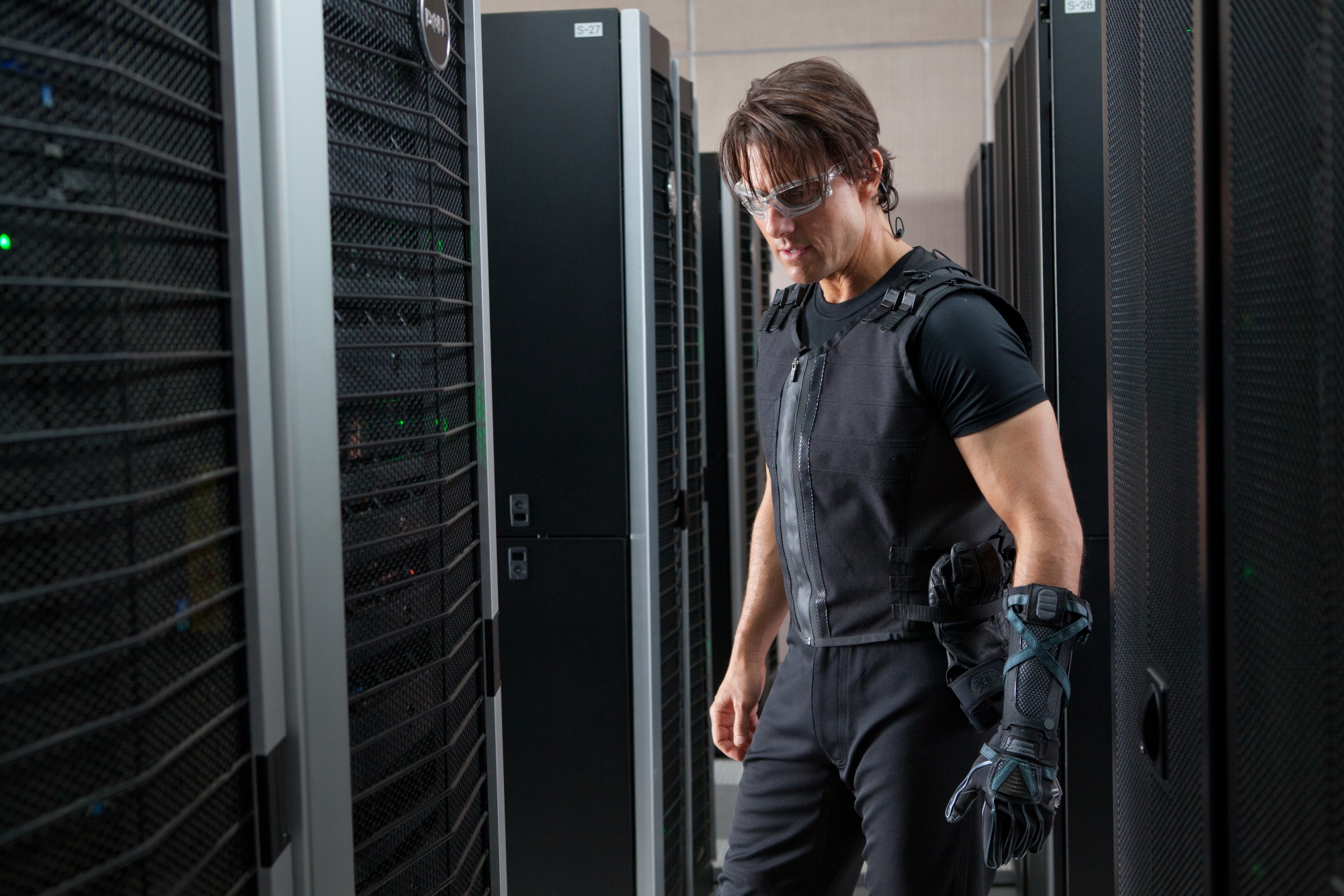

Much like the previous film acted as the debut for a director, Mission: Impossible – Ghost Protocol was the formal debut of Brad Bird beyond his typical fare, animated masterpieces. This entry, coming a cool five years after Mission: Impossible III, was initially intended to act as a passing of the baton from Tom Cruise to Jeremy Renner. Notably, this was not the only effort filmmakers attempted to launch Jeremy Renner as a replacement for a franchise’s main star. Barely a year later, The Bourne Legacy would do this without series lead Matt Damon, even in the film. Regardless, Ghost Protocol ultimately did not do this to the character of Ethan Hunt, and we are all better off for it.
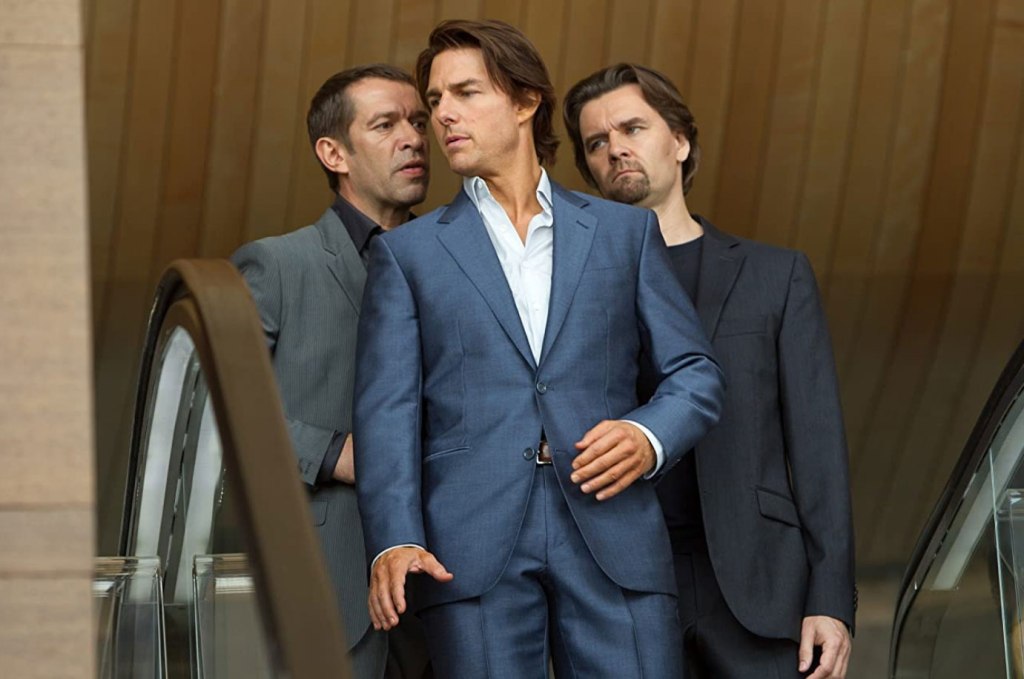

Ghost Protocol centers on the entire IMF being disavowed after Ethan’s team is publicly blamed for the bombing of the Kremlin during one of the film’s earlier missions. With the whole organization down for the count, limited resources, and the dual threats of treason and execution hanging over their heads for much of the film, Ghost Protocol wastes no time in twisting the screws. This time, there truly is no safety net for Ethan and his team of wayward spies. World War could break out if they fail, but they won’t be alive long enough to watch it unfold.
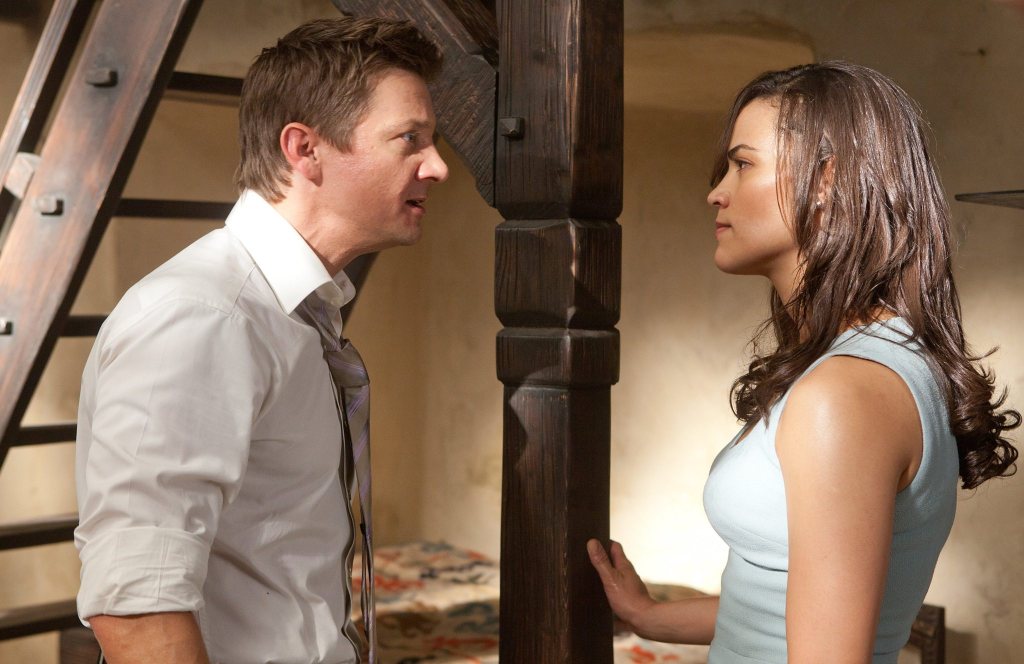

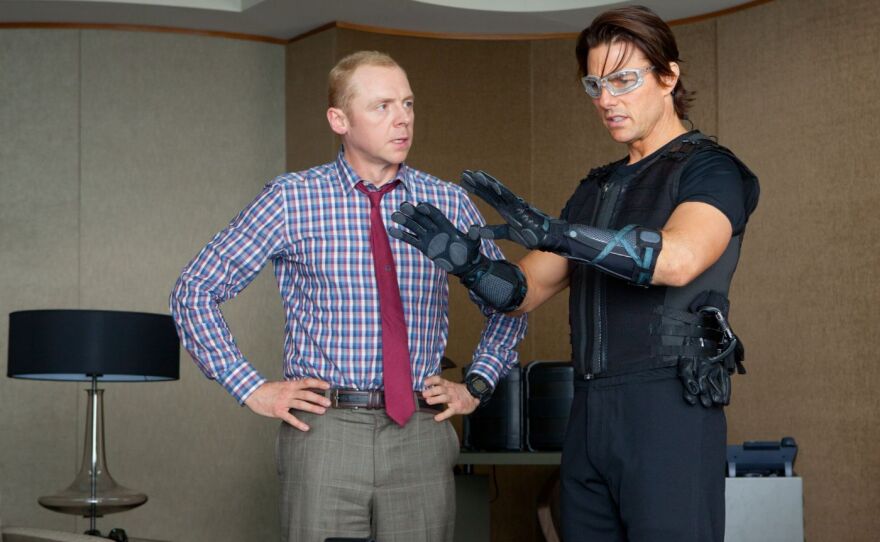
Jane Carter (Paula Patton) and William Brandt (Jeremy Renner) are the two newest members of Ethan’s team, with Benji (Simon Pegg) returning with a larger role after his turn in III. Where Jane is a team leader, William is an aide to the current IMF Secretary (played, uncredited, by Tom Wilkinson), working as an analyst after a mission before the film resulted in the death of Ethan Hunt’s wife, Julia (Michelle Monaghan). The three of them form the core group that Ethan has to rely on to get back a dangerous item that will undoubtedly result in a global catastrophe. Otherwise known as a regular work day for Ethan Hunt.


The film opens with the introduction of IMF Agent Trevor Hanaway (Josh Holloway, best known for his role on Lost), who is quickly murdered by an assassin, Sabine Moreau (Léa Seydoux). Because of his name recognition and the character’s presented bona fides, you might expect this character to play a major role, potentially even as a member of Ethan’s team. Yet his early death is designed to show that the mission is incredibly deadly, and the stakes are nuclear, once it’s revealed that what Sabine killed Hanaway for were Russian nuclear launch codes.

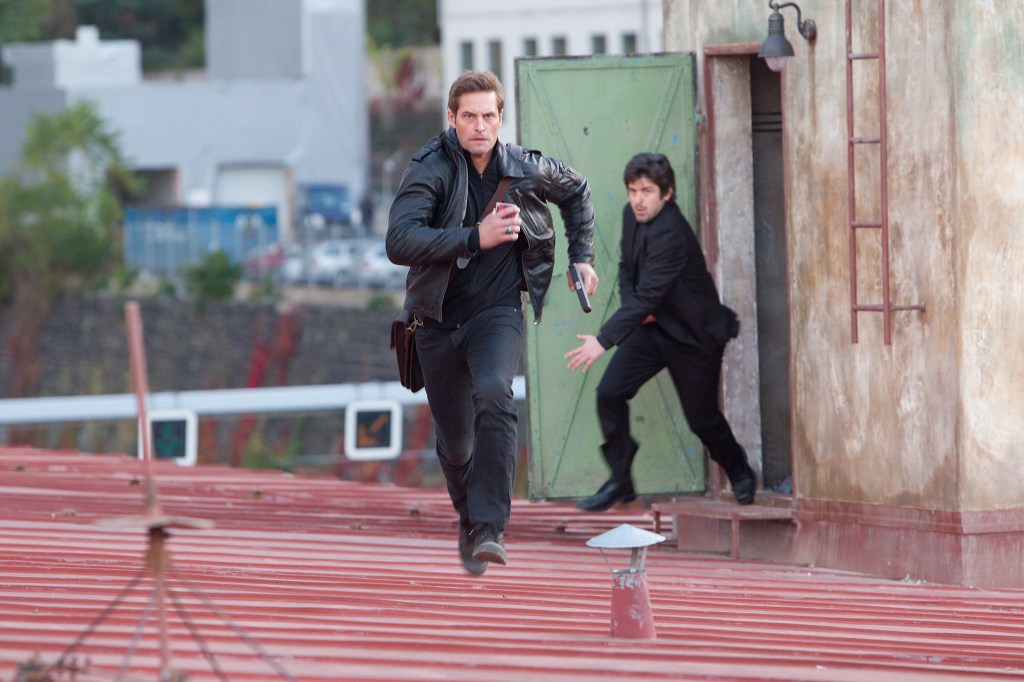
This move is interesting because it reverses the typical “stuffed into the fridge” trope, as Hanaway’s death is used to motivate another character, Jane. Much like Ethan’s reaction to Farris’ death in the previous entry (but without the romantic overtones between Hunt and Harris), Jane is driven to avenge Hannaway’s death throughout the film, which impacts her professionalism at several key points. Yet, despite this, she is still an incredibly effective IMF agent, willing to do what is necessary to get the mission done, even if her actions delay that for a time. Sometimes, the heat of the moment is all that you have.
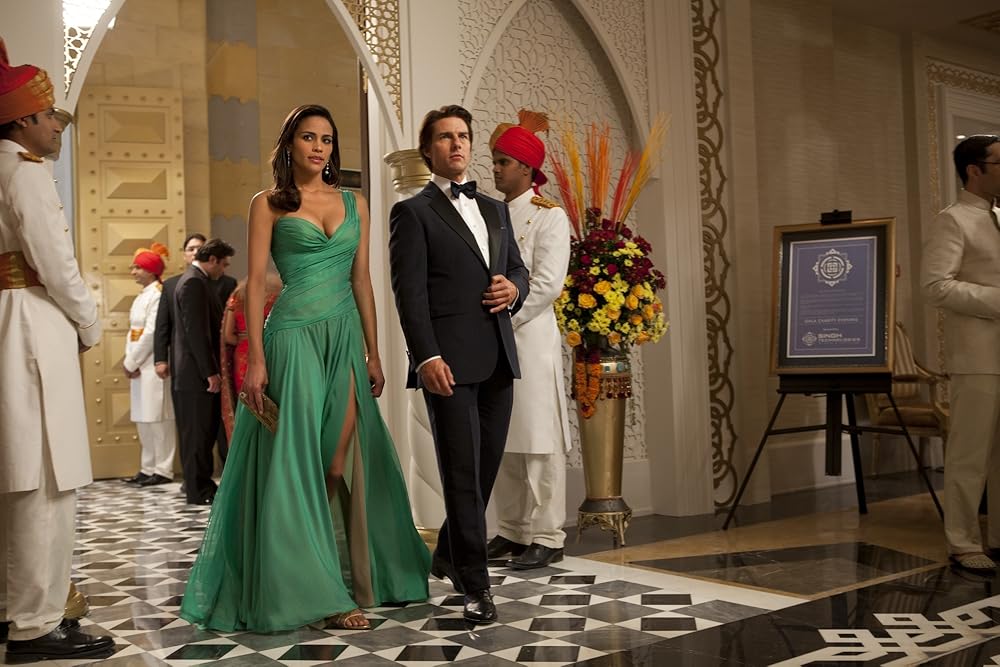
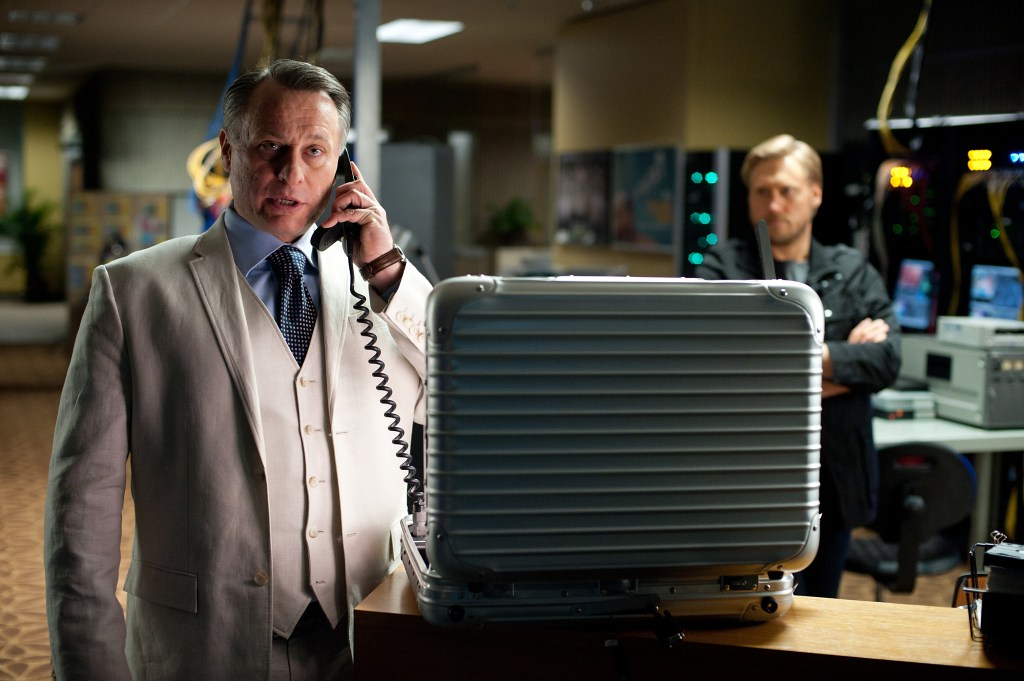
This time, the primary antagonist is Kurt “Cobalt” Hendricks (Michael Nyqvist), a Swedish nuclear strategist who is hellbent on starting a nuclear war. With his stated goal clear, unlike many other villains featured throughout the franchise, Cobalt has one primary ally working with him, Marius Wistrom (Samuli Edelmann). His coconspirator to start a war between the United States and Russia is “The Fog” (Ilia Volok), whose real name is never revealed but is portrayed as a Russian arms dealer. Considering how The Fog makes his money, once the true extent of Cobalt’s goal is shown to the man, he makes no bones about betraying him. After all, business is only good if people are alive to participate in it. Finally, we have Sabine, who is contracted out by Cobalt for missions, such as the theft of the nuclear codes and the murder of Hanaway. Because the groups have not personally met before, they are set to trade the codes for Moreau’s payment. Ethan and his team are granted a rare opportunity to infiltrate a high-powered meeting without access to their usual tech. Unfortunately, chaos circles around Ethan Hunt as always.

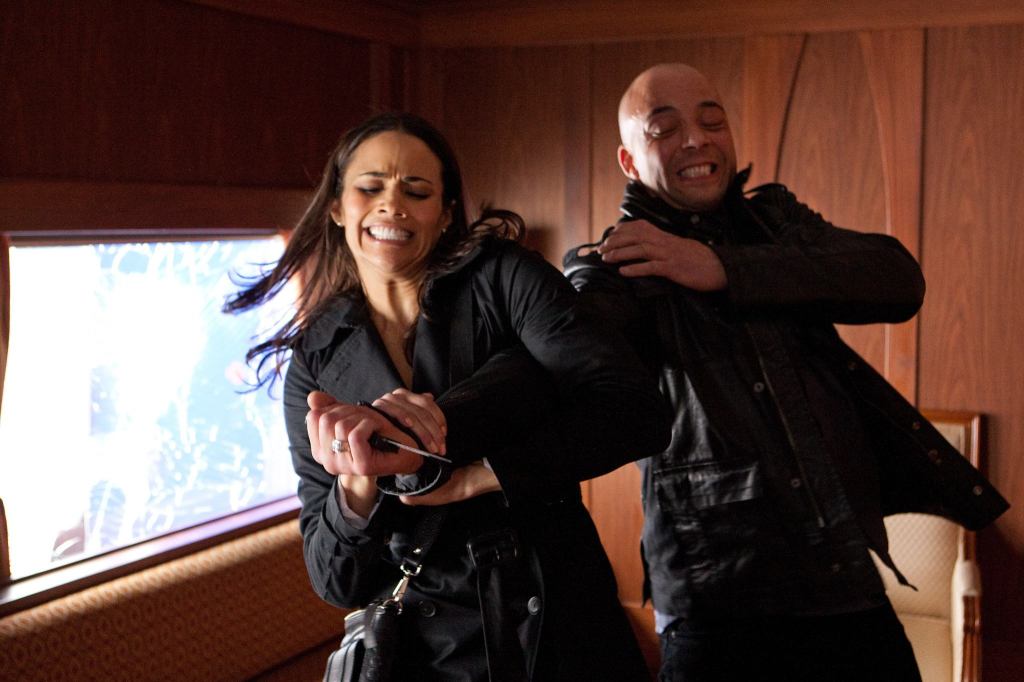
Ghost Protocol was an ambitious entry, but did not overemphasize the action set pieces this time. That is not to say that it is not an action film – watching the Kremlin collapse, the various fight scenes executed in some of the world’s most iconic locations, and a dramatic car chase through a dust storm all add to the film’s mystique. While Tom Cruise is renowned for performing most, if not all, of his own stunts, it was quite enjoyable watching Paula Patton and Lea Seydoux execute their fight. Media often pits the only women in their films against one another. Certainly, Ghost Protocol did that, yet their fight is just as brutal and weighted as the one between Ethan and Cobalt later on. With the surprise defenestration coming at its close, it’s clear that Ethan’s team was playing for keeps this time.


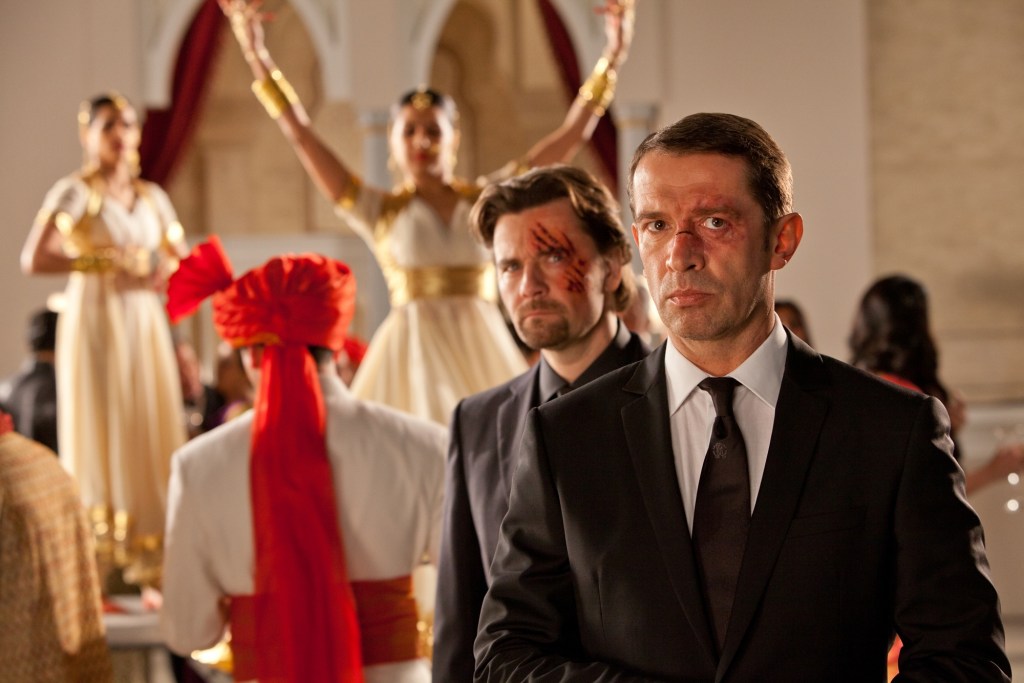
Several other major characters in the film are on the Russian side, including Anatoly Sidorov (Vladimir Mashkov), a Russian SVR Agent who is determined to capture Ethan for the Kremlin bombing. Leonid Lisenker (Ivan Shvedoff) is a cryptography expert who was brought in through coercion to authenticate the codes for the nuclear bomb. Bogdan (Miraj Grbić), an informant in a Moscow prison, was the original reason that Ethan Hunt was even in Moscow to begin with, allowing him to execute the failed infiltration of the Kremlin.
Based on how Ghost Protocol explains away Julia’s presence earlier in the film before the reveal comes that she was murdered, it seemed like just another instance of Mission: Impossible introducing characters and storylines, only to drop them when the next entry rolled around. With ultimate irony, Ghost Protocol used our expectations against us with Julia, with an uncredited reveal coming during the movie’s final moments. The same is true for Luther Stickell (Ving Rhames), with this entry being the only Mission: Impossible film, thus far, to not truly feature the character. While Luther has a cameo at the end (as uncredited as the IMF Secretary), it’s painfully obvious that the character was put aside when the intention of the movie was to beef up William Brandt as a franchise-leading replacement for Ethan Hunt. With that not happening, Rogue Nation would bring back both characters, ensuring that Luther Stickell’s role was anything but minor.

Ghost Protocol is the final entry to be directed by somebody else, with Christopher McQuarrie taking the helm for the next, and every succeeding, film in the franchise. His presence on this film came about because of the many production issues that plagued it, with multiple filmed sequences that had to be thrown out to complement an entirely newly written film.
Despite the film beginning active filming in 2010 with these stated issues, it came out late in 2011. Is it any wonder that McQuarrie was trusted to carry the franchise to the (potential) finish line?
 Lloydd Marshall Books