
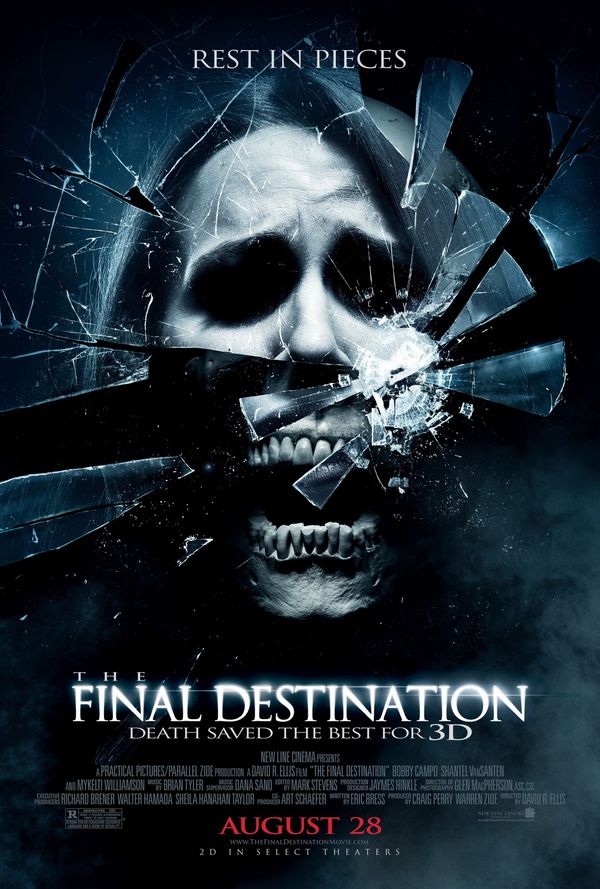
Every series has its cousin Oliver that would rather be forgotten about in the grand scheme of things, and for Final Destination, that would be The Final Destination. While it is not an overtly awful movie – I will never forgive Shark Night 3D – it is the weakest entry by a mile. Riding off the coattails of earned success, it was not enough to kill the series outright. Quite the opposite, really, as until Bloodlines, The Final Destination was the highest-grossing entry.
A sequel was all but guaranteed, but the reception to this one set the bar low, and another film wouldn’t land after Final Destination 5 until fourteen years later. Now, with that out of the way, let us take a look at the various aspects of The Final Destination that set it apart from its franchise siblings.
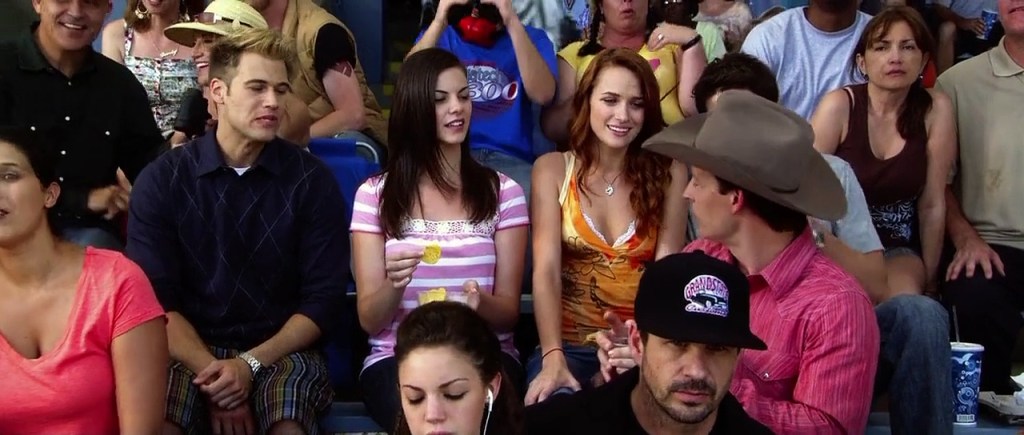
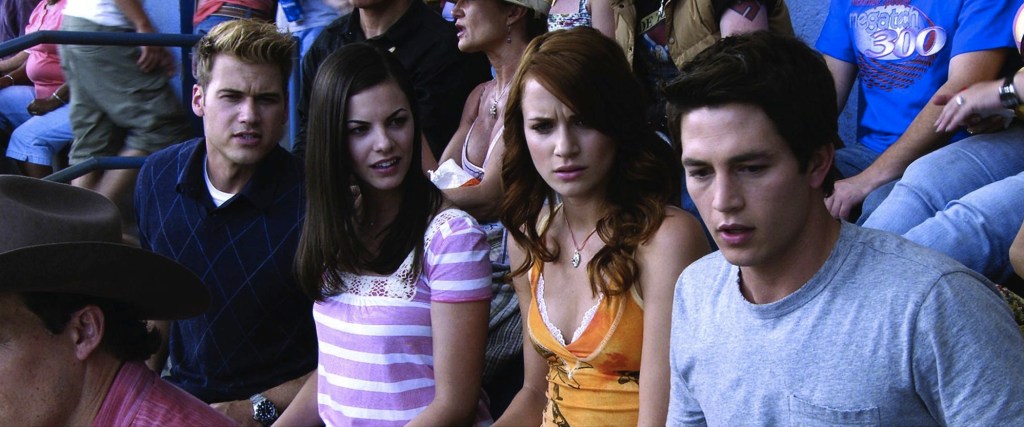
Released in 2009 with the highest budget of the franchise at the time, with $40 million laid at the feet of David R. Ellis – who also directed the fan favorite entry Final Destination 2, it was solid proof that the “concept” was not the only reason people came to see a Final Destination movie by the time the credits rolled. In the case of The Final Destination, it had a slew of deaths that were visually arresting on one hand and goofily executed on the other. As a franchise renowned for its well-executed death scenes that can, at times, come across as hilarious, that is not a mark against it. No, the true flaw is the characters. Not the cast, who did phenomenal work with what they were given, but the characters who were, more often than not, given very little.
This film takes viewers into the world of high-speed car racing at a local track. The disaster that unfolds is, as always, set into motion by a chain reaction that could have been mitigated by situational awareness and attention to detail. Still, it was quite the show. The visionary in The Final Destination is Nick O’Bannon (Bobby Campo), an actor who can emote with exemplary skill. Look no further than his turn as Seth Branson in the first two seasons of MTV’s Scream. Here, he delivers a not entirely wooden performance, but one interesting detail is how the visionary emerges from their Premonition. His reaction as he comes out of the Premonition, when placed next to that of Devon Sawa, A.J. Cook, and Mary Elizabeth Winstead, who preceded him, and Nicholas D’Agosto and Brec Bassinger, who succeeded him, is hilariously underbaked. Still, he has the lion’s share of the screen time. So one wants to root for this everyman as he and his friends try to protect the survivors from Death’s List with perhaps the worst luck of any protagonist.


The main cast this time around is divided into two camps: those who had names that the film felt comfortable including as their primary credit, and those who were given… titles. Lori Milligan (Shantel VanSanten) is Nick’s girlfriend and the one who primarily assists him throughout the movie from his central friend group. Janet Cunningham (Haley Webb) is Lori’s best friend, who used to date Hunt Wynorski (Nick Zano); both of them are the most resistant to Nick’s explanations for what he feels is happening to them. Finally, George Lanter (Mykelti Williamson), a security guard at McKinley Speedway, where the disaster occurs, becomes the only major outside ally to Nick and Lori. These are the five that the film spends most of its runtime focusing on, granting them all a bit more characterization than their fellow survivors.
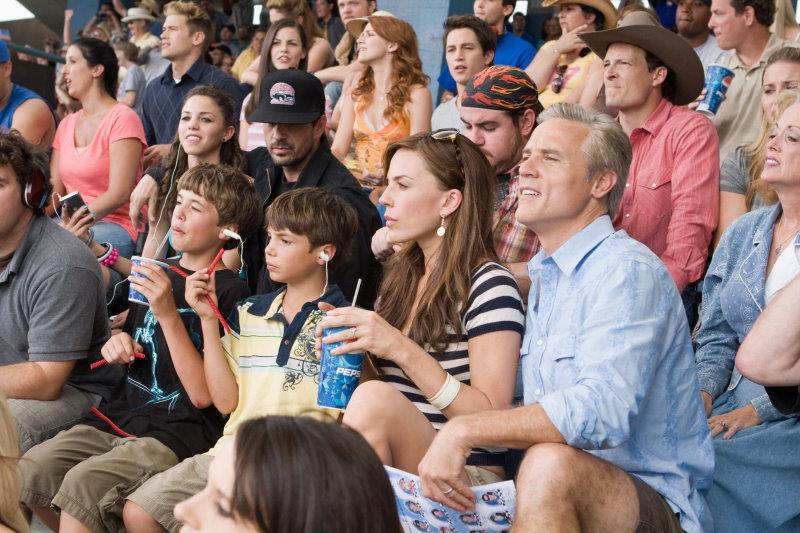
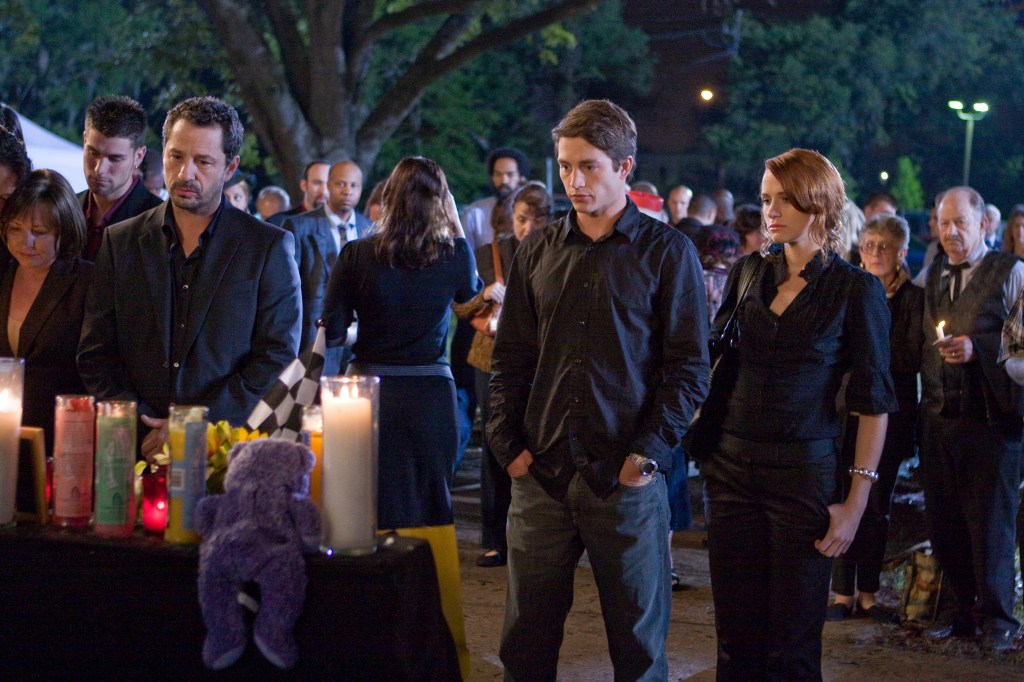
The other ‘core’ characters who survive are Carter Daniels/Racist (Justin Welborn), Samantha Lane/MILF (Krista Allen), Andy Kewzer/Mechanic (Andrew Fiscella), and Nadia Monroy/Mechanic’s Girlfriend (Stephanie Honoré). As the film goes on, it takes Nick far too long to realize that they were not the only survivors. Another character, Jonathan Groves/Cowboy (Jackson Walker), is revealed to have secretly survived the accident late in the film. I included with each of them the titles for which they were credited, despite the fact that each character was legitimately named on screen at least once.
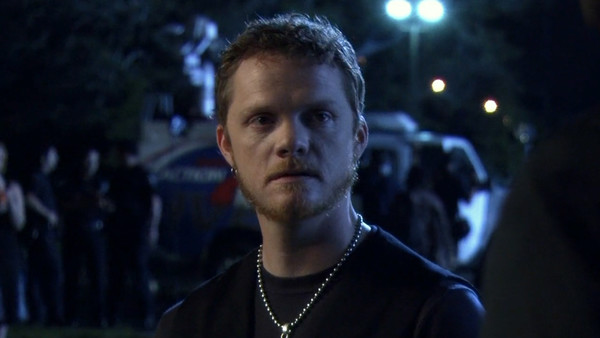
It is through these characters that we also have one of the major diversions from the franchise’s usual formula – none of them have any genuine connection with each other or the main cast.

Additionally, where the visionary can at least gather a large group of characters, who inevitably don’t believe them, in the first, second, fifth, and sixth films, The Final Destination joins Final Destination 3 in setting that aside.
Nick, Lori, and George become aware of the deaths as they unfold. Still, they are unable to intervene until the list reaches Janet, with any luck. As each death unfolds, some in front of them, Nick doesn’t take the path that Wendy does, as she becomes emotionally fragile but determined with each death. Instead, Nick becomes increasingly focused and, at times, almost desperate.
The Final Destination is not a terrible film, but it is a silly one. Its deaths are, even by Final Destination standards, over-the-top in the worst way. While characters in horror films are often ‘made of plasticine’ and prone to suffering gruesomely impractical deaths that are not merely ‘one in a million,’ but physically impractical, if not impossible, this one pushes boundaries. From one character being eviscerated by a thin fence to another having a rock propelled through their eye, or one unfortunate victim having their organs drawn out in an ignominious manner, Death seemed to enjoy spiting physics more than usual.
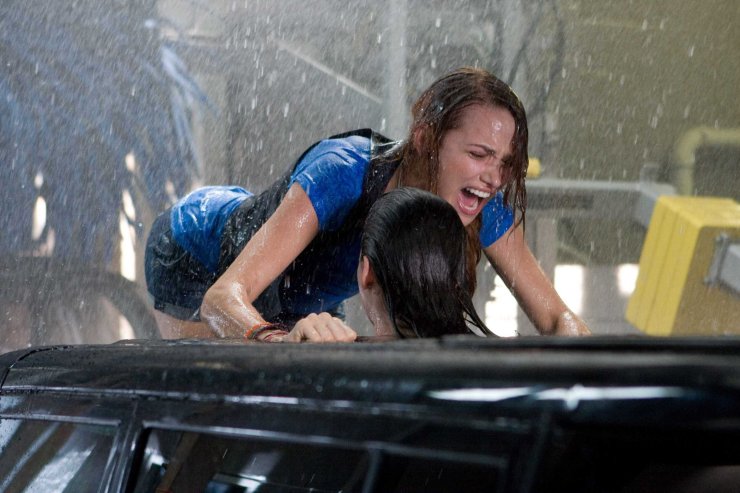
It just goes to show that while audiences arrive for the death scenes, knowing that few if any of the characters we are introduced to will live, there needs to be something else.
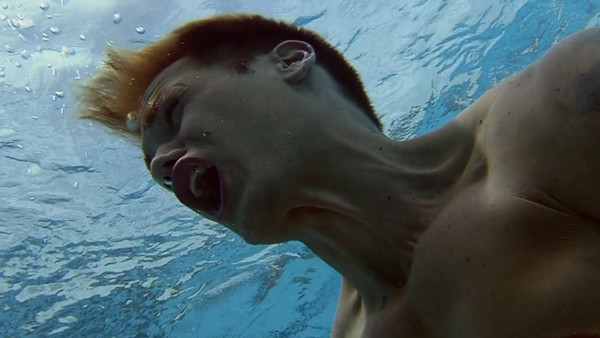
With the film driving its kills to take advantage of the fact that it was 3D, a craze in the late 2000s and early 2010s that still hasn’t died down, it is not surprising that the deaths can come across as cartoonish.
As mentioned, The Final Destination was the highest-grossing entry, but its reception, both by critics and audiences, left Final Destination 5 on shaky ground. Despite the follow-up entry proving to be a better film by every metric, visible and otherwise, the damage had been done. With the same $40 million budget, it made around $30 million less, which is not a terrible haul. No, the issue was that, while The Final Destination had clearly been positioned as the series finale, Final Destination 5 was left to close the franchise up – and it did so on a high note that left fans wanting more.

Luckily, a sixth film, Bloodlines, was eventually announced, and while its pre-production phase was impacted by the Pandemic and Hollywood strikes, its release in 2025 saw a return to form – exceptional deaths, an impactful cast, and a story worth writing home about. All of that was rewarded… with a $280 million box office return on a $50 million budget. Considering it made more than 50% of the next highest-grossing entry domestically and was the first to gross $100 million domestically, one can only hope that this means a sequel will not only be fast-tracked. It will live up to expectations.
 Lloydd Marshall Books