
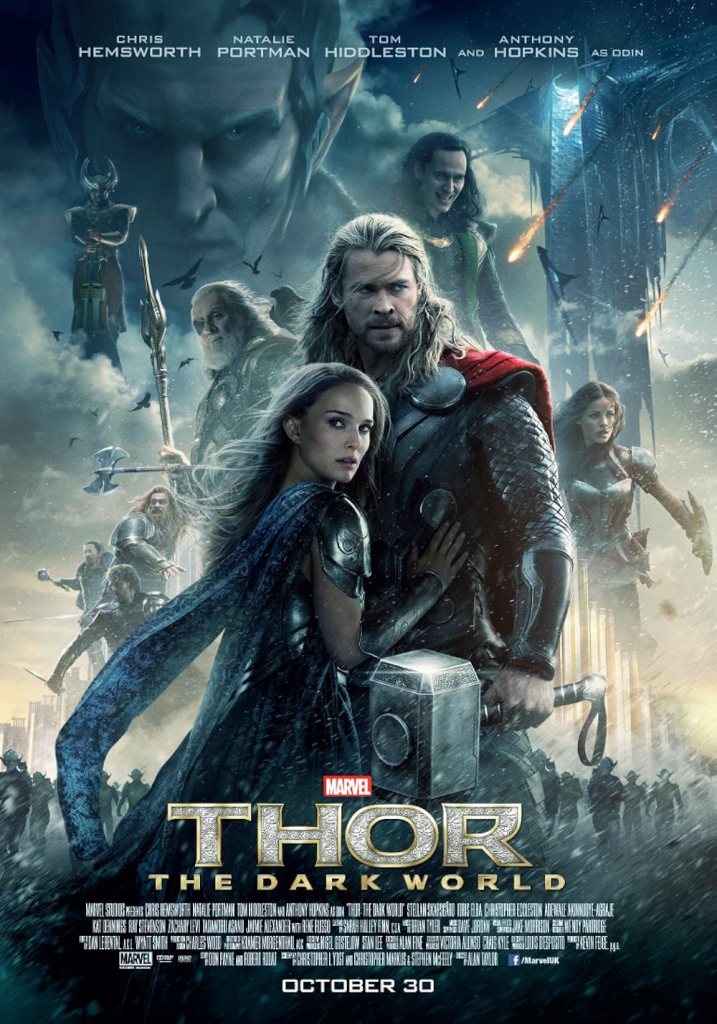
Of the entire MCU, this film was viewed as the weakest entry upon its initial release. To this day, some swear that it remains the weakest entry. Thor: The Dark World was the eighth film to be released and earned a respectable sum at the box office. However, one has to wonder what went wrong with the movie, yet just right enough, that Thor received not one but two sequels, while the far better-received Eternals seems to have been left on read.
As the MCU continues to barrel forward with its carefully curated release schedule, let’s take a glimpse into this entry. While we do, it is imperative that we keep in mind that it is viewed as the weakest, but not the most hated. That is a distinction with a very important difference.
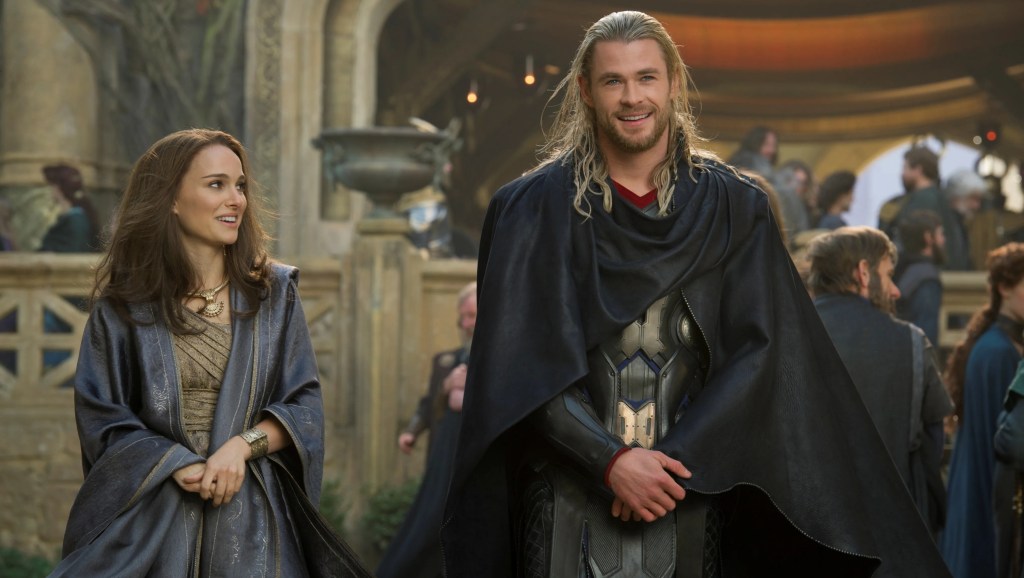
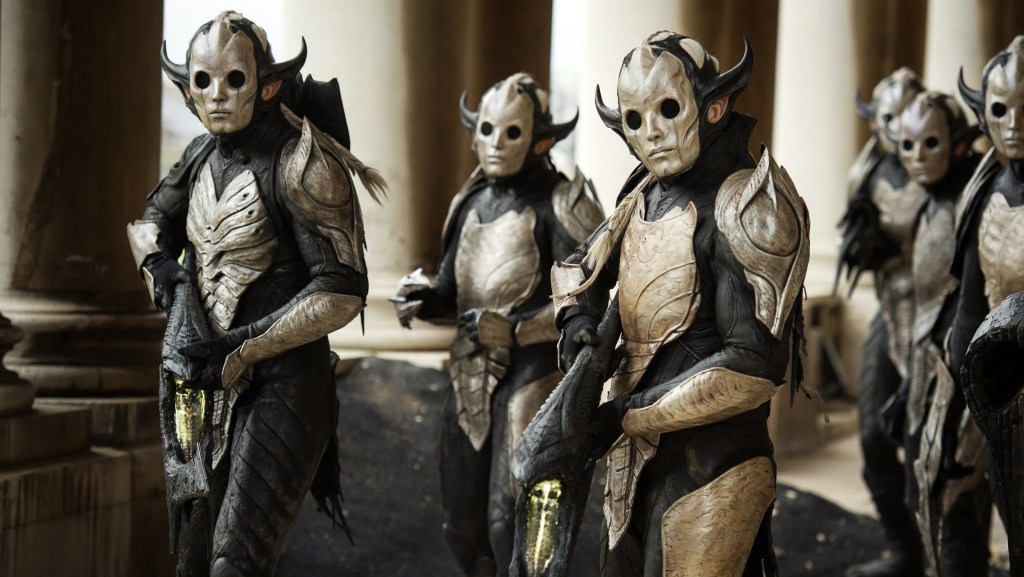
At its core, The Dark World centered on exploring the conflict between Svartalfheim and Asgard, two of the Nine Realms. Svartalfheim is known as the Dark World, granting narrative weight to the film’s subtitle. While visually arresting and offering numerous possibilities to build upon, this is partially where the film’s biggest weakness can be found. There is not much done with the central concept of their story, and as a result, the villains suffer from a lack of character depth. Considering the original plan, when Patty Jenkins was on board to direct this entry, was to focus on the relationship between Thor Odinson (Chris Hemsworth) and Jane Foster (Natalie Portman), and how Malekith (Christopher Eccleston) would use that as a distraction so that he could hide all of the dark energy of the Aether within Earth, it becomes clear that it was not for a lack of trying.
But this would not be the first MCU film to have a weak central villain, nor would it be the last. This is a common issue with comic book movies, which often prioritize their cinematic elements over their comic book origins. In the former, enemies are introduced and dispatched within 90 to 120 minutes. Still, in the latter, they tend to stick around for multiple issues and story arcs that can span decades. How else would they have a rogues gallery if, at the end of every eighteen to forty-page issue, they killed their villains? Loki (Tom Hiddleston) was the first villain across the entirety of the MCU to survive their introductory story, which allowed him to become the primary villain of The Avengers and return in The Dark World to begin his journey of redemption.

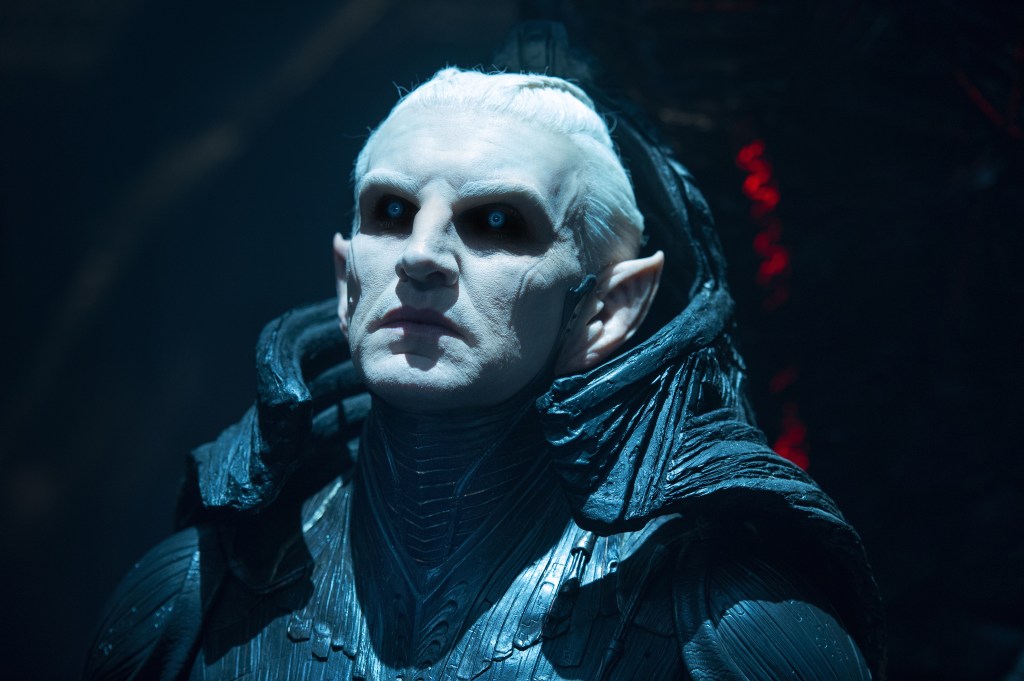
As of 2025, he is one of the most well-received characters, with years’ worth of development. Malekith joins Obadiah Stane, the Red Skull, and Aldrich Killian (Guy Pearce), who all had potential but were dispatched before they could do anything with it. Yet, where Obadiah was the first villain, the Red Skull would eventually return in Avengers: Infinity War, and Killian would, with hilarious speed, be revealed to have culturally appropriated the identity of a more famous villain in Shang-Chi and the Ten Rings. Malekith is… forgettable.
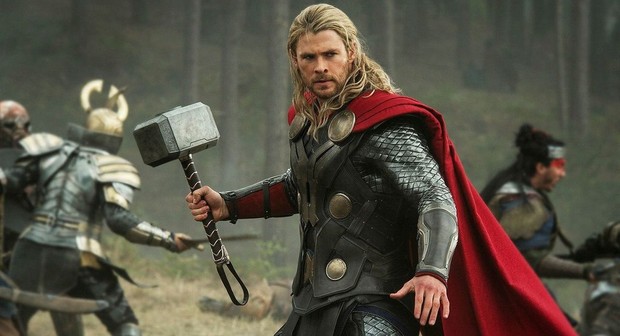
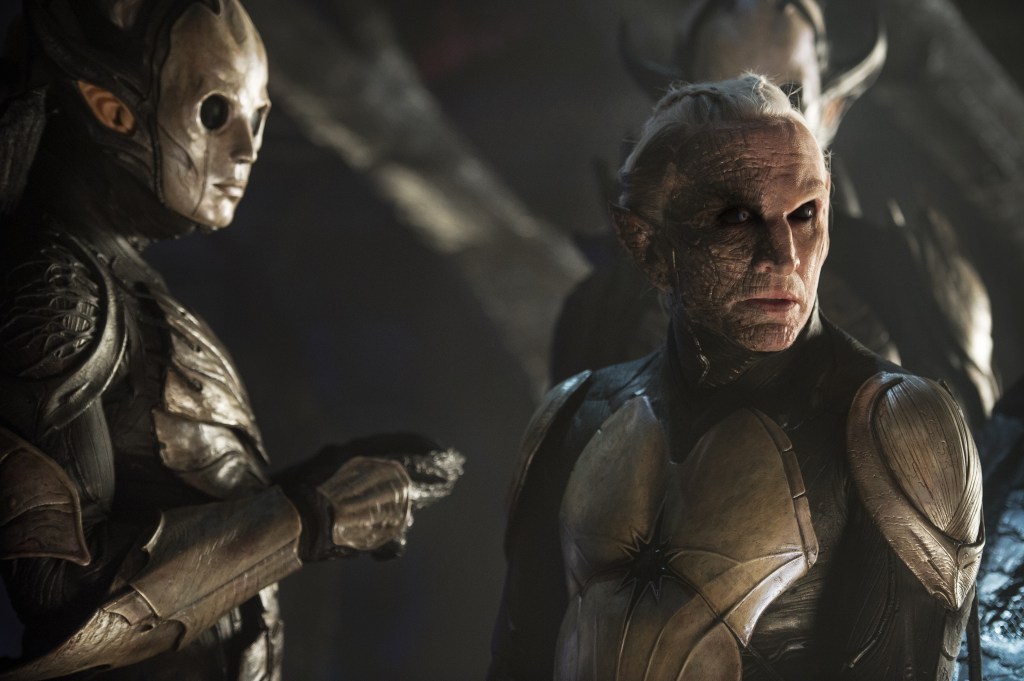
Behind-the-scenes issues plagued The Dark World, like most of Phase One and Two, and perhaps Ike Perlmutter, as was the norm, is to blame. Multiple sources cite that he was the reason Petty Jenkins departed the film, and as a result, nearly cost them Natalie Portman in this entry. If not for Disney’s notorious litigious nature, Portman had made it clear that she would have left. It would be years before she even considered returning, but by then, Perlmutter no longer held as much sway. It was not the last film to be the victim of Perlmutter’s interference, but it was certainly one of the more egregious efforts on his behalf. Then again, his efforts to impact Captain America: Civil War nearly resulted in Kevin Feige, widely regarded as the architect behind the MCU’s massive success, quitting.
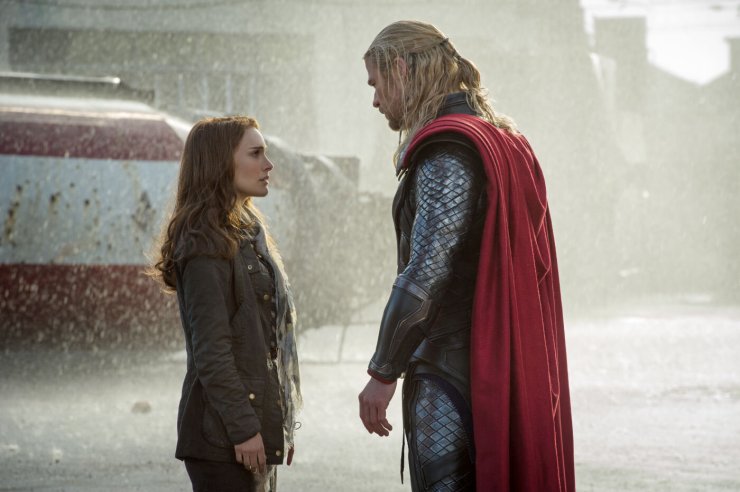
The relationship between Thor and Jane is ultimately viewed as a negative aspect of the film, considering the stakes and its seeming irrelevance to the overall storyline (despite romance being a key facet of the human experience).
This is almost certainly more to do with the amount of time covered in each individual film and, subsequently, between each film. At first glance, the nearly two-hour runtime of Thor (2011) gives just enough heft to Jane and Thor’s storied romance. At second glance, you realize that they knew one another for two days and did not see one another again for two years. One might ask the obvious question: “What relationship?”

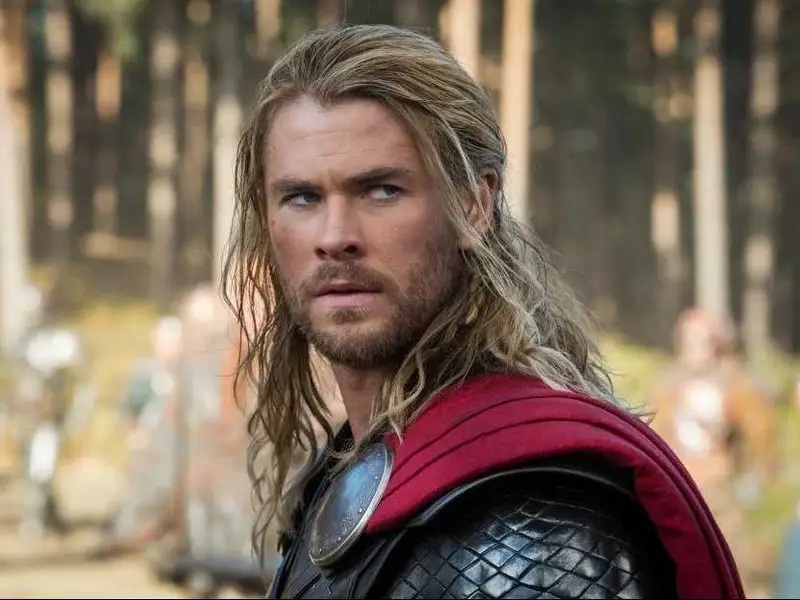
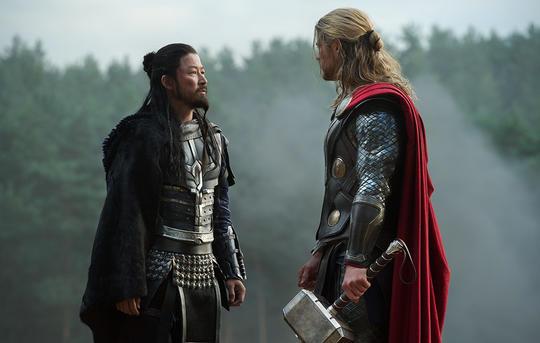
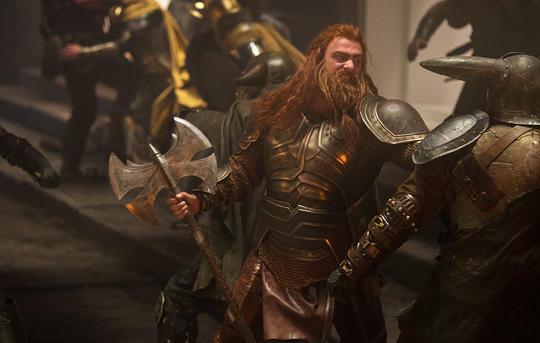
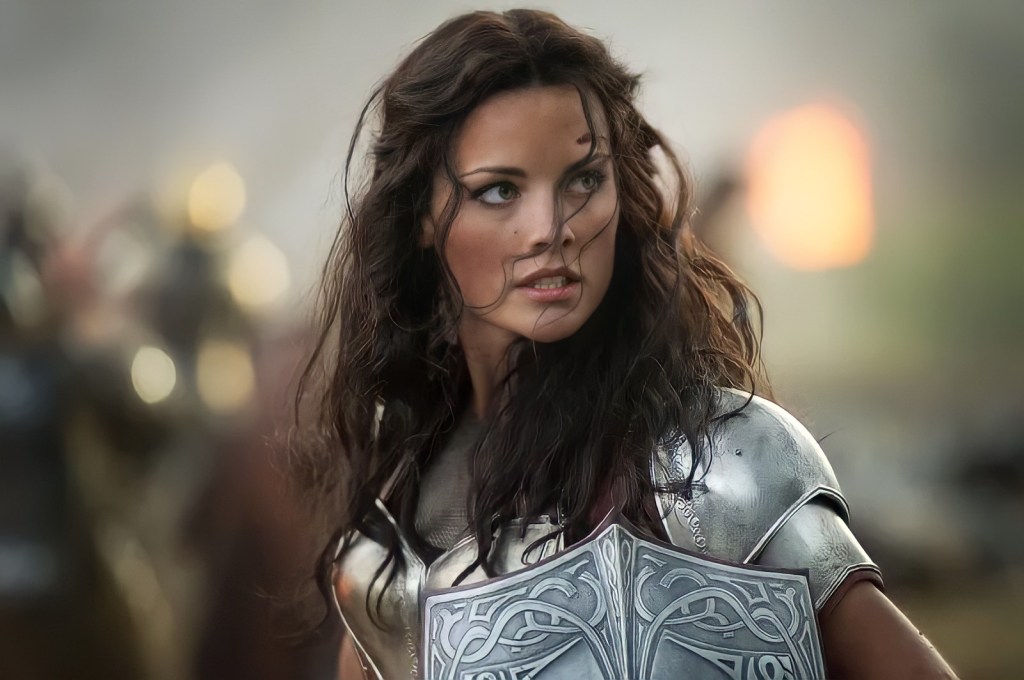
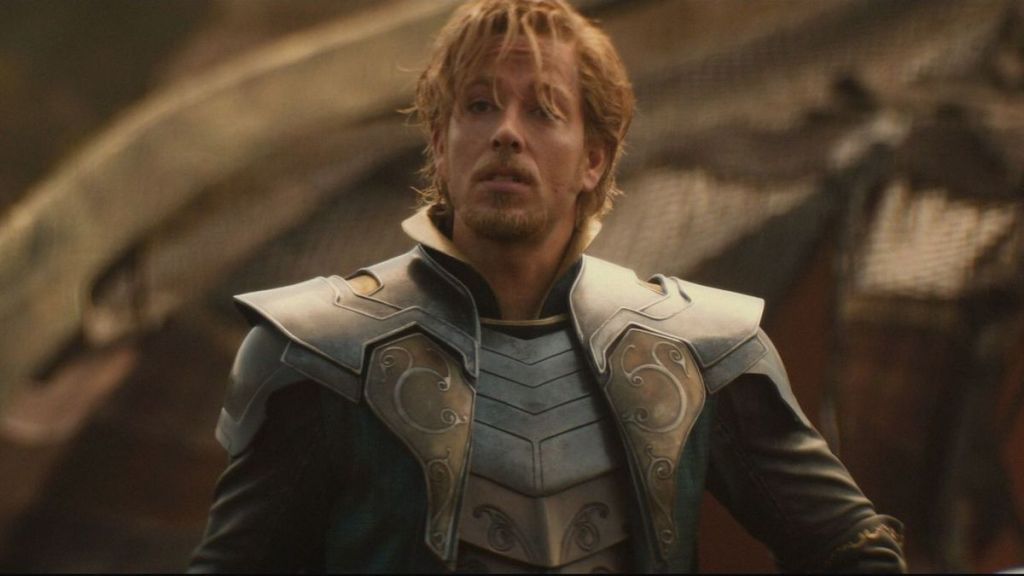
Compare their relationship to established groups in the mythos of this individual film series. Stellan Skarsgard and Kat Dennings both returned as Erik Selvig and Darcy Lewis, respectively, Jane’s mentor and intern. Where Erik Selvig played a major supporting role in The Avengers, the rest of Thor’s new friends sat out the ensemble, so he is still processing the events that he went through, while we’re just getting a glimpse back into Jane and Darcy’s lives. Where the romantic relationship between Jane and Thor can feel like it is trying to apply years’ worth of development into it, Jane, Darcy, and Erik, based solely on their backstories, genuinely have a history to build off. In the same vein, Heimdall (Idris Elba), Lady Sif (Jaimie Alexander), Volstagg (Ray Stevenson), Fandral (now played by Zachary Levi), and Hogun (Tadanobu Asano) have a rich history to draw upon.
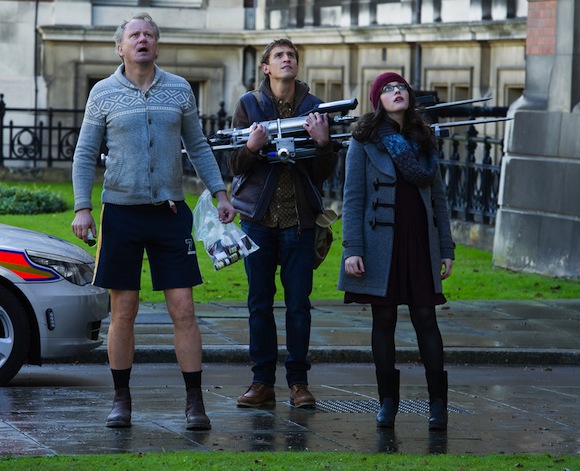
While our first interaction with each group is only in Thor (2011), enough is established for us to accept that they have known each other for a long time. The Dark World goes out of its way to remind us that Jane and Thor have not seen one another since 2011. Our ability to believe a relationship that has happened entirely offscreen is entirely determined by the film’s ability to show that relationship. This is done through dialogue and interpersonal interactions. I can believe that Thor and Jane have feelings for one another because they share an impassioned kiss. If they were teenagers, I could believe that they had intense feelings for one another after a weekend – look no further than Patty Jenkins’ original inspiration for their relationship, Romeo & Juliet. If this were a fairytale, it would be baked into the concept.
And while this is a science-fiction/fantasy story, it is not that type of story, and it delivers each of those aspects to inform us that they don’t really know one another. That is good storytelling for the wrong type of story they want us, as the audience, to accept.
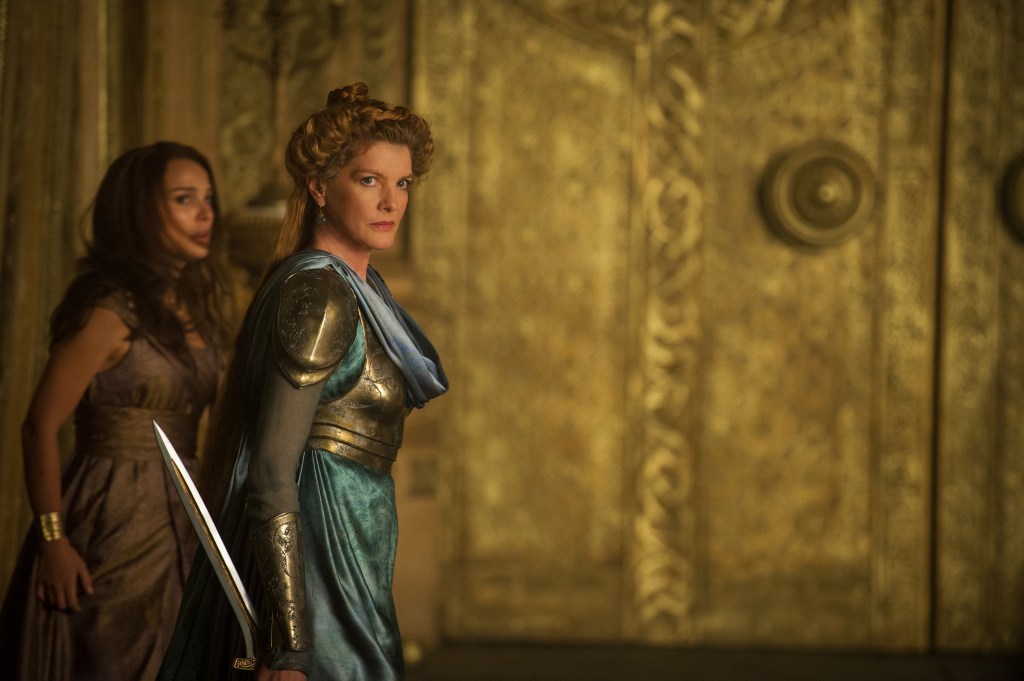
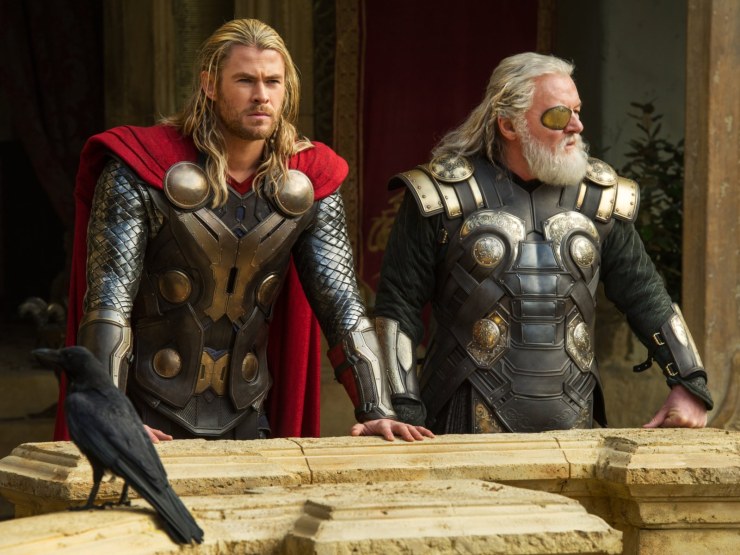
The final major characters in this film that returned were Frigga (Rene Russo) and Odin (Anthony Hopkins). Thor and Loki’s parents are the rulers of Asgard, whose past choices have long since haunted the brothers, and whose shadows loom large over their present. Alongside Malekith, we have his loyal lieutenant, Algrim/Kurse (Adewale Akinnuoye-Agbaje), another Dark Elf. Frigga and Odin provide some of the more nuanced roles in this story, with the former being granted more characterization than her previous appearance. While Thor: Ragnarök is widely regarded as the best film in the Thor franchise, it is also notable for how swiftly it wrote out every major supporting character in a rather final manner. So, while several of the supporting cast, such as the Warriors Three and Lady Sif, were not as integral to this film as they were to the previous film, at least they had some presence beyond a glorified cameo.
At the end of the day, many of the issues that plagued Thor: The Dark World can be viewed through extenuating circumstances. Jaimie Alexander was injured early in production, which is why Lady Sif had a diminished role compared to what was planned. A version of the story, intended to develop the relationship between Jane and Thor, exists, and while certain elements likely made their way into this film, the whisper of “what if?” will always hang over it. Once Upon a Time resulted in Josh Dallas ceding his role to Zachary Levi, and, perhaps, spared him the pain of what befell the character in the next entry. However, some aspects fell into the hands of outside forces who worked on the film – such as Loki’s death or Thor and Jane’s breakup, both of which were altered. While Jane and Thor’s relationship would not appear in the franchise until Love and Thunder over a decade later, Loki is at least still going strong, and Ike Perlmutter has since been fired.
 Lloydd Marshall Books