
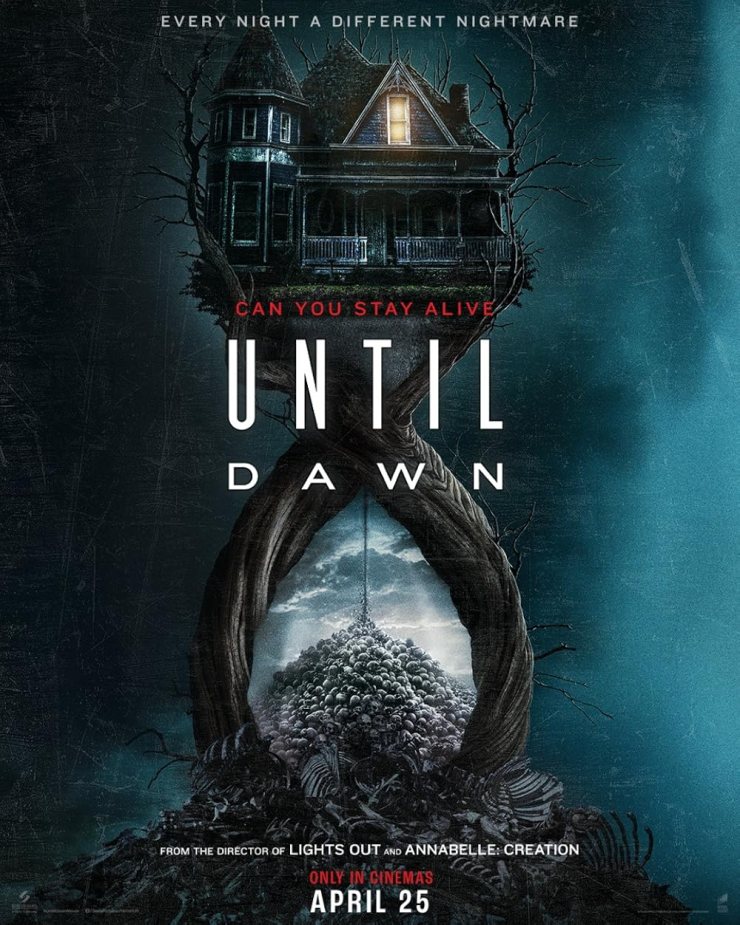
Video game movies run the gamut, and you never truly know what you’re going to get in terms of quality and faithfulness. Today, many video games are essentially indistinguishable from movies in every manner except for running time. They include cinematic cutscenes, exquisite in-game presentation, character arcs with symbolic depth and meaning, and a storyline that does more than simply serve a mechanic.
With that in mind, the refrain has changed from, “can they faithfully recreate the game,” to “should they even bother when it’s right here?” Until Dawn split the middle, drawing on key concepts of the game while spinning out a wholly original storyline.
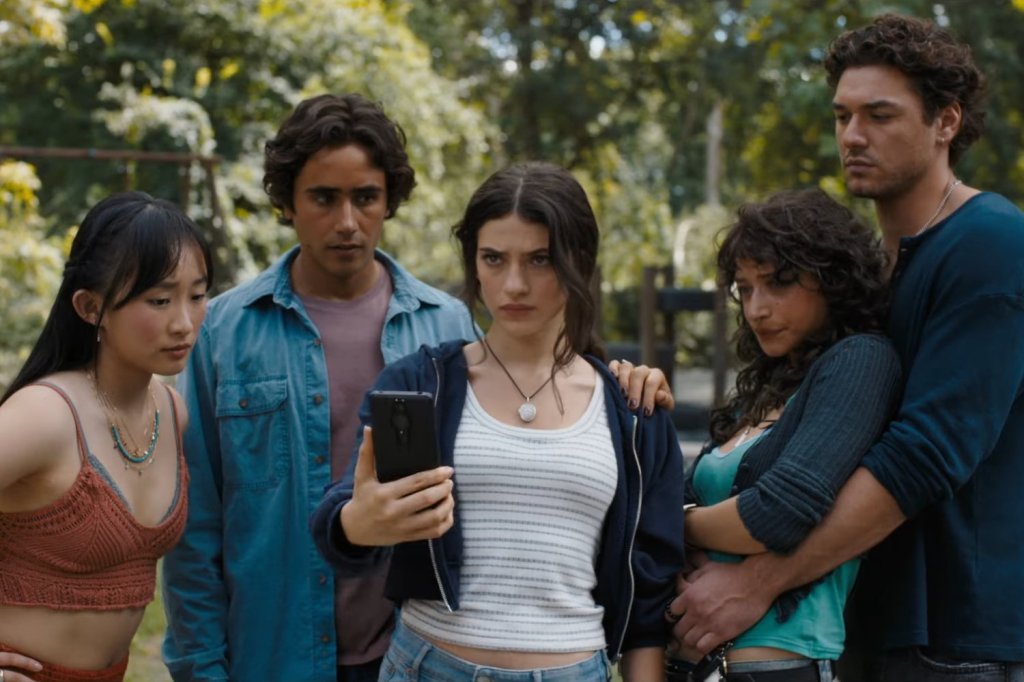
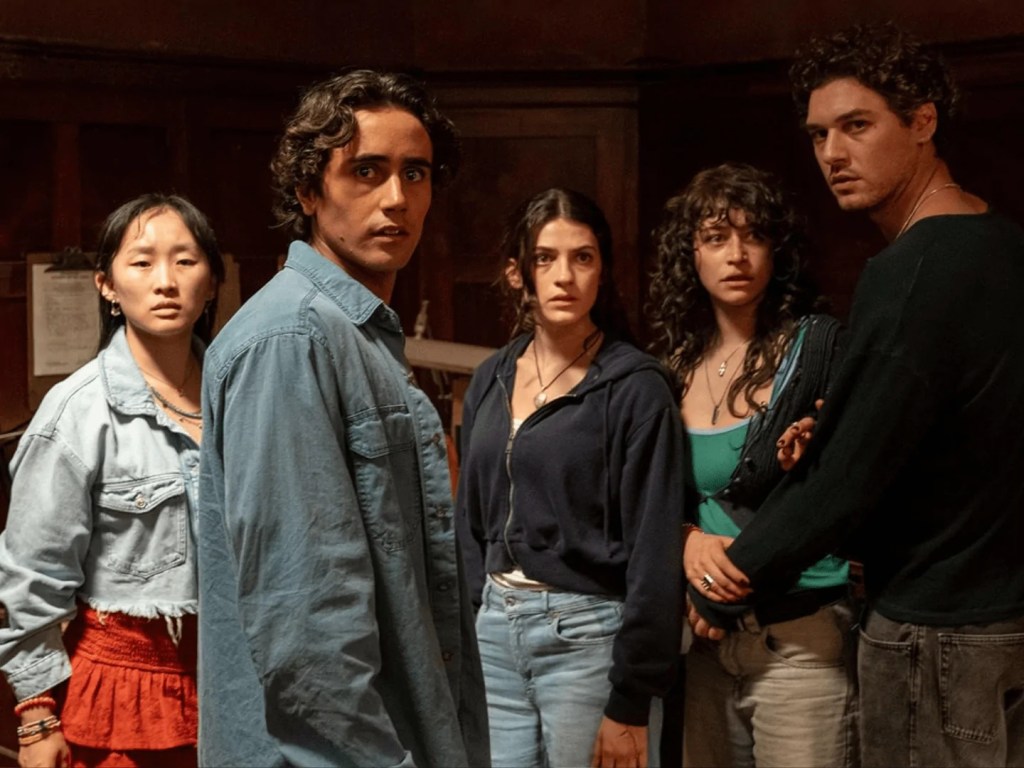
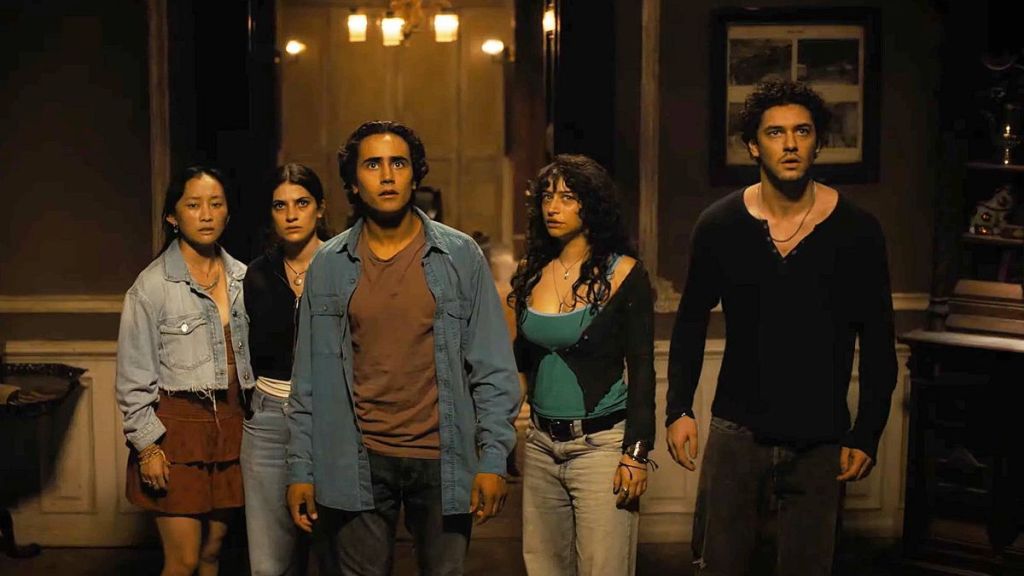
Coming just shy of the video games tenth anniversary, Until Dawn focuses on Clover (Ella Rubin) and her group of friends – ex-boyfriend Max (Michael Cimino), best friend Nina (Odessa A’zion), and Max’s half sister Megan (Ji-young You), and Nina’s new boyfriend Abe (Belmont Cameli) – as they retrace the final trip taken by Clover’s missing sister, Melanie (Maia Mitchell). While the video game centered on eight characters, a handful of whom received very little playtime and characterization, the film adaptation of Until Dawn tightens the circle to those five and features Melanie primarily through flashbacks and exposition work. Its final primary character is Dr. Alan Hill (Peter Stormare), who played a prominent role in the video game’s original storyline as the psychologist for Rami Malek’s character, Josh.

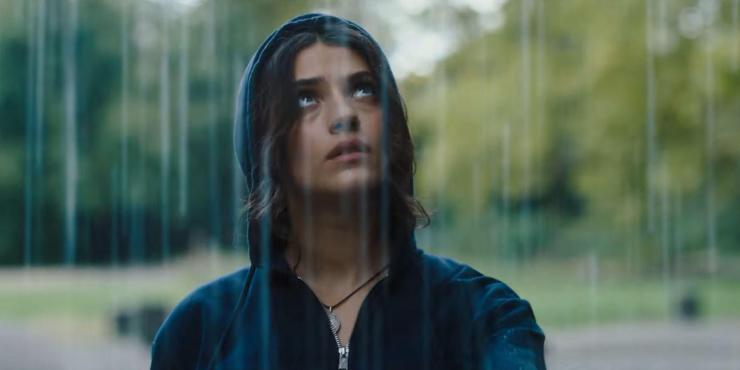
As the lead, Clover is, at first, clearly positioned as the final girl. Going into the film blind, one expects her to be the last one standing, which Until Dawn uses to great effect before revealing its time loop.
As Clover’s ex-boyfriend and with the desire to help her through the loss of her sister, Max is by far the most intriguing presence in the group. After all, with their romantic relationship ended, he is there for her – not for himself.

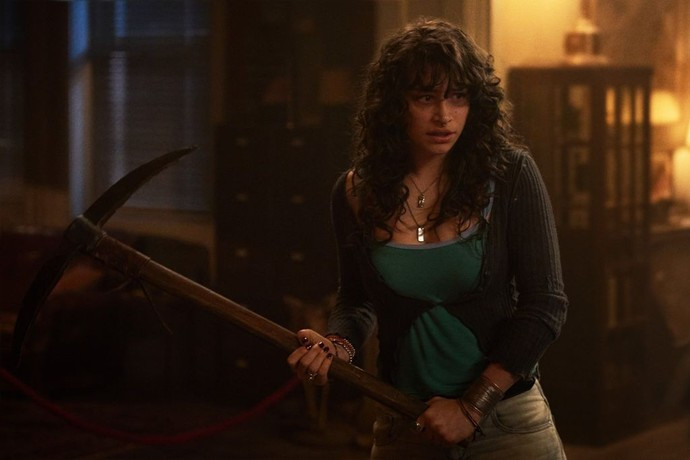
As Clover’s best friend, Nina has the closest relationship to her and the most organic reason to be present. While initially hesitant to remain on site, she proves to be one of the more resilient members of the group as the loop wears on.
Megan, whose connection to Clover is not as strong as Nina’s or Max’s, is presented as the most spiritual of the group. While not taken seriously at first, her insight proves key to challenging the core concepts of the time loop.

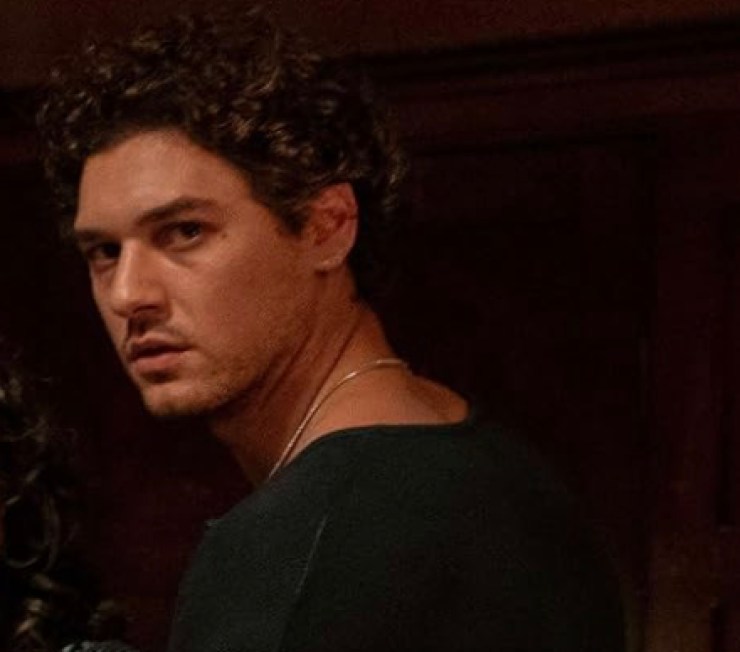
Abe is, of the core group, the one who is there for reasons beyond Clover. After all, he is new to the group and has threadbare connections to them. As such, his character exists for two reasons: to increase the number of characters and provide a sounding board for the audience when exposition is needed.
With such a tight cast and a lot less time to tell its story, the people behind Until Dawn chose their path forward – an original story set within the confines of the game – to tackle the core concept of Until Dawn. The branching storyline, while not a unique mechanic in video games, which have often employed a choice mechanic that can impact the game’s direction, Until Dawn sought to take full advantage of it in its execution. Every choice you made, no matter how minor, could alter the track that your particular playthrough was on.
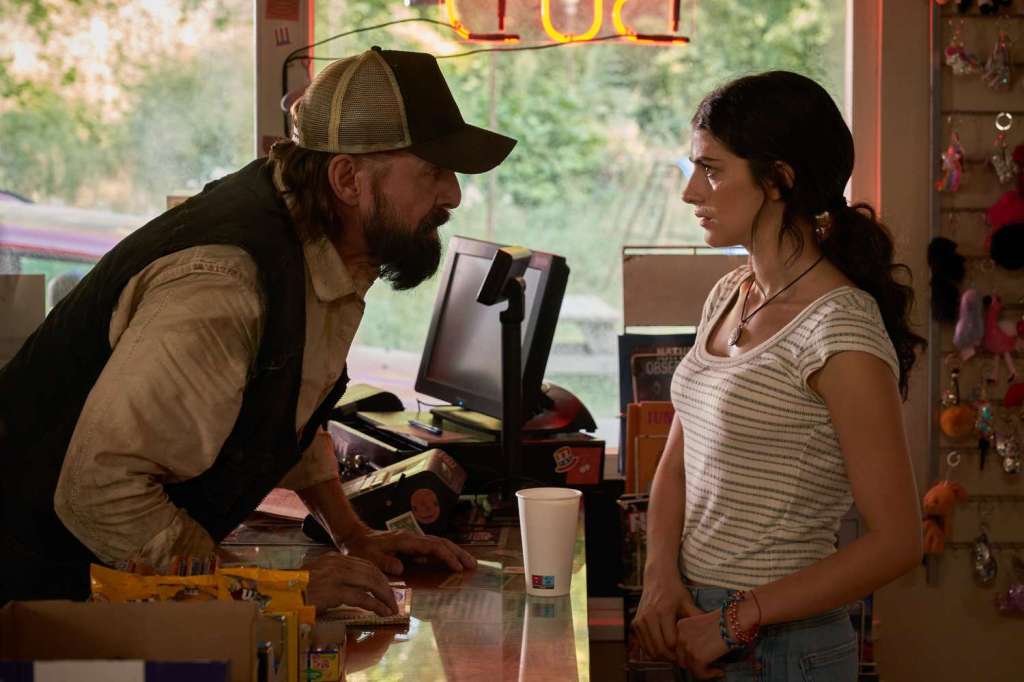
Obviously, there had to be a definitive ending point, and Supermassive Studios has, at times, struggled to remake the wheel in terms of how their choice mechanics impact the game. Still, Until Dawn was revolutionary in its sheer number of choices, which could result in all or none of the characters surviving the night. There may come a day when a video game company can effectively curate well over a dozen unique endings. Still, we are not there yet, and that fact does not diminish the impact of Until Dawn.
This meant that when Until Dawn began production as a film, they were in an unenviable position.
How do you capture the central tenet of a video game like that with an hour and forty-minute runtime and no replay feature? The decision was made to center the film on a cyclical time loop, in which the cast was trapped, reliving the same night over and over again. The only problem? The night was no longer the same, and a new threat would emerge with each iteration they went through. Because of this, the movie was able to feature two of the major enemies from the video game – the Psycho (Tibor Szauerwein) and the true threat of the night, the Wendigos (one of whom was played by Zsófia Temesvári).
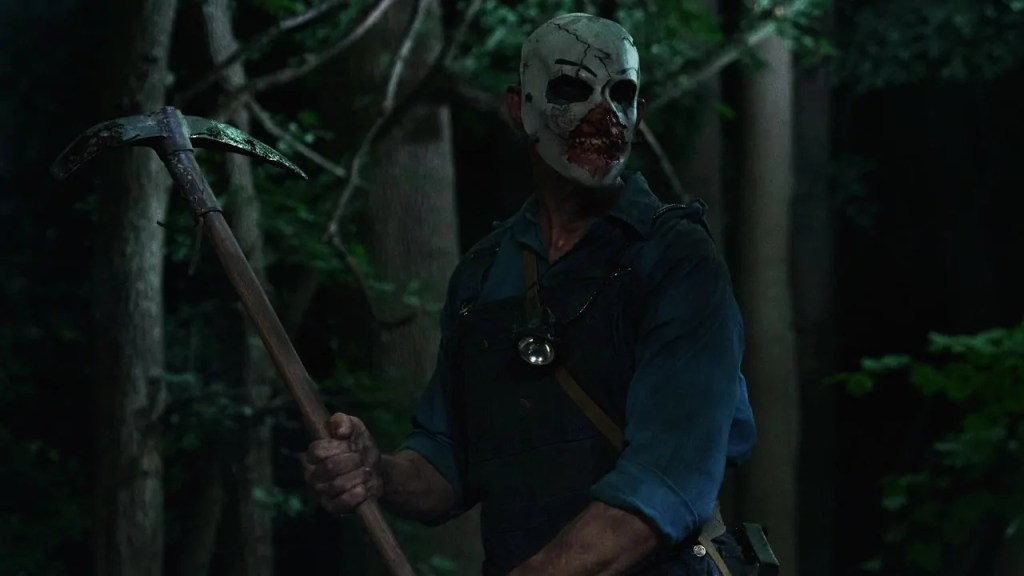
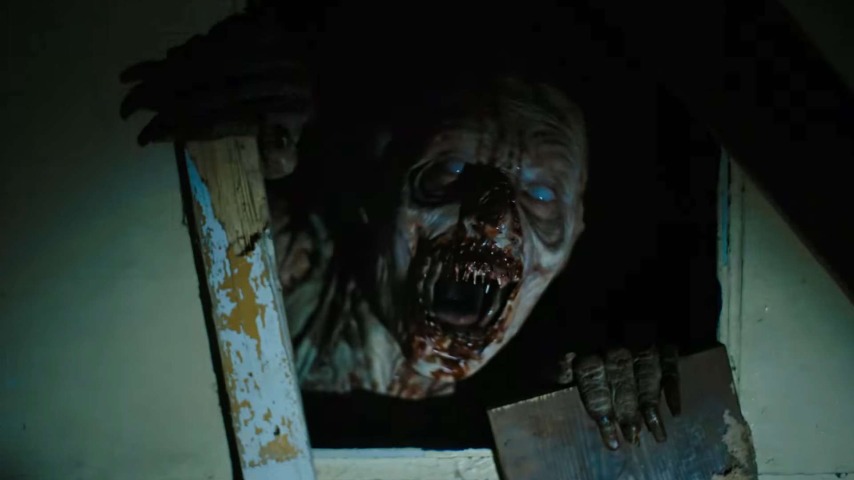
When it was announced that Until Dawn would be adapted into a film, criticism was swift and, in many cases, vicious in its dismissiveness. As a lover of film, video games, and all things horror (I admit, Zombie films are not always for me), I do not conflate the two entities. I have found that most adaptations are more enjoyable when you treat them as two distinct things. Whether they be books or video games, both of which I feel are better served by being turned into television shows, they are not the same thing. What works in a video game does not work in a movie, and vice versa.
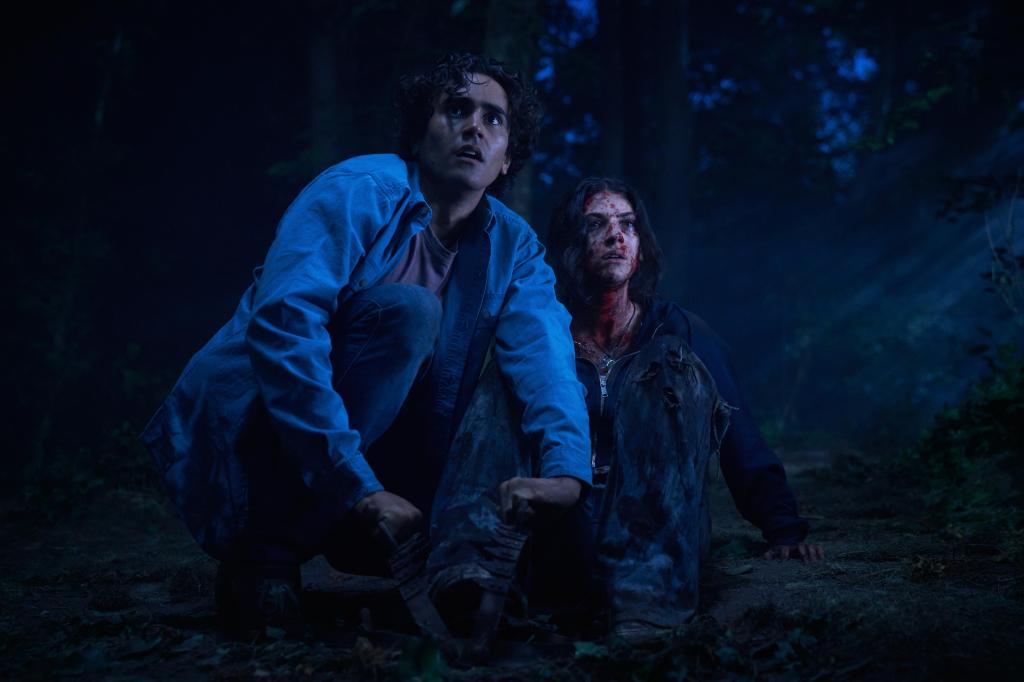
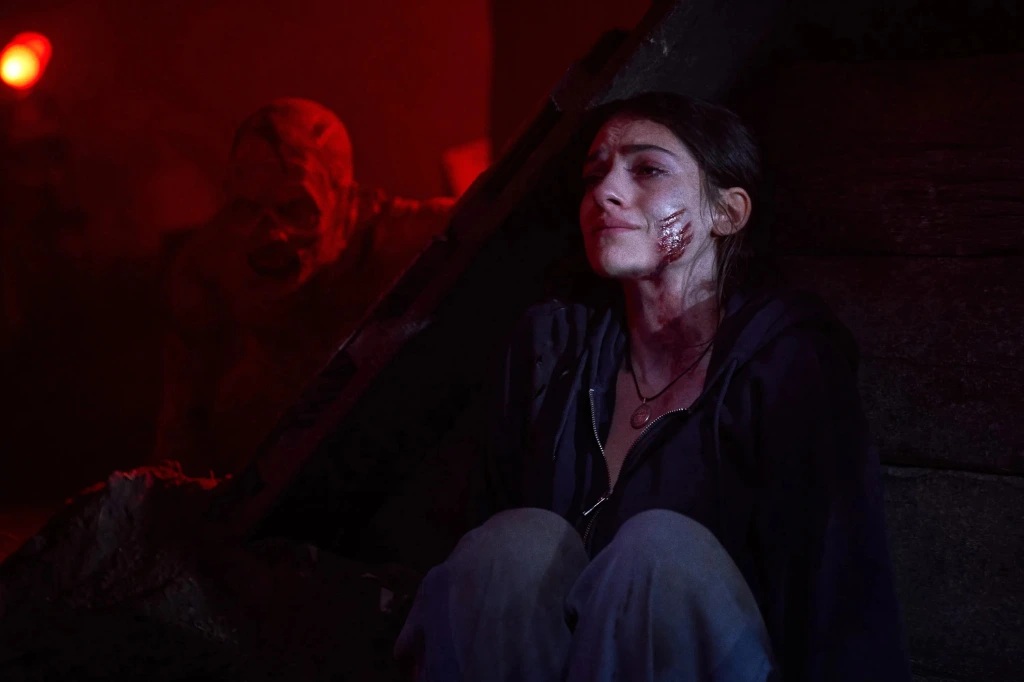
As I mentioned, Until Dawn only had an hour and forty minutes or so to tell a storyline, any storyline, that the video game comfortably let unfold across about fifteen hours of a straight-through playthrough. It is impossible to accurately capture any story with that disparity at play. The team behind Until Dawn did not waste their time, and the movie, in my opinion, was better for it. If I want Until Dawn’s original story, it is sitting on my shelf waiting to be played – again and again, because that was the main reason behind its choice mechanic, ‘the butterfly effect.’ I can also sit down and rewatch Until Dawn and catch things, from easter eggs to foreshadowed details, that I missed the first time around. I can enjoy both in the way that they were designed.
With the time loop as its device, Until Dawn took keen advantage of the fact that most slasher films are incapable of effectively utilizing. It brutally murdered every single character in the main group and still properly developed them all. It let characters play the asshole, the ingenue, the victim, and the hero, because it could reset the clock and start anew. With ultimate irony, I would want this story to be turned into a television show solely to see it unfold each night in full, spanning forty to sixty minutes, because that is an interesting story in and of itself.
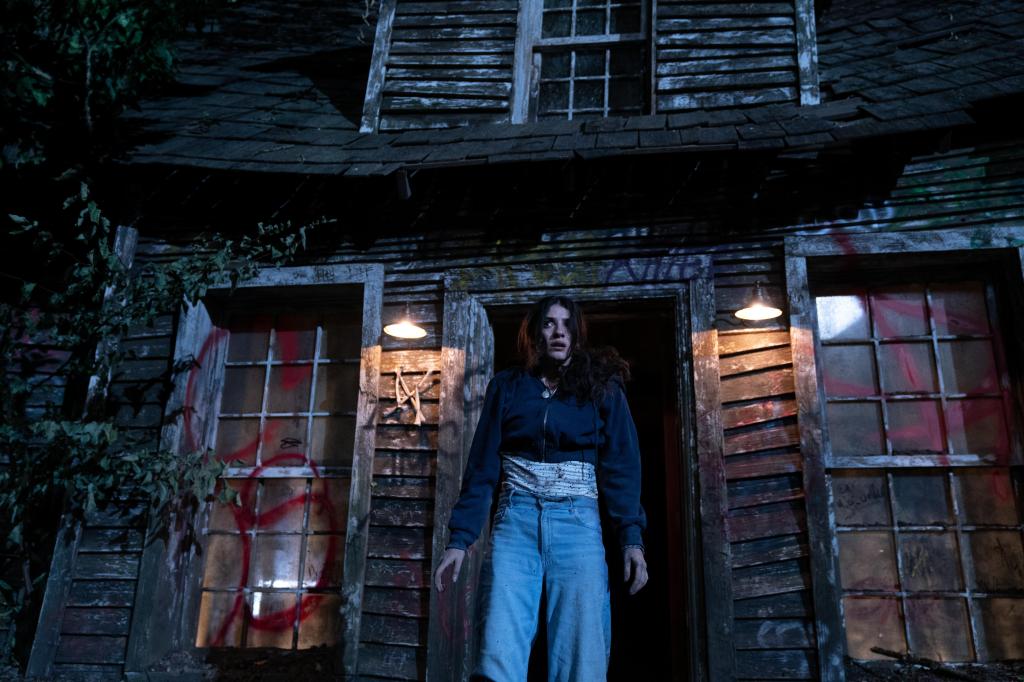
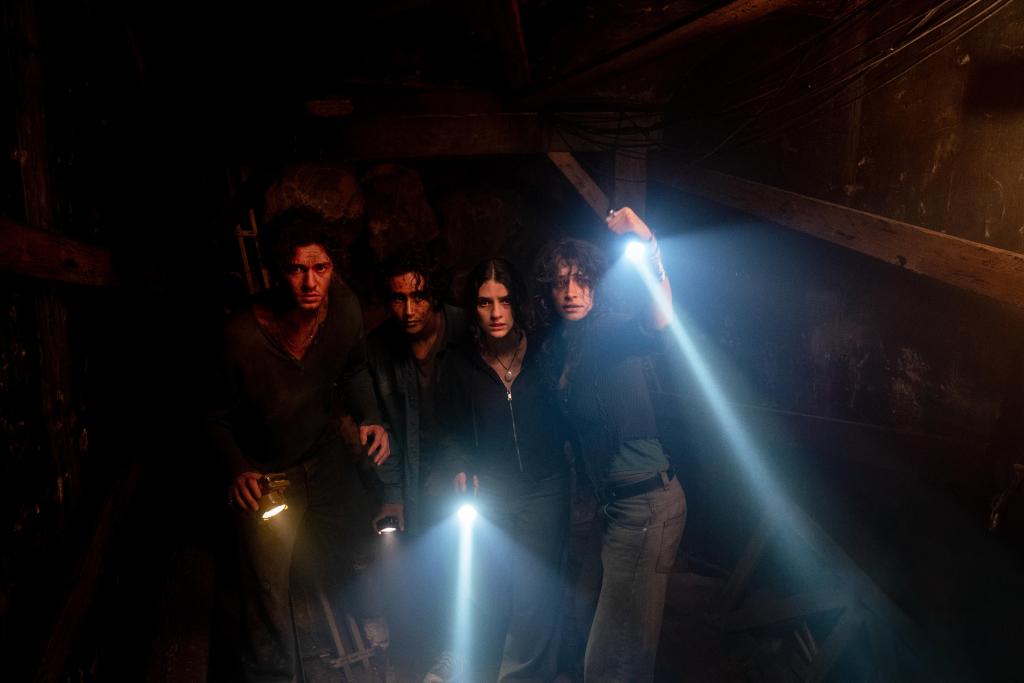
Watching the characters betray one another in one loop only to rally in the next one was like sitting on an emotional rollercoaster. Their choices carried weight as the movie progressed, because they had no idea if they would get another chance. When one of them died, they did not become numb to it, because, aside from Abe, this was a close group of friends all seeking to help one through a terrible time. Whether they remain that close by the time the credits roll is up to us, as the audience, to imagine. After all, they fought together to save themselves, but will you ever be able to look at the person you love again after they killed you once?


Until Dawn offered a glimpse into the video game adaptation process done well. It effectively captured the essence of the story, and in that, I feel it succeeded in its mission. Whether we get a sequel for either the film or the video game, both of which have been teased but not announced, remains to be seen. Still, I will be there to grab both.
 Lloydd Marshall Books