

It may not be the first slasher film, but it is widely credited with kickstarting the ’80s slasher craze and beyond. Halloween has taken risks, and it has never been afraid to retcon them when a new figure steps behind the camera. Set on the same evening as Halloween (2018), this sequel continues the night of terror in the same vein that Halloween II did all the way back in 1981. Now, the town of Haddonfield hunts Michael Myers (James Jude Courtney and Nick Castle), intent on ensuring that this Halloween is his last.
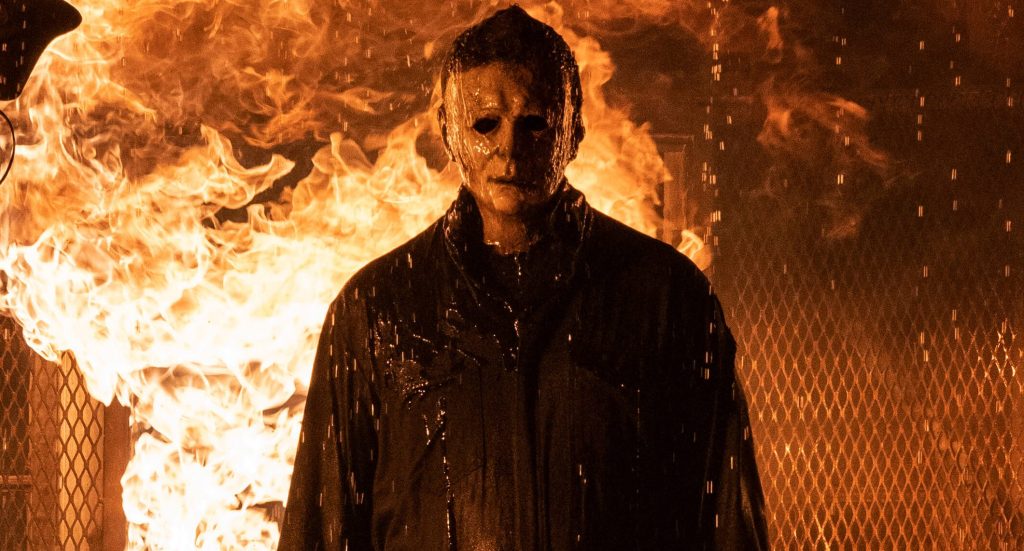
It feels like it continued to build off the cues of its predecessor, emulating the film it stands across in a variety of ways. Laurie Strode (Jamie Lee Curtis), her daughter Karen Nelson (Judy Greer), and granddaughter Allyson (Andi Matichak) have survived the trap that they set for Michael, leaving him to burn to death in the remnants of Laurie’s cabin. Unfortunately for them, a neighbor has called the fire department, prompting their near self-sacrificial efforts that lead to Michael escaping the conflagration. He immediately massacres the entire response force of firefighters before continuing his night of terror, making a beeline for his home.

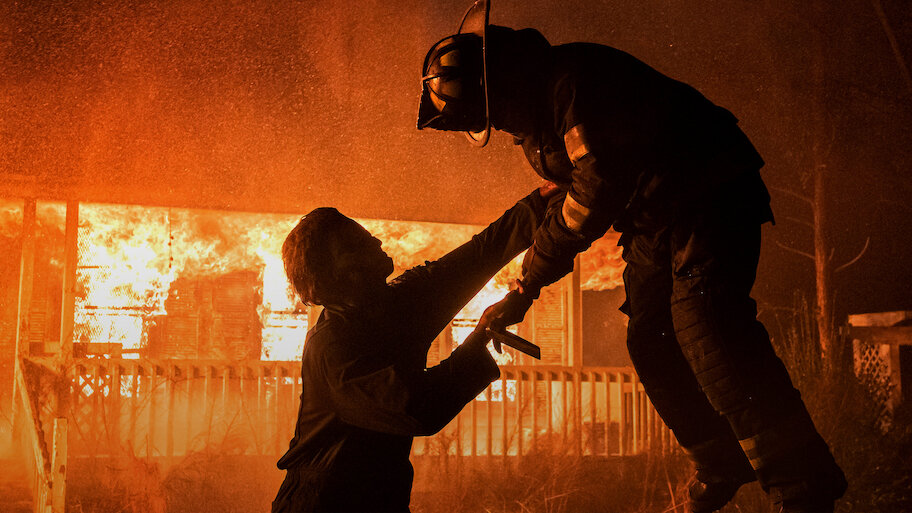
While Halloween has always danced back and forth between types of slasher, it is well known that its first outing tiptoed around the gore that its later entries would be known for. Here, Halloween Kills utilizes the sheer brutality of Michael Myers’ kills as a selling point, and with every death, the tension in Haddonfield ratchets up considerably. That aspect was intentional and served as a continued reminder that horror does not always rely on gore for spectacle. With every death, every discovered body, and every jump scare, Haddonfield grows more restless, culminating in its final scene, which was incredibly cathartic – even if it proved insufficient to stop Michael for good.
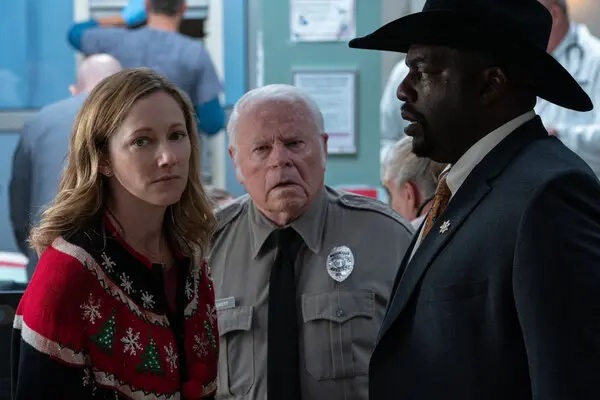
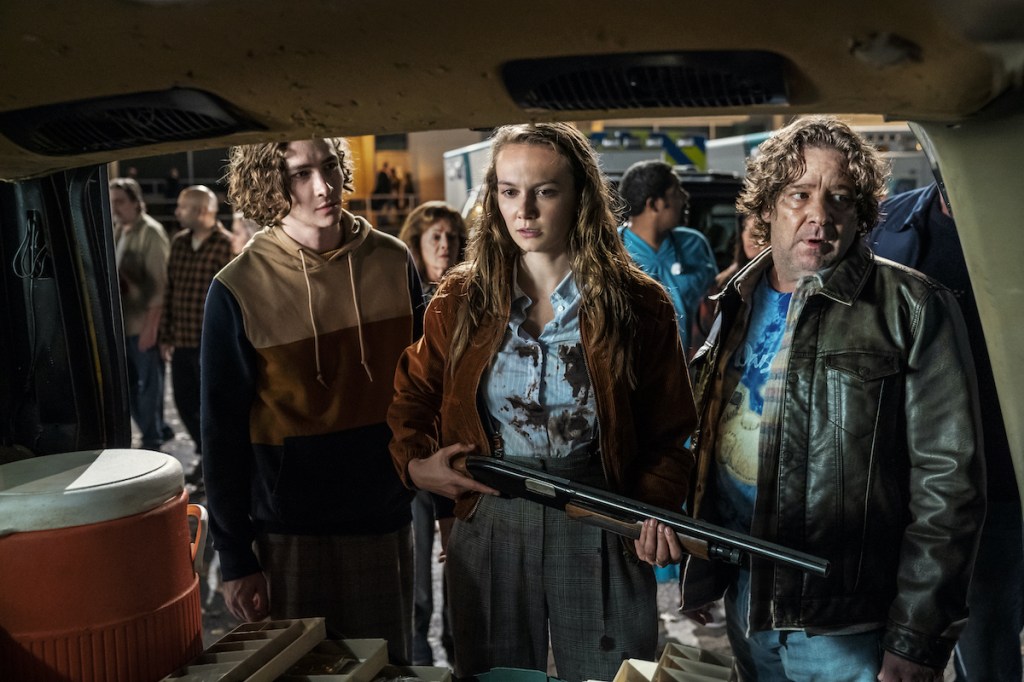
I mentioned earlier that this entry served as a sequel to its predecessor, Halloween II, which continued the story on the same evening and into the next day, focusing on the hunt for Michael while Laurie recuperated in the hospital. The same is true in Halloween Kills, allowing the film to substantially reduce Laurie’s screen time in favor of the greater ensemble hunting for Michael. The hysteria that we witness unfold across Halloween Kills is, at one point, unintentionally pushed forward by those who have the most justification to want Michael dead – Laurie and Hawkins. What follows, when Karen finally decides to get involved, is a tragedy that capitalizes on a plot point from Halloween (2018), which initially served only as a vehicle to explain why Michael escaped. The bus crash left every patient from Smith’s Grove wandering the side of the road, and not all of them were found that evening, opening up a major subplot where a patient is believed to be Michael.
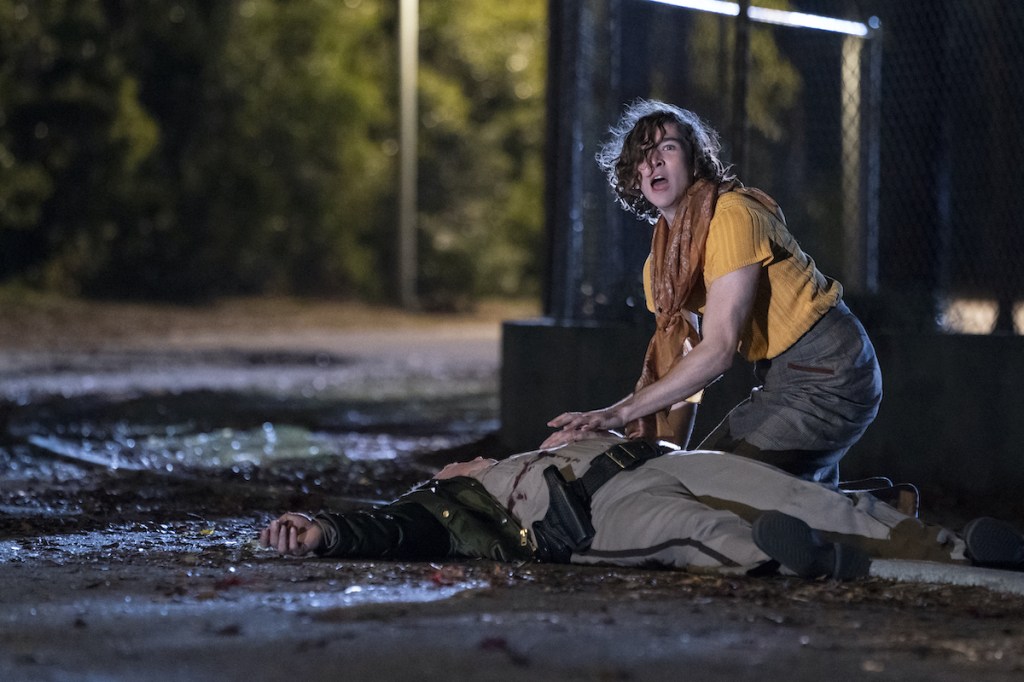

While the story continues from Halloween (2018), it does what few of the other films that have formed its now three different continuities do by showing what transpired after Michael slashed his way through Laurie’s friends in 1978. Halloween II (1981) did this because it was John Carpenter’s intention to end Michael’s story and then go ahead with his and Debra Hill’s initial concept for the Halloween franchise – treating it like an anthology. Halloween II also benefited from the actors looking relatively the same, with the gap between films resulting in minute changes that could easily be glossed over. Obviously, that was not feasible for a movie released two decades later.
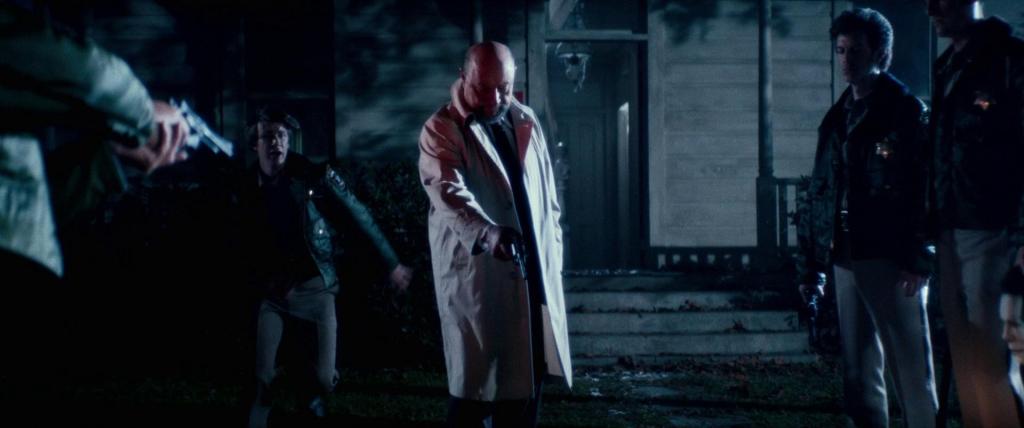
Halloween Kills used a combination of movie magic tricks to bring Dr. Samuel Loomis back to life, relying on the film’s construction foreman, Tom Jones Jr., as his physical actor and Colin Mahan (who voiced the character in recorded notes in the previous film) as his voice. Loomis was the only character who was recreated for the material set in 1978, with archival footage used of a young Jamie Lee Curtis from the closing moments of Halloween (1978) – much like II used a bit of archive footage for the only actors who would have obviously aged, Tommy Jarvis (Brian Andrews) and Lindsey Wallace (Kyle Richards). Lonnie Elam (Robert Longstreet as an adult and Tristian Eggerling as a child) was featured in that opening sequence, too, in a bid to set the stage for his appearance during the film’s main storyline.

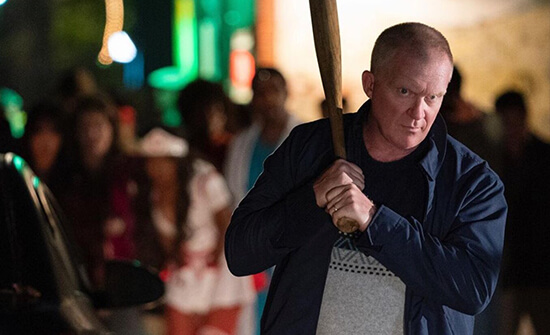
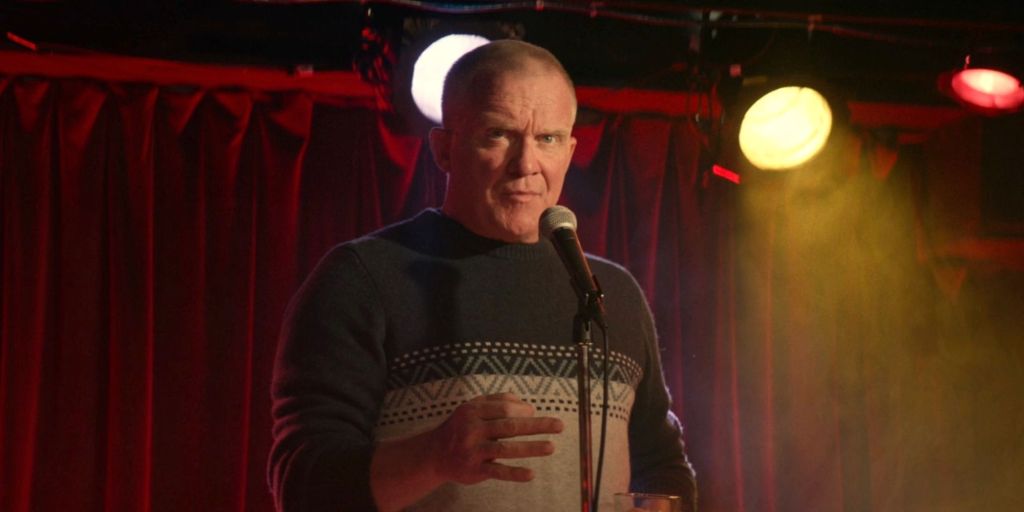
Lindsey Wallace (once again played by Kyle Richards) and Tommy Jarvis (now played by Anthony Michael Hall) both returned in this film, as did Marion Chambers (Nancy Stephens). Each character has returned across varying continuities, either through archival footage, recasting, or, in the case of Marion, simply bringing her original actress back for Halloween II, Halloween: 20 Years Later, and this film. But they are usually intended as easter eggs – such as Lindsey and Tommy’s brief role in Halloween 4: The Return of Michael Myers, where she is played by Leslie L. Rohland and he by Danny Ray. Tommy Jarvis had a more substantive role in Halloween: The Curse of Michael Myers, which featured Paul Rudd in his debut (Clueless was released first, but he filmed it second). The three characters are treated as mainstays, even though Laurie has become the franchise’s core character alongside Michael Myers.
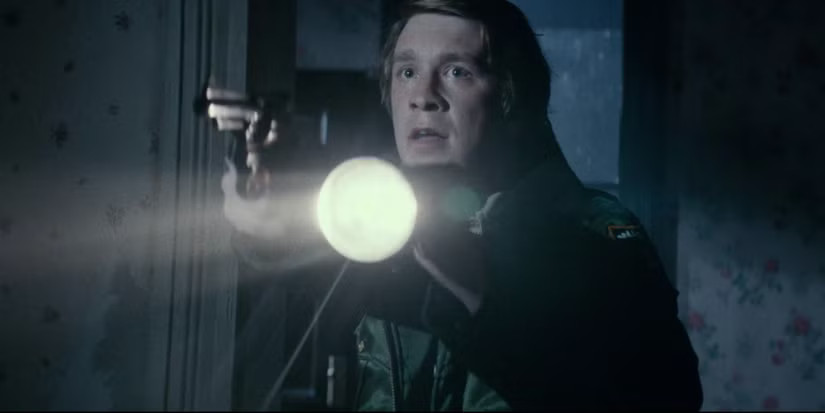
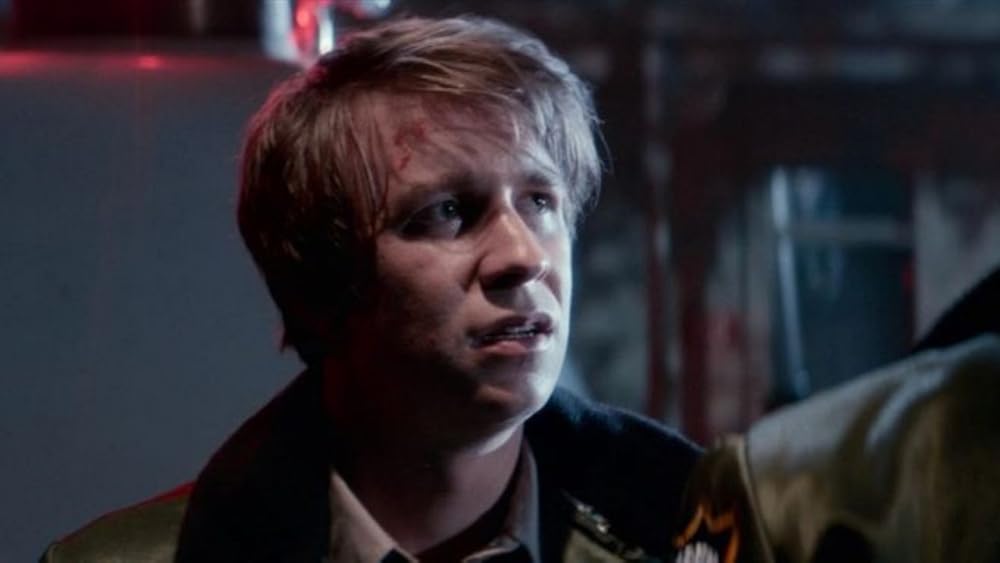
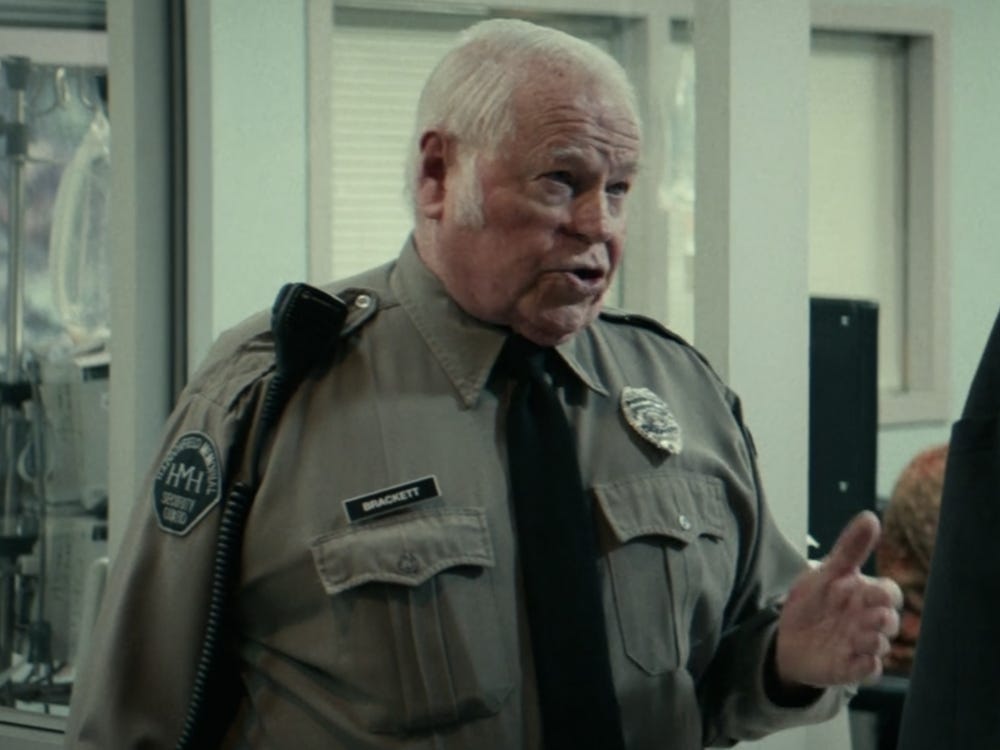
Additionally, we learn that Deputy Frank Hawkins (Will Patton) has survived, with Thomas Mann stepping in to portray the character during that fateful Halloween night. This additional material deepened the terror we had, at that point in this continuity, only seen through Laurie Strode’s eyes. While he was initially introduced in Halloween (2018), this reframing offers key insight into the state of mind of the town after that shocking triple homicide. While II is treated as not being canonical to the events of David Gordon Green’s trilogy, it is interesting to note that Sheriff Leigh Brackett’s (once again portrayed by Charles Cyphers) sequence from that film was used when he was shown his daughter Annie’s body. It certainly provides a helpful explanation for why they did not use the same effects to recast a younger version of Leigh.
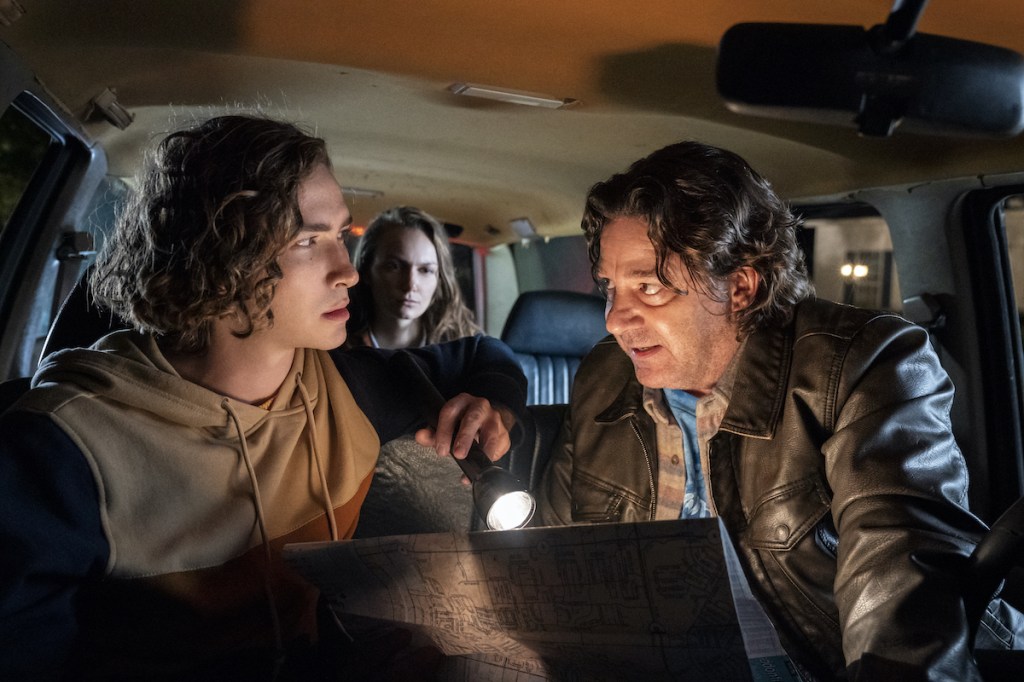
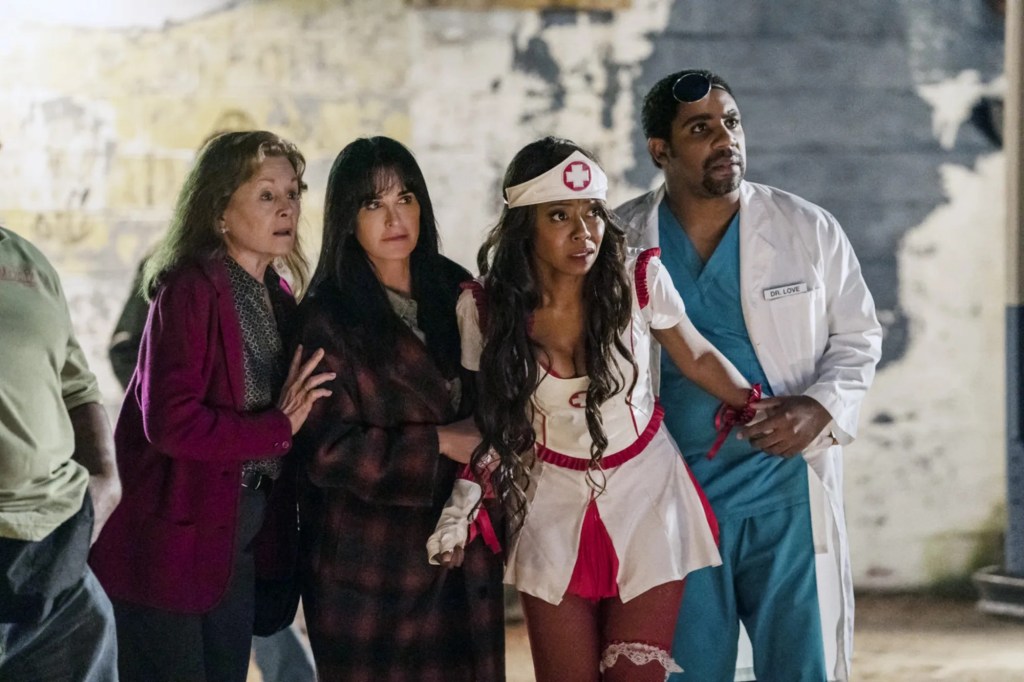
The ensemble cast builds from there, featuring characters who were featured in blink-and-you’ll miss it moments, such as the costumed couple (a nurse and a doctor) who were shown catching sight of Michael right before he went on his multi-house murder spree. Now, Vanessa (Camela McNeal) and Marcus (Michael Smallwood) are portrayed in person, revealed to be dressed in one another’s professions, and serve as an on-the-ground barometer of how Haddonfield is handling the crisis. Finally, returning from the Halloween (2018), we have Allyson’s boyfriend, Cameron Elam (Dylan Arnold), doing everything he can to make up for his boorish behavior earlier in the evening, as he finds out that all of his friends have been murdered except for Allyson.
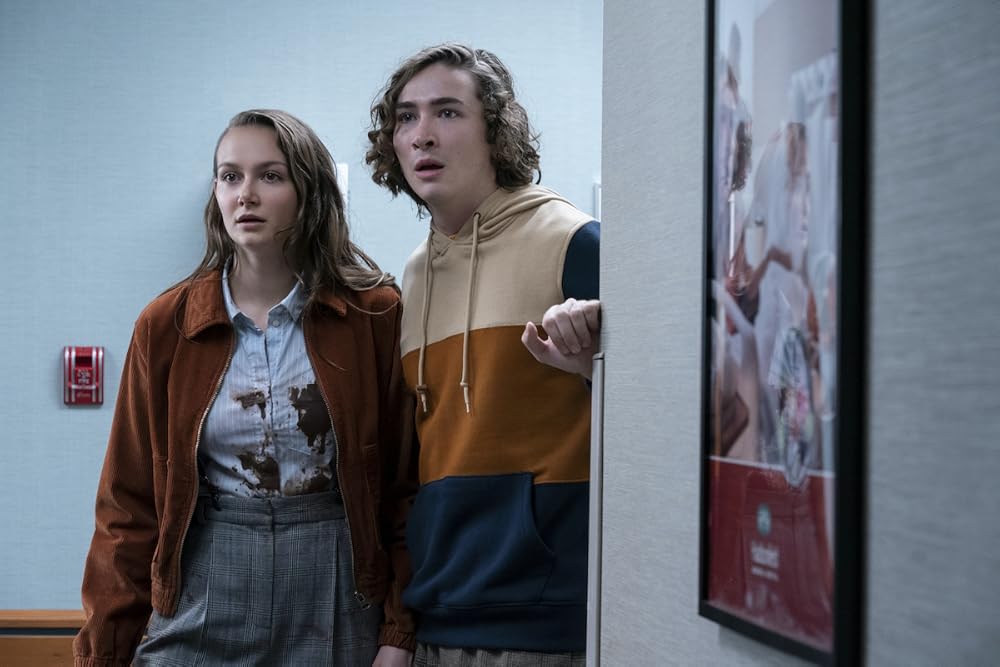
This film was always planned to be the second part of a trilogy, with this one filmed in 2019, with Halloween Ends intended to be filmed back-to-back. Ultimately, that didn’t happen. While one can presume that the trajectory Halloween Ends took was always the case, one can still wonder whether the time skip was planned or arose from the pandemic. Halloween Kills was not released until 2021, with Halloween Ends filmed and quickly released in 2022, which likely would have occurred had it been filmed back-to-back in the first place. At the end of the day, Halloween Kills turned out to be the inverse of the usual two-part trilogy, where parts two and three are more intimately connected because the first part closed most threads when it was made, with no intention of sequels to follow. In the case of Halloween (2018) and Halloween Kills, they were intricately connected, with Halloween Ends picking up those threads that remained while going in a wildly different direction.

We shall take a look at that very different path next week, when Halloween itself falls on a Friday – just so long as it does not fall on Friday the 13th… Shriek if it does.
 Lloydd Marshall Books