
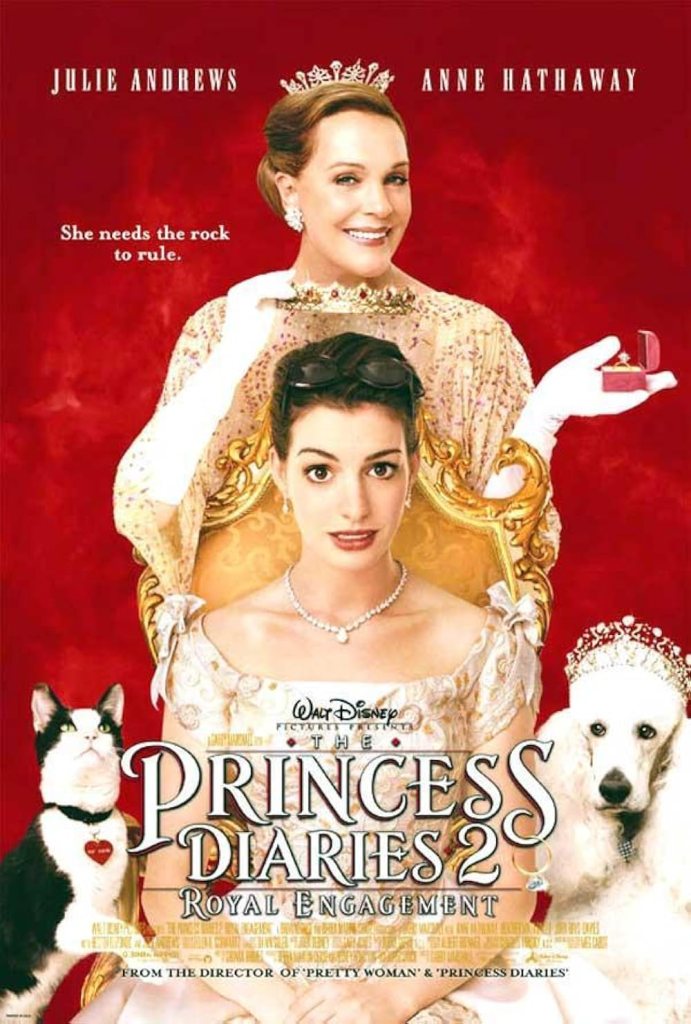
By 2004, Anne Hathaway was making a name for herself in Hollywood and was looking to break out into more dramatic roles. Still, she came back to reprise the role that essentially launched her career into the stratosphere: Amelia Mingonette Thermopolis Renaldi, Princess of Genovia.
While this film abandoned adapting any particular book, it changed a major facet of its story with the death of Mia’s father, Philippe. How his character would have impacted the films can be seen in the books released between the debut novel and the fifth book released earlier in 2004. At the end of the day, The Princess Diaries 2: Royal Engagement decided to focus on the next logical step for its character – becoming Queen. Luckily, it never loses the plot with who Mia is as a character.
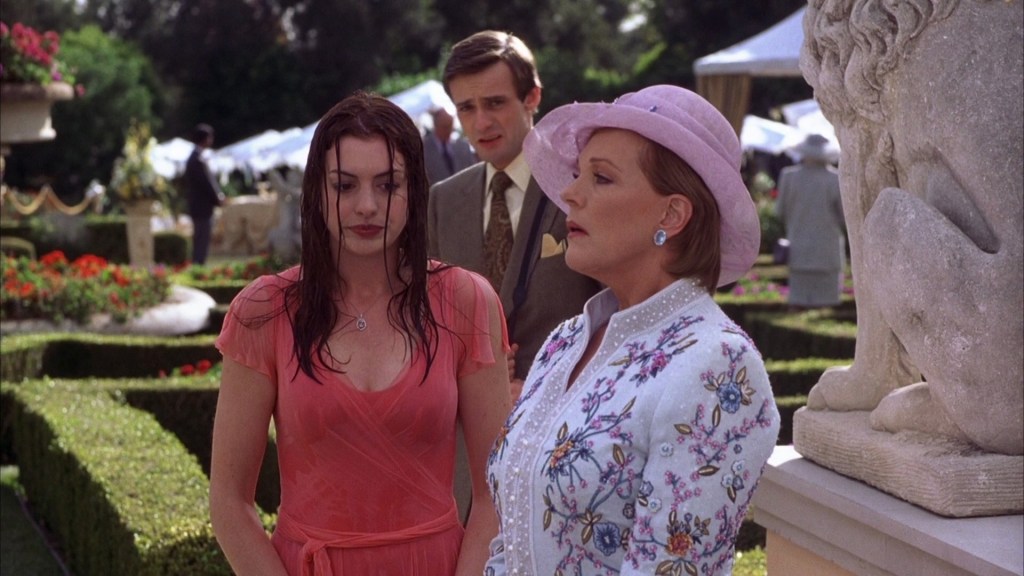
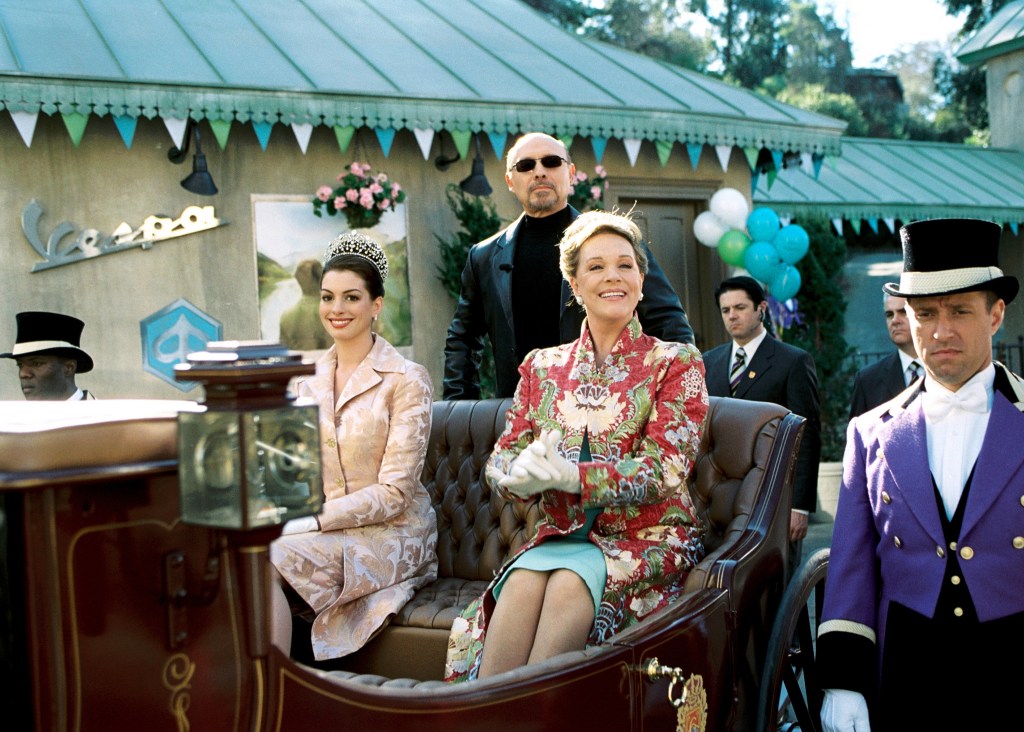
Having graduated from college, Mia returns to Genovia for the first time in years to prepare to become Queen, when a scheme is initiated to steal the crown from her by a distant male relative, Viscount Mabrey (John Rhys-Davies), who has positioned his nephew, Lord Nicholas Deveraux (Chris Pine), as a male heir. Mabrey decides to carefully skew the stage in his favor by forcing Parliament to use an antiquated law stating that no woman can become Queen unless she is married. They give Mia a month, during which, if she fails, Nicholas will become King of Genovia in her stead. Mabry takes this further when Clarise, Queen Dowager (Julie Andrews), invites Nicholas to stay at the palace so that she can get a measure of him.

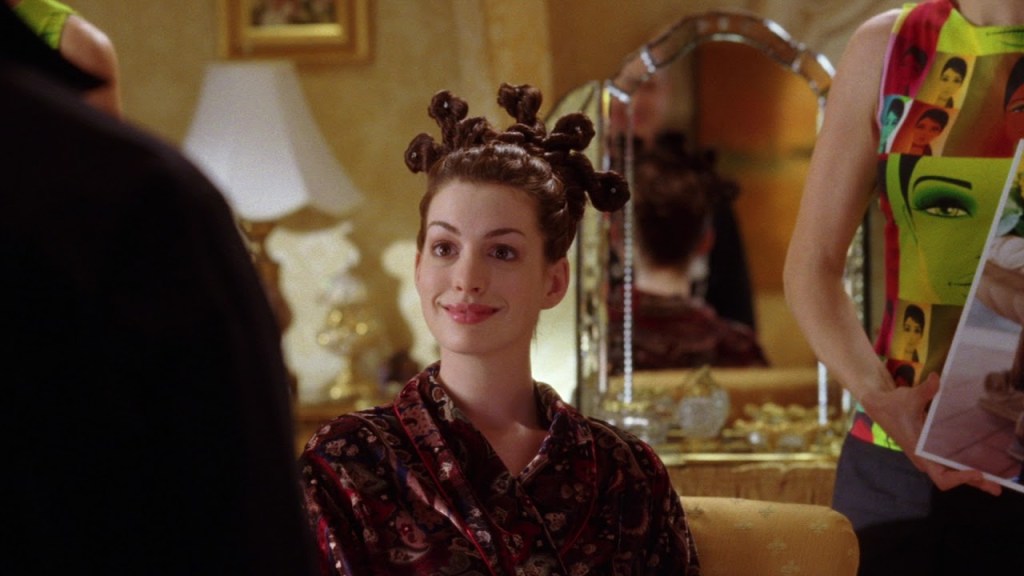
The issues begin when Mia realizes she has met Nicholas before, at her welcome-home reception, where they danced and flirted after he interceded on her behalf with a partner she wished to move on from. With feelings of betrayal, peppered with exasperation at having her life dictated by a group of men who barely know her, yet feel like they have the right to judge her, Mia sets a course to find a husband.
Her biggest hangup on the arranged marriage process, which she discusses at length with Clarisse, was her desire to marry for love. The immediacy of the situation irks her because she fears she can’t possibly find someone she feels that level of emotion for in 30 days. Her problem is contrasted specifically with that of her Grandmother because Clarisse did consent to an arranged marriage, through which she found fondness for her husband. Mia, however, wants more than fondness. Despite their generational and cultural differences, Clarisse fully understands Mia’s position and feelings. Still, she is dedicated to helping Mia attain the crown if that is what she wants. Constraints and all.
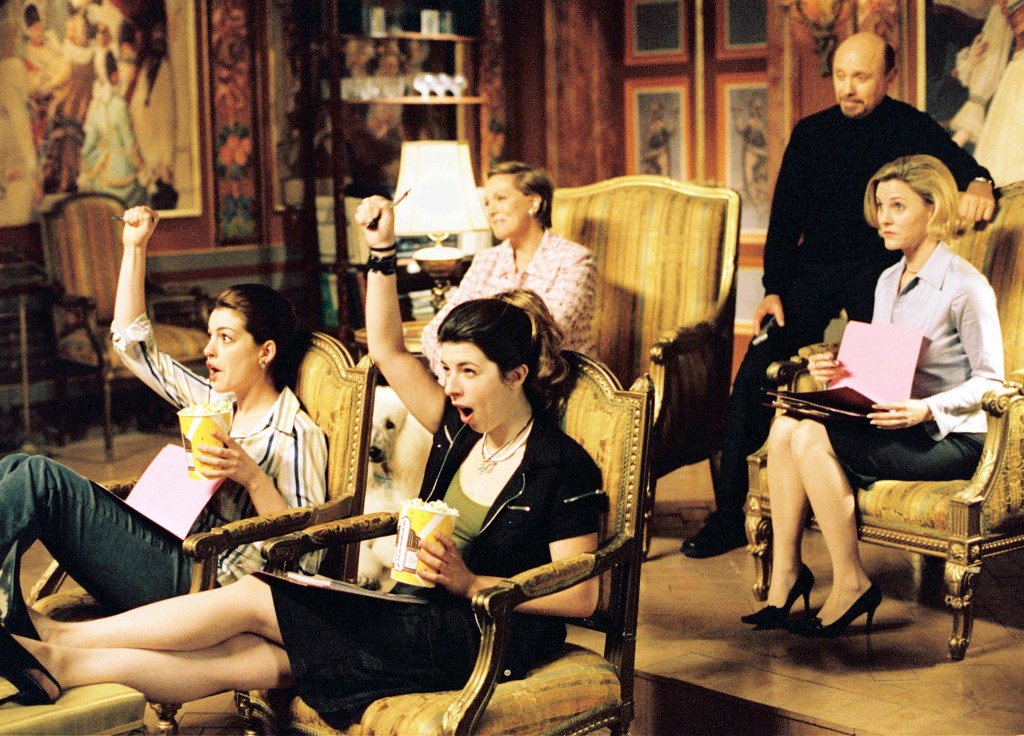

Charlotte (Kathleen Marshall) and Joe (Héctor Elizondo), Clarisse’s two confidants, and Lilly Moscovitz (Heather Matarazzo), Mia’s best friend, offer help – emotional and logistical – while Mia navigates the process of finding a husband. While the gravity of the situation is never lost for long, the film is a romcom. Princes Harry and William are included as a gag – because they’re handsome and impressive to look at – while the slew of others are dismissed for being too old, too young, potentially lecherous (in a Disney manner), or too financially incompetent. Yet, one figure stands out from the dross, Andrew Jacoby, the Duke of Kenilworth (Callum Blue).

The film spends a good portion of its time focusing on the relationship between Mia and Andrew. At the same time, Nicholas lingers in the background executing his Uncle’s plan to seduce Mia.
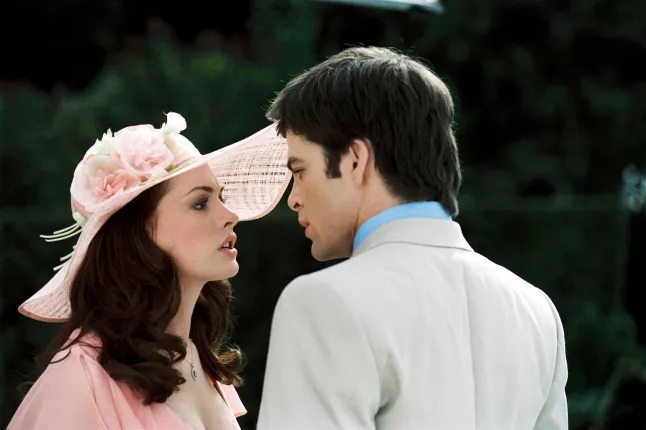
What truly helps this plan along for us, as the audience, is the undeniable chemistry between Chris Pine and Anne Hathaway. Through their acting, that connection becomes readily apparent. And rooted for.
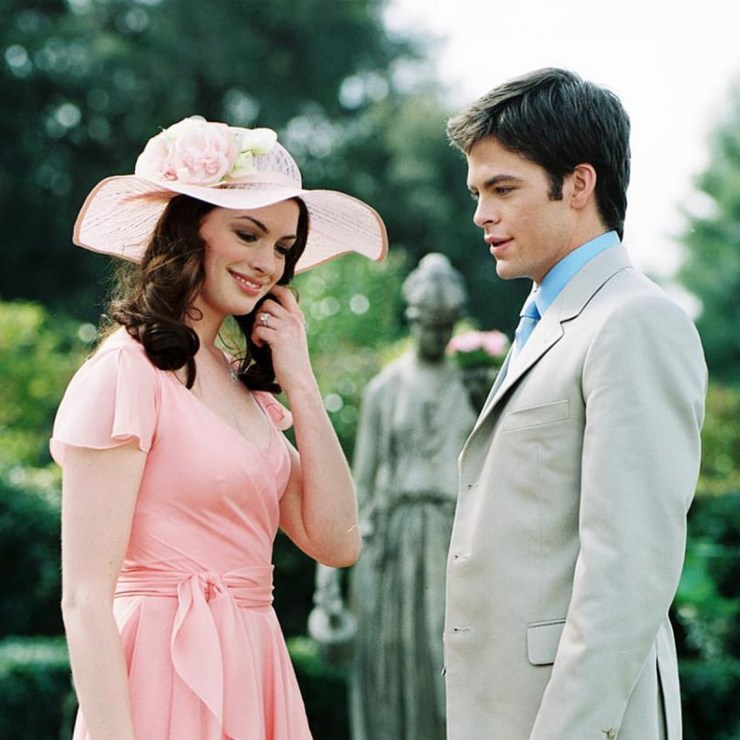
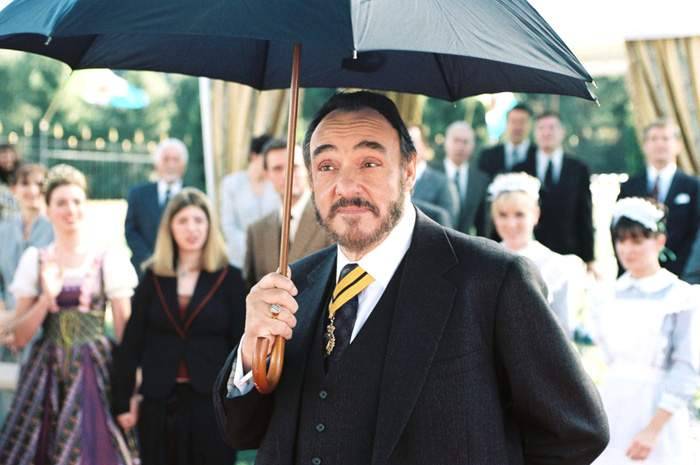
At the same time, Viscount Mabrey orchestrates a series of events to discredit and embarrass Mia, so that the people of Genovia will view her as a lackluster option next to the handsome, competent, male heir on the sidelines.
As Andrew and Nicholas both grow closer to Mia, it soon becomes apparent that the fire and passion Mia is looking for exist within the man threatening to take her crown.
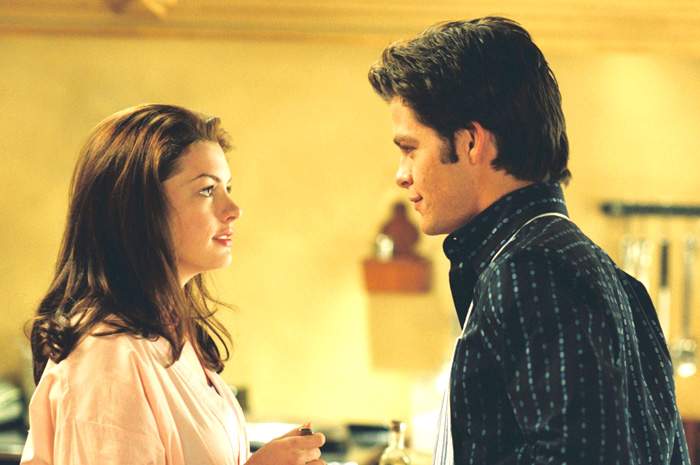
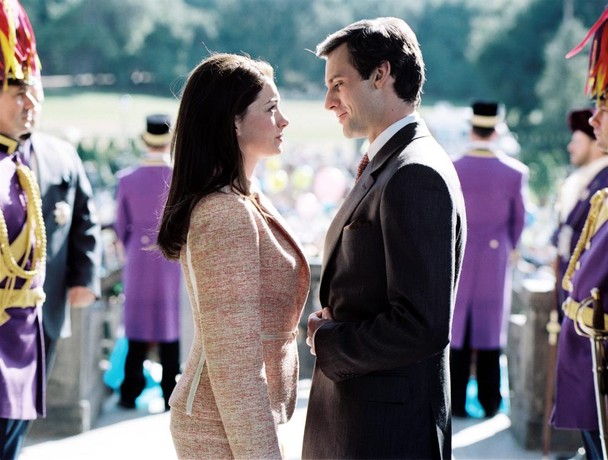
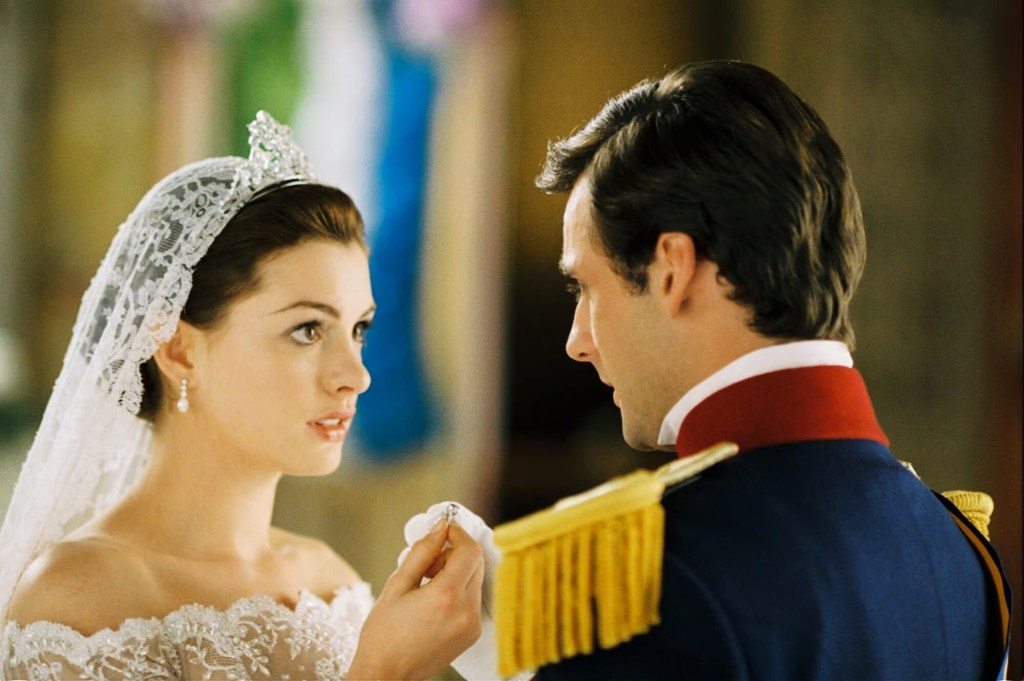
This romance was a careful execution of the Enemies to Lovers trope, even if “enemy” is technically applied loosely here, since they don’t genuinely hate one another, and neither wishes to see the other die. On the other hand, Andrew is treated with a fair bit of compassion in this film, when the genre usually casts the Disposable Fiancé as a villain meant to be disliked by the audience. Andrew is kind, genteel, incredibly handsome, and perfectly bland. At no point does the film ignore the fact that Andrew would be a perfect Prince Consort for Mia, and she consistently holds him up as a gold standard. It is her desire for more that allows the film’s latter half to unfold. Mia and Andrew effortlessly form a friendship, but they cannot find that spark that ignites between her and Nicholas. Still, Mia’s fear that Nicholas would undermine her, in addition to Viscount Mabrey’s manipulations, ensures that Mia makes it to her wedding day.

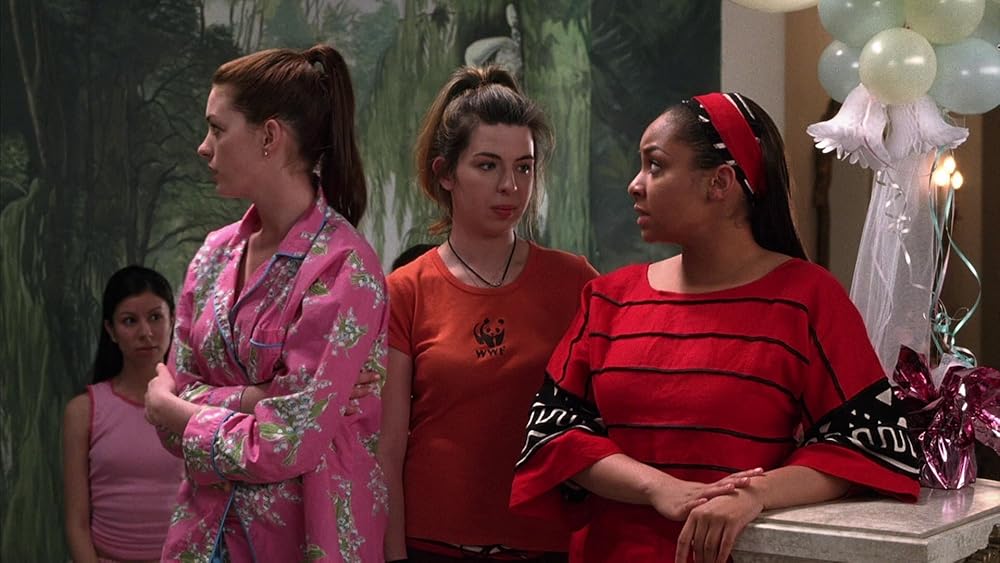
Other supporting characters include Raven, who plays Princess Asana, through whom the marketing was meant to make her out to be a bigger character than her ultimate role in the film, as another friend of Mia’s. Prime Minister Motaz (Joel McCrary) returns from the first film, while Lord Palimore (Tom Poston) is introduced as a distinguished member of Parliament who initiates the clause and disposes of it by the film’s end. Among the Princes introduced as “contenders” is Prince Jacques Dubé (Spencer Breslin, at this point best known for The Santa Clause 2). His sister, Abigail Breslin, who has gone on to have a major career, appears in an extended cameo as one of the children from the orphanage that Mia meets and decides needs her help, which reinforces her desire to be Queen. One of the minor antagonists in the film is Elsie Penworthy (Kim Thomson), a reporter whose efforts further inconvenience Mia throughout the film.
The Princess Diaries 2: Royal Engagement spent more time moving away from the books and focusing on aspects of the story and world that worked for it. Of the romcom duologies from the 2000s (such as Miss Congeniality and Legally Blonde), this is my favorite. It offers a fun story centered on a young woman seeking to prove that antiquity should not stand in the way of progress – and proving it before the credits roll.
 Lloydd Marshall Books