

Based on the 1980 stage musical, which was based on the 1862 doorstopper of a novel by Victor Hugo, Les Misérables was one of the most anticipated films of the 2012 Christmas season. The film, which featured an all-star cast for most of its lead roles and powerful voices in its ensemble, was a smashing success by every conventional metric.
It is a musical, and unlike what most conventional audiences are used to seeing, either on stage or on the silver screen, it is a sung-through musical. This meant that, essentially, every line, no matter how big or small, was sung. Those that were not could probably be counted on one hand. Two, if we’re quibbling. The film kept this aspect, which was viewed differently based on who was going to see the movie. From theatergoers who had the film on their docket because of the play to those who had certainly heard of it, but had little frame of reference, there are always going to be those who are annoyed by things they aren’t used to. Luckily for the rest of us, those views were in the extreme minority. One major point of contention that most can get behind is that Inspector Javert (Russell Crowe) offered the weakest musical performance, but he brought the character as written to life incredibly well.
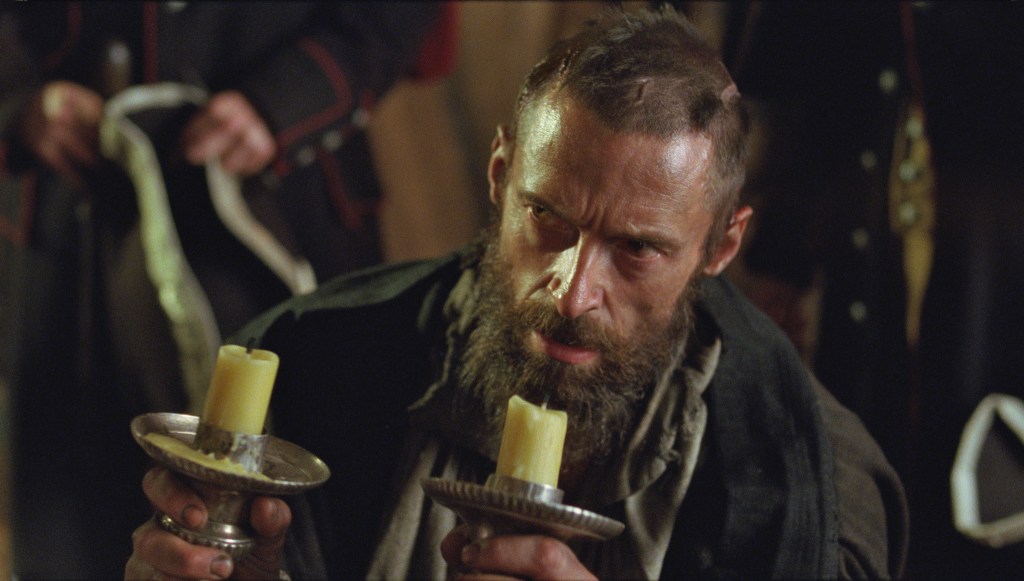

What makes this play, like the adaptations of a book or a video game, is that the characters are iconic. They offer a near definitive enforcement of the maxim, “There are no small parts, only small actors.” Each character was brought to life by a slew of familiar names, both in Hollywood and on the stage.
Set in post-revolutionary France, building up to the June Rebellion in 1832, Les Misérables spanned a handful of periods over decades, through the lens of its key lead, Jean Valjean (Hugh Jackman). Valjean has spent nineteen years in Toulon Prison for stealing bread and attempting to escape the prison. At its core, the story is about Jean Valjean becoming a better person, setting aside the crime for which he is arrested. The story goes out of its way to show that taking the easy way out of any problem has always been his problem.
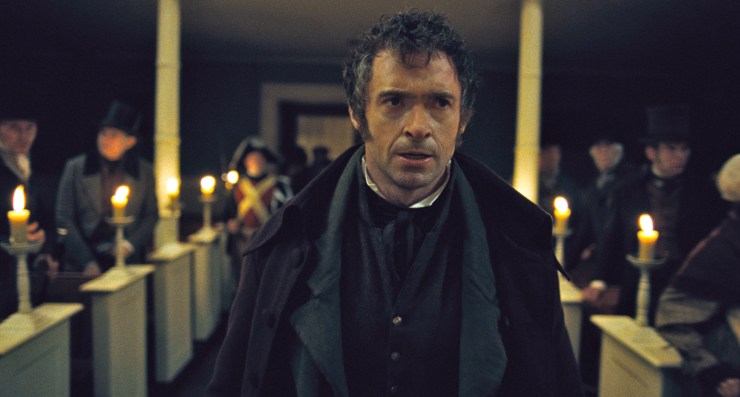
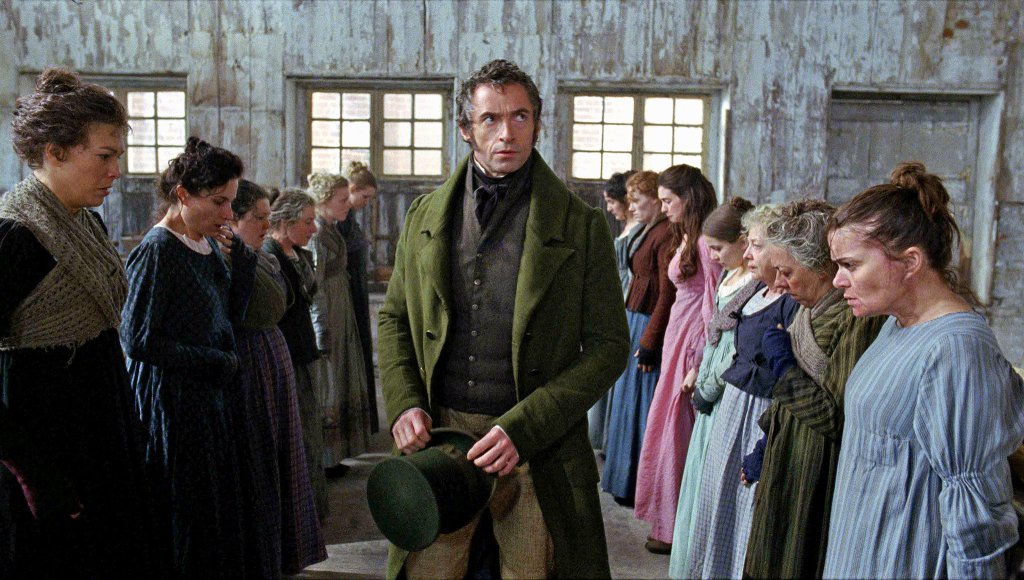
His life is not made easier by his parole status, preventing him from finding a job or a place to live. Still, when kindness is shown to him by the Bishop of Digne (Colm Wilkinson, the originator of Valjean), Valjean repays it by attempting to steal the man’s silverware. The Bishop’s forgiveness and lie to the police who capture him prompts Valjean to break his parole, assume a new identity, and work to redeem others and be a better man. Things do not go his way at first.
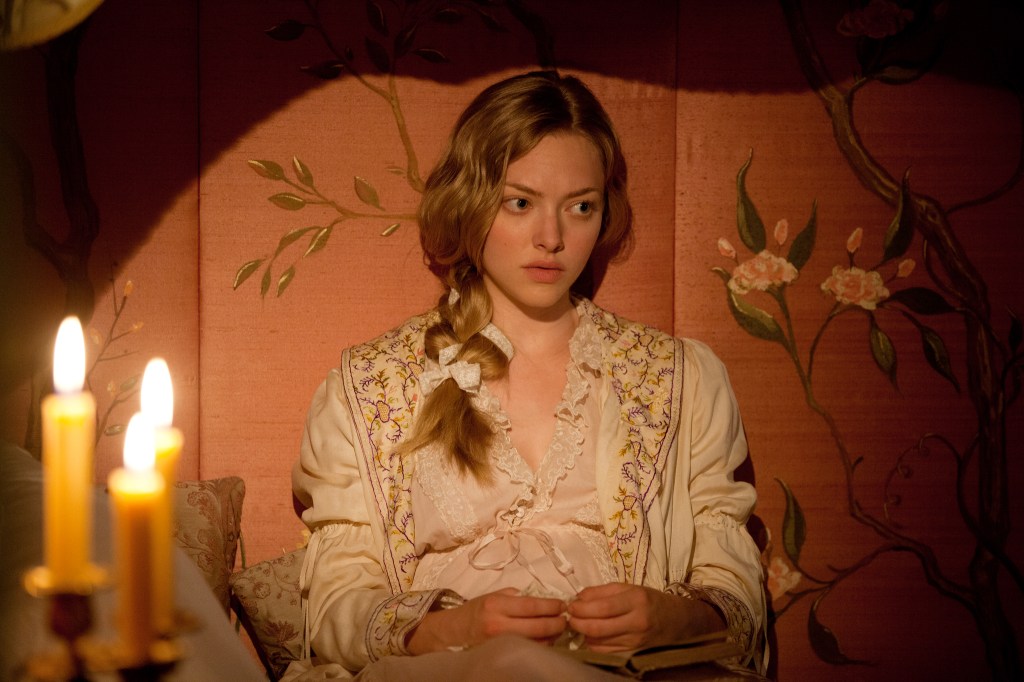
It is through his story that we are ultimately introduced to Fantine (Anne Hathaway), a young, proud woman with a past – a child – who is trying to pick up the pieces of her life, and who becomes collateral damage because of Valjean’s efforts to obfuscate the truth of his identity as Javert hunts for him. Fantine was led to believe that a young man, with money, status, and power, truly loved her. But it was a fraud, rather than real love, and after he took her virginity, he left her with a child that she adores, but who marks her in a way that France views unkindly.


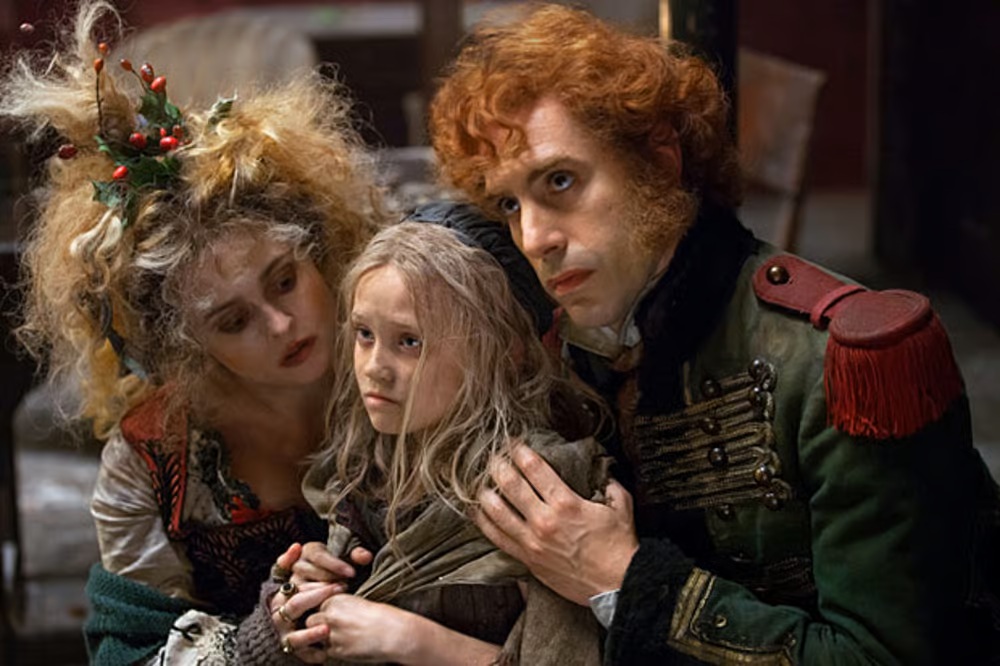
Cosette (Isabelle Allen and Amanda Seyfried) is the only good thing in Fantine’s life. She lives with the Thénardiers (Helena Bonham Carter and Sacha Baron Cohen), two swindlers who own an inn, and the parents of Éponine (Samantha Barks and Natalya Wallace). Cosette and Éponine act as contrasts to one another, centered on Marius Pontmercy (Eddie Redmayne), a student revolutionary who falls in love with Cosette, while unknowingly moving through his life under the loving gaze of Éponine. Marius, alongside Enjolras (Aaron Tveit) and the rest of the Les Amis de l’ABC, spends much of the story trying to create a better future for France and take part in the ultimately futile rebellion.
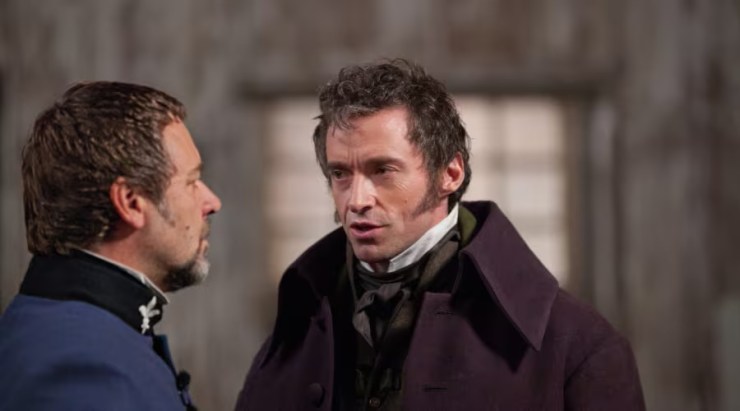
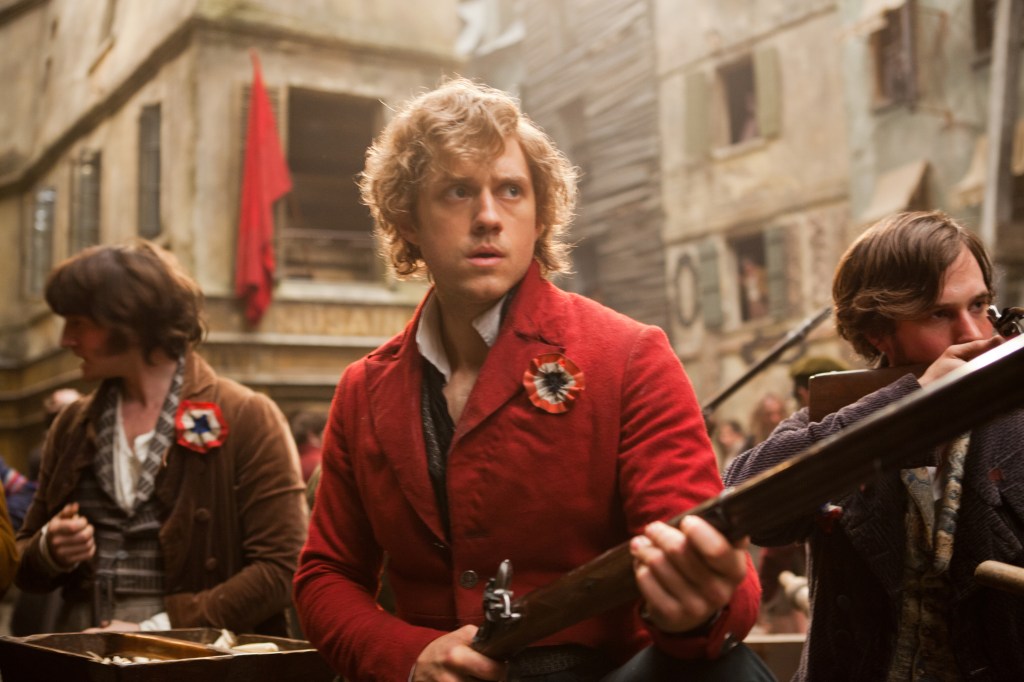
The story is blunt, and its title makes no bones about what kind of world it takes place in. France, during this time, was not a great place to live, but there were people, such as Maricus, Enjolras, and Éponine, who sought to make it what it could be. While its ending can be read as happy, that is only truly the case for a handful of characters, most notably Cosette and Marius, and, ostensibly, Jean Valjean. For everybody else, the title is a literal statement of fact; they are The Miserable. Even the happiness of Cosette and Marius, the ultimate victory for the story, comes at the emotional cost of others, through no fault of their own.
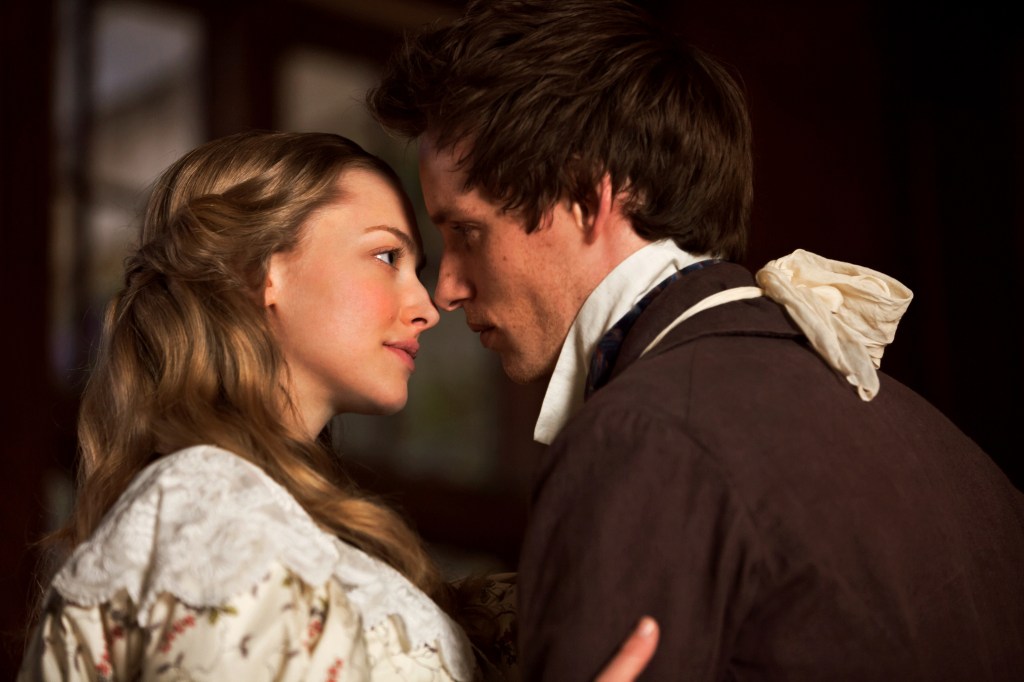
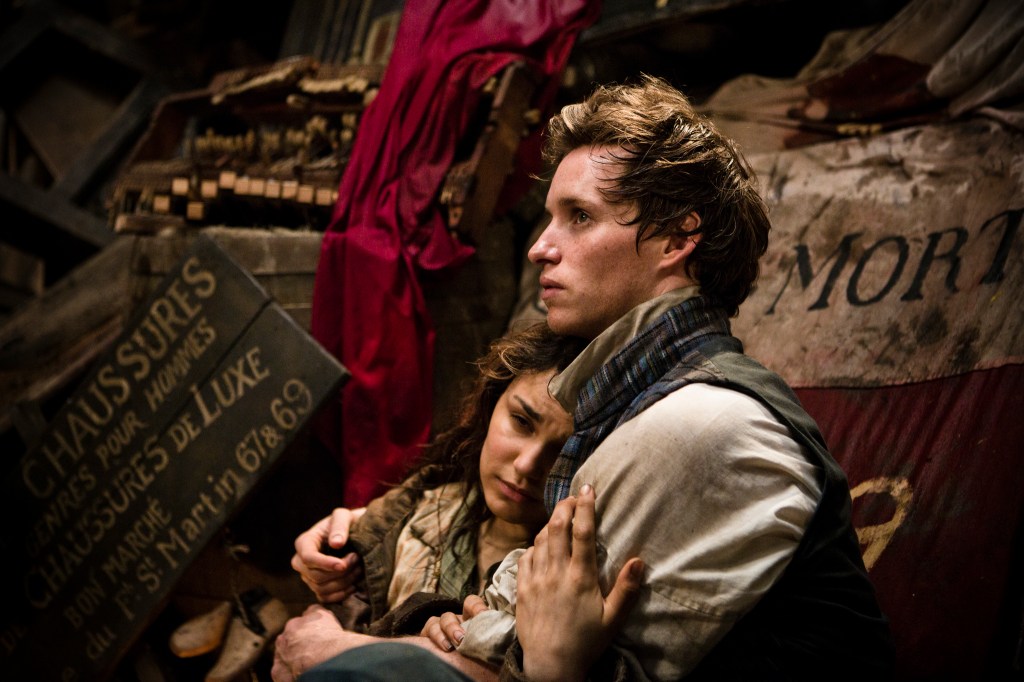
I like to think that it reinforces a key theme: happiness and misery can be viewed through the same lens, and how one chooses to interact with the world determines how they will view it. Éponine held on to an unrequited love, and it cost her everything. In contrast, Marius’ love for Cosette would, in the end, result in him being saved by Valjean in his biggest act of selfless redemption.
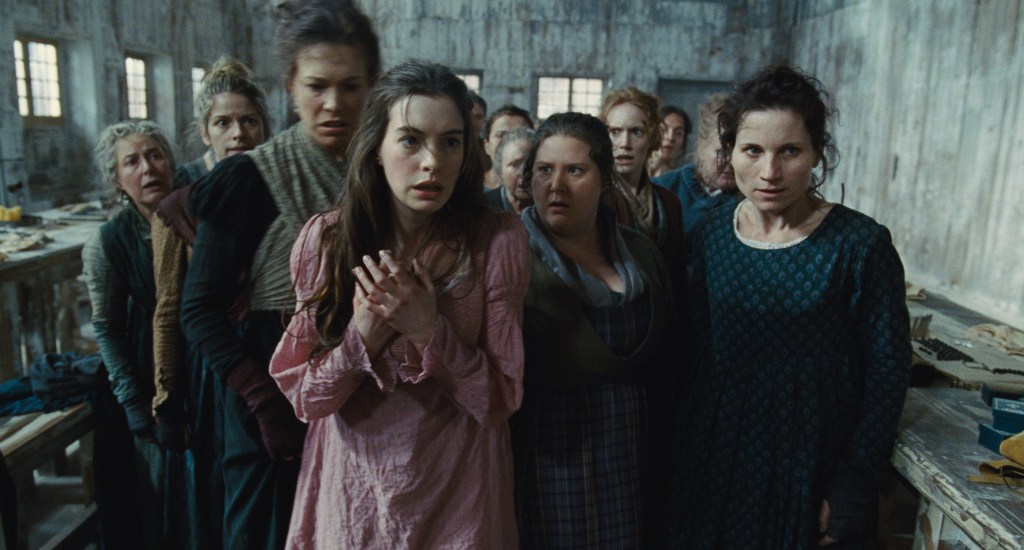
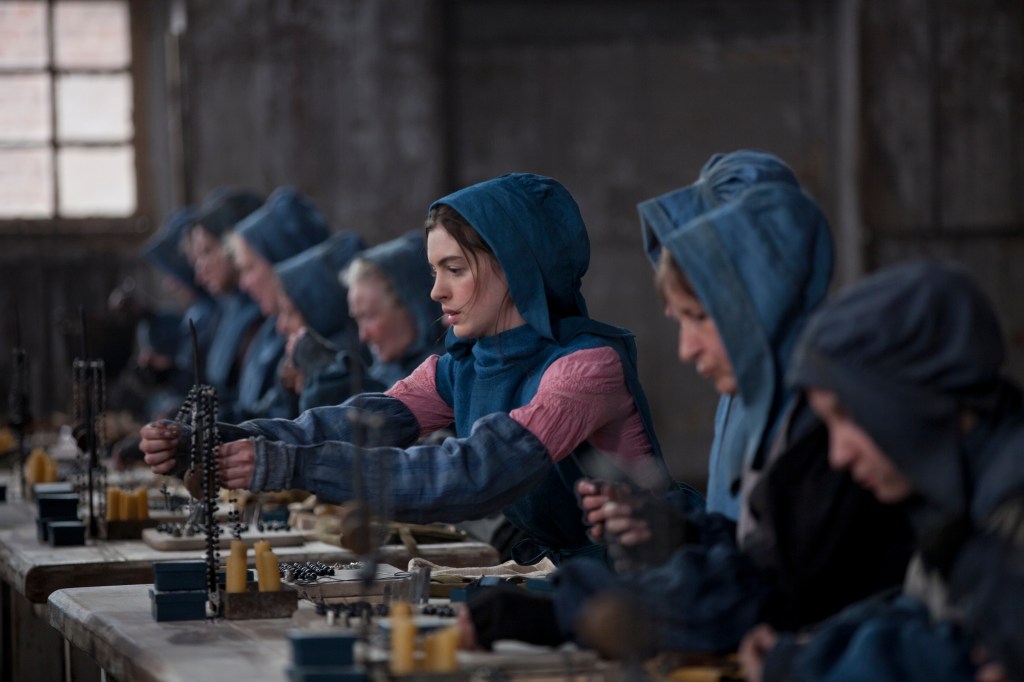
Les Misérables’ greatest strength, barring the point brought up earlier, is the music. Despite being sung-through, its standout moments are the major musical pieces that fill out the story. Several of them are well known, such as “I Dreamed a Dream,” which is a solo sung by Fantine as she bares her story after being fired from her job at the factory.
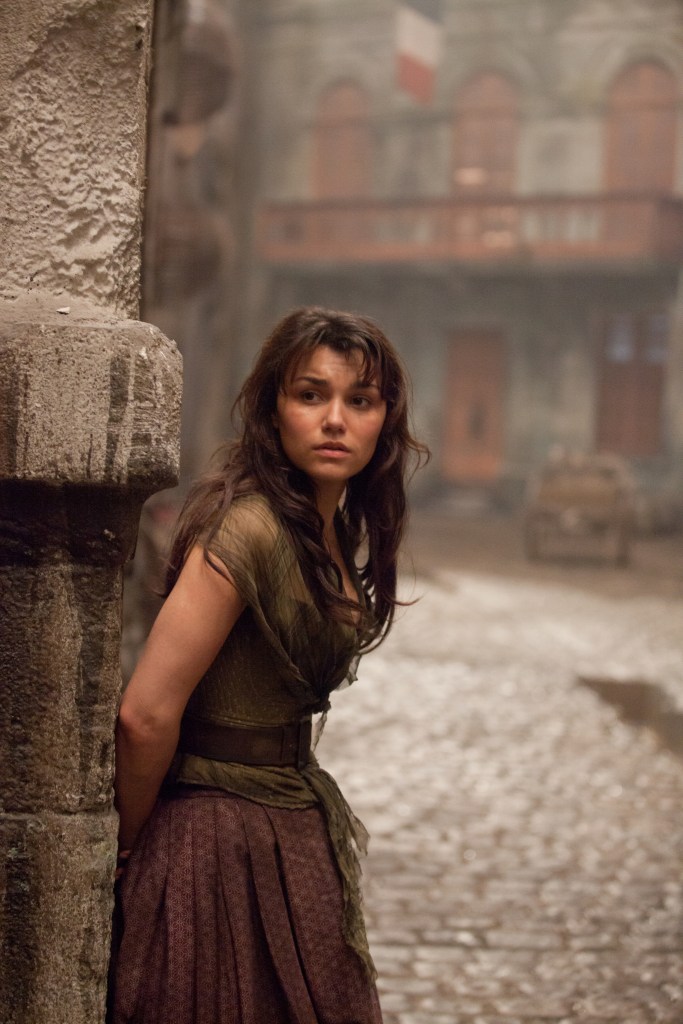
“On My Own,” which is Éponine’s solo, acts as another lamentation when she finally realizes that Marius has not, and likely never will, love her, and sets her on her final course for the film. “One Day More” and “Do You Hear the People Sing?” are two of the major ensemble pieces, with the former involving most of the cast while the latter acts as the call to action, primarily sung by Enjolras, Marius, and their group of would-be rebels.
Les Misérables is one of those films that is hard to watch more than once, because it is a sad, epic story, and that is not a bad thing. There is, after all, a reason that it has been put to film a handful of times over the years, and why the stage musical is widely beloved.
 Lloydd Marshall Books