
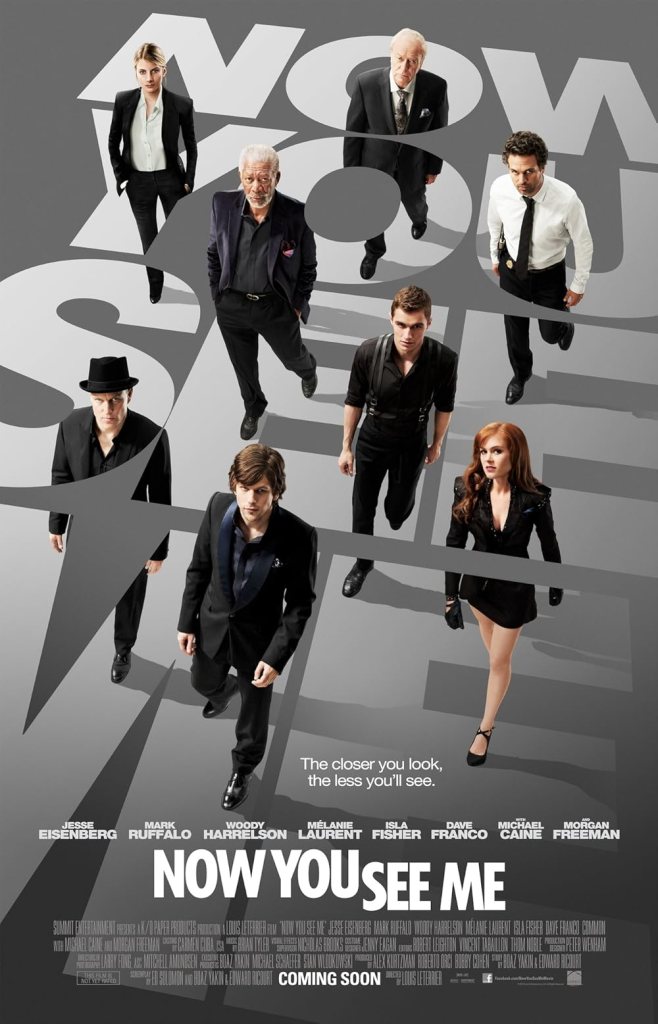
Using magic to execute a heist is not a new idea. It is, after all, merely sleight of hand, done on a more deliberate scale. Thieves, gentlemen, or some other archetype, manipulate their target carefully over the course of the heist in a bid to get away with it, through confidence tricks. Now You See Me, which is an ensemble heist film, simply made magic the core concept of the heist.
It is a funny film series that, having released three films in twelve years, proves that a sequel can happen if everybody involved wants it badly enough.
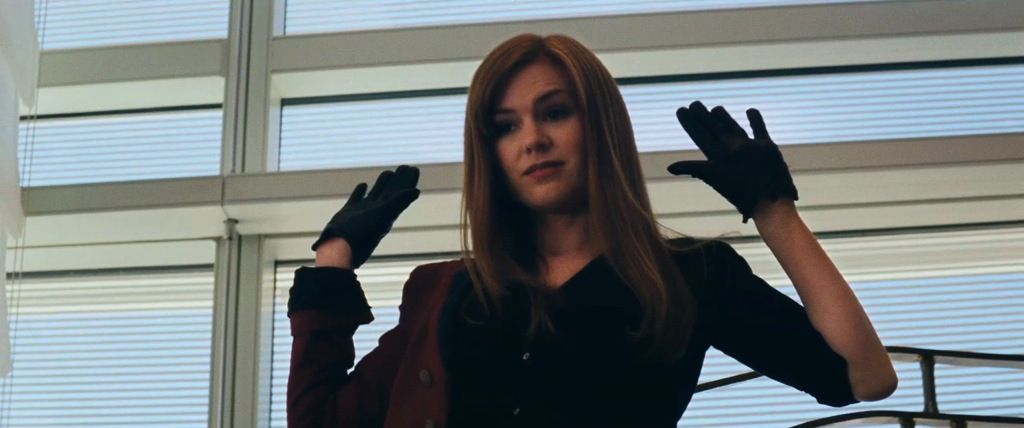
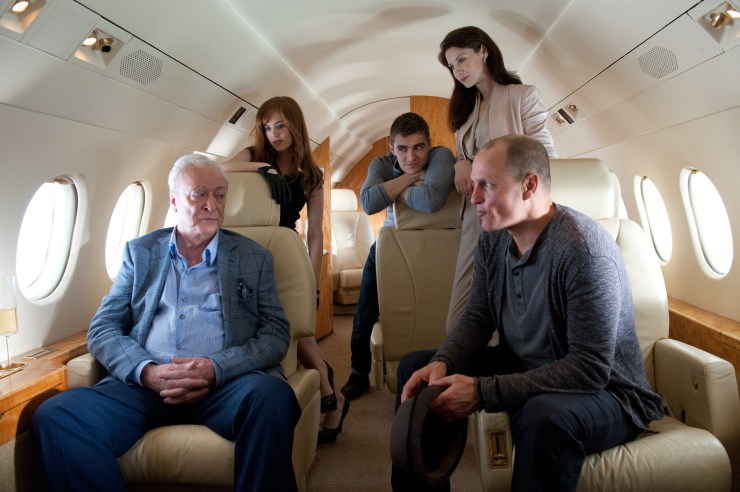
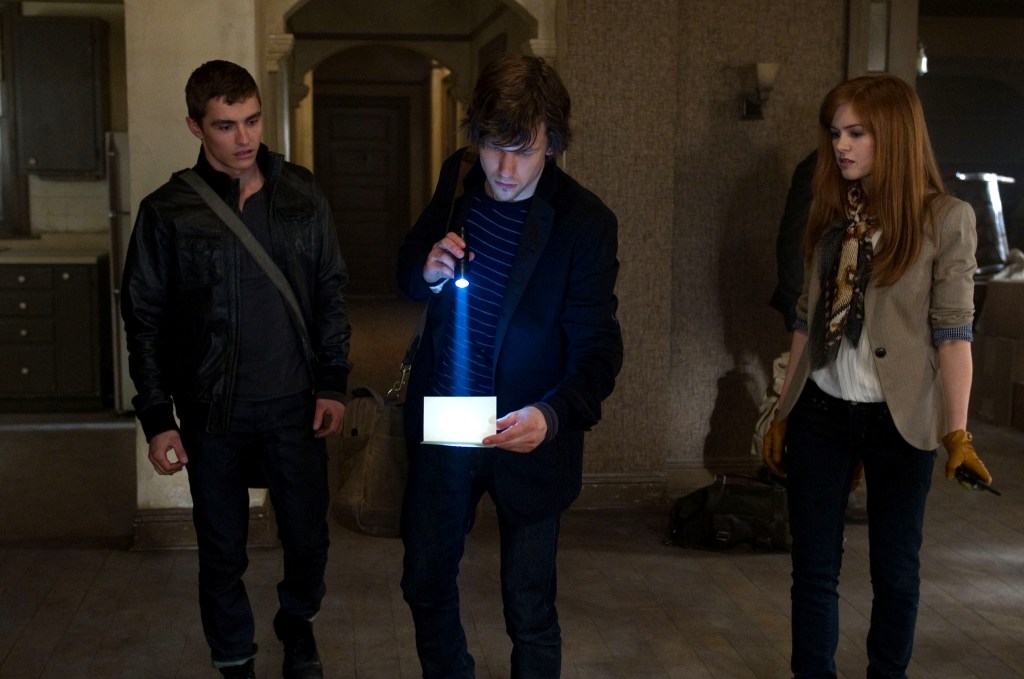
The film introduces us to a group of magicians who are invited by an unknown benefactor through tarot cards. J. Daniel Atlas (Jessie Eisenberg), Merritt McKinney (Woody Harrelson), Henley Reeves (Isla Fisher), and Jack Wilder (Dave Franco) spend a year off-screen, getting to know one another, their individual tricks, and how they can combine them to execute the plan of their benefactor. During that time, they brand themselves The Four Horsemen and, once they’re prepared to make their debut, ultimately execute a high-level theft in Paris from Las Vegas. They are brought together by a group known as The Eye, which supposedly dates back to Ancient Egypt, and the long con that they are tasked with orchestrating is their ticket into it.
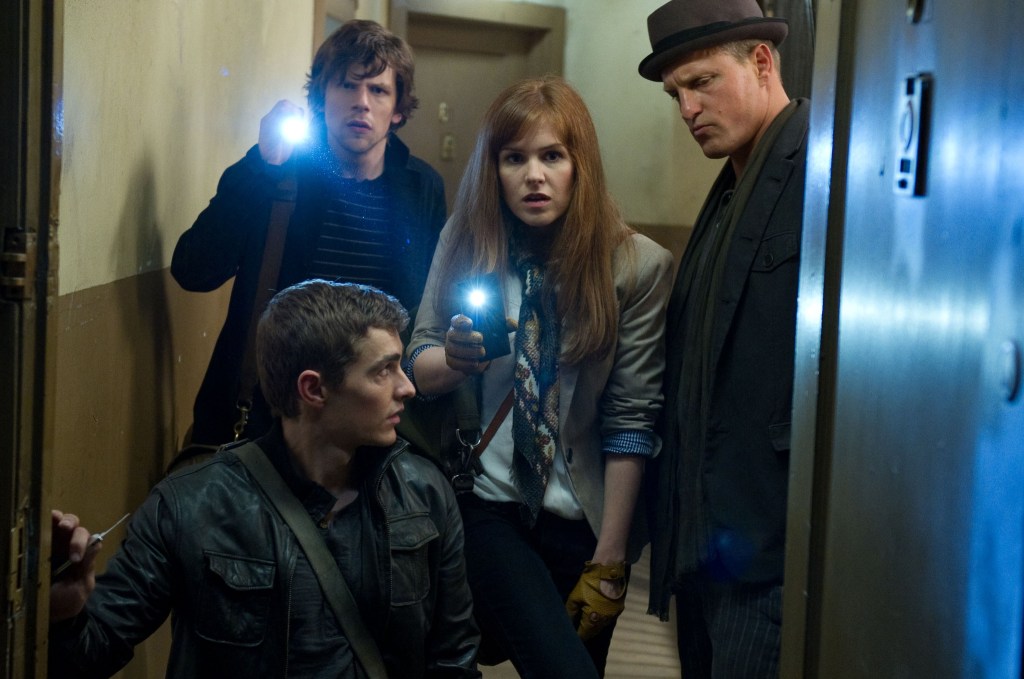
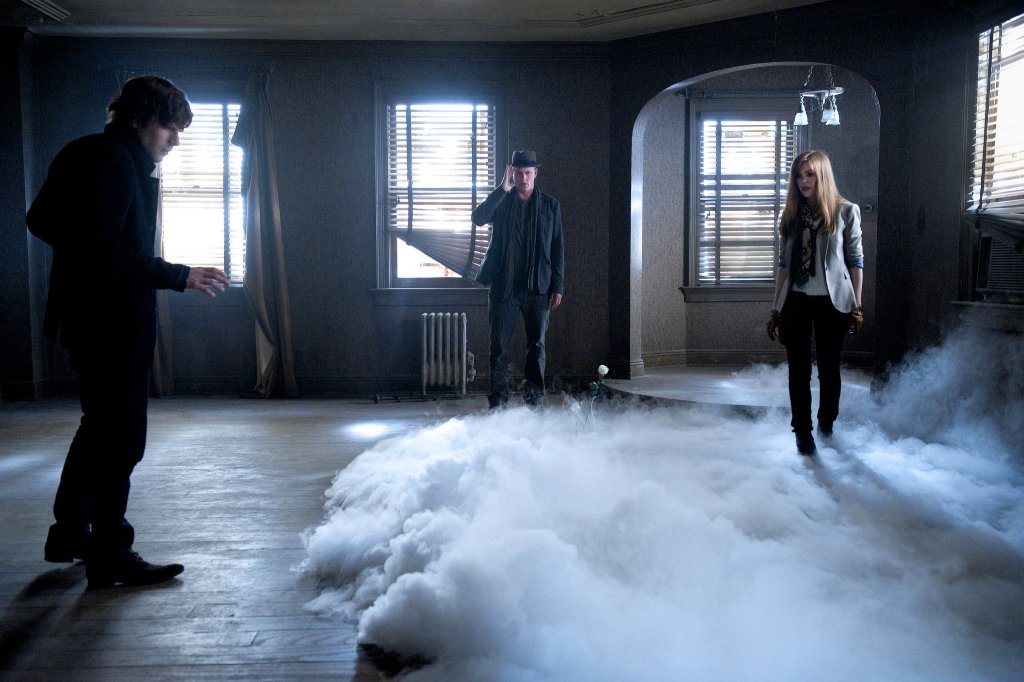
The Horsemen are treated as a unit for much of the film, but it never forgets that they are individuals. How one of them approaches a problem is a very different path. Atlas is adept at card tricks and illusions, always managing to keep his audience looking precisely where he wants them to – whether he’s using cards or a bank account. Henley is an accomplished escape artist and treats traps as if they were mere suggestions rather than obstacles to her path. Merritt’s special skill is mental manipulation through hypnosis and information gathering through cold reading of a mark. Finally, there is Wilder, a street artist capable of voice imitation and getting through any lock.
Each of them represents a different aspect of classical magician acts, which any good magician can do, but are usually treated as a jack of all trades while being a master at none. In contrast, the Four Horsemen are experts in their chosen fields and, when combined, make them seemingly better than any singular magician. That’s part of the fun with this film. Each of them brings something to the table that covers for the group’s unique weaknesses as a magician, whether it be their respective skillsets or their egos.
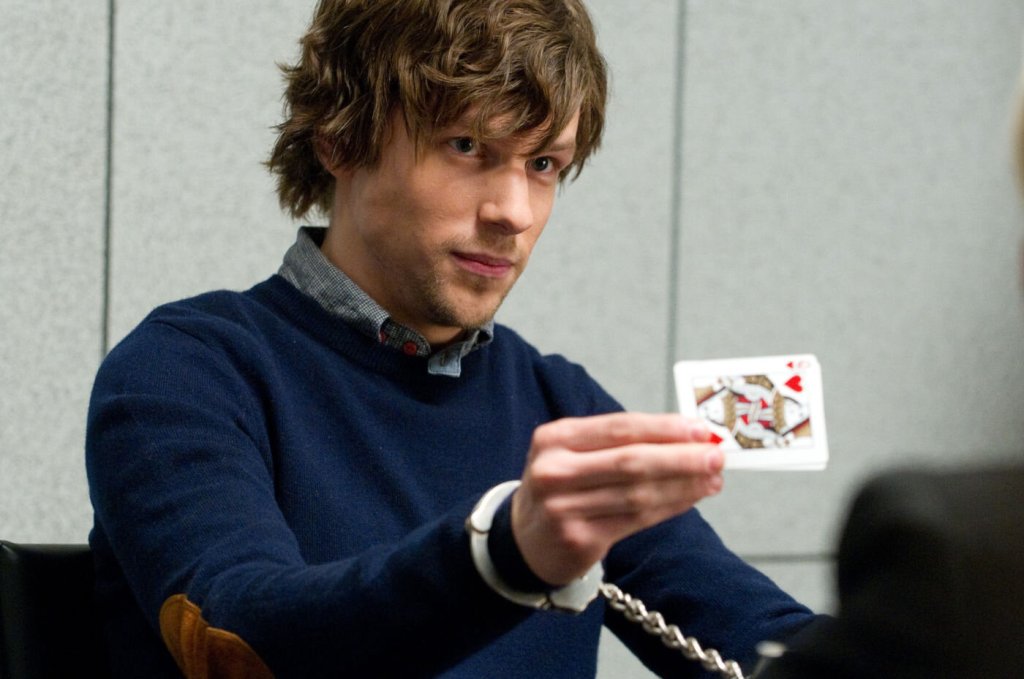
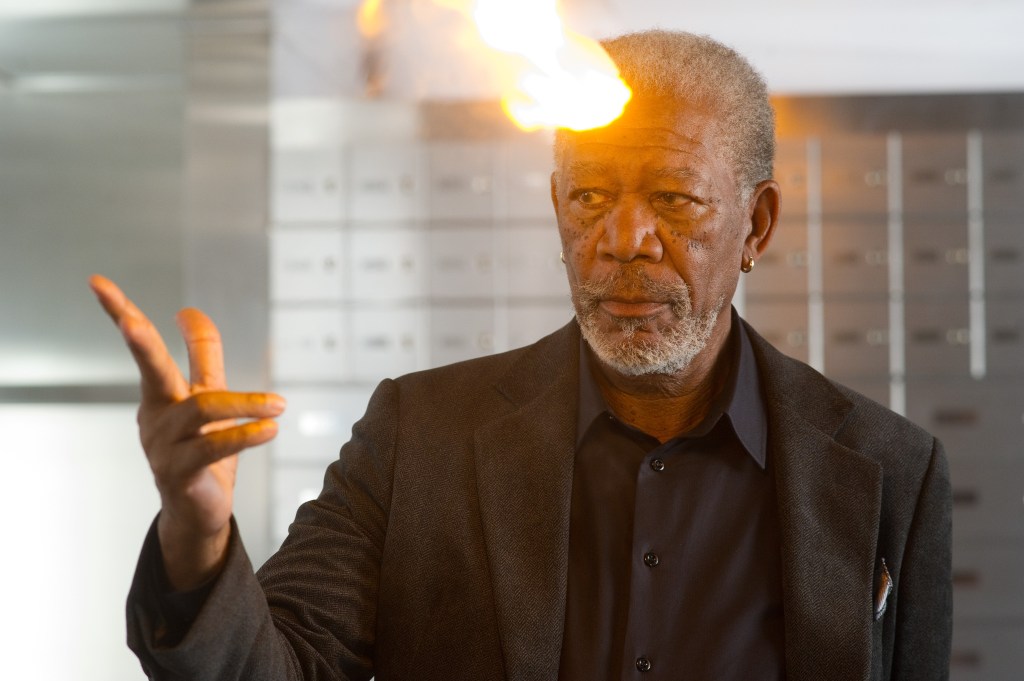
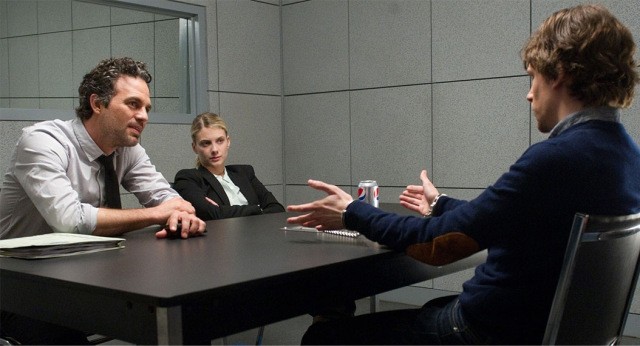
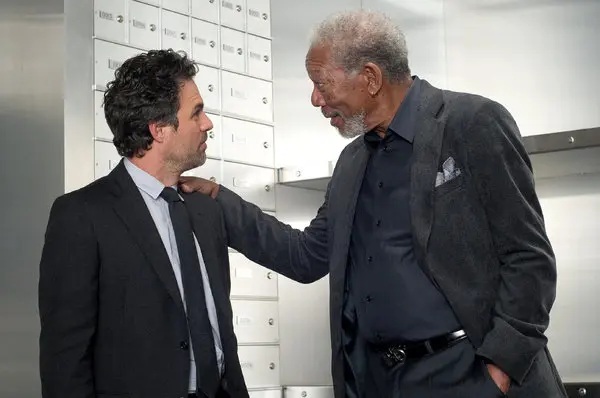
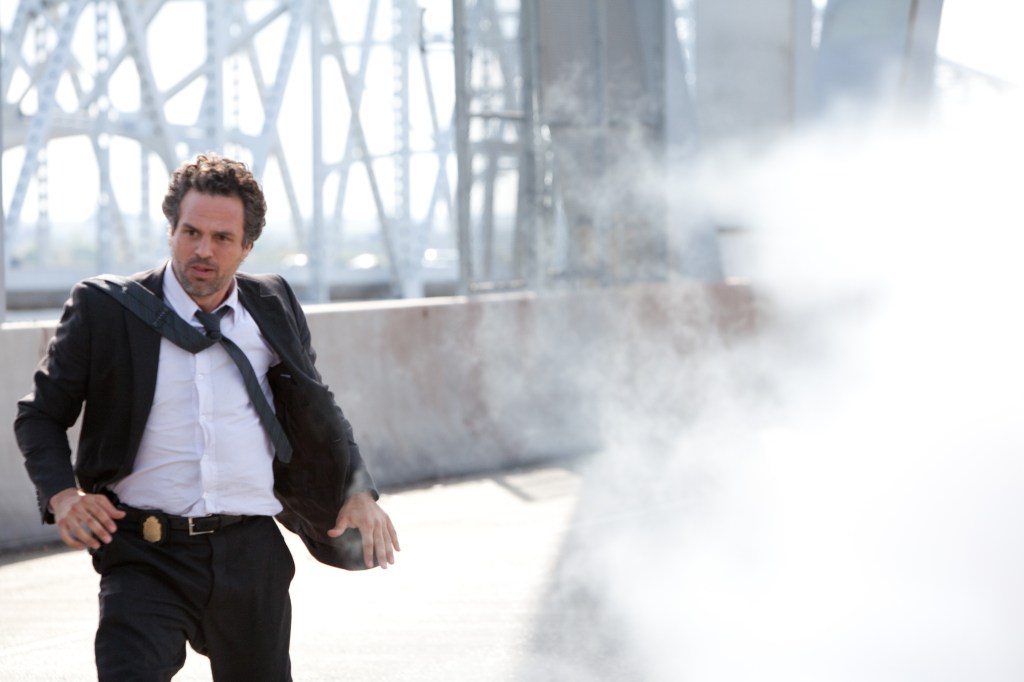
How the first trick is accomplished becomes the driving question for FBI Agent Dylan Rhodes (Mark Ruffalo) and Alma Dray (Mélanie Laurent), an Interpol Detective. The Horsemen are funded by Arthur Tressler (Michael Caine), an insurance magnate, who seems heavily invested in their success because it would serve to make him quite a bit of money. The final major member of the ensemble is Thaddeus Bradley (Morgan Freeman), a former magician who has spent decades exposing the magic acts of other magicians and seems determined to prove how the Horsemen were able to pull off their trick. While their goals are similar, they are interdependent on one another for a portion of the film; if Bradley succeeds first, the FBI and Interpol get the answers they need to solve the crime, if Rhodes and Dray succeed. Bradley gets the Horsemen in a controlled setting. The thing is, their goals are similar, but they are not the same.
While the magical acts, of which there are three big shows, are the centerpieces, they each build off one another. Every decision that the Horsemen make across the film is in service of helping them to succeed. If they aren’t actually performing a show, they’re setting up for one, using their skills to grant them access well before their marks realize that is what they’re doing. There is a scene partway through the film where Daniel cold-reads somebody, a trick that is known to be used by fortune tellers and TV psychics, but gets everything wrong. The point wasn’t to be right, because Daniel’s goal was to get the actual information that their mark wouldn’t normally hand out. It was all innocuous details that only mean something when put together… when you’ve forgotten your password. That faked cold read was how the Horsemen would end up succeeding in their real goal – robbing the mark blind.
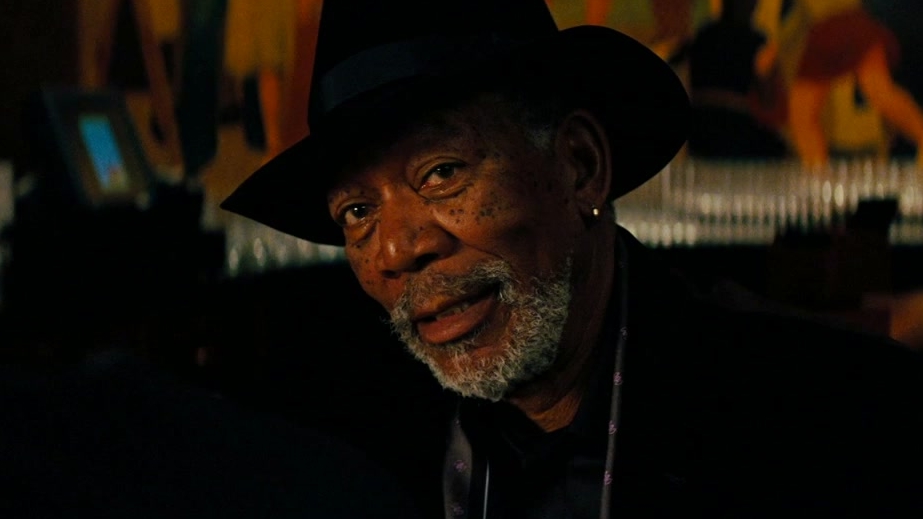
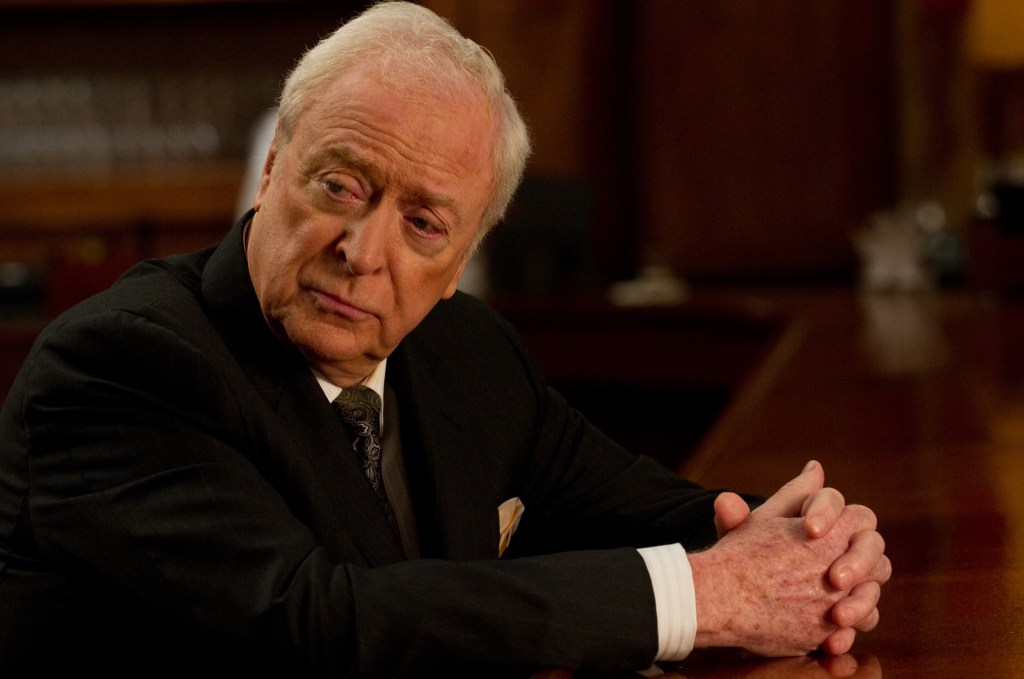
It was hilarious watching Michael Caine and Morgan Freeman play at odds throughout Now You See Me, considering they spent the previous eight years working together as Batman’s closest confidants in Christopher Nolan’s The Dark Knight Trilogy. Tressler is the quintessential modern-day robber baron in this film and is presented as the intended mark of The Four Horsemen at first.
However, Now You See Me spends much of its time weaving in an intricate backstory tied to Lionel Shrike, a magician who drowned while attempting to accomplish a particular trick that involved escaping from a locked safe dropped into the water. While it takes its time to reveal the connection for the first “victim,” Crédit Républicain de Paris, and the motive for the second and third victims, Tressler himself is the former, and Elkhorn Manufacturing is the latter, the film doesn’t dance around the idea that there is more going on.
Like all heist films, or at least the good ones, Now You See Me presents the heist first and then handholds the audience through the explanation. Whether you, as the viewer, could identify how or why it was happening is always the fun part.
A good mystery film, which is what I tend to categorize as heist films, does not pull the “reveal” out of left field. It carefully lays all the groundwork so that you can find the threads, tug on them, and get the answer yourself.
Whether the threads are foregrounded or in the background is part of the misdirection.
The first show, the bank, is the only one that uses flashbacks as the sole explanation for how the robbery was pulled off. This is because, after the prologue, the story essentially begins in medias res – they have already set the stage, quite literally, for the robbery. When it comes to robbing Tressler, there are nearly thirty minutes of setup that happen in our faces. This is unlike certain “mystery” stories where it is quite literally impossible for you to figure it out, because there aren’t any clues. A mystery does not have to be formulaic, but it should be solvable in such a way that, upon repeat viewings, the clues were always there – we were just looking in the wrong place.
Now You See Me clearly always intended to build a bigger story with additional films. Still, on its own, it stands up well as an “And the adventure continues.” Real life got in the way of the second film, with Isla Fisher having to bow out, leading to Lizzy Caplan joining as a new character. Both would end up returning for the third film. Sadly, I am still waiting for the supposed spinoff film starring Jay Chou’s character, Li, which was announced all the way back in 2016 – but has not materialized as of yet. With the amount of time that passed between Now You See Me 2 and Now You See Me, Now You Don’t, hope springs eternal.
 Lloydd Marshall Books