
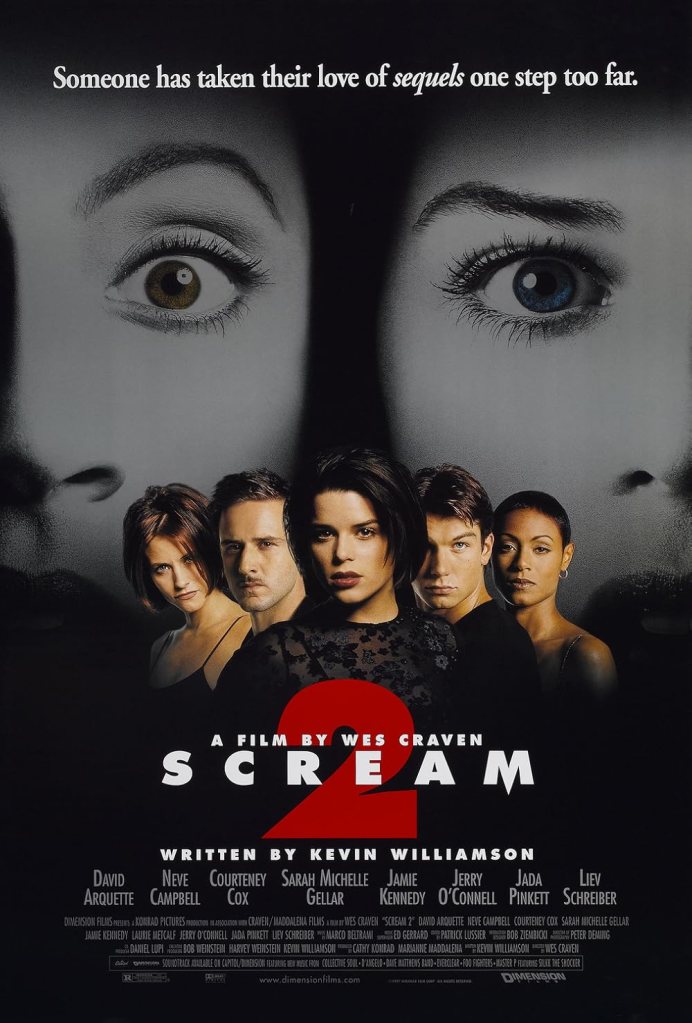
When something works, studios are very likely to do their best to ensure that it works again. Whether they gleaned the right lessons from their lightning-in-a-bottle success, however, often leads much to be desired. Sequels, by their very nature, are derivative of their originator. This, in no way, means that a sequel has to be an inferior entity, but fans oftentimes ignore one simple fact. Without the original, there would be no sequel.
Thus, even if a terrible first outing exists, followed by a valiant, amazing sequel, one still has to pay thanks for the original. Luckily for us, Scream as a franchise has never missed the mark, because even its weaker entries hit on a specific aspect of horror, film, and commentary in ways that can come off as prescient.
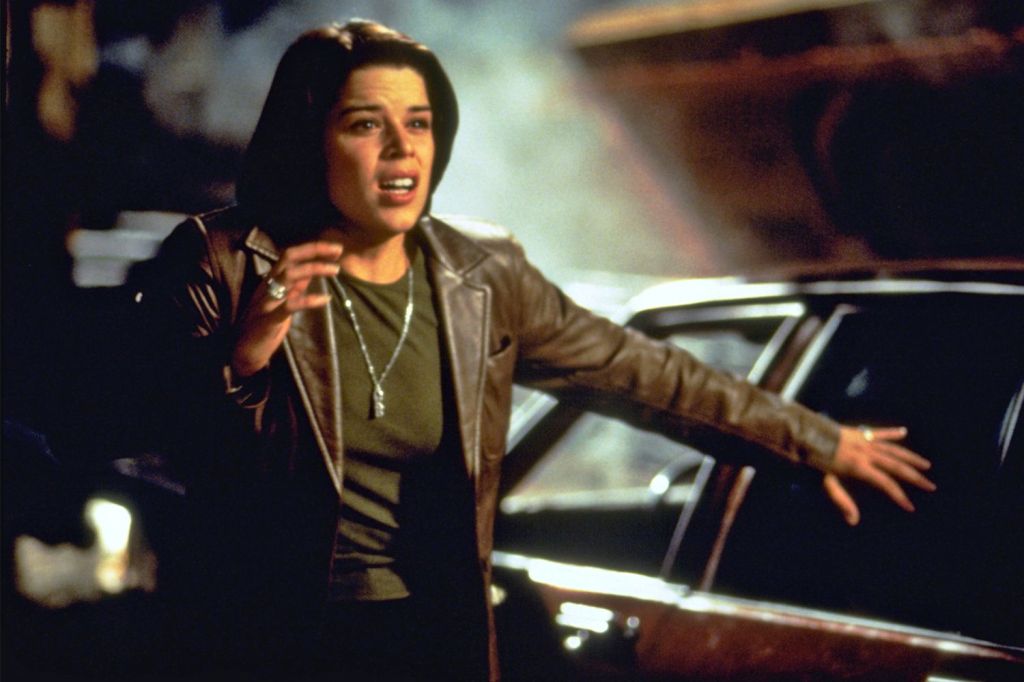
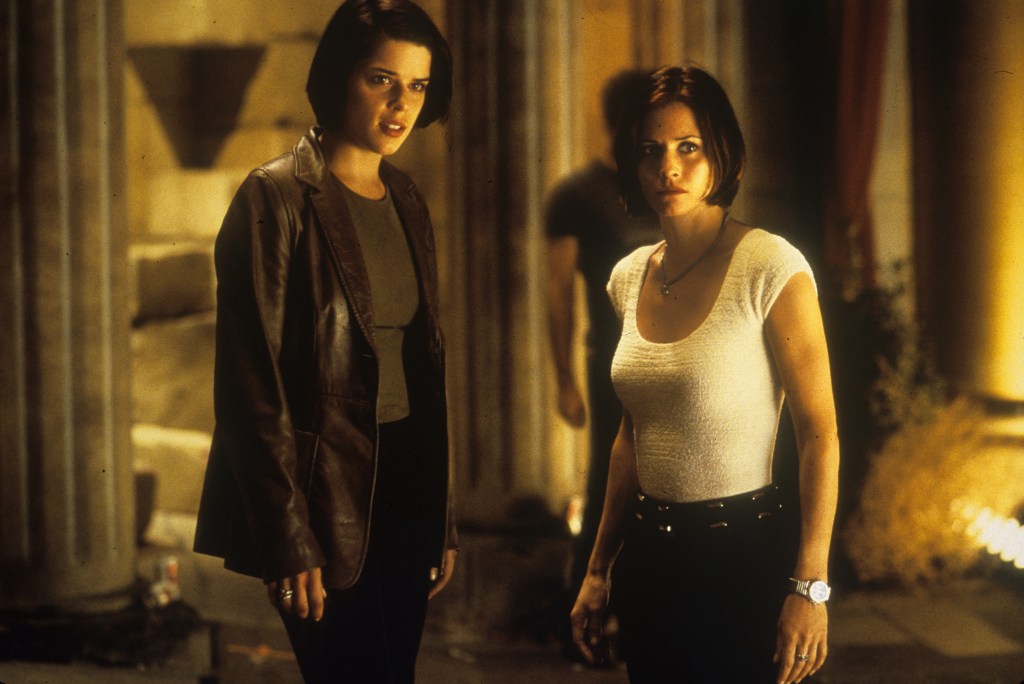
Following a little under a year after its predecessor, Scream 2 sought to tackle horror sequels through its satirical, self-referential format under the helm of Wes Craven once again. While horror films have sometimes brought back the lead from its preceding entries, Scream 2 would take Sidney Prescott (Neve Campbell) and build off the story of her life as she tried to move on. Scream and Scream 2 offer something that few of the stories in this franchise can offer, which is the belief that Sidney’s life is, or can ever be again, normal. Scream has always worked best when it treated itself as a commentary on real life and how one deals with trauma. Scream 4 and Scream 5 take place in a world where Sidney knows an attack can come at any time, and is clearly prepared for it; that is not entirely the case here.
While it is a slasher franchise, these films don’t shy away from the fact that it takes place in an otherwise real world. Sidney has gone to college, followed by Randy Meeks (Jamie Kennedy), in Ohio, and has more or less managed to “move on.” She is not looking around every corner for Ghostface to come out and attack her because, as is the case in real life, the likelihood of a person going through the same kind of terrifying situation is slim to none. It often becomes a news story when a person is present for more than one mass shooting event, after all. Scream 2 takes that real-life statistic and reminds us, the viewer, that it is a slasher series. Ghostface will not be standing idly by forever.
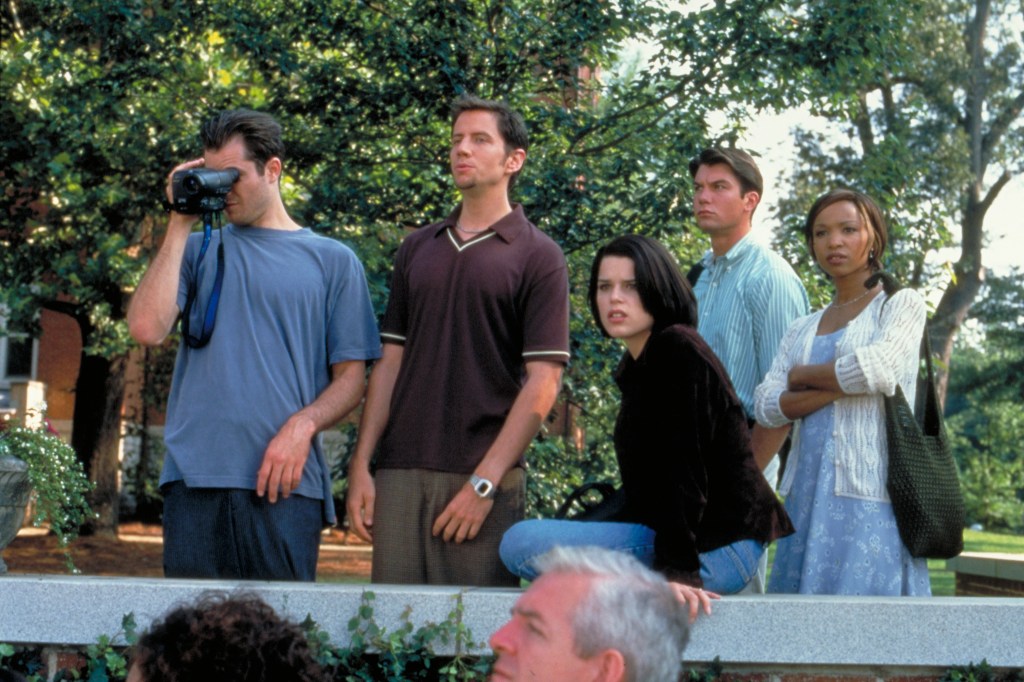
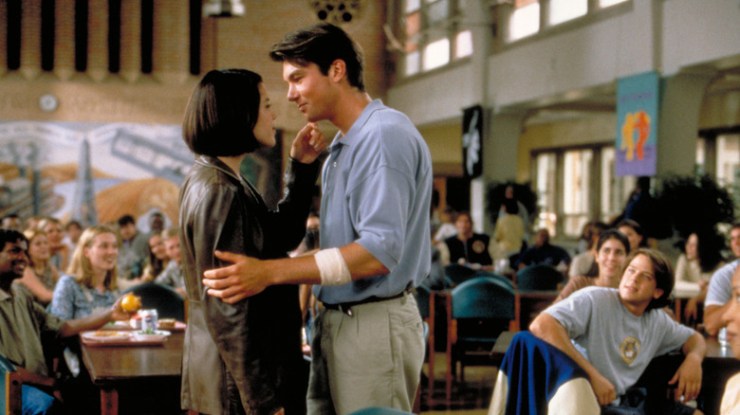
Windsor College, a fictional college in Ohio, becomes the locale for the “copycat murders.” Friday the 13th is by far the closest slasher film where we can see the formula, because its first four films, which each bring something unique to the series, are viewed as interchangeable. They feature a similar number of characters who fulfill certain archetypes and are killed by an ever-present killer. Scream 2 references this with its first three victims, eschewing physical resemblance in favor of name recognition. But, it abandons that “formula” as soon as the characters pick up on it, because it was playing on the conventions of the whodunit mystery, slasher fare, and foreshadowing the conflicting motives of the killers involved.
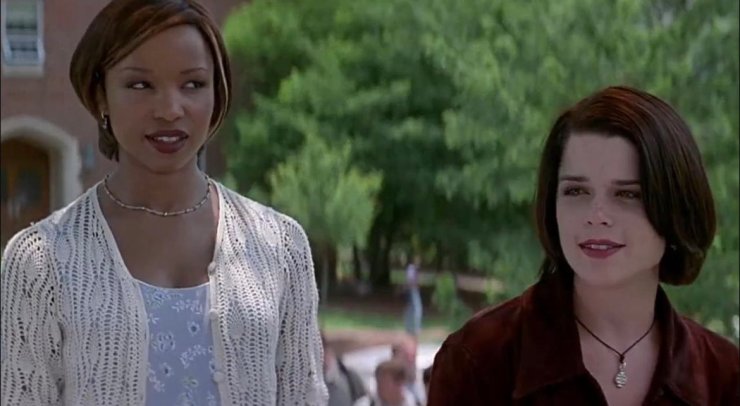
By the time that becomes the case, however, it takes strides to remind us that, for the most part, knowing you are in a horror film does not protect you from becoming a victim of Ghostface. One such topic it covers is “the black guy dies first,” which, while thrown around a lot, is actually not the case in horror films at large. It has happened enough times that it became a trope, but it was not necessarily a black male character that it would happen to. While Scream did not feature any prominent characters of color, its sequels would avert that in strides, and, as is the case for its commentary, Scream 2 is, so far, the only one to play this trope straight with Phil Stevens (Omar Epps) and Maureen Evans (Jada Pinkett).
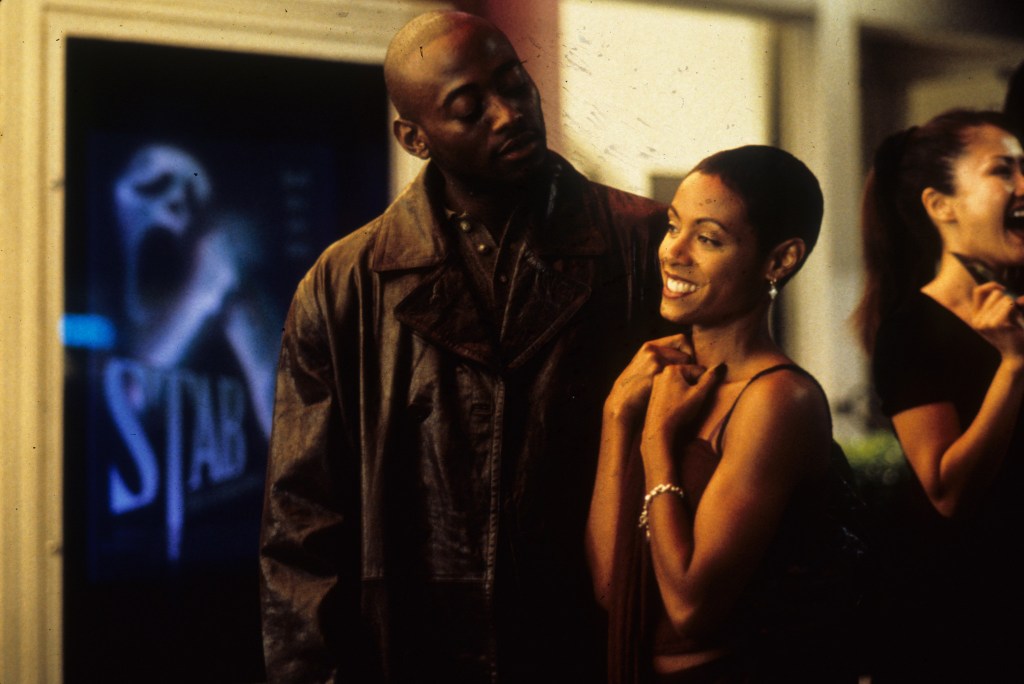
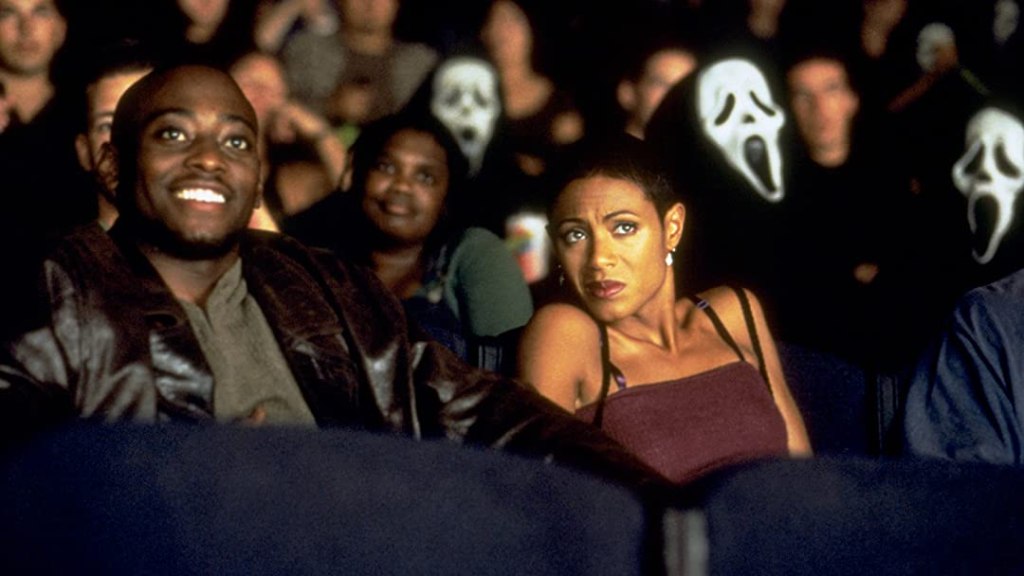
Scream set the stage for casting a well-known, recognizable actress as its opening kill, and Scream 2 did not disappoint in following suit. One aspect of the series that I have seen discussed ad nauseam is how well, if at all, any of the openings compare to Casey Becker’s scene. As I mentioned earlier, and the film itself discusses at length, the sequels owe their existence to the originator. The iconic opening of Scream might never be topped, and the sequels do best when they don’t try to but rather operate on their own wavelength. Even if they are referencing it. The self-referential jokes and commentary only work when they aren’t retreading the past for anything beyond a callback.
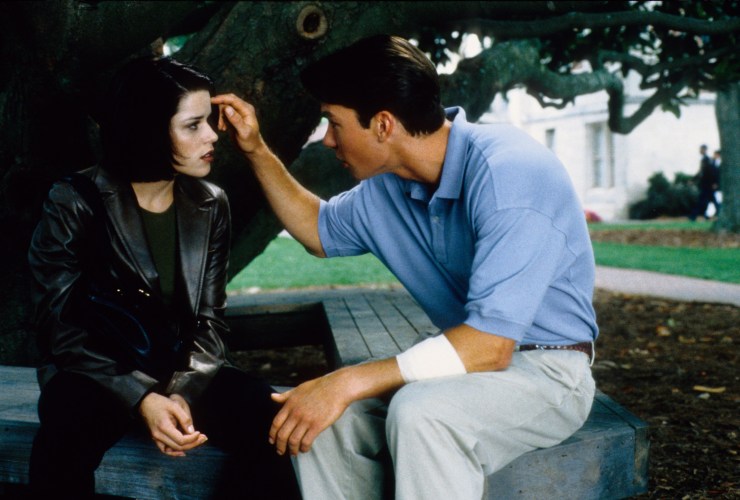
The sequel’s ensemble centers on the new group surrounding Sidney – her college friends. In her effort to rebuild her life, Sidney has befriended Hallie McDaniel (Elise Neal) and Mickey Altieri (Timothy Olyphant), in addition to having formed a new romantic entanglement with Derek Feldman (Jerry O’Connell). Randy is still in her life and appears to be the only aspect of Woodsboro that she has hung onto. What separates this group from Sidney’s friends in the first film is her level of trust.
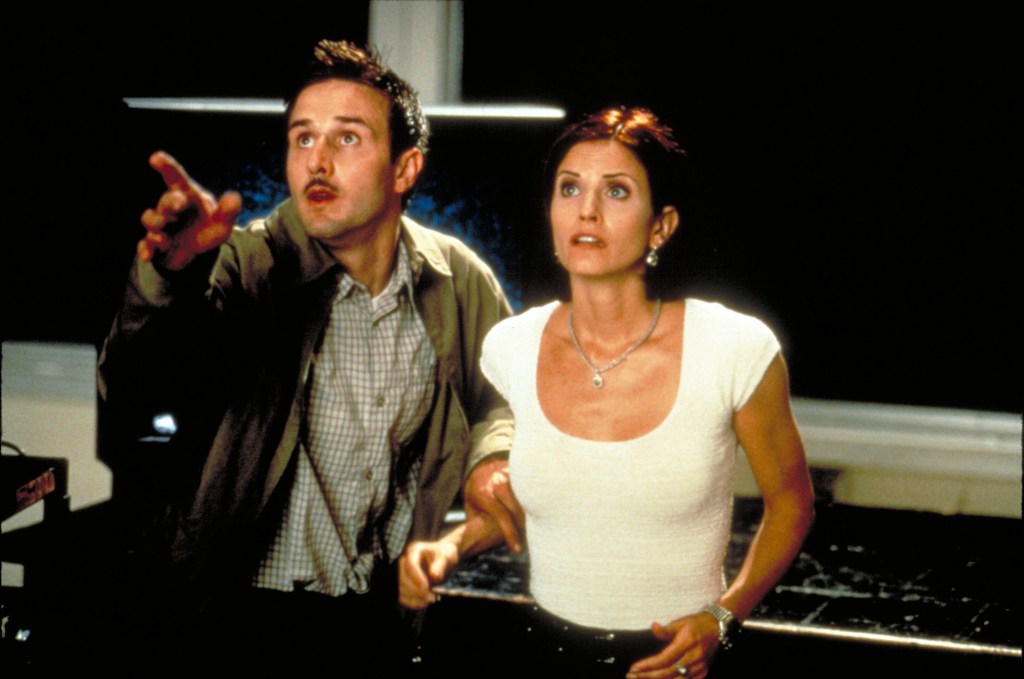
While she does not outright distance herself from all of them, the subtleties of how Neve Campbell plays Sidney make it apparent that she does not, and will not, ever trust them the same way that she did her original friend group. It is often discussed that, from the moment Tatum Riley was found murdered, there were few, if any, people Sidney ever trusted. Considering that, shortly after this, she learned that two of her closest friends were Ghostface, it is hard to blame her. Scream 2 treats Randy, Dewey (David Arquette), and, grudgingly for Sidney, Gale (Courteney Cox) as the only people that she trusts implicitly.
Gale and Dewey’s relationship is recentered and reset from the previous film, allowing it to acknowledge that they are who they are. How Gale portrayed Dewey in her book was a particularly sore spot for him. Still, they work together to try and unmask the perpetrator of the recent attacks before anybody else can die – and for book sales, one can presume. The film doesn’t sidestep the fact that Sidney’s relationship with either of them is very different, but therein lies some of the real-world tension in this triad.
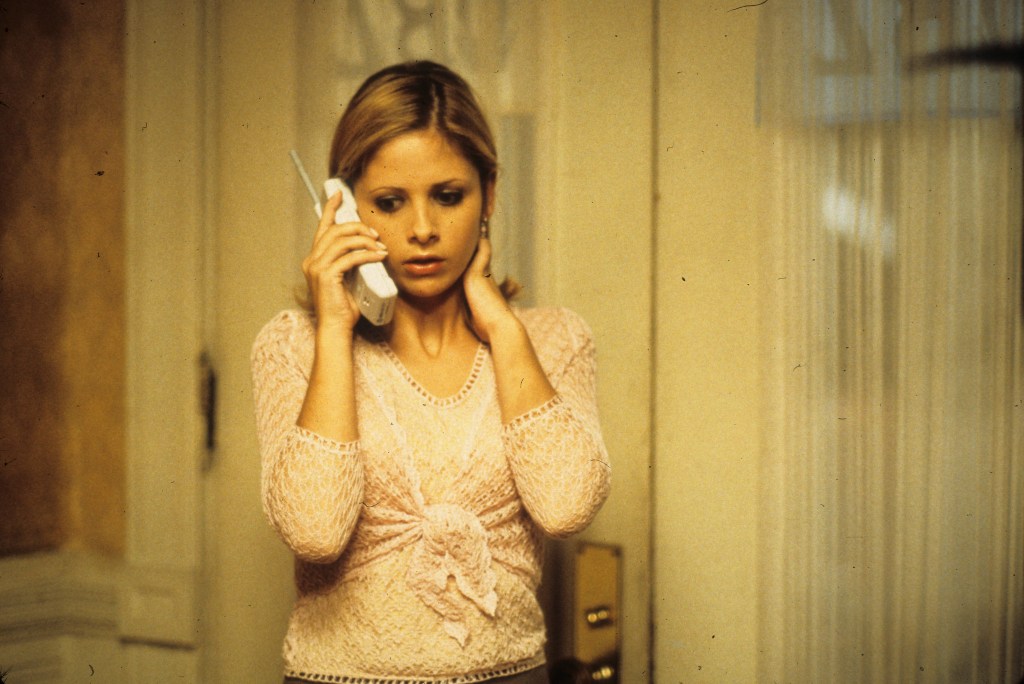
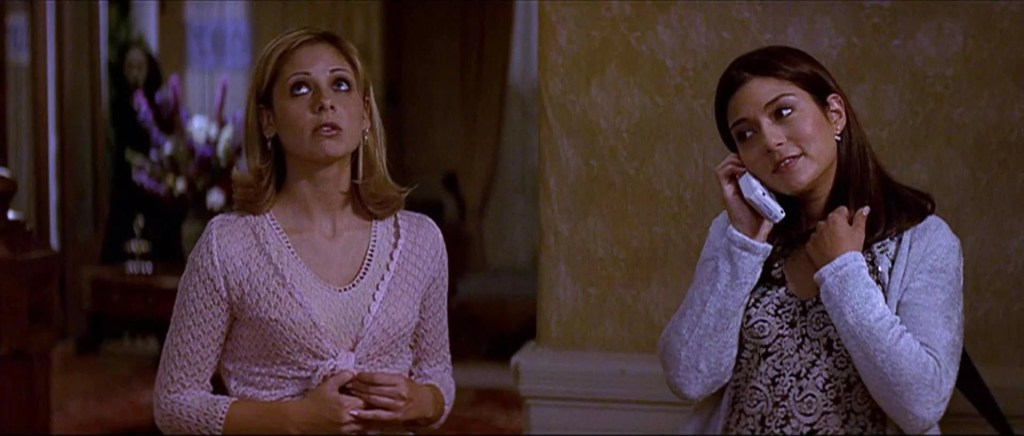
One of the best additions that Scream 2 was able to nab was in the form of Casey “Cici” Cooper, played by Sarah Michelle Gellar, already renowned for her role as Buffy Summers. Mere months before Scream 2 premiered, she appeared in I Know What You Did Last Summer as Helen Shivers, giving us two amazing chase scenes… the ends of which are well-known. Gellar signed onto the film without reading the script because she wanted to be in a Scream film, and it might have been her only chance. Part of her role was rewritten because a major scene with her was cut, leading to her intellectual debate in Randy and Mickey’s film class, where her insightful critique utterly undermined Ghostface’s motive… effortlessly.
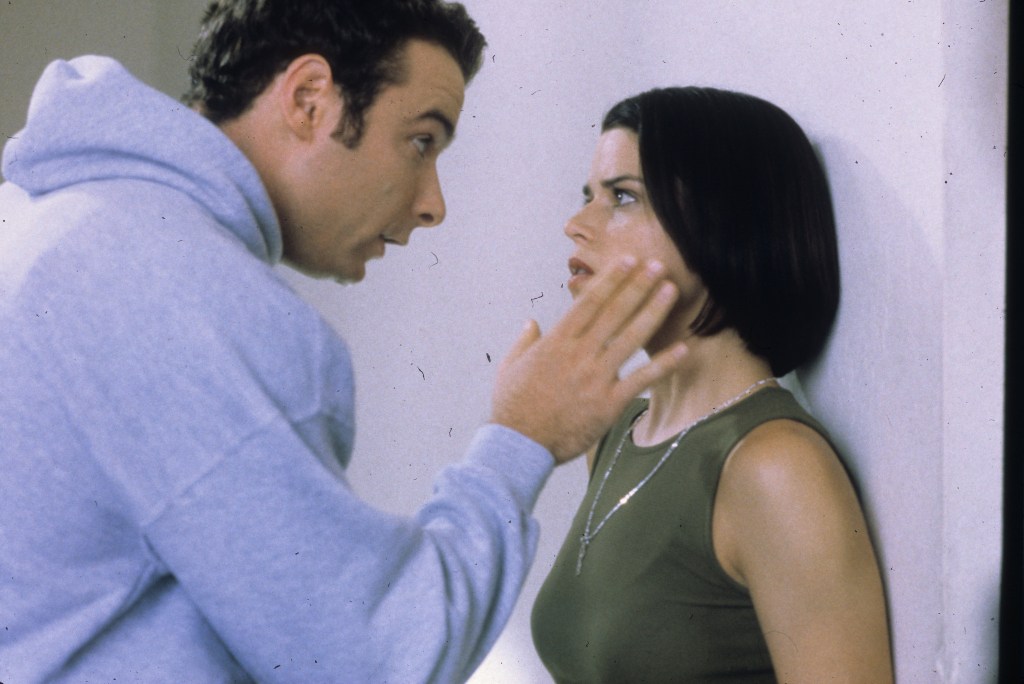
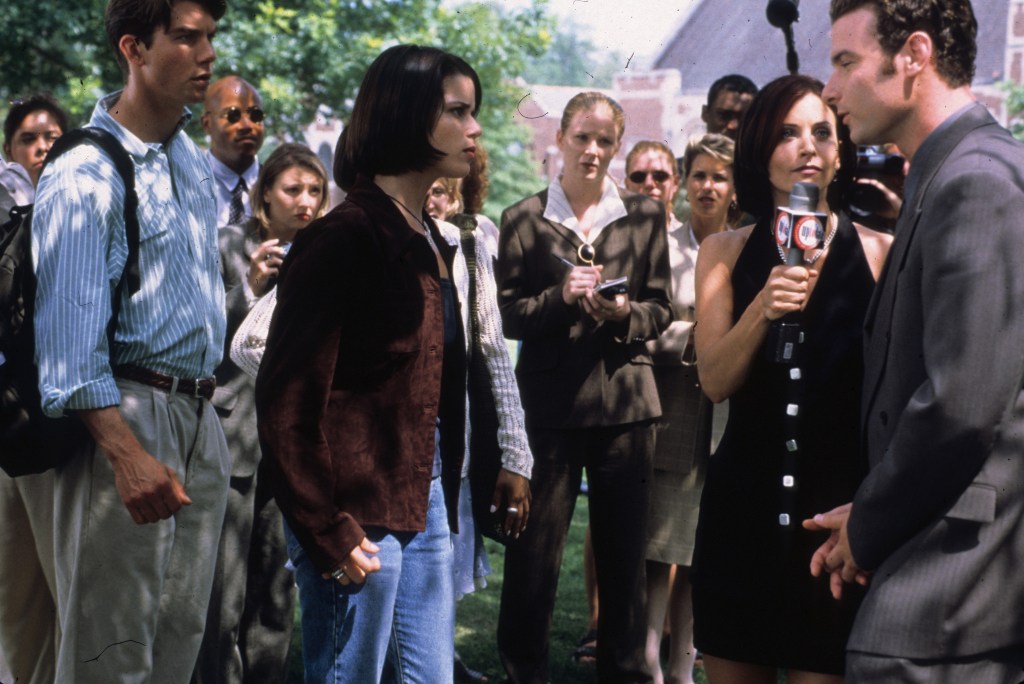
One final major addition to this film played off a small cameo from the first: Cotton Weary (Liev Schrieber). Wrongly accused by Sidney of the rape and murder of her mother, Maureen, in 1995, when it became clear that Billy and Stu were the real perpetrators, Cotton’s name was, ostensibly, cleared. This is one of Wes Craven’s best subplots and commentaries on how reputations are tarnished. Cotton was innocent of the crime but has not been able to rebuild his reputation since then.
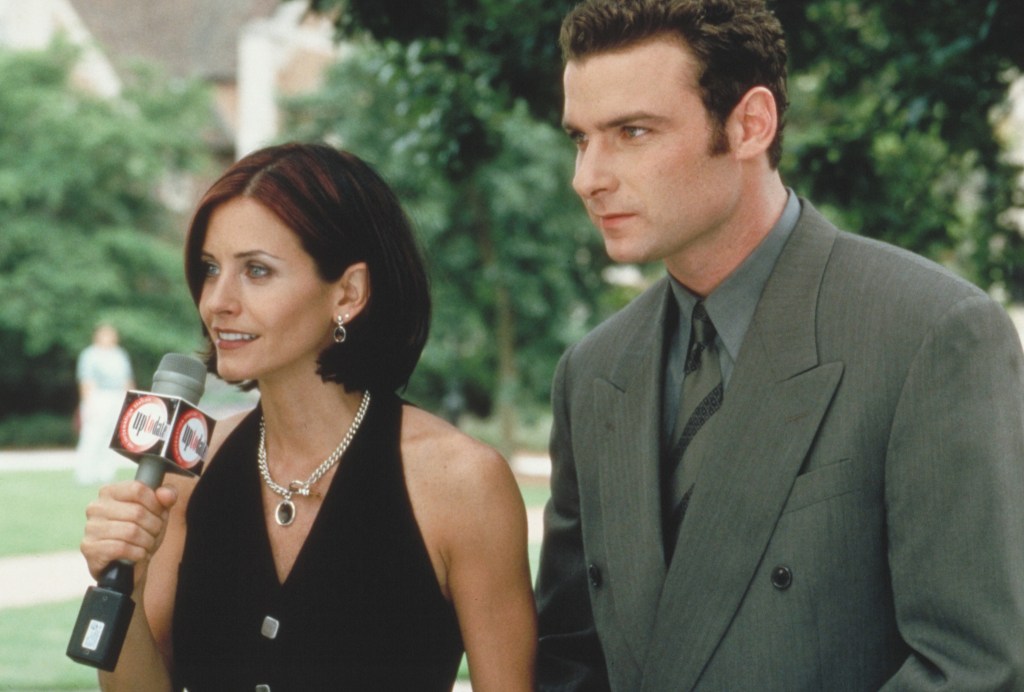
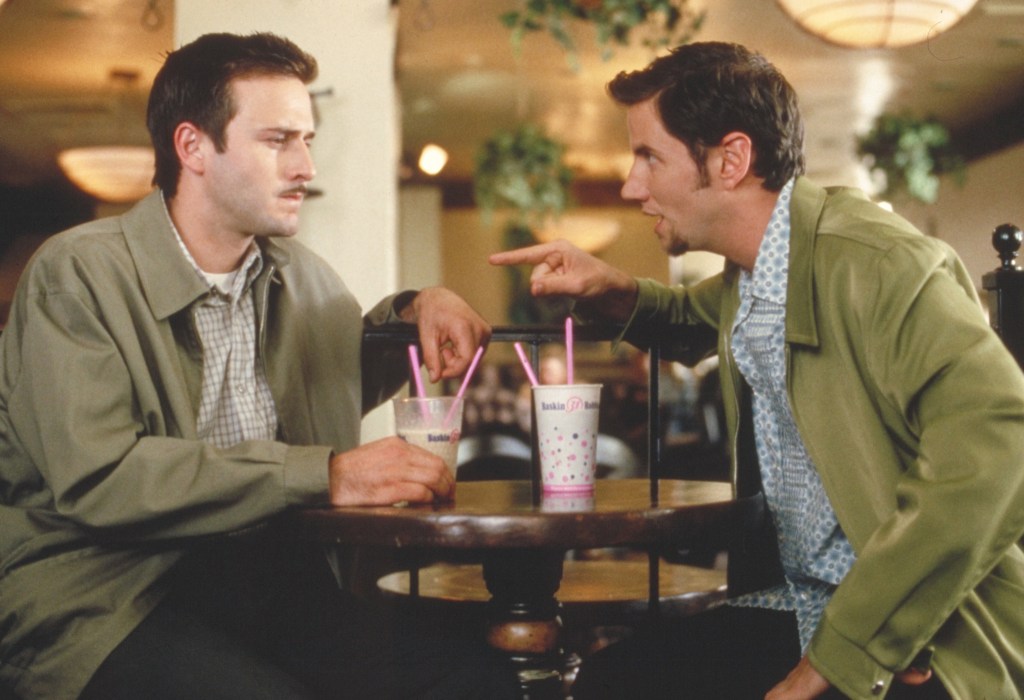
Gale, in all her glory, seeks to take advantage of the situation by reuniting the pair and literally ambushing Sidney at her college with him. While Cotton’s motives are incredibly understandable, his aggravation is asymmetrically misplaced on Sidney. It is absolutely true that it was her testimony that put Cotton in prison, and his desire for her to fix that is entirely valid. How he handles the situation after Sidney was blindsided is less than appropriate, no matter how understandable. Because accusations are printed on page one and retractions, corrections, and apologies are printed on page ten.
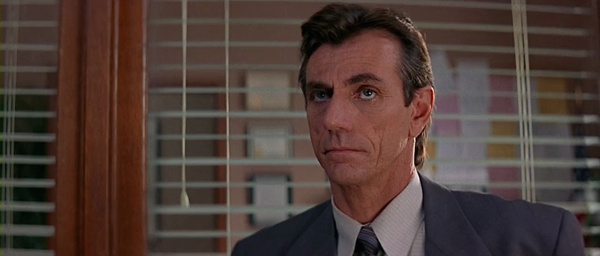
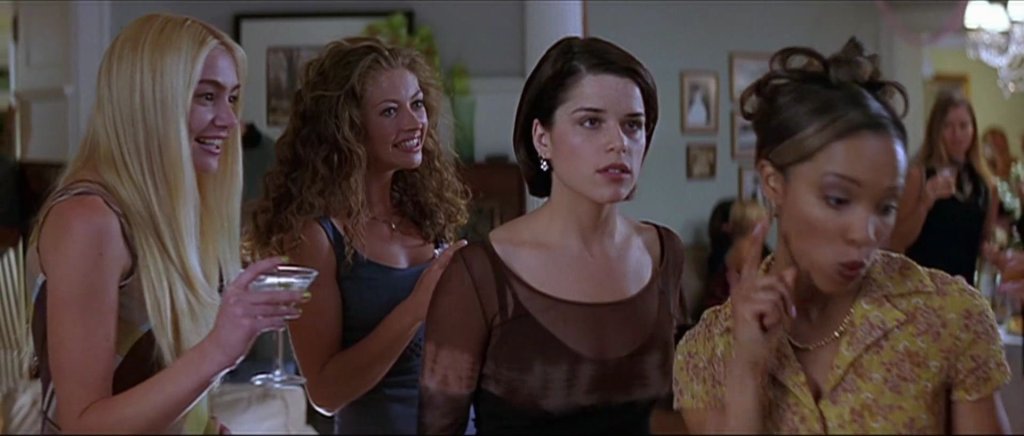
Scream, by virtue of its efforts to portray itself as a real-world execution of a murder spree, goes out of its way to include people who are not targets amid those who will be, for one reason or another. Because of her experience, Sidney is a hot commodity on the college campus, and Lois (Rebecca Gayheart) and Murphy (Portia de Rossi) are trying to get her to join their sorority. At no point does the film even try to hint that they could be targets, but their actions set the stage for a major character death. Much like Scream, this film treats Sidney as the prime target of a series of vicious attacks. Sheriff Hartley (Lewis Arquette) assigns two Officers, Andrews (Philip Pavel) and Richards (Christopher Doyle), to protect Sidney. Joel (Duane Martin), Gale’s cameraman, acknowledges the earlier discussed trope of black characters dying and is one of the few characters to make a quick and classy exit during one of the massacres and actually survive.
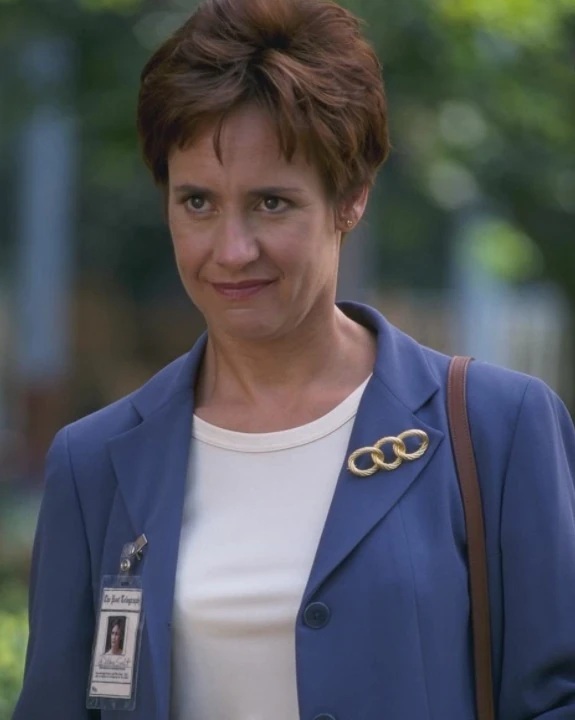
And, in the background, is one character, Debbie Salt (Laurie Metcalf), always lingering… with the film playing off a wonderful little bit of in-universe trivia from the first phone call Ghostface executed. Additional conversations in this film foreshadow the identity of the killer, and how the killer reacts throughout the movie reinforces that at least her identity was always the plan.
Sidney isn’t looking over her shoulder at every little thing, best exemplified when, after the premiere of Stab (the in-universe film of the book that Gale Weathers wrote), she gently ribbed somebody who called her with the Ghostface voice changer by reading their number back to them. Even when news breaks of the murder at the premier, Sidney tries to keep living without letting it affect her, because it “isn’t about her.” Ghostface is all too eager to let her know that she’s wrong. Scream 2 gives us an ending that feels like a happy one, so long as you ignore the song playing in the background. Scream 3 would show that the damage to Sidney’s life was not so easily forgotten. A person can only watch all their friends die so many times before “recluse” becomes a life goal.
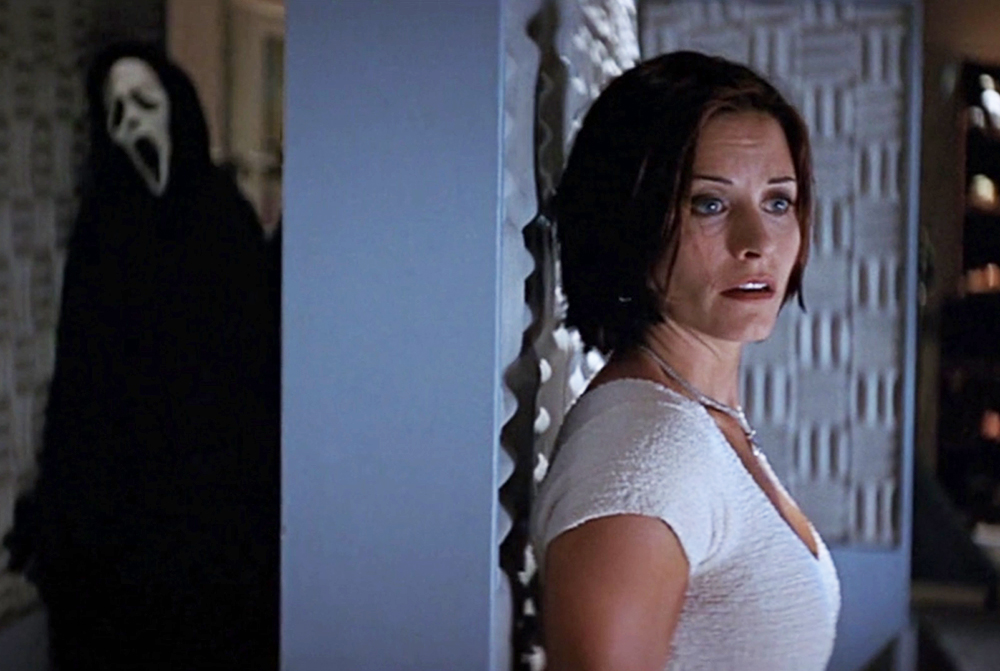
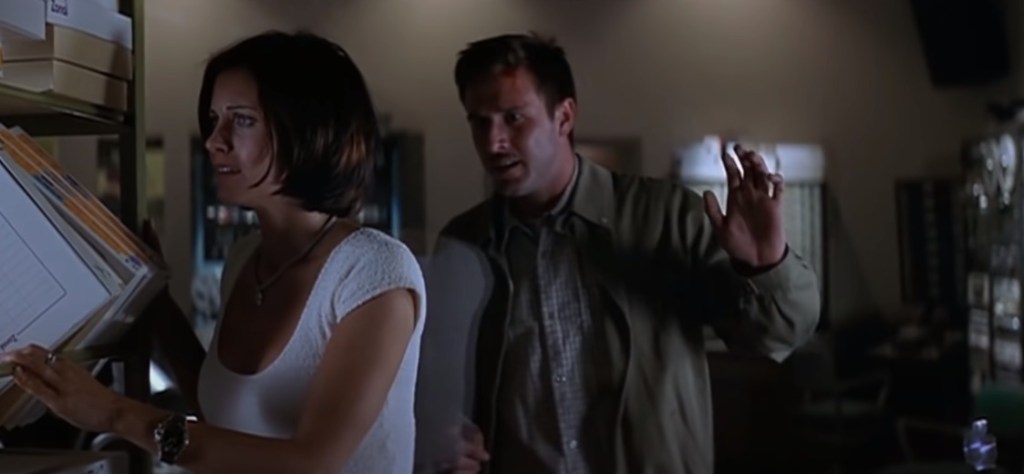
Scream 2 was not afraid to lambast its existence, and that was one of its core strengths. Many people view it as the best sequel, and with more released over time, “best” and “favorite” have become a war. I have never met a Scream film that I do not love, but that’s me. For Scream 2, I have always loved that it didn’t try to be “better.” It worked to be different. Who knows how it would have been received if it had been able to execute its original plan? With script leaks necessitating changes, we can only surmise the reception to the film that could have been, while appreciating the film that it is.
 Lloydd Marshall Books