
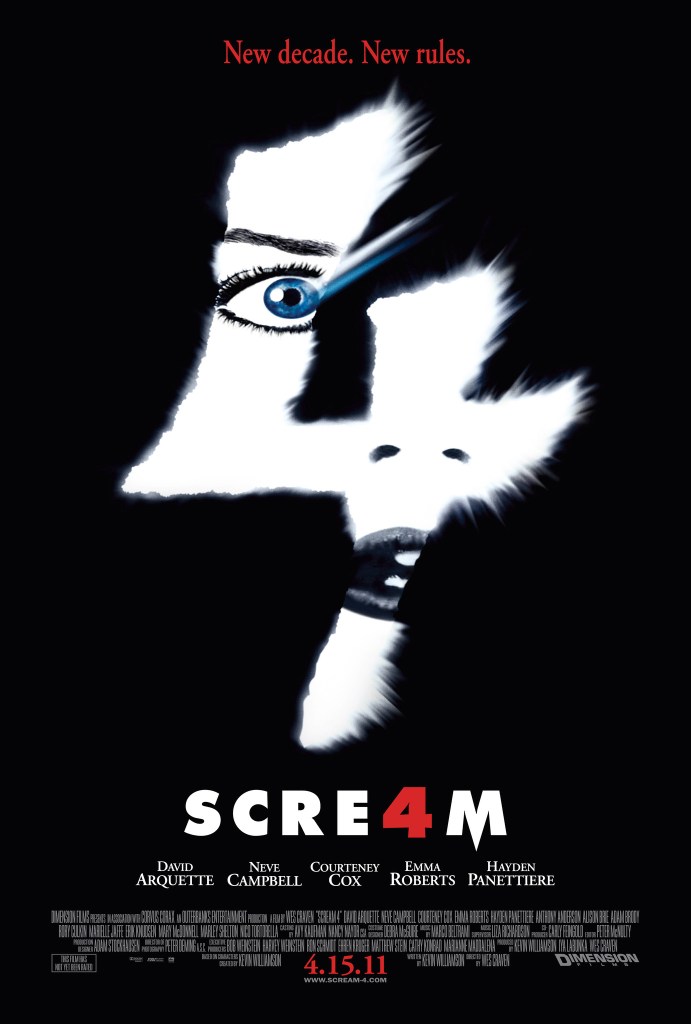
Horror is a commentary of the time in which it exists, and few franchises have been able to understand, let alone execute, that as Scream. With such a large gap between sequels, Scream 4 had the benefit of ten years’ worth of horror to work through, as the genre had changed and evolved so many times that it was, at times, hard to keep up.
Reboots and remakes had become the standard, with original concepts often left to languish either in limited release or straight-to-video release efforts. Scream 4 acknowledged this, but its primary critique on horror as a genre was “what is and is not derivative?” and how that impacts not only the story within the film, but the culture around it.
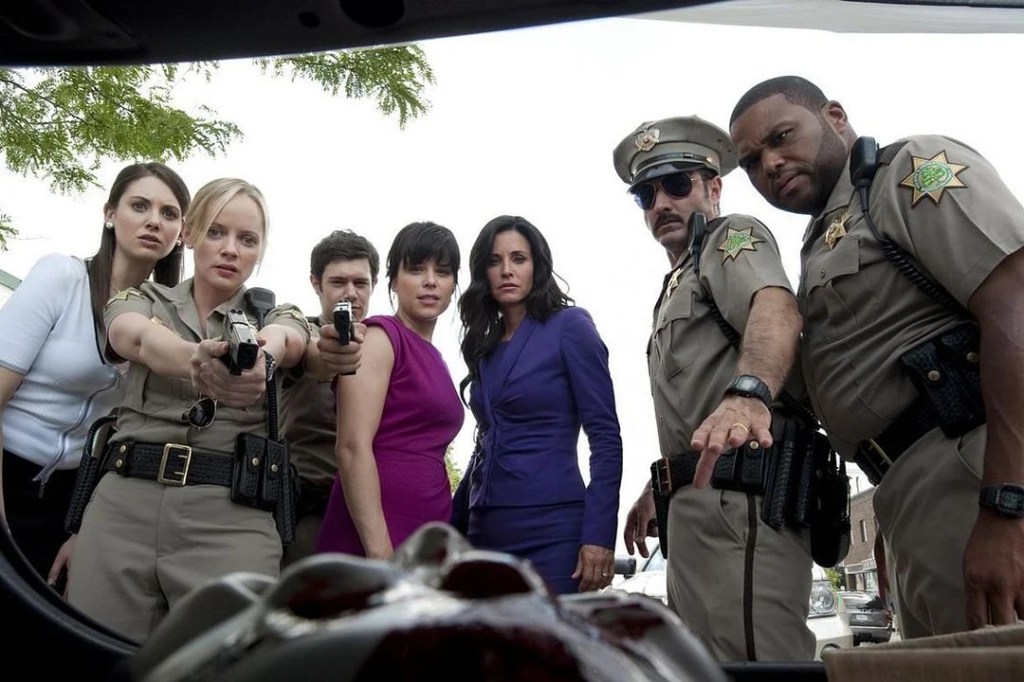
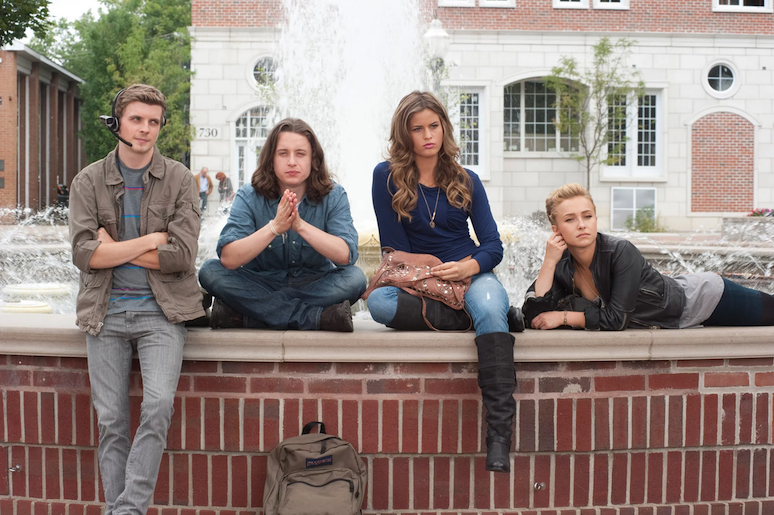
Scream 4 was not interested in being a mere reboot. Truthfully, Scream (2022) tackled that aspect as a core concept in an interesting way while seeking to bring something new to the table. No, for Scream 4, it was about revisiting the roots of the story, but through a subverted lens. What separated Scream 4 from 2 and 3 was its intentional return to Woodsboro in a bid to rebuild the aspects of the original Scream and explore how that has legitimately affected the world it exists within. Our central cast are extrapolations of the original characters. Still, Scream has always strived to make its characters feel not only real but differentiated from one another – even if they are playing to an archetype or character that came before.
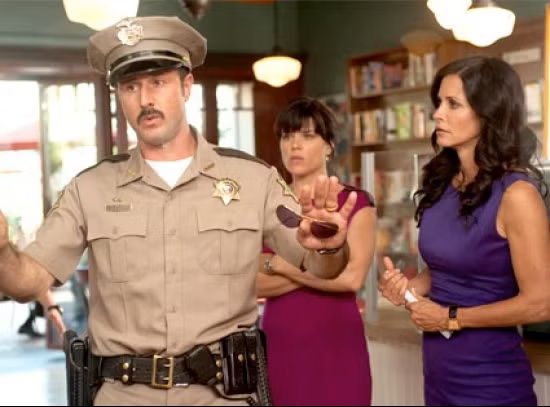
Neve Campbell, David Arquette, and Courteney Cox all returned as Sidney Prescott, Dewey Riley, and Gale Weathers-Riley, respectively. In the years since the last (known) Ghostface murders, they have more or less successfully put the past behind them, but not entirely.
While Scream 7 would thread more aspects of what was happening in the background of Sidney’s life, she herself comments to Jill that she has people she wants to protect now from the threats that surround her. She no longer seeks to be seen as a victim and has written her own book, Out of Darkness. Dewey and Gale have since married and settled in Woodsboro, where their lives have seemingly stagnated. As the core trio, it was great seeing them return and feature centrally in near equal measure.
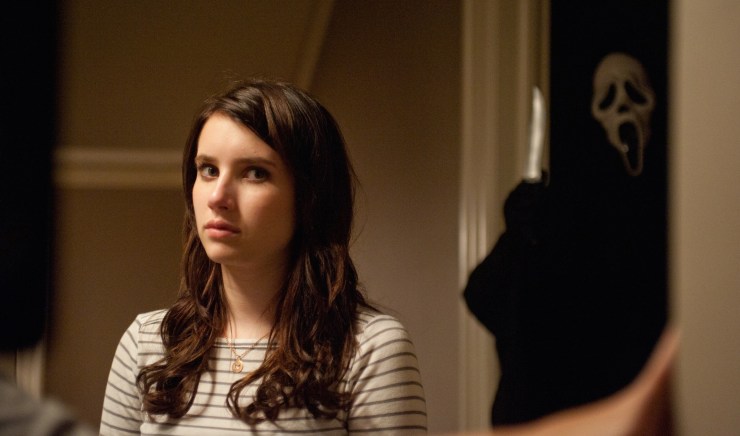
The main ensemble consists of Jill Roberts (Emma Roberts), Sidney Prescott’s younger cousin, who finds herself at the center of a new spate of Ghostface killings. She is positioned as the new “Sidney” in this iteration.
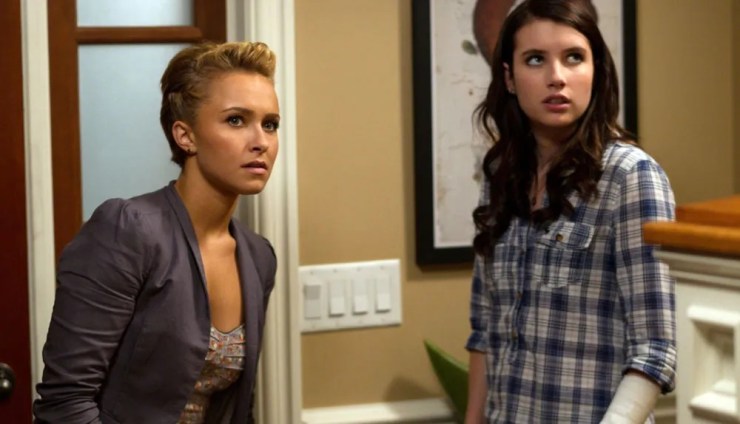
Her best friends are Kirby Reed (Hayden Panettiere) and Olivia Morris (Marielle Jaffe), the latter of whom is her next-door neighbor.
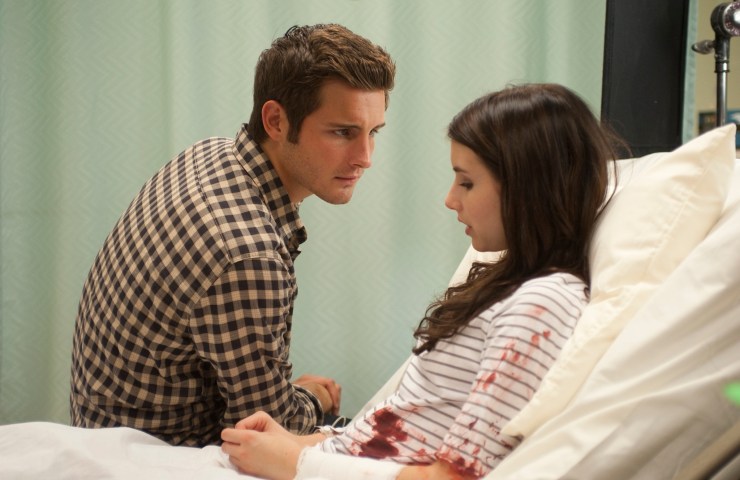
Trevor Sheldon (Nico Tortorella) is her ex-boyfriend who purportedly cheated on her shortly before the story opens.
The rest of their friend group includes Charlie Walker (Rory Culkin) and Robbie Mercer (Erik Knudsen), who are both technologically savvy and fans of horror – Stab, especially. As a core group, they have one more member in their number than Sidney’s friend group (Billy, Stu, Tatum, and Randy), which is one of the first subtle subversions. Beyond that, they are not one-to-one iterations of those characters, but in true reboot fashion, the new killer all but slots them into those roles.
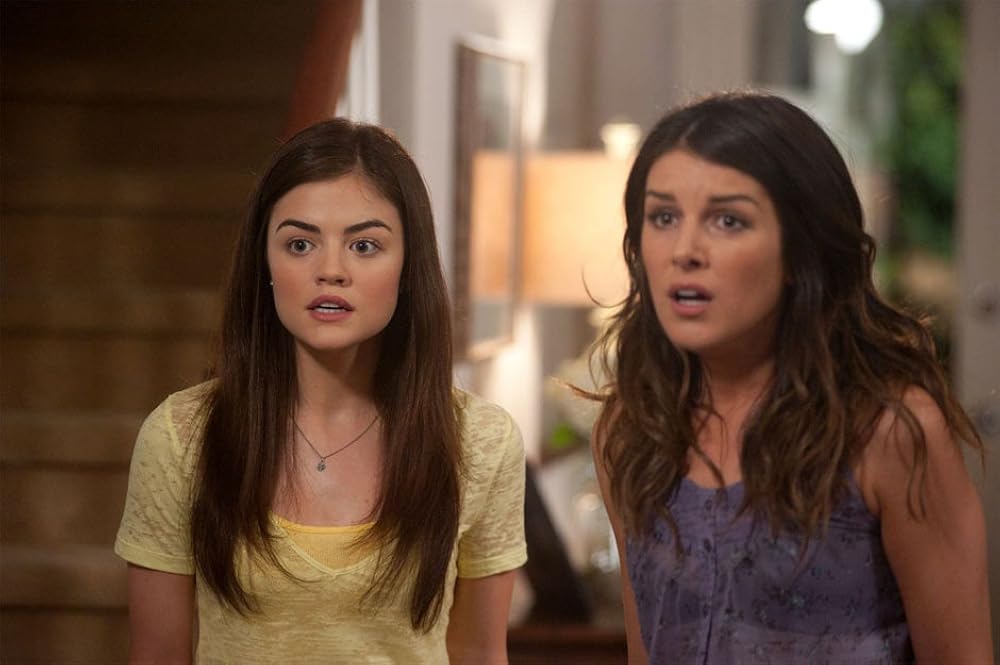
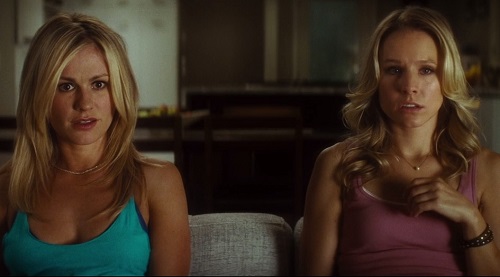
Scream 4 begins with an interesting sequence. We are first introduced to Lucy Hale and Shenae Grimes, who are revealed to be characters from the opening of Stab 6. Then the film transitions to Kristen Bell and Anna Paquin… who are swiftly revealed to be from the opening of Stab 7. It is only after this double fake-out that we meet Marnie Cooper (Britt Robertson) and Jenny Randall (Aimeé Teegarden), the true targets for the opening film. Scream 4 would be the first in the franchise to break the tradition set with Casey Becker and Steven Orth by having two women as the (real) opening kill. The tradition would continue to be played with across Scream (2022) and Scream VI, where the target of the opening attack survives, and an intended Ghostface was the victim, respectively.
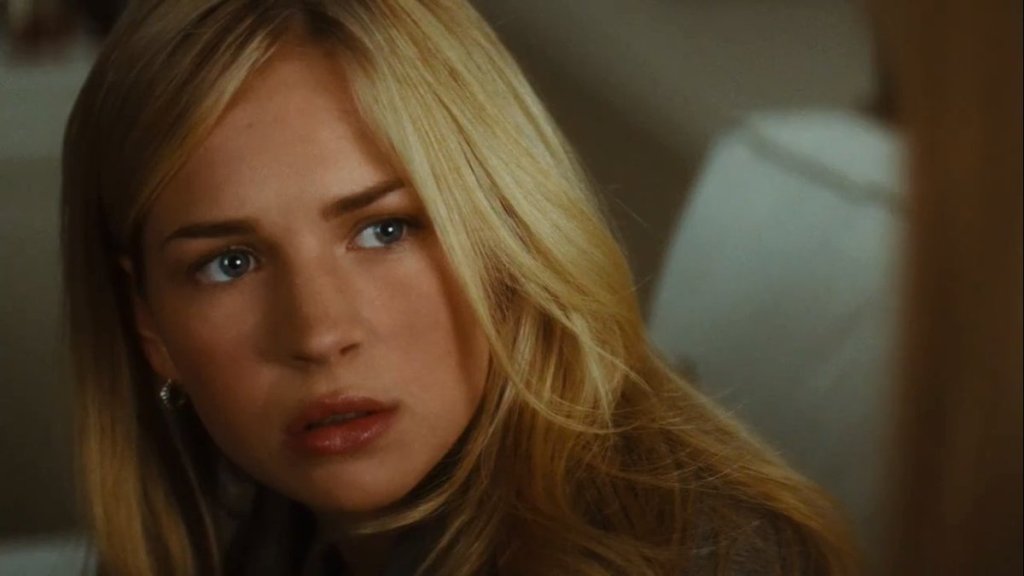
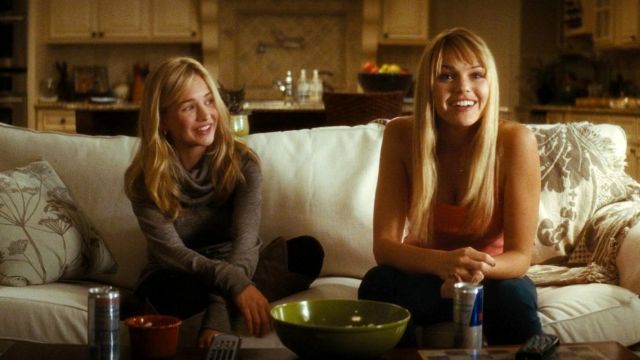
What makes this opening unique isn’t even the fact that it’s two women, but that test audiences had a hand in it being switched out from the original one. In the film as released, Marnie is killed off-screen, and Jenny is presented as the primary target. The marketing showed snippets of the original version, where the order is reversed. While the specific reasons stated were that it was “too short,” “disjointed,” and “confusing,” I would go so far as to say that was a vastly ridiculous list of reasons. Depending on when in the production process, Kevin Williamson (originator of Scream as a concept) had to depart. Ehren Krueger was brought in again for script rewrites, touchups, and large changes.
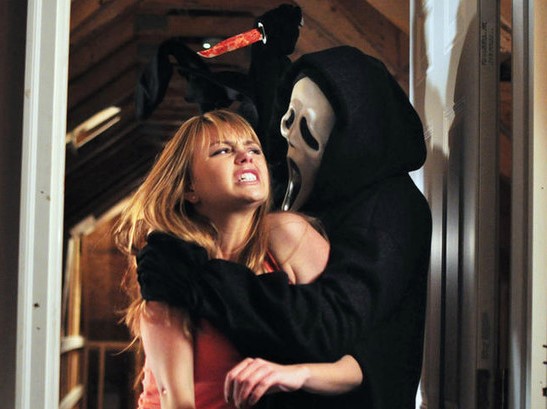
The real reason the order should have always been Marnie and then Jenny (on-screen, at that) was that Jenny’s character was directly tied to the mastermind’s motive. Jenny is repeatedly implied to be the girl that Trevor cheated on Jill with.
What people more often than not tend to miss about that detail is that Stu Macher famously participated in the murder of Casey and Steve because Casey left Stu for Steve (and told Tatum that he left Casey for her). Scream 4 was incredibly deliberate in the narrative choices that it made, and while I like the suddenness of the originally filmed opening, Jenny being the primary target makes narrative sense because she, Trevor, and Jill are representatives of core characters in Scream, but not in the way that seems obvious on first watch. Just as Stu’s relationship with Casey was a blatant motive that the police would have, or at least should have, taken aggressively into account, the drama surrounding Jill would have been a red flag, which is why Jill goes out of her way to position herself as the primary target, rather than the perpetrator. Much like Billy Loomis did…
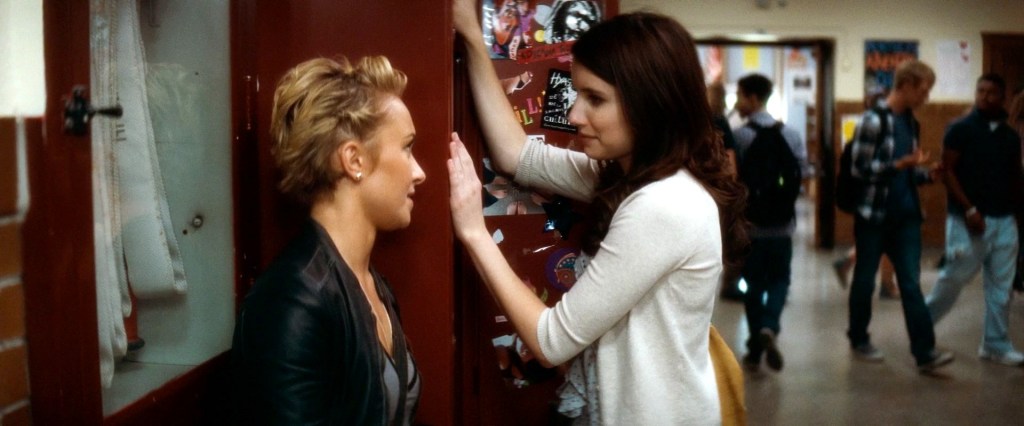

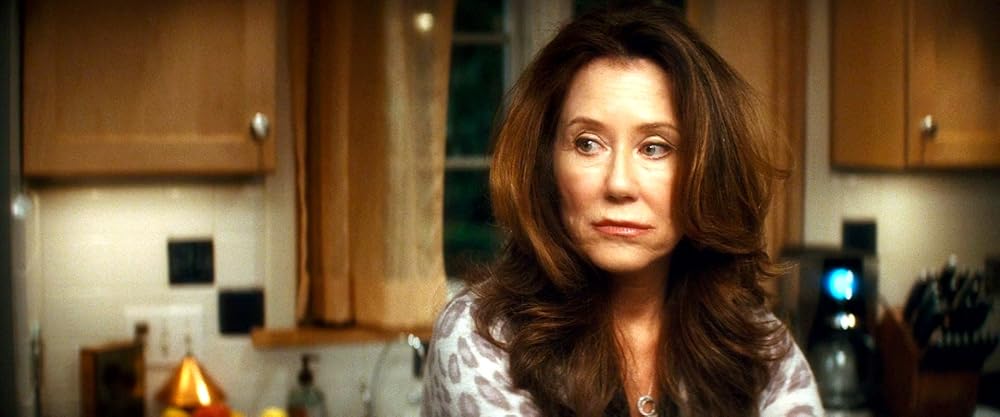
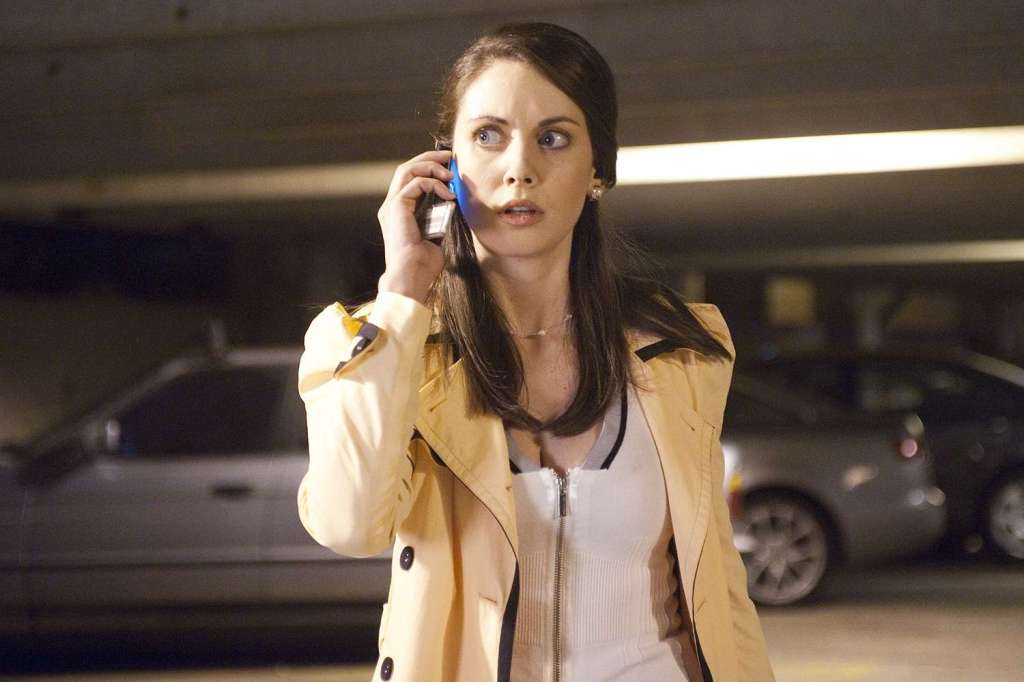
The rest of the major characters include Kate Roberts (Mary McDonnell), Sidney’s aunt and Jill’s mother, with whom Sidney must stay once the murders begin. The relationship between Sidney and Jill is non-existent before the film, because Sidney has worked to put Woodsboro behind her and try to move on. On the other hand, the relationship between Sidney and Kate is complicated – however briefly it is focused on – but proves to be far more stable, even if short-lived. Rebecca Walters (Alison Brie) is Sidney’s publicist who has accompanied her on the book tour and is a darker version of Gale. A feat that I found hard to achieve, and yet somehow they did.
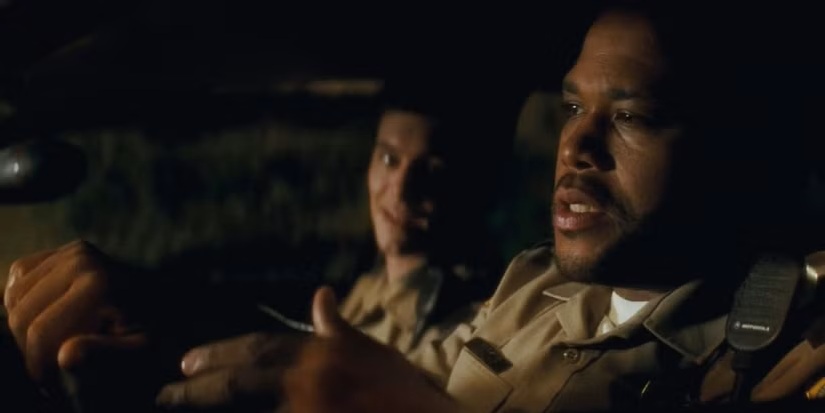
Since Scream 3’s conclusion, Dewey and Gale have married and returned to Woodsboro. In that time, he has become the sheriff of Woodsboro while she has become stricken with writer’s block. His job as sheriff also includes some of the rest of the main ensemble – his varying deputies. Anthony Anderson (Anthony Perkins), Ross Hoss (Adam Brody), and Judy Hicks (Marley Shelton) all play major supporting roles, with Judy in particular being revealed to have been in Sidney’s same year and class during the original massacre.
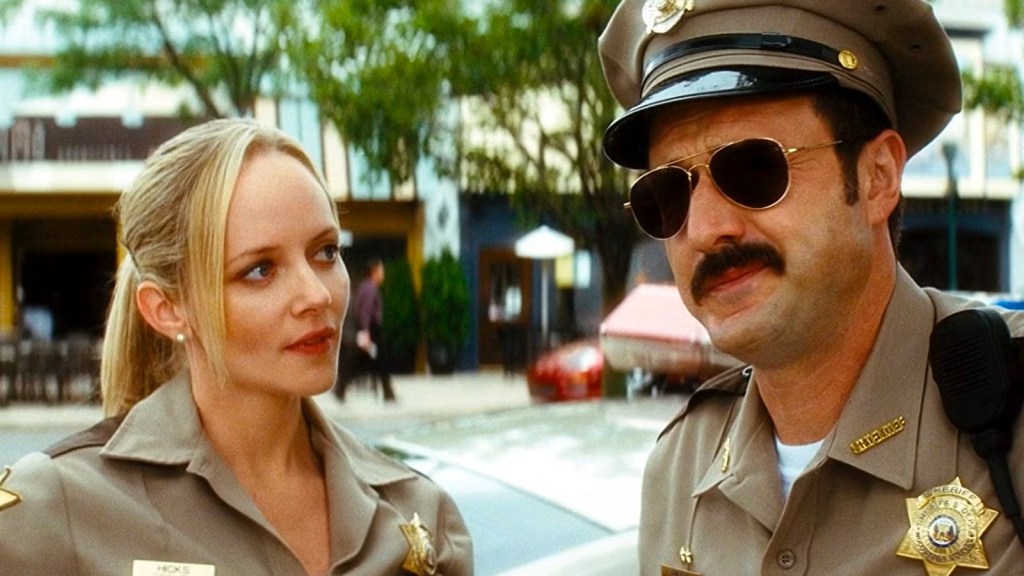
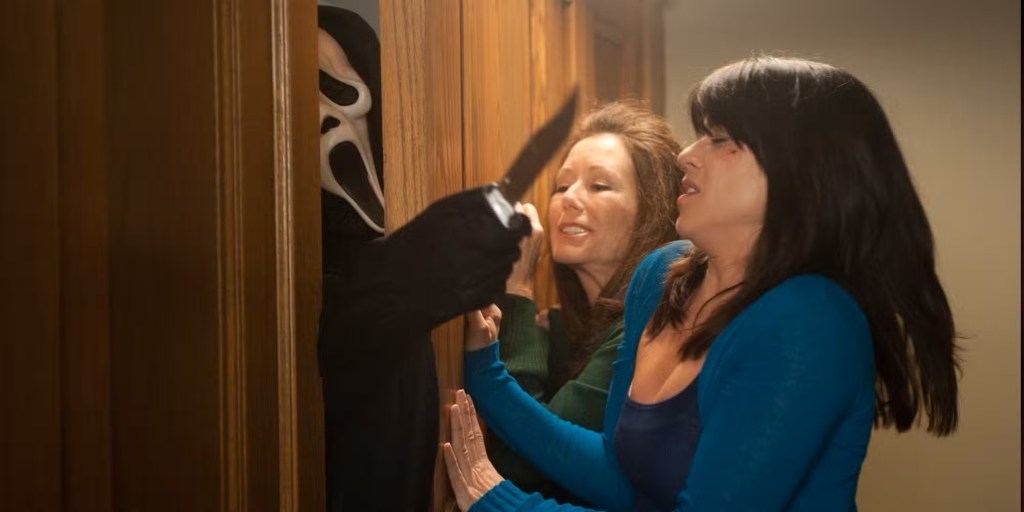
As a Scream film, the characters are not just there to show up and die… usually. The deaths are meticulously planned by the film crew and the Ghostface killer (or killers). They act as obstacles to their plan and motives, which means that some of them can die at any point in the film. How and when that happens is entertaining to figure out and often hints at the killer, even when it is not spotlighted. While the deaths of Ross and Anthony are clearly motivated to remove the police element protecting the Roberts’ house, the death of Rebecca is a klaxon on repeat viewings. While she is interested in getting Sidney to capitalize on the deaths (three at that point), she also stands as a potential vector that could result in Sidney leaving Woodsboro through a slew of media appearances… within earshot of Jill, even if her killer might have been Charlie.
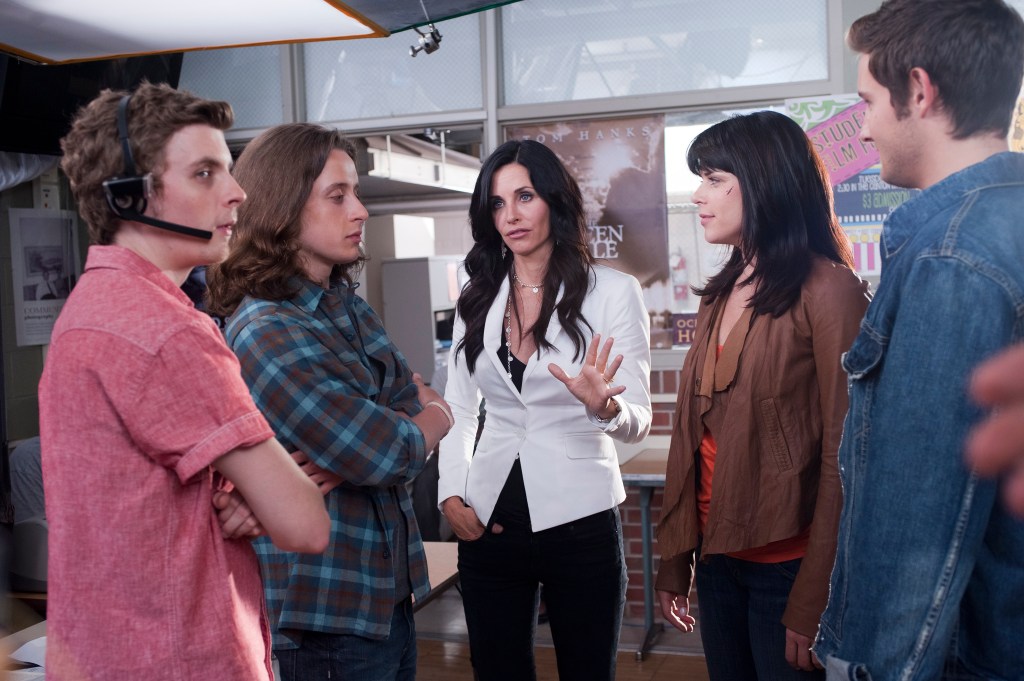
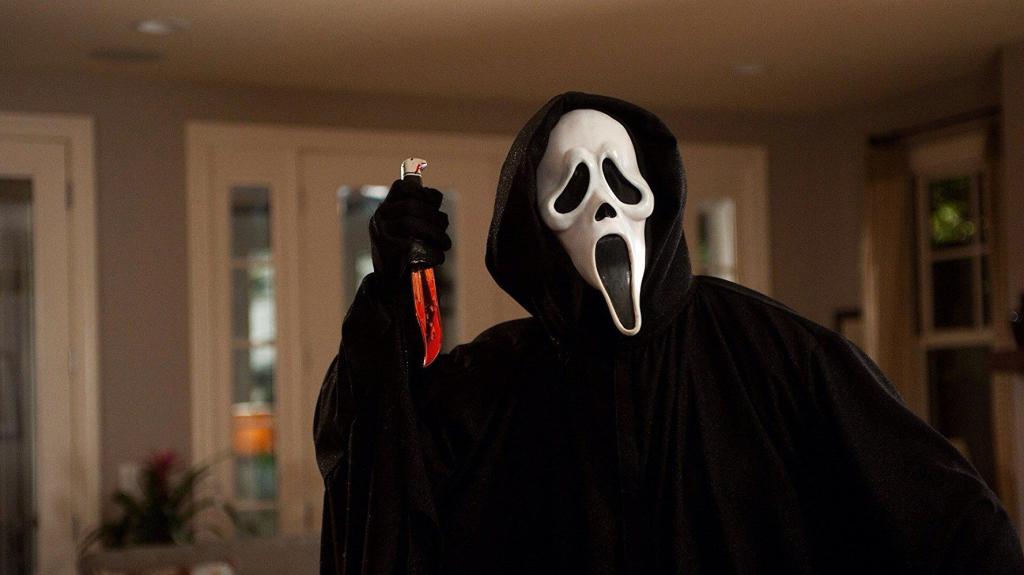
After a decade of silence, news broke of a brand new Scream film, and fans went wild with anticipation and theories. Scream 4 would ultimately prove to be the final film – Scream or otherwise – that legendary horror director Wes Craven would direct. It had his team from the original back to catch lightning in a bottle for a new generation. Scream 4 is, or at least was, as divisive as its immediate predecessor. However, like Scream 3, fans have warmed to it considerably in the years since.
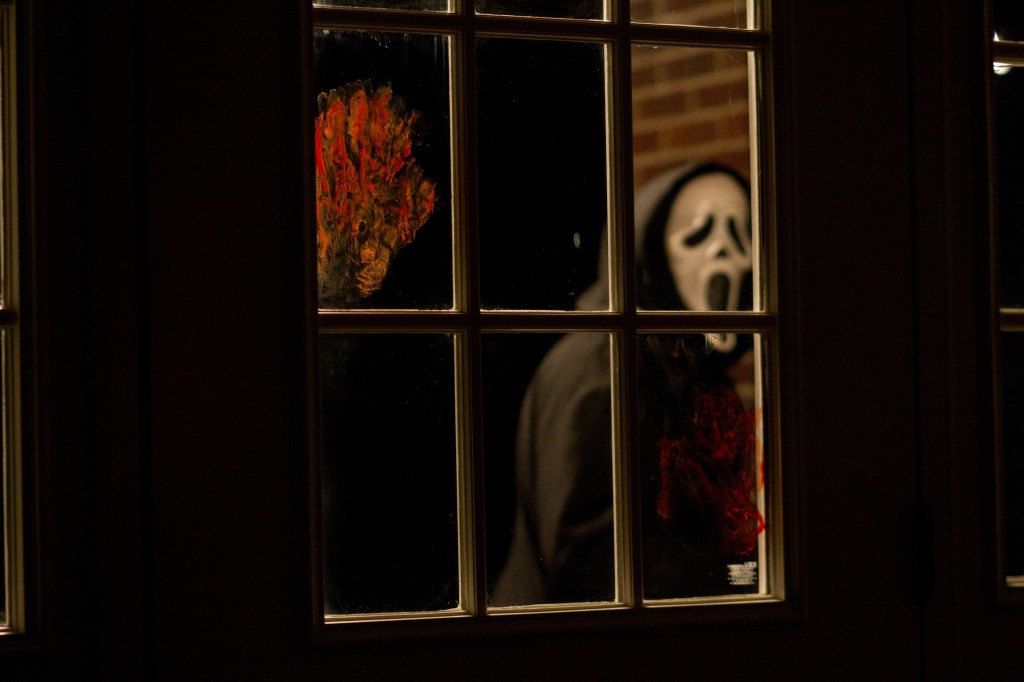
One of the chief aspects that people found to be “terrible” was the motive, but this is because audiences tend not to always grasp the nuance of what they’re seeing until they have enough room to stop and think. That is not to dismiss or discount the opinions of the fans and audience goers. But let’s be honest, Scream 4 called influencer culture years before it would dominate society, and it was not subtle in how it viewed that aspect of its central killer’s motivation.
Scream and its films are, in their own way, often way ahead of their time.
 Lloydd Marshall Books