
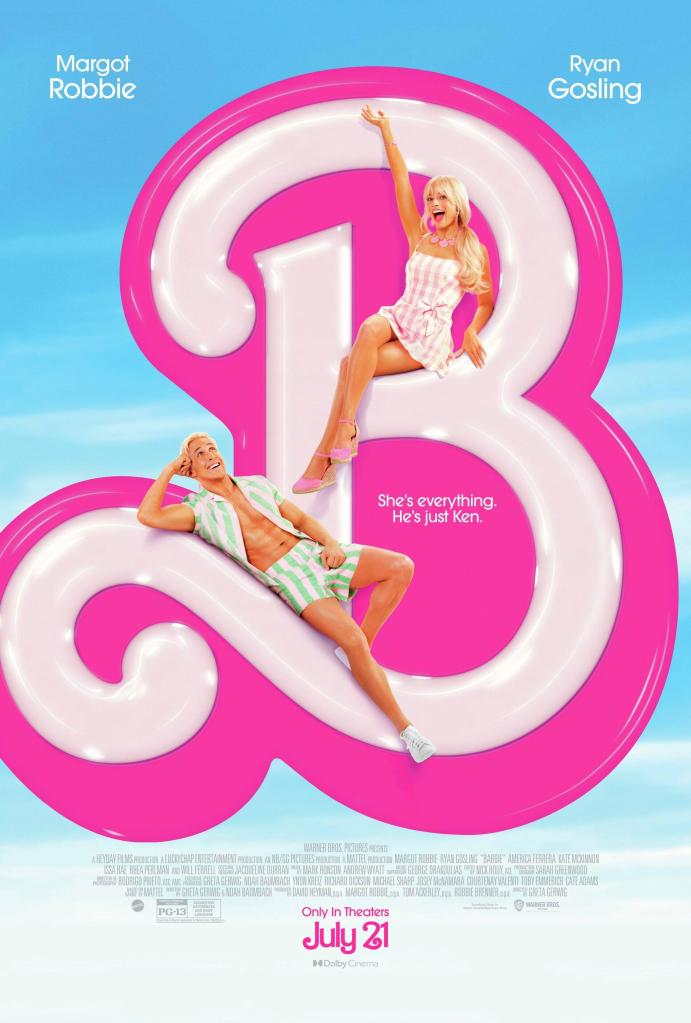
Let’s take a look at the film that caused a literal pink shortage worldwide, starring the personification of one of the most talked-about toys in modern history. Barbie is not new to film, television, or media in general. She has been carried forward in some fashion, pun most definitely intended, since her inception. Booklets and the back of the box always provided a carefully curated life story for the “You Can Be Anything” doll.
A live-action film has been in discussion for years and was announced all the way back in 2009 – proving that fashionably late serves those who arrive prepared for the moment.
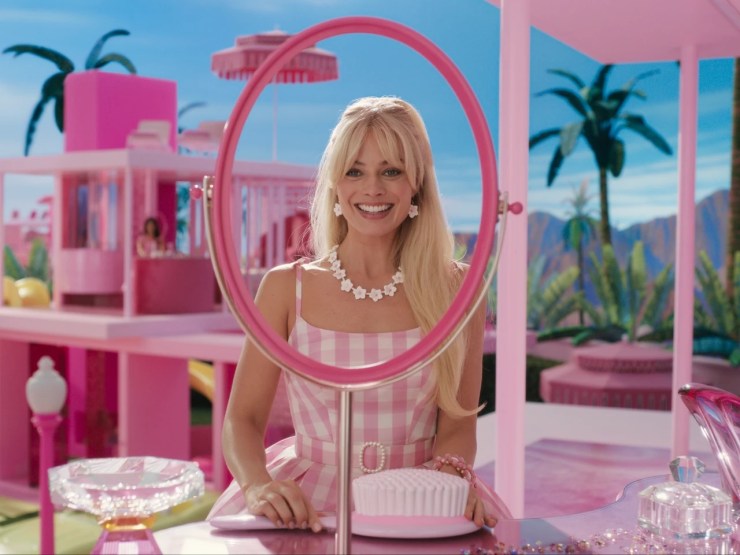
The film itself, directed by Greta Gerwig, starred, and was executive produced by Margot Robbie, renowned for refusing to let the credit act as a vanity title, and Ryan Gosling as Barbie and Ken, respectively. The production process was interesting, with directors and stars coming and going from the moment pre-production officially began in the 2010s and 2020s, ultimately coming together in the film we know today. Barbie was not afraid to embrace what the toy was, while tackling existentialism in an unusually direct manner. What begins as a perfectly lived-in world turns into something untenable for Barbieland, and Barbie (Margot Robbie), in particular. When she sets out to find the child playing with her in the real world who is suffering from darker emotions, she’ll never be able to have her perfect existence back.
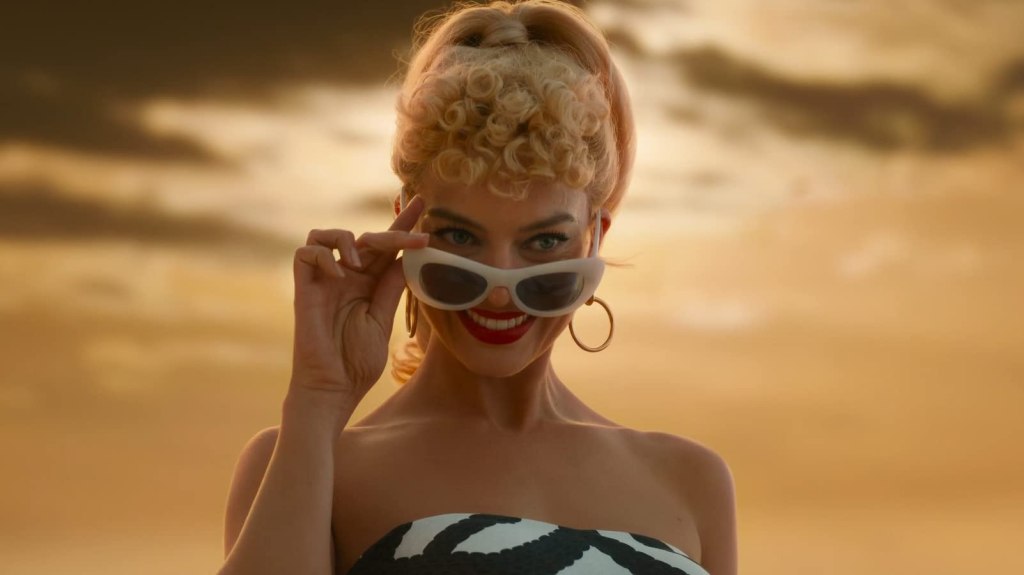
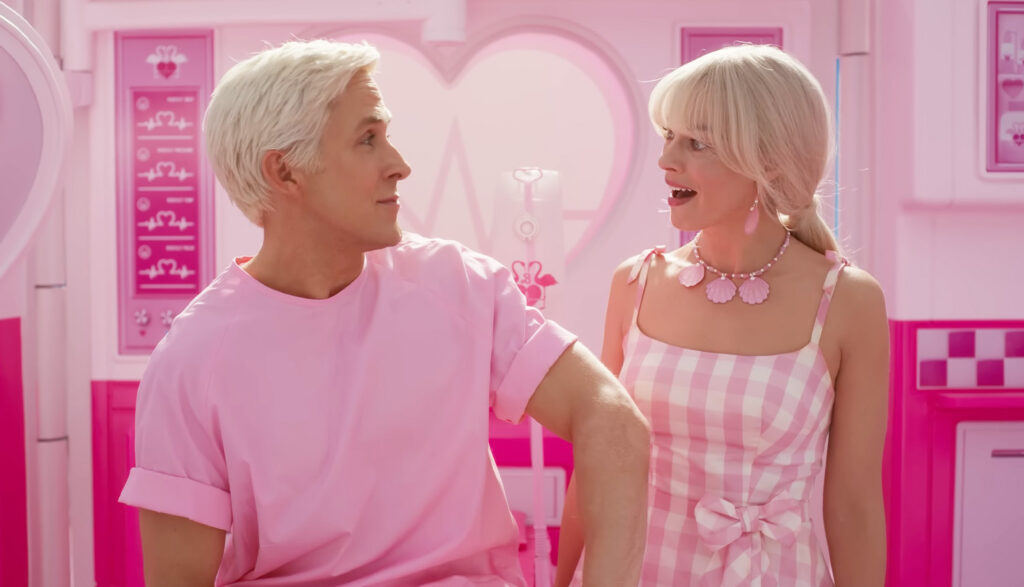
Barbieland is presented, unironically, as a paradise led by women that does not marginalize men – but everybody openly acknowledges that Ken is secondary without being less. The interpersonal relationships between the varying Barbies and Kens aren’t presented as a “bad” thing, just an “is” thing – and the film does not go out of its way to say that things can or should change exponentially. After all, the line is called Barbie, not Ken, or even Midge, Skipper, or Alan – people come for the one in pink, not the one in the background.
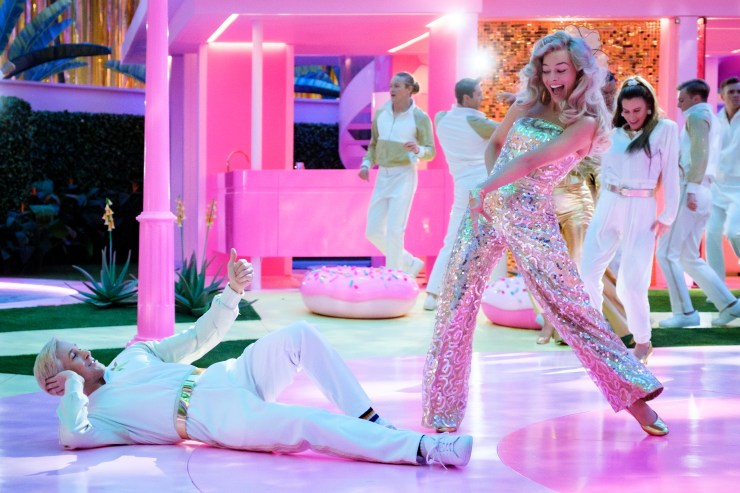
What becomes quietly interesting for that core premise is how it was taken by external audiences – performative, of course, but most controversy these days is. How Ken was treated was overly glossed over or completely ignored in favor of an agenda that the film was not, and never purported to be telling. Ken is thought about in conjunction with Barbie. I know this because it is patently impossible to think about Ken without thinking about Barbie. Still, it is wholly possible to think about Barbie and barely consider Ken or the rest of her supporting doll line. For the reverse to be true, one has to take excessive pains to separate the core identity of the doll line for one side character. A side character, bear in mind, who would not exist without Barbie.
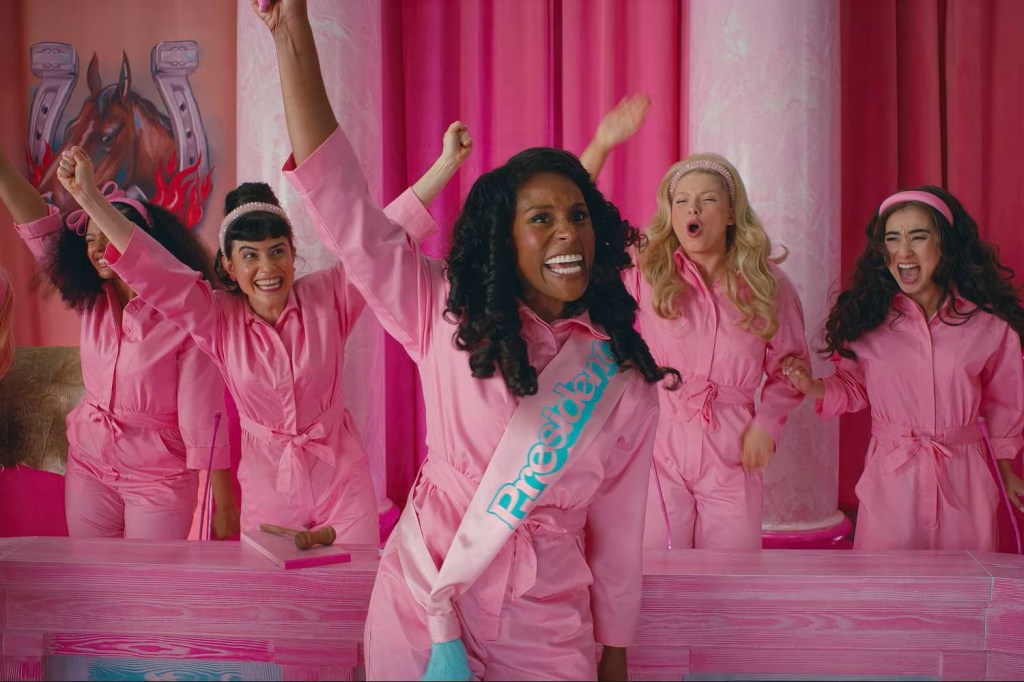
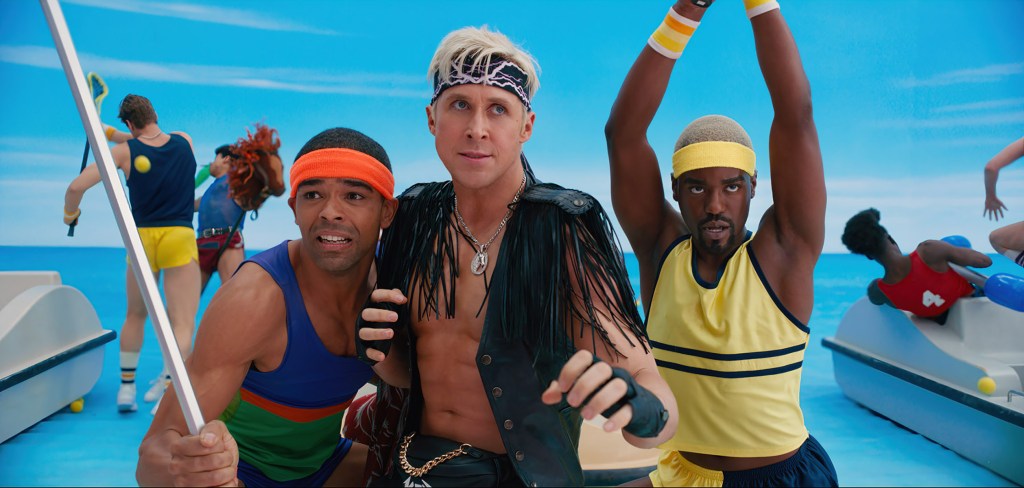
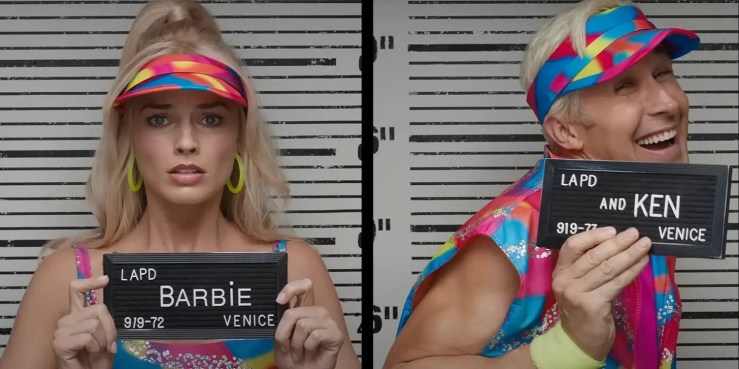
My favorite aspect of the film, emphasized repeatedly and to hilarious effect in the marketing, was that the main ensemble was “Barbie” and “Ken.” The film gives us President Barbie (Issa Rae), Weird Barbie (Kate McKinnon), Writer Barbie (Alexandra Shipp), Physicist Barbie (Emma Mackey), Mermaid Barbie (Dua Lipa), Diplomat Barbie (Nicola Coughlan), and on and on. The Kens range from Rival Ken (Simu Liu) to Basketball Ken (Kingsley Ben-Adir), Artist Ken (Ncuti Gatwa), Stereotypical Ken (Scott Evans), and a last-minute arrival of Kenmaid (John Cena). There are countless actors flitting around in the background playing varying Barbies and Kens, each of them based on the dolls that have filled out our childhoods since 1959. Midge (Emerald Fennell), Skipper (Erica Ford), and Alan (Michael Cera) even show up, reminding us that there are other dolls in the line, even if Barbie’s ever-evolving circle of friends – Blaine, Summer, Racquelle, Nikki, et al – don’t make it to the screen.
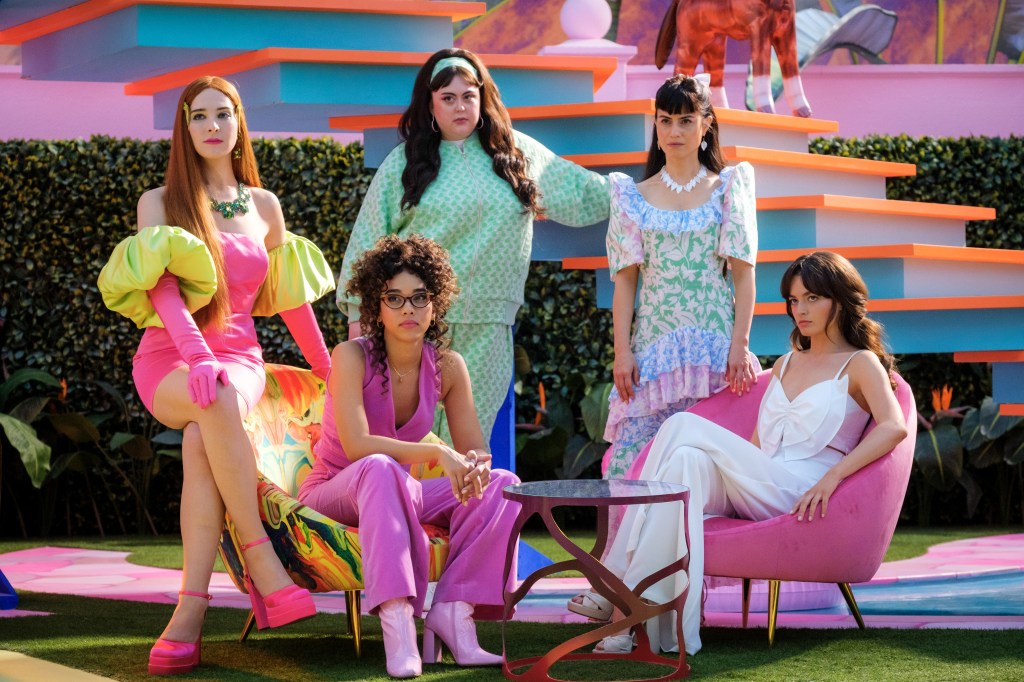
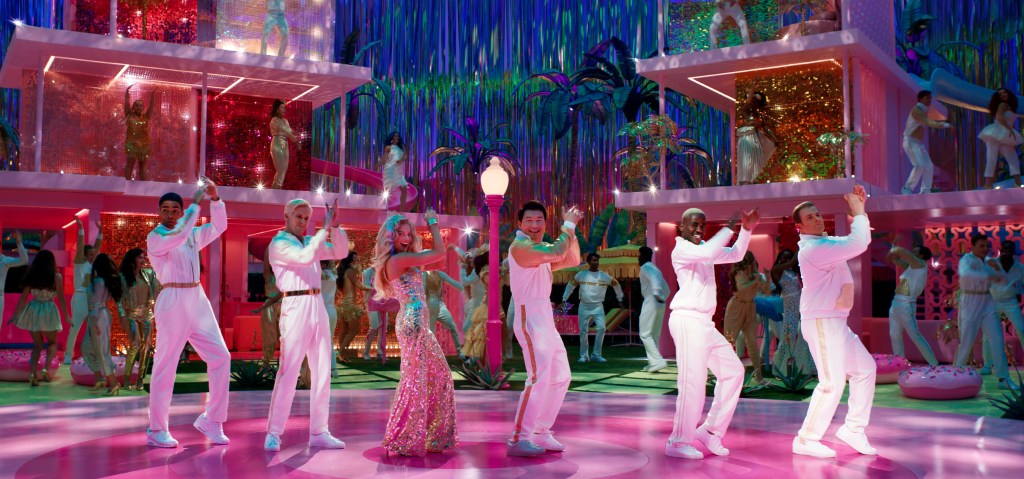
We are also treated to a brief subplot acting as a cameo storm full of “Discontinued Dolls,” which pregnant Midge somehow managed to skip out on, led by Weird Barbie. It includes all the dolls that were deemed overly controversial or just an out-and-out miss on the minds of the people behind the toy line. Teen Talk Barbie (Marisa Abela), notorious for her iconic line “Math is hard!” and “Growing Up” Skipper (Hannah Khalique-Brown), who, when you lift her arm, had her breast grow exist alongside Sugar Daddy Ken (Rob Brydon), a doll that Mattel did its level best to explain after they realized what they had made, aggressively marketed “Sugar” the dog with the character. They exist alongside the likes of Earring Magic Ken (Tom Strouton), who was created after conducting a survey among girls asking if Ken should remain Barbie’s boyfriend – they said yes, but with a cooler look, and Mattel… listened. The movie removed the “adult ring” he wore as a necklace for the film – a stick too far, one might say.
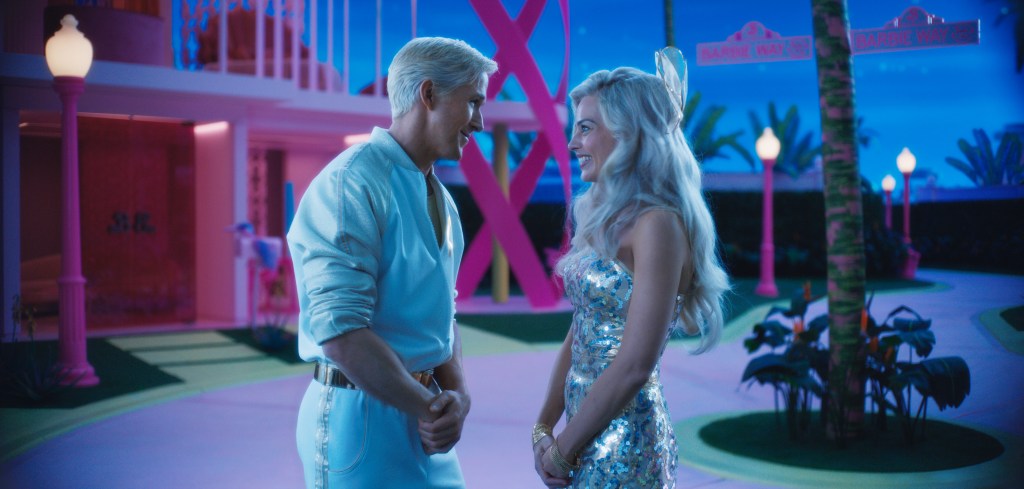
Weird Barbie specifically plays a major role in Barbie’s development. If not for her, Barbie would have languished in Barbieland, unaware of what she should do about her problem.
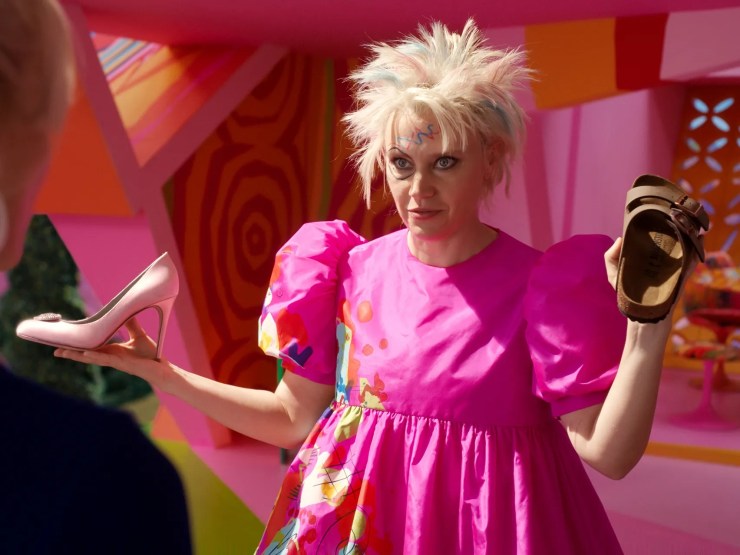
Weird Barbie also, beautifully, represents what the doll means to children – beloved, even when we “destroy” her, because it’s not done out of malice.
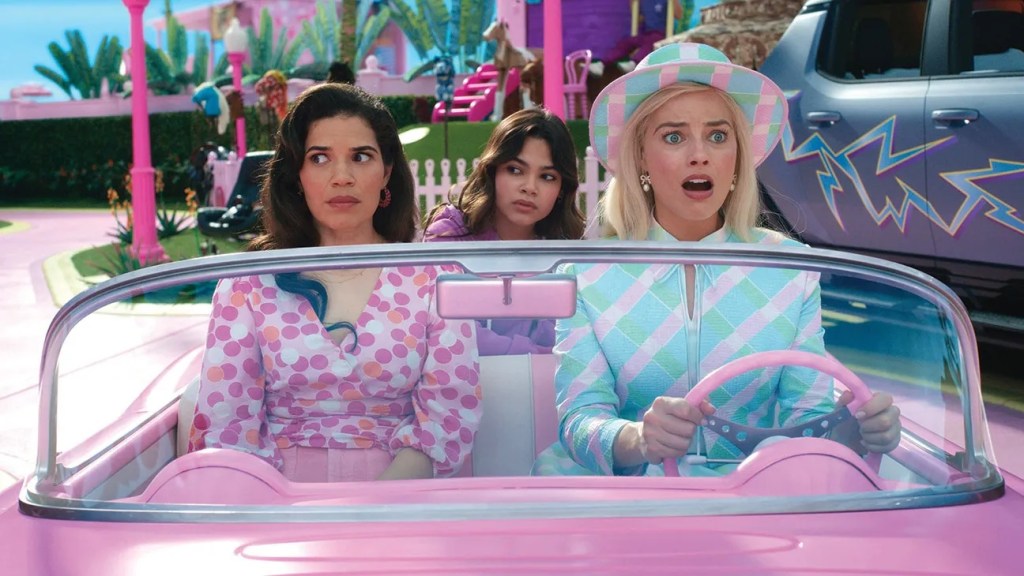
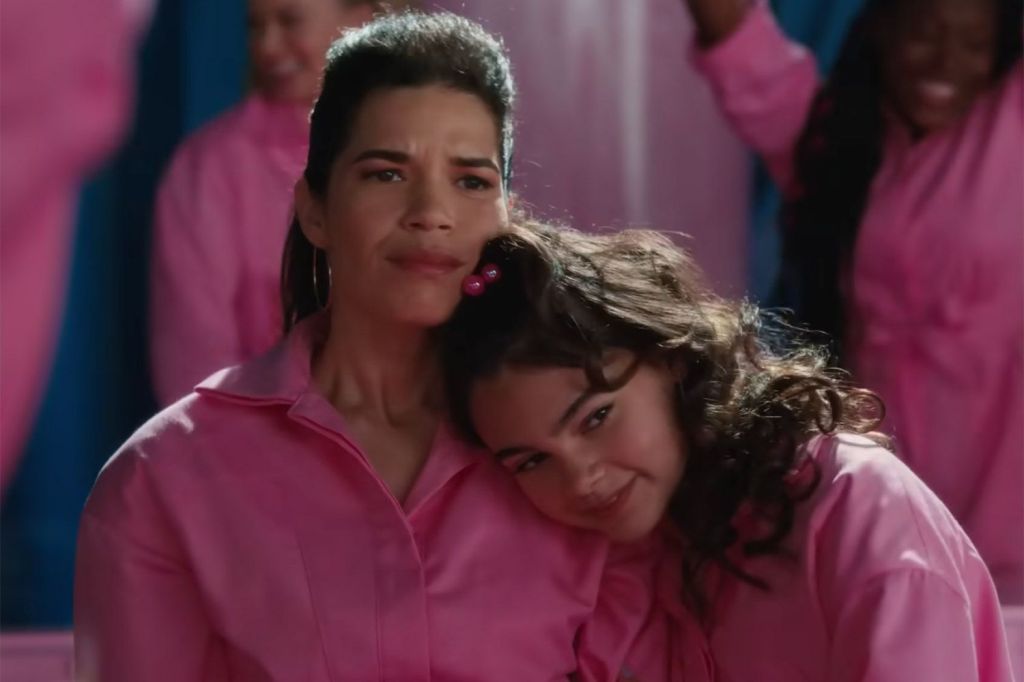
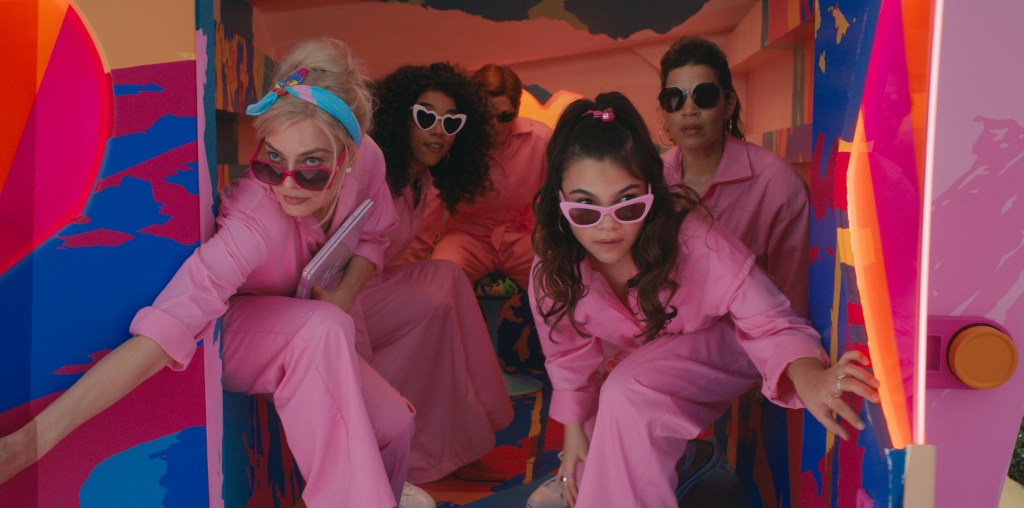
But the film doesn’t stop at Barbieland. The real world takes the center stage in the middle of the film, focused on Gloria (America Ferrera), a Mattel employee in the real world who has been trying to reconnect with her daughter, Sasha (Ariana Greenblatt), as their relationship has grown distant. Barbie (Robbie) initially believes that Sasha is the one she is supposed to reach out to, whose emotional change could be the reason for her existential crisis. The reality is far more complex, and it turns out to be Gloria who needs Barbie’s help. Sasha also acts as a tongue-in-cheek reference, alongside her friends, as the “competition,” Bratz. The likelihood of this not being intentional is up for us to decide.
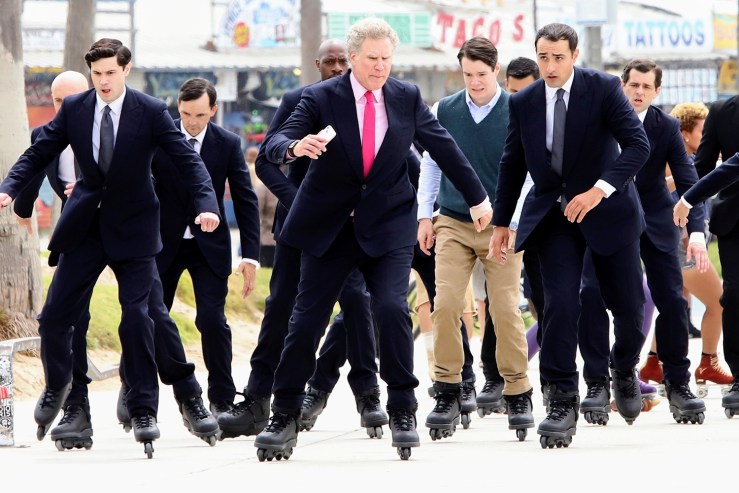
Finally, we have the people who are trying to return Barbie to Barbieland, because it acts as a known, metaphysical place that has a cyclical relationship with the real world.
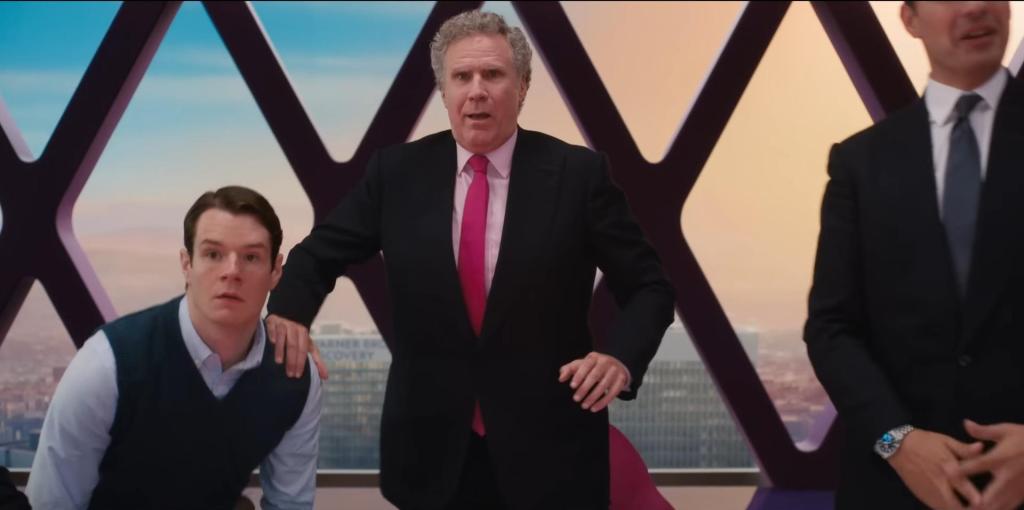
Will Ferrell plays the unnamed CEO, alongside a team of executives who are determined to get Barbie back on track. These include Jamie Demetriou as the CFO and poor Aaron Dinkins (Connor Swindells), a low-level employee at Mattel who has to inform the company that Barbie has appeared in Los Angeles. Ruth Handler (Rhea Perlman) briefly shows up to help Barbie, living as a ghost on the 17th floor of Mattel. Helen Mirren acts as the film’s narrator and, in one of the most emotional moments of the movie that Gerwig had to fight to keep in, Ann Roth plays a woman who has a brief but powerful conversation with Barbie.
What makes a moment viral or, in the esteemed words of some, inevitable? Few people know, especially marketers and executives who spend countless millions, if not more, to catch a trend like lightning in a bottle and unleash it upon the world to their collective monetary gain. Barbie and Oppenheimer created the most interesting, yet entirely natural, viral moment across the summer of 2023. What made this even more ironic was that Barbie’s release date was chosen as an act of blatant revenge by Warner Bros. for Christopher Nolan breaking from them after a years-long relationship that soured over their treatment of his film, Tenet, during the height of the COVID-19 pandemic. Nolan took his entire process with him to Universal, who backed him on Oppenheimer, with an all-star ensemble cast, and secured a premium summer release date – WB’s response was aggressive but managed to fail upwards.
When it came down to it, the response to the films was stunning, but entirely homegrown. There is no ignoring the fact that the films’ tonal differences couldn’t be further from one another. Yet audiences flocked to both, securing massive box office returns for each film amid Barbenheimer fever. Some openly acknowledge that the only tangible reason that Oppenheimer came out with less than a billion in its initial release was that it’s 180 minute runtime compared to Barbie’s industry standard ~120 meant fewer showings at any given time – especially with its three-week exclusive IMAX run being the preferred viewing experience, set against the reality that some theaters lack an IMAX screen and even then there are few, very few, with more than one.
At the end of the day, Barbenheimer and its constituent parts continued to prove that movie studios don’t often know what audiences actually want. Moviemaking is a collective process, and what works with one film may not work with another.
People have begged movie producers not to just make a tentpole film about a toy line because of Barbie’s success or another gritty character bio because of Oppenheimer’s critical and financial success.
It was not those aspects that made the films successful or a viral moment. The thing is, “this is why we can’t have good things” is a maxim for a reason.
Time will show us if Warner Bros. and Universal learn the right lessons from this; history has shown that they rarely retain the knowledge or experience for long.
 Lloydd Marshall Books