
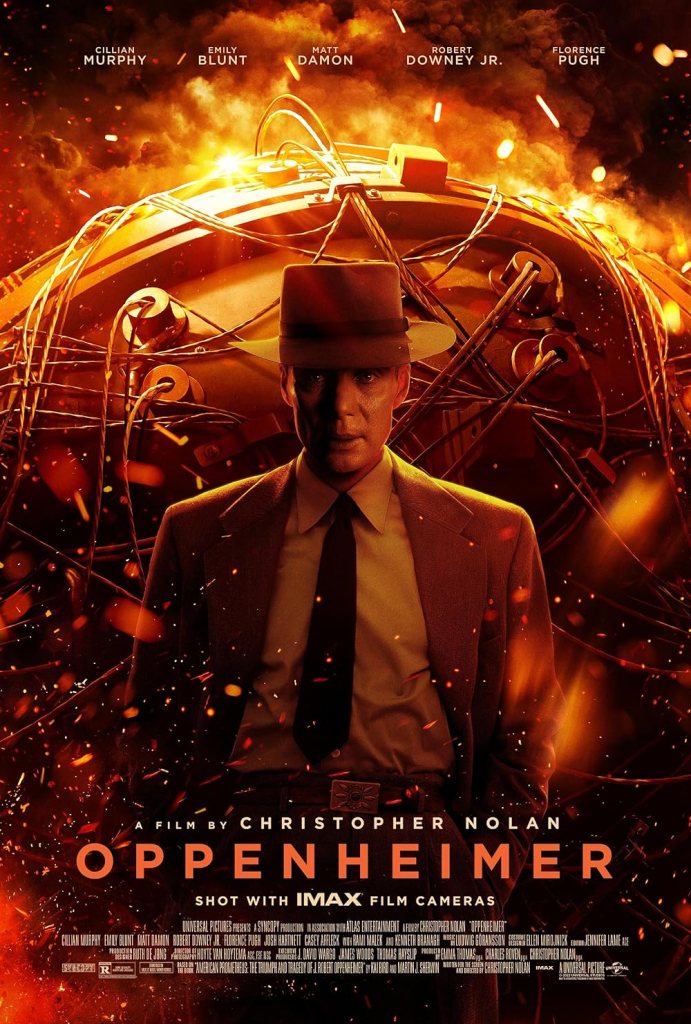
Controversy is the bedrock of good storytelling. Controversial figures prove that they have lived a life worth talking about. J. Robert Oppenheimer is known the world over for his contribution to, arguably, the world’s most deadly weapon of mass destruction. That line, in and of itself, invites conversation. It made the decision by Christopher Nolan to tackle Oppenheimer intriguing.
After all, when a man is known to such a degree that everybody has an opinion on him, what else is there to know? Nolan set out to put that forth and adapted American Prometheus by Kai Bird and Martin J. Sherwin into the first film he released under Universal Pictures after leaving Warner Bros. behind.
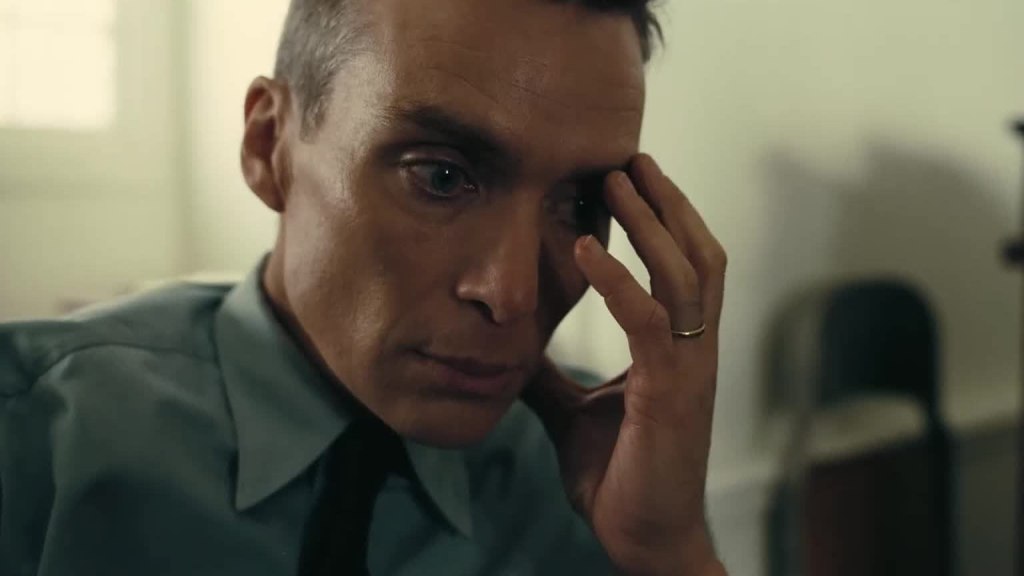
J. Robert Oppenheimer (Cillian Murphy) was a theoretical physicist whose life, study, and work would set the stage for the Manhattan Project and, in its obvious endgame, the bombing of Hiroshima and Nagasaki.
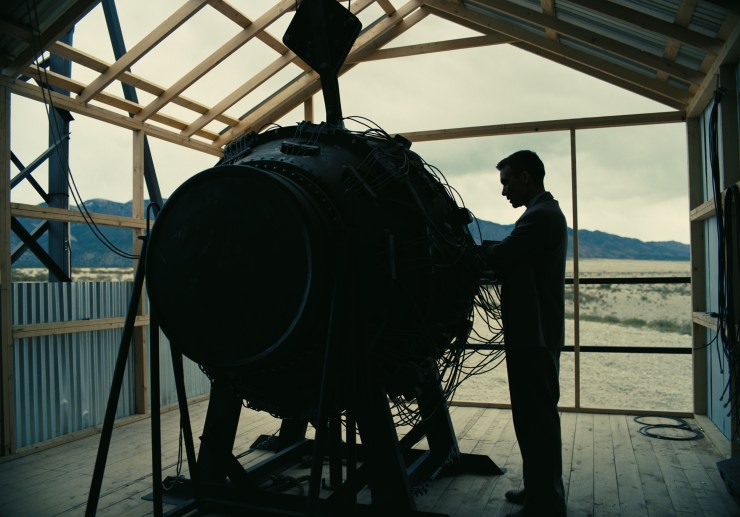
He is known as the “father of the atomic bomb” because of his role in that project, during a time when America was racing to beat Nazi Germany’s scientists to test, build, and deploy a weapon that could, in theory, end the war. Or, as is discussed at length, the world itself.
Oppenheimer’s true weight comes from its nonlinear storytelling technique. The film covers 1926 to 1963, and it does so in two ways. First, portions of the story are being recounted by various members of the ensemble during an inquiry – a witch hunt in all but name – to revoke Oppenheimer’s clearances. The process unfolds in 1954 under the direction of Gordon Gray (Tony Goldwyn), the chairman of the committee overseeing the potential revocation, and allows several members of the ensemble to pass through, offering their accounting of specific events.
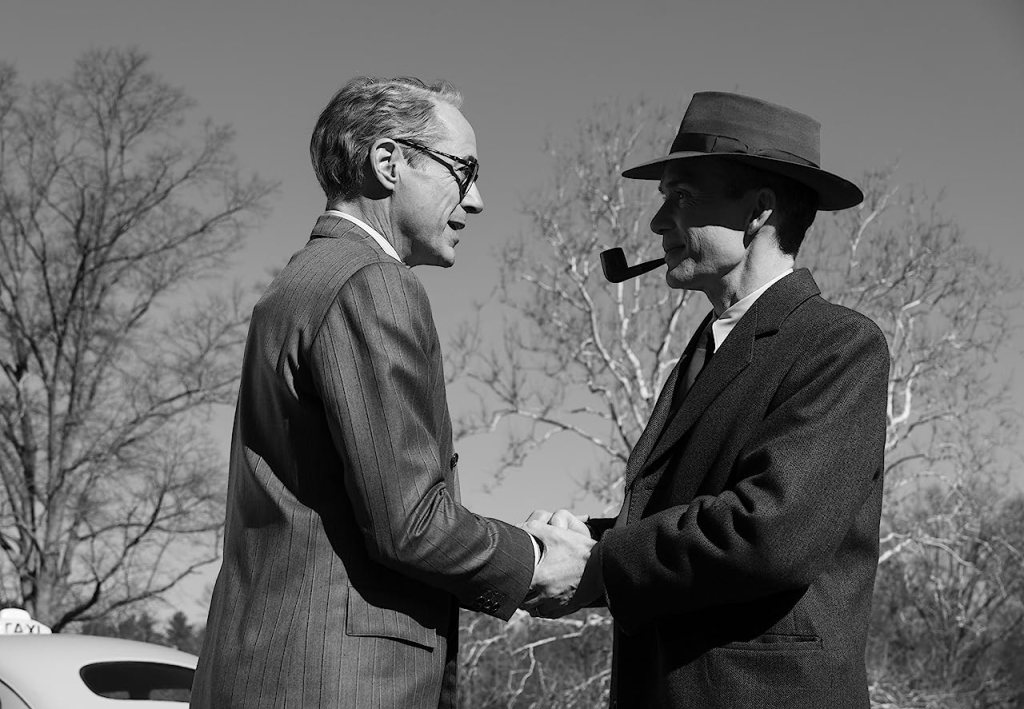
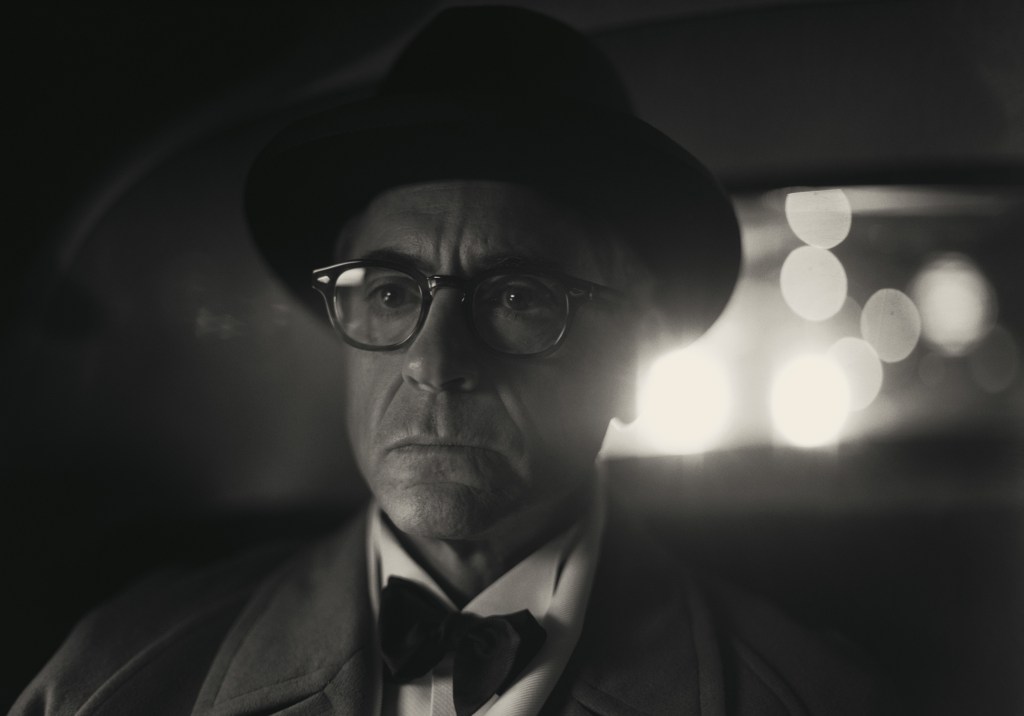
Second is the framing device itself, told through the lens of Rear Admiral Lewis Strauss (Robert Downey Jr.) as he prepares for the committee hearings tied to his nomination as the United States Secretary of Commerce, with an unnamed Senate Aide (Alden Ehrenreich) prepping him for the kinds of questions he’ll face and navigating Strauss through the process. Ehrenreich’s character acts as the audience’s viewing glass – his questions, comments, and the reactions that he espouses act as a reflection of us, the audience. It is a dramatization of the process for our benefit, so that information can be exposited effectively.
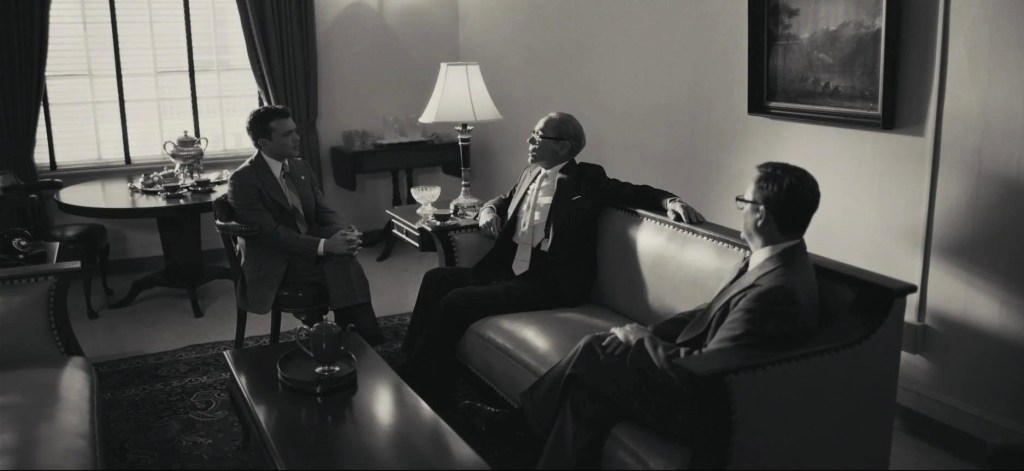
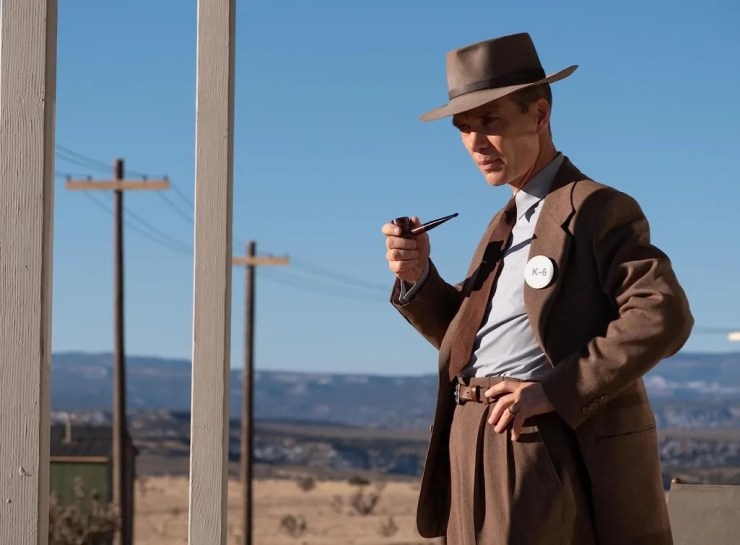
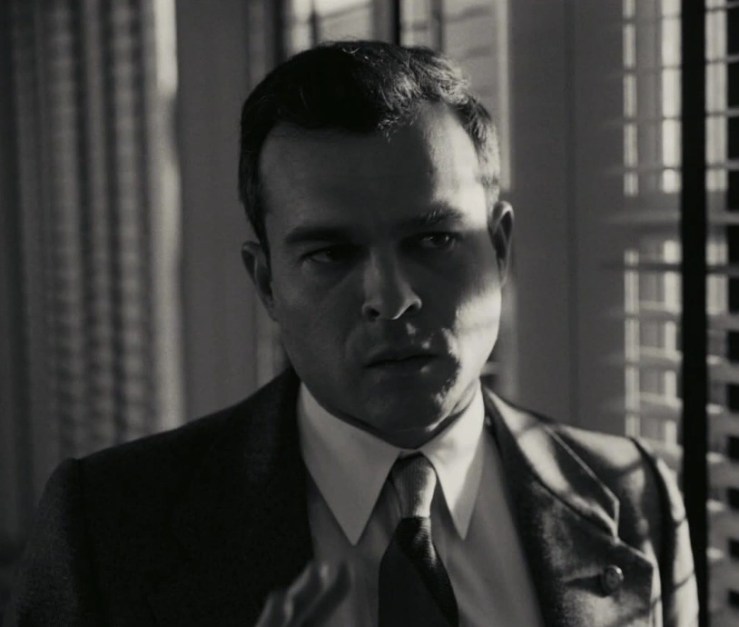
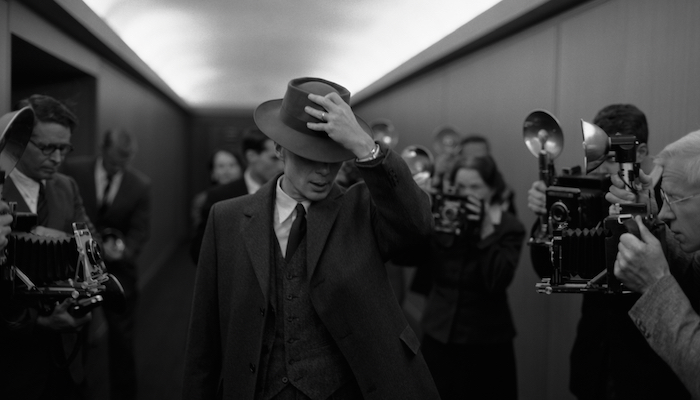
Through both of them, we are presented with the film in two different tones – in color and black and white, with the former representing the subjective interpretation of the film’s events while the latter presents itself as the objective interpretation.
In true Nolan fashion, neither tool sticks to that when it serves the purposes of the story, because, for the most part, those events told in color are centered on Oppenheimer’s portion, while the black and white events are primarily around Stauss’ biased leaning. We are meant to interpret, as the film goes through its story in its nonlinear fashion, what the information we are given actually means. The thing about hindsight is a true maxim: it is 20/20, but we are living in a world that remembers one of these figures more than the other.

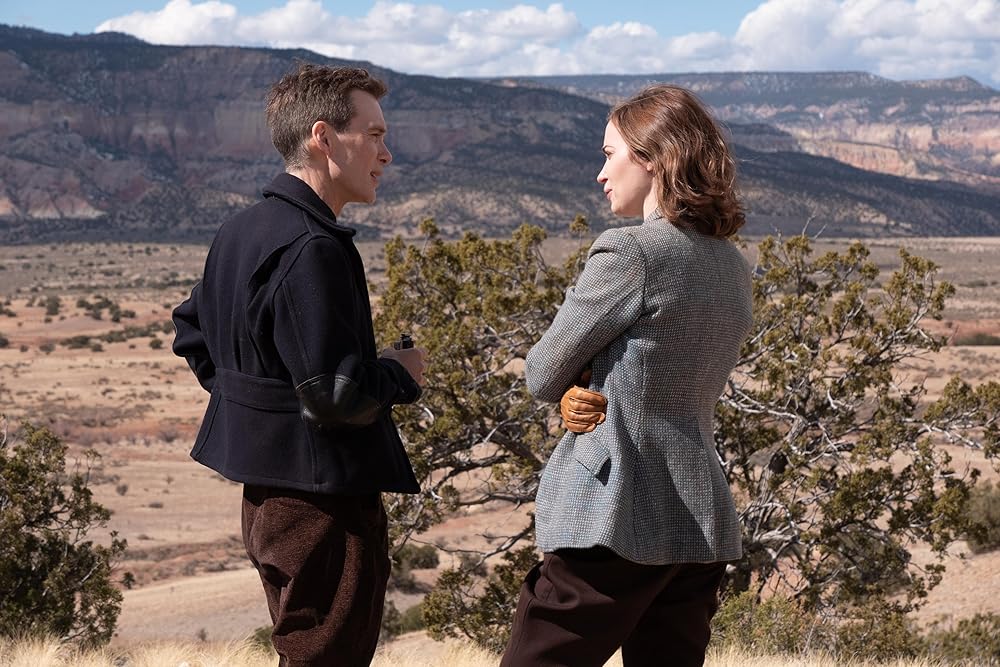
The ensemble in this film is vast and consists of well-known actors in essentially every role. Katherine “Kitty” Oppenheimer (Emily Blunt) is an Ivy League-educated biologist and Oppenheimer’s wife and second big love. His first, and perhaps the more destructive of the two, is Jean Frances Tatlock (Florence Pugh), whose volatile personality entangles Oppenheimer. What makes the relationship between the three truly stand out is that when Oppenheimer briefly returns to Jean, Kitty doesn’t leave him. Still, she does hold him accountable for the choices that he made. Her love for him, or at least her pragmatism about their situation, stands the test of time throughout their lives – up to and including refusing to let the slights against him go unnoted. While the film glosses over the fact that Kitty cheated on her then-husband with Robert, I tend to believe that how the story portrays the implications of their romance is on us for interpretation, as much as anything that is outright stated.
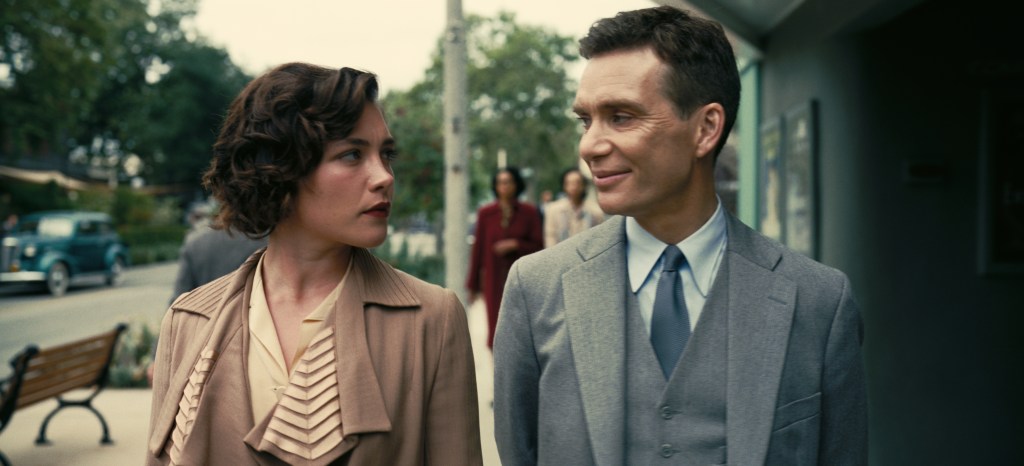
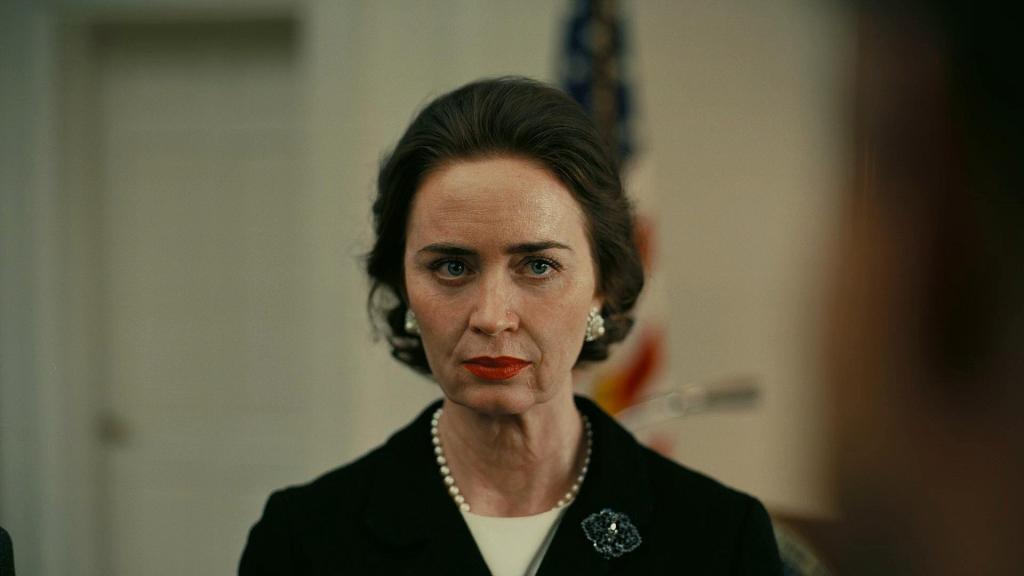
Leslie Groves (Matt Damon) is the man who brings Oppenheimer onto the Manhattan Project in the first place and helped to gather most of the people who end up there, from Isidor Isaace Rabi (David Krumholtz), Robert Serber (Michal Angarano), and Richard C. Tolman (Tom Jenkins) to Richard Feynman (Jack Quaid), Edward Condon (Olli Haaskivi), and Donald Hornig (David Rysdahl). The process fuels much of the middle of the film, with the building of the town on a Native American burial ground, to the immediate aftermath of the bombs being dropped.
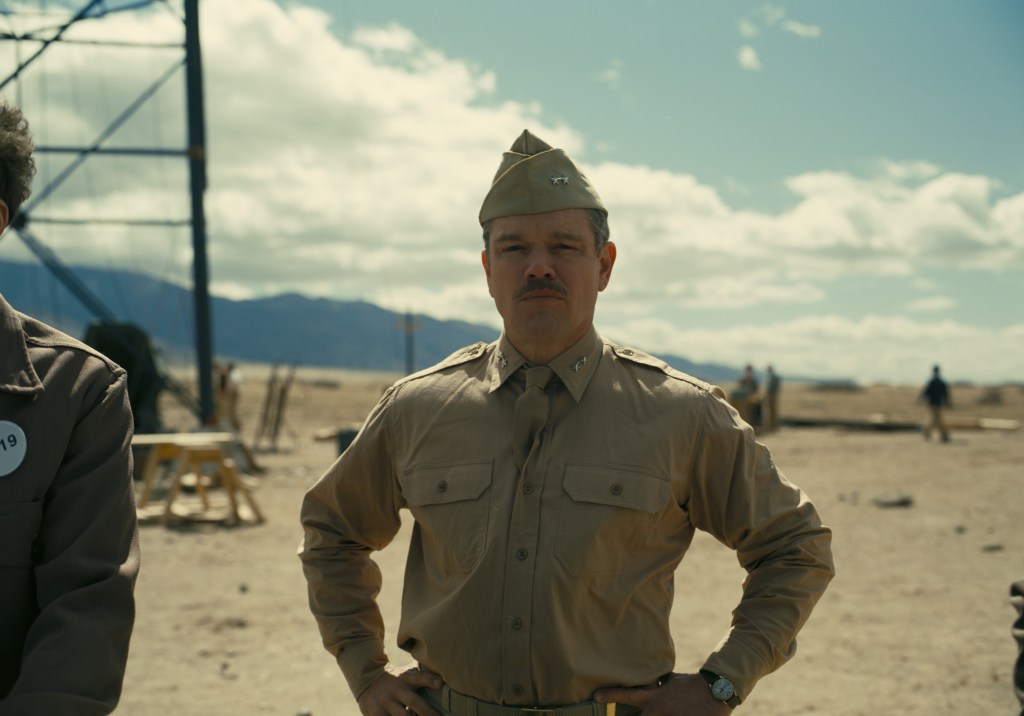
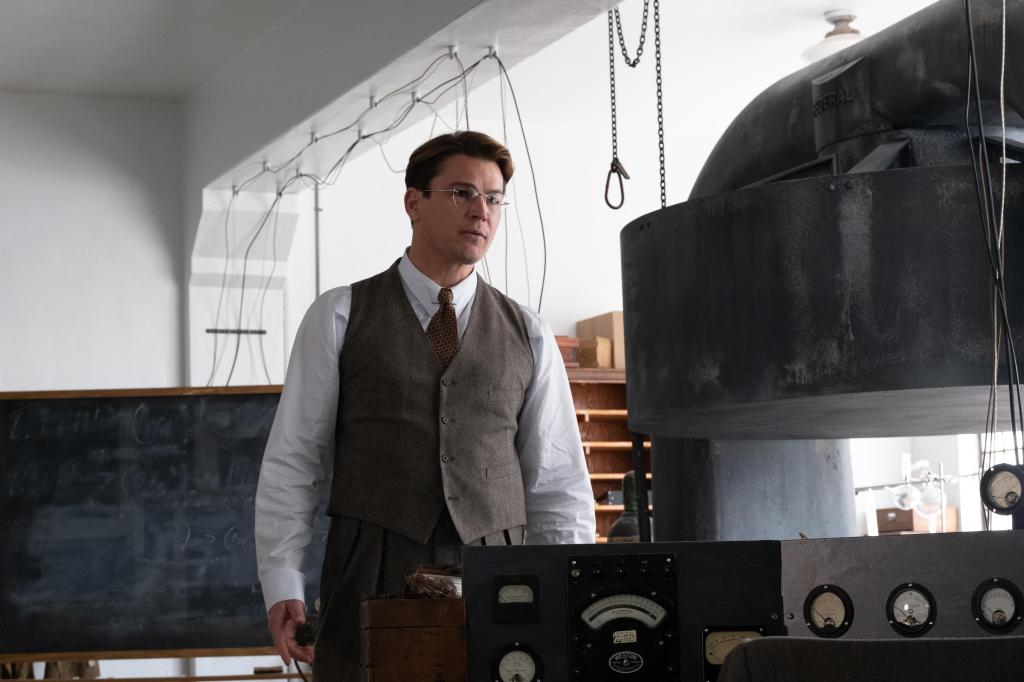
Ernest Lawrence (Josh Hartnett) acts as the person who seeks to keep Oppenheimer grounded, having first met one another during their time together at Berkeley, and continued to work together on the Manhattan Project. He is a counterpoint to Rabi – distinctly so. They are both portrayed as close friends to Oppenheimer upon introduction. Still, where Rabi is protective of Oppenheimer during the revocation hearing, Lawrence’s political disagreements with Oppenheimer lead to them having a falling out. Even so, it is his personal feelings that almost lead him to testify against Oppenheimer, but it is used to show that Lawrence lacks a backbone or follow-through. The man could not pick a side and stick to it.

The security clearance briefing is where a good portion of the film is shown, and where certain people’s agenda against Oppenheimer becomes readily apparent. This is clear in how Edward Teller (Benny Safdie) handled the hearing. While he vehemently argued against the idea that Oppenheimer was a communist spy, he did go out of his way to tank his chances at keeping his clearance – believing that the U.S.’s nuclear security would be safer in other hands.
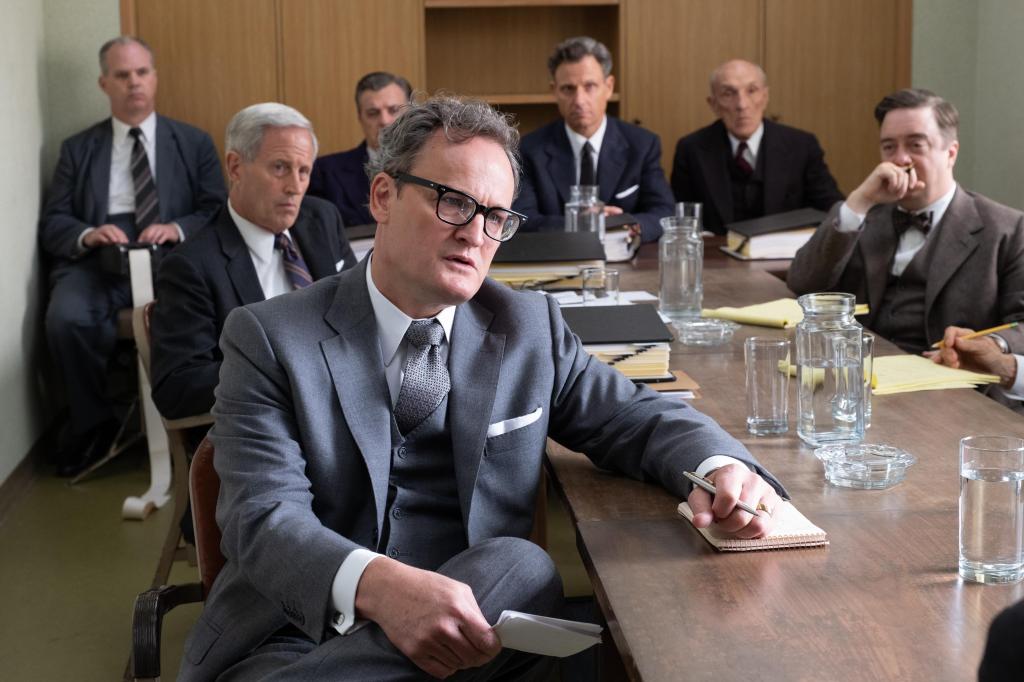
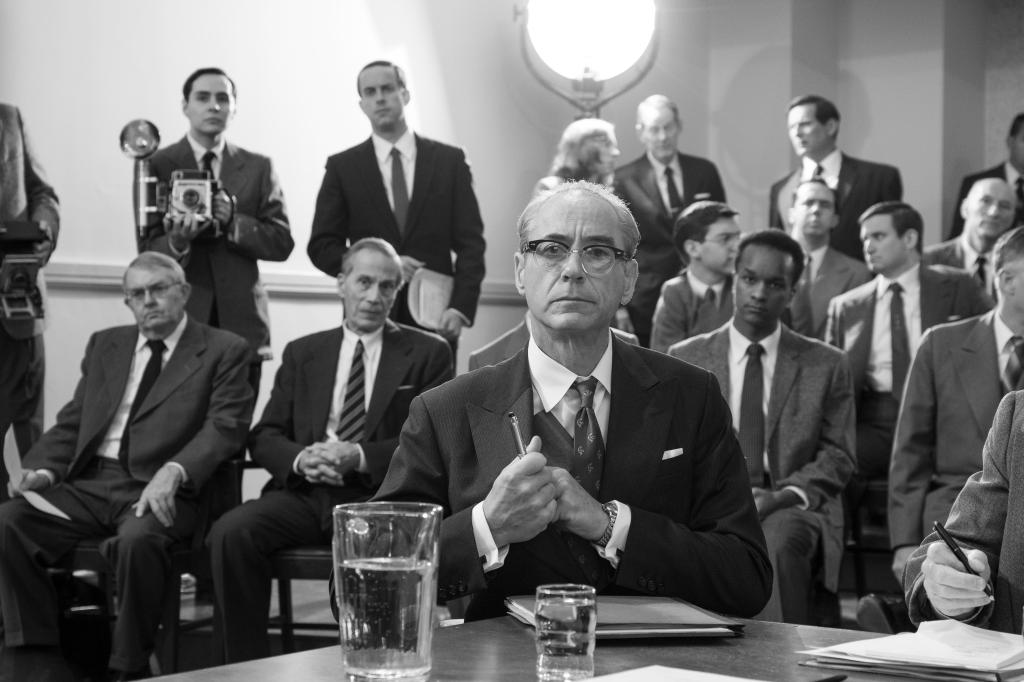
William L. Borden (David Dastmaclchian) acts as the primary instrument for Strauss to derail Oppenheimer during the revocation hearings. His reasoning, though, is understandable from a military perspective. Oppenheimer is standing in opposition to the United States developing an H-bomb, primarily because of what happened when it built the Atomic Bomb. Borden is being used by Strauss, but he has his own agenda. Another central participant is Major General Kenneth David Nicols (Dane DeHaan), Grove’s second in command, who has a personal dislike of Oppenheimer and actively uses leaked information to take him down – though it should be noted that the real Nichols stated plainly that he was disappointed that he was involved, however indirectly, in ruining Oppenheimer’s reputation.
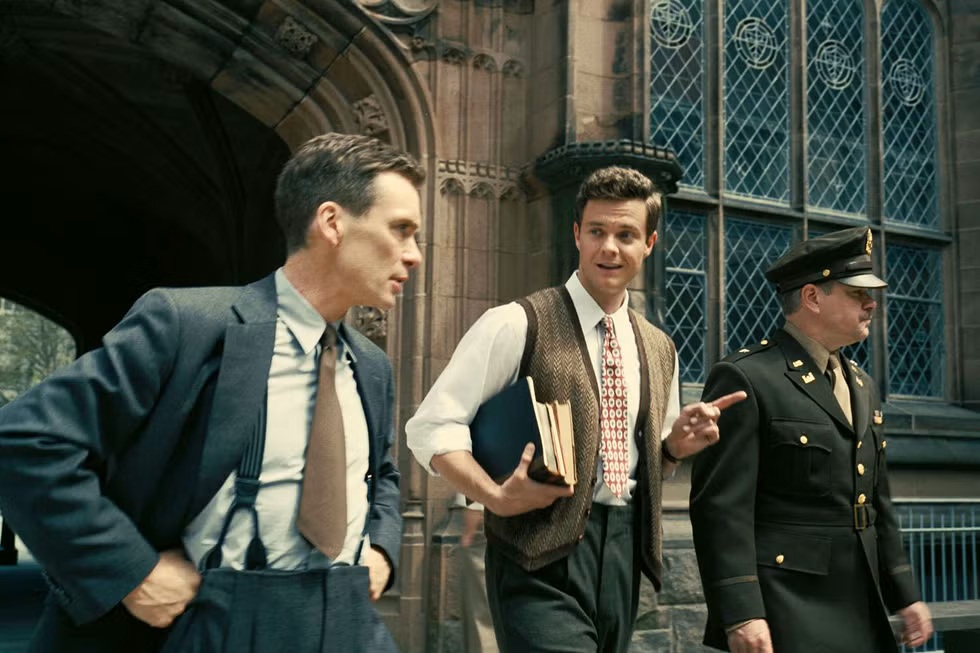
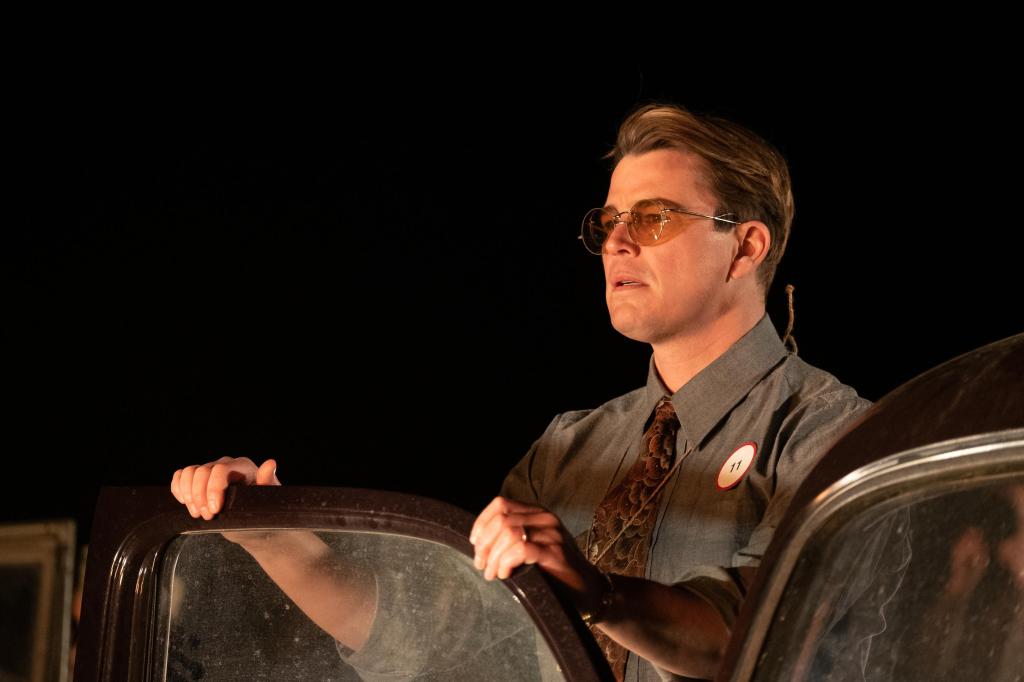
Biographical films tend to fall into a handful of categories, generally because they are attempting to execute a specific feeling rather than tell a factual story. It is a dramatized, fictional recounting of the life of a singular person who existed in our world, and the figures around them. What makes them interesting is that audiences must suspend their willing disbelief to engage with this form of artistic expression in good faith. Looking around our own lives proves, to some degree, that two or three hours in a film could never comfortably tell our stories. Yet we sit back with that knowledge in the back of our minds and see them anyway.
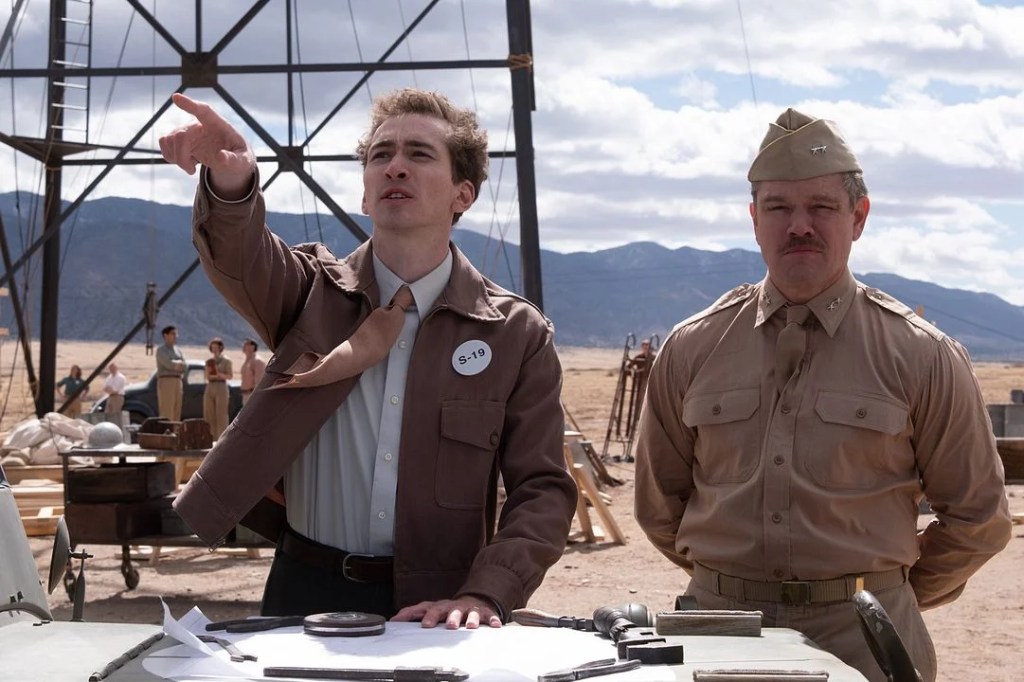
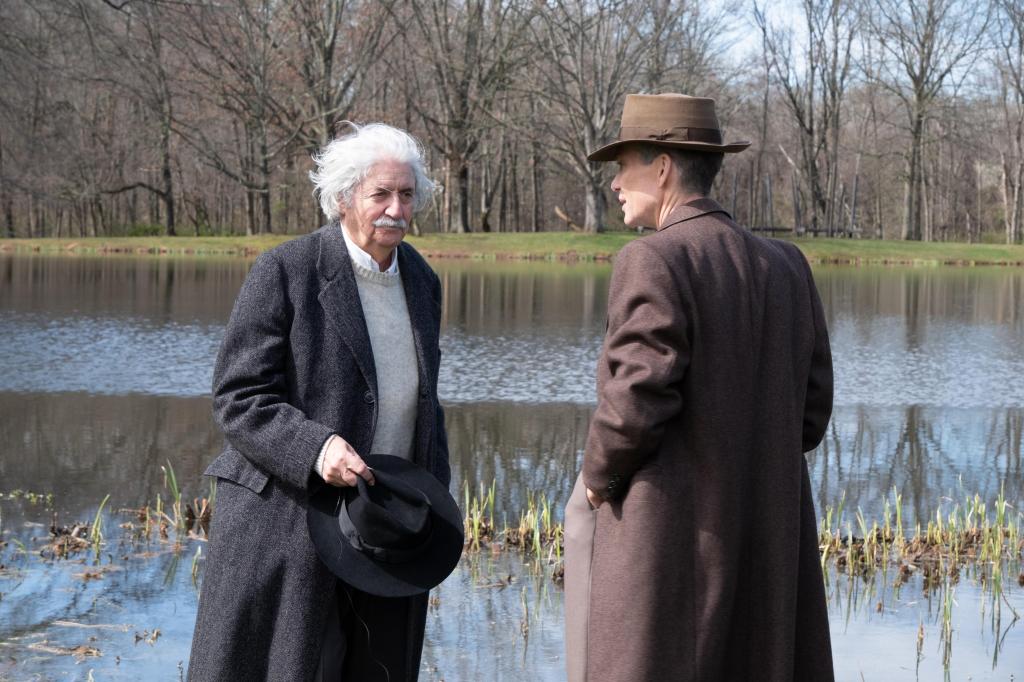
Other notable actors who had major supporting roles in the film include Rami Malek, as David L. Hill, whose testimony during Strauss’ confirmation hearing tanks it completely. We are also treated to Casey Affleck as Borish Pash, a military intelligence officer in charge of the Alsos Mission. Jason Clarke as Roger Robb, the attorney leading the charge as special counsel for the AEC during Oppenheimer’s security hearing. Dylan Arnold as Frank Oppenheimer, J. Robert’s younger brother and a particle physicist who worked on the Manhattan Project. Kenneth Branagh (unless he Obliviated us again) as Niels Bohr, a Danish physicist and Oppenheimer’s personal idol. Tom Conti briefly appears portraying Albert Einstein, Scott Grimes as Strauss’ Counsel, and Gregory Jbara as Senator Magnuson, the Commerce Committee Chairman, even Gary Oldman appears as President Truman. Quite simply, the film was stacked with actors at every level.
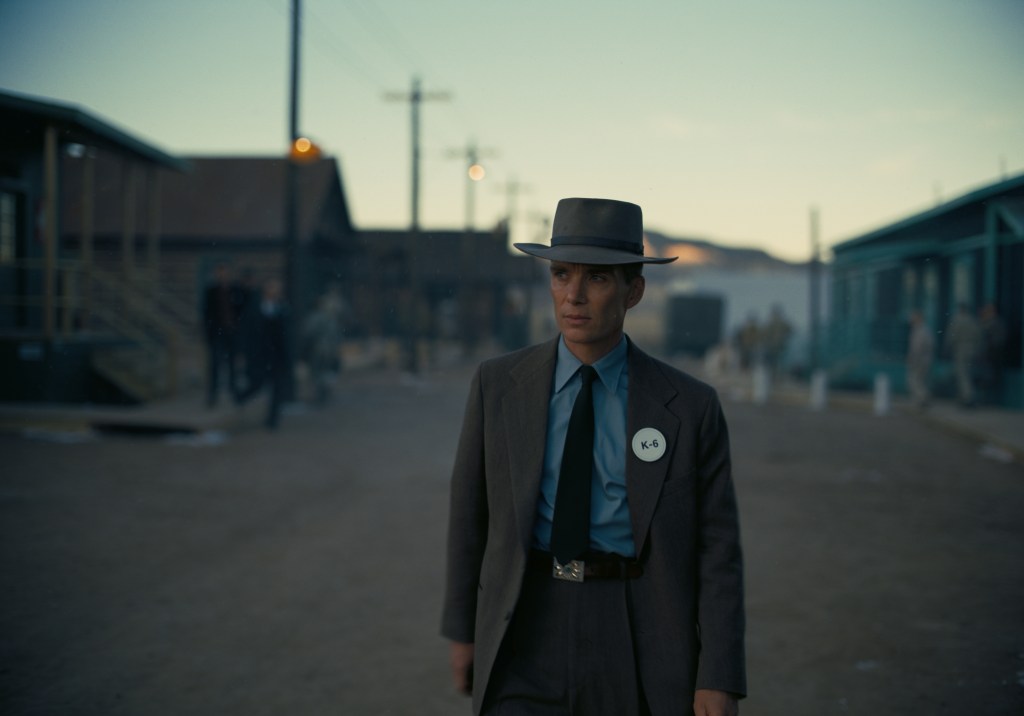
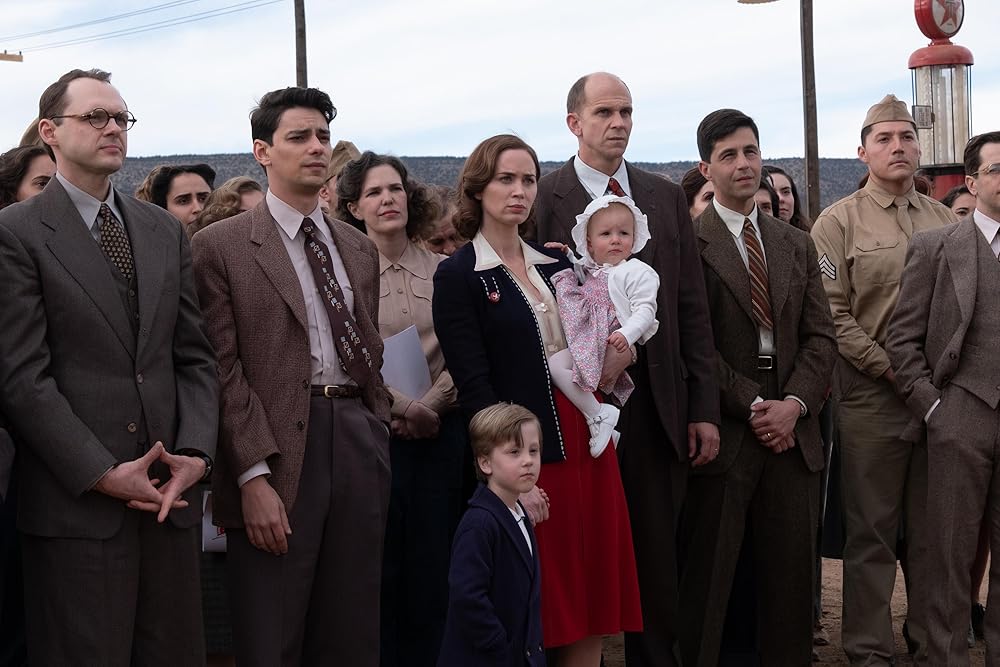
Christopher Nolan’s filmography is renowned for a handful of details. He enjoys telling dense, epic stories. He has a slate of actors that he enjoys working with. He has trust in the audience’s abilities to exist within the gray – knowing versus intuiting his intention, without letting his intended interpretation get in the way of our understanding. His movies are invariably financial and critical hits because he takes time, effort, and care to build a vision and then execute it. Oppenheimer is not his magnum opus. Dare I say we may not know what that will be until he either declares it or history has written its verdict. Regardless, Oppenheimer continued to prove that he has a fundamental understanding of “truth versus fact.”
Oppenheimer was the other half of the viral phenomenon Barbenheimer, which swept the world over for the most hilarious reasons. Standing on its own, Oppenheimer is a dark, gritty, but otherwise forgiving exploration of the lengths men will go to for scientific discovery… and the consequences therewithin. At the end of the day, practically every person this film portrays did exist, and all of them played a part in expanding scientific discovery, and we are all still living in the world that they left behind.
 Lloydd Marshall Books