
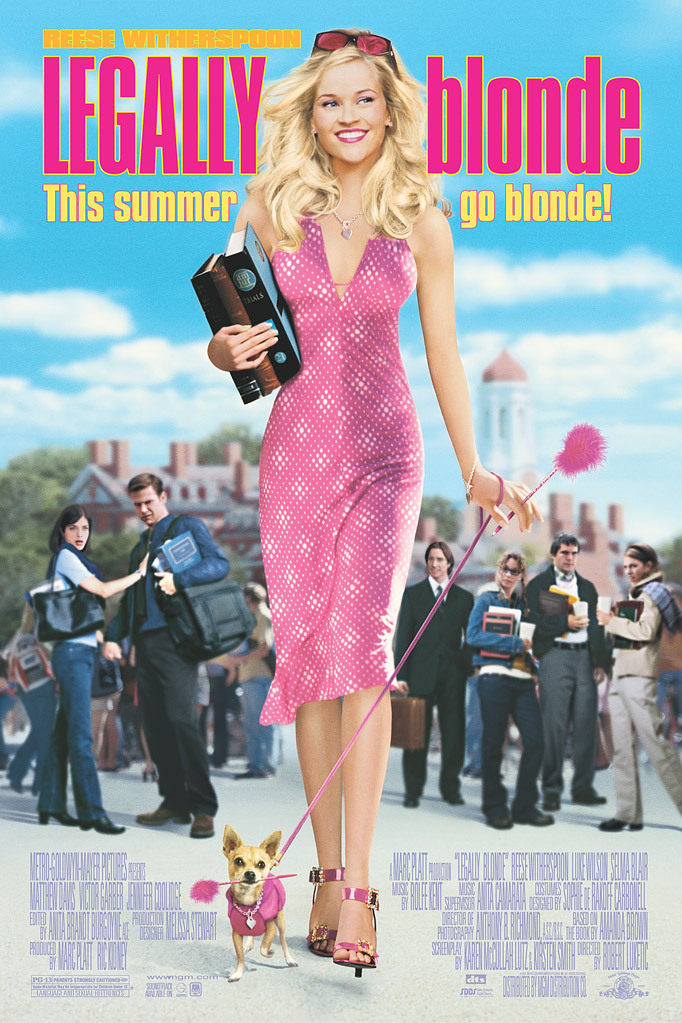
What do you get when you mix a bubbly, life of the party type of character with the sobriety and rigidity of a law school? One of the defining films of the modern era, of course. While it might not have deprived the world of pink paint a la Barbie, Legally Blonde set a standard for how women could, but more importantly, should be treated in the genre.
As serious, capable individuals in their own right with ambitions, dreams, and the power and efficiency to secure them. It is the film that, for many, put to bed the dumb blonde character archetype, which was entirely centered on femininity and how those aspects of a person were not inherently indicators of a lack of intelligence.
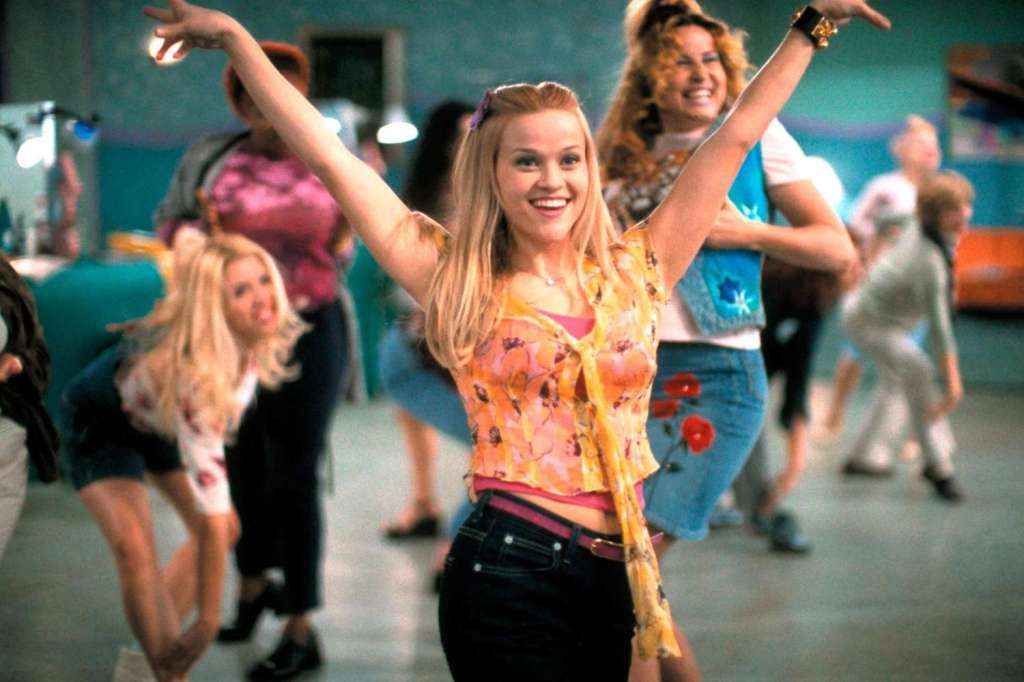
Legally Blonde, released in the summer of 2001, is a comedic film centered on Elle Woods (Reese Witherspoon), a capable young woman who is in her final year at a fictionalized version of UCLA (CULA), the President of her chapter of Delta Nu, who has majored in Fashion Merchandising. She has been dating Warner Huntington III (Matthew Davis) throughout her time at college, and, with graduation on the horizon and their futures already mapped out by her, she is stunned when he breaks up with her rather than propose. His reasoning is pointed – “I need a Jackie, not a Marilyn” – and Elle notably rejects the premise, while Warner also failed to understand precisely who Marilyn Monroe was as a person.
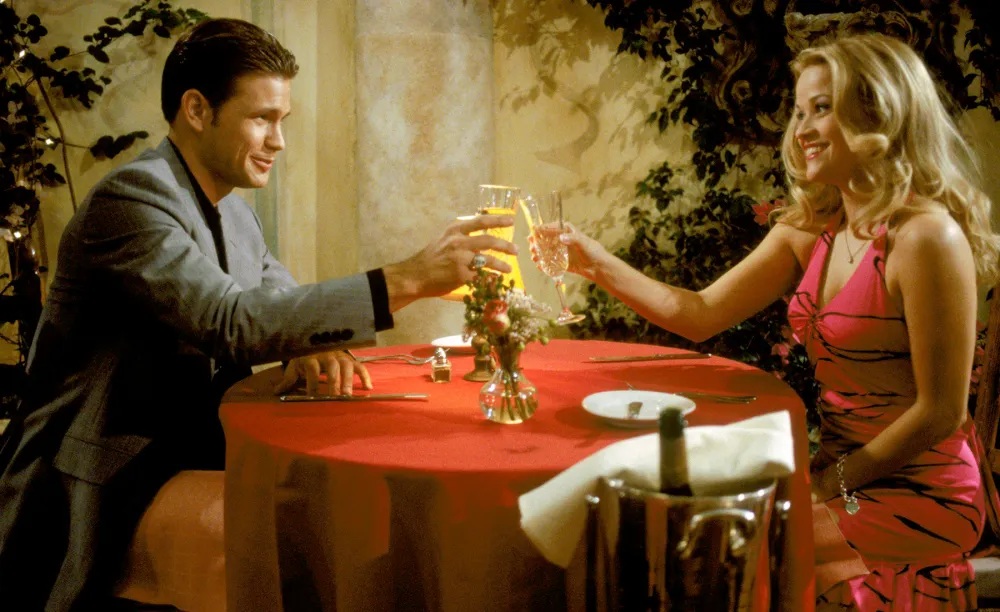
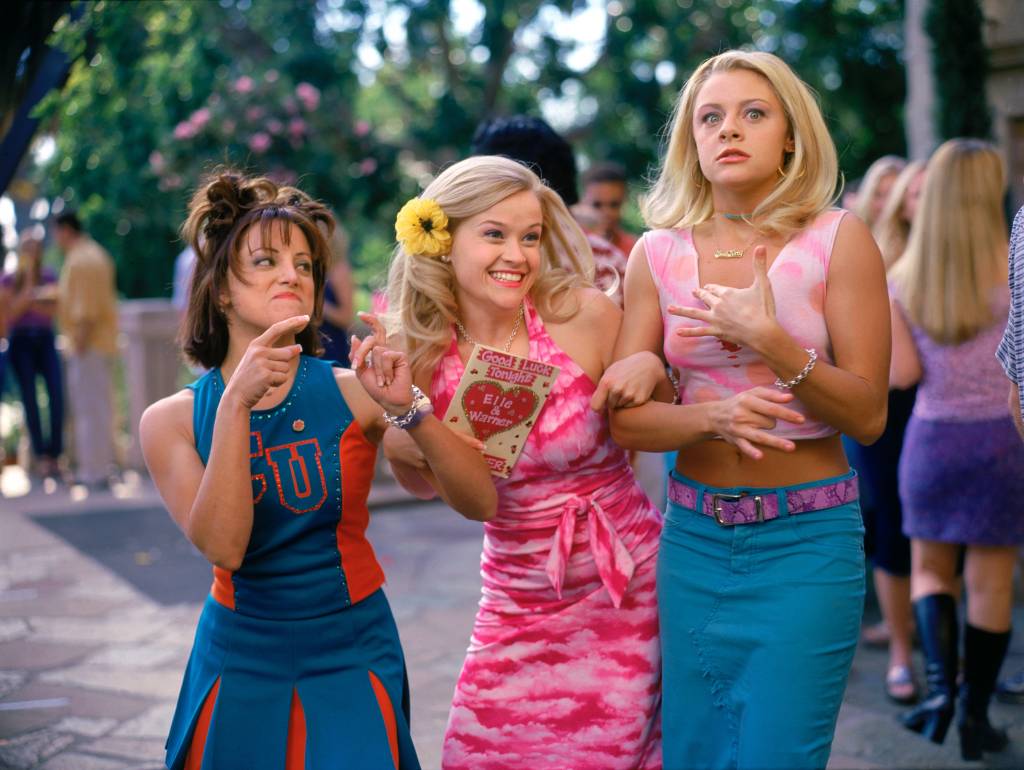
The story’s initial focus is on who Elle feels she must become to win Warner back. She sets out with one particular goal: to get into Harvard Law and prove that she is the kind of woman that he should be with. Legally Blonde is a perfect encapsulation of The Hero’s Journey, where we watch Elle grapple with who she is and who she wants to be, while also realizing that who she is has never been the problem. The problem that the film exposes is how the world views Elle, which has impacted how she views herself. At several points in this movie, it is not just obvious that Elle is more insightful than Warner; she is decisively more capable than he is.
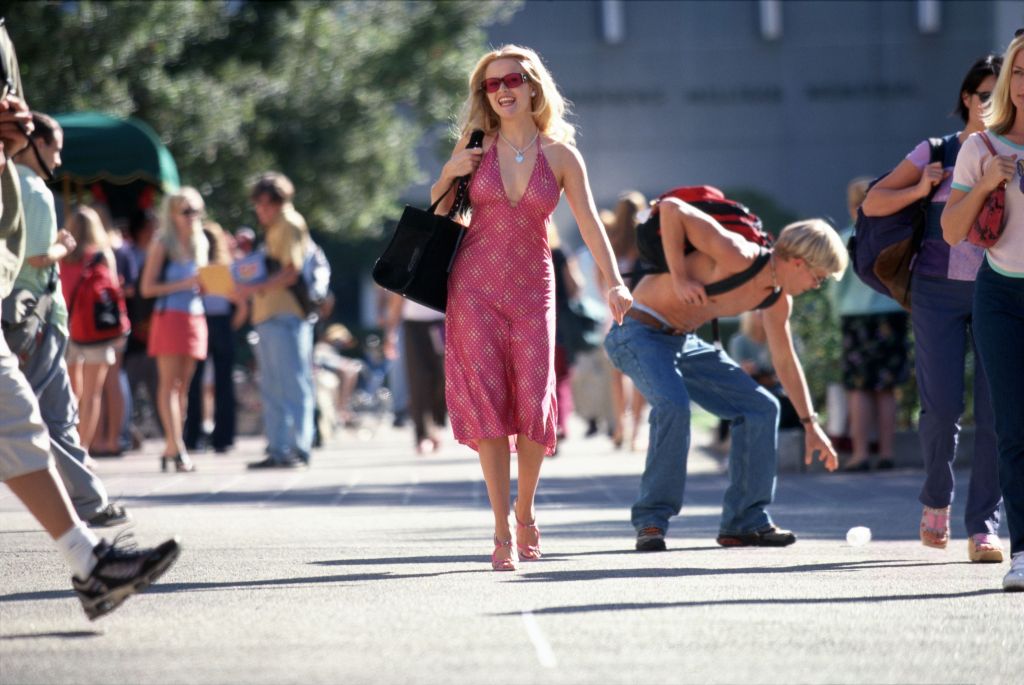

During the opening act, when the film is still centered on CULA, we are introduced to Elle’s two best friends, Margot Chapman (Jessica Cauffiel) and Serena McGuire (Alanna Ubach), who are supportive of her even as they work to remind her of who she is. They, along with the rest of Delta Nu, assist Elle in pursuing her goal to get all the things that she needs to get a shot at getting into Harvard’s extremely rigorous and highly selective law school. It is this process that gives us one of the best glimpses into the difference between Elle and Warner. Late in the film, we are treated to a tidbit of information that Warner was put on the waitlist for Harvard, while Elle got in through sheer talent alone. Through it all, Elle has Bruiser Woods at her side – the one who has believed in her the entire time, through thick and thin.
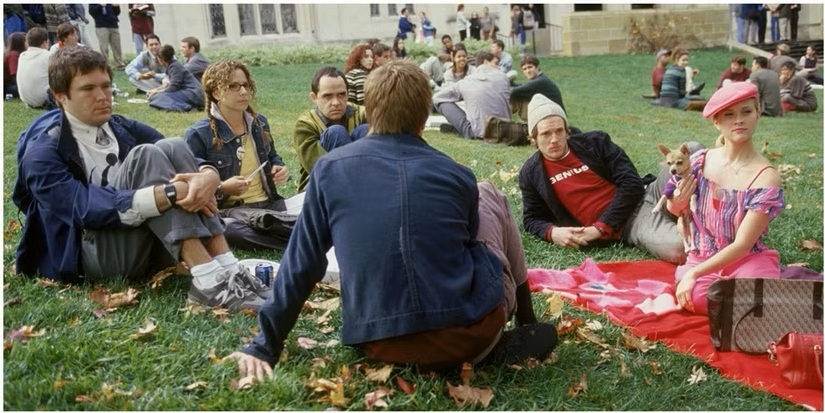
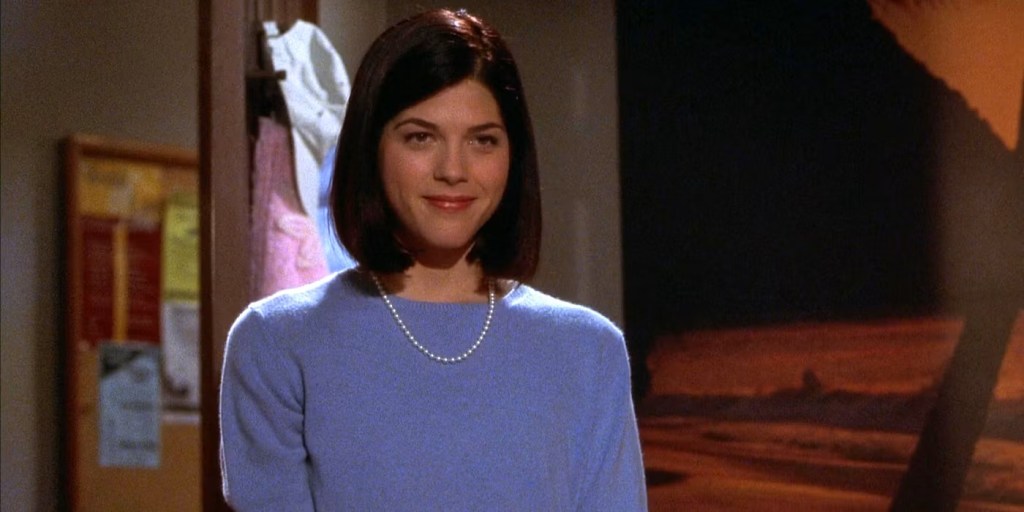
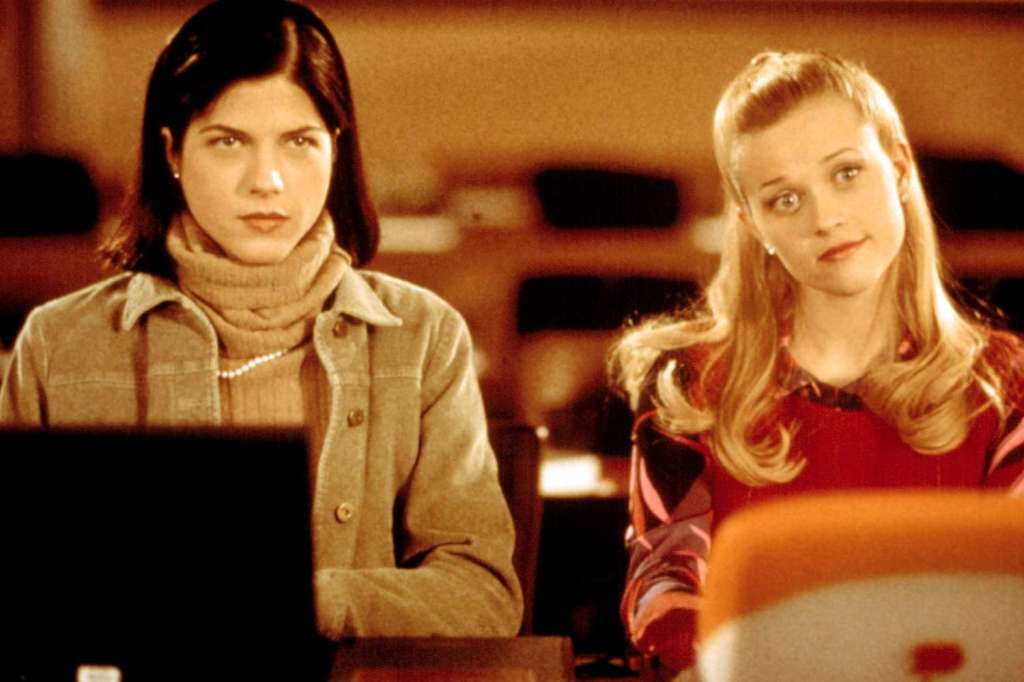
Harvard proves to be an entirely different ecosystem from the one that Elle was accustomed to at CULA. Used to social mixers and events that encourage students to get to know one another, many of which Elle skipped out on to study to get into Harvard, the culture shock is immediate. Still, Elle doesn’t let it dissuade her. We are given a glimpse of the background ensemble before classes begin, including the awkward David Kidney (Oz Perkins) and Enix Wexler (Meredith Scott-Lynn). When Elle finally runs into Warner, who is stunned by her presence and cannot believe that she got in, the film stops playing coy. It introduces Vivian Kensington (Selma Blair), the “Jackie” that Warner so judiciously stated that he would need if he wanted to become a Senator.
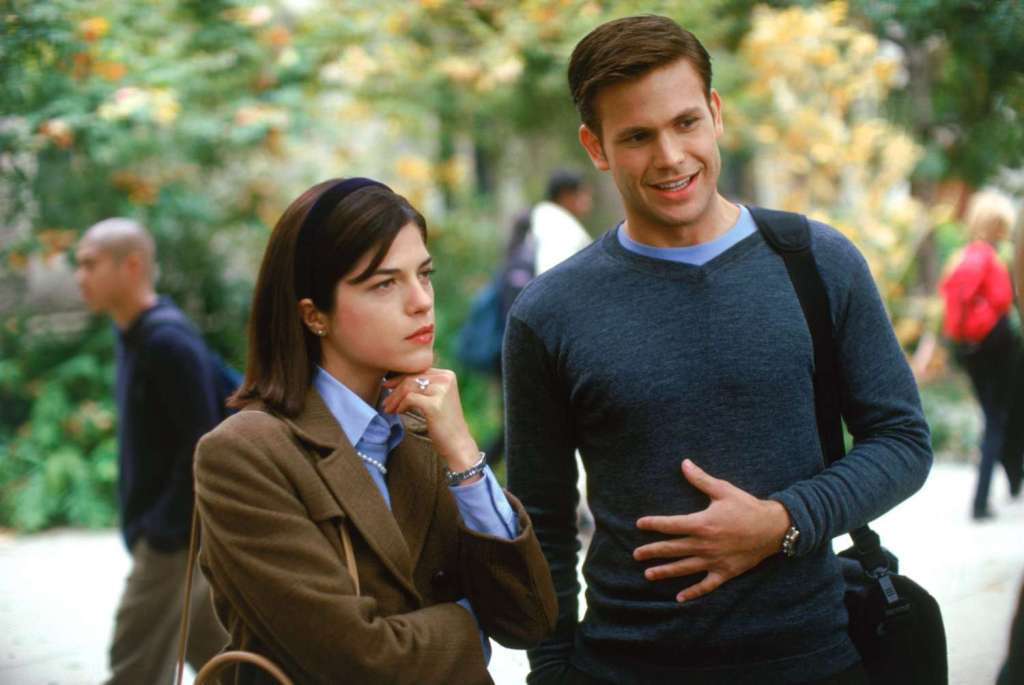
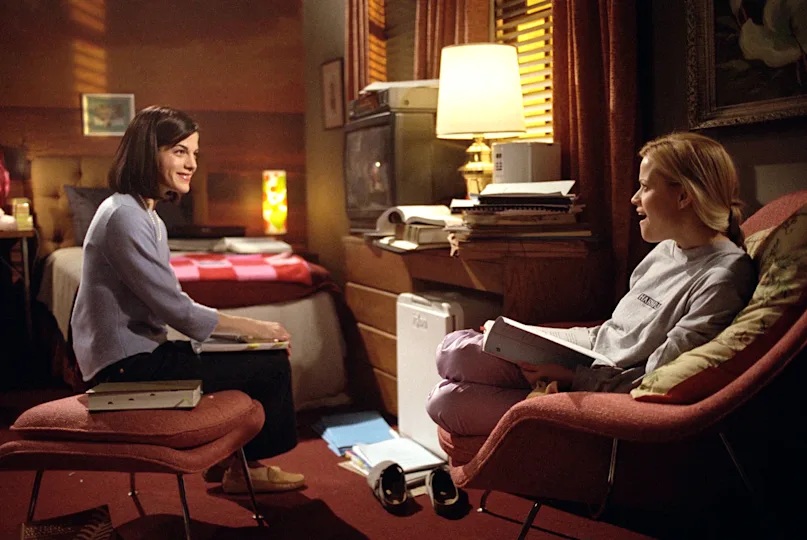
Vivian and Elle are polar opposites in presentation, with Vivian moving with the air of pure old money. In contrast, Elle is the epitome of the West Coast’s more relaxed, easygoing kind of “new money” aesthetic – even if the film doesn’t give us a hint of whether or not that’s true. Warner’s relationship with Vivian is the first of several breadcrumbs that the film offers as to what he was doing during that same period. Because Legally Blonde is primarily centered on Elle’s story, much of the material is told through her perspective – few scenes don’t feature her in some regard – we have to carefully interpret the background material. While Elle was studying to get as high a score on her LSATs as possible, Warner was forming an intimate relationship and had proposed by the time Elle and Warner finally met up again in the fall. It is not at all surprising that he was put on the waitlist while Elle got in with seeming ease, in his mind. His priorities were not in order.
The Professor’s expectations are presented as exceptional, if not extreme, with little to no room for deviation – highlighting that Elle can’t coast on getting in. She must prove that she belongs. There are two professors who are central to the story, Elspeth Stromwell (Holland Taylor) and Aaron Callahan (Victor Garber), who present two different ideologies and executions of what Harvard is supposed to be.
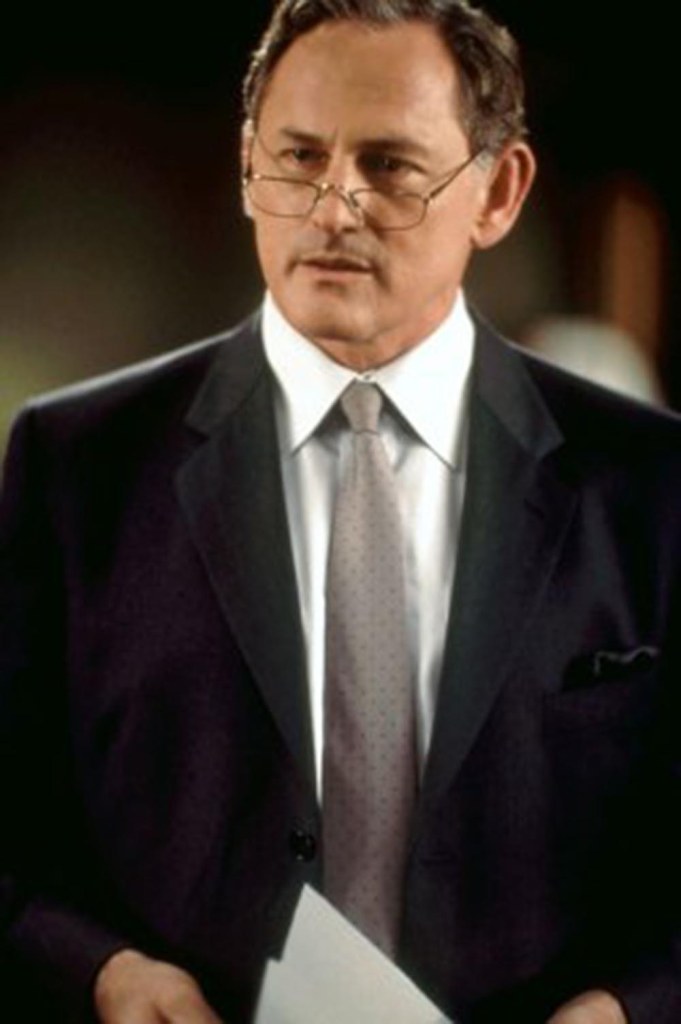
Her time in Professor Callahan’s class is when she strikes back at Vivian, changing an answer she gave to the Professor’s question to show that she has a backbone. When the time comes, their true colors are ultimately revealed – and the one who was harder on her in the beginning, Stromwell, is actually supportive, whereas Callahan is proven to be a misogynist whose interest in Elle was her body and not her mind.
During her first class, all of the other students had read the casework for Professor Stromwell’s course and had prepared their opinions and answers in advance, while Elle was seemingly unaware that there was anything that she needed to do before the first day of actual instruction. She is asked not to return until she can show up prepared.
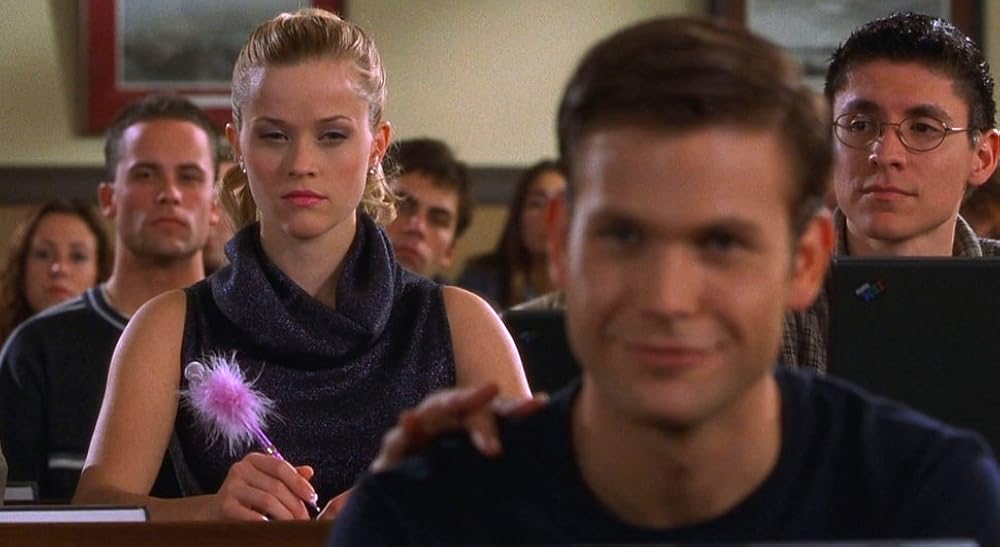
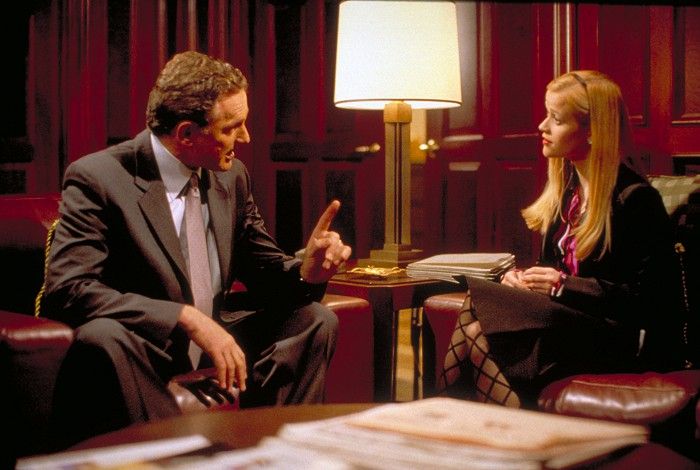
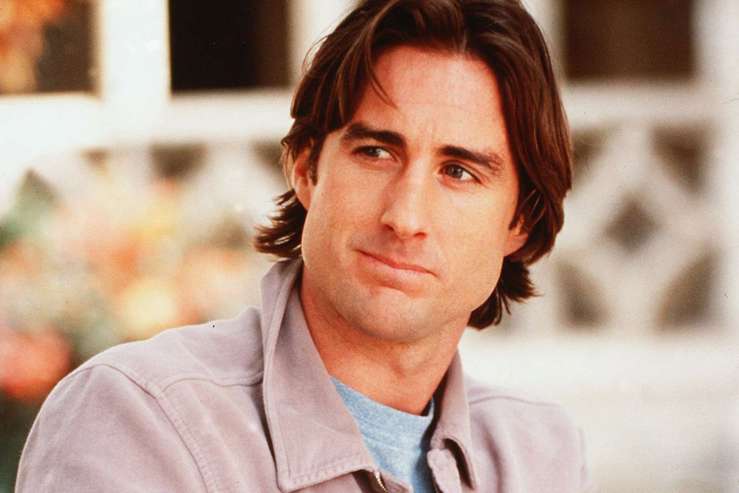
Elle truly is underestimated and overlooked by practically everybody, from her parents, played briefly by James Read and Tane McClure, to CULA’s advisor, played by Allyce Beasley. Still, there are a handful of people who are, from the moment they meet Elle, on her side. While this is not a romcom, Emmett Richmond (Luke Wilson) first meets Elle after a frustrating first day and proves to be a treasure trove of support, offering her advice on how to handle the professors that she is about to face in class without so much as a second’s hesitation. Paulette Bonafonté (Jennifer Coolidge), a manicurist whom Elle befriends and later helps, is a constant well of support throughout the film. Then, when it comes down to it, there is Brooke Taylor-Windham (Ali Larter), Callahan’s client, whose murder trial dominates the latter half of the film and is the one who trusts Elle implicitly amid the sea of suits she has hired for her defense.
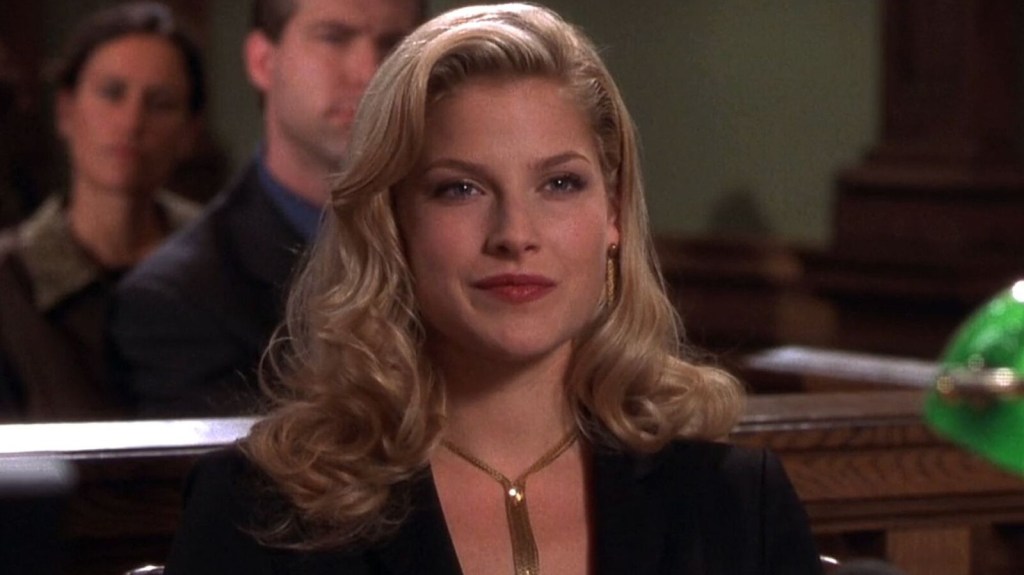
That case is where most of the film’s standout moments come, and the pace slows down considerably to cover it in a relatively realistic fashion. On trial for the murder of her husband, an older man with a large endowment, Brooke is viewed as the logical murderer because she lacks a clean alibi and seems to have motive and opportunity. While Elle is given Brooke’s alibi, she holds back because Brooke refuses to let it damage her identity as a businesswoman. Elle rightly points out that, as good lawyers, they should be able to secure her a verdict of Not Guilty without.
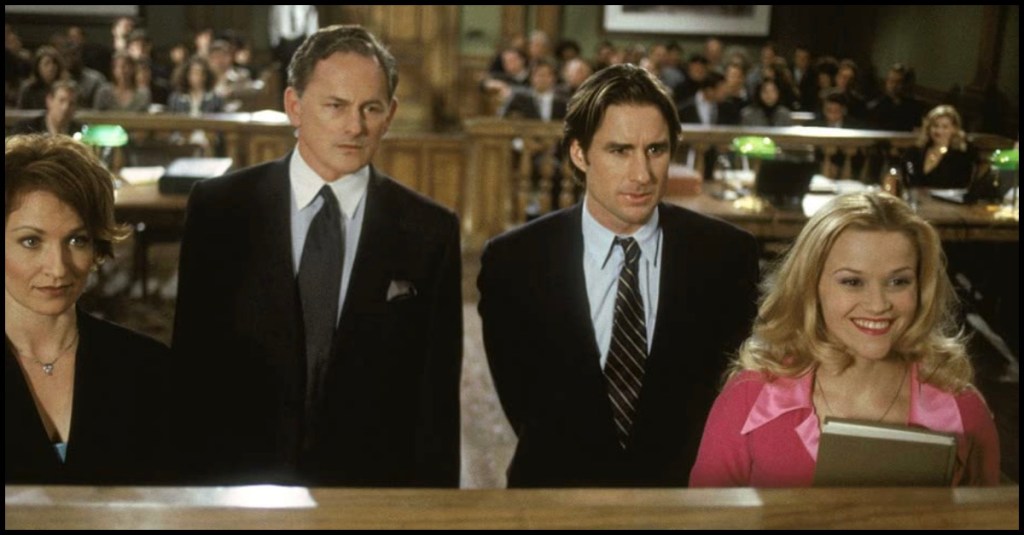
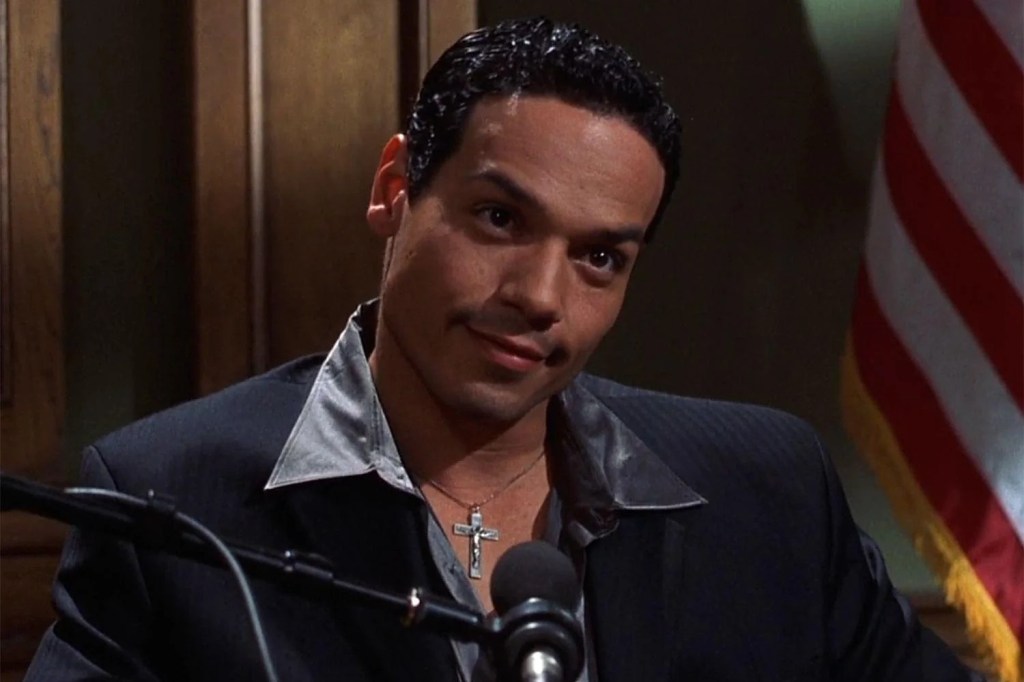
The people surrounding the case include Judge Marina R. Bickford (Francesca P. Roberts), presiding over the trial, who allows Brooke to make the seemingly suicidal move late in the game of exchanging her attorney, Callahan, for Elle. Enrique Salvatore (Greg Serano), the pool boy whose damning testimony helps to potentially convict Brooke, only for his own secrets to lead to his undoing. And, of course, Chutney Windham (Linda Cardellini), the daughter of Hayworth Windham, daughter of Mrs. Windham-Vandermark (Raquel Welch), and stepdaughter of Brooke. Chutney is the chief witness of the crime, having walked in on Brooke with blonde on her hands after hearing a gunshot while she was in the shower upstairs… In the shower.
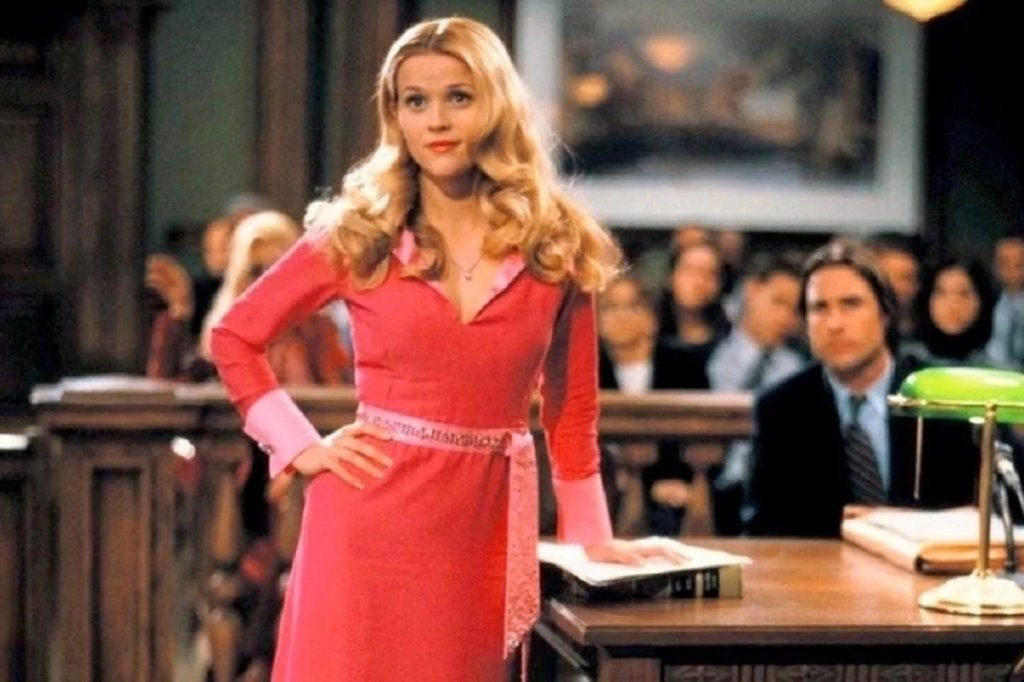
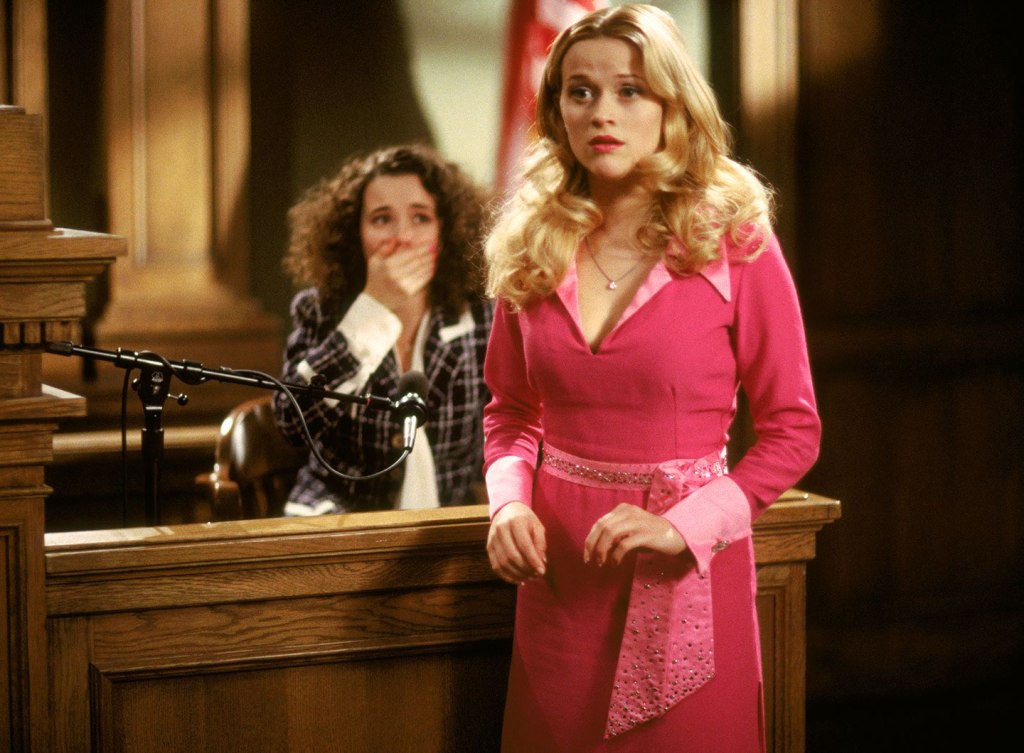
Legally Blonde is one of those movies that is not afraid to poke through all the potential jokes that could be made about it – the blonde and lawyer jokes write themselves. Yet it is determined to turn them on their heads and show, in its own way, the true weight of what it means to be overlooked and undervalued for who you are, while the reverse is true for those who truly don’t deserve it.
 Lloydd Marshall Books