
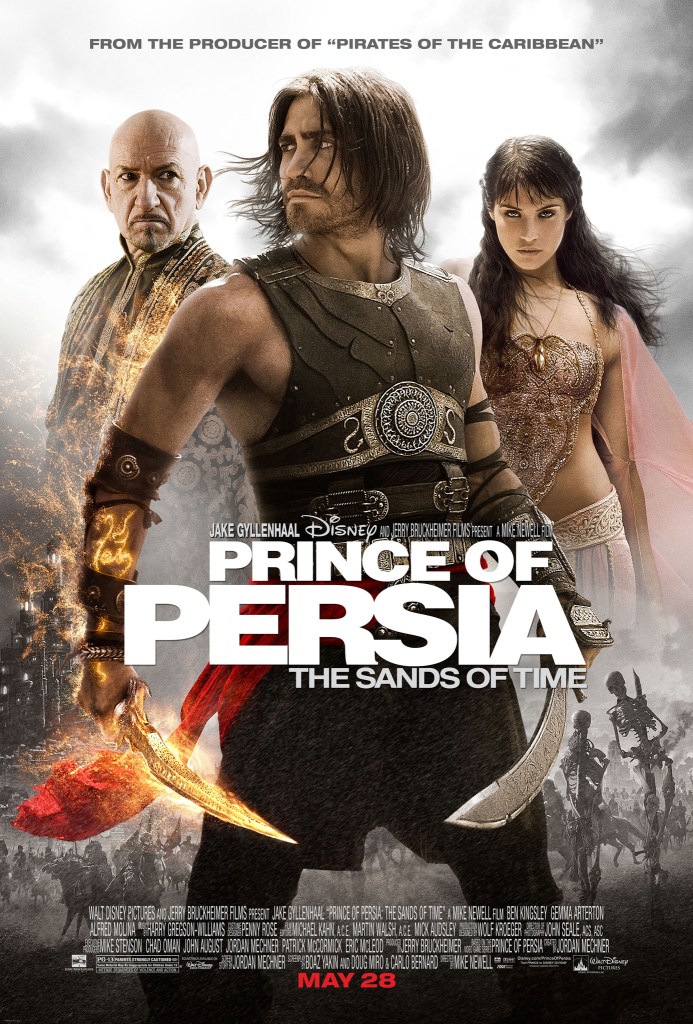
I have often been told that I am weird, that I never dislike a movie, and that it is okay to like a thing, and still admit that it is bad. I only agree with one of these statements in full. Movies are, for the most part, subjective. What appeals to one person will not always appeal to another, even if they have similar tastes and interests. For a large swath of movie-going audiences, video game adaptations are considered “the dreaded.”
This is often because Hollywood, as an organization rather than a handful of individuals, does not have the same interest in the original property that their prospective audiences will have. Prince of Persia: The Sands of Time is one such film. This film, in particular, is noted by some that it is a perfectly watchable film, especially if you don’t know it’s an adaptation.
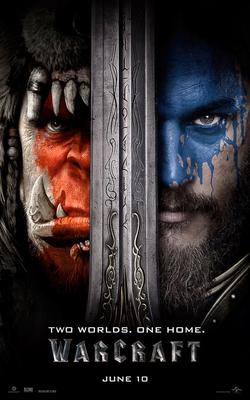
In the end, when it comes to the video game adaptation, it seemed to be a feat destined for failure in one facet or another. At the time of its release, it was the highest-grossing video game adaptation of all time, with a gross of over $330 million. It was surpassed six years later by Warcraft, which grossed a little over $430 million. Yet, as of 2023, even Warcraft has been supplanted by what many view as the best video game adaptation yet. Super Mario Bros. recently completed its wide release, with well over a billion in grosses for its efforts. Funny how, of the three, it was the one that many people were the wariest about, only to turn out to be, by any measure, the best of the bunch.


For Prince of Persia: The Sands of Time, I cannot ignore the fact that my knowledge of the game is limited to the bare bones of its plot. A prince who has the ability to rewind time in order to complete his tasks. If I had played the game firsthand, something I can say about World of Warcraft and Super Mario Bros., then perhaps my opinion from when I first saw the film would be different. Yet, I am also a proponent of not having to know or understand everything about a film or story to enjoy it. Sometimes, that’s all it takes, and for Prince of Persia, the story that played out was one that I liked and enjoyed.

Jake Gyllenhaal plays Dastan, a street urchin who is adopted by King Sharaman (Ronald Pickup) for displaying immense courage in the face of terrifying odds. The apple symbolizes many things in many different cultures, and watching a young Dastan (played here by William Foster) throw an apple at one of the King’s guards to save a fellow urchin child who accidentally caused the guard to fall from his horse prompts the King to make his choice and complete his family.
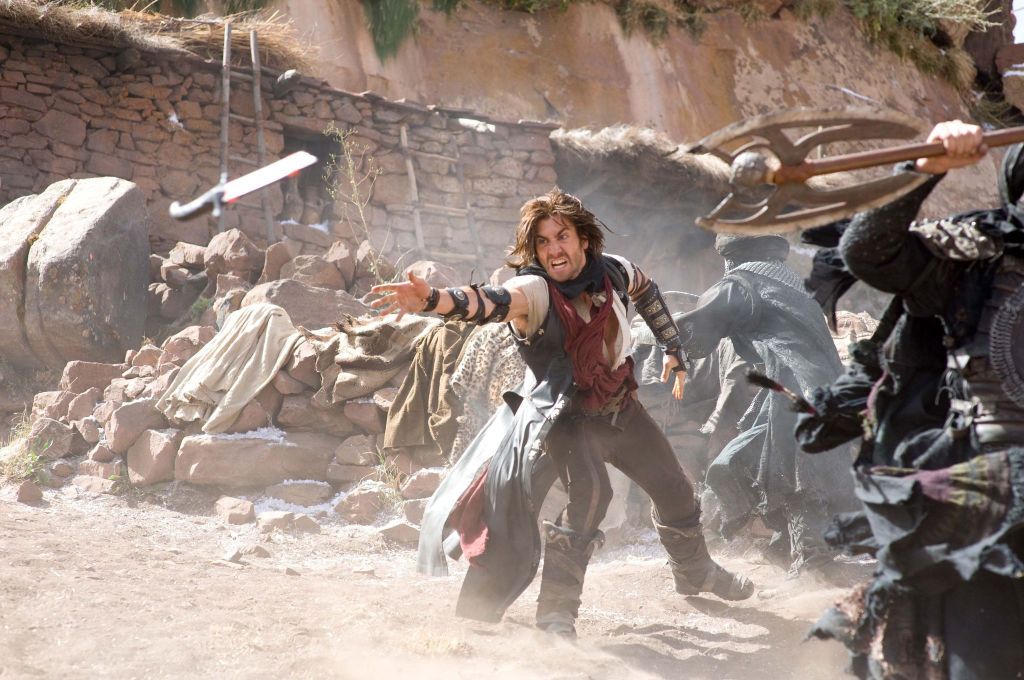
Fifteen years later, while his brothers are off on an adventure, Dastan is reintroduced in the middle of a fight. His kindness and compassion have not left him since becoming a prince, but the power that comes with it makes his life a bit easier. Granted, it also presents him as the perfect scapegoat when the King is assassinated early on.
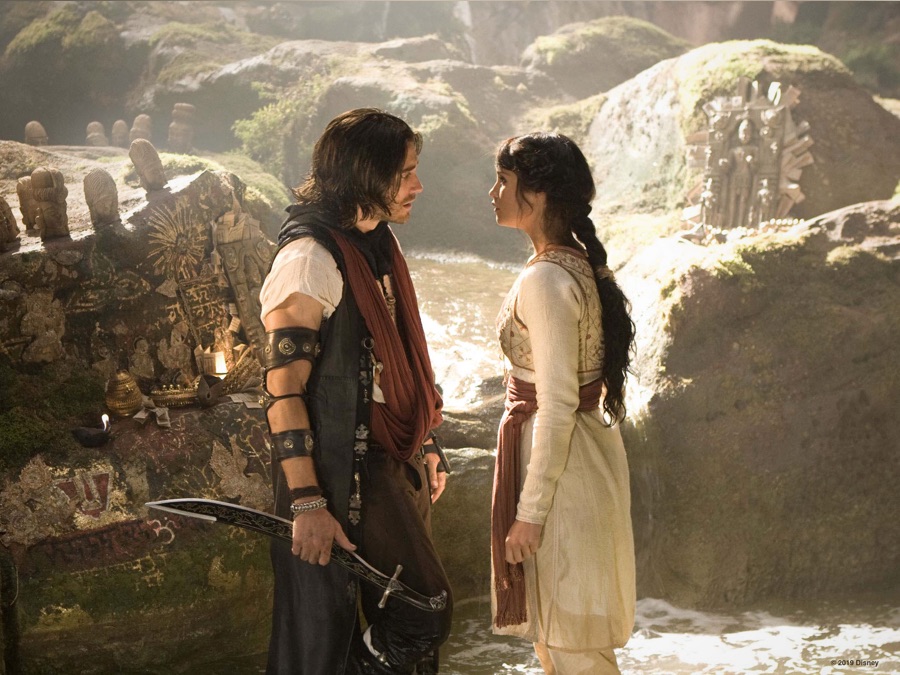
Gemma Arterton plays Tamina, the Princess of the Holy City of Alamut, whose invasion sets off the main storyline. Her character seems to be a combination of multiple female characters from the games themselves, and as the leading woman, she has plenty of time to shine. Not content to play the damsel in distress, Tamina will do anything to protect the sands of time from those who would abuse it.

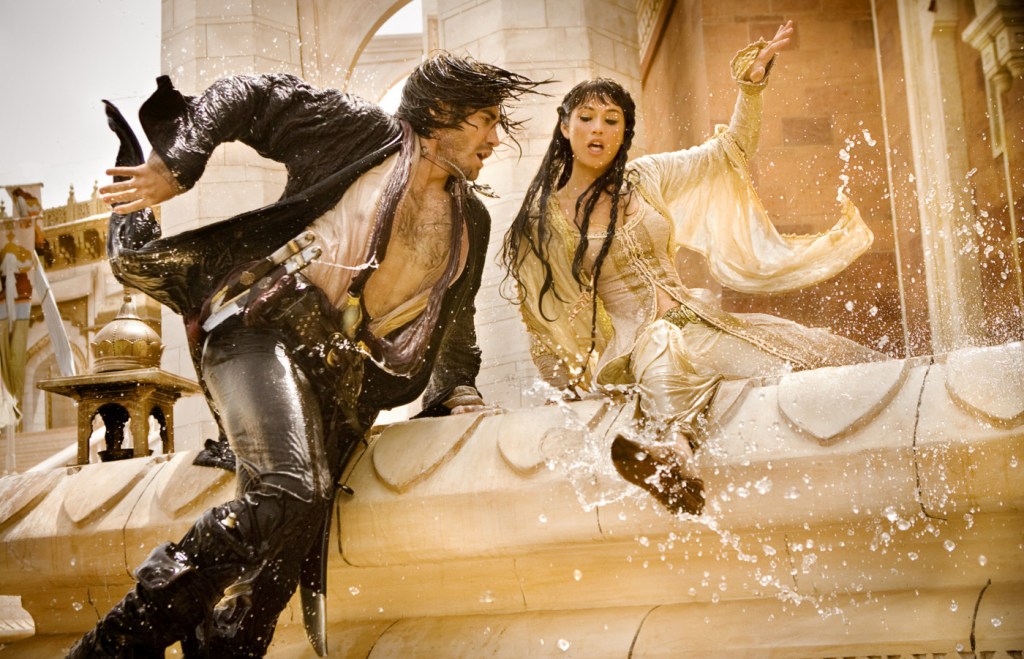
Due to extenuating circumstances, she is not entirely trusting of Dastan when they are first thrown together – what with his family and kingdom having invaded her home. She makes multiple attempts to secure the dagger from him before she is forced to work with him after he figures out the dagger’s secrets. She nearly kills him twice in her efforts, proving that Tamina is a capable combatant. It’s only a pity that she is, almost literally, the only woman in the film.

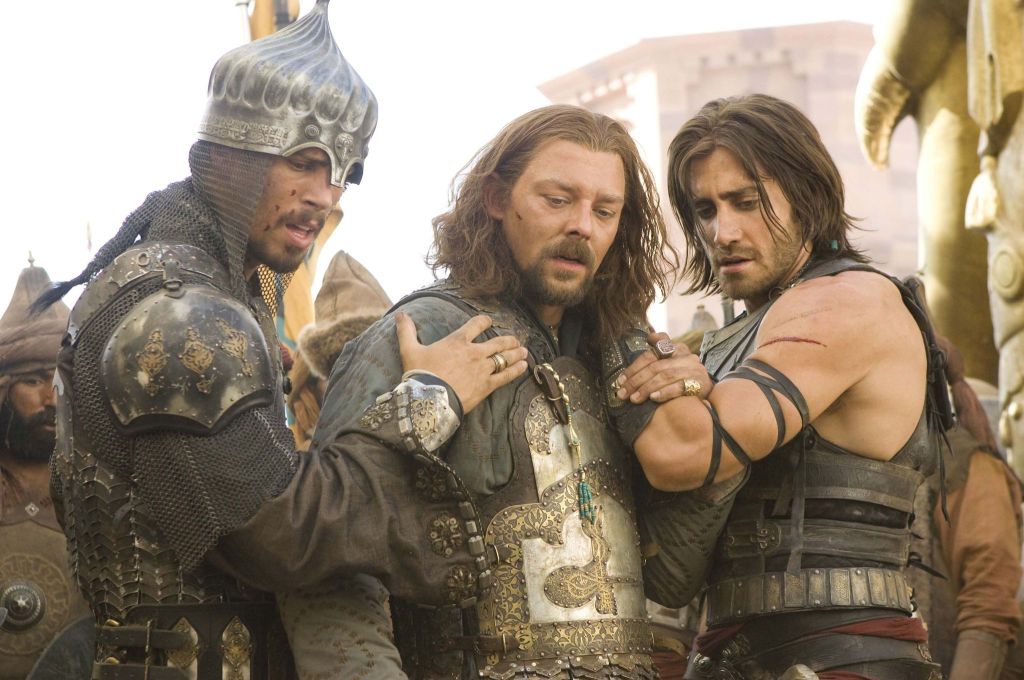
Richard Coyle and Toby Kebbell play Tus and Garsiv, the natural-born princes of the King, and despite having fifteen years to grow together as a family – Tus even refers to Dastan as one of the people he trusts the most – both are quick to believe that Dastan had a hand in their father’s death. By the time the pair truly realizes what is going on, it’s already too late for either of them to do anything about it. They effortlessly play to the tune of the true villain of the story, with their own personalities blazing a path that neither is clearly capable of yanking themselves off of. One could almost say that their characters are railroaded to it. Quite simply, though, they are, as the villain carefully maneuvers them to make the desired choices and take the required actions to give him the time he needs to enact his true plan.
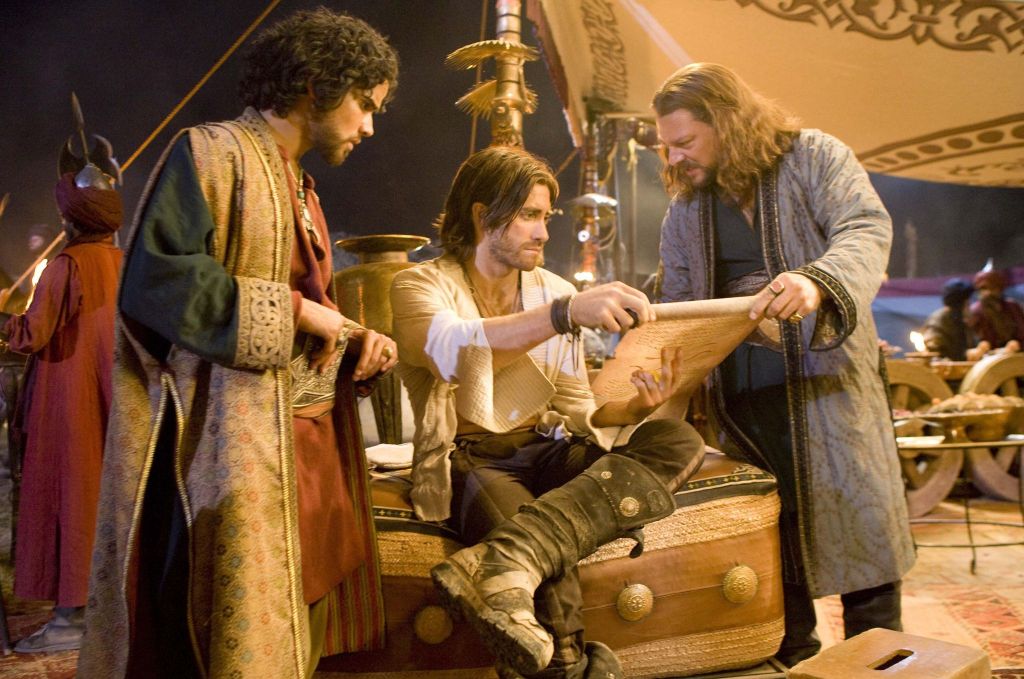
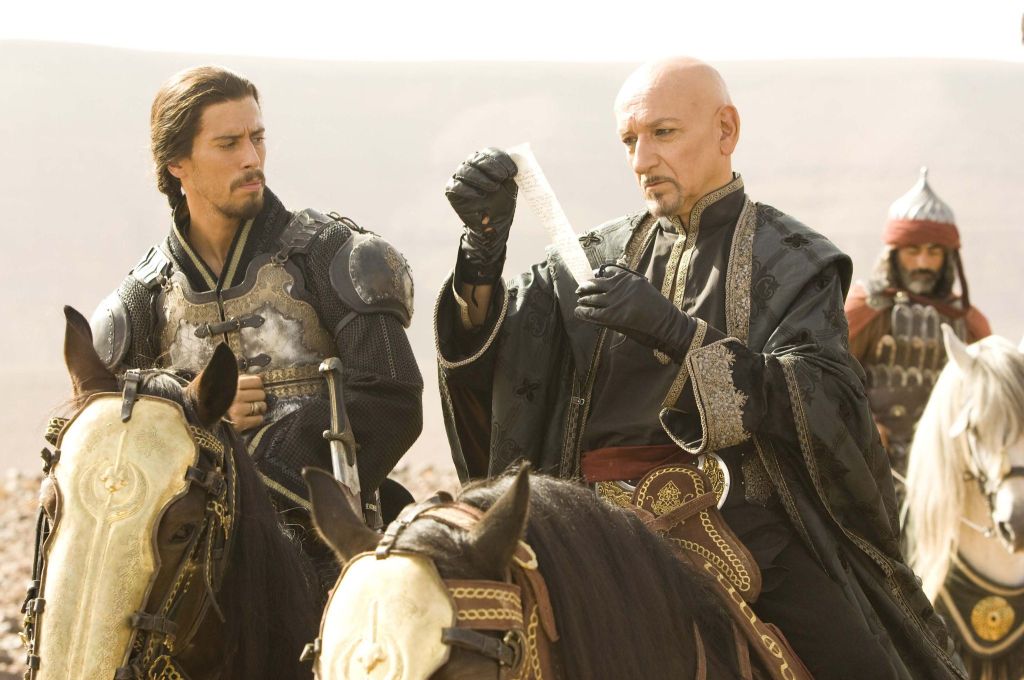
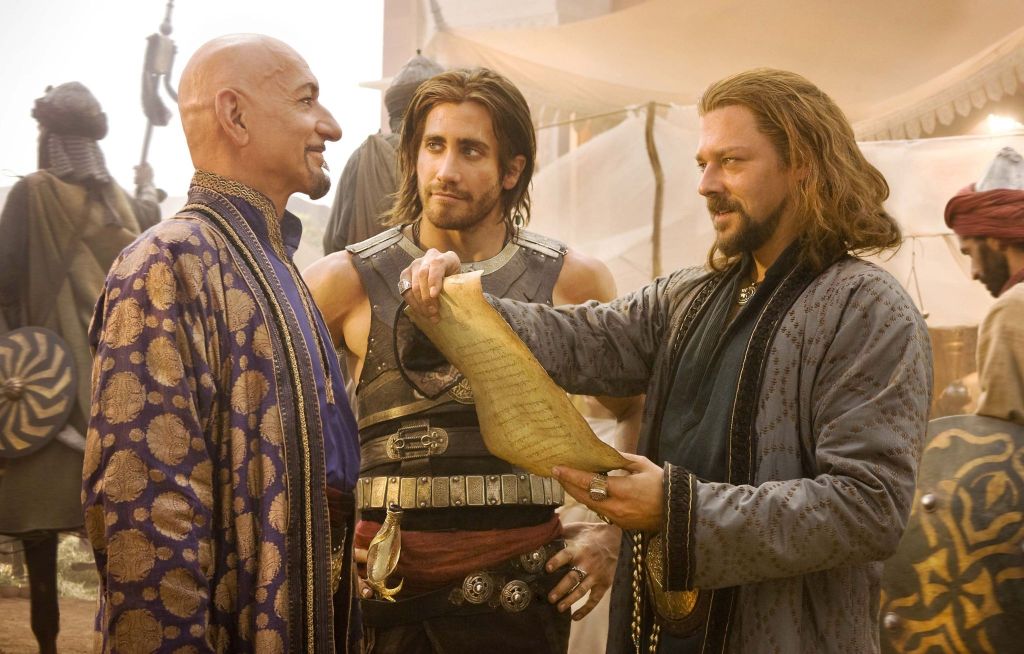
Ben Kingsley plays Nizam, the King’s younger brother, and, since it’s been thirteen years since the movie came out, the story’s ultimate villain. I suppose it’s like I always say, if a Vice President or a younger brother to a King are introduced in a major way, they’re probably the villain for much the same reason. Watching Nizam carefully maneuver every character throughout the entire film is a joy because it makes his ultimate comeuppance all the sweeter. His greed and desire truly show when he dismisses Dastan as trash, unworthy of the life of a royal.
The relationship between Dastan and Tamina can be… interesting. She is, at best, a captured Princess who is set to be forced into a political marriage with Dastan after he is chosen over his brothers. The distrust between them slowly melts away, but the reasoning behind their initial relationship hangs over them for the entire film. That was one of the best aspects of the ending, though. Dastan remembers, but Tamina doesn’t, and with the changes made in time, all of the animosity that would exist between them is erased. While the scenes play out similarly, they are both presented in different contexts and under vastly different scenarios. Whatever their future may hold, it at least has the opportunity to build on mutual respect and true equality.
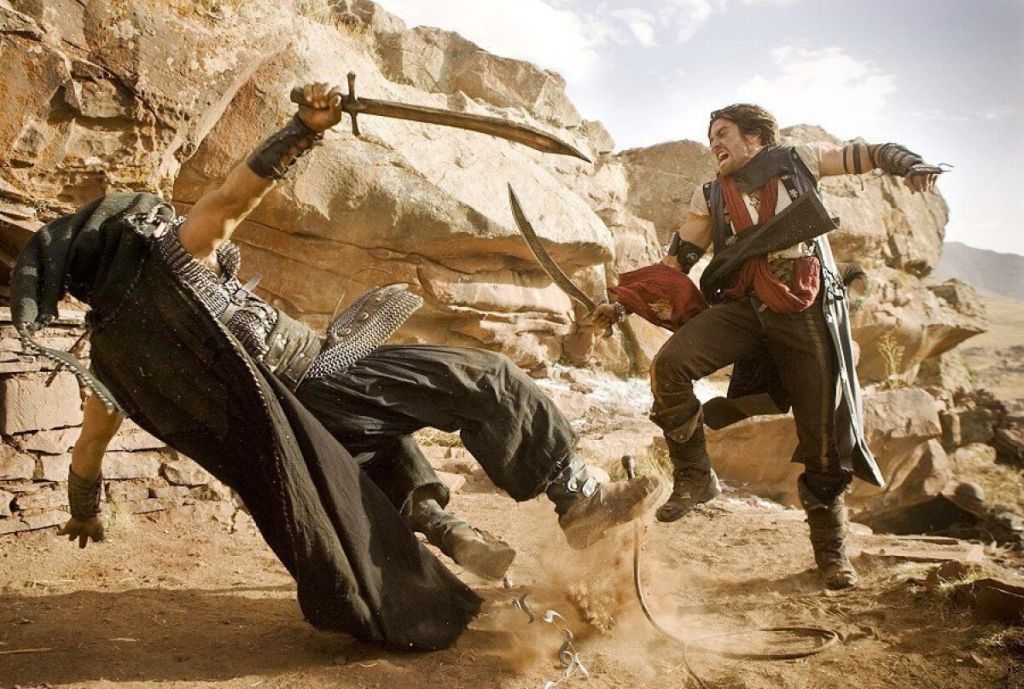
As an action film, two of the things that audiences expect are the big set pieces and beautifully choreographed fight scenes. Prince of Persia: The Sands of Time does not skimp on either. The beauty of Persia is explored in this film, with its architecture allowing for near-effortless parkour across its cities. The power of the dagger gives way to some innovative fight scenes – one mistake does not necessarily have to be a fatal one, after all. Watching the fights can be exhilarating, which is always a plus when it comes to an action-adventure film.
One of the key aspects of a story involving time travel is the writer’s ability to take great liberties with the characters and setting. Through the very ability to rewind time, much of the threat of a particular problem is erased, which is why the amount of sand in the dagger is critical. Without the titular sands of time, it is just a fancy blade. With each death unfolding across the story, you are left asking how far back in time the movie will eventually go. As I said, most of the threats in a story with time travel are erased, but that doesn’t lessen their impact on this world. The dagger moves a person’s mind back through their personal timeline, with their memories intact. Watching those you care about die would certainly be a painful thing to have to remember. Perhaps that could have been a powerful plot point to go off of – as we rarely, if ever, see the trauma that can come from such a fantastical story element.
Prince of Persia: The Sands of Time is a fun movie, and whether or not it stands up as a good video game adaptation is better left to others. As I said, film is subjective, but I certainly recommend this film.
 Lloydd Marshall Books