
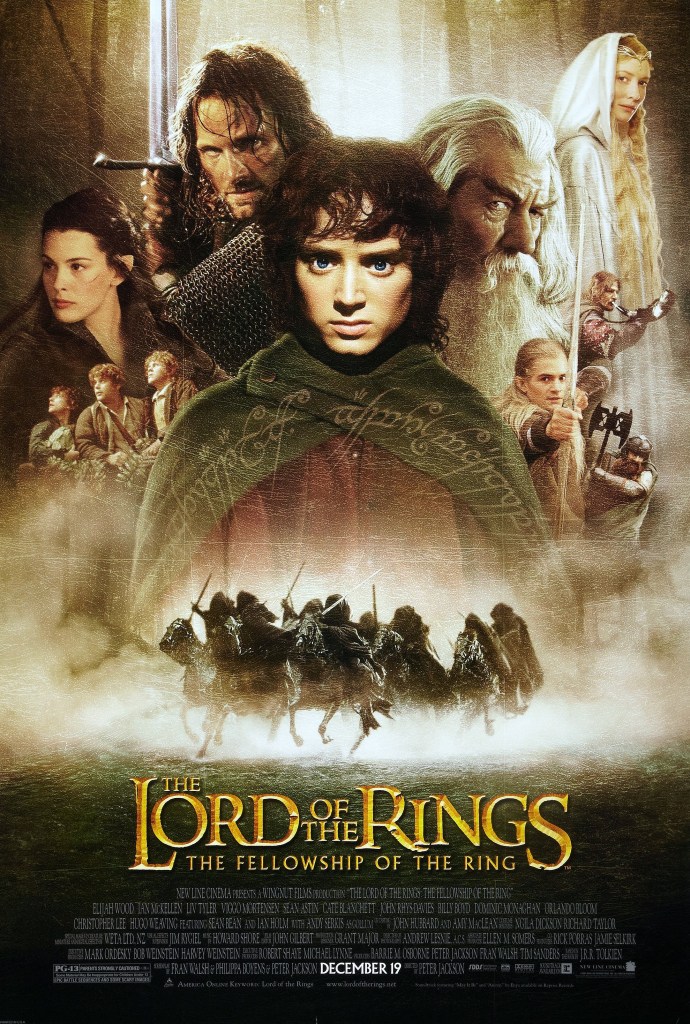
In the twenty years since The Lord of the Rings first graced movie theaters, fantasy has changed dramatically to the point of near-complete deconstruction. The same can be said for the original books when released by Tolkien in the early twentieth century – most notable in the form of A Song of Ice and Fire (Game of Thrones).
I first saw these films when they came out in theaters like everybody else, and when I returned to them all of these years later, I found myself confused because of the shift in tone for fantasy. With countless novels having come out that radically changed the game, I had expectations on what should have happened – and so I constantly reminded myself that this was the version upon which all (or most) fantasy stories since based their framework on – including how to deconstruct it. Tropes and narrative plot points that seem trite or expected can be anything but, as they were the first (or nearly the first) to execute them.
There is a reason that J. R. R. Tolkien’s work has persisted in popularity for the better part of a century. It set the stage for High Fantasy, built the model upon which others could play around, and detailed the necessary pieces to tell an epic story. Broken into three films directed by Peter Jackson, the first film in the trilogy is The Fellowship of the Ring. It starts out with the necessary backstory, detailing how the One Ring was created to control all of the rings of power given to man, the elves, and the dwarves and how, through the course of Middle Earth’s history, it passed from being to being, corrupting them one by one until it ended up in the hands of a Hobbit, one Mr. Bilbo Baggins (Ian Holm).
The main story begins some decades after that, with all of the baggage that has come from the events in its history, as Gandalf the Grey (Ian McKellen) – essentially a walking God amongst men, disguised as one of them, forbidden from using his magic directly in the conflicts of men, elves, and dwarves (I had to ask why, why, why he wasn’t using the vast amount of power he had to essentially end it all from the get-go a number of times – my questions were answered as thus) – comes to the Shire to visit his old friend, Bilbo Baggins. This is where we are introduced to the happy, smiling hobbit, Frodo Baggins (Elijah Wood). Remember that look of pure innocence, for it will be gone soon.

As an epic fantasy, the scale of the story is insanely massive – including multiple kingdoms, various species, political conflicts that can and will turn the tide of any battle, royalty, adventurers, and a ragtag bunch of misfits who are the only hope for a true victory. That is what sets epic fantasy apart from all other forms of fantasy – the armies cannot be the ultimate victors. It has to be Frodo and his group or whoever is left by the end. As such, we are introduced to all manner of characters throughout the first film, including those who appear and are discarded as quickly as possible to keep the plot moving along and others who appear briefly before becoming major players across the rest of the story.

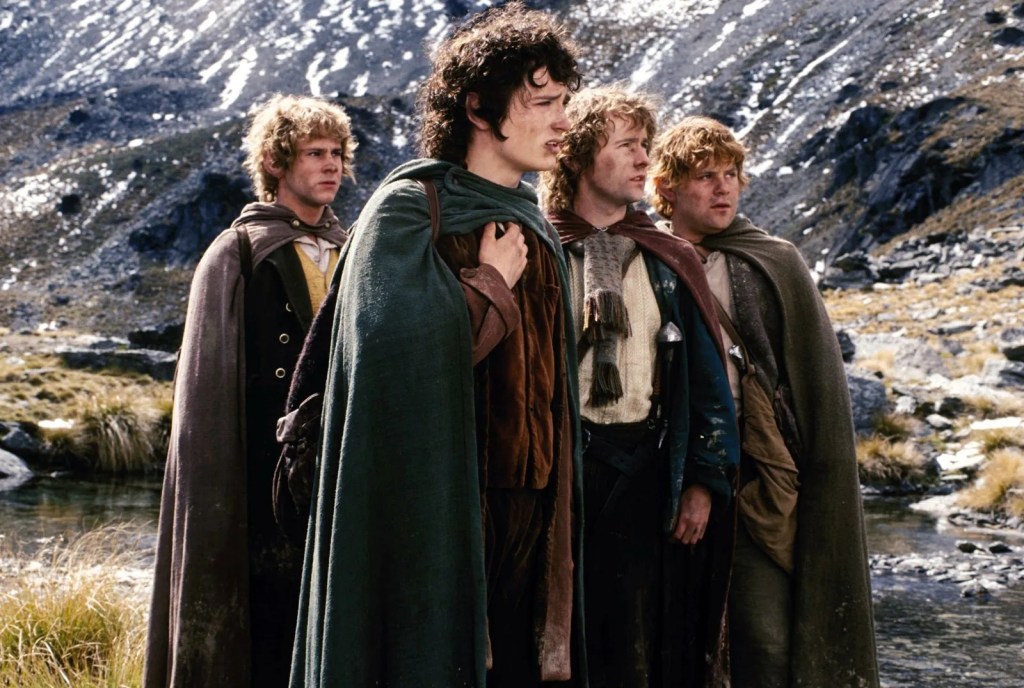
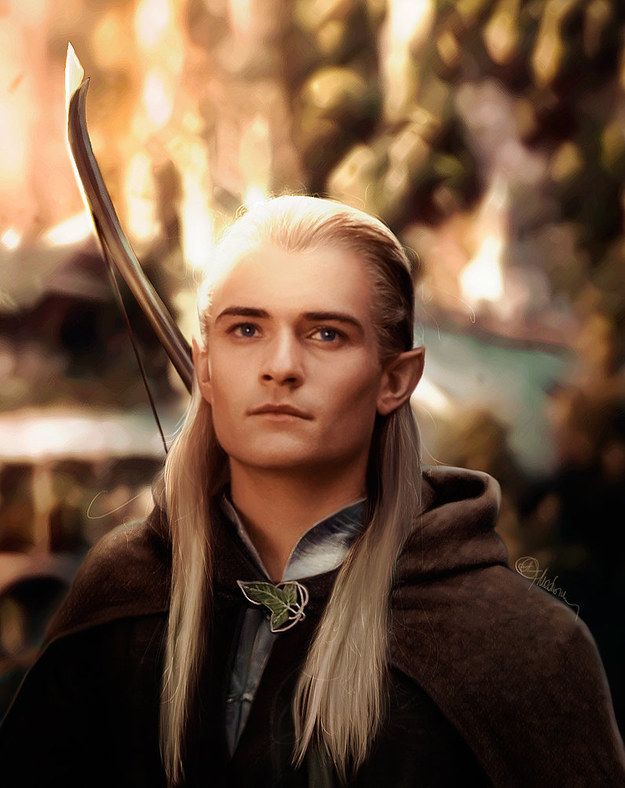
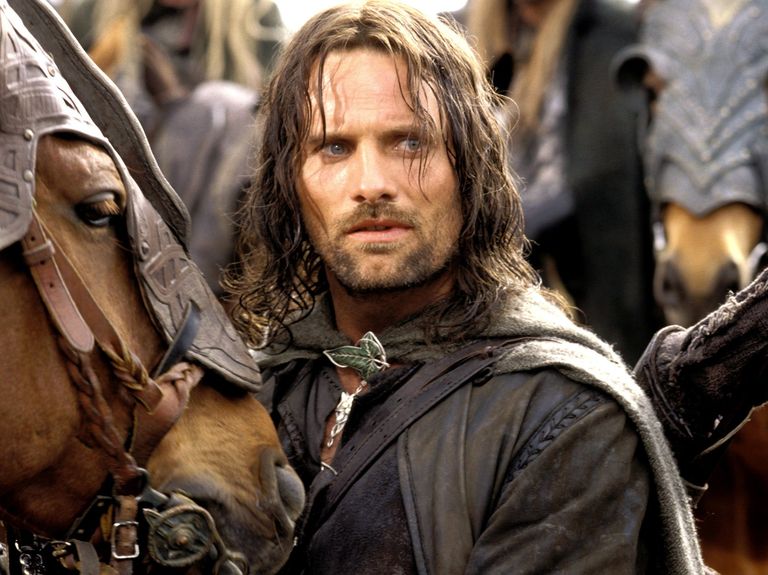
The main characters are the four Hobbits – Frodo, Samwise (Sean Astin), Merry (Dominic Monaghan), and Pippin (Billy Boyd) – and the rest of the Fellowship, Gandalf, the Elvish prince/archer Legolas (Orlando Bloom), the lost heir to the throne of Gondor Aragorn (Viggo Mortensen), the dwarfish warrior Gimli (John-Rhys Davies), and son of the Steward of Gondor Boromir (played by the oft-killed off Sean Bean, who does not disappoint here). It is their adventure through which we see almost all of the major events unfold – becoming more integral once they are split up than when they were initially together, as it gave room for more diversity in how the story unfolded. The wars became more frequent, the straits more dire, and the threat of failure ever looming.
Between the three main heroes that make up your standard trio, they take some time to get used to one another. The true depth of their friendship, though, is yet to be revealed. The subtle differences in how their societies treat one another is touched on, but true world-building is done one word at a time.

Arwen, played by Liv Tyler, has a supporting role that was beefed up in this adaption in order to more convincingly tie her relationship to Aragorn in a believable manner, her father Elrond (Hugo Weaving), who is directing the elves’ efforts in escaping Middle Earth and directing those who stay behind to aid in the war against Saruman, Galadriel (played phenomenally by Cate Blanchett) make up the rest of the supporting cast appearing throughout at key points to further explore what is going on in the world. The fact that they are the only two women in the movie is a bit annoying, yet it is totally in line with early 20th century fiction by men, and early 21st century film. The Rings of Power, a more recent adaptation of an earlier period of the same world, took great strides to give a far more diverse, far more equitable slate of characters. One of whom is even Galadriel.
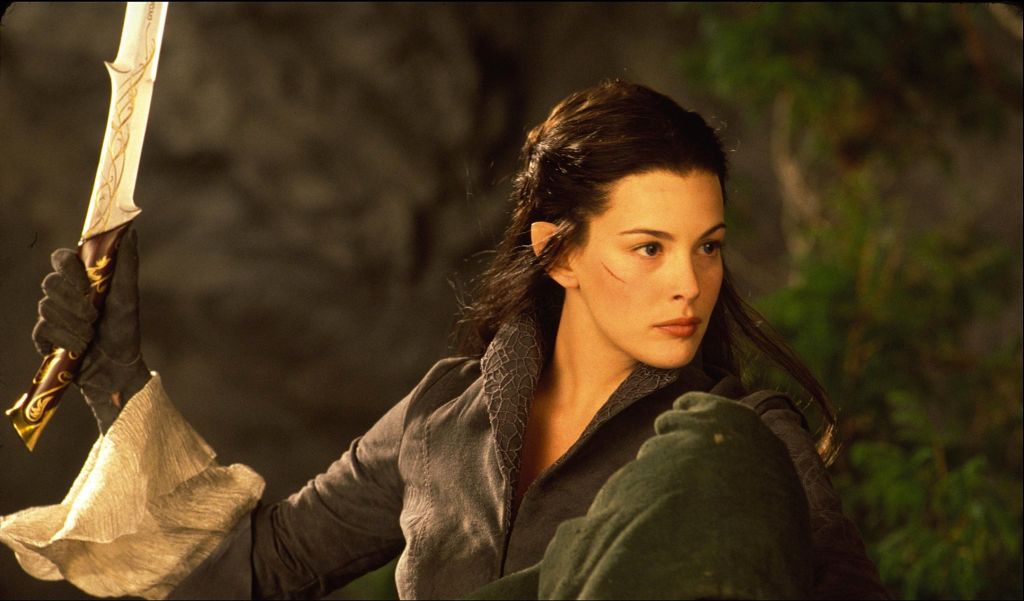
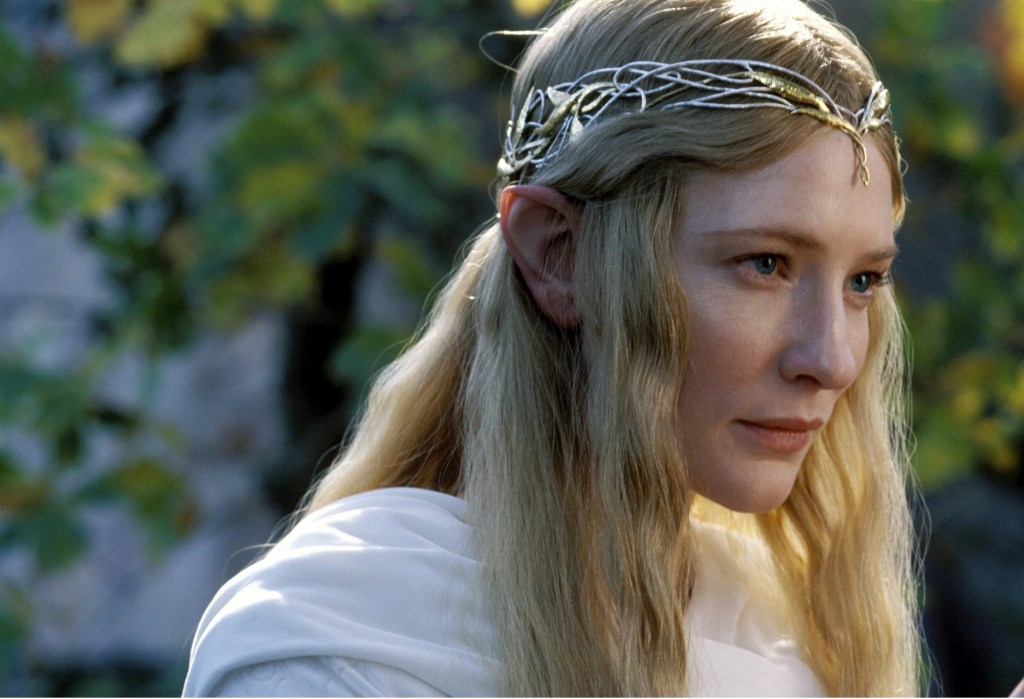
The villain, Sauron, is not yet returned to his full glory – and although Sala Baker does a wonderful job for what his role is, we all know that if he had truly appeared, then it would have been game, set, and match for the heroes. So, he spends the trilogy as an Eye. Instead, Christopher Lee’s Saruman plays the heavy in the trilogy, acting as the major force the heroes have to fight off to get the Ring into Mordor and destroy it once and for all. Andy Serkis, long before his role as Caesar in the rebooted Planet of the Apes trilogy, Leader Snoke in the sequel trilogy for Star Wars, or even Ulysses Klaue in the MCU, he gave his efforts to Gollum, who bore the Ring for hundreds of years – though he is a minor player in this film.
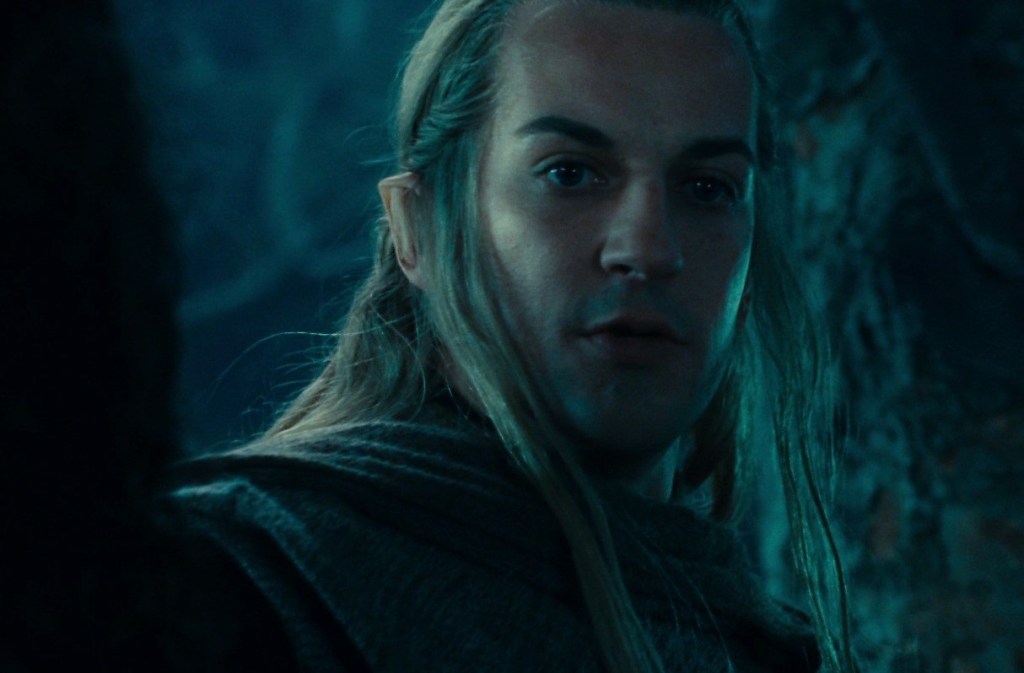
One person who stood out for me, and definitely caught me off guard was Craig Parker – whose role in this film was minor, but more important in the sequel – as he is an actor that I have seen through many more recent shows that I have enjoyed, such as Reign.
Seeing him in this was a fun surprise, and while some may not know of his immense body of work, it increased my emotional response to his fall in the sequel. It always is enjoyable to find somebody you know in an earlier part of their career, long before you knew about them.
In a world of sword and sorcery, magic and mischief, and good and evil, it can feel a bit tame compared to more modern works. The grand scope of The Lord of the Rings is still something that other authors and film makers are chasing to this very day. Subjectively, some may surpass it. The truth is, without it, many of them might not exist. That is not to say that no good fantasy idea could exist without The Lord of the Rings, but the simple fact is, this was one of, if not the, first modern fantasy story. It built its own world (of a sort), its own mythology, and gave way to some of the key species that we know and love today. It’s not that hard to give credit where it’s due.

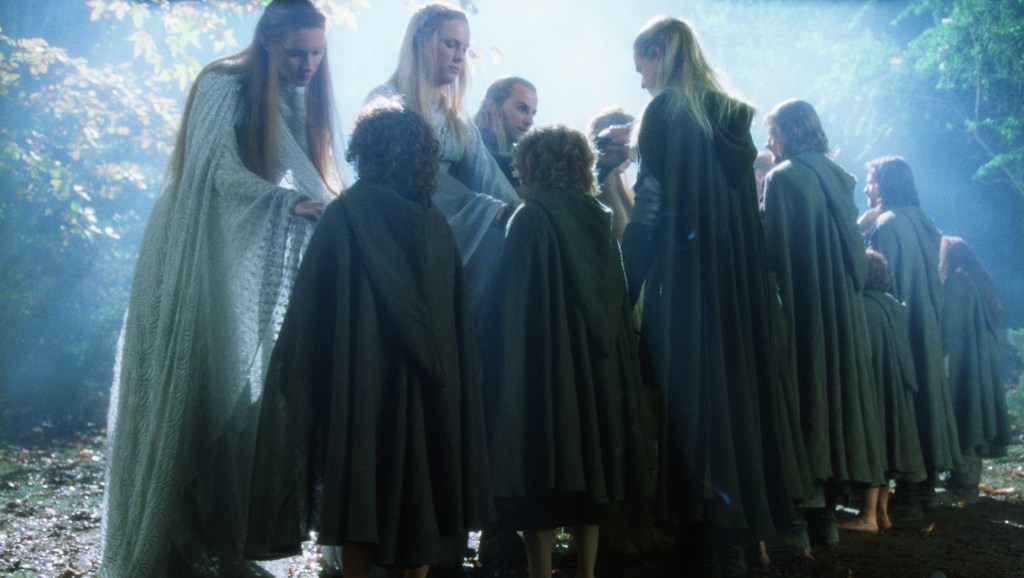
The Lord of the Rings is, quite simply, the example upon which fantasy is built on. The all-powerful wizard who guides the heroes, the lost heir to a throne long since fallen into disrepair, the friendly rivalry between species such as elves and dwarves, and the powerful belief in friendship persevering over the threat of darkness and evil. Never mind the fact that, without it, certain stories may not have existed (I’m looking at you, GRRM). After all, how can one deconstruct what was never constructed, to begin with?
 Lloydd Marshall Books