
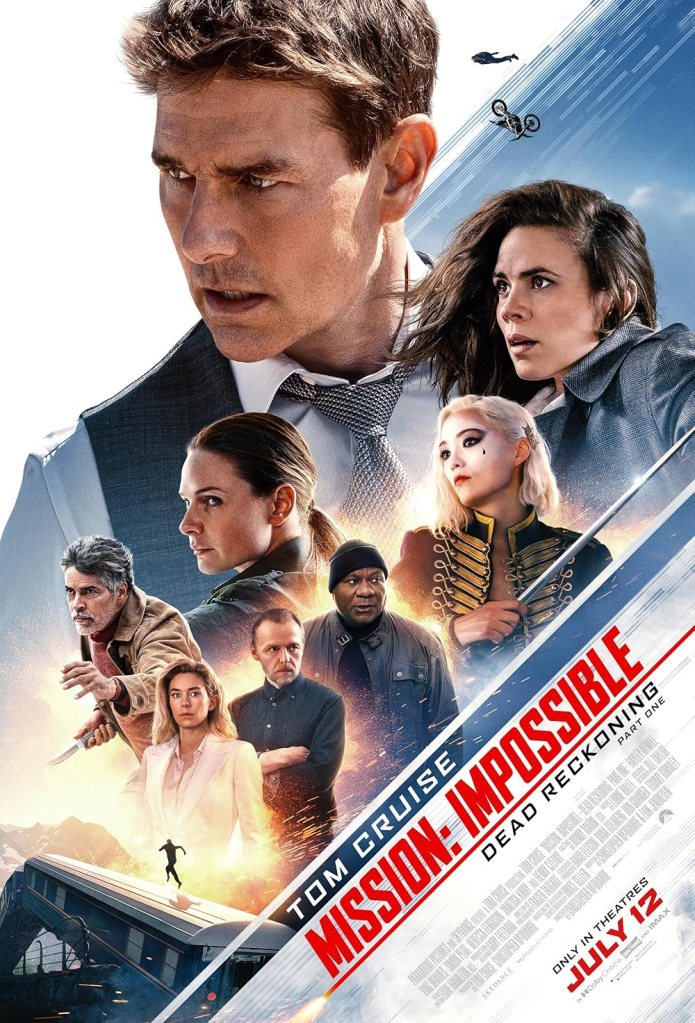
Coming out in 2023 after a planned 2021 release that was derailed by production shutdowns, Mission: Impossible – Dead Reckoning Part One (which has ostensibly dropped that Part One portion, considering the follow-up has been titled The Final Reckoning) was given the short straw in many regards. This does little to negate the fact that it is a great film with an intriguing, albeit terrifying, central storyline centered on a rogue AI, the Entity, which draws the world closer to destruction with each passing day.
Once more, Ethan Hunt (Tom Cruise) and his team are the only ones standing between humanity and its end.
This entry was always planned as the first part of a two-part story, and while that may not come through quite as clearly when audiences sit down to see The Final Reckoning, that has more to do with real-world issues than anything thought up by the production. Initially, Part One and the then-titled Part Two were intended to be filmed back-to-back, giving the distinct impression that the only time skip involved would be a real-world one. With it being so recently released, any and all details that could have been considered for an original version of the story are unknown.

But at the end of the day, Dead Reckoning had a story to tell that was all its own, and that is the best part of a two-part story. It may end on a cliffhanger, but it provides enough closure that it can stand on its own two-hour and forty-three-minute runtime.
With all that in mind, Dead Reckoning had some goals to accomplish within its confines: tying up loose ends, preparing character arcs to close, and ensuring its story was not lost in the shuffle. One of the most notable facets of this was the character of Eugene Kittridge (Henry Czerny), who played the Director of the IMF in Mission: Impossible (1996), returning in a substantive role as the Director of the CIA. With Angela Bassett not physically returning onscreen, the film does go out of its way to explain why – she was elected President between Fallout and Dead Reckoning.
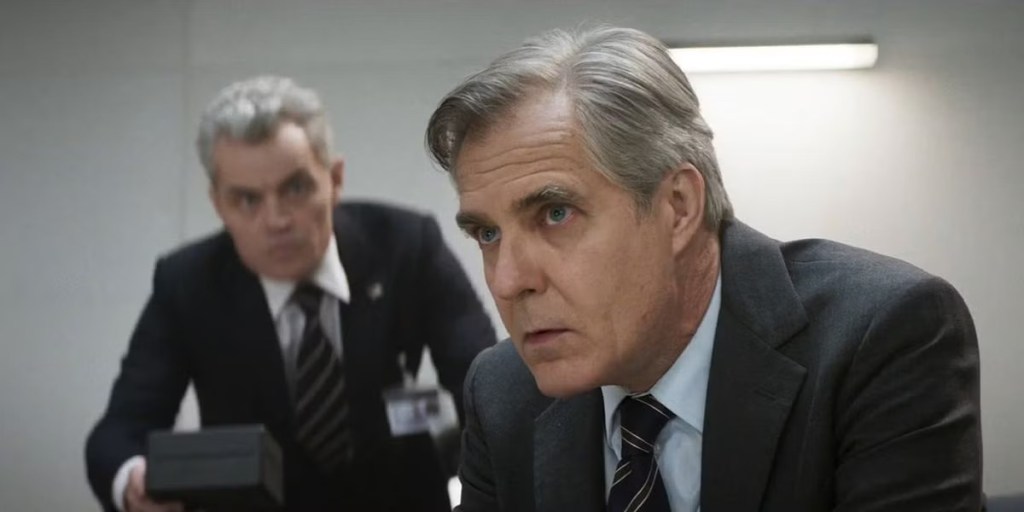
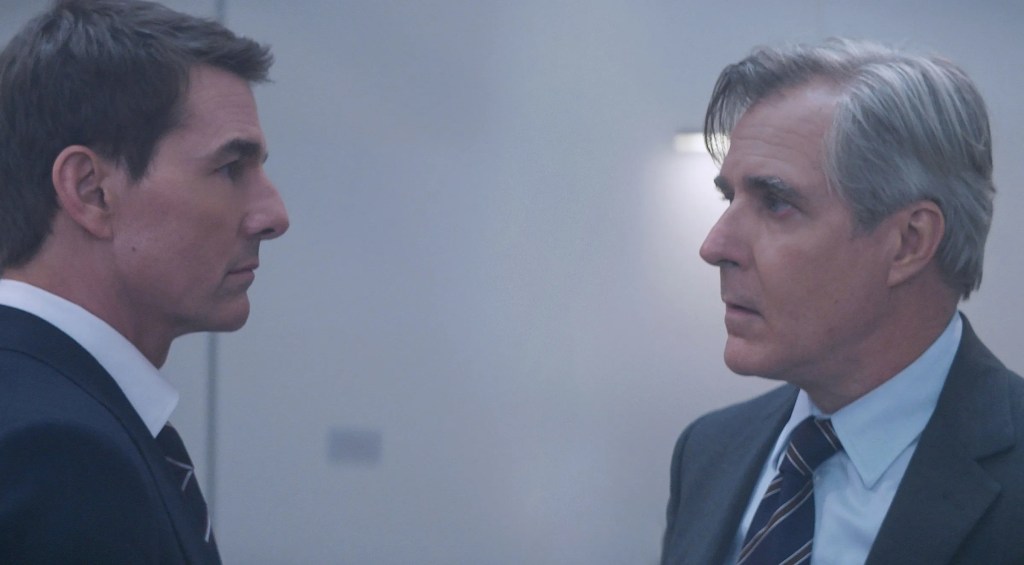
With her role demoted to the background, we were still treated to the introduction of key members of her administration. These include the Director of National Intelligence, Denlinger (Cary Elwes), the only one named in the film, with the others identified in the credits solely by their positions. They were NRO (Charles Parnell), JSOC (Rob Delaney), DIA (Indira Varma), and NSA (Mark Gatiss). Their presence in the film is minimal, occurring during an intelligence community briefing in Washington, D.C., regarding the Entity, which Ethan infiltrates despite the highly secure apparatus surrounding them. As he is always doing. While the group is literally discussing how “humans’ are the weakest link of any security chain, we are treated to the arrival of a man, Eugene Kittridge’s adjutant (Marcello Walton), silent and efficient, and one hundred percent Ethan wearing one of the series trademarked masks.
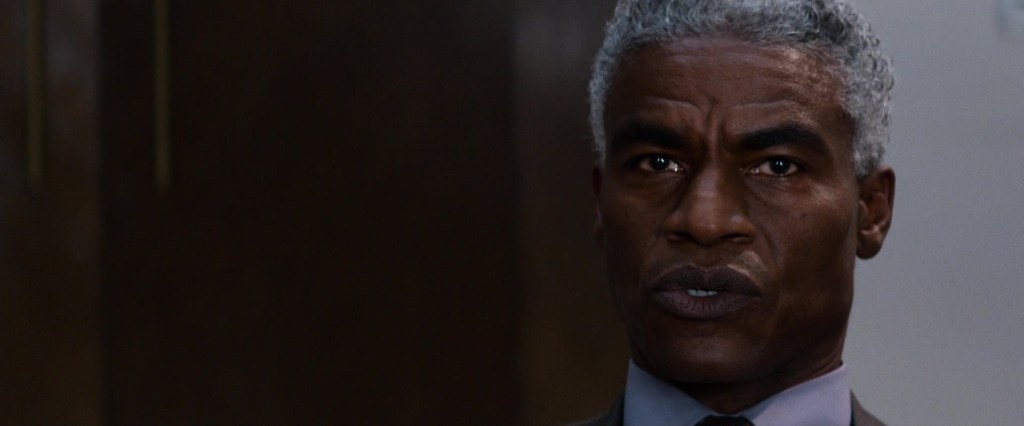
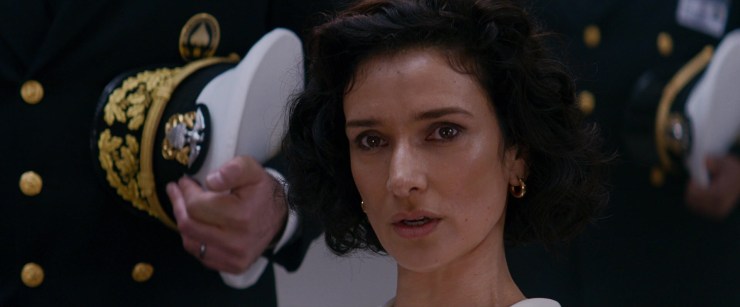

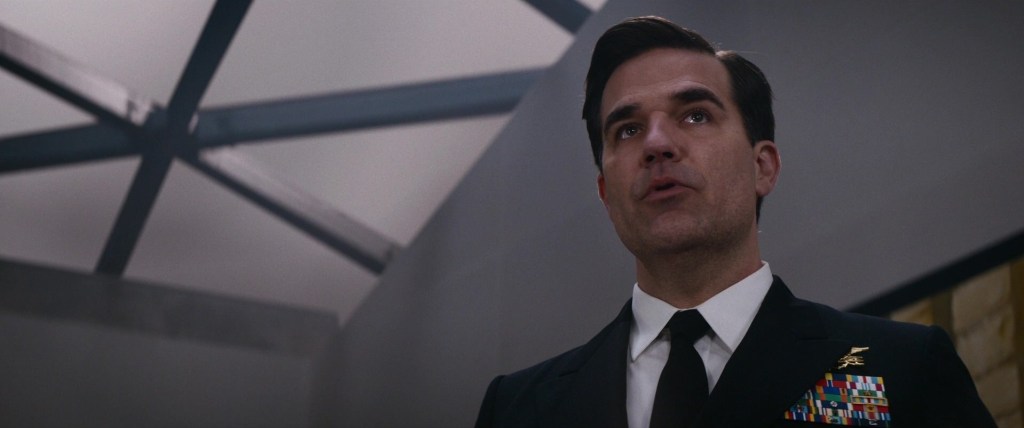
What makes this film so fun is that it hits all the best notes of a conspiracy thriller at the heart of an action film. Whether a single Mission: Impossible film has ever succeeded at this is, as always, up to the individual. Personally, I considered this movie to be the most effective one, as conversations about AI in our lifetime are becoming increasingly volatile. Seeing its darkest capabilities up close is harrowing. Its ability to manipulate people through our shared trust in, as the DIA notes, “constructed digital reality” is not merely terrifying; it’s eye-opening.

Throughout Dead Reckoning, it is impossible to trust that you are speaking to somebody unless they are physically in front of you, and by then, you have almost certainly been led into a trap.
The Entity reroutes people based on a series of probabilities, whether by ensuring minor delays, the delivery or non-delivery of information, and its near-omniscient understanding of who each person is, down to the seemingly most insignificant detail. Three-quarters of Dead Reckoning is set in motion solely because the Entity plays the core cast of characters against themselves as much as itself. While it is capable of much, its limitations are overcome by human actors, resulting in perhaps the closest that a villain has ever come to achieving their goal.
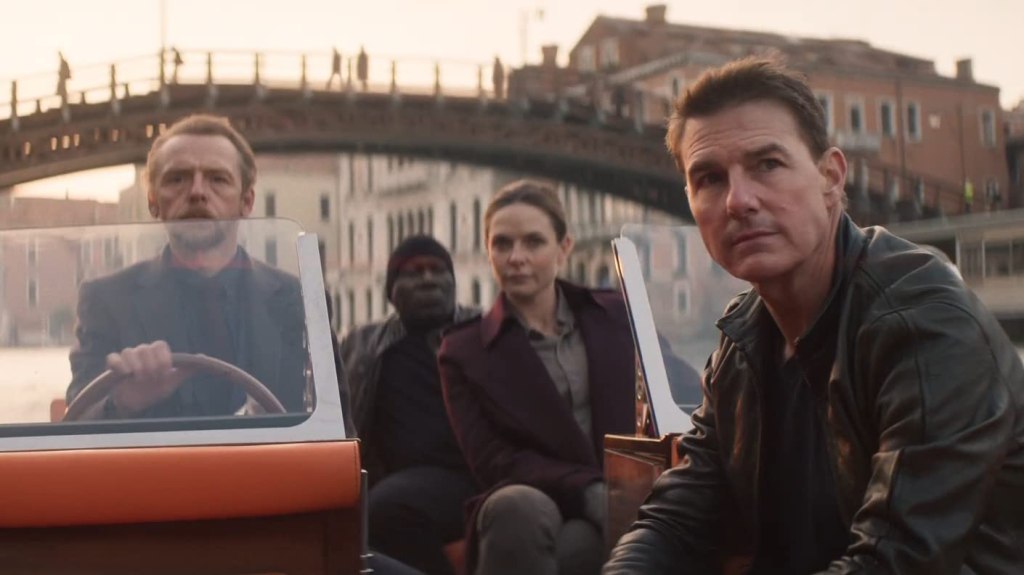
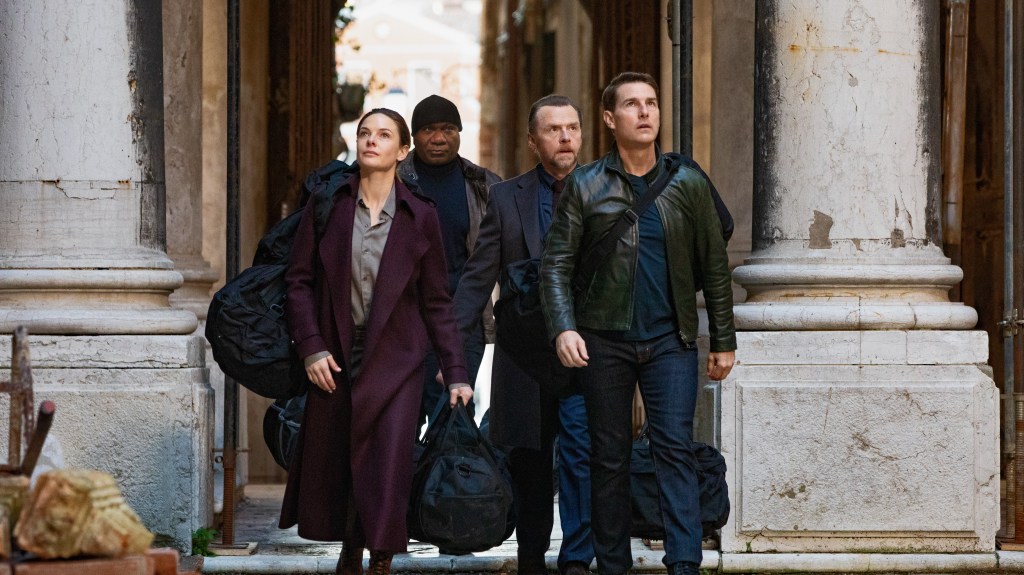
The core returning characters are Luther Stickell (Ving Rhames), Benji Dunn (Simon Pegg), and Ilsa Faust (Rebecca Ferguson) to fill out Ethan’s team. Additionally, Alanna (Vanessa Kirby) and Zola Mitsopolis (Frederick Schmidt), the White Widow, and her brother, who were introduced in Fallout, return in a central role as one faction in play for the Entity’s plans. While Alanna and Zola were revealed to have been contracted by the CIA in the previous film, this time, they are in it for themselves, acting as the brokers who, through a direct threat to her life, Alanna ultimately sides with the villains to ensure her own survival.
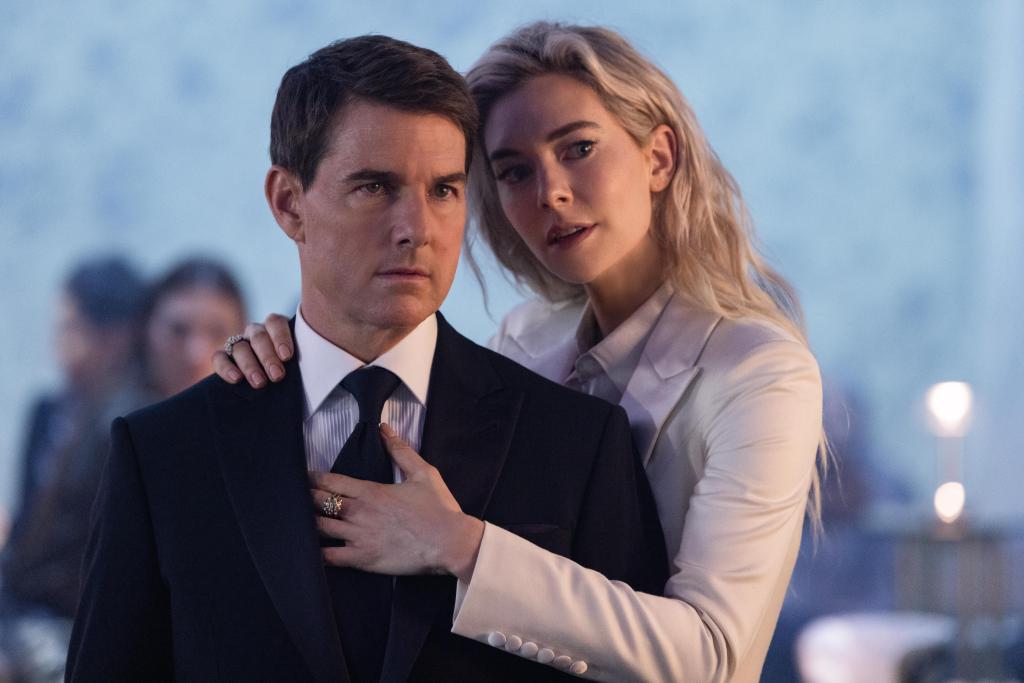
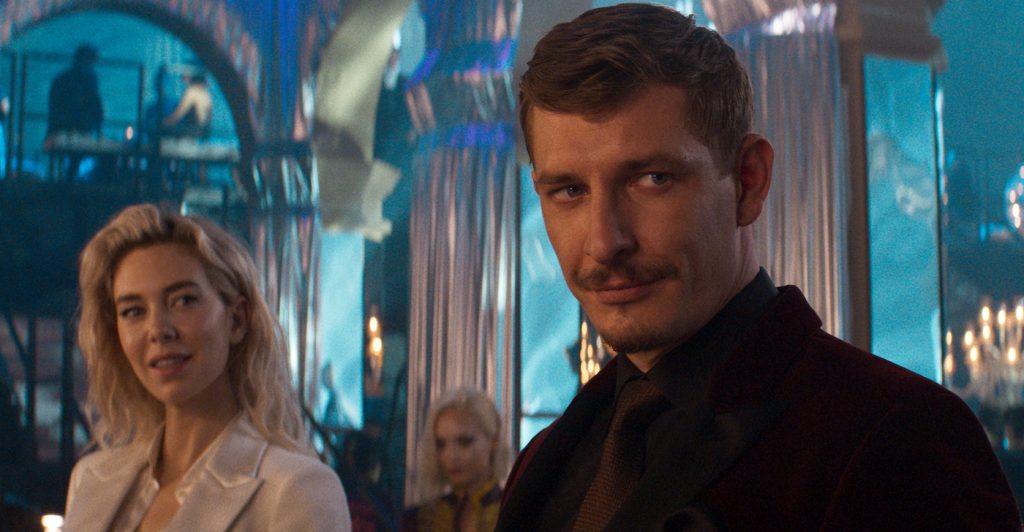
While the Entity acts as the major threat, it is incapable of executing its plans without the help of a human actor. Enter Gabriel (Esai Morales) and his team. He is an assassin with ties to Ethan in the past, centered on the murder of a woman, Marie (Mariela Garriga), and his presence disrupts Ethan when he is recognized. Whether this directly implies that the Entity understood that Ethan Hunt could be and, most likely will be, the only force on the planet that would choose to stop him over anything else, and so chose a figure that could force an emotional decision over a logical one, is not a ‘maybe.’ Luther specifically points this out before Ethan goes toe to toe with Gabriel during the film’s closing act.

Regarding Gabriel, it is interesting to consider how the character was intended to be portrayed during the initial production phase when Nicholas Hoult (twenty-seven years younger than Esai Morales and Tom Cruise) was cast.
As much of the final role makes no sense with Hoult in the role as written, it is worth exploring this aspect. It is quite possible that the character of Gabriel was given a more personal connection to Ethan through minor rewrites because, while the death of Marie certainly compounds Ethan’s reasons to despise Gabriel, it is notable that Ethan has never truly needed a personal reason to go after the bad guy. Generally, just being the bad guy was reason enough.
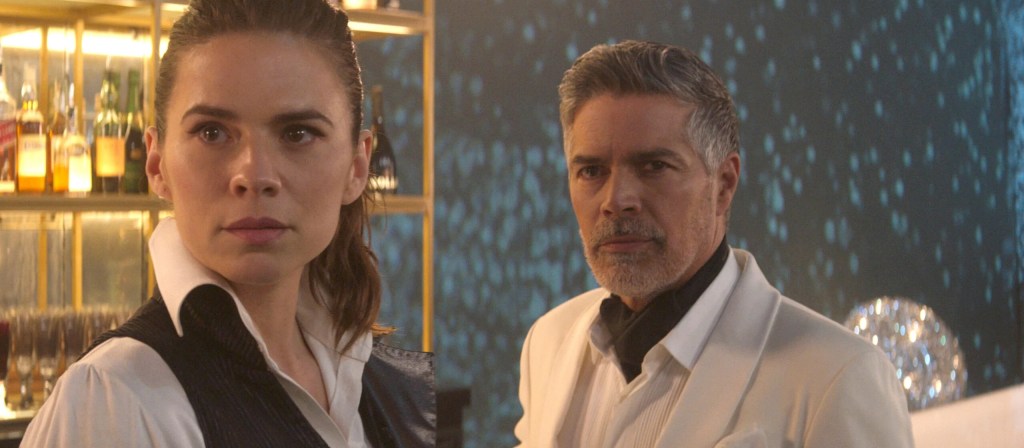
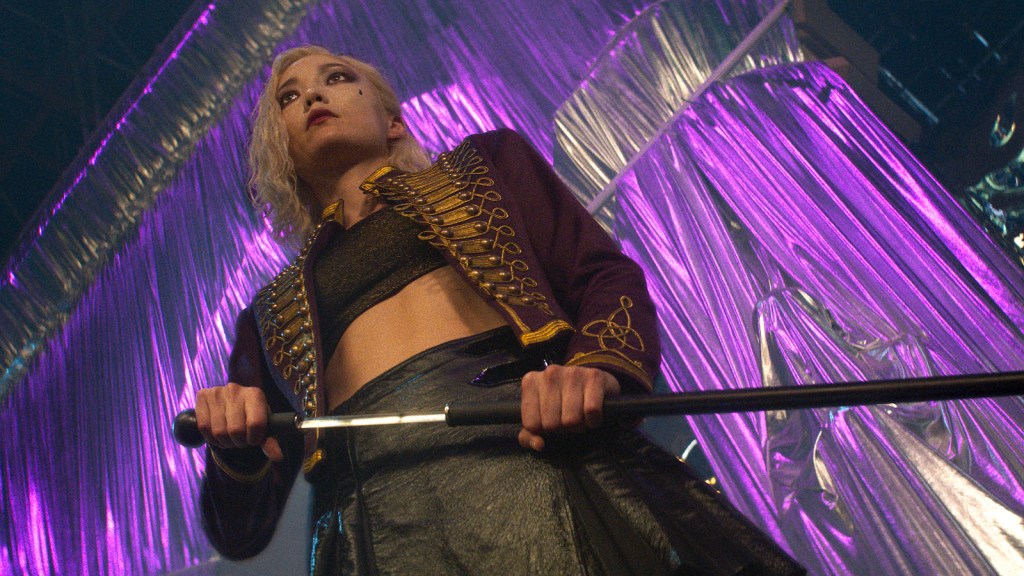
Alongside Gabriel is Paris (Pom Klementieff), a French assassin in league with Gabriel and acts as the muscle for most of the film. Perhaps a bit psychotic, she is nonetheless an effective operative who manages to corner Ethan on multiple occasions, using the environment to her advantage to nearly kill him in Venice at one point. She is notable for being the first high-profile female villain in these films who is more than just intellectual eye candy when paired opposite Ethan – Ilsa does not count as she was not a villain for this point.

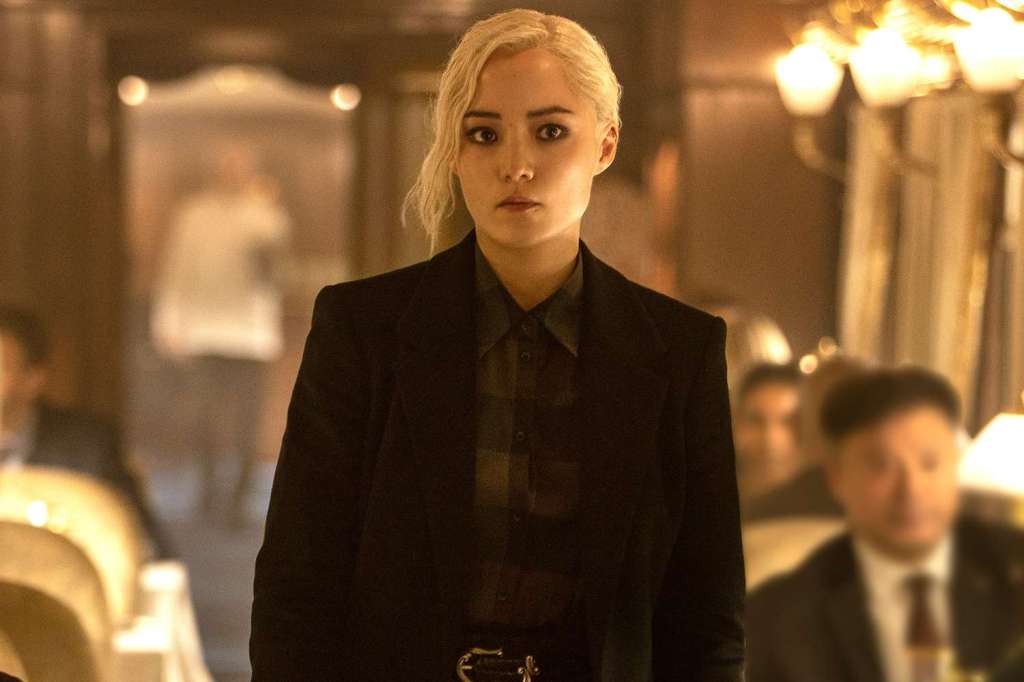
Max (Vanessa Redgrave), while cunning, never fought anybody directly, and Sabine (Léa Seydoux) was not given the direct honor of fighting Ethan himself, as her role was thematically tied to Jane’s (Paula Patton) in Ghost Protocol. As such, watching Pom Klementieff take on Tom Cruise was a breath of fresh air.
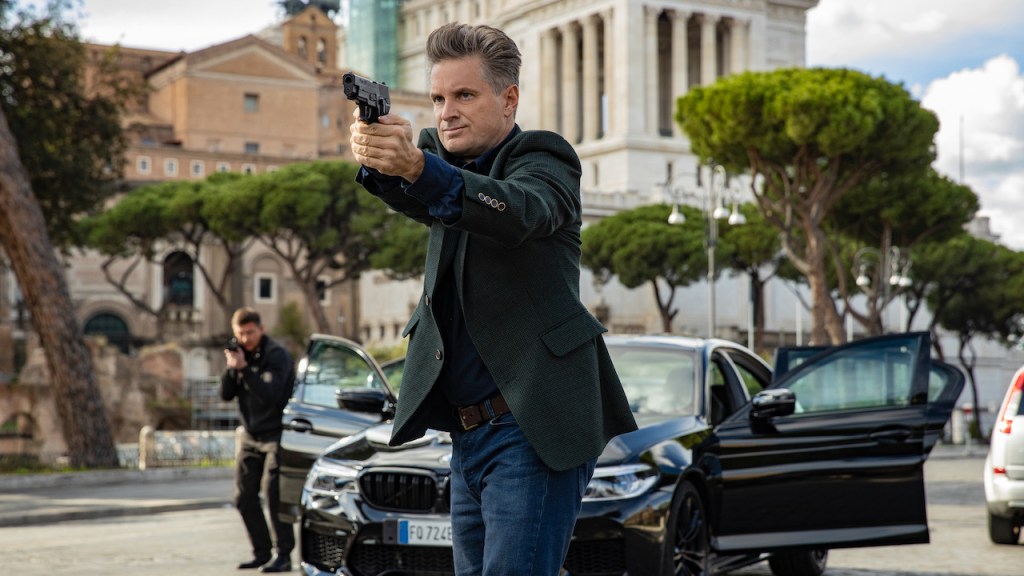
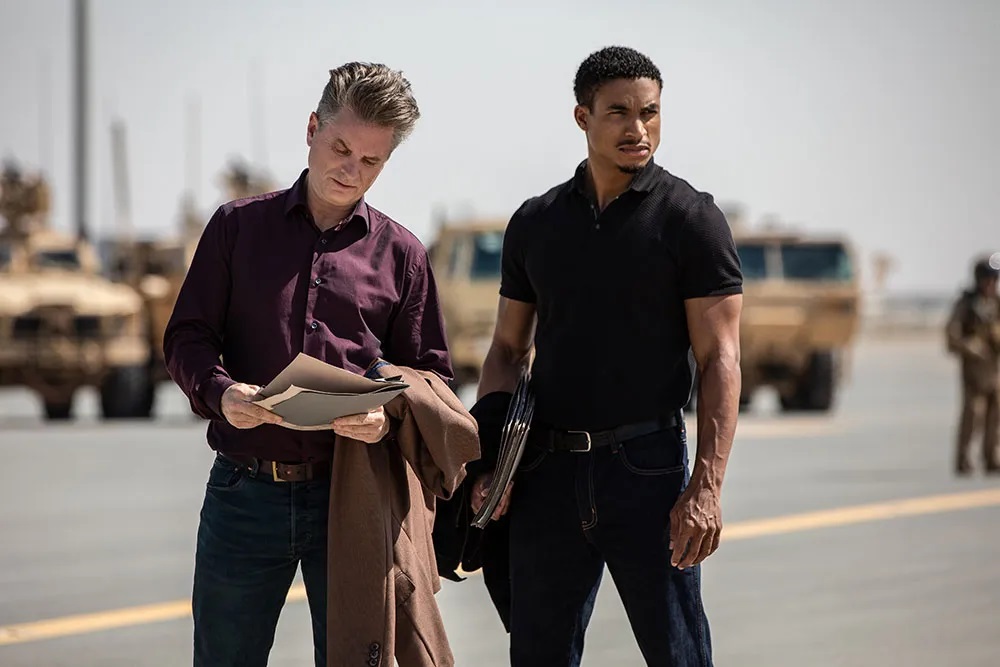
We are also given the hitherto expected authorities chasing Ethan rather than the more overt threat that exists in parallel to him. Jasper Briggs (Shea Whigham) is a US intelligence agent tasked with hunting down Ethan and his team. Throughout the film, Briggs is dedicated to doing his job and following the orders that he has been given, which makes him a Hero Antagonist through and through. Briggs’ main partner is Theo Degas (Greg Tarzan Davis), and, as a character, he is nuanced and able to parse the situation a bit more clearly once the context is provided. As a pair, throughout the film, they are always seen together and act as comic relief before the climax on the Orient Express.
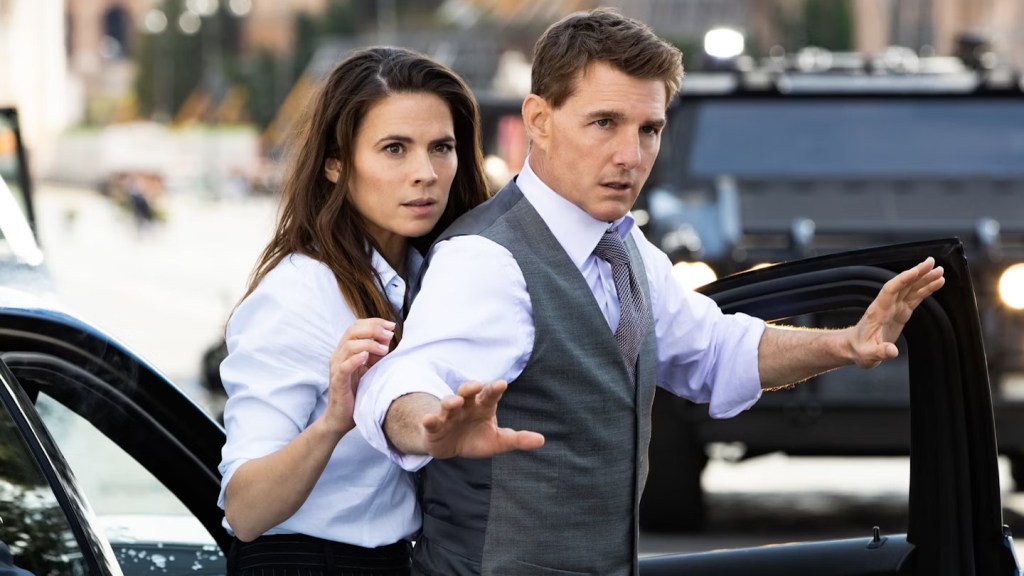
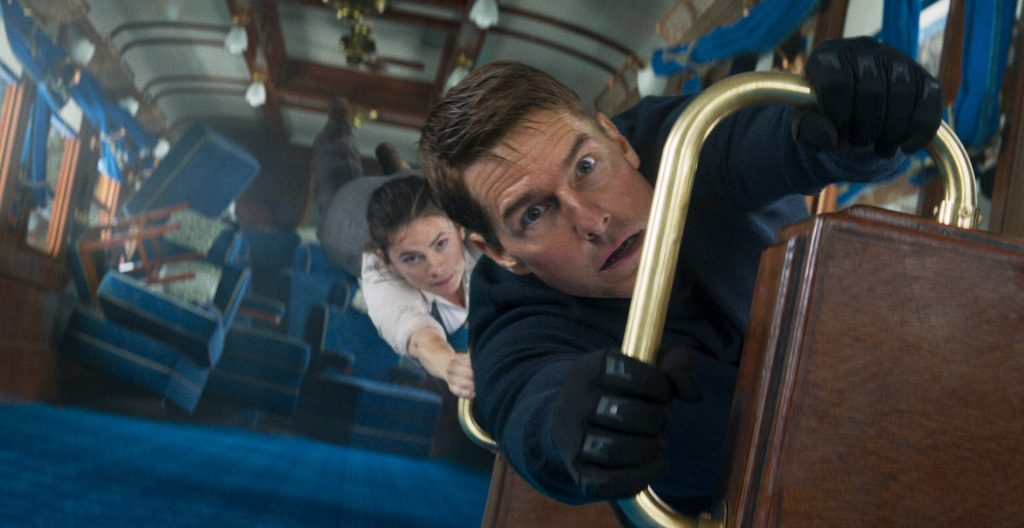
Finally, and the biggest red flag for a major plot point in the film, we have Grace (Hayley Atwell), a thief who is at the center of it all and proof that the Entity knows Ethan all too well. Ethan Hunt cannot resist the near-pathological need to put himself in the line of fire to protect a woman – whether they are innocent or not. With the number of women who have been murdered in front of Ethan, his chivalry is not decorative. Still, it can be viewed as destructive at times, which was what the Entity counted on to save itself.
Grace was described by Christopher McQuarrie as a “destructive force of nature,” and boy does she prove it. Manipulating Ethan from the outset, she is just trying to make her way through a world that views her not simply as disposable but conveniently so.
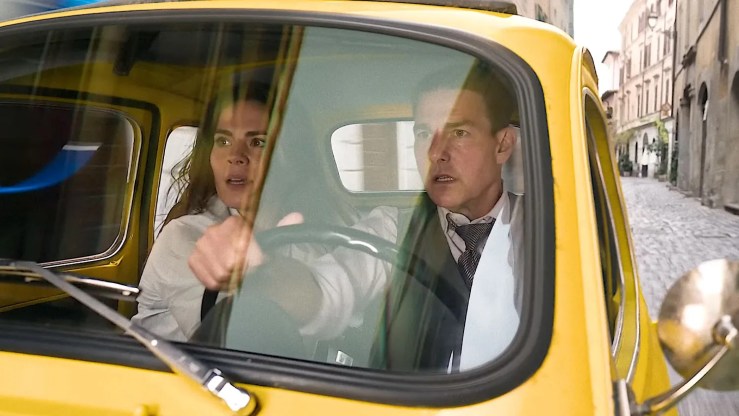
She is partnered with Ethan throughout Dead Reckoning and (since I have not yet had the pleasure to see it) seems poised to have an equally large role in The Final Reckoning. As a character, Grace takes center stage in Dead Reckoning, with her true loyalties thrown into chaos across the entirety of film (making one wonder if her role was originally intended for Ilsa to some degree, who had to take a reduced role in this film as a result of the pandemic-related delays in favor of Dune). Even so, Hayley Atwell makes this role a showstopper every time she appears on screen.

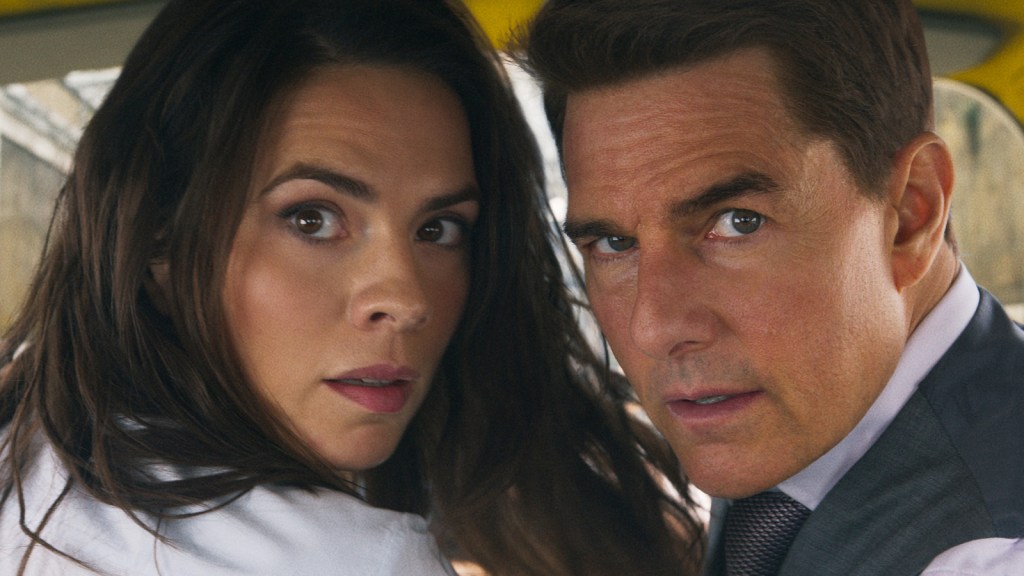
Like always, the stakes are unnervingly high. The action is thoroughly insane and, at times, reality-defying, but the depth of soul is still there. Mission: Impossible – Dead Reckoning may have dropped the ‘Part One,’ but it certainly did not drop the ball.
 Lloydd Marshall Books