
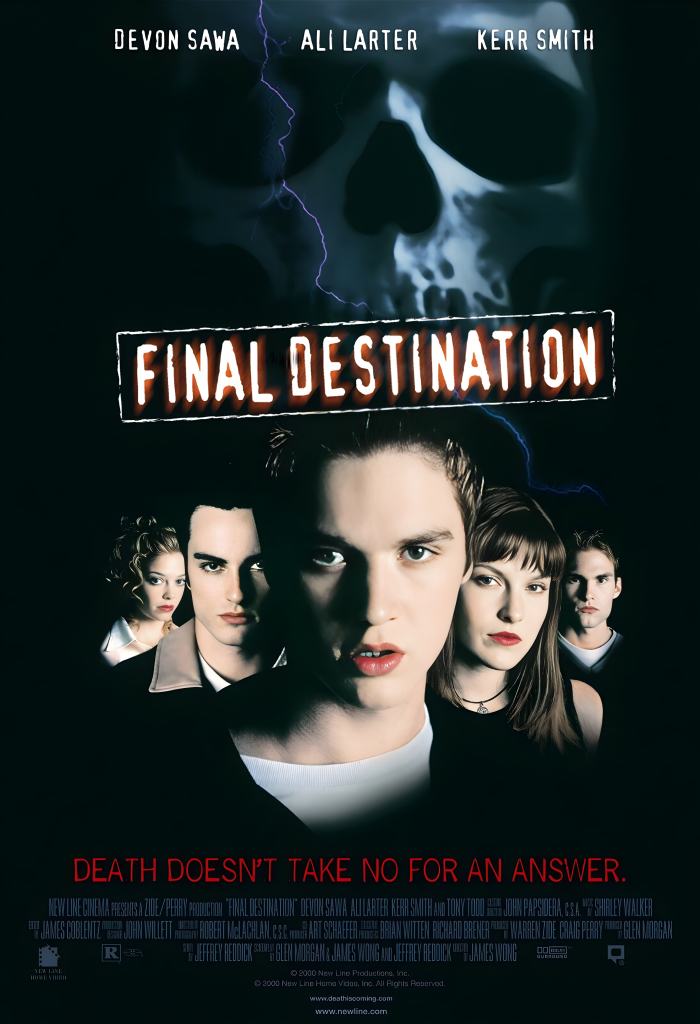
What began as an X-Files episode evolved into something that has endured for a quarter of a century, spanning six entries. Final Destination has a concept that can be considered simple yet elegant to play around with. What if the unbeatable force stalking a group of attractive teens or young adults were not a hulking undead figure like Jason Voorhees, an unrelenting monster like Michael Myers, or a nightmare creature made flesh like Freddy Krueger, but the very concept of Death itself?
What is a person to do when they have been marked for death not by a physical force but a metaphysical concept? Die, of course.
The first Final Destination film has the honor of introducing its concept and rules, and every entry that followed had the dubious honor of trying to retroactively alter the very fabric of what was established here without unduly changing things. From the outset, the pattern is quite easy to grasp: one person has an uneasy feeling that manifests itself into a visceral premonition of their death and the deaths of all those around them. This leads to them and a few others vacating the premises with doubts and tensions running high, only for the event to unfold precisely as predicted, which ultimately spirals into all of the survivors dying one by one, with the few remaining members clinging to any hope that they might survive. Yes, it is a foolproof concept, but how each film played around with it after the first spoke to the ingenuity of its simplicity. Final Destination never lays out any hard and fast rules; it gives supposition and nothing more. After all, by the time the credits roll, the implications are clear: Death is inescapable.
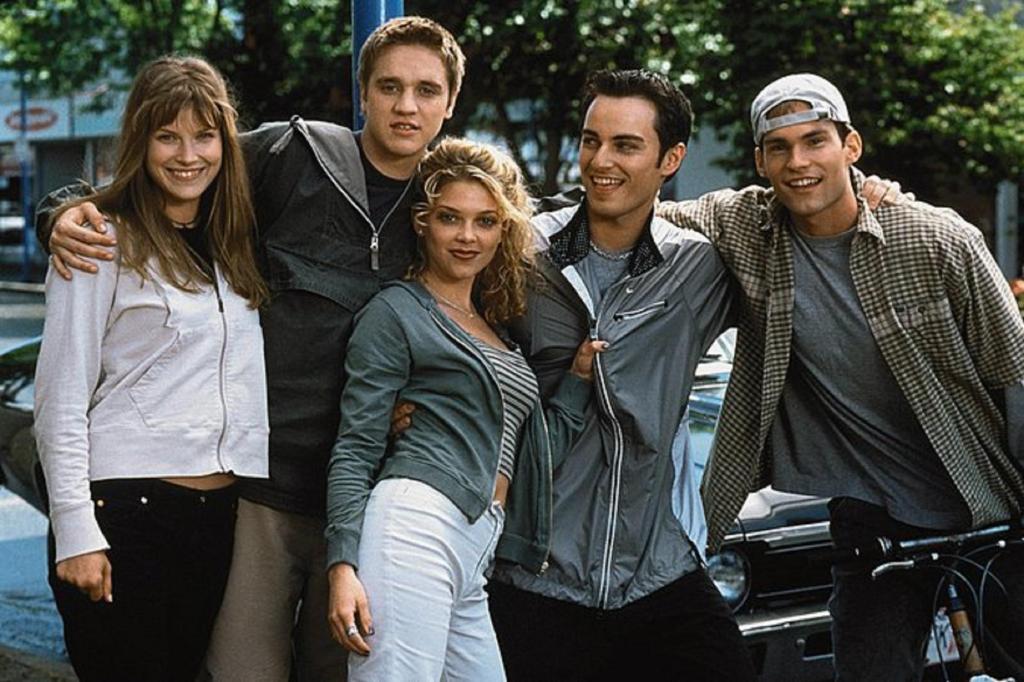
Final Destination centers on Alex Browning (Devon Sawa) and a group of his classmates from Mt. Abraham who are on a class trip to Paris. He is young, friendly, and perhaps the target of light bullying. Still, he seems like an affable kind of kid before his premonition. The first fifteen or so minutes of the ninety-minute film are spent developing the characters and the situation, giving us brief intros to the survivors, Tod Waggner (Chad E. Donella), Terry Chaney (Amanda Detmer), Valerie Lewton (Kristen Cloke), Billy Hitchcock (Seann William Scott), Carter Horton (Kerr Smith), and Clear Rivers (Ali Larter). Additionally, the film, and all that follow, took some time to bring to life those who would not make it off of the plane in the first place, specifically Blake Dreyer (Christine Chatelain), Christa Marsh (Lisa Marie Caruk), George Waggner (Brendan Fehr), and Larry Murnau (Forbes Angus). This gives us a stable cast to root for, even as it becomes clear that the threat looming over them may be more unbeatable than typical slasher fare.
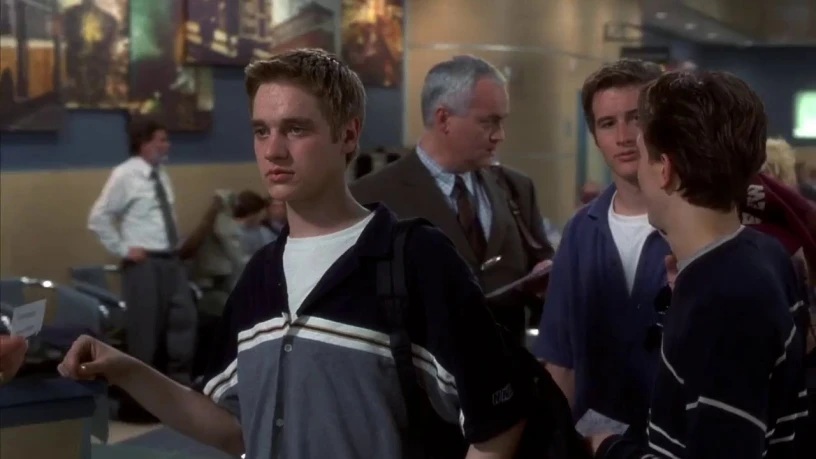
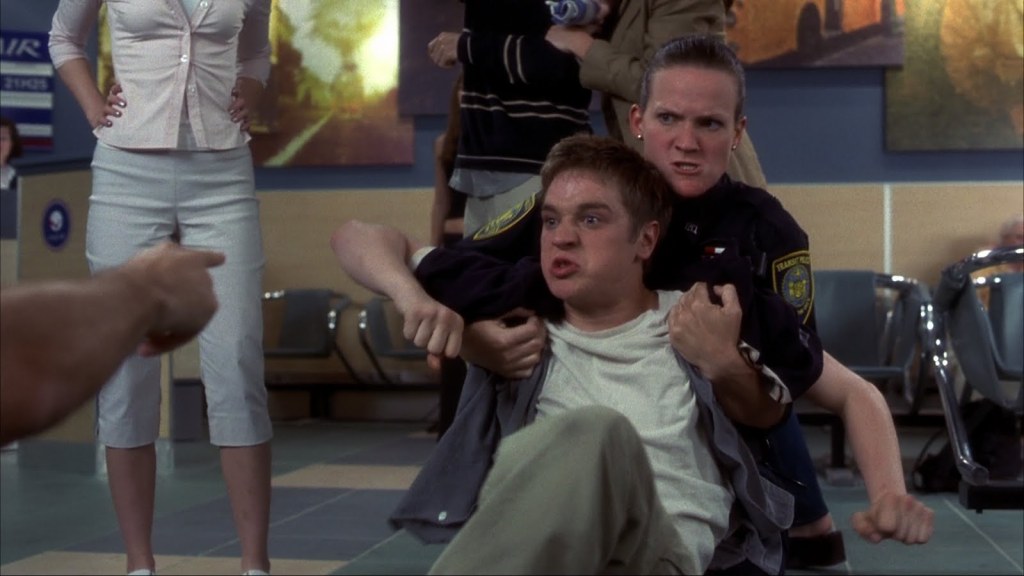
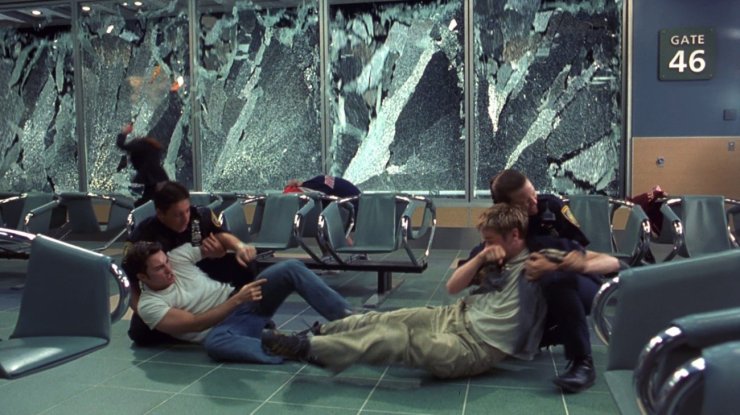
The survivors are stunned, if not outright horrified after their initial annoyance at being booted off of the plane because of Alex’s panic attack is erased in the wake of the fiery explosion. With the strange sequence of events, FBI Agents Weine (Daniel Roebuck) and Schreck (Roger Guenveur Smith) are called into the airport to investigate each of the survivors. As this was filmed in 1999 and released in 2000, it predates 9/11 by more than a year, offering viewers a glimpse into what the scenario would have looked like in the future. Alex is viewed with suspicion for his strange behavior and the prescience with which he predicted the explosion, but in the end, it was a mere coincidence. They keep an eye on him and all of the survivors, but with no hard proof of any wrongdoing, they’re allowed to go home. A month passes by before anything truly begins to unfold around them.
Final Destination films have a predictable pattern, but that is not terrible in and of itself. We must be honest with ourselves; most of us would not have gotten off of the plane.
But if we were caught up in the chaos like Billy, we’d be one of those lucky enough to be thrown off without any warning. The first few deaths in every Final Destination movie come at a point when the survivors have no true grasp of the situation that they are in, which means that Death can eliminate a handful long before anybody is truly fighting it off.
Each film tends to treat the deaths that follow the initial disaster as tragic but understandable accidents.
It begs the question as to why Death plans some of the elaborate if not outrageous, methods used in specific entries. With regards to the first two deaths on the list, Tod was alone, and his death resembled a suicide, while Terry was with every single survivor before taking a step into traffic. Since nobody saw what happened to Tod, is it any wonder that those around Alex, with the notable exception of Clear, do not believe him after Terry was hit by a bus? There was very little supernatural engineering involved in that move when compared to Valerie Lewton or the attempts on Alex, Carter, or Clear throughout the film. Any design feels like the ravings of a madman until Death is forced to get more creative.
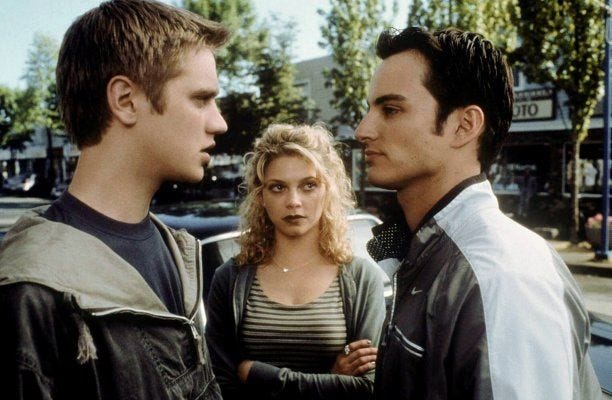
When compared to some of the sequels, Final Destination comes across as the most grounded entry in the series. By the time The Final Destination was released, perhaps even Final Destination 3 if I’m being honest, it was clear that audiences were no longer coming for the characterization but the hilarious, albeit grotesque, and over-the-top manner in which Death would cull its way through its list. The same occurred with the Saw and Friday the 13th franchises to a degree; characterization was present, but the traps in the former and Jason Voorhees’ outlandish kills in the latter were the selling points. Latter entries in all of these franchises would attempt to course correct, of course. Jigsaw (2017), Friday the 13th (2009), and Final Destination 5 took great pains to emphasize character over spectacle while still letting spectacle have its place in the movie.

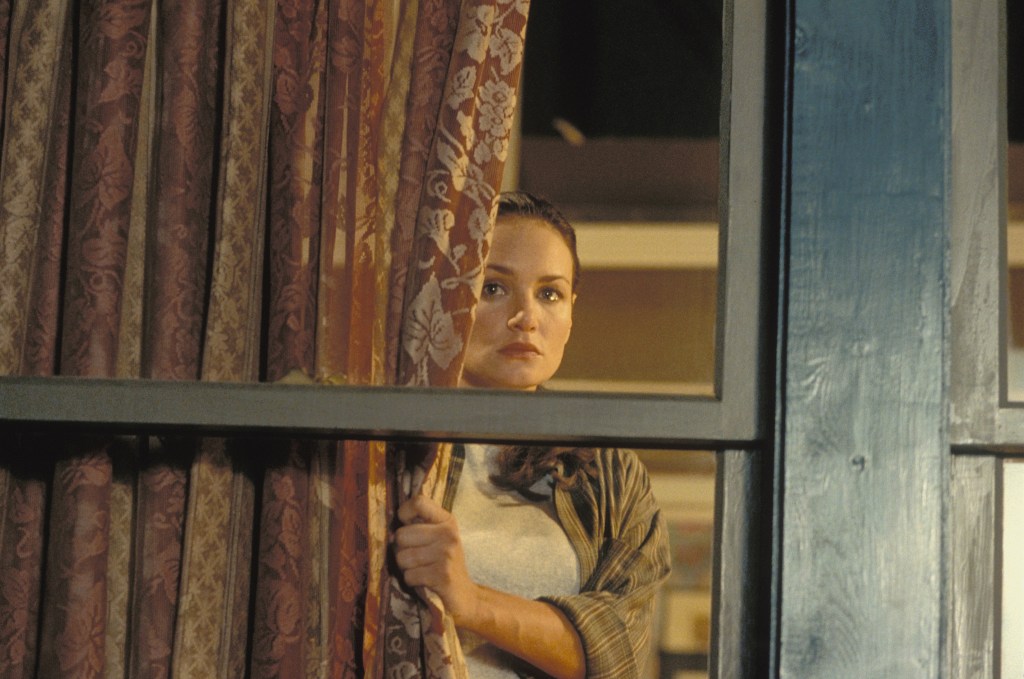
The cast of Final Destination, for me, is what made this film work as well as it did. Each character felt like a unique aspect of the film rather than just a slasher caricature. The trauma that they have gone through dramatically alters them in a way that most slasher characters are denied. This is generally because, unless the formula has deviated greatly, the teens in Halloween, Friday the 13th, and other slasher films have no idea that a threat exists until a handful of them are left. In stark contrast, Final Destination opens with a traumatic event, allowing us to see who they were before it unfolds and who they become afterward.
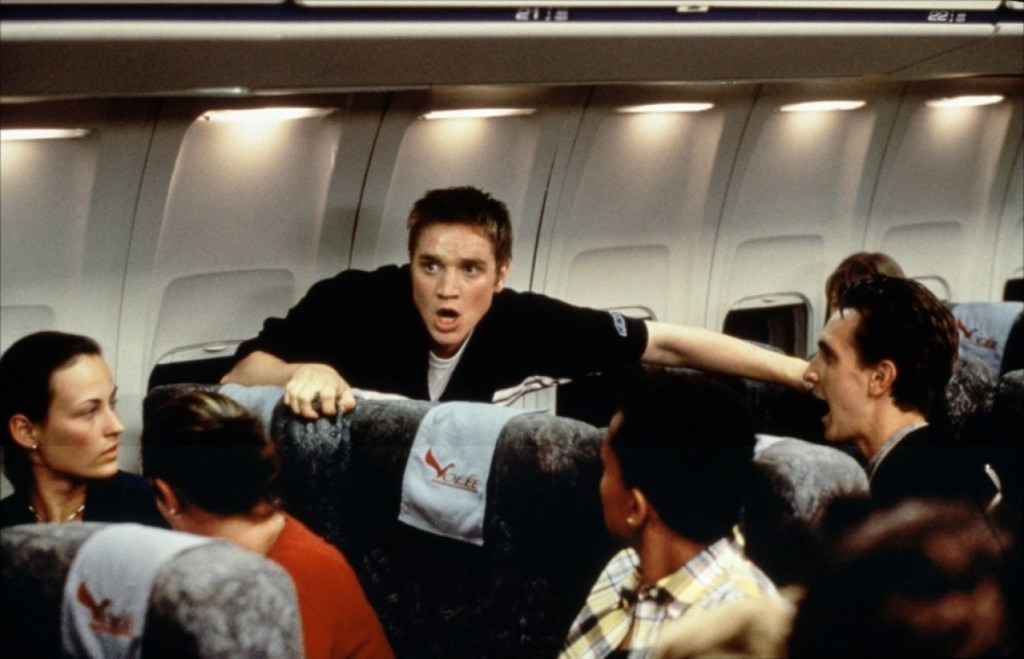
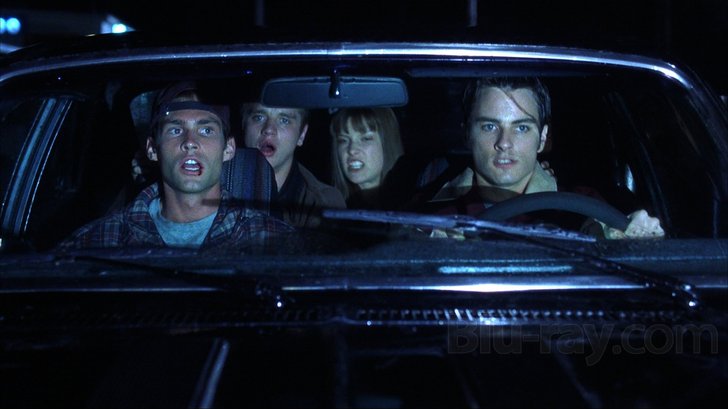
Echoes of their pre-disaster selves shine through in moments, but because their screen time is limited, they have to work with what they’re given. Terry’s outburst in her final scene is a standout moment, in my opinion. Mere moments before her death, she has decided to literally move on from the chaos of Carter and Alex and try to get back to normal. Valerie’s fear of Alex, on top of the guilt for having sent Larry back onto the plane, thread through her arc until the bitter end. For Valerie, it is easy to pin the emotional blame on Alex because she is struggling through her own emotional maelstrom. Carter’s rage at losing Terry becomes a lightning rod at one point. Still, he refuses to engage with Alex and Clear in any meaningful or helpful manner once it becomes clear that the threat is real. It takes one final death for Carter to grasp what is truly happening, but boy does he ever.
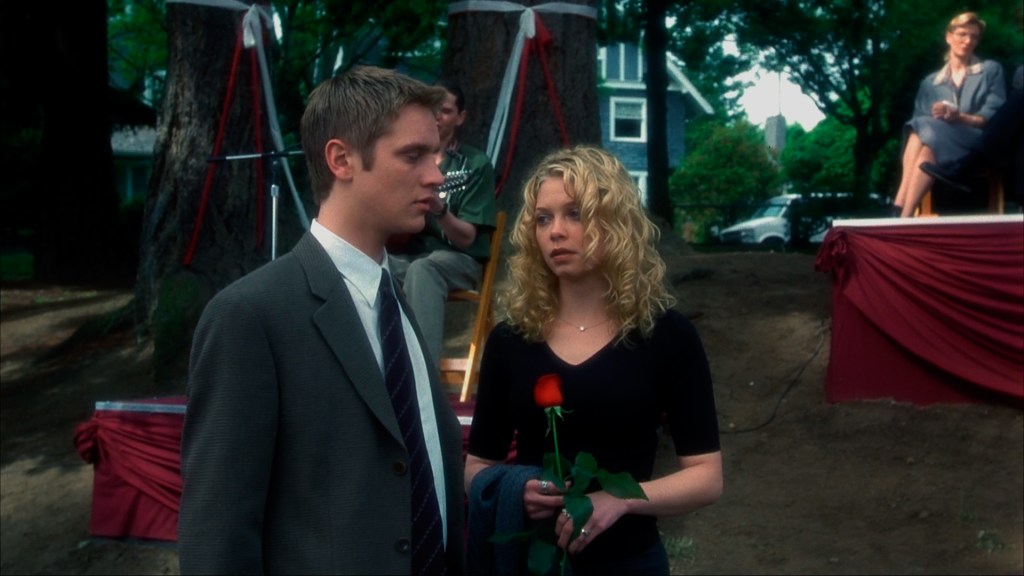
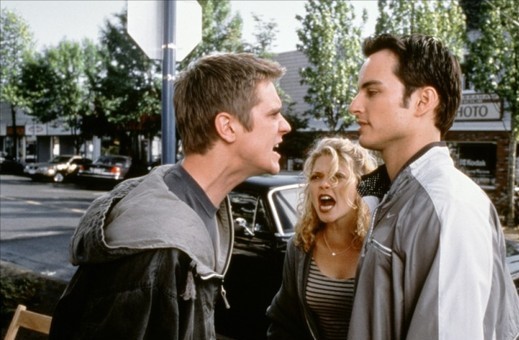
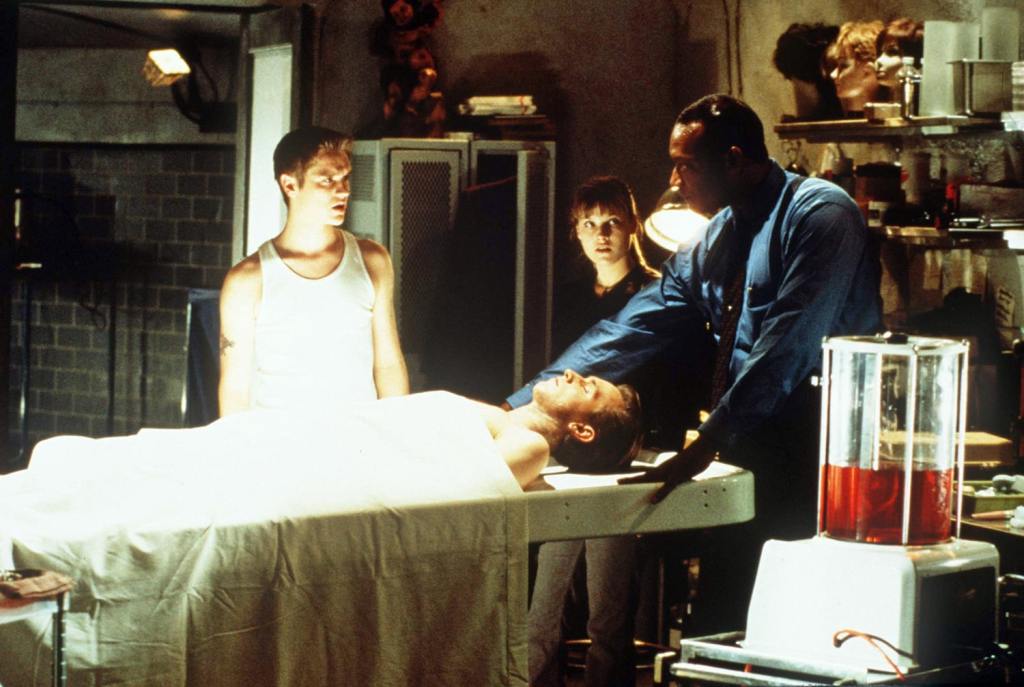
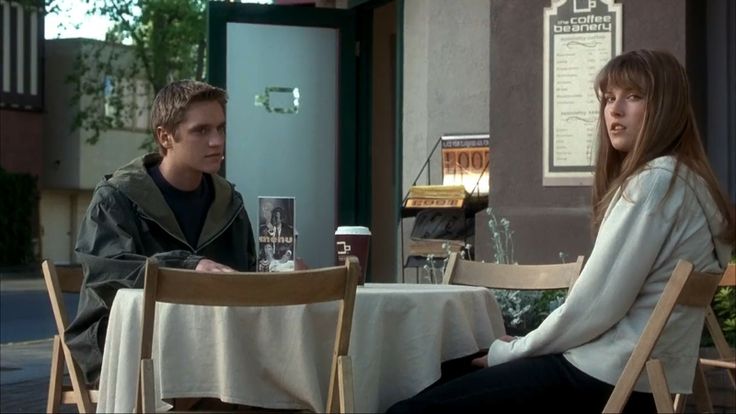
On its own, Final Destination is a powerful film about trauma, grief, and acceptance, all of which are hidden within a horror film. By the time Alex and Clear meet Mr. Bludworth (Tony Todd, who was a franchise mainstay until his death – granting him one final appearance in Bloodlines), they are still coming to grips with what they are facing. By the time the group knows for real, they’re down a few key members. From there, it’s only a matter of time before they reach their… Well, you know.

