
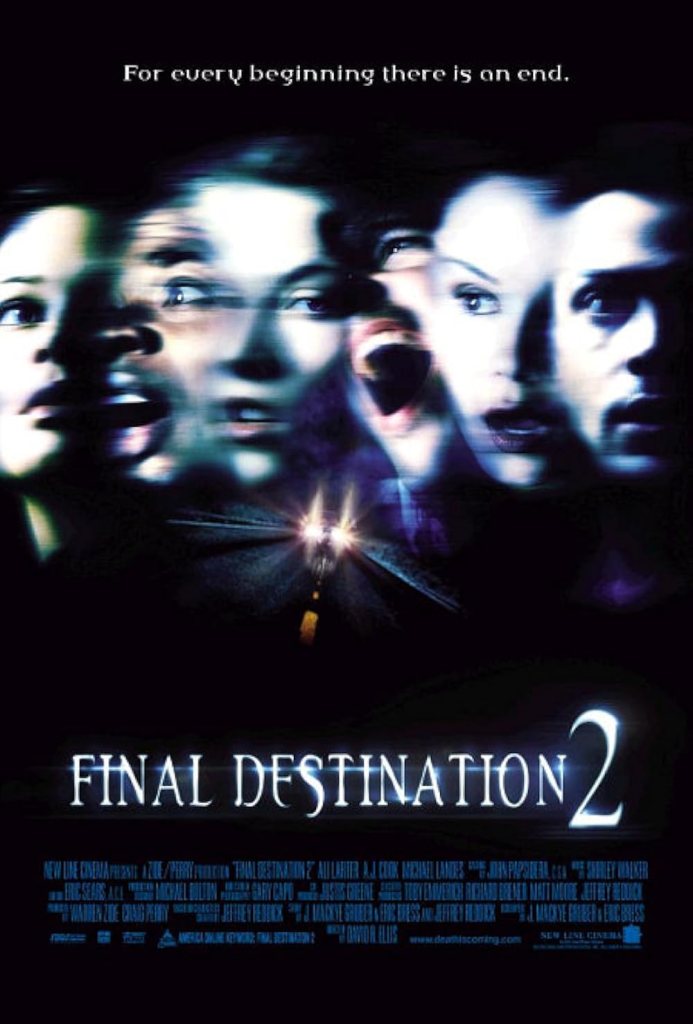
Success will always bring about sequels, and with a box office return of over $100 million against a budget that was around one-fourth of that number, Final Destination was not too difficult to classify as a success. While the first film was conceived for The X-Files, Final Destination 2 was imagined as a follow-up from the outset. While reports conflict on why Devon Sawa did not return as Alex Browning, Ali Larter and Tony Todd both returned as Clear Rivers and William Bludworth, respectively. However, for the narrative that was unveiled, this works. Disappointingly so, but serviceable, nonetheless.
Final Destination 2 is set around one year after its predecessor and follows a different set of protagonists at very different places in their lives. Val Lewton was the only adult character of any significance in the first film, but this one focuses on people from all walks of life and age groups. It is also a unique story in the world of Final Destination because the group of characters involved has few if any, tangible connections to one another aside from the fact that they survived a mass casualty event. Certainly, The Final Destination has a similar schtick with the race car crash.

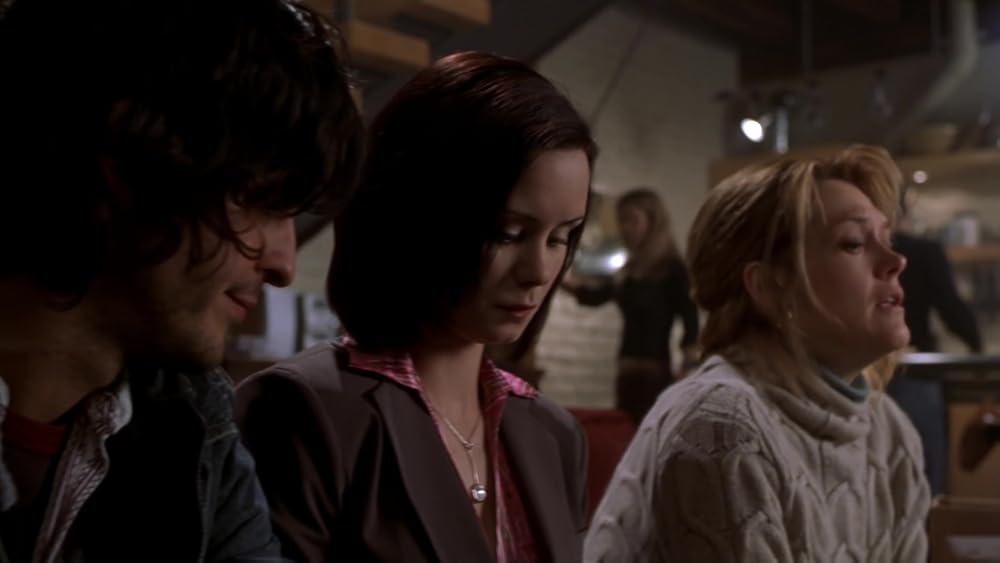
Still, the primary characters are a group of friends. Compare that to 1, which is centered on a high school class; 3, which is about a graduating class; 5, which focuses on a group of coworkers from an office; and Bloodlines, which is devoted to a family. Final Destination 2 was a bit more devoted to its story than some of the films that followed, and one of its strengths was gathering its core cast of characters to figure out what was happening. With no built-in camaraderie to fall back on, the group initially does not trust the visionary. And it costs them a life in the process.
Kimberly Corman (A.J. Cook) is a college student on her way to Daytona Beach with her friends, Shaina (Sarah Carter), Dano (Alex Rae), and Frankie (Shaun Sipos), for spring break.

She is the lead character whose vision saves a group of people and is one of the most interesting leads for a Final Destination film.
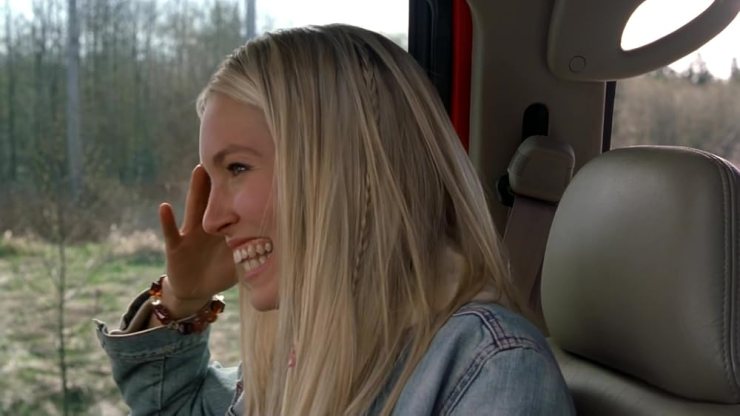
As they depart from the Corman house, Kimberly’s father, Michael (Andrew Airlie), notices that the car is leaking transmission fluid, which her friends play off as unimportant.
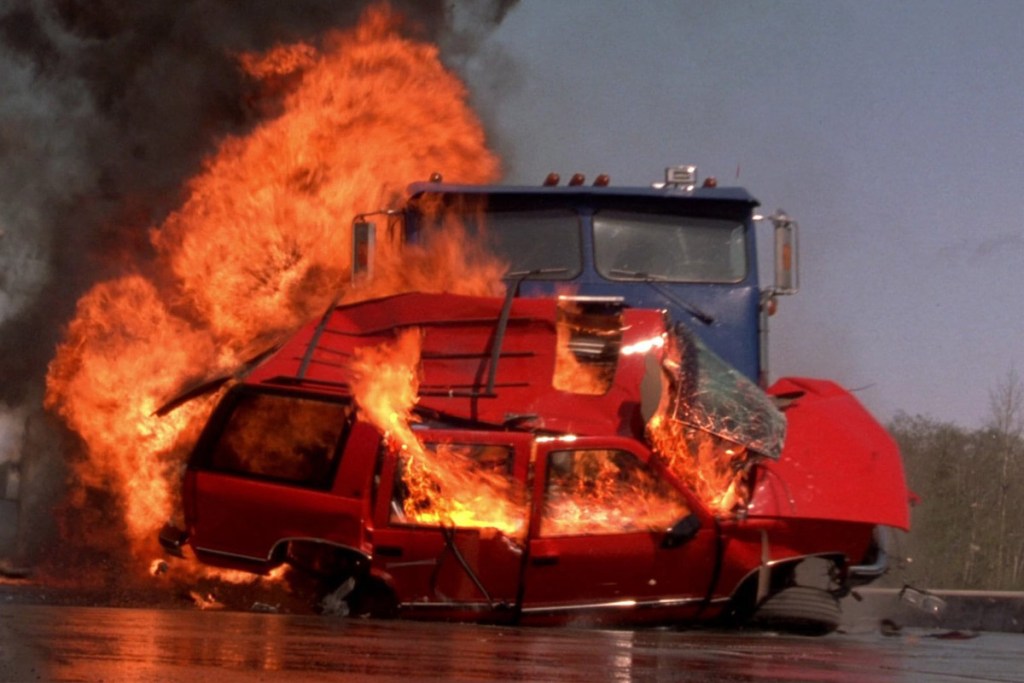
We are slowly introduced to a group of characters on the freeway entrance, and the film ratchets up the tension in ways that few entries have ever matched.


While people fly every day, how many of us individually fly every day of our lives? Certainly, you’ve been on roller coasters over the years or perhaps gone to a sporting event (the race track or some other pastiche that the creative minds behind this franchise will make horrifying in due time). For most people, we drive every day of our lives, and we go on the freeway or the highway to get where we need to. The mundane made terrifying is the bread and butter of the Final Destination series. While I have been on planes in recent years, I do my level best to avoid driving behind a specific kind of truck.
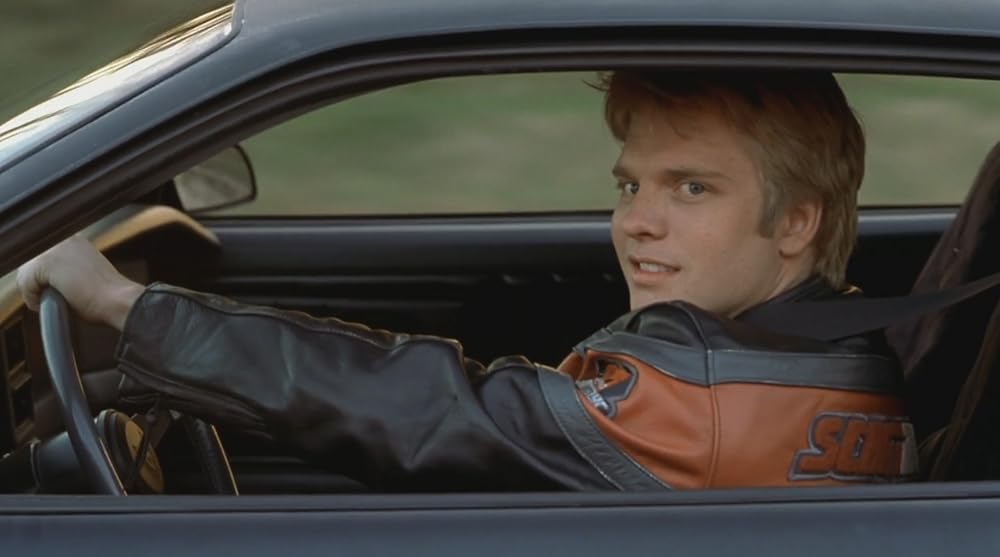

As the main cast is introduced, we are put into a familiar mindset. With only one previous film to rely on, the order of deaths is the amount of importance that we, as the audience, are going to put on the cast. There’s State Trooper Thomas Burke (Michael Landes), high school teacher Eugene Dix (T.C. Carson), the stoner Rory Peters (Jonathan Cherry), businesswoman Kat Jennings (Keegan Connor Tracy), mother and son duo Nora (Lynda Boyd) and Tim Carpenter (James Kirk), and the newly minted lottery winner Evan Lewis (David Paetkau). With ultimate irony, they are listed in the order they should have died in. Yet, as became incredibly obvious after the Premonition’s conclusion, and all of Kimberly’s friends bit the dust first, Final Destination 2 was not going to play by the same rules established in the first film.
The reason for why Death moves in reverse order this time is a key mystery for the first half of the film, and it becomes incredibly disheartening that a handful of characters died before learning what circumstances led to their one-year extension to live.

In all likelihood, since several other people did die in the crash, beyond “five” of these characters who genuinely discuss how they escaped death the previous year through happenstance devoted to the deaths of one of the five major characters in Final Destination, the others were simply meant to perish in the accident. Nora Carpenter is the only character who lives long enough to gain any true characterization, which would tie Tim’s survival to hers, considering she’s a widow, but not quite long enough to make it to that discussion. This is not a flaw in the writing; there were just more people who survived Route 23 than Flight 180, and there’s nothing to say that Alex Browning or Clear Rivers’ actions did not also ripple out to interfere in countless other planned deaths.
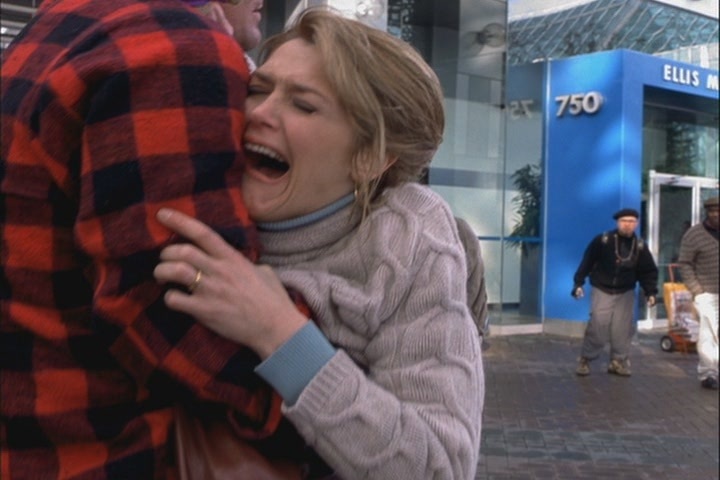
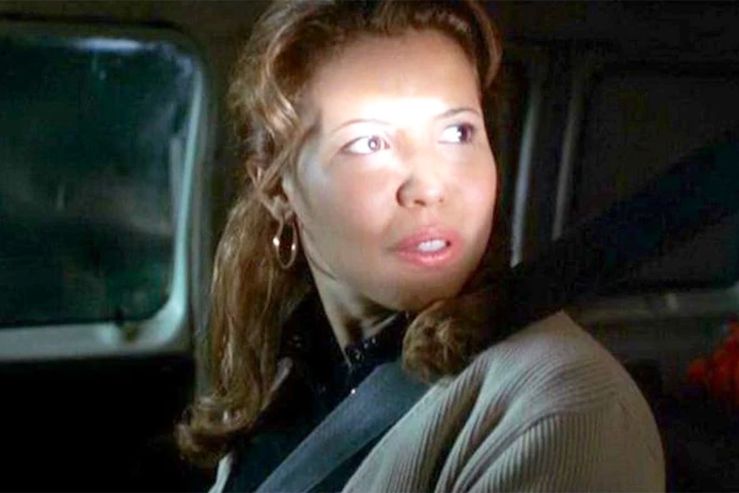
As a sequel, it is not just the order that was slightly changed to breathe new life into the burgeoning series, but the effects and the contrived coincidences that Death used to hunt down its would-be victims. None of the deaths in this entry were rehashes of Final Destination, and the team behind them made certain choices in 2003 to mitigate how people felt – such as aging Tim up from being a child to a teenager. We are also introduced to a surprise character in the form of Isabella Hudson (Justina Machado), a pregnant woman caught up in the chaos of the pileup who becomes central to the group’s core chance at survival. Only for them to realize too late that she was never intended to die in the accident, and thus, her ‘new life’ would not qualify to save their lives.
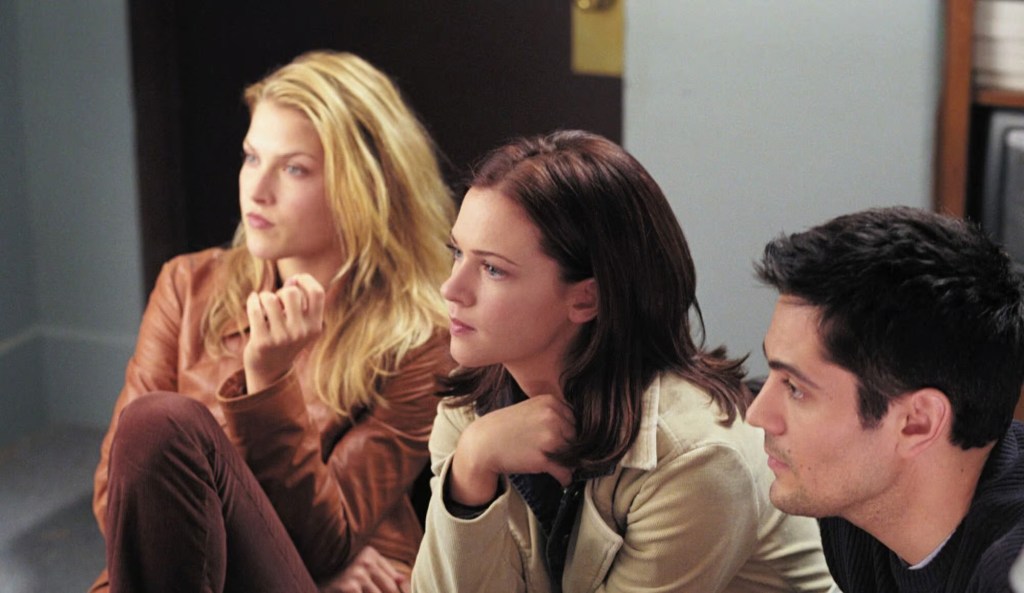

At the same time, Kimberly, Thomas, and the other survivors have the benefit of an experienced protagonist in their corner in the form of Clear Rivers. Since Alex’s death off-screen, Clear has had herself committed to a padded asylum to deny Death access to her, banking on it wanting to take a roundabout path to claim her life rather than delivering something as banal as a building collapse. Clear becomes the only character other than Bludworth to actually appear in more than one film without the need for archival footage. While Bludworth showed up in most of the films to offer nuggets of advice, Clear took an active part in helping the core cast. Their survival could have aided in her survival, after all.
As the leads, Kimberly and Thomas spent the bulk of the film trying to keep the group together, focused on a goal, and, perhaps most importantly, alive. Despite their perceived age difference, as the actors are only around six years apart, their chemistry was also incredibly believable. Thomas Burke may not have believed Kimberly at first, but it did not take much convincing on his part after the accident actually unfolded for him to get on board. Not just to survive, either.
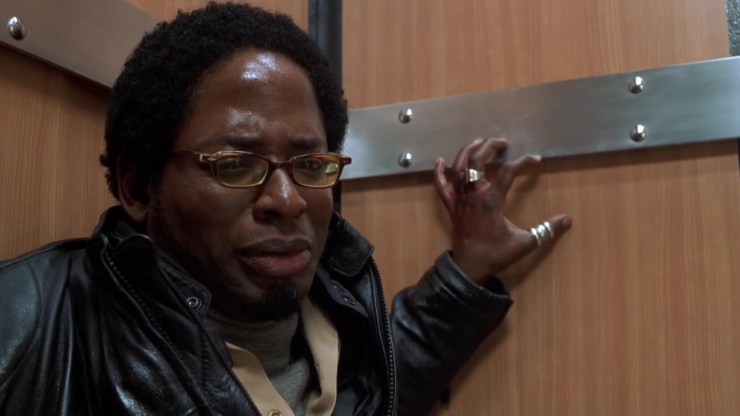
Initially a skeptic, Eugene’s near-brush with death after the group’s meeting set him on a different path. His bond with Clear is one of the strongest among the expanded cast.
In stark contrast to how the stoner is usually played, Rory is a well-developed, emotionally-rounded person, rather than just a caricature. His playful banter with Kat adds much-needed levity to a dark story.


Kat is by far one of the most relatable characters – where this role is usually written off as annoying, her anxious response to the chaos around her is not only believable, it’s understandable.
Final Destination 2 is quite often viewed as the best film in the series. Whereas the first film laid out the ground rules and built the skeleton, and 3 took it into a darker, more CGI-devoted direction that was still fun, entertaining, and good, 2 has a likable cast of characters, a unique and interesting twist on the formula, and a great story to back it up. And while Terry Chaney’s death via bus may be referenced constantly, only the log truck has impacted an entire generation in ways that we still won’t talk about to this day.

 Lloydd Marshall Books