

Legally Blonde 2: Red, White & Blonde came out in 2003, around two years after its predecessor, and that is the only date worth mentioning because internal consistency issues begin to pop up the second you prod at them. Reese Witherspoon and multiple other actors returned, including Jennifer Coolidge, Luke Wilson, Jessica Cauffiel, and Alana Ubach, in addition to, perhaps, the most important returning castmate, Moonie as Bruiser Woods. The film tackled a sobering topic, animal testing, and one woman’s campaign to see it curbed, if not outright eliminated.
The law got a makeover in the first film, and this time, it’s Congress. Elle Woods (Reese Witherspoon) learns that the mother of her beloved Bruiser (Gidget and Moonie, respectively) is being held in a lab, owned by a company that her firm represents, where animal testing is conducted for makeup products. When her law firm, based in Boston, refuses to help her in this endeavor, she is ultimately fired. Throughout all of this, and the majority of the film, Elle is also planning her wedding to Emmett Richmond (Luke Wilson), who, like Paulette (Jennifer Coolidge), helps her through the initial shock. From there, she makes the logical next move while having her wedding dress altered. If the law isn’t on her side, then she’ll find a way to change it. This leads her to an old connection, Congresswoman Victoria Rudd (Sally Field).

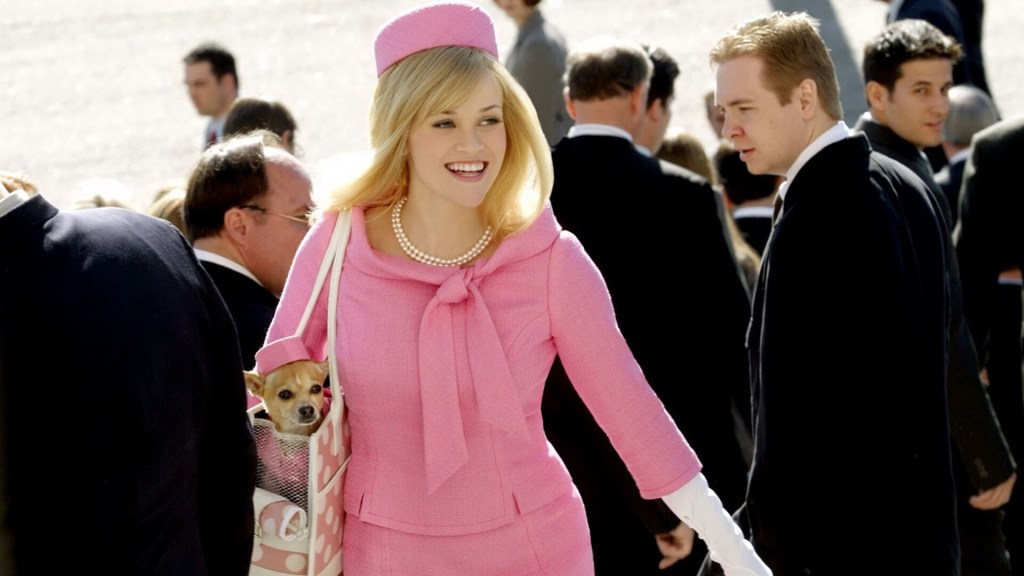
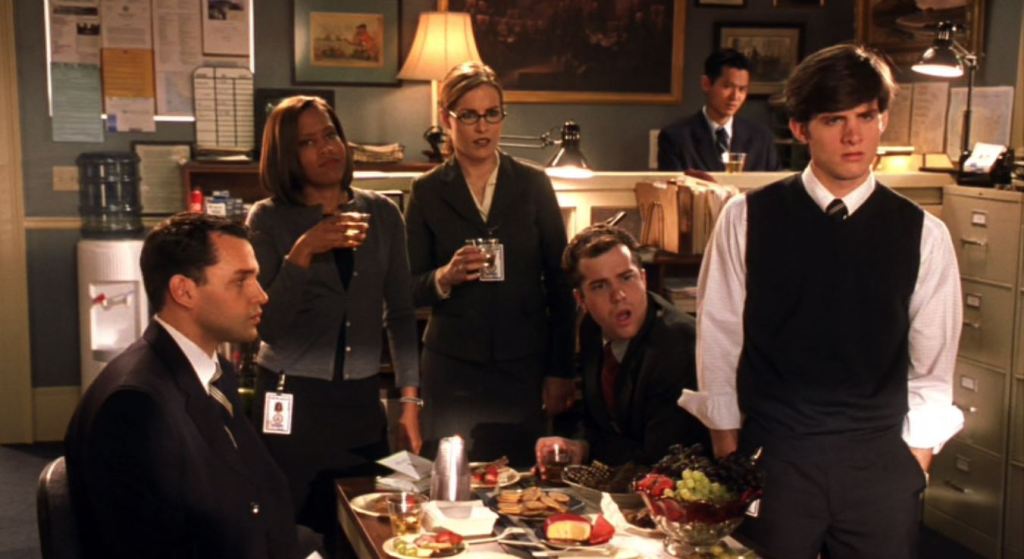
Congresswoman Rudd’s team is overseen by her ardent chief of staff, Grace Rossiter (Regina King), who is the stonewall between Rudd and chaos. She is the major visible obstacle to Elle’s efforts at getting Bruiser’s Bill passed in Congress. Still, the film makes it clear that her stubbornness is because she is dedicated to the work that Rudd’s office is involved in. The other two are Reena Giuliani (Mary Lynn Rajskub) and Timothy McGinn (J. Barton), who are equally as stunned by Elle’s arrival but are more easily won over by her. Rudd’s office is the primary setting for the movie, but we are treated to stand-ins for much of Congress in the form of Libby Hauser (Dana Ivey) and Congressman Stanford Marks (Bruce McGill), the Ranking Member of the Committee of Energy and Commerce and the Chairman of the same committee.
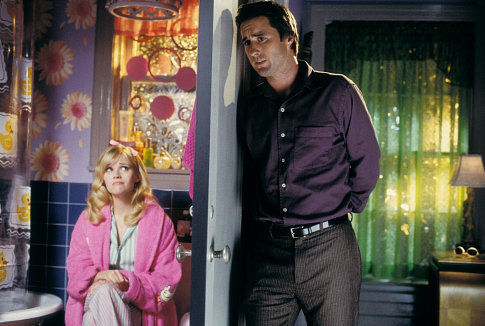
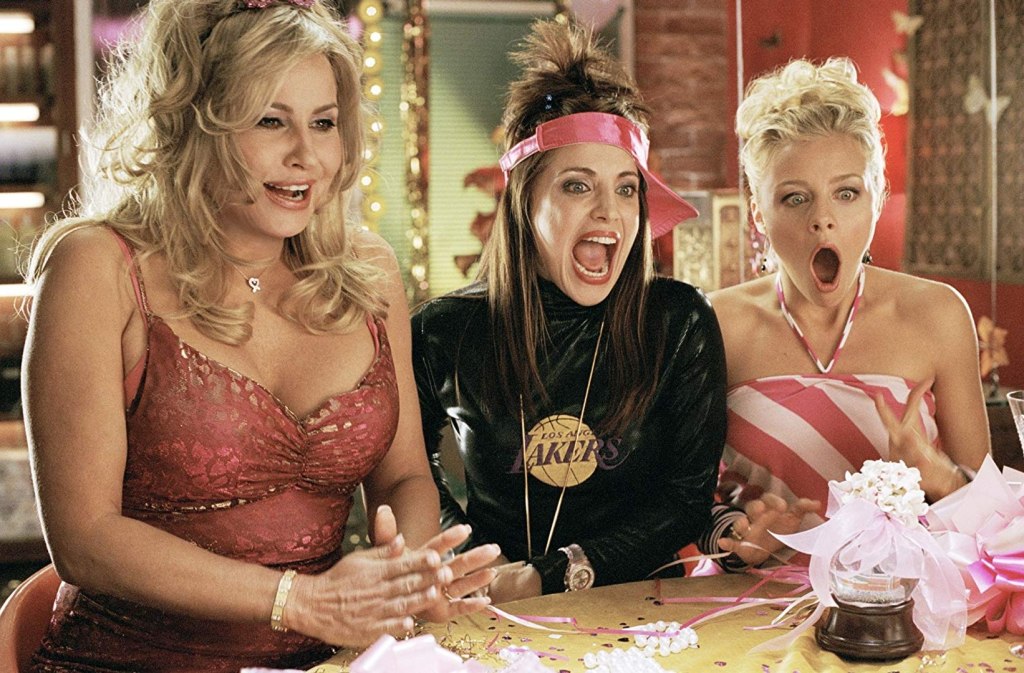
On the Hill, Elle works tirelessly in support of her bill, not just for Bruiser’s sake, or for that of Bruiser’s mother, but for all the animals who are being used for testing. Legally Blonde 2 was not above choosing a topic on which it was easy to pick a side. When it comes to us, the suffering or mistreatment of animals, especially those that we keep as pets, it is incredibly easy for us to pick a side and know which one is wrong. That is where the film gets much of its drama – politics makes everything easier to debate or argue over, while allowing the audience to sit with the knowledge that the answer is right in front of us.
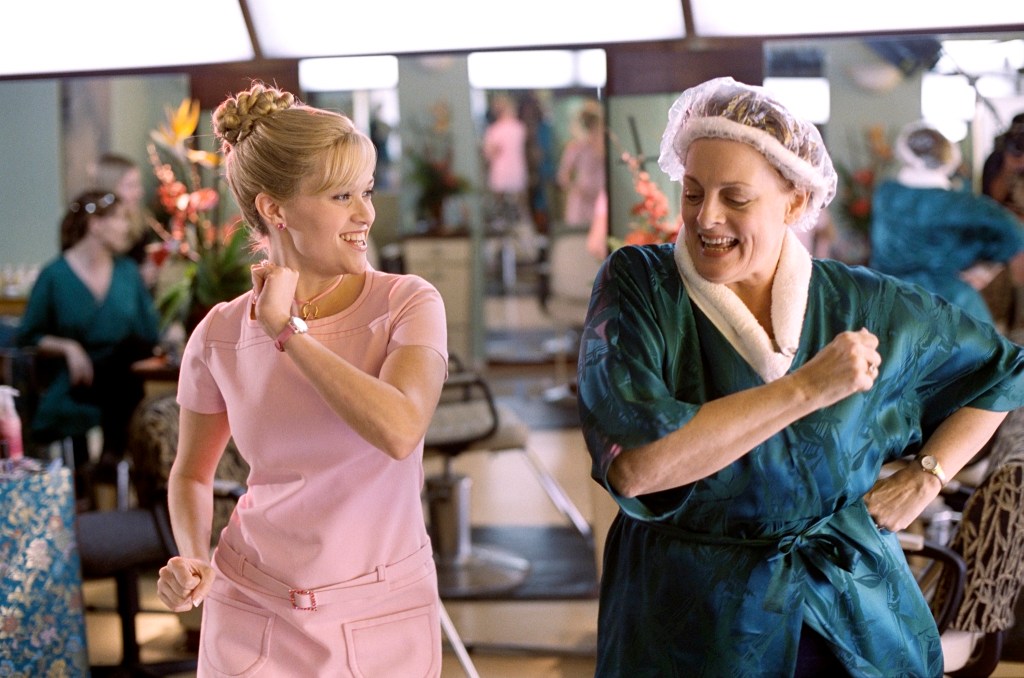
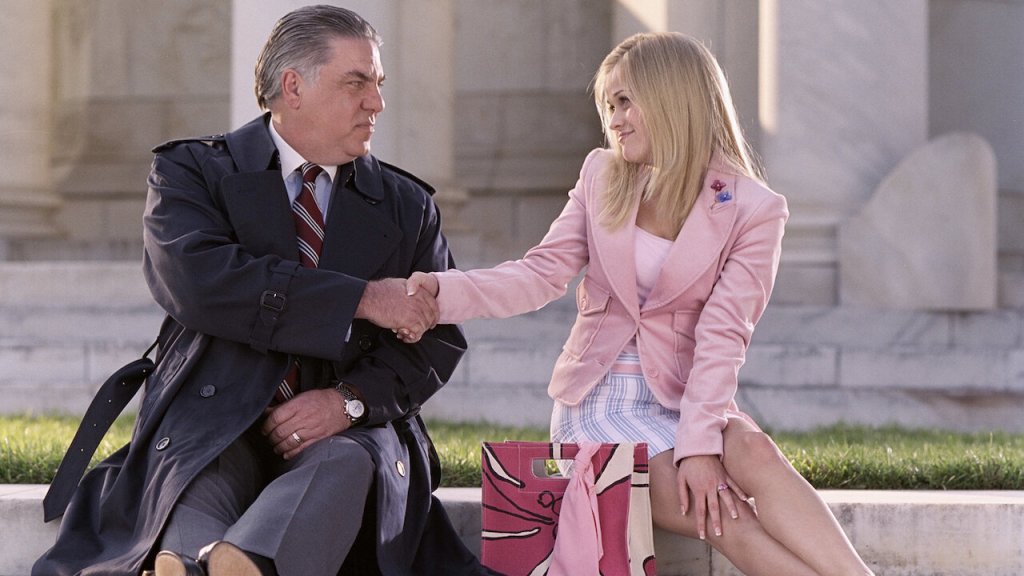
Elle’s nontraditional efforts, continued from the first film, prove just as judicious. While Grace is determined to follow the traditional Washington path toward their goal, Elle is not keen to sit back and wait for a “maybe” or an easy dodge from politicians who are used to evading issues they don’t want to touch. Hauser and Marks become her primary targets to convince; after failing to get past their staff, she receives aid from Sid Post (Bob Newhart), the doorman for her apartment building, who knows all the secrets because he hears everything as people pass through the building. While he can’t claim to know the minutiae of every representative’s schedule, we see how effective he is when Elle determines that Hauser must be getting her hair dyed regularly by identifying every salon in the area and helping her narrow it down. When compared with Grace’s more cutthroat and pragmatic approach, as the film portrays it, Elle’s efforts seem useful. The problem, of course, is enumerated in the film by Act Three. Elle is undercut not from outside her efforts but from within her own camp.

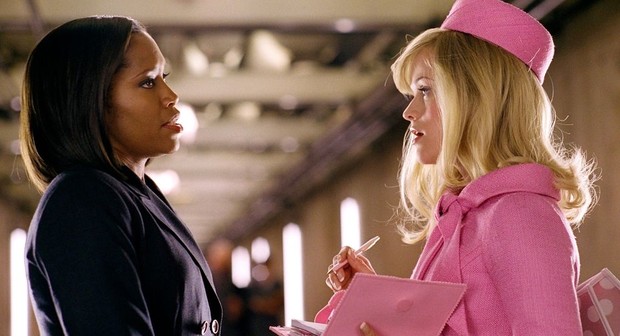
Legally Blonde 2 can be viewed as an inferior follow-up, but I tend to like that it takes itself a little less seriously without sacrificing the core tenets that Legally Blonde brought to our attention. An argument can be made that Elle backslid a bit when it comes to her character, but I feel that the character, more or less, refused to yield the central components of who she was just to get ahead. Compare the law firm and Rudd’s office. The more traditional path in both instances would have involved going with the flow and slowly making progress, but it’s clear that this never would have worked. C’est Magnifique, the client represented by Elle’s former firm, and Rudd were working in concert the entire time. The nuance of this storyline is what makes it, in my opinion, feel like an appropriate continuation.
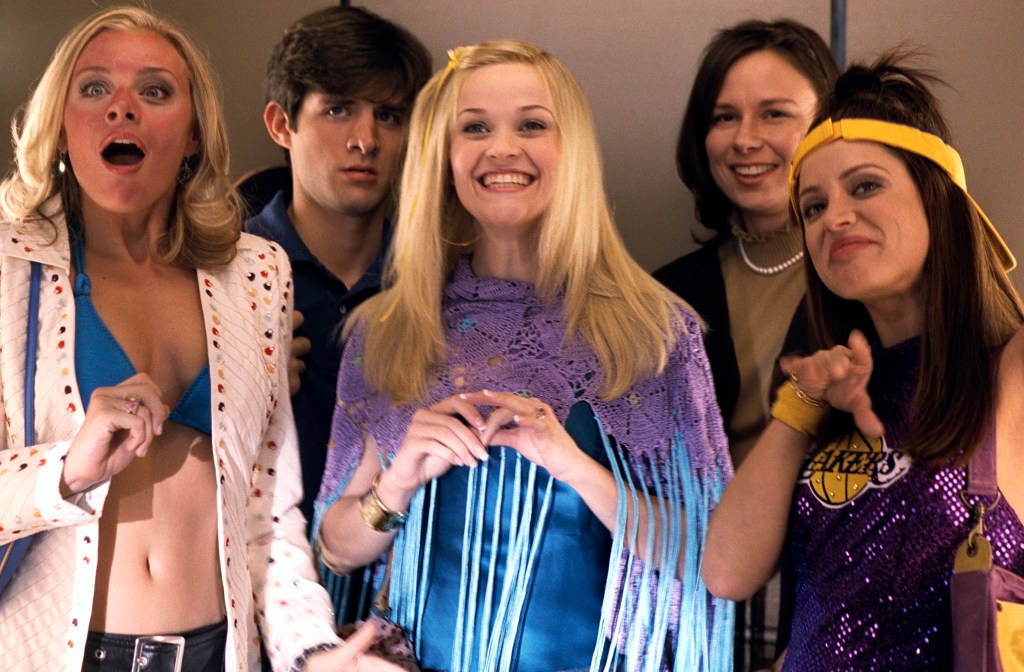
One of my favorite sequences was when Delta Nu arrived in force to help Elle get Bruisers’ Bill over the finish line – phone banking, offering haircuts, dance lessons, and even lobbying when necessary. It also brought forth a funny callback to Elle’s formal arrival in D.C. – the internship orientation. Serena and Margot are continually sent there and turn the intern class of 2003 into their fellow cheerleaders to help drum up support.

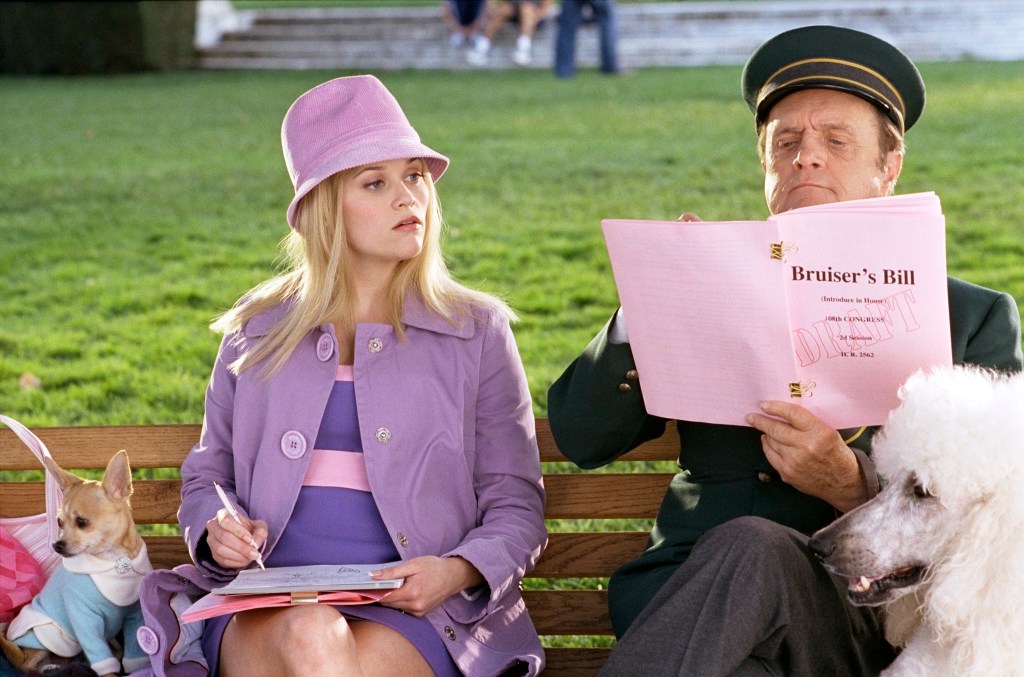
Elle Woods did not come to Washington to give up who she was. She came to Washington to reaffirm who she was and to remind the world of that. Her conflict with Grace is a difference of execution but not ideology. Where Grace’s pragmatism shines is that she does not trust politicians, even the one that she works for. It’s obvious that this is what makes Elle such an enigma to her. Elle is precisely who she presents herself as – bubbly, vivacious, and, at all times, compassionate even to those who might not deserve it. Legally Blonde 2 was not trying to be a manifesto; it was working to explore a complex situation through a thematic lens. In the end, I think it succeeded in that goal.

