
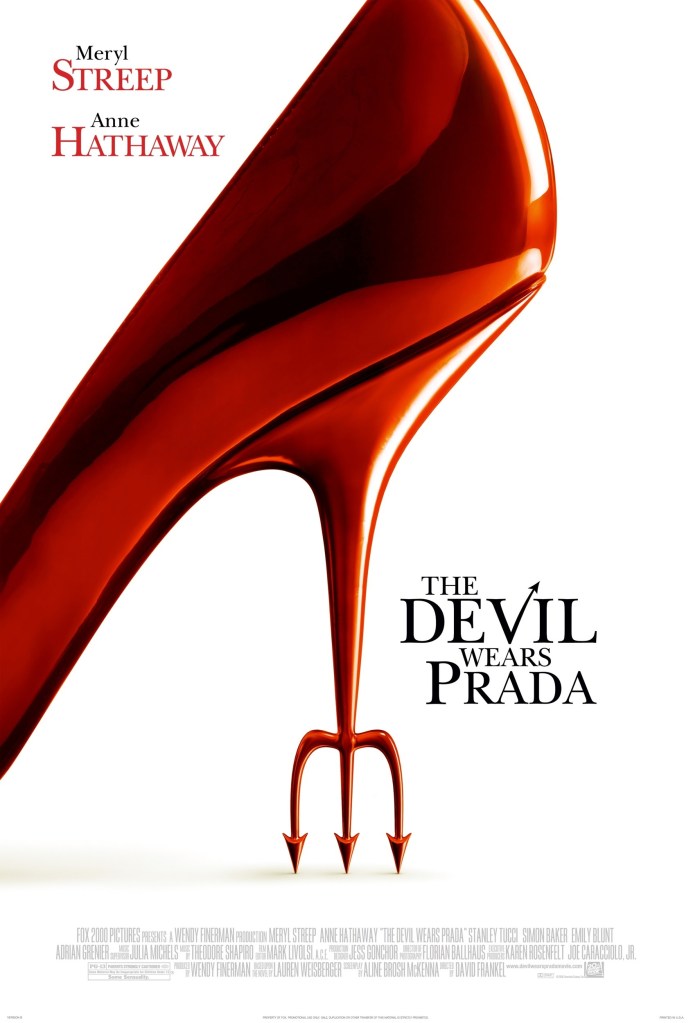
What makes a film iconic or a classic? Some will argue that a determination cannot be made when the film is released, but sometimes after the fact. Perhaps that is true. I would state that my personal interest in The Devil Wears Prada was established when it came out, and that my appreciation for the film has only increased with each passing year. The Devil Wears Prada 2 has just hit theaters, so it feels like the perfect time to jump back twenty years toward a film that put a spotlight on fashion and what it means to be in a thankless, but in-demand job.
The Devil Wears Prada is based on a book by Laura Weisberger, and while some of the basic structure and characters translated into the film, it was intended to capture the spirit of the story rather than the subtext of the story. Andrea “Andy” Sachs (Anne Hathaway), the protagonist and the one through whom the story is viewed, acts as an ingénue to the world of fashion, having, as pointed out by Miranda Priestly (Meryl Streep), never heard of her. Andy’s goal in the book and the movie is to be taken seriously as a journalist, and the industry as a whole is a gateway to that goal.
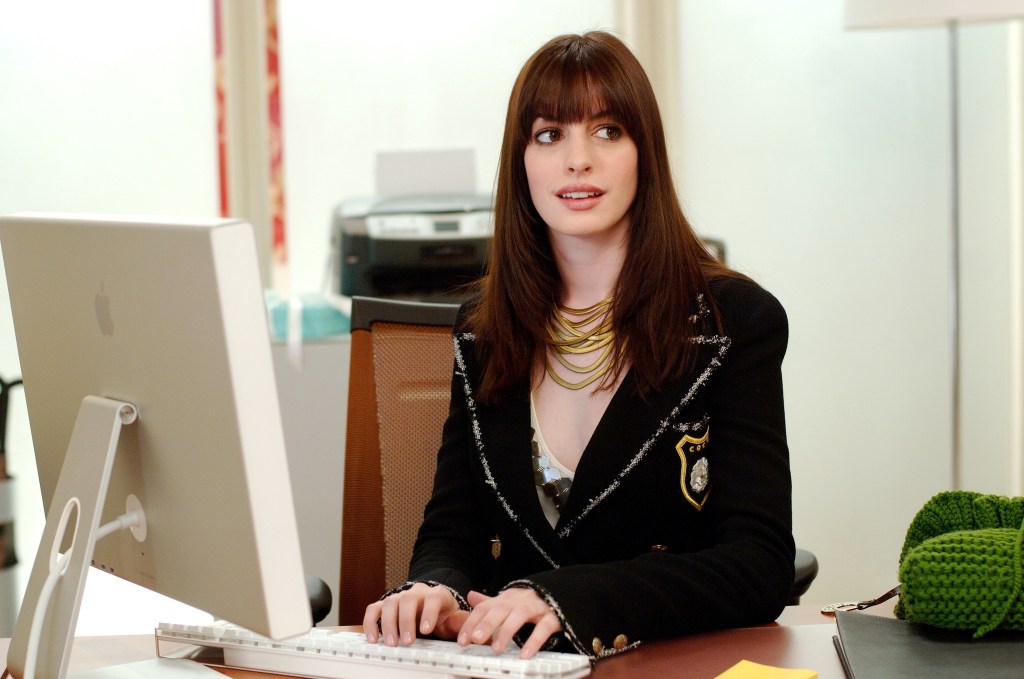
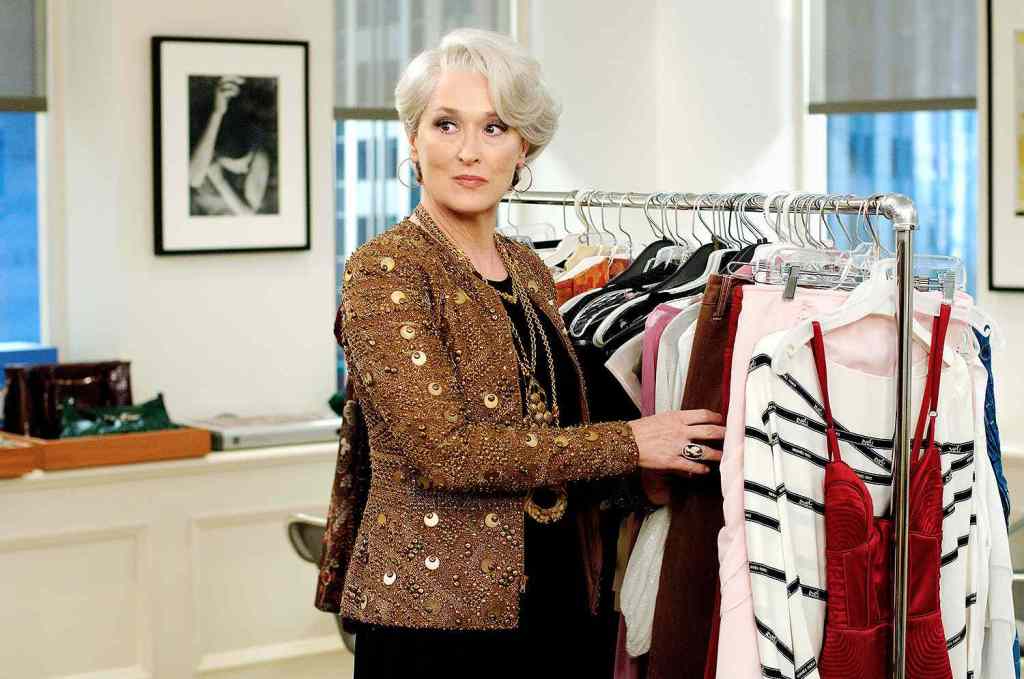
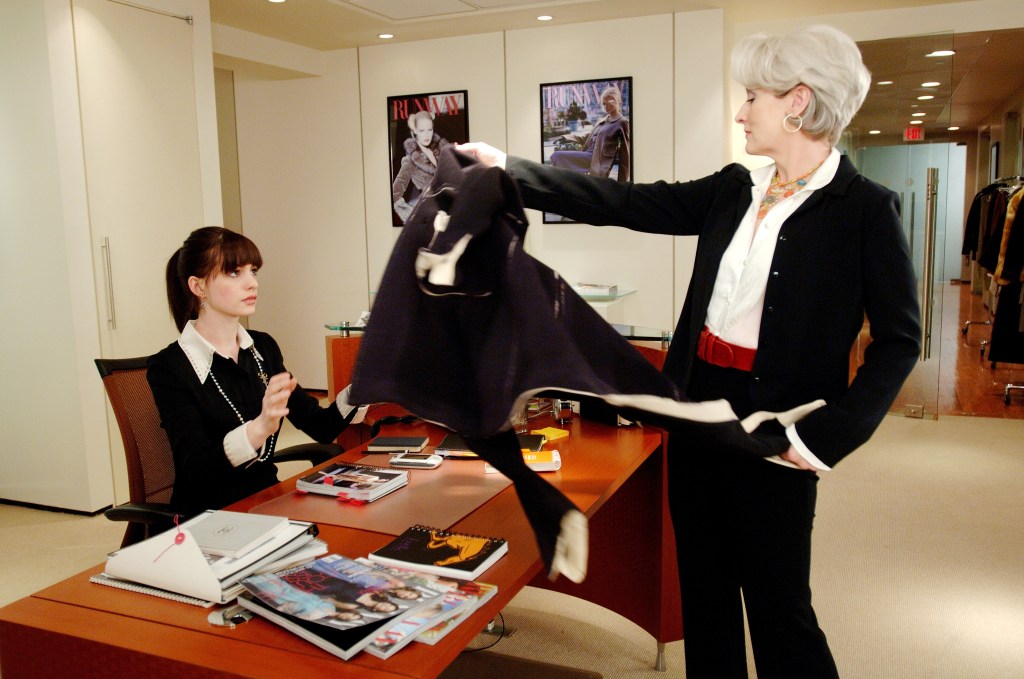
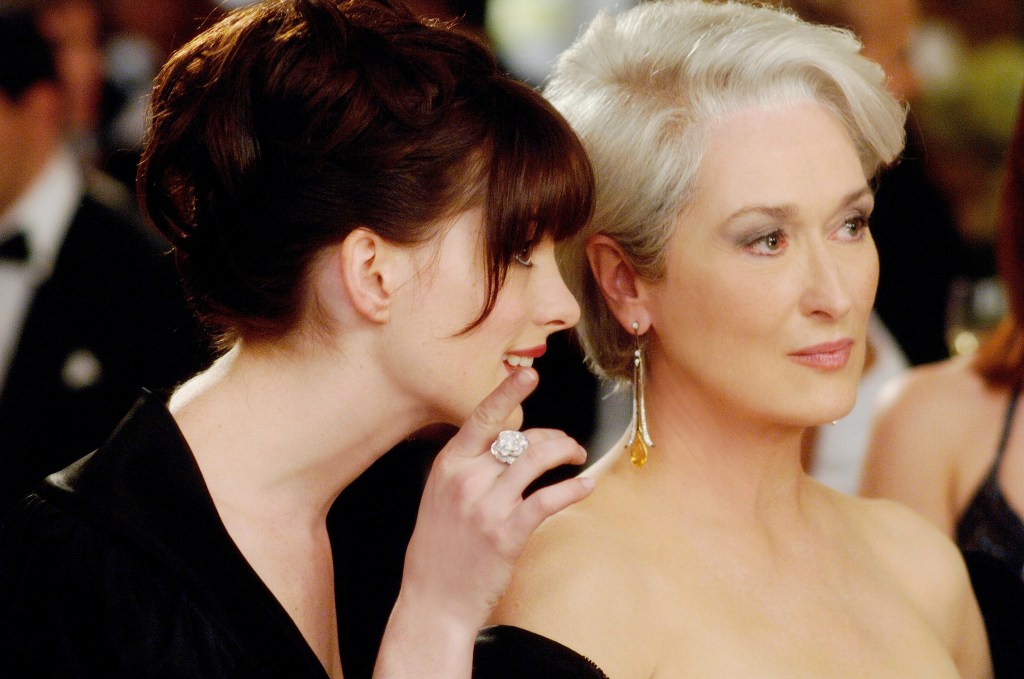
The dynamic between Andy and Miranda is the driving force of The Devil Wears Prada, and it is not evasive in how that dynamic is parasocial. Andy’s entire life revolves around Miranda’s wants, needs, and expectations, but Miranda does not think about Andy unless it is in relation to those wants, needs, or expectations. Quite simply, Andy is not important in the grand scheme of Miranda’s life, and she is, perhaps, one of the only people in the film not to see that at first. What makes it difficult for Andy to see that is the fact that she interacts with Miranda every day, working through long hours to make seemingly impossible tasks happen without delay or friction. She points it out, when things are right, there’s no comment, but even the most minor of mistakes are criticized, seemingly endlessly.
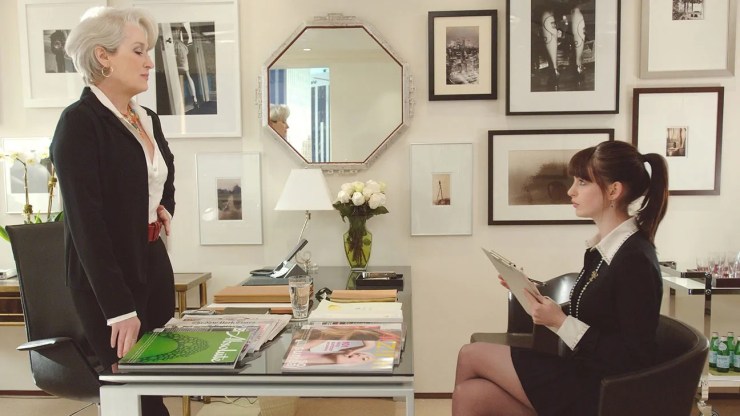
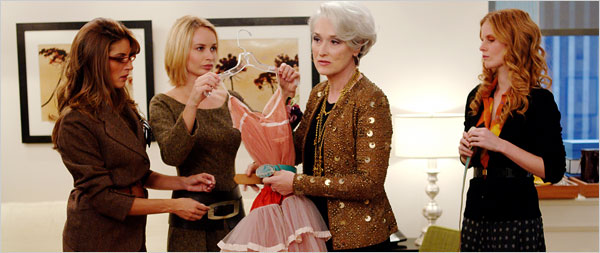
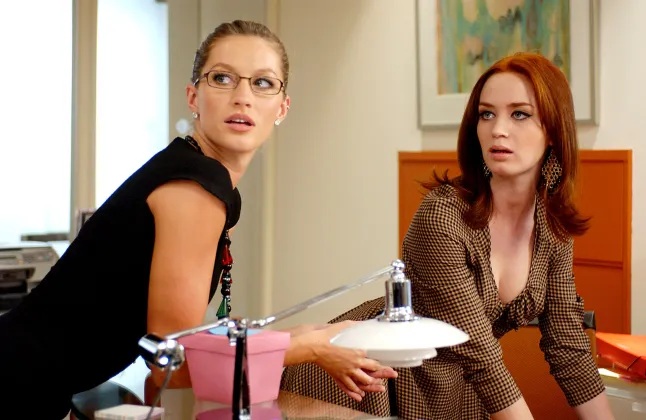
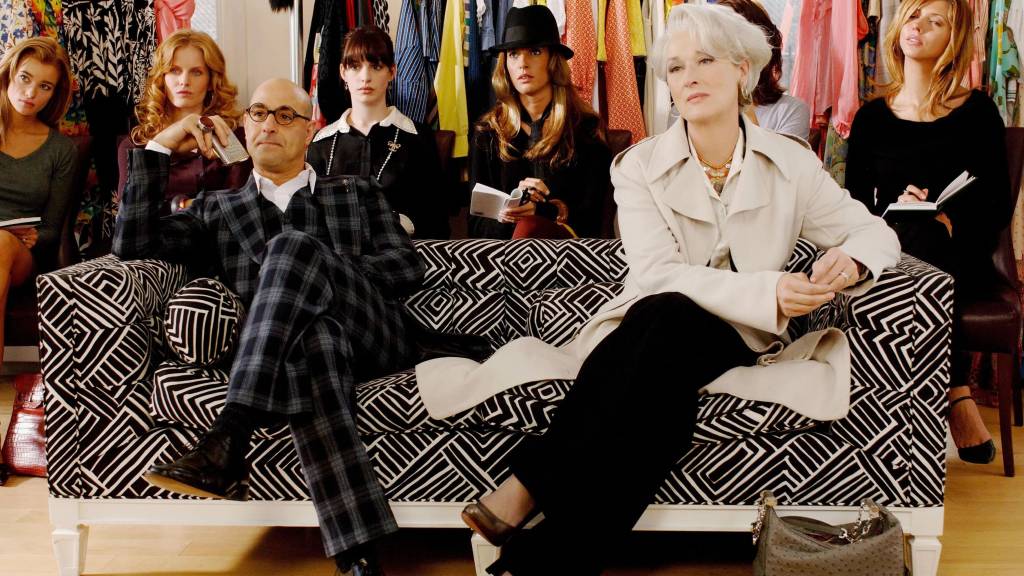
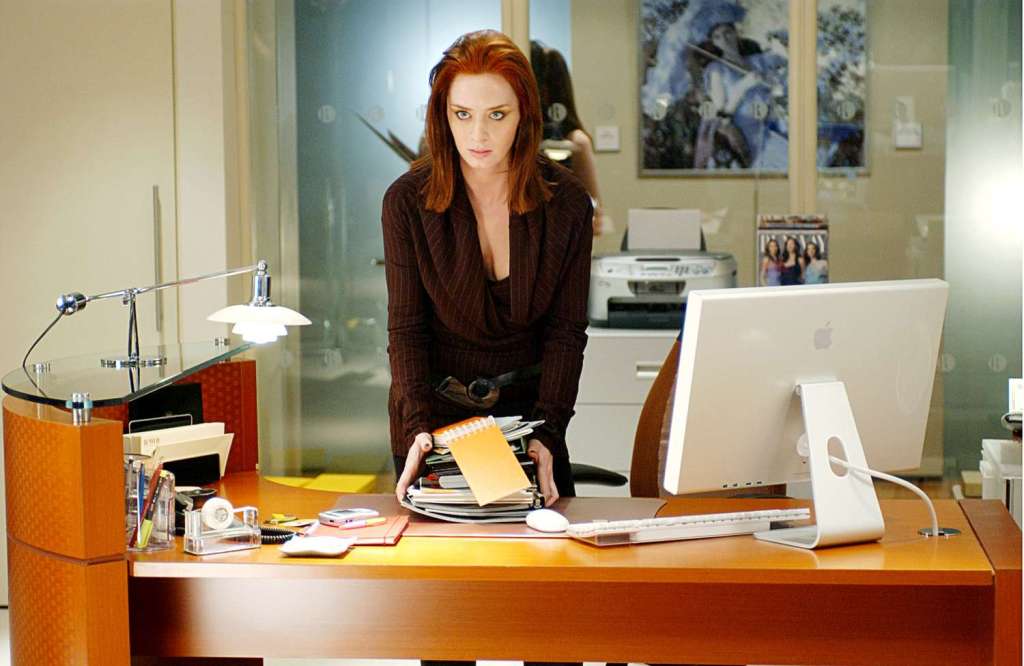
While their relationship, however one-sided it might actually be, is the central story, the greater ensemble at Runway and the ecosystem that exists to support it, is phenomenal. Emily (Emily Blunt) is Miranda’s witty and sarcastic senior assistant. Nigel (Stanley Tucci) is Runway’s art director, who acts as Andy’s sardonic fairy godfather when he gives her the tips and tricks of how to survive in the rooms she rolls her eyes at. Jocelyn (Rebecca Mader) is one of Runway’s editors, whose line midway through the film resulted in one of the most quotable responses from Miranda, “Florals, for spring? Groundbreaking.” Serena (Gisele Bündchen) is Emily’s closest friend and confidant at Runway, and the one whose quiet intrigue at Andy finally stepping into the mold acts as a klaxon.
Andy’s social circle serves as the ballast to Runway. Nate Cooper (Adrian Grenier) is her boyfriend, a fry cook; Lily (Tracie Thoms) works as a gallery curator, and Doug (Rich Sommer) is a data analyst. It is important that we keep those job titles in mind. Of them, Nate, whom the film does not internally vilify, but whom audiences have rallied against, is the most damning member of her social circle. At the beginning, Andy is all too willing to joke with them about the ridiculous world she’s stepped into – the click of stiletto heels, the seemingly endless parade of haute couture as daily wear, and, of course, what she actually has to do every day. But as time goes on and Andy becomes acclimated to the job, they relish in the benefits (such as designer handbags), and then when Andy gets a work call, they play keep-away with her phone. Their judgment of her grows sharper, and while Lily’s criticism of Andy potentially cheating on Nate with another man is legitimate, Nate himself is a problem in the background.
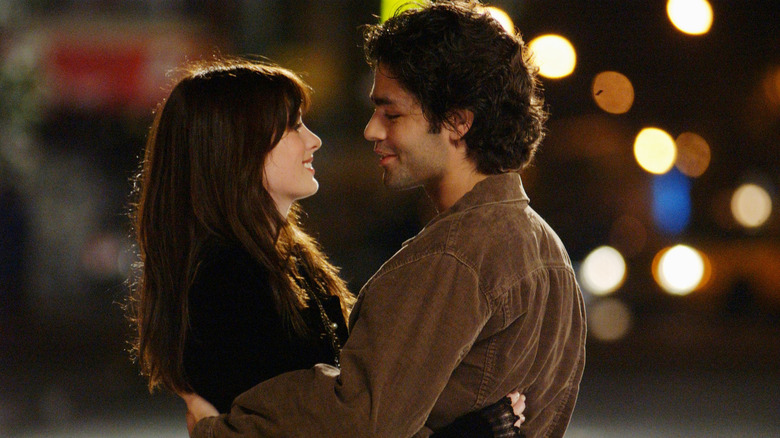
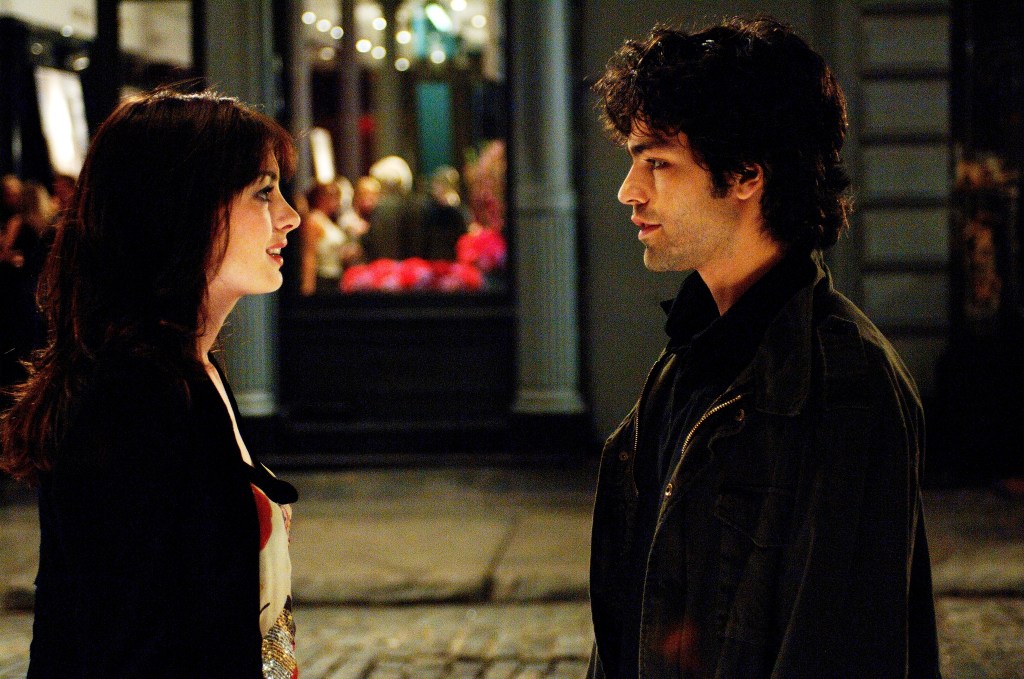
Friends may have made a joke out of the characters never actually working, despite half the characters having very demanding jobs, including that of a chef. Because the film is focused on Andy and the way in which it narrows until it is almost entirely centered on Andy, it is on us, the audience, to parse subtext. Work/life balance is important, and the film does not debate the validity of that. Many of the problems between Andy and Nate could have been solved with more open communication, but I would be remiss in pointing out that, had Andy skipped Nate’s birthday altogether, she might have gotten a job in the industry she actually wanted by the halfway point. Nate’s criticisms of Andy on their face are understandable. She is becoming somebody that he doesn’t recognize, but Andy has made it clear that she is not sacrificing who she is – for this job, for Miranda, or for him. One year was the expectation, and countless doors would have been opened to her, and by the time the credits roll, the film is definitive about one ending. Andy Sachs has a job.
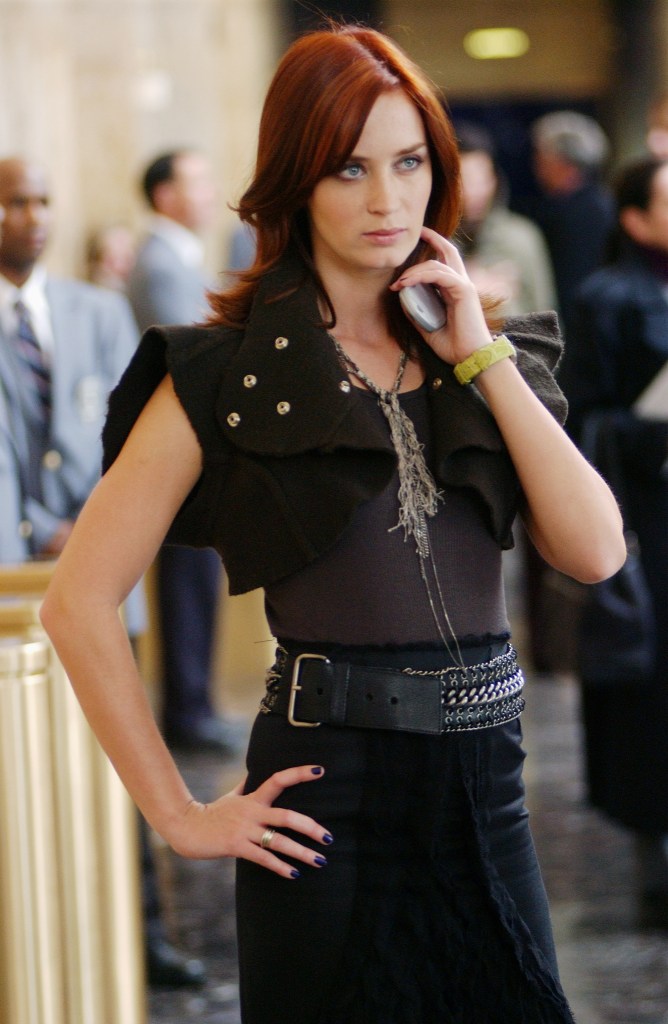
By the time the film begins, Emily, who has spent months and multiple hires trying to replace herself as Miranda’s junior assistant, is hilariously stunned that Andy was set up for the job at all. It is a task that she’s had difficulty with because none of the young women who work in the industry are capable of meeting Miranda’s expectations. They have all the qualifications and fit the aesthetic, but the film hints that their interest in the job was in a divergent fashion from Andy’s.
They wanted to work in fashion, but they could not hack the single year it would take for the other doors to open because Miranda’s expectations and demands for this job are stratospheric rather than merely high.
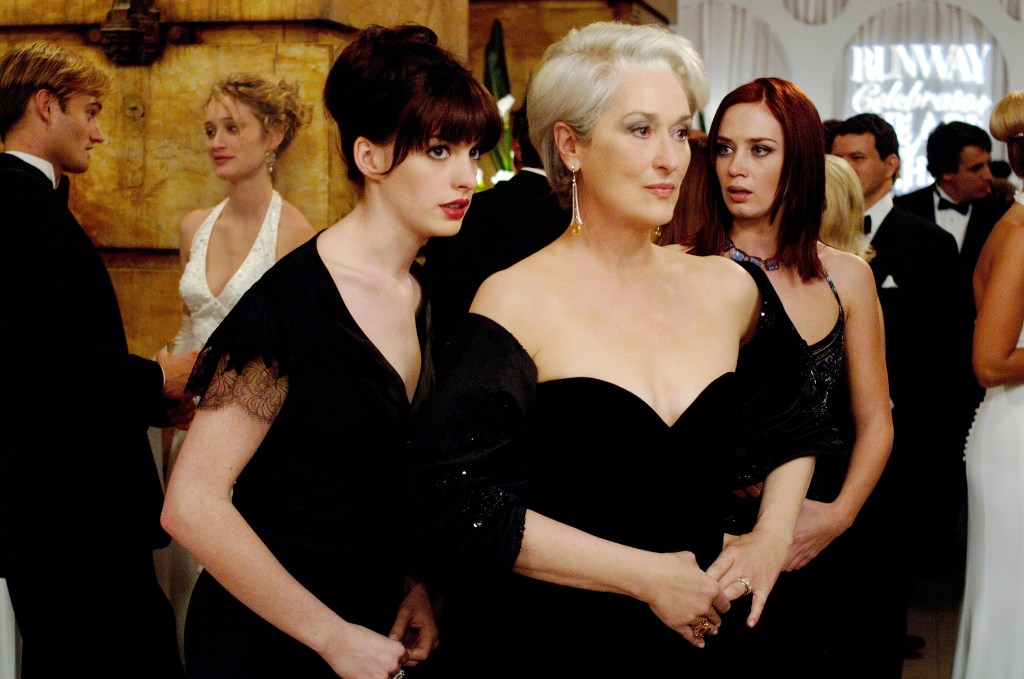
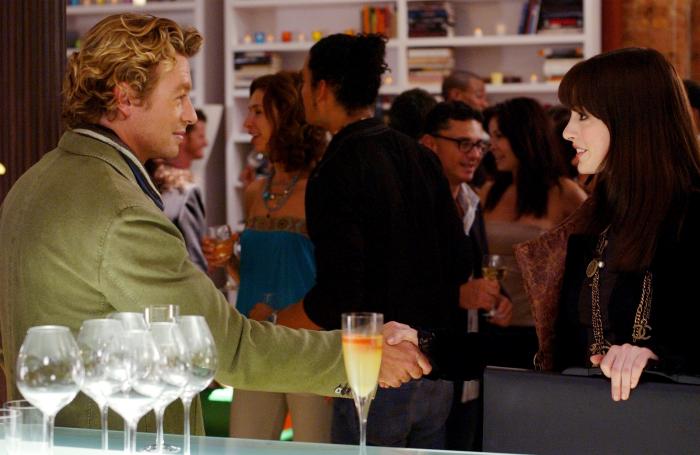
The people around Runway include people like James Holt (Daniel Sunjata), a fashion designer who is introduced to show how Miranda’s opinion can make or break somebody’s career. Christian Thompson (Simon Baker), a reporter whose work brings to Andy’s attention the ploy to replace Miranda, acts as the person she has a romantic entanglement with. Stephen (James Naughton) is Miranda’s current husband, whose big scene was cut because it overly humanized Miranda. In it, she thanks Andy, which served to undercut much of the arc, as far as the people behind the film were concerned. Irv Ravitz (Tibor Feldman) is Runway’s chairman and the person most involved in trying to oust Miranda, though he does so quietly. Together, they fill out the world in which Andy and Miranda’s dynamic plays.
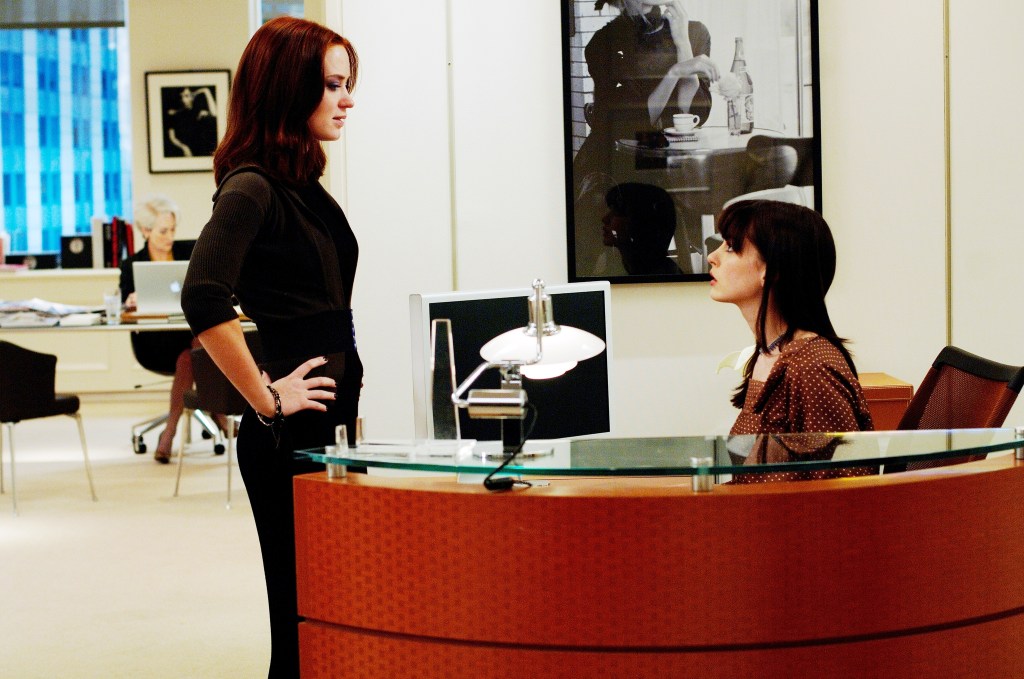
The other major relationship in this film is between Emily and Andy. Emily acts as the mirrored version of what Andy could become – stylish, capable, and at times cutthroat, but never at the actual expense of the people around her. A good point is made when Emily is hit by a car while carrying out a task, and Andy is then given the task of going to Paris for Fashion Week. For weeks, Emily has been starving herself and working longer hours to prove that she has earned this spot, and, building from a single moment where she forgot one name of a person approaching Miranda, it all spirals into that moment of seeming betrayal. Miranda points out that Andy didn’t have to take the trip, and Andy’s self-justifications fall flat when she quietly realizes what it is that she’s done. Whether Emily would have done the same is up for debate for those incapable of reading subtext. Emily is blunt, pun intended, that Andy is not right for the job based on her understanding of it.
As the film drives forward, Andy often grapples with the dyad: Is Miranda exacting or impossible? The truth is somewhere in between, but that nuance is lost at times because Andy cannot distinguish between what is a reasonable expectation of her job or an unreasonable expectation of the world in which she is sliding into with increased resistance. The Devil Wears Prada doesn’t overtly criticize Miranda’s treatment of Andy, Emily, or even Nigel – the criticism is woven into the conflicting opinions and actions of essentially every character.
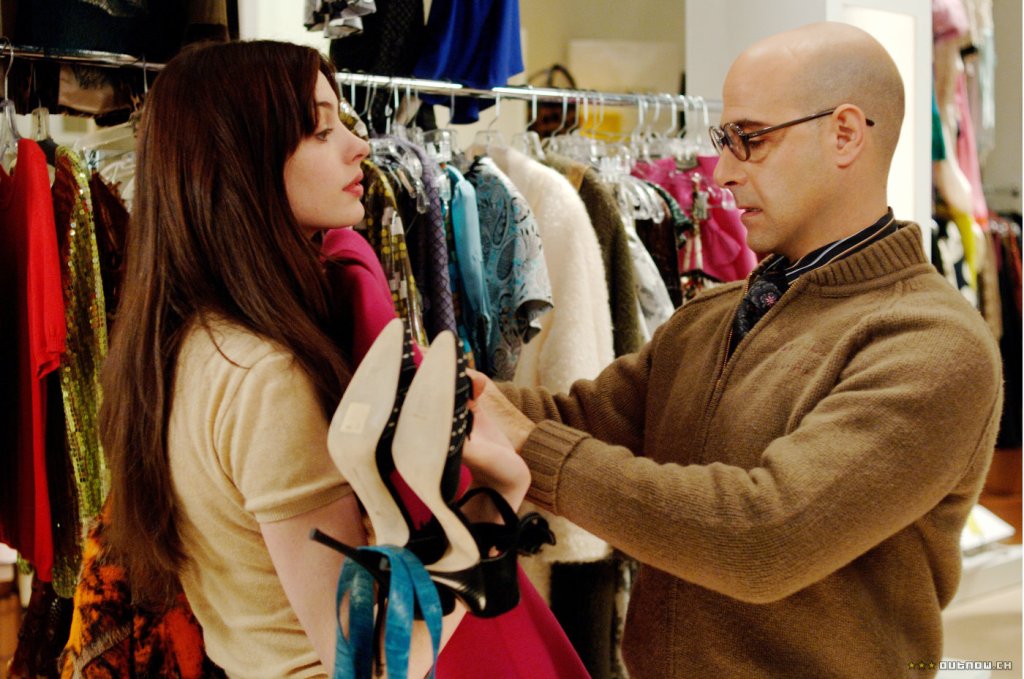
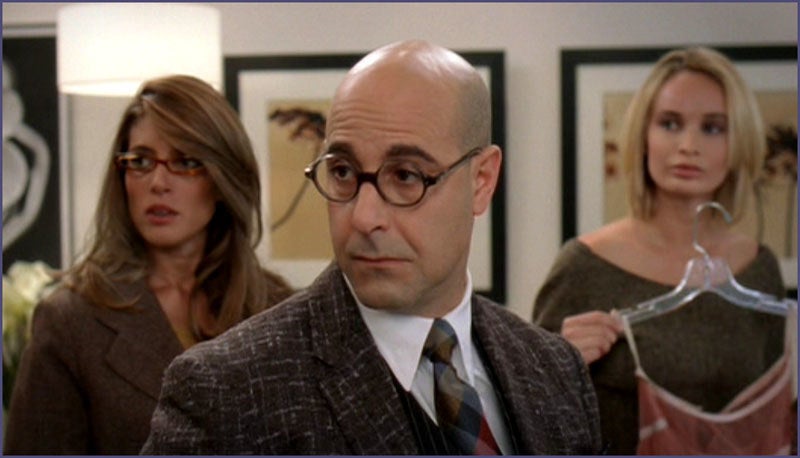
Finally, we have Andy and Nigel, whose friendship is one of the major bulwarks for Andy throughout the film. It is Miranda’s seeming betrayal of Nigel, who was up for a job at a new company run by James Holt, that leads to Andy quitting in the end. Nigel is the first one to slap down Andy’s ego and judgments of Runway in favor of being realistic about the situation – and how to work it to her advantage. He gives her a makeover, offers her fashion tips, and spends a great deal of the film forming a genuine friendship with her. Nigel’s belief that Miranda will make up for her slotting Jacqueline Follet (Stéphanie Szostak), the editor-in-chief of the French edition of Runway, into the job Nigel had been offered seems to act as one final reminder that everybody views the world at Runway through Miranda.
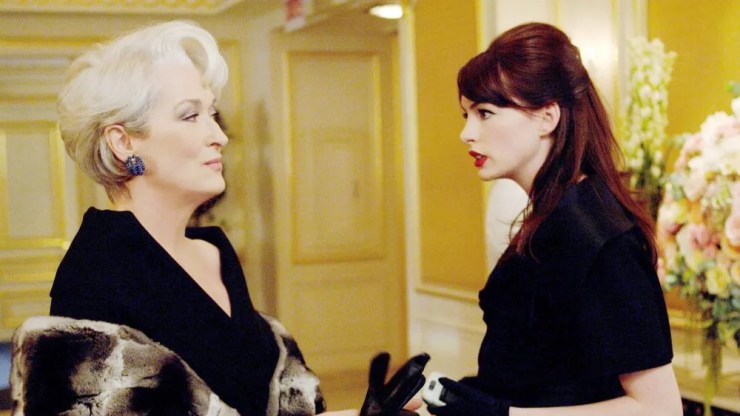
Whether they’re correct is not debatable. Miranda casually reveals that, had she been replaced as editor-in-chief, countless people would have left Runway with her if she were to be replaced. What is debatable is whether that is genuine respect or fear.
Half the time we hear about “a million girls” who would kill for the job that Andy has, but when several of them learned the reality of it – they left.
The Devil Wears Prada is a divine film, and it is phenomenal that, after twenty years, we are finally getting a follow-up.

