
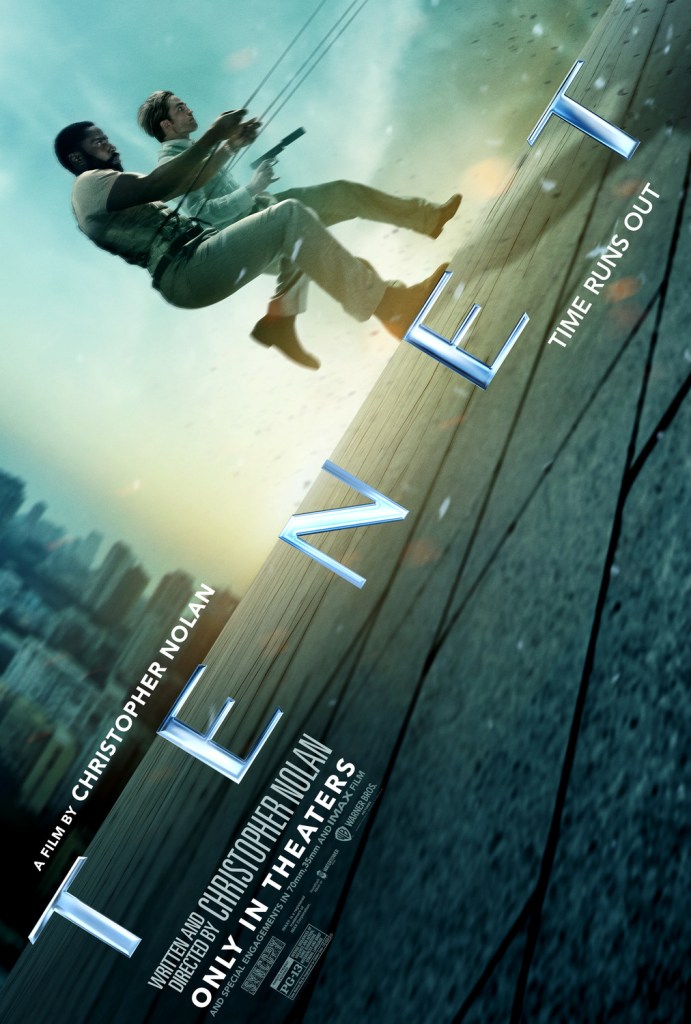
Christopher Nolan is one of those directors who is considered an auteur. He has a style and a method to his filmmaking that has become increasingly appreciated with every passing year. They have what could be considered a gimmick, but not in an insulting fashion. Metaphysics can be a complicated subject, and while Christopher Nolan will handhold audiences in some form, his movies always treat us as adults.
Tenet is a movie that is centered around the inversion of entropy and time. What happens when time is inverted? What happens when Newton’s Third Law of Motion becomes its exact opposite, where effect leads to cause rather than vice versa?
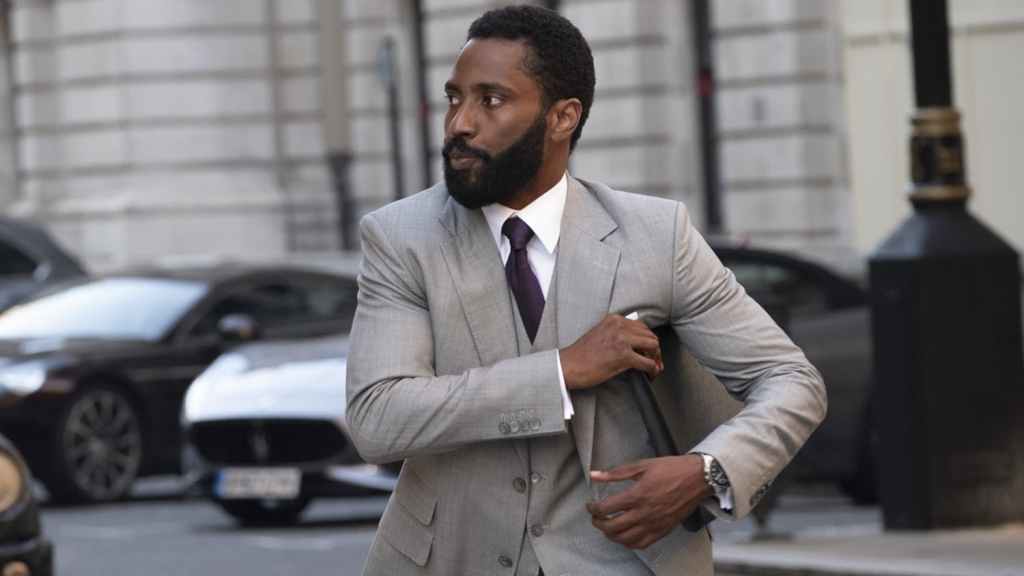
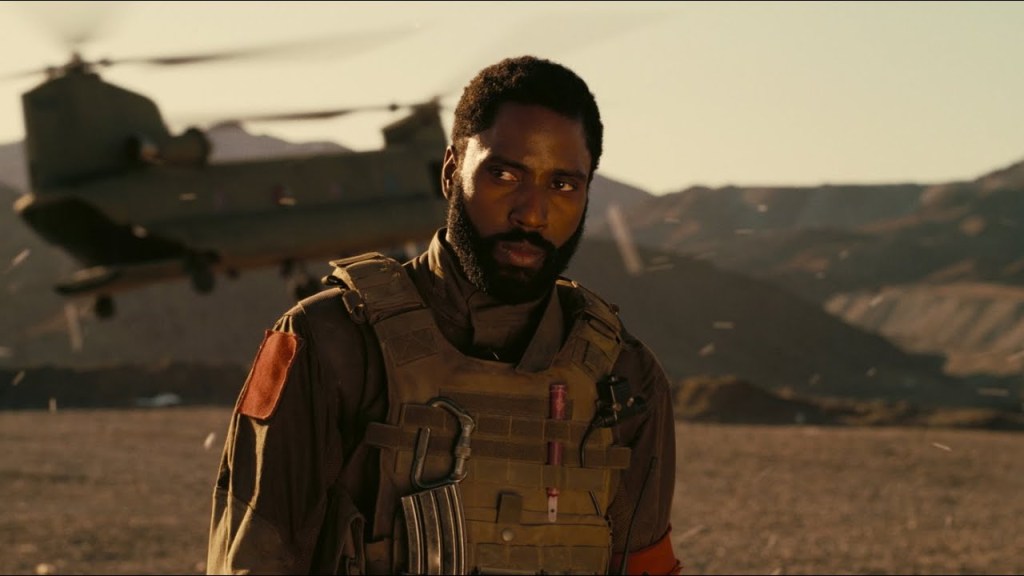
Tenet centers on the Protagonist (John David Washington), a CIA operative who is introduced in the midst of what ultimately proves to be a failed heist amid a terrorist attack at an opera. This operation leads to him being recruited by an organization where compartmentalization is not just a mission statement or an ethos, it is an enforced reality because the true state of things is too insane to fully believe without having first seen it. He is referred to as a Protagonist, while the people they are up against are referred to as Antagonists. However, unlike every other character in the film, including said Antagonists, the Protagonist is never named, either by himself or the people who seem to know him. He is the center of the story, but the story is much bigger than him. Or, at least, that is how the story wants us to view itself.
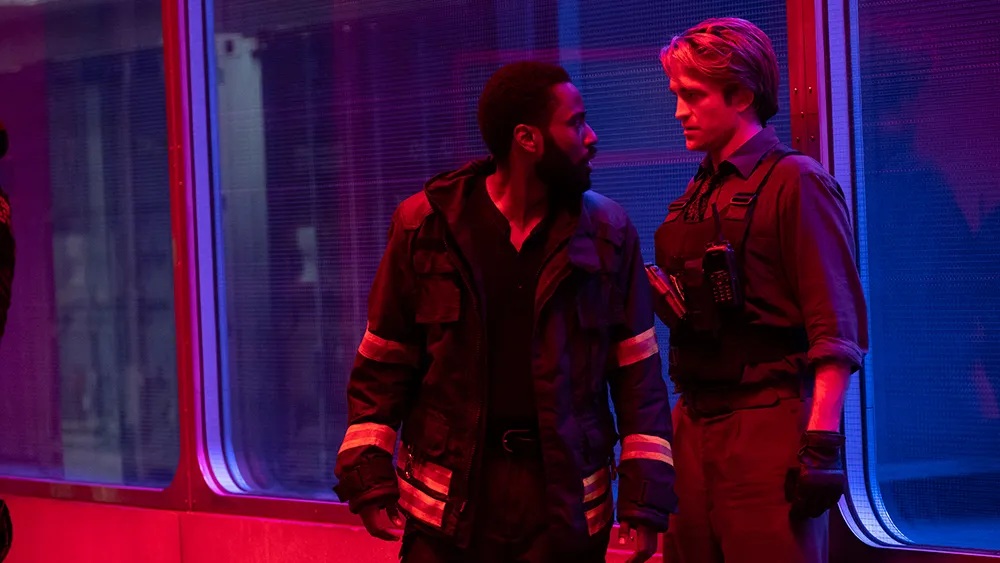
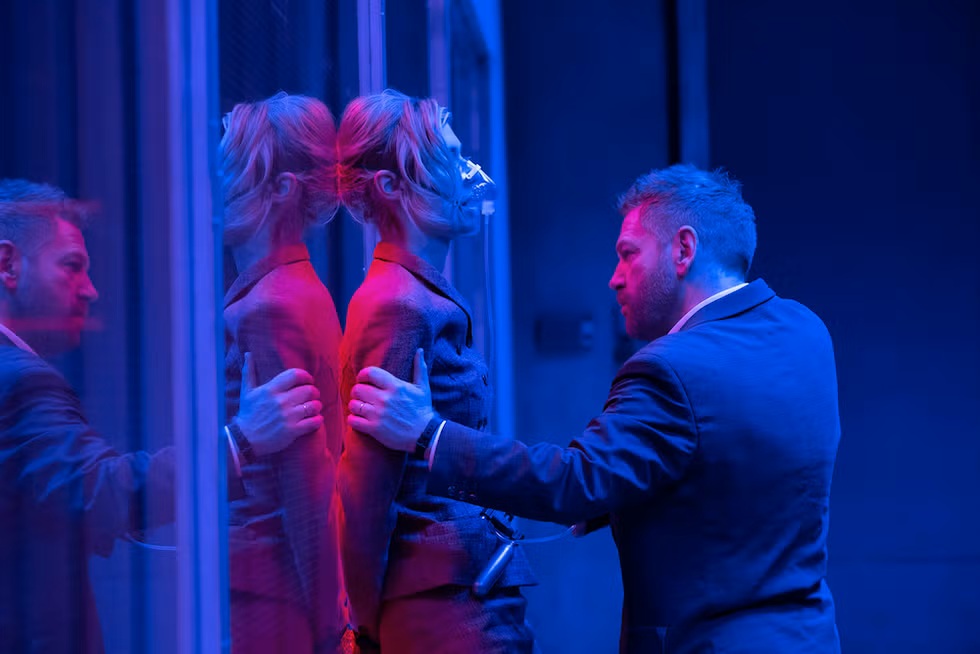
The most interesting concept of Tenet is how it uses its central idea. Energy and time moving in reverse. Physics is used to explain some of the concepts when moving through the world inverted. It is stressed, again and again, that the only thing inverted are the people or objects who have made themselves so, by moving through a proving box. The world itself, even as it flows backward in time, is not inverted. To the world moving backward, you appear as if you are moving backward. To the world moving forward, it offers the most fantastic sequences in the first half of the film before we, as the audience, or the characters in the story, actually experience it.
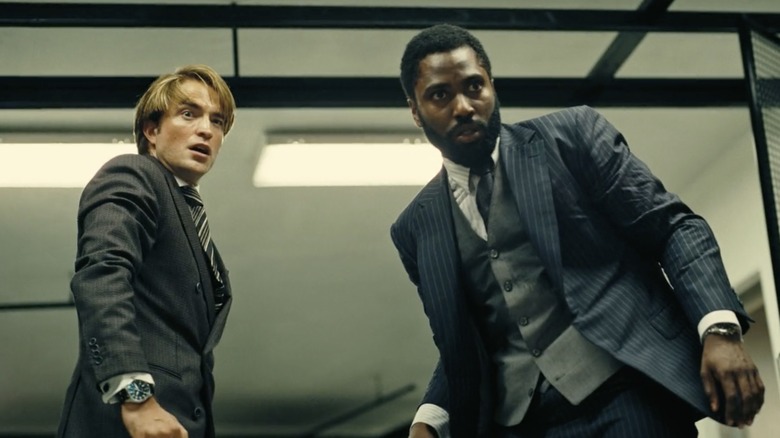
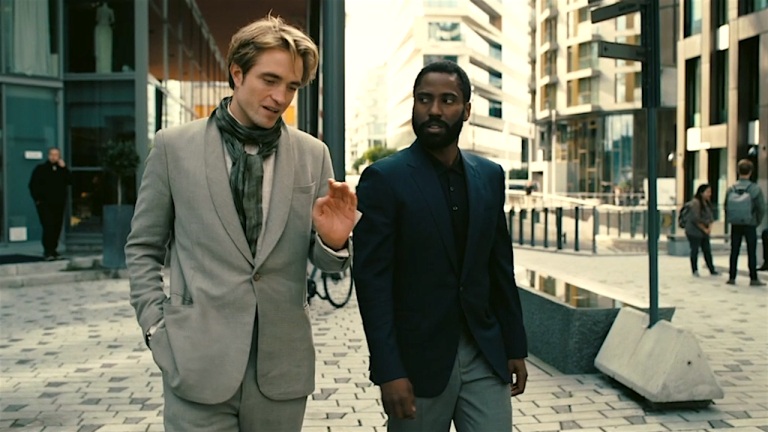
Tenet spends almost its entire first half playing coy about what is happening, but the breadcrumbs were always there. The second half reveals what the truth of those breadcrumbs was, one by one, as it moves backward through the story it has just shown us – though not in its entirety in the way that one might expect. While the movie moves backward through its set pieces, the implication, once we know the truth about Protagonist, is that it will end where it began, completing the palindromic loop. That is not the case, and Tenet spends considerable capital pointing us toward the true endgame in its first half through the breadcrumbs. One specific date is referenced again and again, almost in passing, by multiple characters – the date that the story began during the Vienna heist. By the time we return to that date, the obvious move would be to return to Vienna. Instead, with the benefit of hindsight, we are treated to a far grander fight in what could determine the fate of the world.
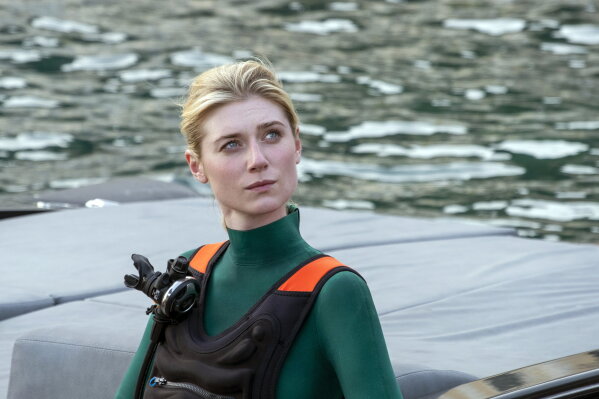
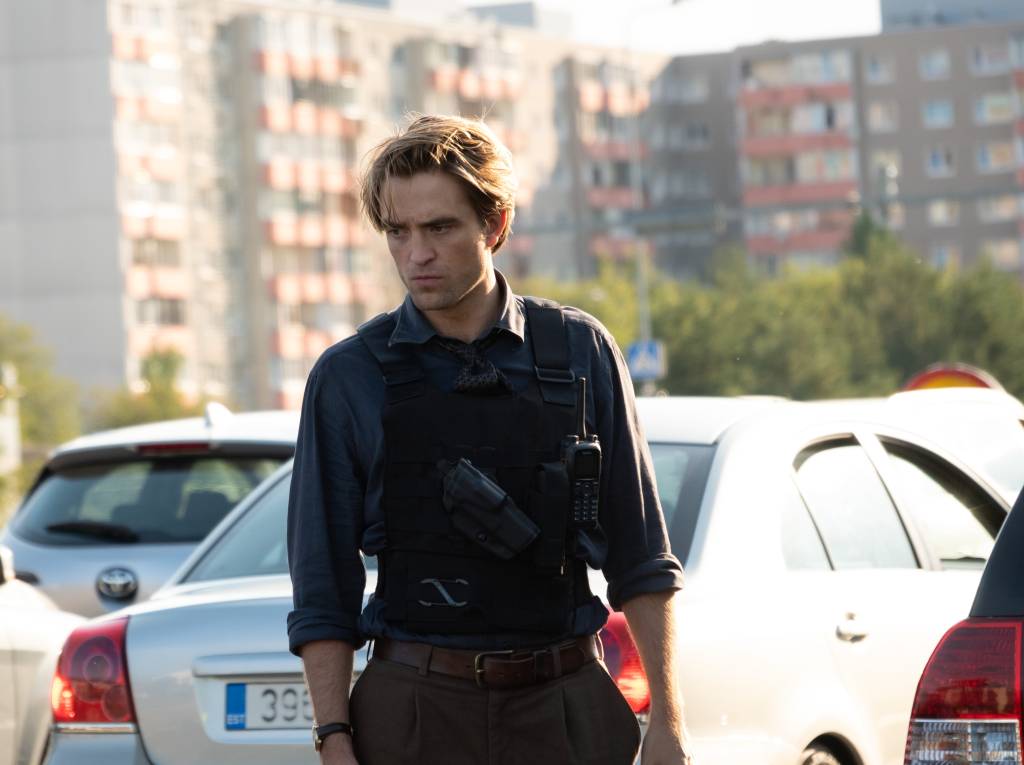
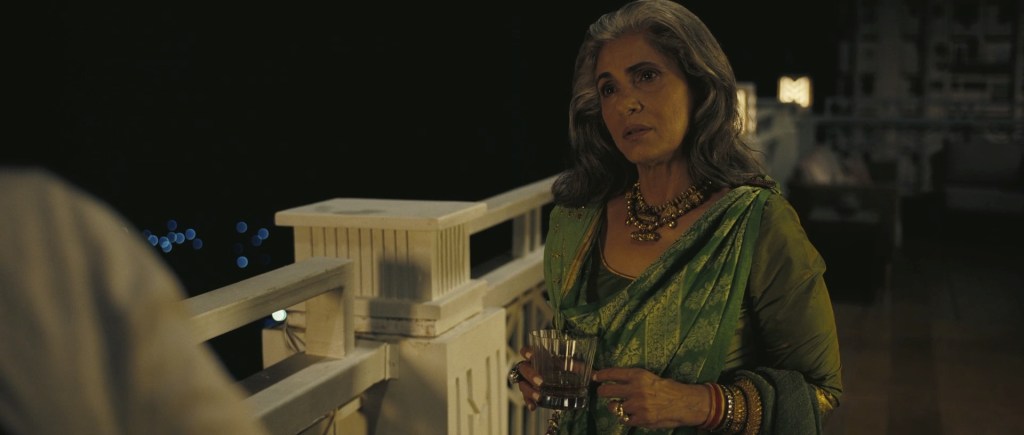
The central cast of Tenet builds out a story that hides the truth just beneath the surface. Katherine “Kat” Barton (Elizabeth Debicki) is an art appraiser and the estranged wife of the primary antagonist, Andrei Sator (Kenneth Branagh), a Russian oligarch who is executing the plan of an unseen force or group from the future that would destroy the world in the past. The Protagonist’s chief ally is Neil (Robert Pattinson), an agent he is introduced to in Mumbai, who gets him access to an Indian arms trafficker. Though we soon learn that the man they are intending to meet is the cover for the real trafficker, his wife Priya Singh (Dimple Kapadia), Kat and Neil are the ones who spend much of the film helping the Protagonist, with the former getting him closer to Sator and the latter acting as his chief accomplice in preventing the world from ending in cataclysm. Volkov (Yuri Kolokolnikov) is Sator’s bodyguard and one of his most trusted enforcers, who is fully aware of Sator’s plans and executes his orders with efficiency.

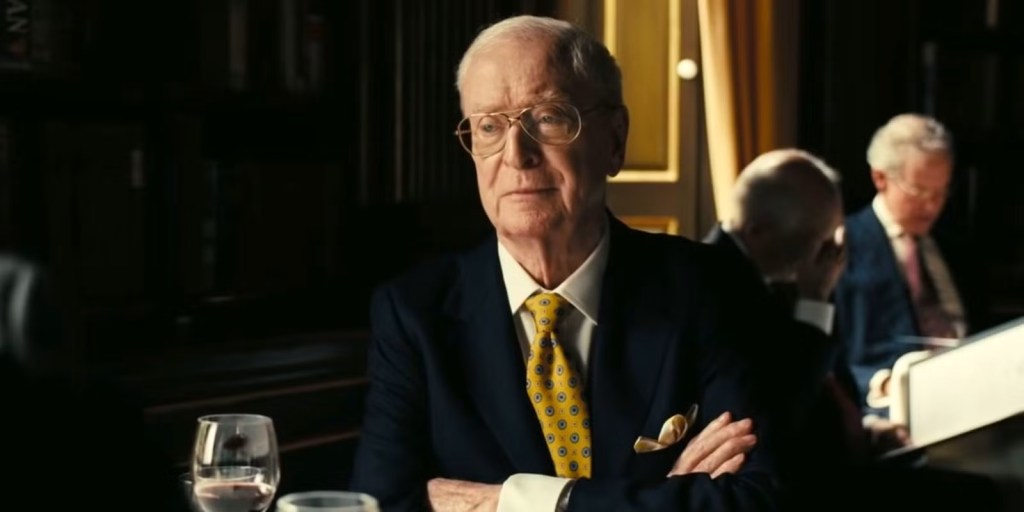
The organization, Tenet, is interesting. Several of its representatives only play minor supporting roles, more of a function than a character, to set the stage for the Protagonist to understand the war he is about to step into. The first person we meet is somebody who brought the Protagonist onto the mission before the film began. Fay (Martin Donovan) is the Protagonist’s boss from the CIA, who puts him into position to learn about Tenet, how to communicate with its members without drawing attention, and then bows out of the entire film. Barbara (Clémence Poésy) is a scientist who works for Tenet and explains the ins and outs, as she understands them, about the inverted debris that they are finding around the world. The marketing loved focusing on her scene where she introduces the Protagonist to a gun that is not firing, but catching a pre-spent round.
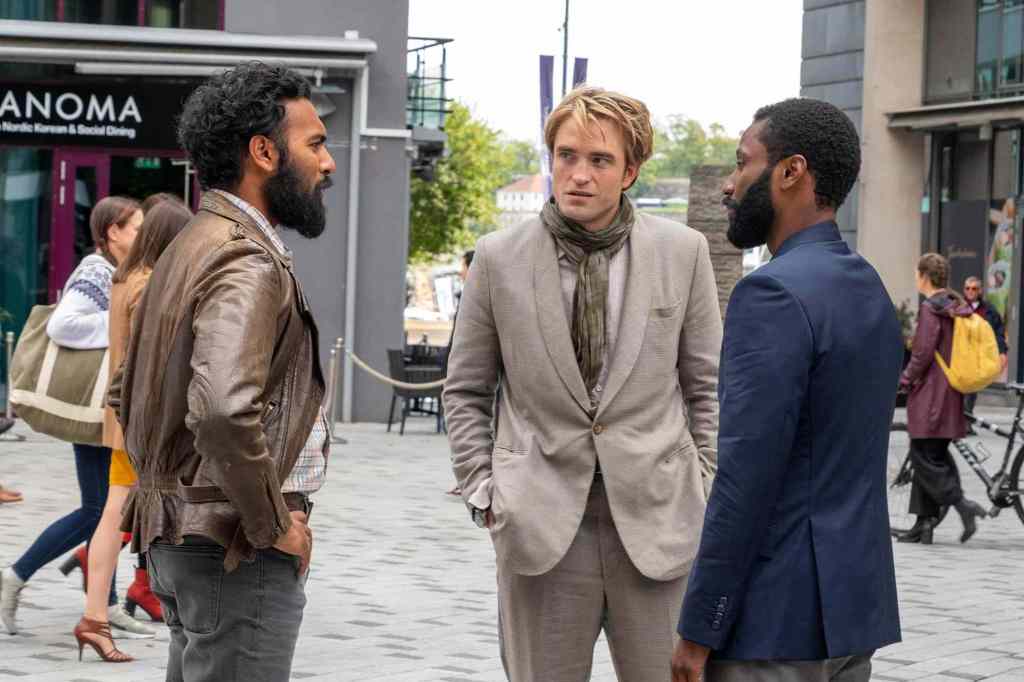
While those members have a limited role, others that we are introduced to are more load-bearing. Mahir (Himesh Patel) is a Tenet agent hired by Neil who helps them out during the film, including escorting Kat through a turbulent moment that could mean the difference between success and defeat. Two of the most important ones are Ives (Aaron Taylor-Johnson) and Wheeler (Fiona Dourif), who are the leaders of Tenet’s red and blue teams. The pair executes what their organization calls a temporal pincer move, allowing them to simultaneously execute a plan that they are able to communicate to one another in real time because one team, Wheeler’s, executed it backward in time and saw how it would happen. The other team, Ives, is able to handle the mission in real time moving forward based on the information that Wheeler’s team has accumulated.

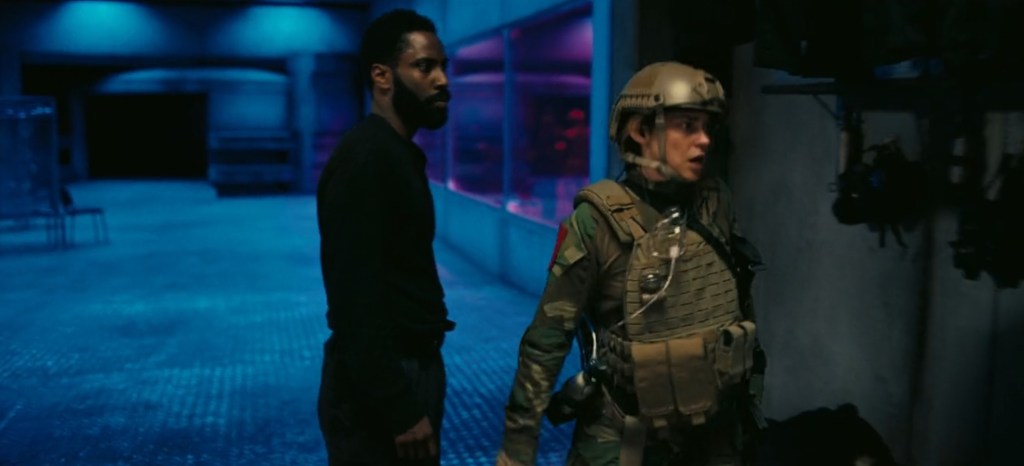
When Tenet was first released, the idea that it would follow had already been pretty much guessed by its intended audience, but that is where Christopher Nolan’s skill as a storyteller comes in. There are a few projects that he has officially had a hand in where he has not played three primary roles – director, writer, and producer – but this is one where Nolan spent a lot of time in each role. When he has a story to tell, he puts his hand on every facet so that the story is his. Since he has yet to have a miss, it is unsurprising that he is given a freer hand in Hollywood than many of his peers.
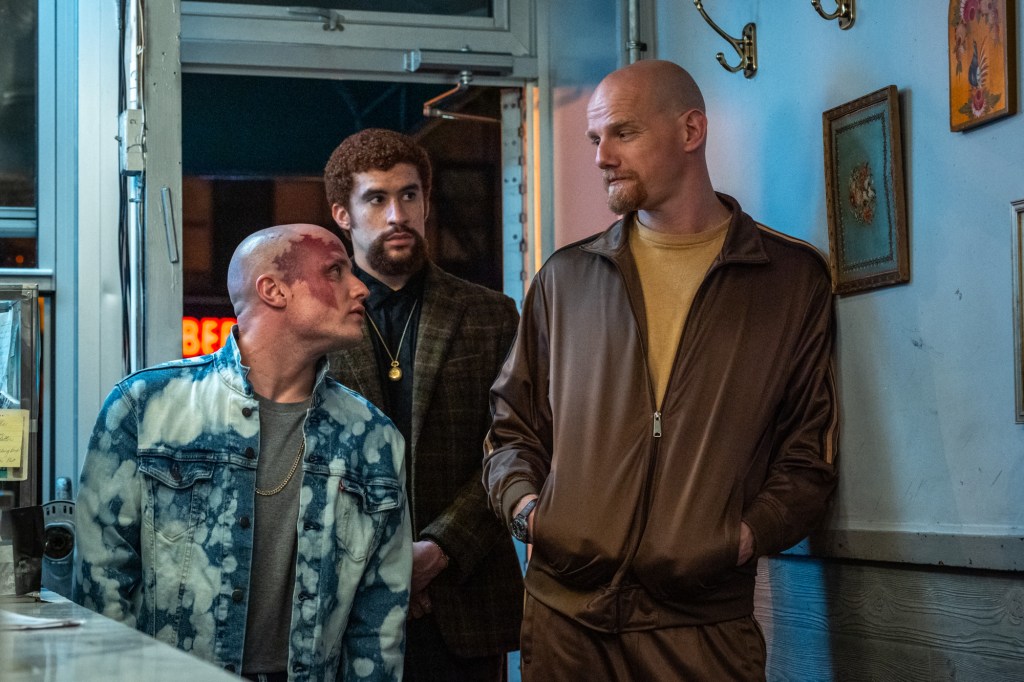
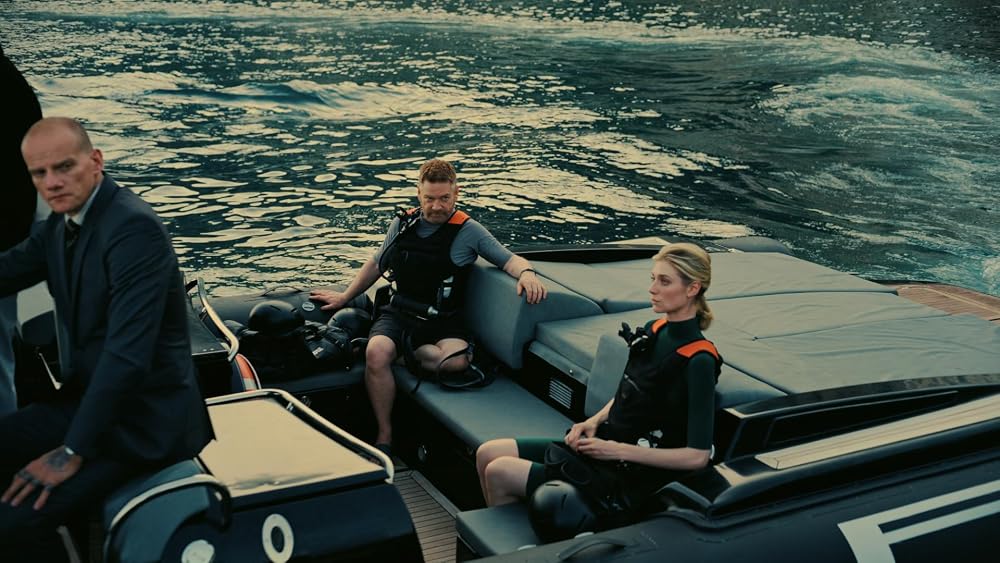
Tenet took its core concept seriously while embedding it around something that seemed simpler. It is a heist film, but it is not a temporal heist despite that being a crucial aspect of the story. The goal of Tenet, as an organization, is to prevent World War III – just not the kind of war that the world itself had been nervously anticipating for much of its existence.
Sadly, the biggest problem with this being a Christopher Nolan film is that I always find myself wanting to see a follow-up that builds on the material, because he always leaves just enough threads to make it tantalizing enough to imagine.

