
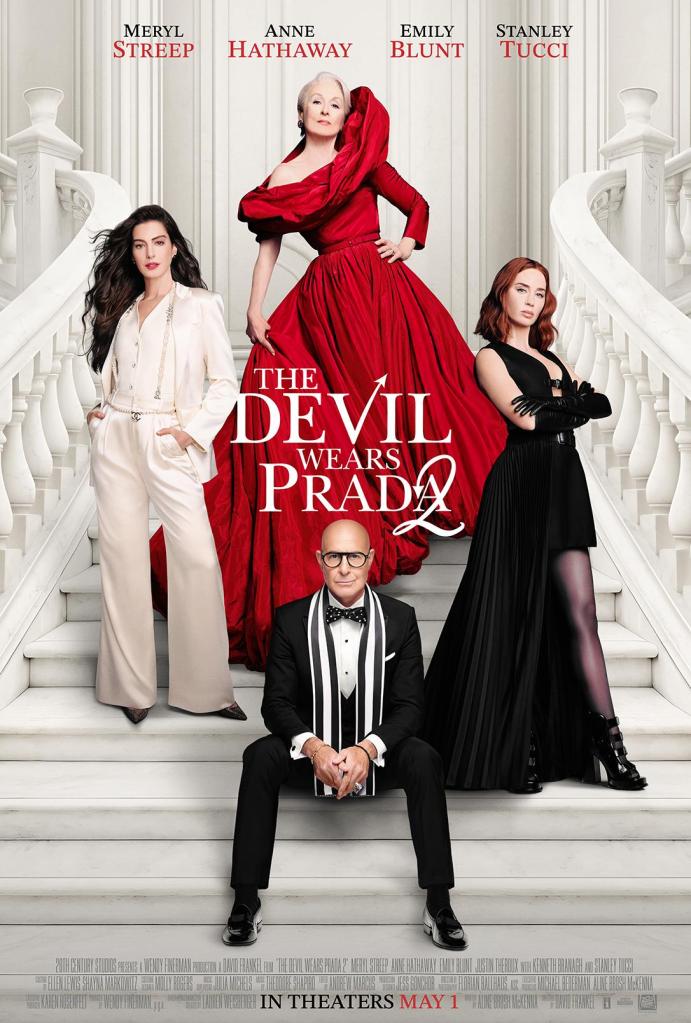
When you’ve waited for something for so long, expectations tend to run rampant. After all, you’ve imagined what it could be for so long that, oftentimes, it fails to live up to those expectations. The Devil Wears Prada 2 did not fail to meet those expectations twenty years after the first film landed. The film, which brought back six of the characters from the first movie, set forth with callbacks, character evolution, and a smooth commentary on the death of print media.
The Devil Wears Prada 2, like its predecessor, is a story that must address the time in which it exists in order to be effective. Fashion is an industry that evolves so rapidly that to pin any style to a specific era can prove problematic. Journalism, on its face, is even more of a beast prone to change. How they are consumed and interpreted has evolved drastically across two decades, and it feels like Miranda Priestly (Meryl Streep) and Andy Sachs (Anne Hathaway) act as a complicated expression of how the world handles that. Because we can hold the two up to their original portrayals, it becomes easier for us to see the differences that have emerged and the similarities that remain.
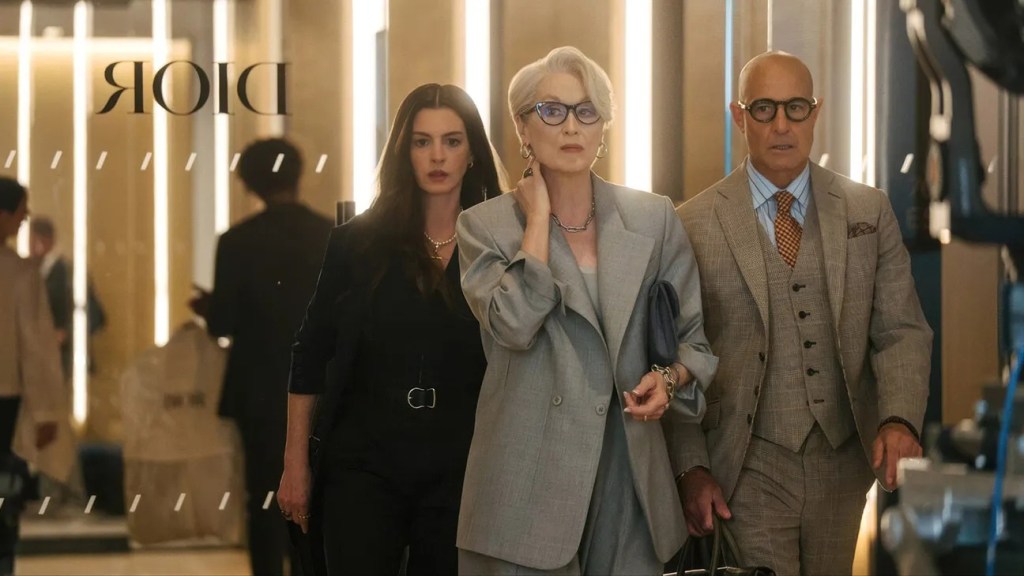
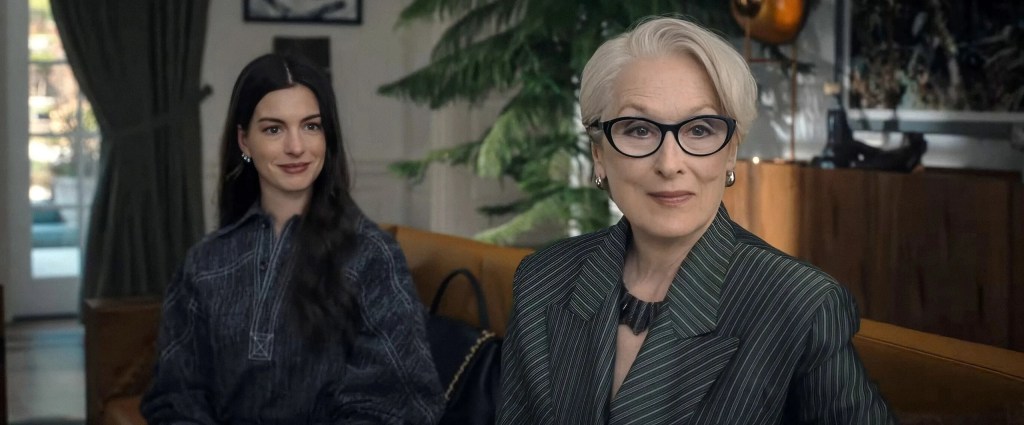
Everybody can remember the iconic montage of Miranda entering the office and dropping her coat and purse onto Andy’s desk with a passing order that is never repeated or overly clarified. Now, partway through the film, we watch as Miranda struggles to get her coat into her own coat closet, with rumored complaints to HR being the reason why. How The Devil Wears Prada 2 tackles these changes, and whether or not they went over the heads of some, is a hilarious aspect of the film.
The layers are there, with the first and most obvious being that this is a comedy. Obviously, having your boss throw their coat and purse at you as they sail past isn’t inherently funny – watching it happen nearly a dozen times across a montage becomes darkly humorous. The weight of that in reverse doesn’t require the film to shove a montage of Miranda struggling to get her own coat into a closet, which was clearly added because she could no longer hand that task off to an assistant. Watching it once was all that I needed for the moment to be hilarious, even as Andy is standing there in stunned silence.
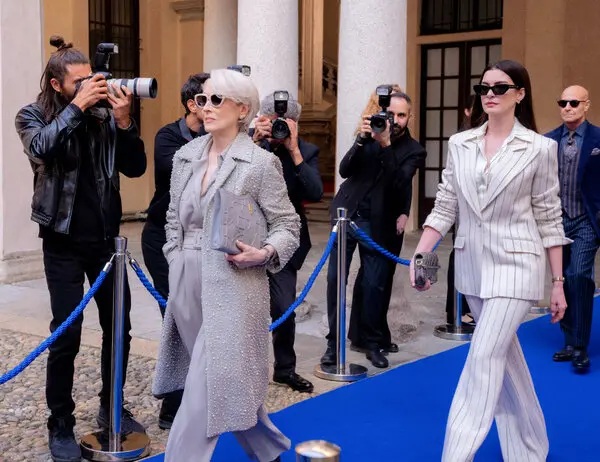
Clearly, the film justifies its existence because it was a long-requested sequel to a beloved movie, but it did not simply pat itself on the back for that low bar. The movie opens with a blunt criticism of how journalism is viewed. Andy and members of her team are at an award ceremony and, just as they are announced to have won a prestigious award for their reporting, she and everybody at their table were fired. Near simultaneously, the fashion industry’s disastrous ventures into fast fashion, and all the inherent dangers associated with it, hit Runway, and Miranda in particular. A puff piece wasn’t probably vetted, and a brand was discovered to have been using sweatshop labor, resulting in a massive scandal. Right when Irv Ravitz (Tibor Feldman), the chairman and owner of Elias-Clarke Publishing, was set to promote her to the global head of content. The fallout leads to Irv hiring Andy as Runway’s new features editor – without running it past Miranda first.
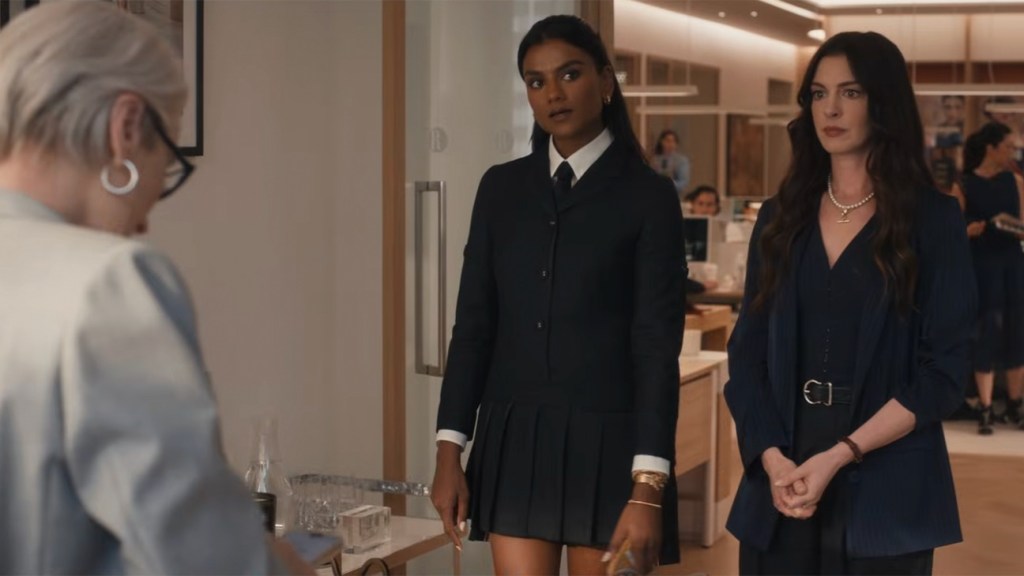
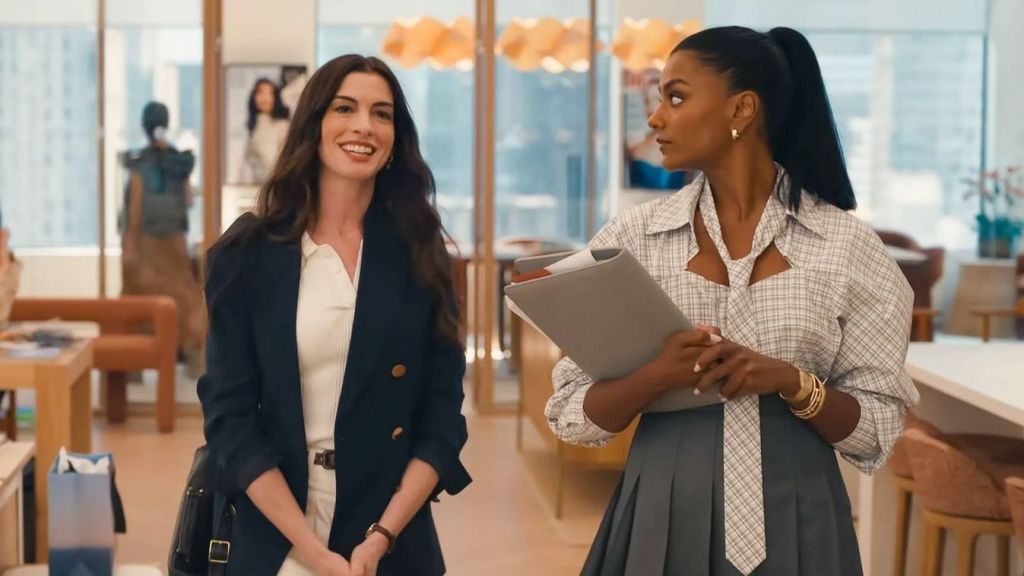
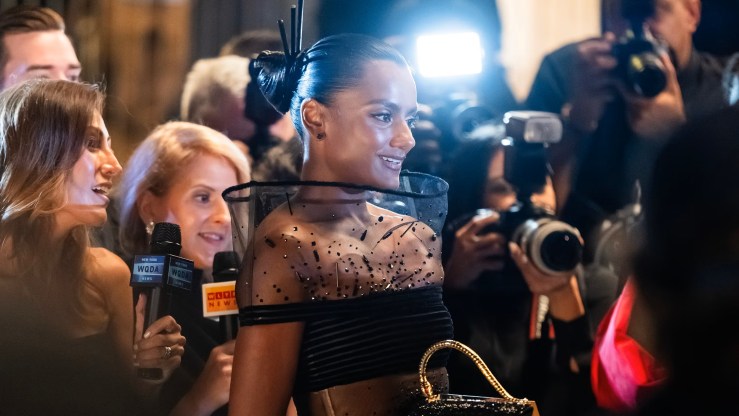
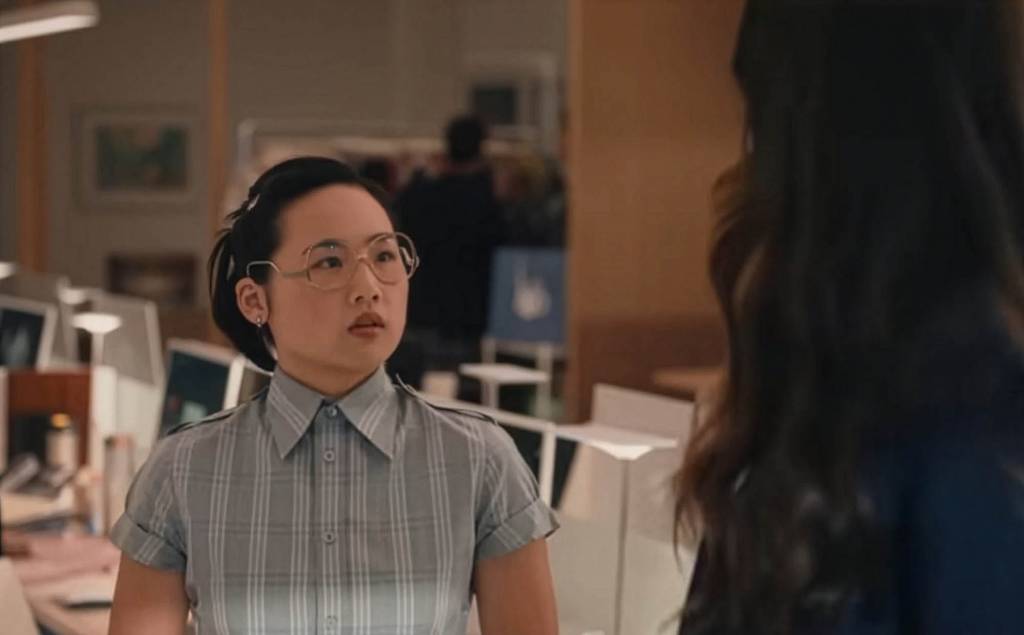
When the pair finally run into one another, Andy is stunned when she realizes that Miranda apparently doesn’t remember her. While Nigel Kipling (Stanley Tucci) welcomes her back with his characteristically dry wit, Andy soon comes to realize just how much has changed at Runway since she left. It is here that we are introduced to Miranda’s new first and second assistants, Amari Mari (Simone Ashley) and Charlie (Caleb Hearon), and, shortly thereafter, Jin Chao (Helen J. Shen), Andy’s own assistant. The three act as a silent commentary on how Runway has changed, with them reflecting a wide variety of different aesthetics, but absolutely all of them bearing the trademark fashionista tendencies.
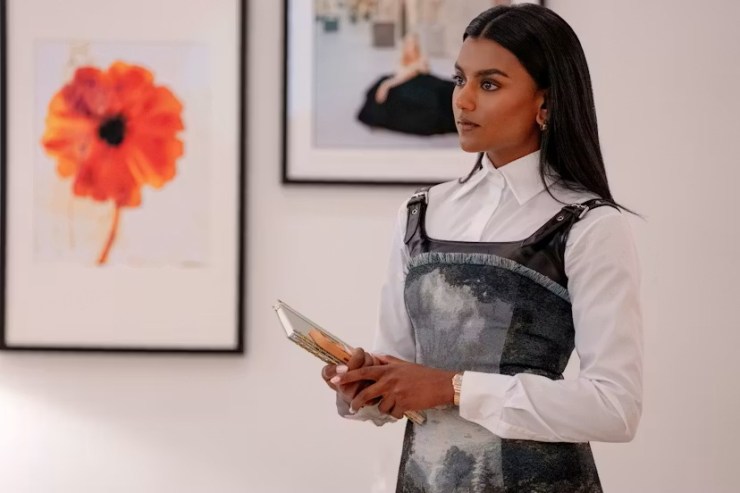
Of them, Amari is the standout. Simone Ashley brought a refreshing kind of comedy to the film, as it is clear that she has the same skillset and energy as Emily, but the cool discernment that Andy attempted to bring to Miranda’s team.
The comedy of her character comes in with the simple fact that she is there to police Miranda’s language while not sacrificing the quality of Miranda’s work, resulting in hilarious conferences where Miranda’s comments are quietly addressed, leading to a back-and-forth between the two that makes their dynamic fun to watch.
Runway’s biggest change is how the office is laid out. Obviously, it’s a set, but the film worked to ensure that all the non-negotiable changes remained. AKA the building’s inherent architecture looks, or at least feels like it has not changed. However, the internal aspects of the building have evolved drastically from the closed-off elegance that was almost always centered on Miranda’s internal suite; this time, the office becomes its own character, and the set was expanded to reflect that. Very little of Runway’s office space was shown, but through the glass-doored entrance to where Andy and Emily sat day in and day out, it was clearly not a vast open work space. This became an easy task because the set was no longer five stitched-together soundstages, but one contiguous space.
Perhaps it’s a reach, but the mere fact that the plot kicks off because a puff piece wasn’t properly vetted, and the hit lands almost entirely on Miranda, the expanded set acts as commentary that, while she was wholly indispensable in the first film, her invincibility must now be shouldered by multiple people. Capable films use the visuals of their story to effectively deliver that story. It’s why, when you look back at The Devil Wears Prada, it becomes clear that the entire film is told through Andy’s perspective and that every scene bar one either directly features her or is propelled because of her. That one scene is the iconic florals sequence.
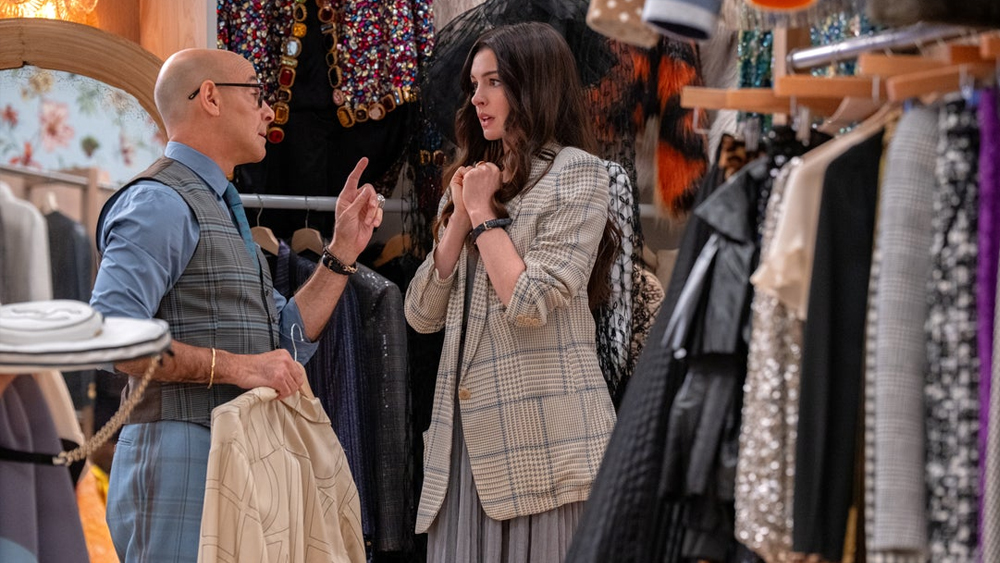
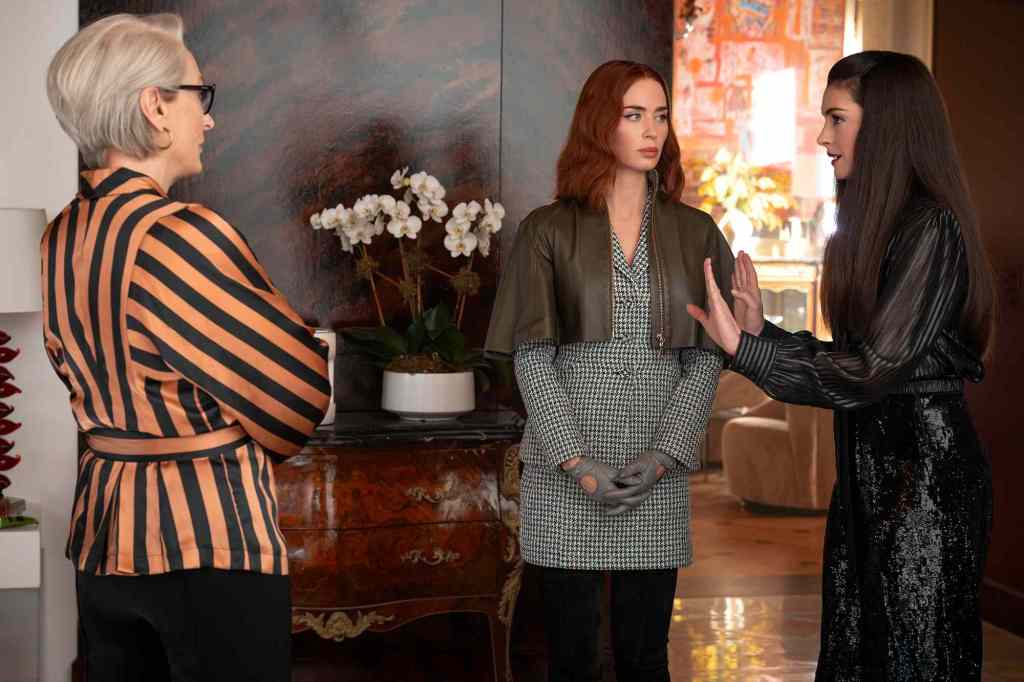
Andy’s efforts to save Runway and, by extension, a safe haven for journalism even under the veneer of a fashion magazine, are the core story. Those around her are invested in seeing Runway succeed – more or less – but how they go about it varies. It is here where the rest of the ensemble comes through.
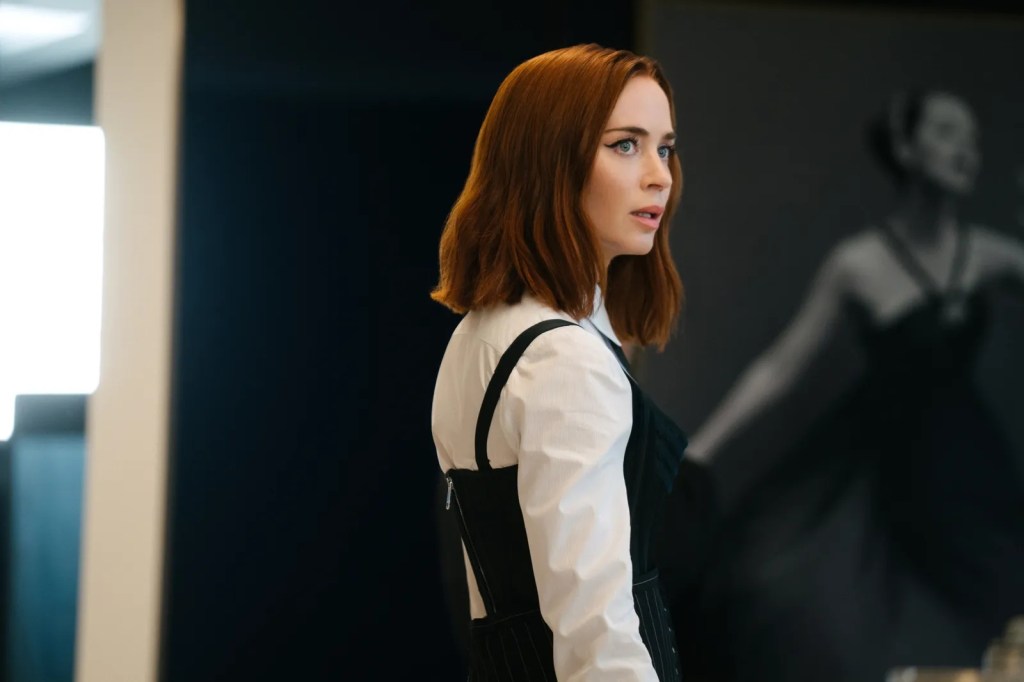
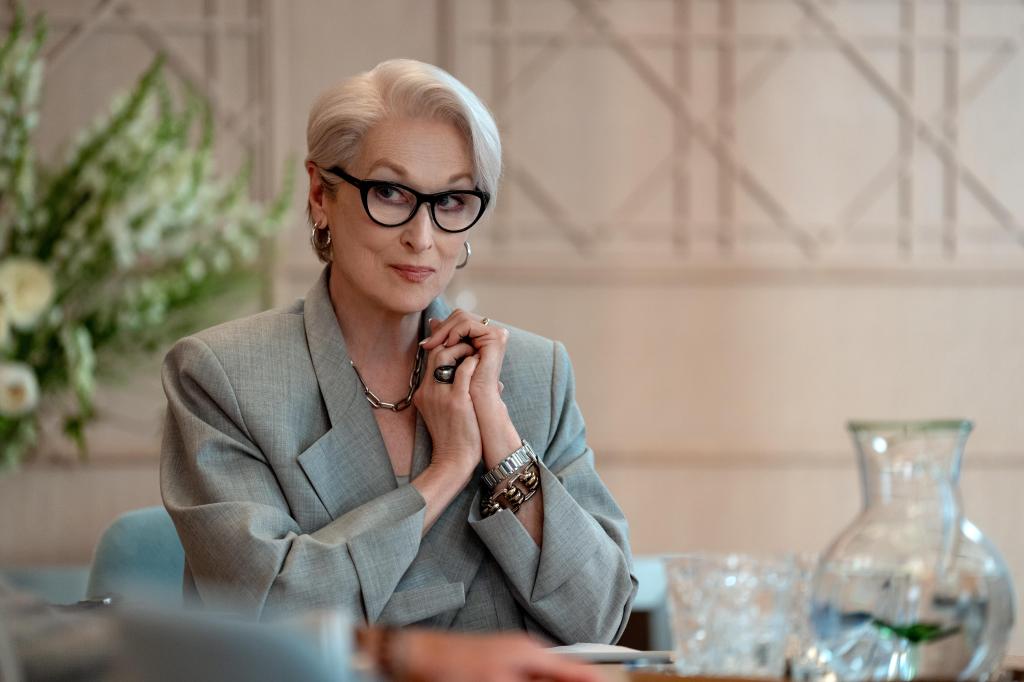
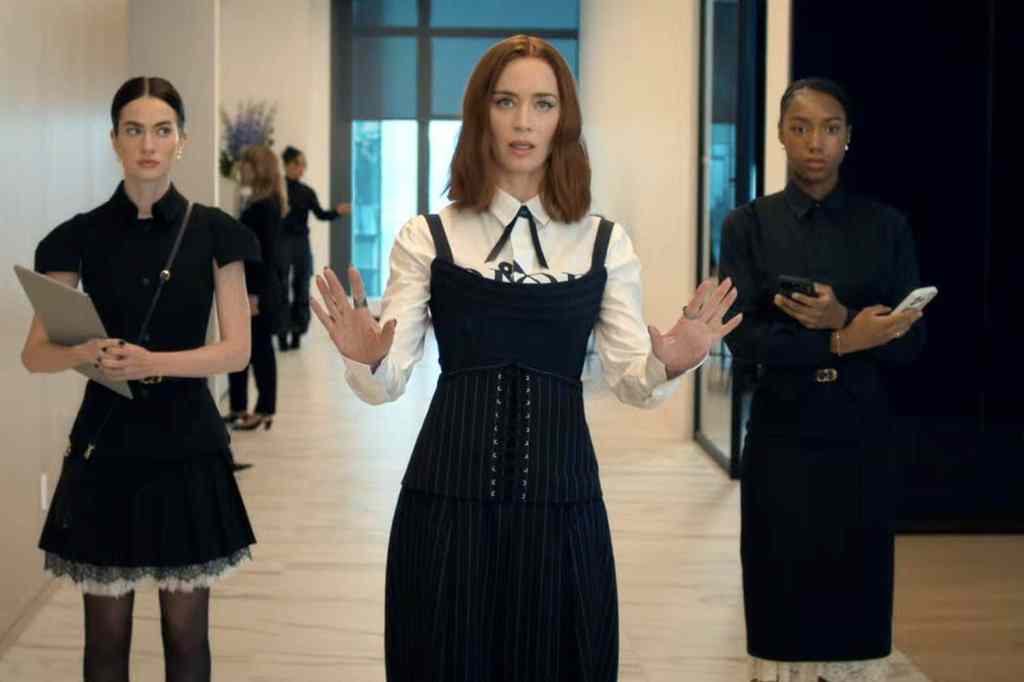
Emily Charlton (Emily Blunt) returns as an executive for Dior, who is the one who is directed to claw out concessions from Runway because of the scandal. Ever the elegant icon, her complex relationships with Miranda and Andy are a central driver for the conflict. Jay Ravitz (B. J. Novak), Irv’s son, who ends up in charge of the company, introduces one of the other core conflicts – corporate management via consultants, with a hilarious comment that they’re almost certainly from McKinsey. Lily (Tracie Thoms) is the sixth major character to return from the original film, as Andy’s friend who refuses to let Andy spiral or set her life on hold just because of a setback.
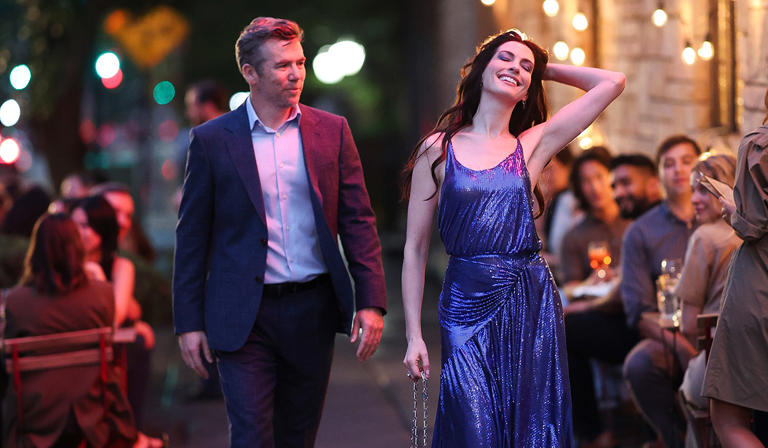
New characters include Peter (Patrick Brammall), Andy’s new love interest, who works as a real estate contractor and developer, and worked on the building that Lily drags Andy to in order to celebrate a new, higher paycheck by getting a better apartment. Another of Andy’s new friends in the industry, Talia (Rachel Bloom), spends the film trying to convince Andy to write a book about Miranda. We’re also treated to Mack (Larry Mitchell), who worked with Andy at their old job and whom she brings on at Runway.
One of the best new additions, though, is Sasha Barnes (Lucy Liu), a reclusive billionaire whom Miranda and Runway have been attempting to get an exclusive interview with for a long time. She is the ex-wife of Benji Barnes (Justin Theroux), a Silicon Valley billionaire who is also the new boyfriend of Emily – the world is small. Finally, we have Stuart Simmons (Kenneth Branagh), Miranda’s new husband, who seems to enjoy drinking and fighting less with Miranda than her husband twenty years prior – something we’re all grateful for, a man who can stand beside a strong woman and not let it go to his ego.
The Devil Wears Prada 2 is proof that you can bring a film back after a long time with a new entry and successfully build off all the things that audiences loved. I say this so that we might finally get a sequel to The Princess Diaries 2 someday… Soon.

