
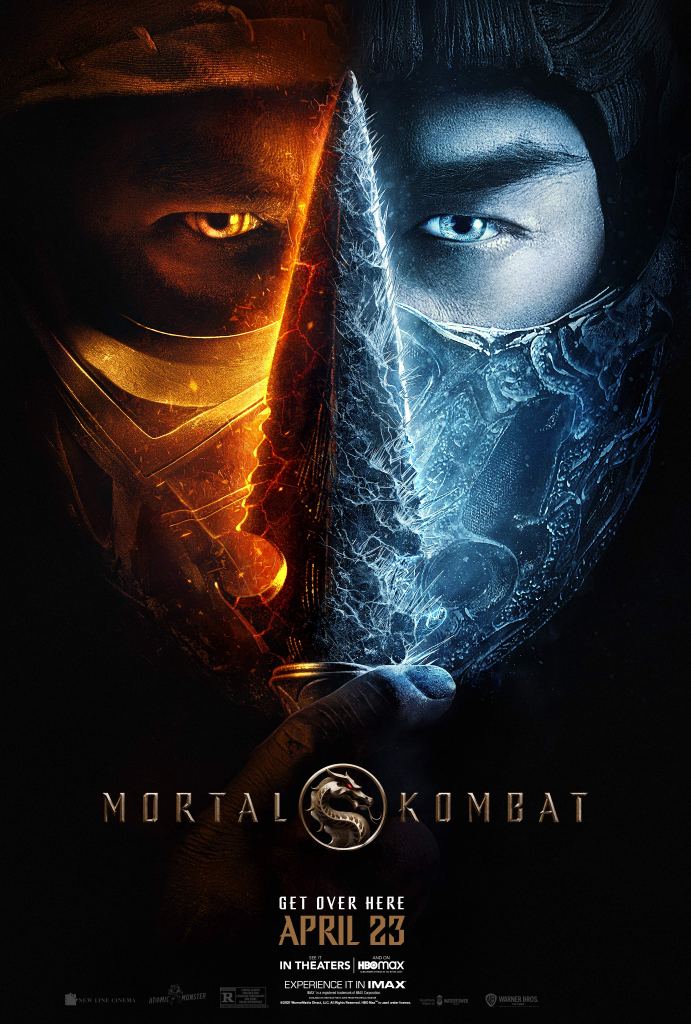
The question over whether a video game adaptation is a good thing continued with this film, which arguably has a rather coherent throughline for a narrative despite the video games continually updating the lore left, right, and center. Mortal Kombat has never shied away from internal retcons any more than any other long-running game has, which presents a unique opportunity for a film franchise.
As such, after two decades sitting in development hell, there was much more to work with than when the first few Mortal Kombat films were released in the 90s. This merely goes to show that the idea to build a film franchise around the video games is not a new idea and was always bound to happen when the stars finally aligned in its favor. How or why that works is a mystery to everybody other than the one person likely standing in the way of 23 Jump Street.
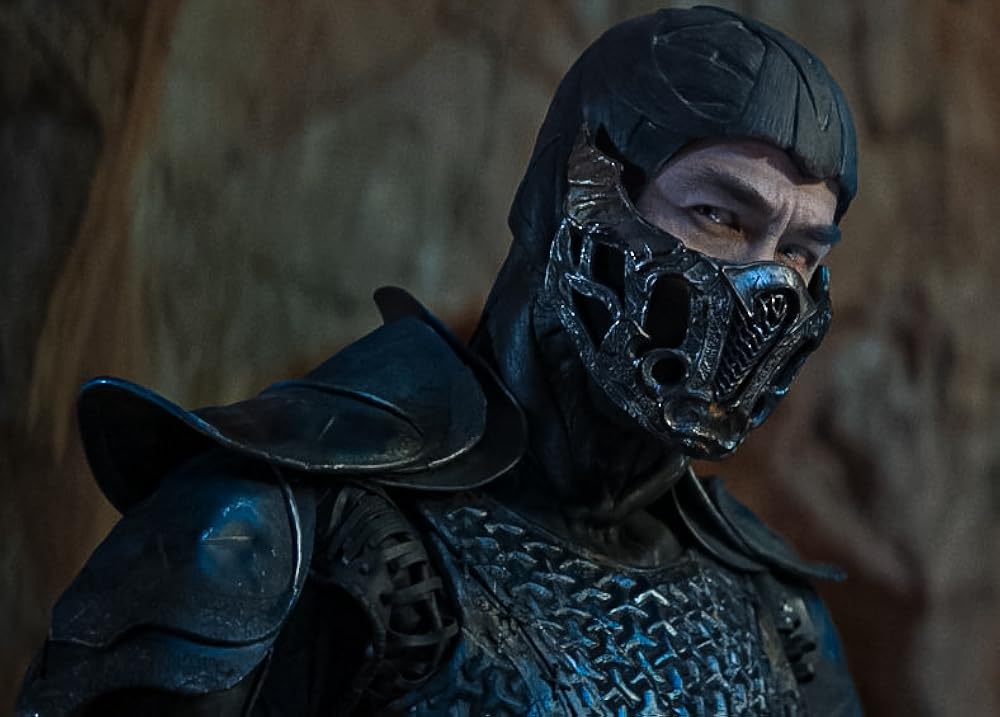
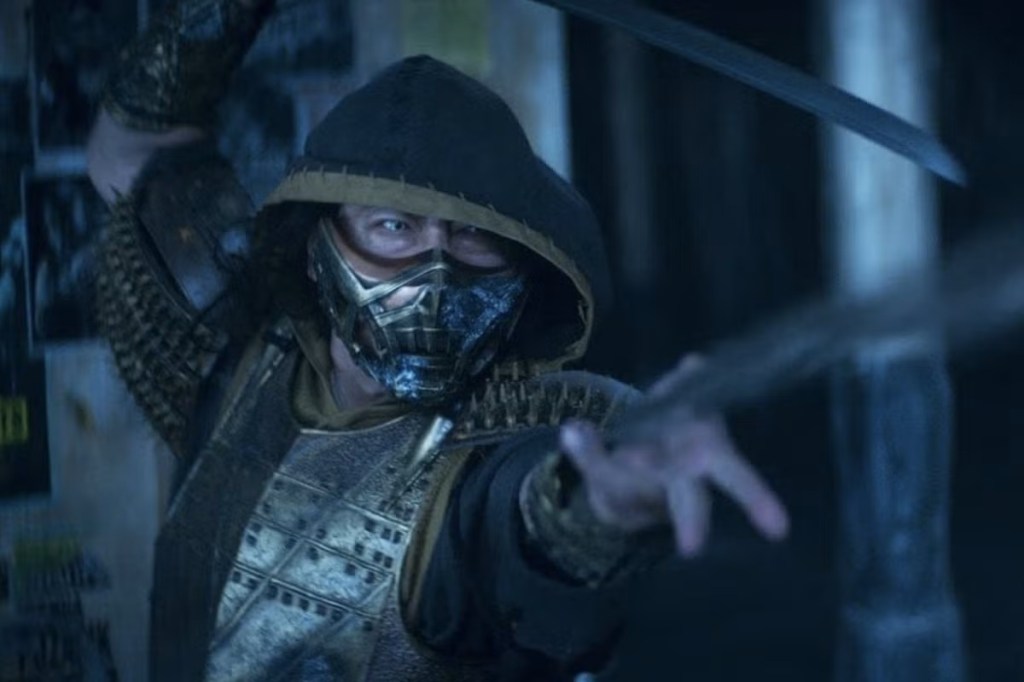
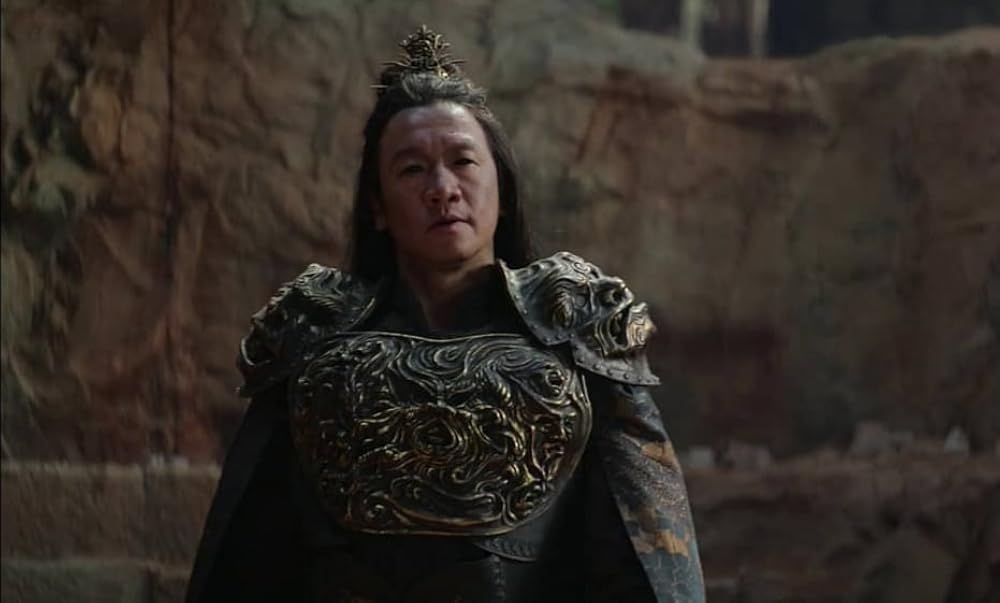
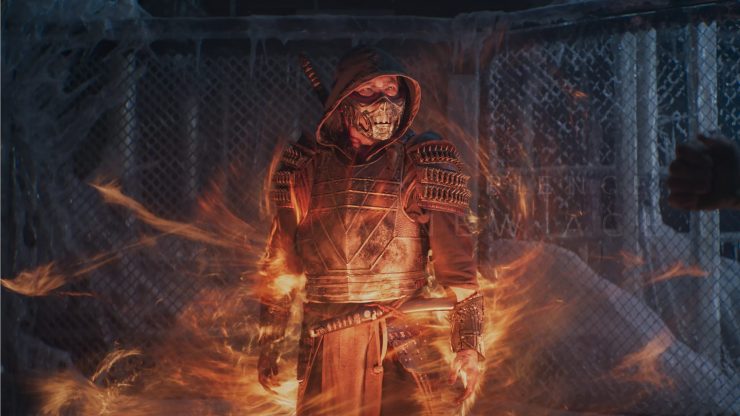
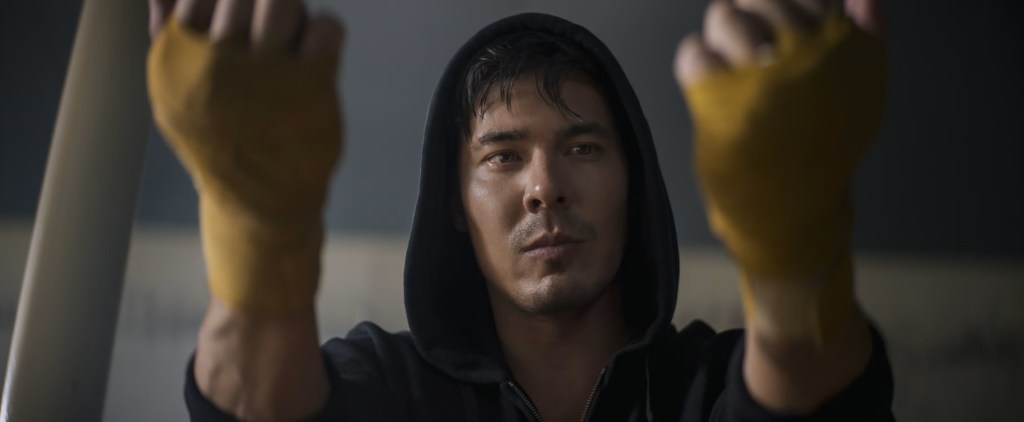
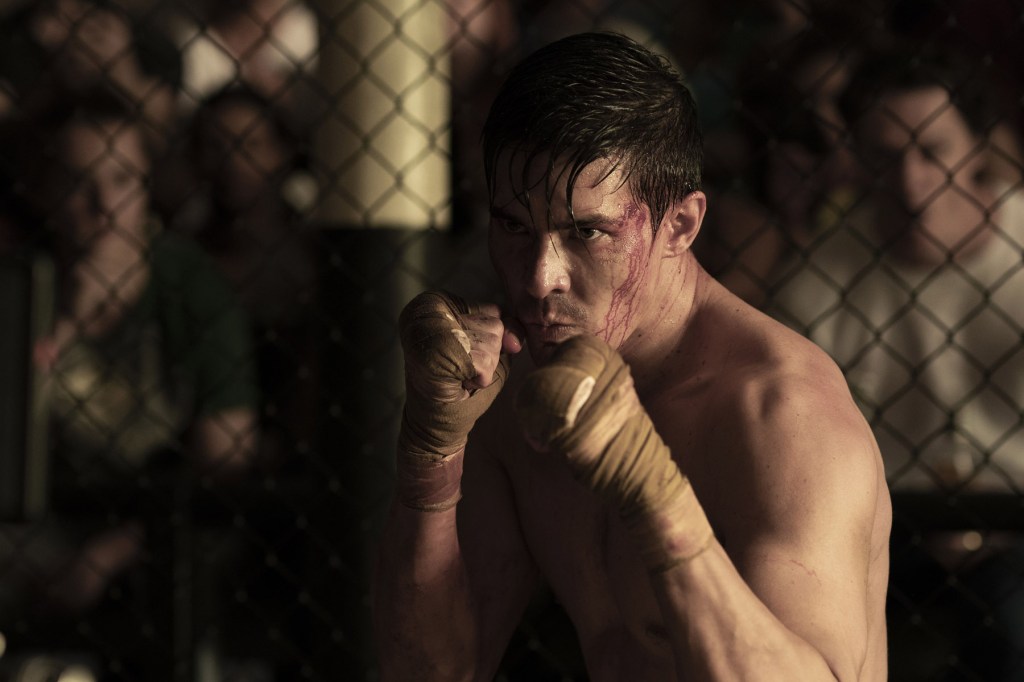
Mortal Kombat centers on Cole Young (Lewis Tan), an MMA fighter who is drawn into the conflict between Earthrealm and Outworld, the latter of which has challenged the former to nine tournaments known as “Mortal Kombat” and won each time. If they win a tenth time, then Outworld will conquer Earthrealm for, presumably, eternity. Ahead of the tenth tournament’s actual inception, Shang Tsung (Chin Han), a powerful sorcerer, dispatches his warriors in a preemptive strike to decapitate Earthrealm’s champions before they might mount a credible challenge in the tournament. All of this is built on the backstory of Hasashi Hanzo, AKA Scorpion (Hiroyuki Sanada), and his bid for revenge against Bi-Han, AKA Sub-Zero (Joe Taslim), in 1617 Japan. Bi-han’s murder of Hasashi’s wife and child, with his powers of Cryokinesis, furthers the conflict between them, and from it a prophecy trickles out that Hasashi’s bloodline would save Earthrealm.
The main story unfolds in 2021 before that tenth tournament, as Earthrealm’s champions, one of whom, Cole, is woefully unprepared and almost completely unaware of what is coming. Cole and his family, his wife Allison (Laura Brent) and daughter Emily (Matilda Kimber), are rescued by Jackson “Jax” Briggs (Mehcad Brooks) and Sonya Blade (Jessica McNamee), a pair of Special Forces who have been looking into this tournament for years. Having captured an Australian Mercenary, Kano (Josh Lawson), they soon come to understand the gravity of the situation that they are in.
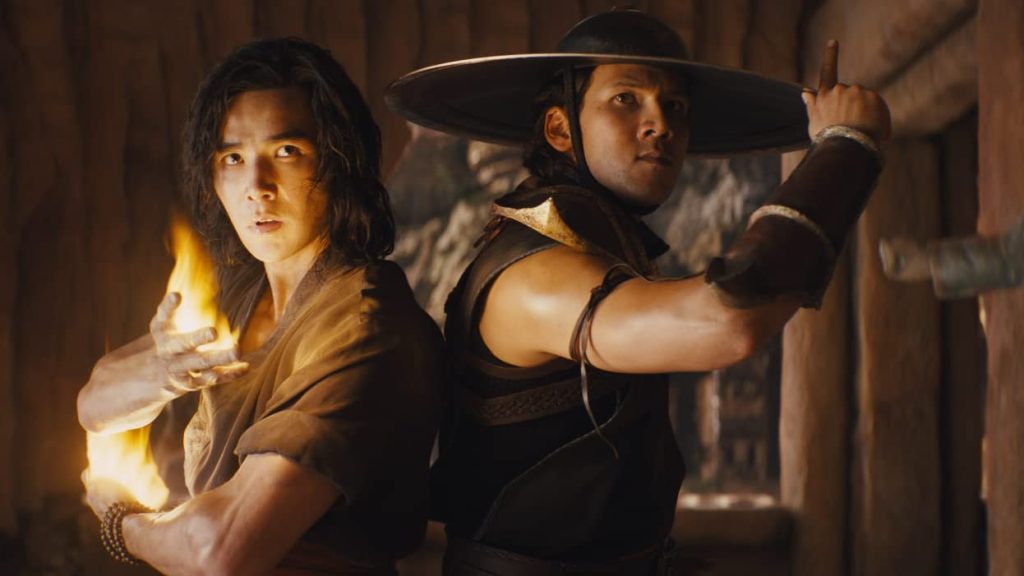
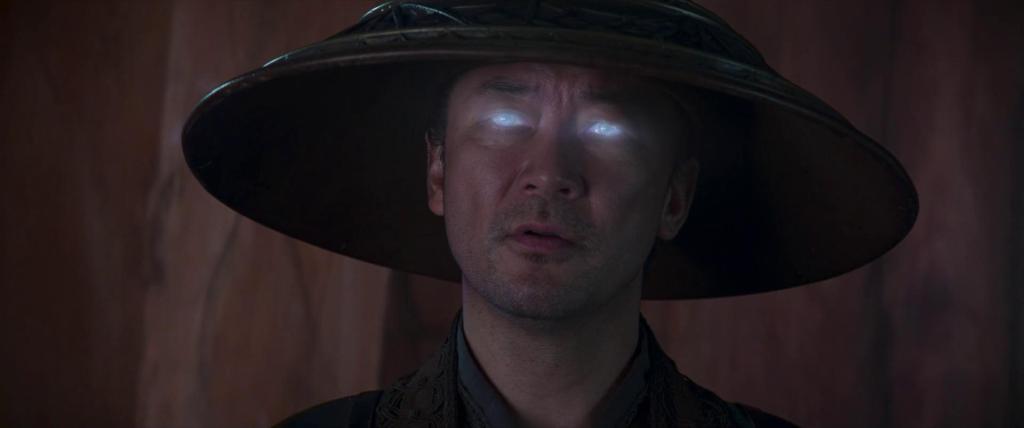
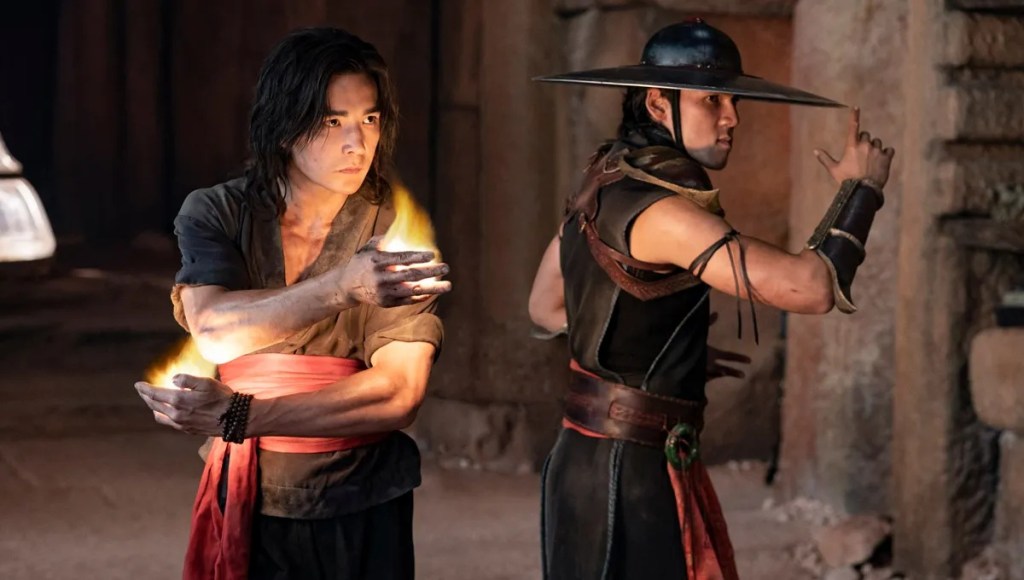
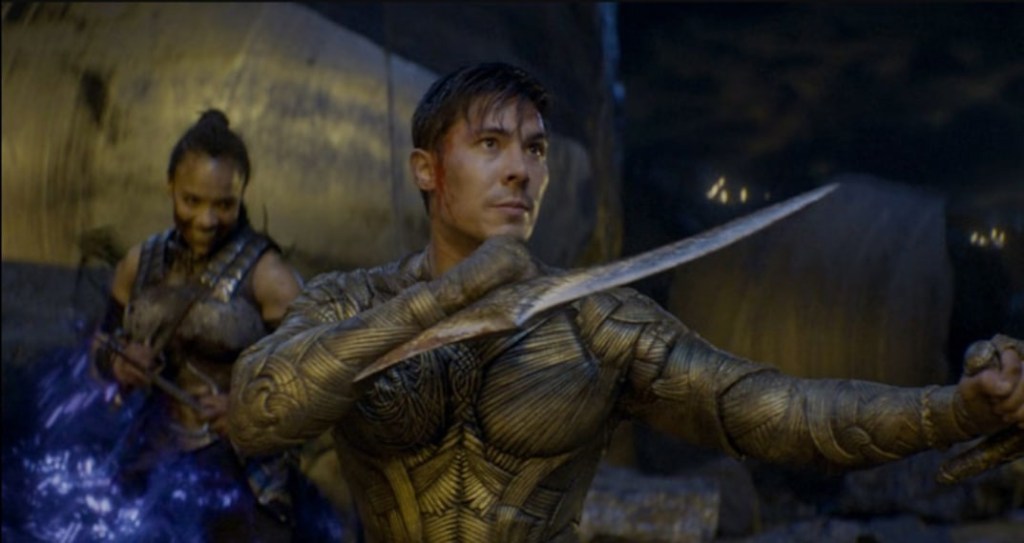
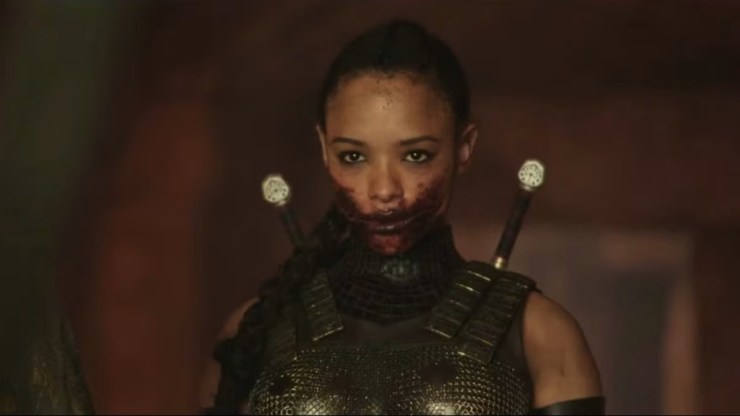
It is, after all, hard to ignore a figure like Raiden (Tadanobu Asano), the God of Thunder, or his disciples Liu Kang (Ludi Lin) and Kung Lao (Max Huang), who display fantastical powers. Outworld’s forces under Shang Tsung include Bi-Han, Mileena (Sisi Stringer), Nitara (Mel Jarnson), Goro (Angus Sampson), Reiko (Nathan Jones), Reptile, and Kabal (Daniel Nelson and Damon Herriman). While most of them exist to execute vicious fight scenes culminating in one of Mortal Kombat’s biggest selling points, its fatalities, they pad out the villain ensemble so that it is not just the soul-sucking Sorcerer who the heroes have to face. Granted, most of the names listed die within the scene or sequence in which they were introduced, leaving it up to you, the audience, to determine if they were an effective force to include.
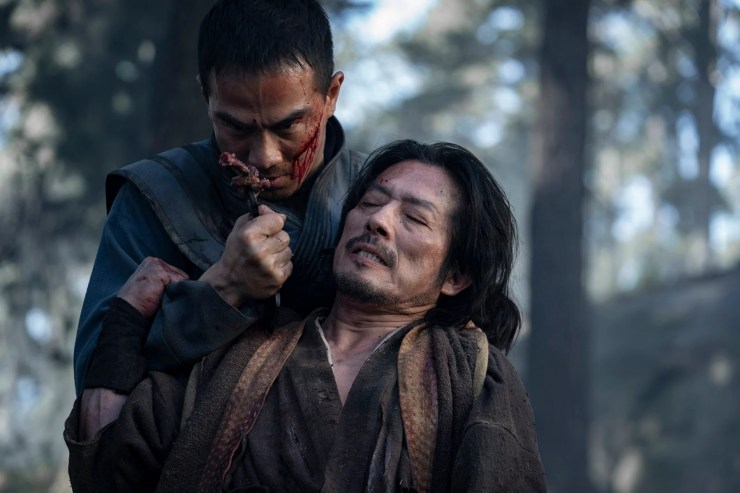
The conflict between Sub-Zero and Scorpion, just like the cames, is at the center of this story. Their dynamic is one of the most invested in by the film’s plot, bringing forth a fight that has lasted centuries and, like them, seems keen on never staying dead for long.
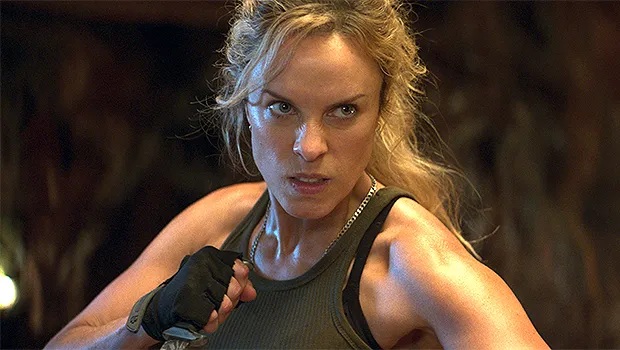
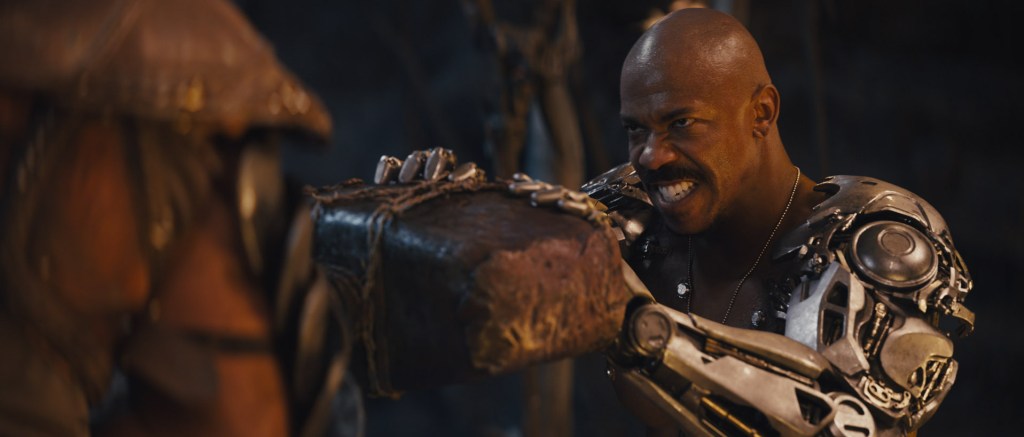
This is a franchise that is plagued, in the best of ways, by temporal anomalies and Gods dictating that the fate of entire realms will be determined by a no-holds-barred fight to the death is, by any measure of the term, a fantastic plot to work with. Mortal Kombat, as a franchise, has dozens of playable characters and a slew of NPCs on which its narrative is built. Fans have their favorites, but it can be argued that three of the most central characters to the story include the likes of Liu Kang, Johnny Cage, and Sonya Blade, as well as Scorpion, Sub-Zero, and Raiden – and in this film, five of those characters were directly included, and the sixth was hinted at in the closing moments. A simple internet search turns up countless others that fans would readily agree are essential to any given storyline, even if they sometimes sit out an entry.
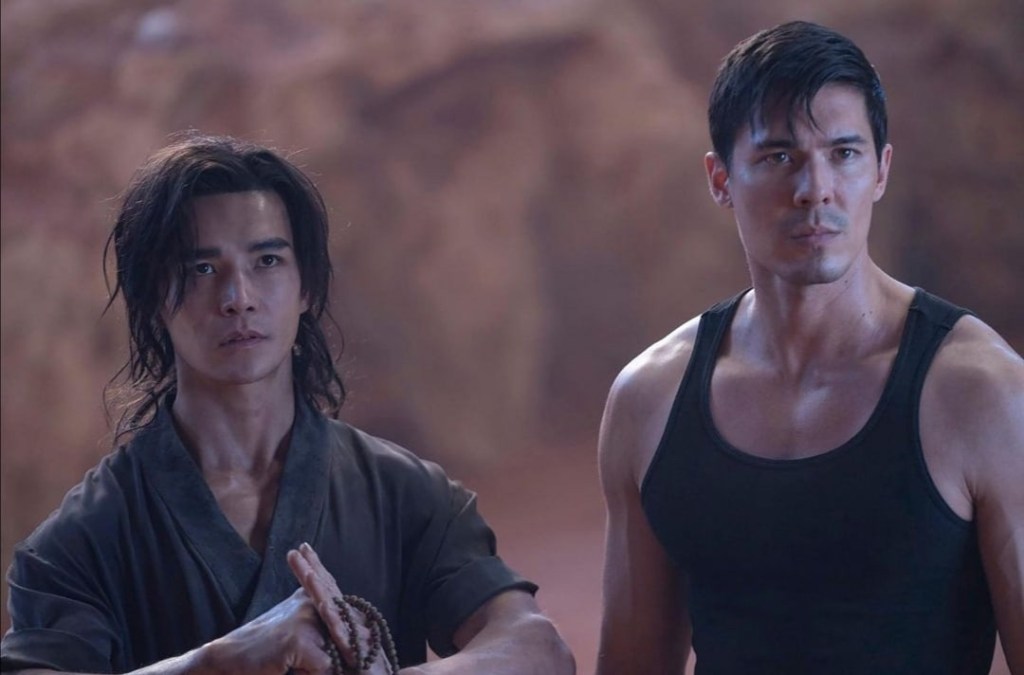
Sadly, this is where the trouble comes in, and it can always be saddled onto the shoulders of a few people – studio executives. There is a notion that audiences are stupid. Nobody will say it in quite such a blunt way, but it is the only determination that feels fair. Countless characters exist in the games; at the time of its production, there were eleven main games that had been released from which to craft a story. The studio mandated the creation and inclusion of an original main character, Cole Young.
A video game adaptation is inherently in an awkward position. On one hand, it can be assumed that the fans of the game will be there on day one with their tickets in hand, meaning that a token effort is generally all that might be required to get them there (refunds are notoriously hard to achieve). On the other hand, movies have to reach a broad audience to become financially viable, incentivizing the people financing the project to chase them over the assumed built-in audience.
A character like Cole Young is never invented for the fans but to cultivate an understanding of the world, the story, and the characters for those unfamiliar with it going in. On one hand, somebody who has played the games will have a fundamental understanding of how “dangerous” a particular character is, but somebody who only has a passing knowledge or none at all has to be shown in some way. Cole Young exists to handle all of that in the same vein that Reptile, Nitara, and Reiko exist to be killed quickly to prove that the stakes are real.
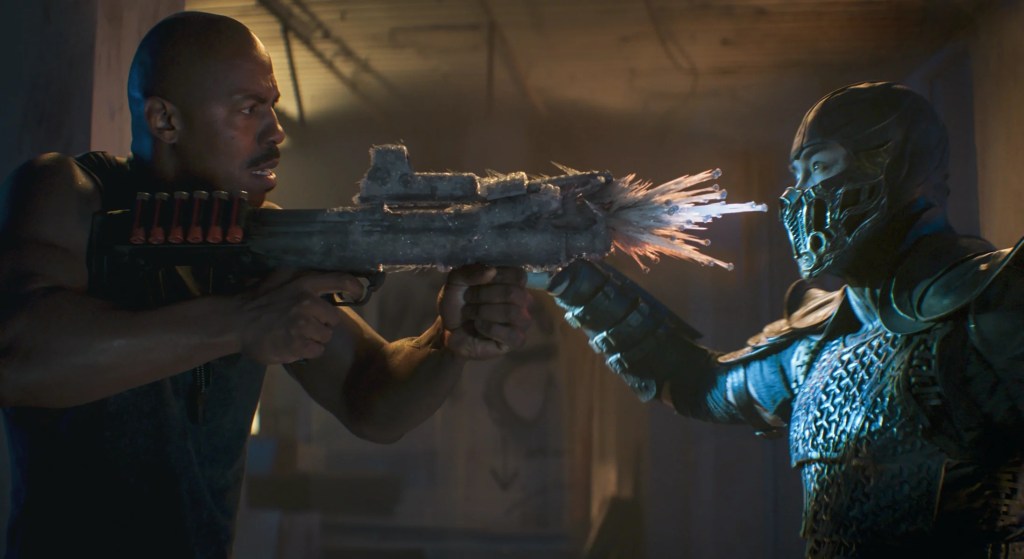
But then we enter the true problem with Cole, who, by any measure of the goal, could have been any of the half dozen or other characters that the video game had. Fans of the franchise expressed exasperation that Lewis Tan, whose acting ability is exemplary in every project he has been in, was not simply cast as Kenshi Takahashi. Removing the other two options in the film of Scorpion and Sub-Zero, who everybody agrees were standouts, going with a character from the series but who was not included was a missed opportunity.

Based on the narrative the film went with, much of the exposition was delivered by Sonya Blade at a time when she was outright trying to grasp what the tournament was. At its core, that feels like the elegant solution to a problem that, honestly… wasn’t.
And for those who have seen Mortal Kombat II, it is clear that the people behind the series learned a lesson at the expense of a person who put a lot of effort in and received very little as a result.
2021 was an increasingly harsh time for the film industry. Films were held from their release dates, others had their production schedules pushed back, and a select few were canceled outright. Those who did manage to release found themselves in an unenviable position, matched only by the seeming uniqueness of the situation. As a whole, Hollywood has its own accounting system, but it can be argued that the box office is the only arbiter of a film’s intrinsic success. It is, after all, the time in which a film will bring in the most visible revenue, regardless of how executives spin this later on. Mortal Kombat might have been hindered from raking it in at the box office by the pandemic, but Mortal Kombat II was greenlit – and its recent release proved that, on some level, they were correct.
People did want more, now time will tell if Mortal Kombat III will move forward or if the franchise has been cut short.

