
Who doesn’t love a wacky excuse for a plot? School trips are one of those strange phenomena that become a big deal, such that they act as the basis for numerous rom-coms and teen-led comedies. They’re replete with their own slate of tropes and archetypes, making them a gold mine if you know how to effectively weave together a narrative.
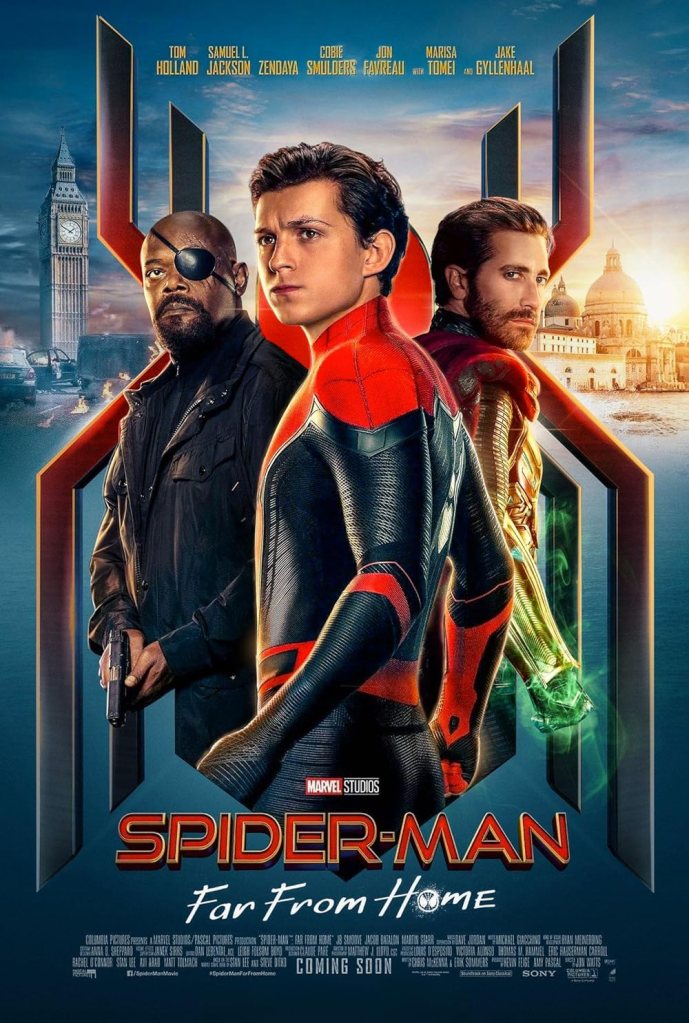
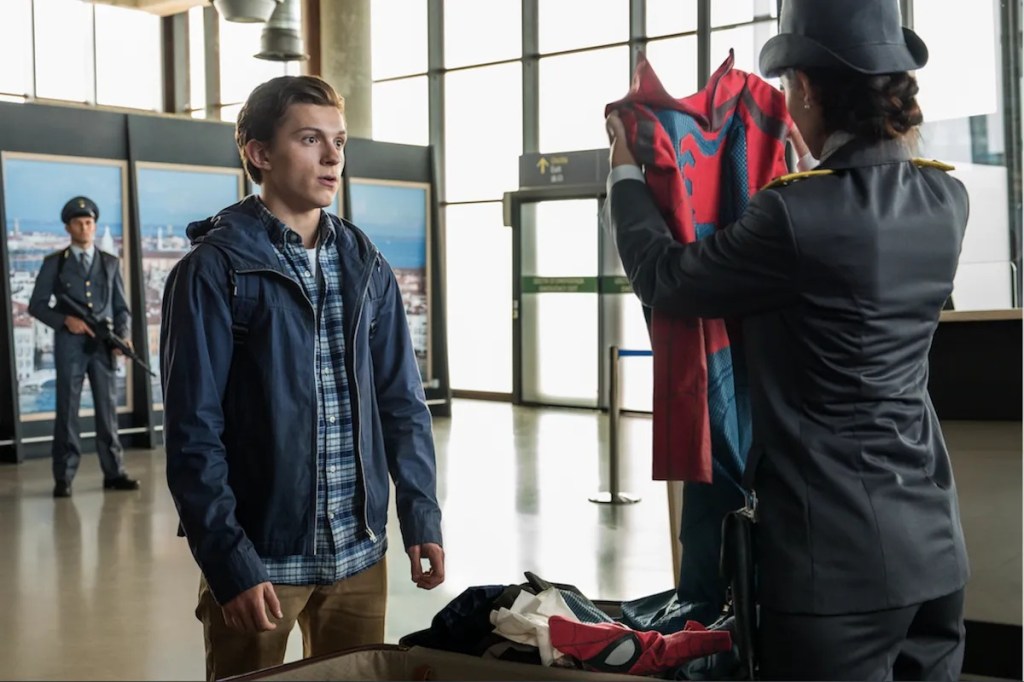
While a school trip was a minor subplot in the preceding film, Spider-Man: Far From Home dedicated almost the entirety of its runtime to Midtown School of Science and Technology to a glamorous European trip that Peter Parker (Tom Holland) would really like to enjoy without having to step back into the obligations of being a superhero.
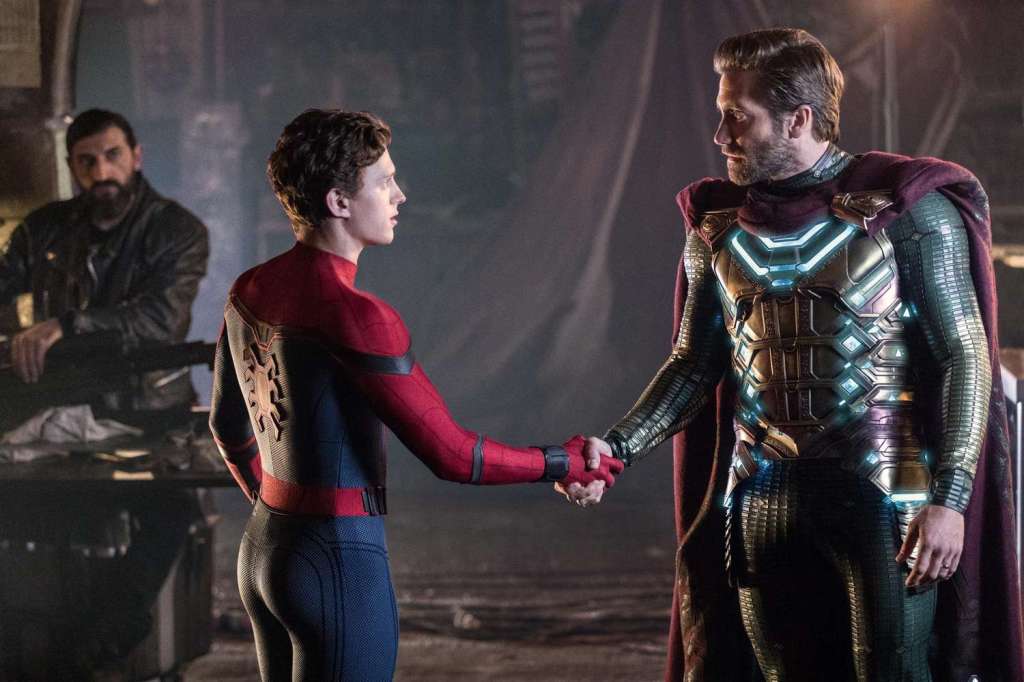
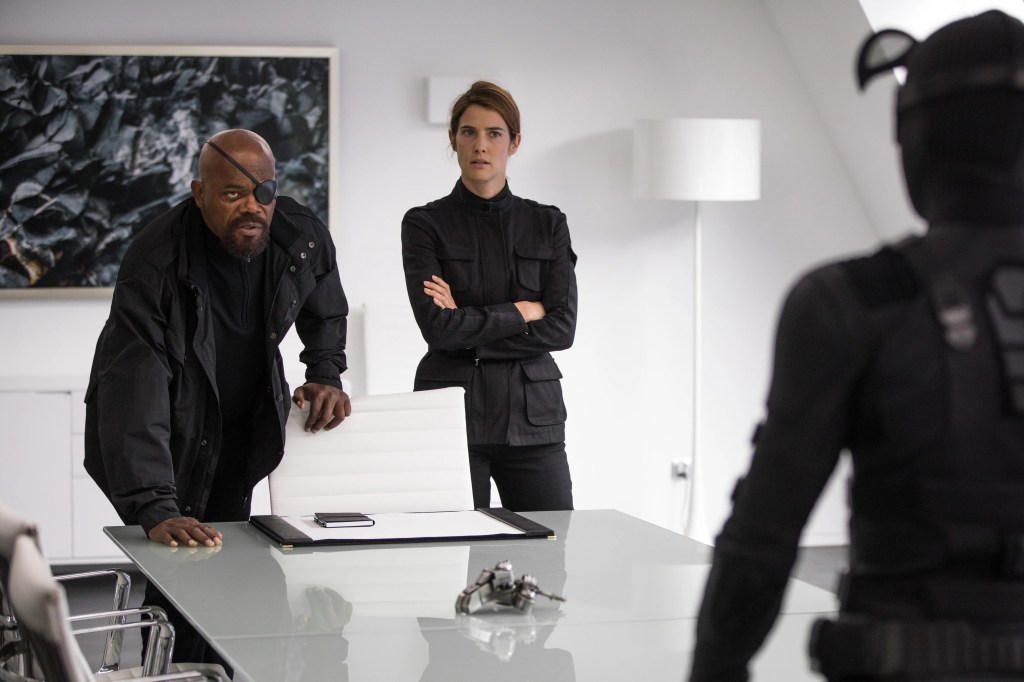
Spider-Man: Far From Home is the second film in the MCU to be led by Spider-Man as a character. It brings back an interesting slate of characters while honoring the deal made between Disney and Sony that an important MCU actor will play a major supporting role. In Homecoming, that was Tony Stark (Robert Downey Jr.), and this time it was Nick Fury (Samuel L. Jackson) in addition to Maria Hill (Cobie Smulders). While the closing moments of the film turn that on its head, throughout the film itself, there’s no reason for us to question that Fury and Hill are the ones on the scene, helping the mysterious Quentin Beck, AKA Mysterio (Jack Gyllenhaal), save their Earth from the destruction his Earth suffered at the hands of the Elementals.
What makes a Marvel film interesting is its interconnectedness. Back in 2019, that culminated in Avengers: Endgame, which led to the second Spider-Man film released within the Marvel Cinematic Universe to have to carefully market itself. There was no secret that this movie would be set after Infinity War and Endgame, leading to, of course, an awkward position. A big deal was made about Tom Holland’s Spider-Man being a major character in the MCU and, famously, in the conclusion of Avengers: Infinity War, he was one of fifty percent of all life in the Universe who was dusted.
The initial marketing plan, before Endgame was released, obfuscated the details and, if memory serves, included statements that were carefully made to make it seem as if this Spider-Man film was unconnected with the greater MCU for a while. There was a time when a trailer would tell you everything because audiences refused to go to a movie that they couldn’t parse and, hating surprises, needed encouragement. Nowadays, the most blatantly obvious plot points have to be talked around to build up the hype surrounding a film… It feels rather insulting at times, but I didn’t decide to major in marketing. What makes this hilarious is that the efforts were clearly never successful, but they were able to derive a marketing campaign that hid some of the more intriguing plot points.
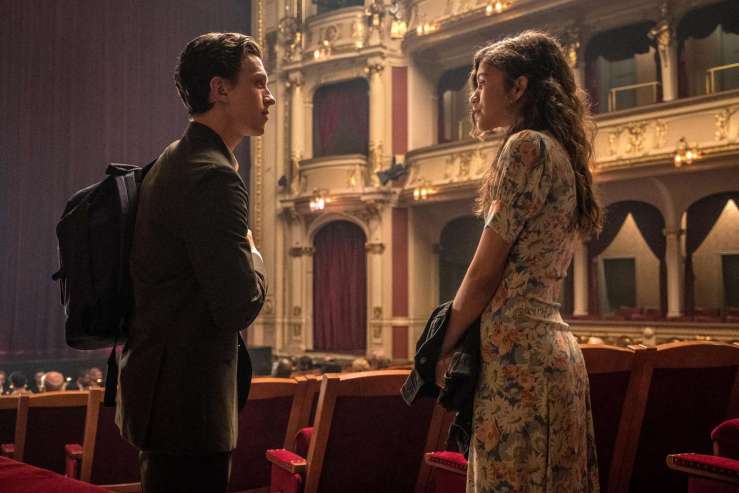
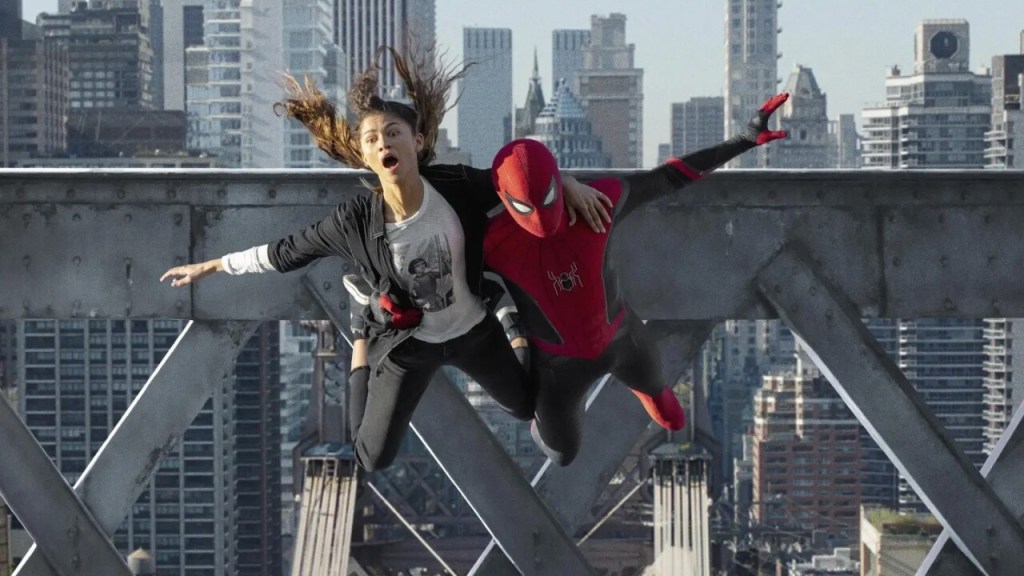
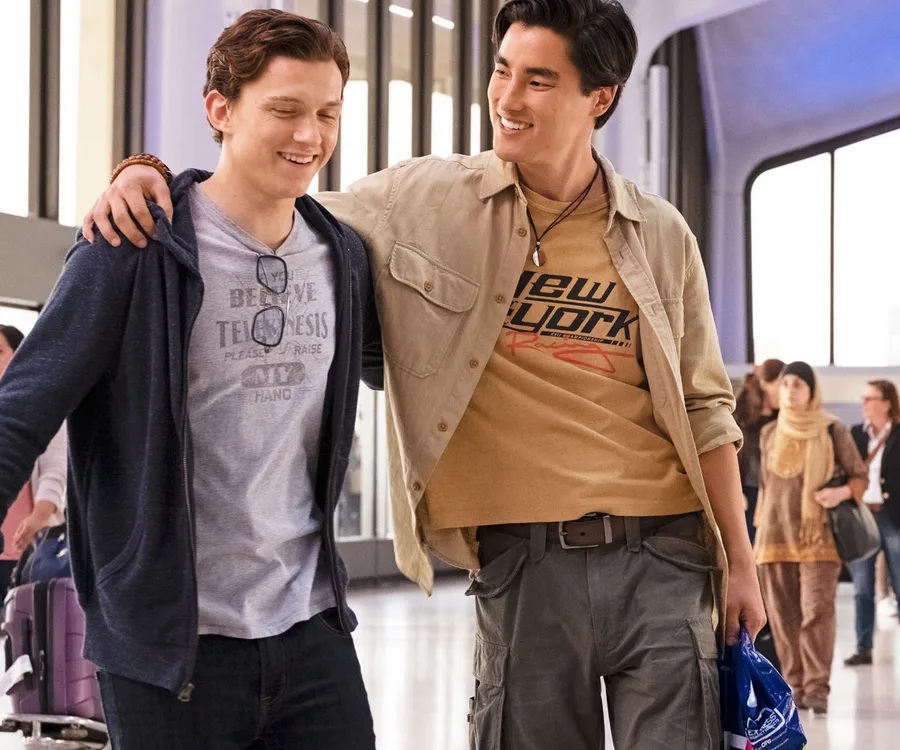
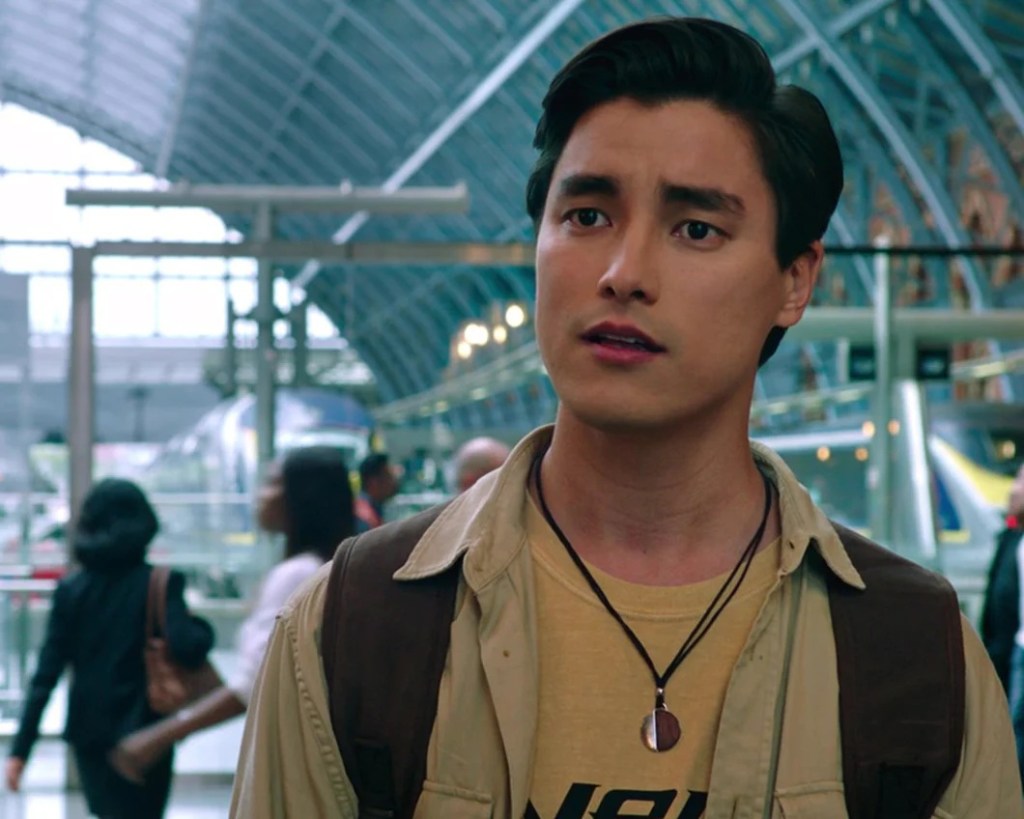
M.J. (Zendaya) received a much bigger role in this film than she did in Homecoming, becoming the primary romantic interest of Peter Parker. Much of the first half of the film is dedicated to Peter attempting to find the best moment to talk with M.J., while dealing with a romantic rival in the form of Brad Davis (Remy Hii). Brad was not dusted by the Snap, or the Blip, as they really try to sell in-Universe in every single piece of media released after everybody outside the film’s Universe agreed “the Snap” sounded better. Because of this, Brad is no longer the elementary-aged kid who apparently used to bug them, but a popular kid the same age as the rest of them. M.J. and Peter’s growing relationship is one of the best parts of the film, because at no point does the story set her aside as an oblivious person. While she admits that she was only partially certain that Peter was Spider-Man, it was utterly hilarious to watch the pair interact, especially considering the real-life relationship building in the background between Tom Holland and Zendaya.
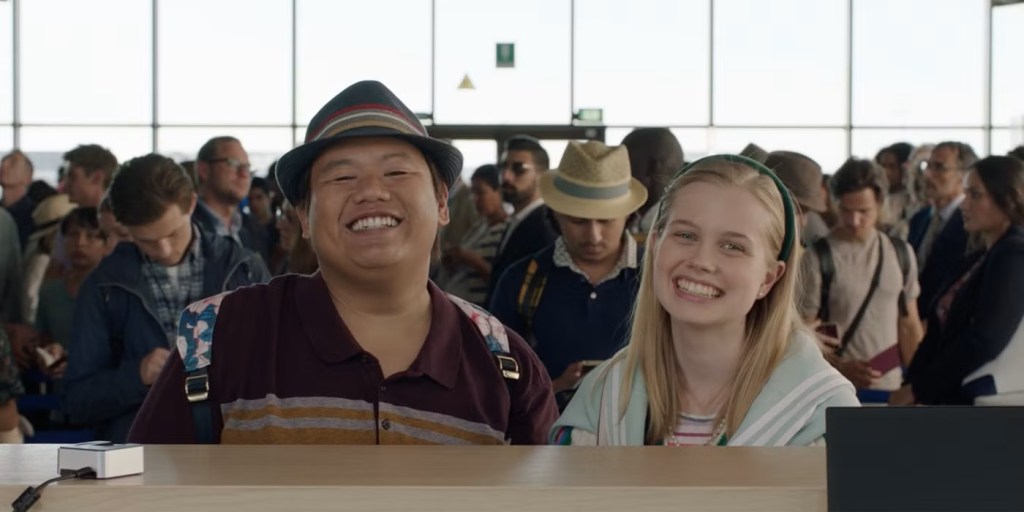
Ned Leeds (Jacob Batalon) returns as Peter’s best friend and confidante, who, over the course of the film, engages in an entire relationship arc with Betty Brant (Angourie Rice) in the background of the film. This whole relationship is a comedy beat, as the pair had little to no interaction onscreen beforehand, only to become the kind of obnoxiously overly romantic relationship people hate to love. By the time they’ve broken up, Peter is utterly confused because of how quickly the relationship moved through every stage across a literal week of their lives.

May Parker (Marisa Tomei) is given much more to do than simply being the “hotter, younger” version of Peter’s Aunt. While she has a far bigger role in No Way Home, because of the ending to Homecoming, she starts out already knowing Peter is Spider-Man. Since coming back from the Blip, May has dedicated herself to working with Spider-Man in a myriad of charitable causes, while also building her life up again, having lost their apartment after it was rented out to somebody else.
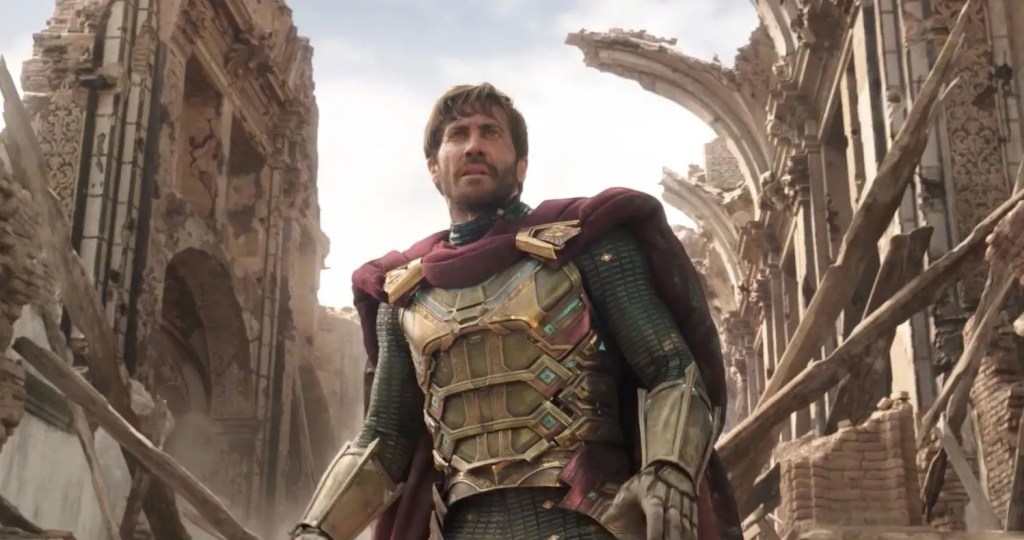
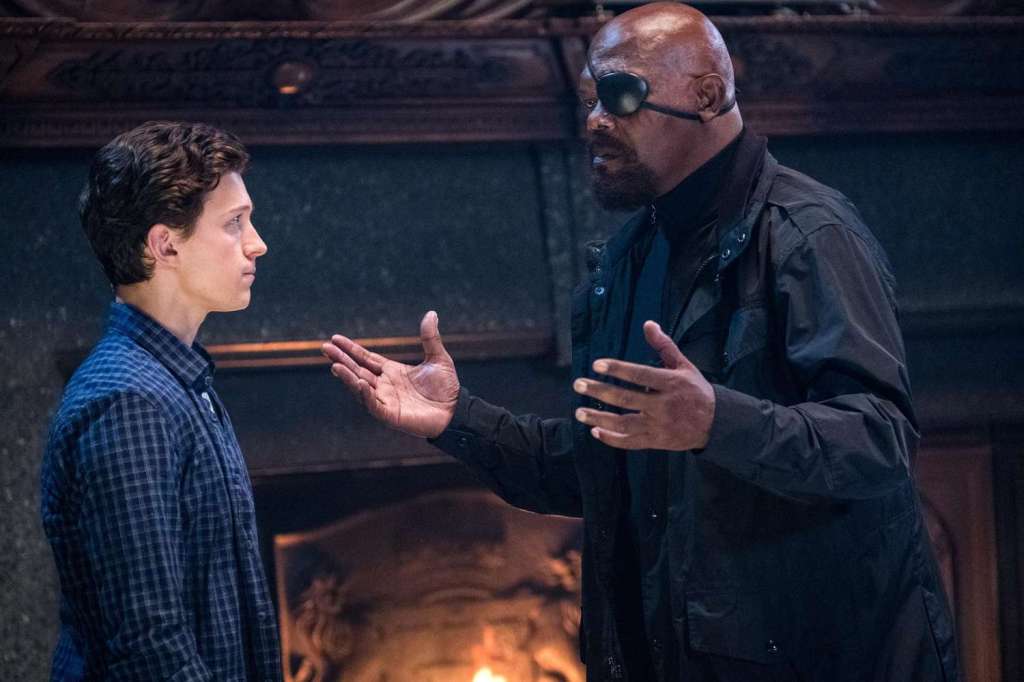
Mysterio was handled carefully in the marketing and the entire first half of the film. Despite decades of back issues to lean on, the film managed to build up the possibility, however slim, that he was actually not the villain, and that the Elementals truly were a threat. Obviously, the character’s whole schtick would lead one to never fully trust him, but with all that the characters have seen and gone through, it was far too easy a ploy to fall for. During the film, this is perhaps the only clue that Fury isn’t actually Fury. He’s known to be overly paranoid. But, because of Mysterio’s plan, he forms a close relationship with Peter, preying on the emotions of a teenager who has lost a father figure, for his own petty, personal gain.

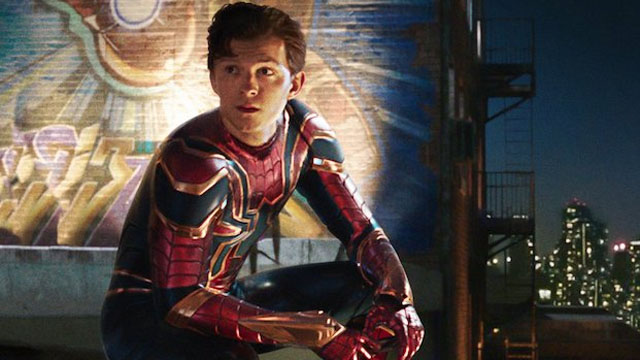
Spider-Man: Far From Home continues to build the critique that fans have about these films, while still being a great one. It is impossible to watch any MCU film series as its own individual trilogy, or in the case of Thor, a tetralogy, because too much happens in the interconnecting films while paradoxically not enough happens. While the development of Peter’s interest in M.J. literally comes out of nowhere, despite being tied to decades of comic book precedence, a bigger aspect is Tony’s death and Peter’s grief.
Bear with me, because this is not a callous criticism. Half the audience wants more interconnectedness between the stories, while the other would like less. Some of the more interesting entries are viewed fondly because they are able to figure out how to stand on their own rather than as “MCU Individual Character Story #3,” while others struggle. In isolation, Far From Home is a fun school-trip movie that ends terribly (for Peter, not the film itself). As a follow-up to Homecoming, it’s disjointed in a way that was not an issue for Iron Man and Iron Man 2 or Captain America: The First Avenger and The Winter Soldier. It was said recently that M.J. is a terrible character, not because she is an adaptation of Mary Jane Watson in a new direction, but because her character is inconsistent from one entry to the next. Much of this can be chalked up to the amount of time between films, notwithstanding the Blip. People grow into who they are as they grow older, and M.J., as a character, has a cohesive arc in each individual film.
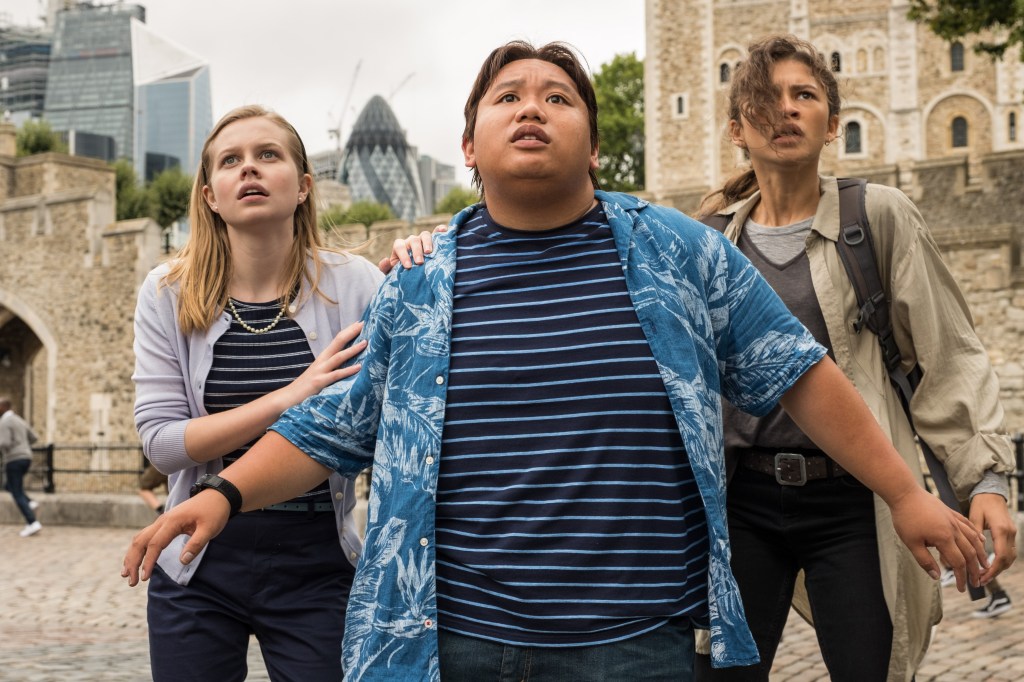
Yet, when watched back-to-back, certain aspects of her character feel like they were excised so that a particular story could be told, with none of the connective tissue existing because, unlike Peter, we have, until now, only seen her in the Spider-Man films. Her intellect and curiosity are never in doubt, but her connection with Peter and Ned is based on, perhaps, a single scene of them technically having lunch together in Homecoming. The same argument, on a grander scale, exists for the Avengers team that Captain America and the Black Widow put together at the end of Age of Ultron. It was formed and disbanded across two films released a little over a year apart from one another, with nothing of note being done with them.
With each year, more films and television series are released, necessitating an ever-increasing list of “you don’t have to watch it, but this will make more sense if you did.” At a certain point, one has to wonder, can every entry stand on its own in isolation, or, in time, will it become the load-bearing film to a crisis crossover five years down the road?

