
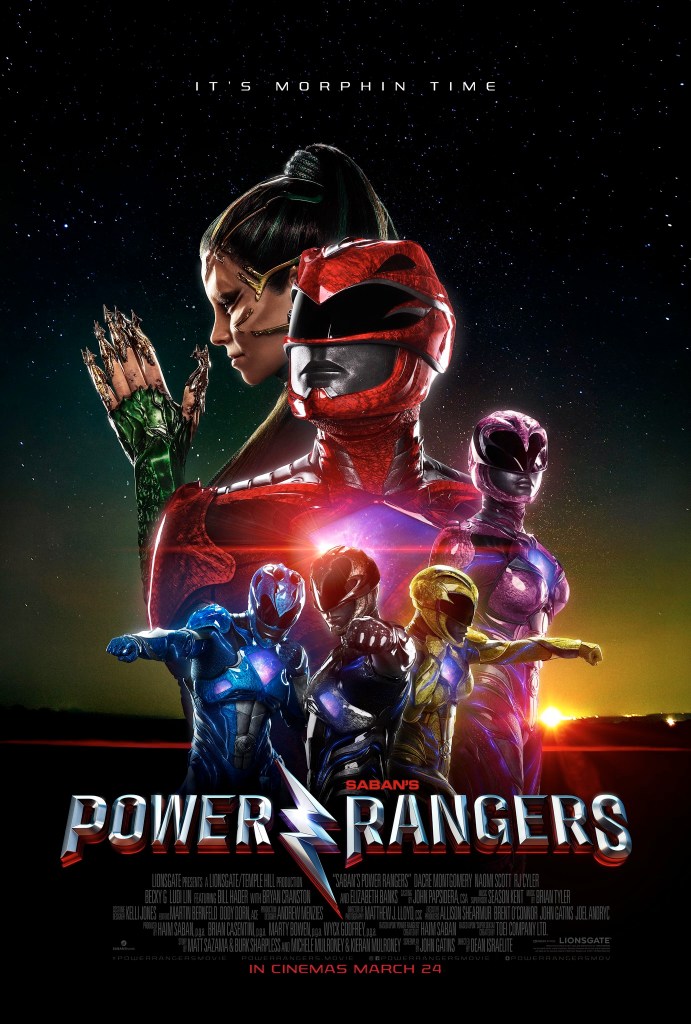
Power Rangers was released in 2017 and was the third full-length feature film to be developed for the long-running franchise. While it focused on the original characters introduced in Mighty Morphin Power Rangers, it was a technical reboot with grand ambitions that, sadly, it never got to execute in full. What makes the situation frustrating is that, on its own, it is not a bad film or even a subpar origin story. Power Rangers had decades of material to work with and built a cohesive storyline that it had every intention of paying off.
Set in the modern era, the film introduces us to five youths thrown together who end up forming a friendship and, eventually, become a team of superheroes. Jason Scott (Dacre Montgomery) is the first of the group we’re introduced to, as he and his fellow football players pull a prank on their rivals, only to end up in a car accident that injures his arm and ruins his season in his senior year. Kimberly Hart (Naomi Scott) is a former cheerleader who has fallen out with her friends for reasons that the film plays coy on for a long time. Billy Cranston (RJ Cyler) is in the same boat as the rest of them after experimenting with explosives. Trini (Becky G) and Zack Taylor (Ludi Lin) are the only ones who weren’t introduced in this way, and are instead simply nearby when Billy is off helping Jason get his ankle monitor off, as repayment for helping him against a bully.
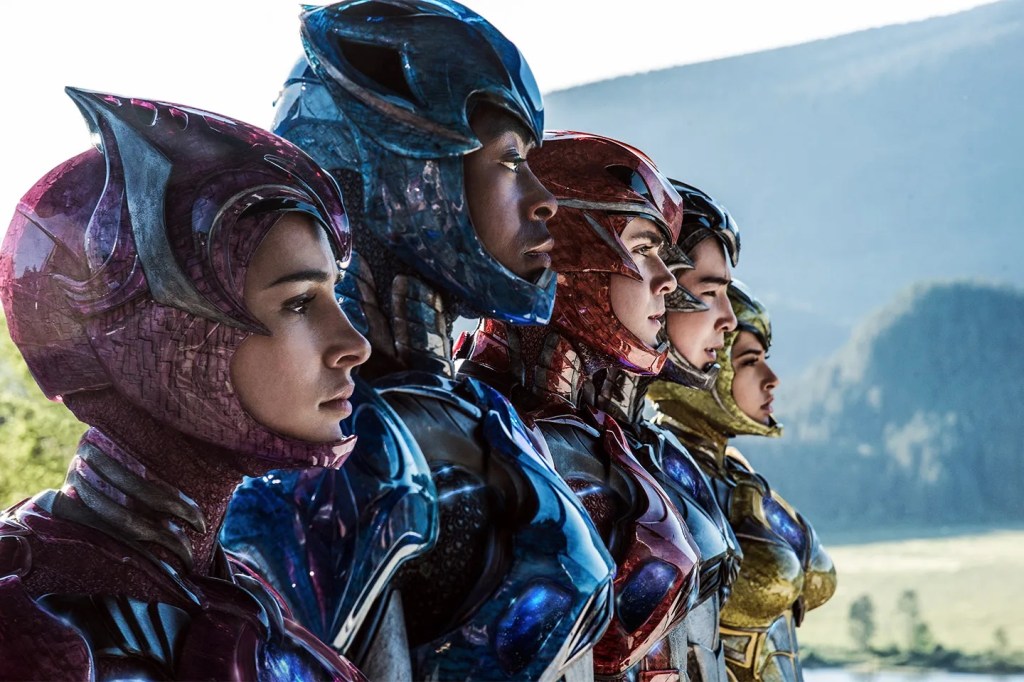
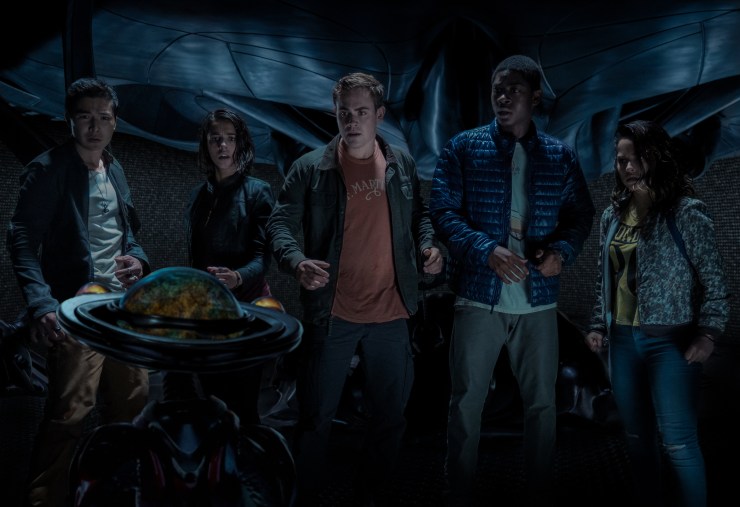
What I liked about Power Rangers the most was that it did its best to balance the core ensemble of Rangers while still building a cohesive origin story around them as a team. It was unsurprising that the film decided to center its story on Jason; every Power Rangers fan knows that the Red Ranger tends to eclipse their fellow teammates. While Jason, Billy, and Kimberly are unarguably more focused on than Zack and Trini, the film doesn’t go out of its way not to develop their personalities and lives. The thing is, all of them had equal weight in the film that was crafted, just not necessarily in the version that was released. Zack’s backstory was explored in about two scenes in the film itself, but there was an additional scene that laid out some of his attempts to make money to support his mother as her health fails.
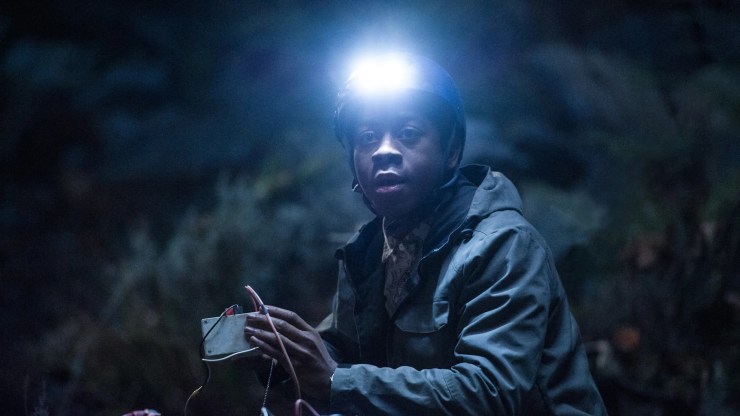
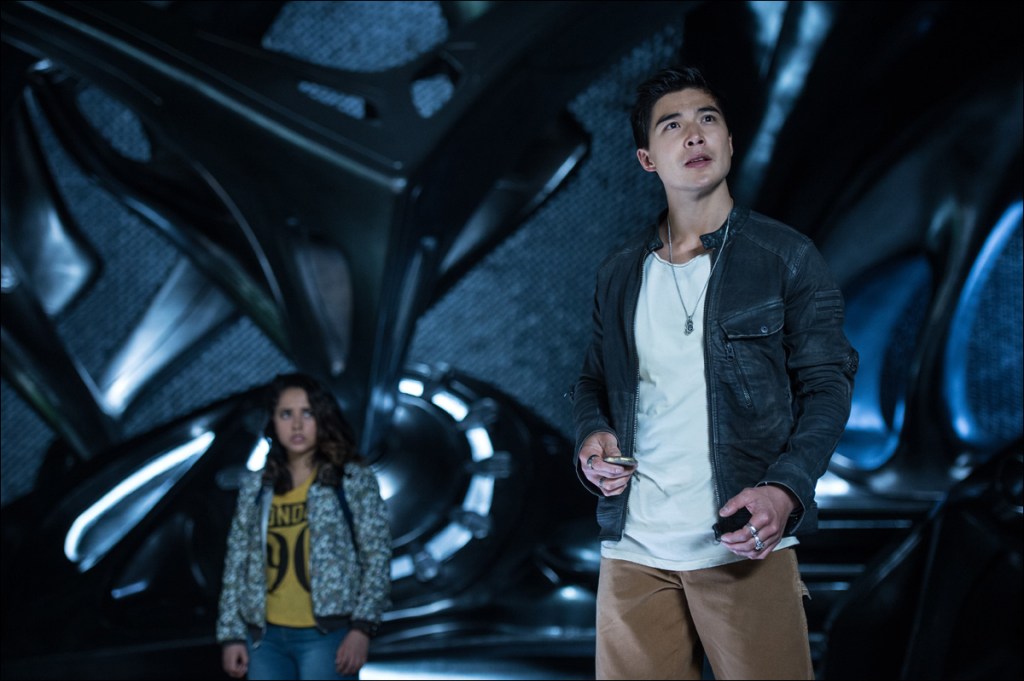
The characters are definitely more flawed in the film than they were in the series, which tended to exchange character flaws or exaggerate them for any particular plot line. That was standard for an episodic show in the 90s, where storylines were rarely serialized to the degree that audiences expect today. The fact that it built off those storylines while immediately forgetting certain aspects of them was aspirational in its “IDGAF” energy. Still, the characters were incredibly likable, which made the film’s decision with Jason and Kimberly rather… interesting. While I would root for a relationship between the two, I do question the legitimacy of having Kimberly’s flaw be so callous, even if the film tried to downplay it at times.
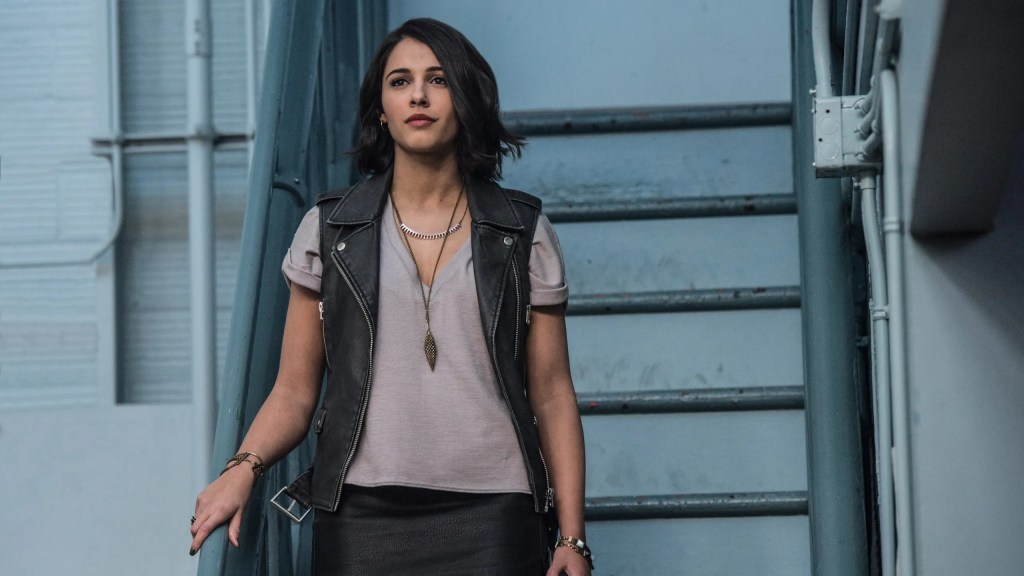
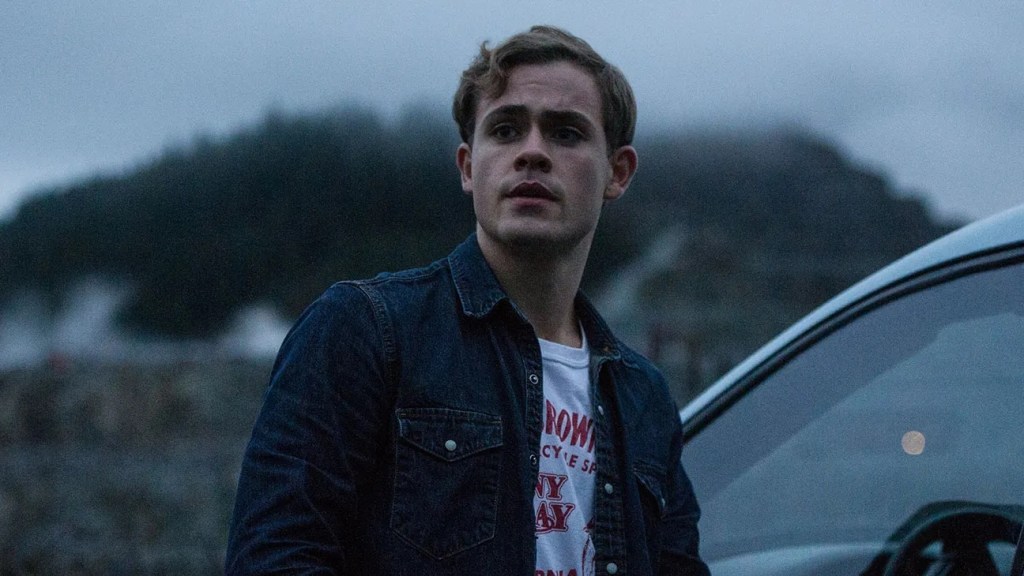
The biggest complaint for the film does emerge from the decision to make it an origin film for a franchise rather than a more independent story. It follows all the traditional hallmarks of an origin story and, in many ways, the first episode of any individual Power Rangers season. The group is not all friends at first; they stumble on or find the artifact that will give them their powers, then they have to decide if they want to keep pursuing it. This film expands on that greatly, rather than compressing what would be, in reality, an incredibly harrowing if not outright frightening experience. All of it is built on the word of a being and powers that they do not understand.
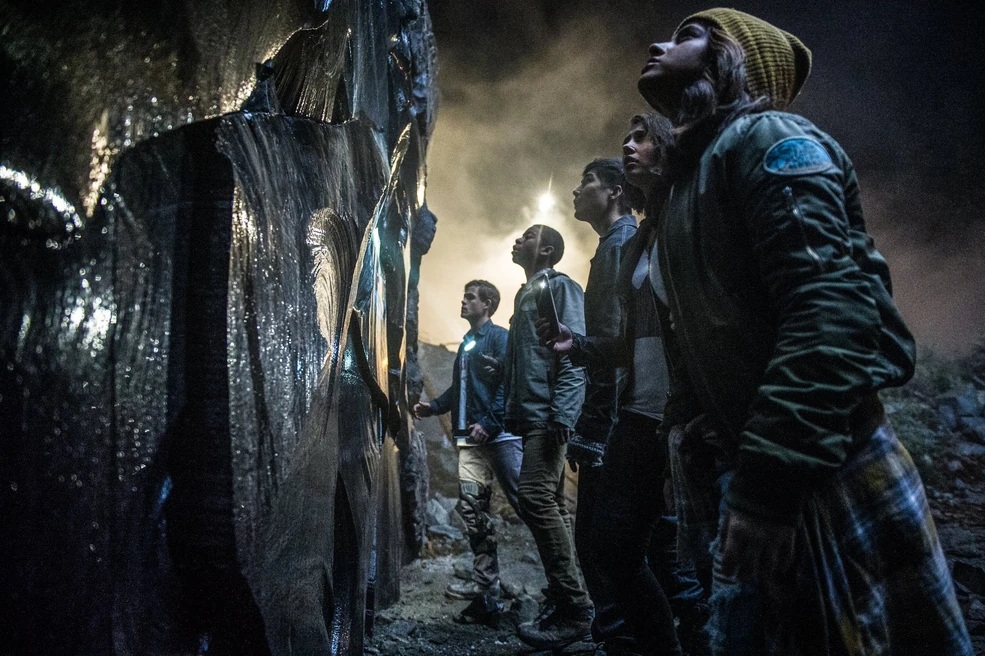
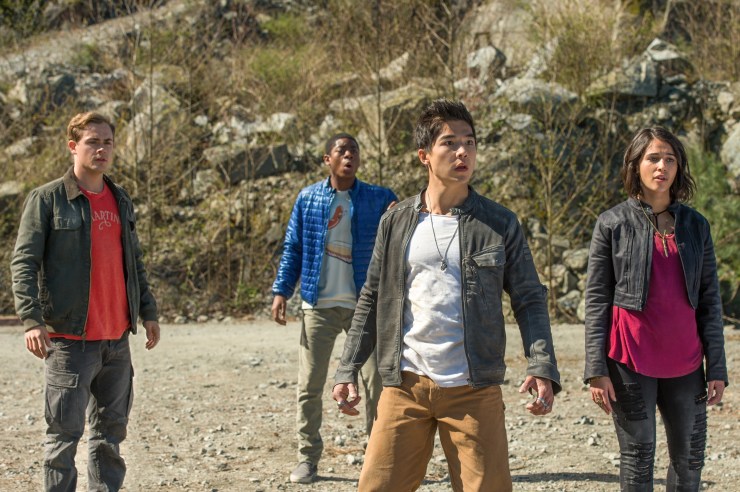
The relationship dynamic between the five leads is not ignored, even if certain combinations are not played up as much. Across two hours, the film sought to throw every combination out there, but in an effort to build genuine relationships, that meant having to prioritize certain combinations over others. It is up to you to decide how successful they were, and it is up to our collective imaginations to consider what could have been in the sequels that were planned.
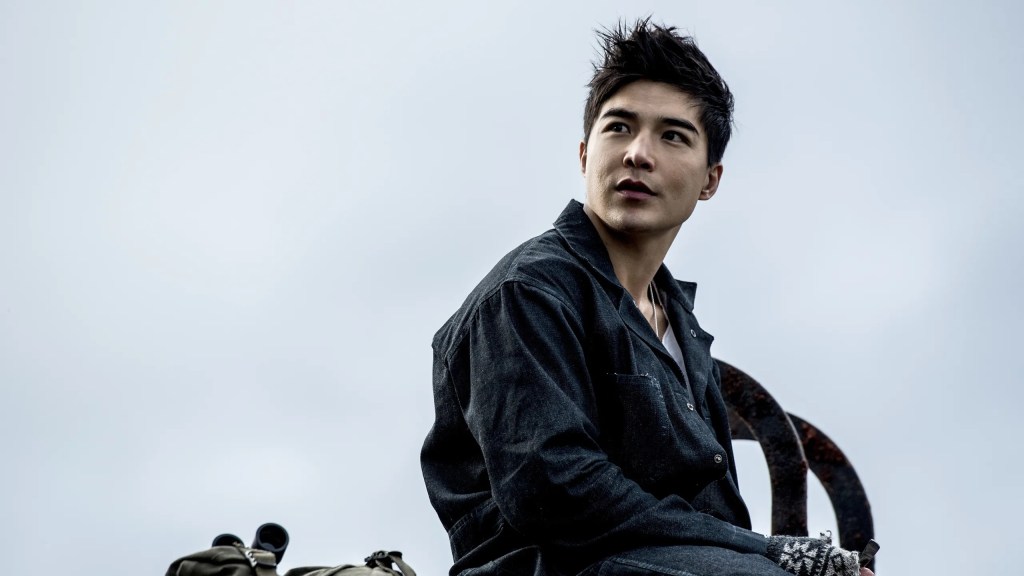
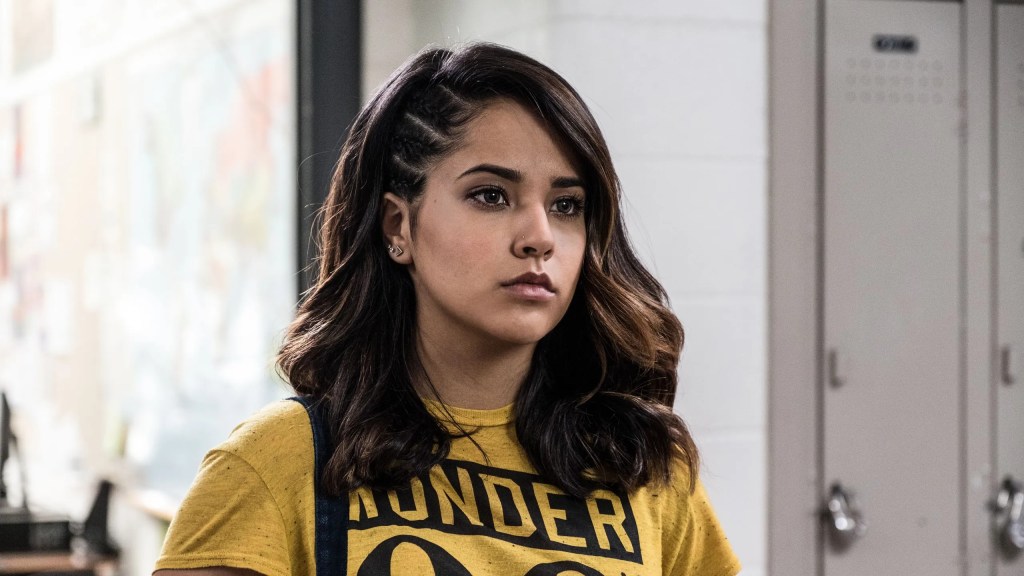
Because Power Rangers has so much history to derive a story from, the film drew on pieces that let the story breathe effectively. The Zeo Crystals, an underexplored concept in the original series that was dropped as quickly as every other Power-up in the time of one team continuing from season to season, are combined with the original Power Morphers. The show treated the Crystals as an ever-expanding source of power and then hoped that its audience would forget that fact when they needed new merchandise to sell and created the Turbo Rangers. The film also built on the core concept of their powers being derived from prehistoric creatures, setting the preceding teams’ rise and fall 65 million years prior. Rita Repulsa (Elizabeth Banks) and Zordon (Bryan Cranston) have been in conflict with one another this entire time and, at one point, were Rangers who served together until Rita betrayed them.
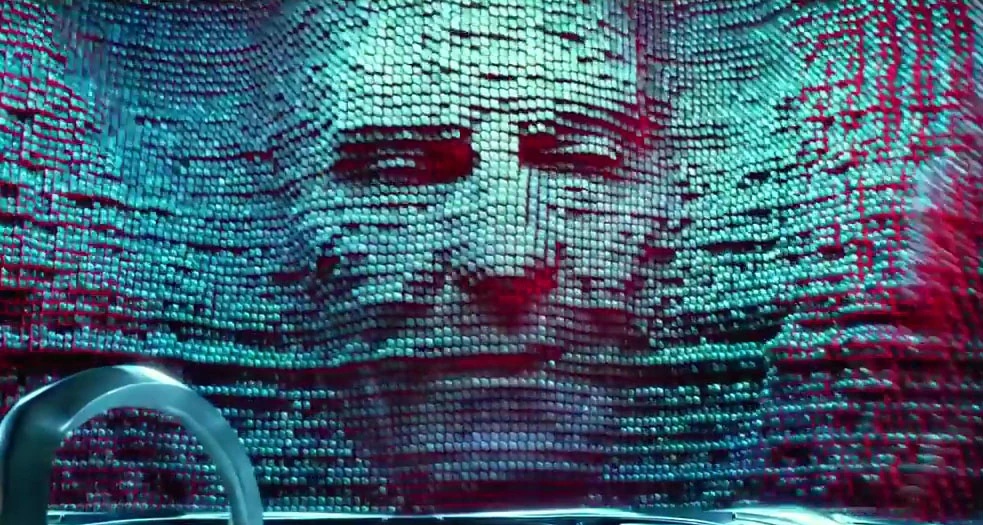
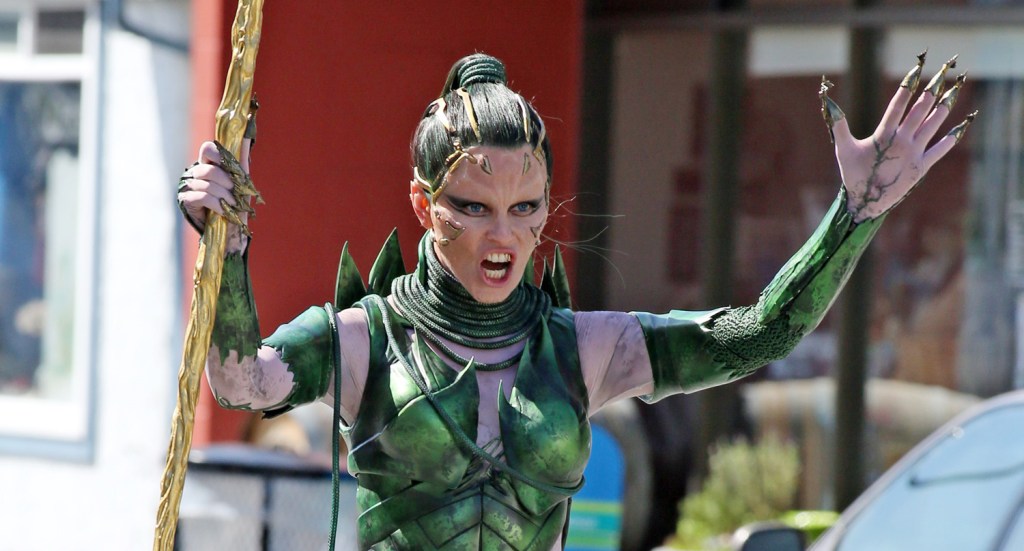
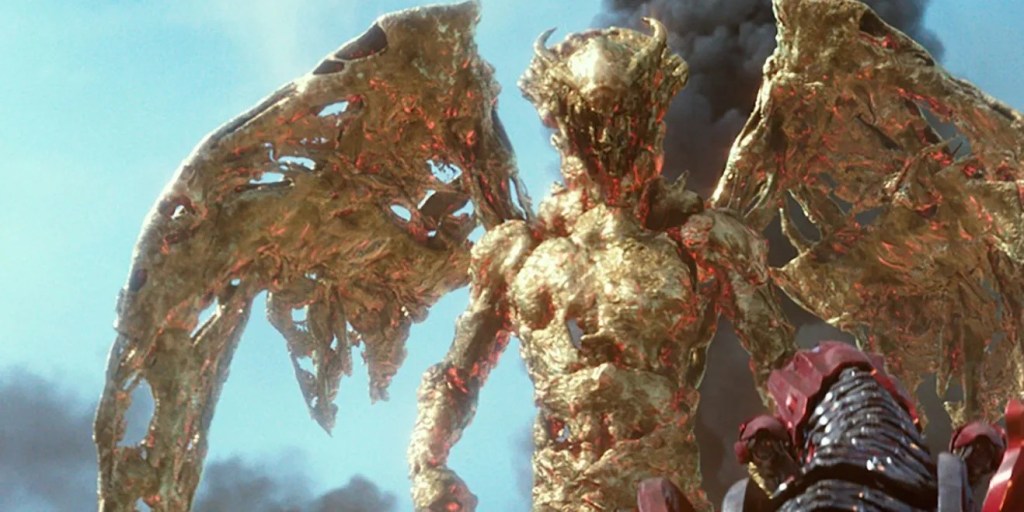
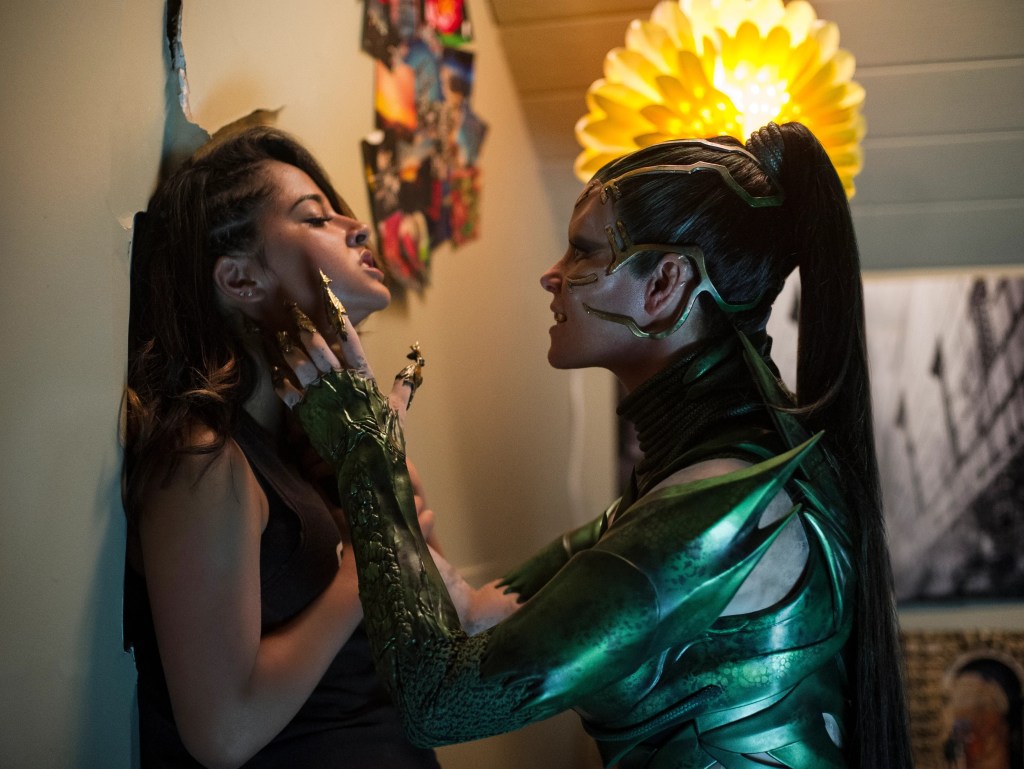
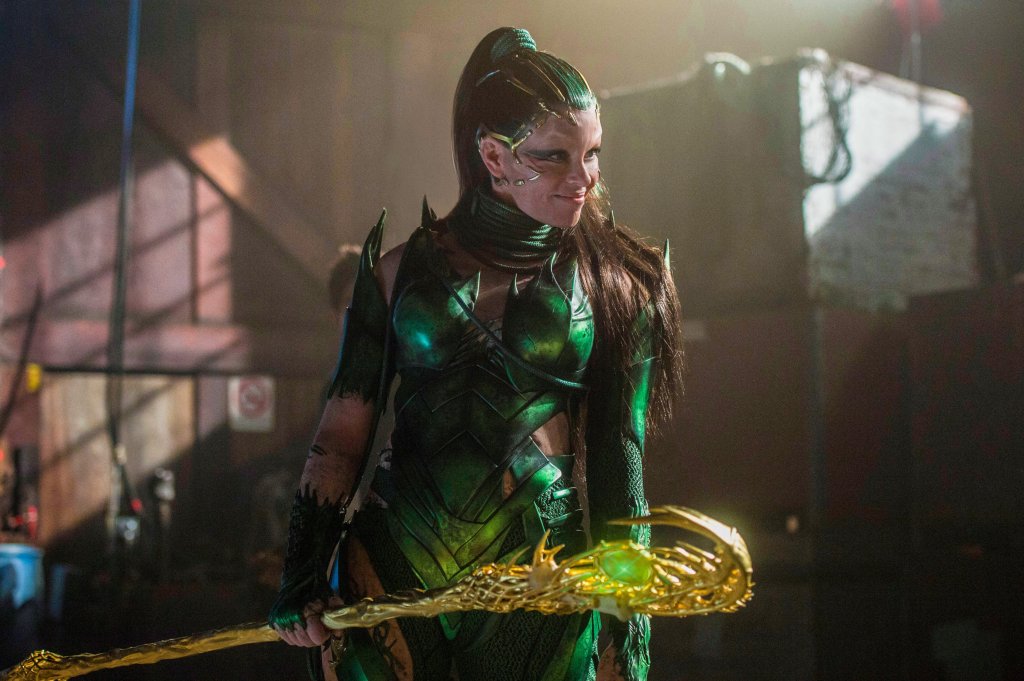
Rita is in top form here, and far more terrifying than she was allowed to be in the show. She was not ineffective by any means in the original series, but this version of Rita does what her original incarnation could never do and actually kills one of the Rangers. It may have been a temporary plot point, but the film doesn’t hold back on the emotional turmoil. Rita’s antics are, in some way, played for laughs, such as her hunt for gold, but even this serves a greater purpose. The gold that Rita spends the entire film collecting is used to create Goldar and is the monster that she makes big to attack Angel Grove and ultimately fight the Power Rangers when they finally figure out their powers and summon their Zords.
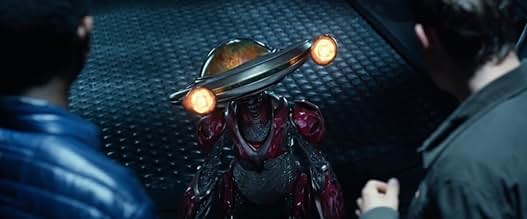
Alpha 5 (Bill Hader) is the last major character from the original series to truly have a role in this film, serving in a similar capacity to the original. He acts as an assistant for Zordon, and while he is not nearly as much of a cheerleader in this film, it is not to the character’s detriment. He spends a good portion of the middle of the film acting as the Rangers’ sparring partner after the Power Coins have made them superhumanly strong. It does little to remove his friendly nature, but it was refreshing for his sarcasm to have a bit more bite to it.
When the film was initially announced, it followed the same trajectory as its originator. The main cast was, almost entirely, unknown. This is not to say that none of them had prior experience or name recognition – Becky G was known to me for her music well before her stint on Empire, and I had seen Naomi Scott in The 33 and Terra Nova. That doesn’t change the fact that, for the five lead actors, this was a major breakthrough for them that preceded several larger productions.
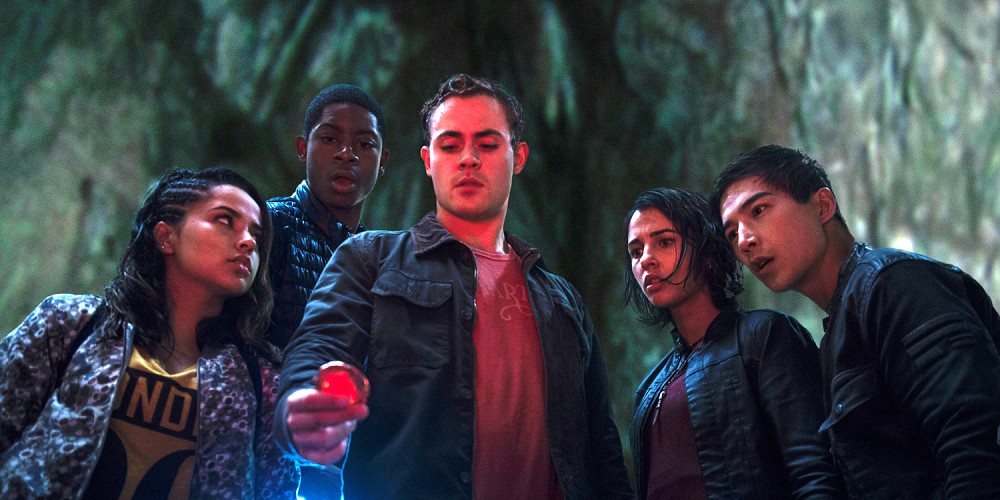
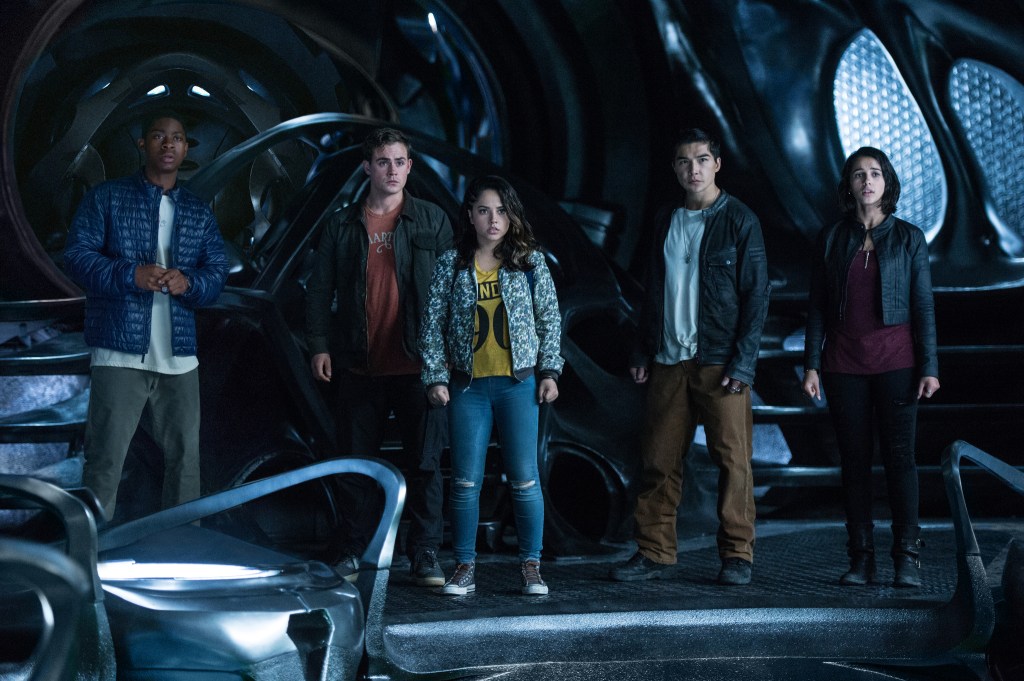
Dacre Montgomery would debut in the critically acclaimed second season of Stranger Things mere months after the film’s release. RJ Cyler would later appear in War Machine and the much more interesting (to me) Scream: Resurrection. Ludi Lin would have a minor supporting role in Aquaman before playing a major role in Kung Fu and, in more recent years, Liu Kang in Mortal Kombat. Naomi Scott would, in my own personal opinion, eclipse her fellow Rangers, first as Princess Jasmine in Aladdin and then, more recently, as Skye in Smile 2. But all of them have built rather successful careers, and not one of them has looked back on Power Rangers and decried it as a mistake. Quite the contrary, several of them have lamented the missed opportunity for the scope of the project that they had hoped to build.
While this series is unlikely to ever be continued for two reasons, the length of time since its release and the increased profiles and schedule of most of the cast, it stands strong on its own. Few franchise-starting films can ever say that.

